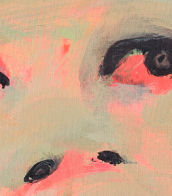
aye aye



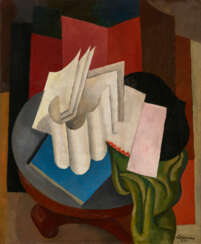

Roger de la Fresnaye was a French painter, a representative of Cubism in painting.
He studied at the Académie Julian in Paris and was fascinated by the art of Paul Cézanne. In his works Fresnaye synthesized lyrical color with geometric simplifications of Cubism.


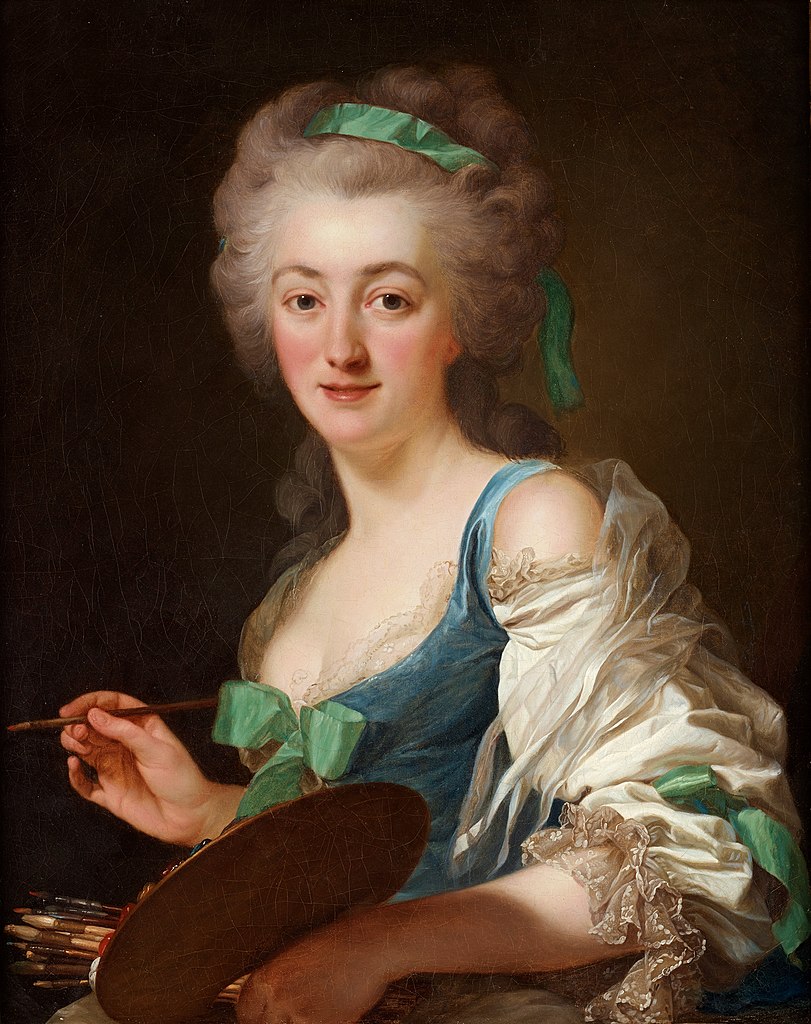
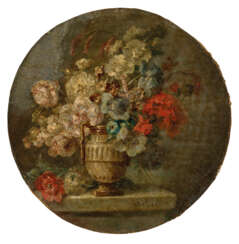
Anne Vallayer-Coster was a renowned French artist, celebrated for her exceptional still-life paintings that captivated 18th-century art enthusiasts, including the French Queen Marie Antoinette. Born into an artistic family in 1744, Vallayer-Coster's talent was evident early on, leading to her unanimous election into the prestigious Académie Royale at just 26 years old. Her works, characterized by their vibrant color, meticulous detail, and textural precision, often depicted bowls of fruit, game, shells, and flowers, showcasing the opulence of French aristocracy before the Revolution.
Vallayer-Coster's career was notable not only for her artistic achievements but also for her ability to navigate the male-dominated art world of her time. Despite the societal constraints on women artists, she gained the patronage of influential figures like Marie Antoinette and was one of the few women admitted to the Royal Academy of Painting and Sculpture. Her work received critical acclaim at the Salon, where she exhibited regularly from 1771 until 1817, and her still-lifes were praised for their sensuality, illusionistic perfection, and the rich, indulgent luxury they portrayed.
One of Vallayer-Coster's most ambitious works, Still Life with Flowers in an Alabaster Vase and Fruit (1783), exemplifies her unparalleled skill in capturing the soft textures of flowers and their harmonious arrangement. This masterpiece was hailed as such at the Salon of 1783 and is considered by Vallayer-Coster herself as her finest painting. Lost for nearly two centuries, it was recently rediscovered in an almost pristine state and is now part of the National Gallery of Art's collection, highlighting Vallayer-Coster's significant contributions to European art history.
Throughout her career, Vallayer-Coster produced more than 120 still lifes, always with a distinctive brilliance in color, earning her a place among the elite artists of her time. Despite facing challenges during the French Revolution due to her close association with the monarchy, she continued to exhibit her work and contribute to the art world until her death in 1818.
For collectors and experts in art and antiques, Anne Vallayer-Coster's legacy is a testament to her skill, resilience, and the impact of her work on the history of art. To stay updated on new product sales and auction events related to Anne Vallayer-Coster, sign up for updates that focus solely on this exceptional artist's contributions to the art world.





Anne Vallayer-Coster was a renowned French artist, celebrated for her exceptional still-life paintings that captivated 18th-century art enthusiasts, including the French Queen Marie Antoinette. Born into an artistic family in 1744, Vallayer-Coster's talent was evident early on, leading to her unanimous election into the prestigious Académie Royale at just 26 years old. Her works, characterized by their vibrant color, meticulous detail, and textural precision, often depicted bowls of fruit, game, shells, and flowers, showcasing the opulence of French aristocracy before the Revolution.
Vallayer-Coster's career was notable not only for her artistic achievements but also for her ability to navigate the male-dominated art world of her time. Despite the societal constraints on women artists, she gained the patronage of influential figures like Marie Antoinette and was one of the few women admitted to the Royal Academy of Painting and Sculpture. Her work received critical acclaim at the Salon, where she exhibited regularly from 1771 until 1817, and her still-lifes were praised for their sensuality, illusionistic perfection, and the rich, indulgent luxury they portrayed.
One of Vallayer-Coster's most ambitious works, Still Life with Flowers in an Alabaster Vase and Fruit (1783), exemplifies her unparalleled skill in capturing the soft textures of flowers and their harmonious arrangement. This masterpiece was hailed as such at the Salon of 1783 and is considered by Vallayer-Coster herself as her finest painting. Lost for nearly two centuries, it was recently rediscovered in an almost pristine state and is now part of the National Gallery of Art's collection, highlighting Vallayer-Coster's significant contributions to European art history.
Throughout her career, Vallayer-Coster produced more than 120 still lifes, always with a distinctive brilliance in color, earning her a place among the elite artists of her time. Despite facing challenges during the French Revolution due to her close association with the monarchy, she continued to exhibit her work and contribute to the art world until her death in 1818.
For collectors and experts in art and antiques, Anne Vallayer-Coster's legacy is a testament to her skill, resilience, and the impact of her work on the history of art. To stay updated on new product sales and auction events related to Anne Vallayer-Coster, sign up for updates that focus solely on this exceptional artist's contributions to the art world.
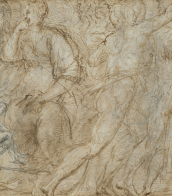
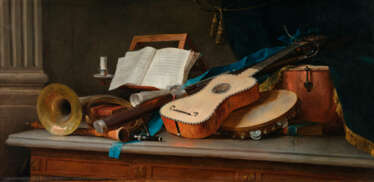

Anne Vallayer-Coster was a renowned French artist, celebrated for her exceptional still-life paintings that captivated 18th-century art enthusiasts, including the French Queen Marie Antoinette. Born into an artistic family in 1744, Vallayer-Coster's talent was evident early on, leading to her unanimous election into the prestigious Académie Royale at just 26 years old. Her works, characterized by their vibrant color, meticulous detail, and textural precision, often depicted bowls of fruit, game, shells, and flowers, showcasing the opulence of French aristocracy before the Revolution.
Vallayer-Coster's career was notable not only for her artistic achievements but also for her ability to navigate the male-dominated art world of her time. Despite the societal constraints on women artists, she gained the patronage of influential figures like Marie Antoinette and was one of the few women admitted to the Royal Academy of Painting and Sculpture. Her work received critical acclaim at the Salon, where she exhibited regularly from 1771 until 1817, and her still-lifes were praised for their sensuality, illusionistic perfection, and the rich, indulgent luxury they portrayed.
One of Vallayer-Coster's most ambitious works, Still Life with Flowers in an Alabaster Vase and Fruit (1783), exemplifies her unparalleled skill in capturing the soft textures of flowers and their harmonious arrangement. This masterpiece was hailed as such at the Salon of 1783 and is considered by Vallayer-Coster herself as her finest painting. Lost for nearly two centuries, it was recently rediscovered in an almost pristine state and is now part of the National Gallery of Art's collection, highlighting Vallayer-Coster's significant contributions to European art history.
Throughout her career, Vallayer-Coster produced more than 120 still lifes, always with a distinctive brilliance in color, earning her a place among the elite artists of her time. Despite facing challenges during the French Revolution due to her close association with the monarchy, she continued to exhibit her work and contribute to the art world until her death in 1818.
For collectors and experts in art and antiques, Anne Vallayer-Coster's legacy is a testament to her skill, resilience, and the impact of her work on the history of art. To stay updated on new product sales and auction events related to Anne Vallayer-Coster, sign up for updates that focus solely on this exceptional artist's contributions to the art world.
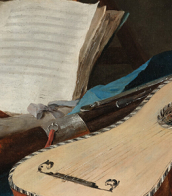
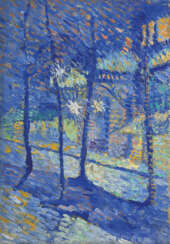

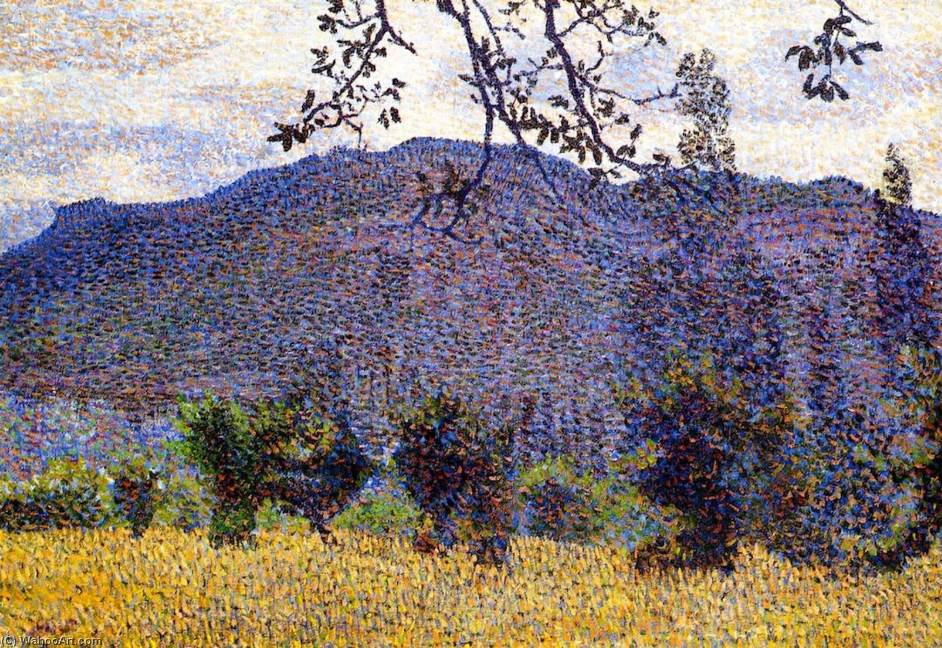


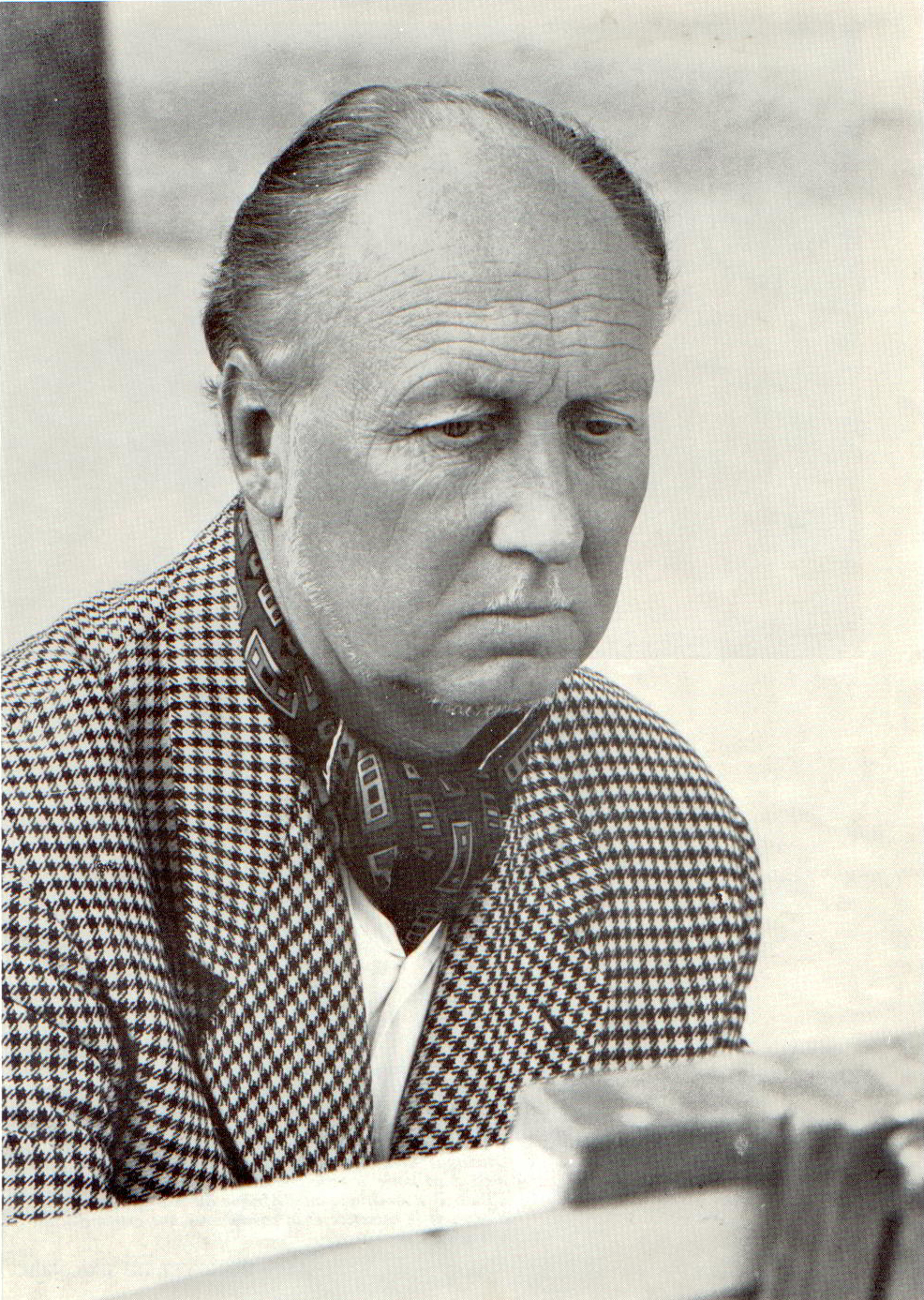
Yves Brayer was a French painter and lithographer known for his landscapes, portraits and still lifes.
Brayer studied at the École Nationale Supérieure des Beaux-Arts in Paris and then in Rome. He was influenced by classical art and inspired by Mediterranean landscapes, which he often depicted in his paintings. He was also interested in the culture of ancient Greece, which influenced his work.
Brye's early work was inspired by the Cubist and Surrealist movements. He was a founding member of the Paris School, a group of artists working in the French capital in the mid-twentieth century. He was also a member of the French Academy of Fine Arts and a Knight of the Legion of Honour.
Bryeux's work has been exhibited in prestigious galleries and museums around the world, including the Louvre in Paris, the Museum of Modern Art in New York and the National Museum of Western Art in Tokyo. His paintings are in many private collections.
Over the course of his career, Brye has received numerous awards and honours, including the Grand Prix de Rome and the Prix de l'Institut de France. He is considered one of the most important French artists of the 20th century.
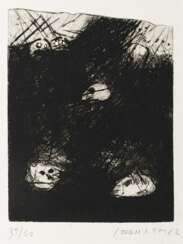

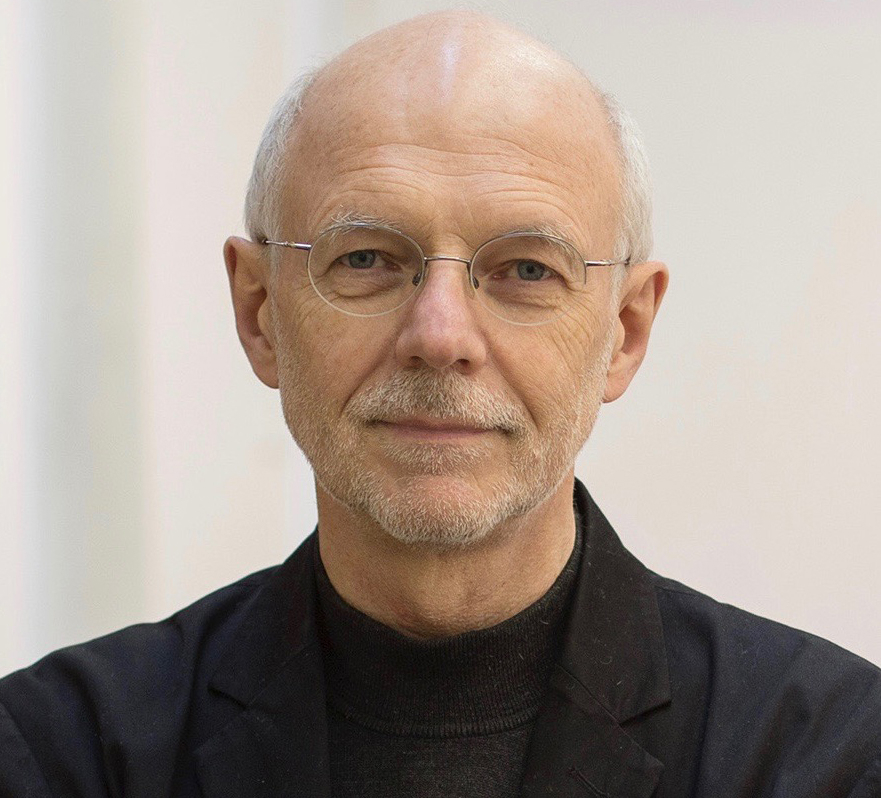
Leo Zogmayer is an Austrian conceptual artist, graphic artist and sculptor.
Zogmayer studied at the Vienna University of Applied Arts and works in a variety of techniques, including drawing, graphics, photography, computerized drawings, painting, glass painting, and sculpture in a wide variety of materials.
Zogmayer expresses himself primarily through language and text. His sculptures, created in the tradition of concrete modernism, are completely abbreviated, reduced to a minimum in terms of contour, form, color, and volume. The artist is concerned not so much with the creation of reality as with the dismantling of structures; he is interested in the rejection of definitions, conventions or models that limit people's perception and thinking.
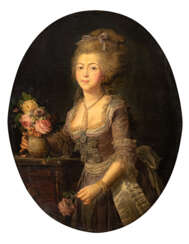

Anne Vallayer-Coster was a renowned French artist, celebrated for her exceptional still-life paintings that captivated 18th-century art enthusiasts, including the French Queen Marie Antoinette. Born into an artistic family in 1744, Vallayer-Coster's talent was evident early on, leading to her unanimous election into the prestigious Académie Royale at just 26 years old. Her works, characterized by their vibrant color, meticulous detail, and textural precision, often depicted bowls of fruit, game, shells, and flowers, showcasing the opulence of French aristocracy before the Revolution.
Vallayer-Coster's career was notable not only for her artistic achievements but also for her ability to navigate the male-dominated art world of her time. Despite the societal constraints on women artists, she gained the patronage of influential figures like Marie Antoinette and was one of the few women admitted to the Royal Academy of Painting and Sculpture. Her work received critical acclaim at the Salon, where she exhibited regularly from 1771 until 1817, and her still-lifes were praised for their sensuality, illusionistic perfection, and the rich, indulgent luxury they portrayed.
One of Vallayer-Coster's most ambitious works, Still Life with Flowers in an Alabaster Vase and Fruit (1783), exemplifies her unparalleled skill in capturing the soft textures of flowers and their harmonious arrangement. This masterpiece was hailed as such at the Salon of 1783 and is considered by Vallayer-Coster herself as her finest painting. Lost for nearly two centuries, it was recently rediscovered in an almost pristine state and is now part of the National Gallery of Art's collection, highlighting Vallayer-Coster's significant contributions to European art history.
Throughout her career, Vallayer-Coster produced more than 120 still lifes, always with a distinctive brilliance in color, earning her a place among the elite artists of her time. Despite facing challenges during the French Revolution due to her close association with the monarchy, she continued to exhibit her work and contribute to the art world until her death in 1818.
For collectors and experts in art and antiques, Anne Vallayer-Coster's legacy is a testament to her skill, resilience, and the impact of her work on the history of art. To stay updated on new product sales and auction events related to Anne Vallayer-Coster, sign up for updates that focus solely on this exceptional artist's contributions to the art world.
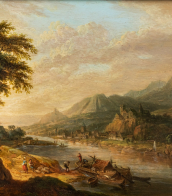


Leo Zogmayer is an Austrian conceptual artist, graphic artist and sculptor.
Zogmayer studied at the Vienna University of Applied Arts and works in a variety of techniques, including drawing, graphics, photography, computerized drawings, painting, glass painting, and sculpture in a wide variety of materials.
Zogmayer expresses himself primarily through language and text. His sculptures, created in the tradition of concrete modernism, are completely abbreviated, reduced to a minimum in terms of contour, form, color, and volume. The artist is concerned not so much with the creation of reality as with the dismantling of structures; he is interested in the rejection of definitions, conventions or models that limit people's perception and thinking.
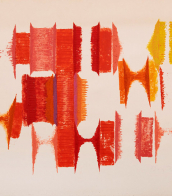


Roger de la Fresnaye was a French painter, a representative of Cubism in painting.
He studied at the Académie Julian in Paris and was fascinated by the art of Paul Cézanne. In his works Fresnaye synthesized lyrical color with geometric simplifications of Cubism.
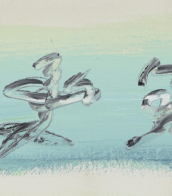


Roger de la Fresnaye was a French painter, a representative of Cubism in painting.
He studied at the Académie Julian in Paris and was fascinated by the art of Paul Cézanne. In his works Fresnaye synthesized lyrical color with geometric simplifications of Cubism.
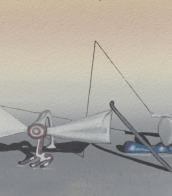






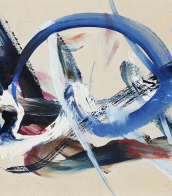
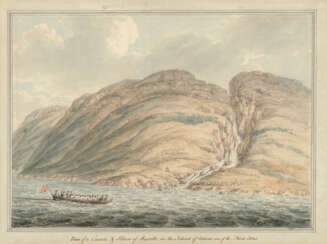

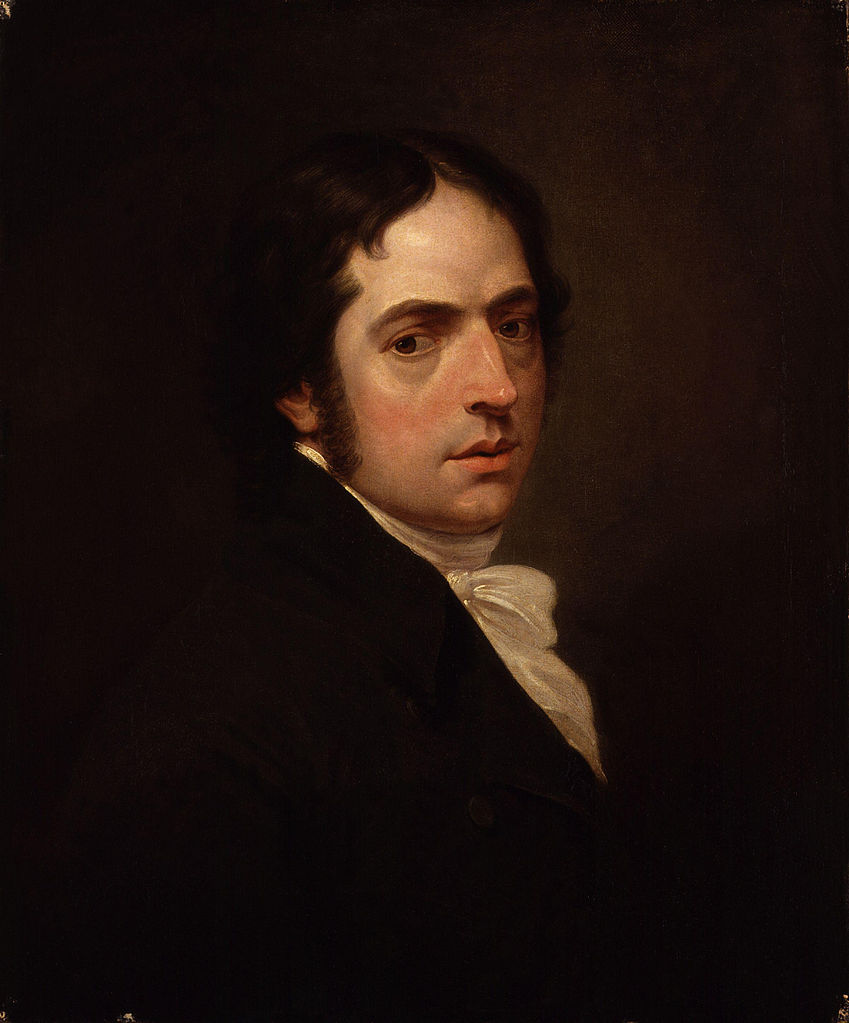

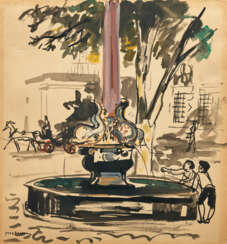

Yves Brayer was a French painter and lithographer known for his landscapes, portraits and still lifes.
Brayer studied at the École Nationale Supérieure des Beaux-Arts in Paris and then in Rome. He was influenced by classical art and inspired by Mediterranean landscapes, which he often depicted in his paintings. He was also interested in the culture of ancient Greece, which influenced his work.
Brye's early work was inspired by the Cubist and Surrealist movements. He was a founding member of the Paris School, a group of artists working in the French capital in the mid-twentieth century. He was also a member of the French Academy of Fine Arts and a Knight of the Legion of Honour.
Bryeux's work has been exhibited in prestigious galleries and museums around the world, including the Louvre in Paris, the Museum of Modern Art in New York and the National Museum of Western Art in Tokyo. His paintings are in many private collections.
Over the course of his career, Brye has received numerous awards and honours, including the Grand Prix de Rome and the Prix de l'Institut de France. He is considered one of the most important French artists of the 20th century.
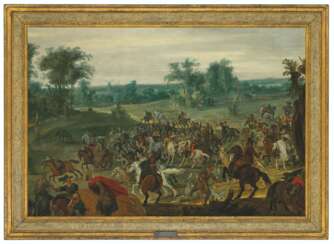

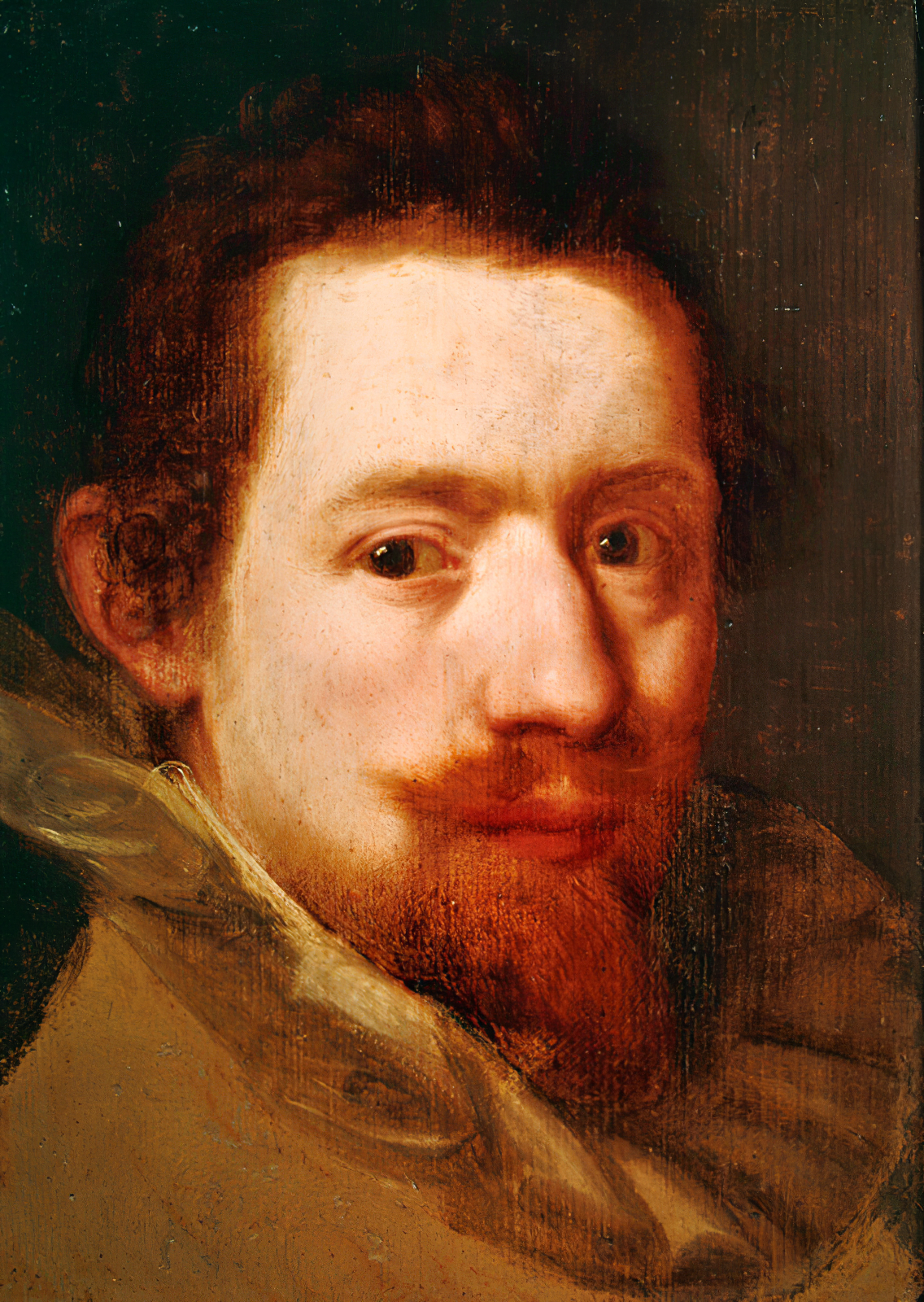
Pieter Snayers was a Flemish painter known for his panoramic battle scenes, depictions of cavalry skirmishes, attacks on villages, coaches and convoys and hunting scenes. He established his reputation mainly through his topographic battle scenes providing a bird's eye view over the battlefield. He further painted large landscapes and portraits of the aristocracy. He was a regular collaborator of local landscape painters and also Rubens.
After starting his career in Antwerp, he moved to Brussels where he worked for the court. He was the principal military iconographer of the court in Brussels and the appointed court painter with the rank of lieutenant-colonel.

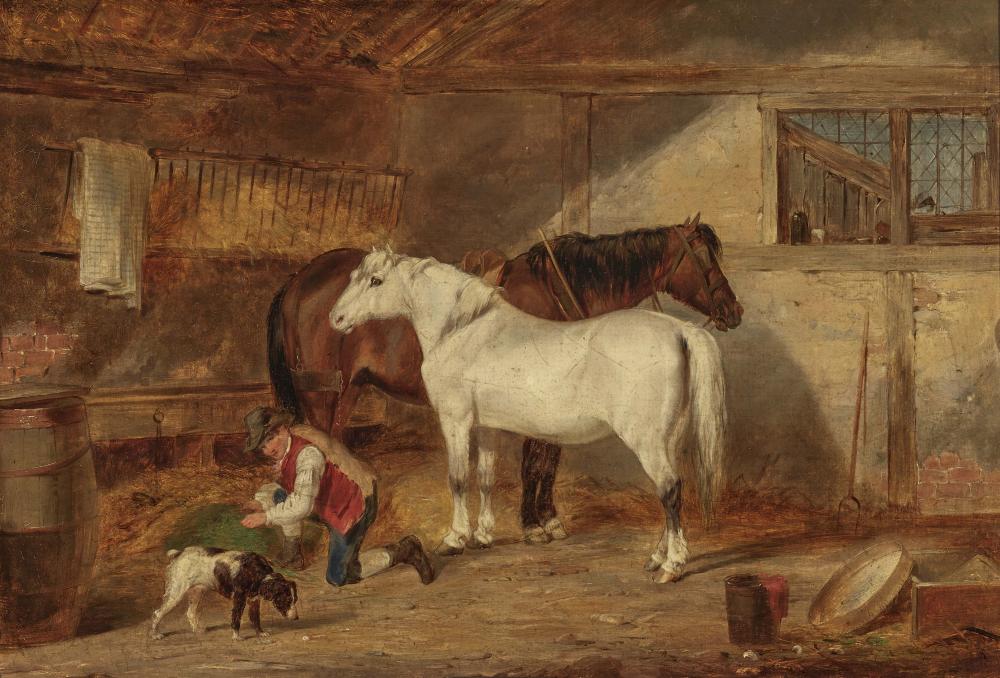
William Joseph Shayer was a British artist who painted genre scenes and landscapes with animals.


William Joseph Shayer was a British artist who painted genre scenes and landscapes with animals.
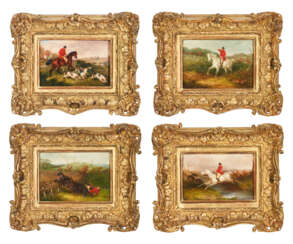

William Joseph Shayer was a British artist who painted genre scenes and landscapes with animals.
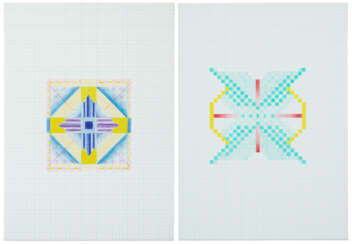

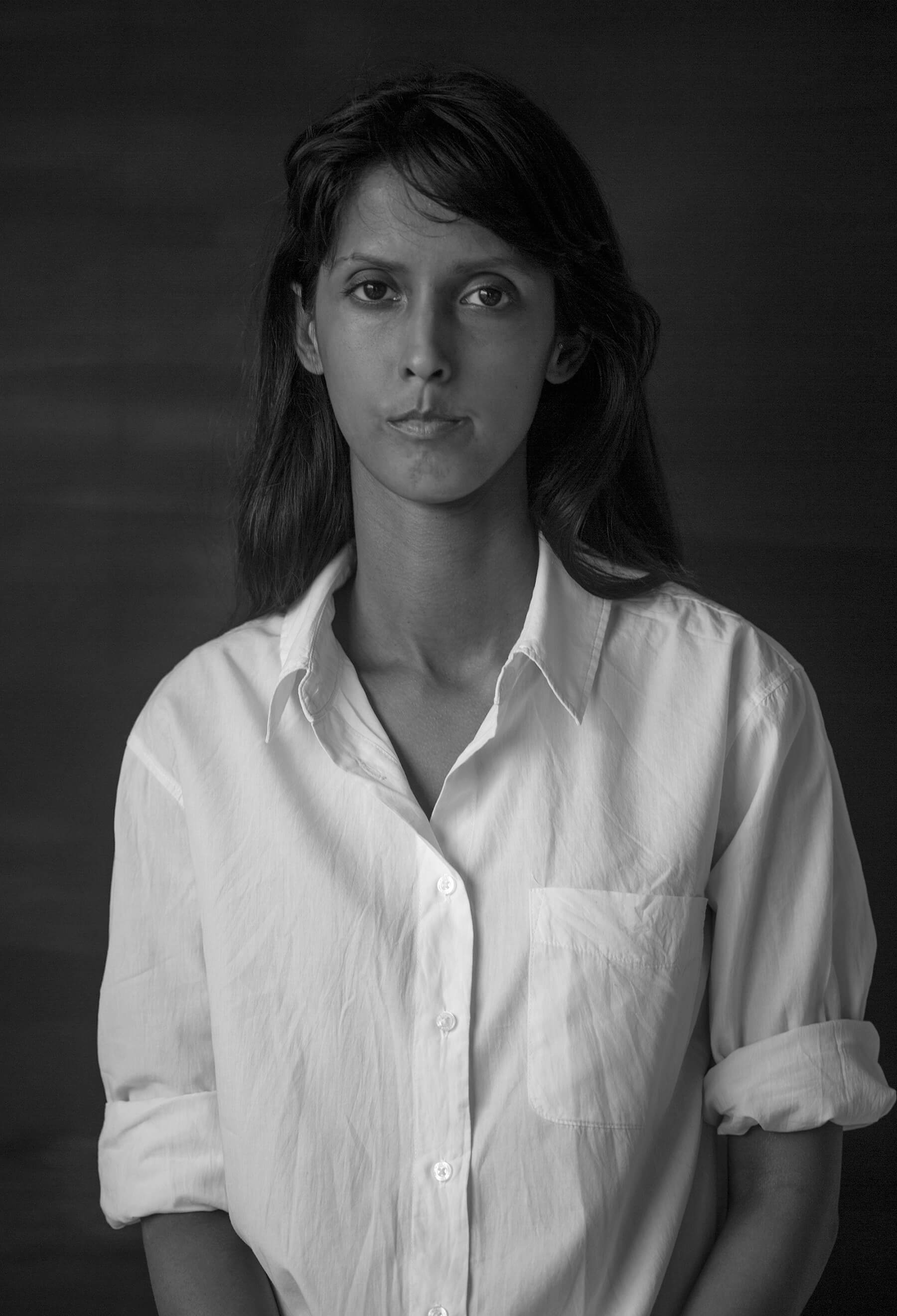
Ayesha Sultana is a contemporary abstractionist, graphic artist and sculptor from Bangladesh.