before the end
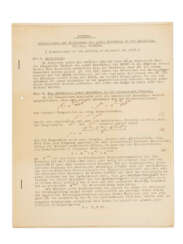

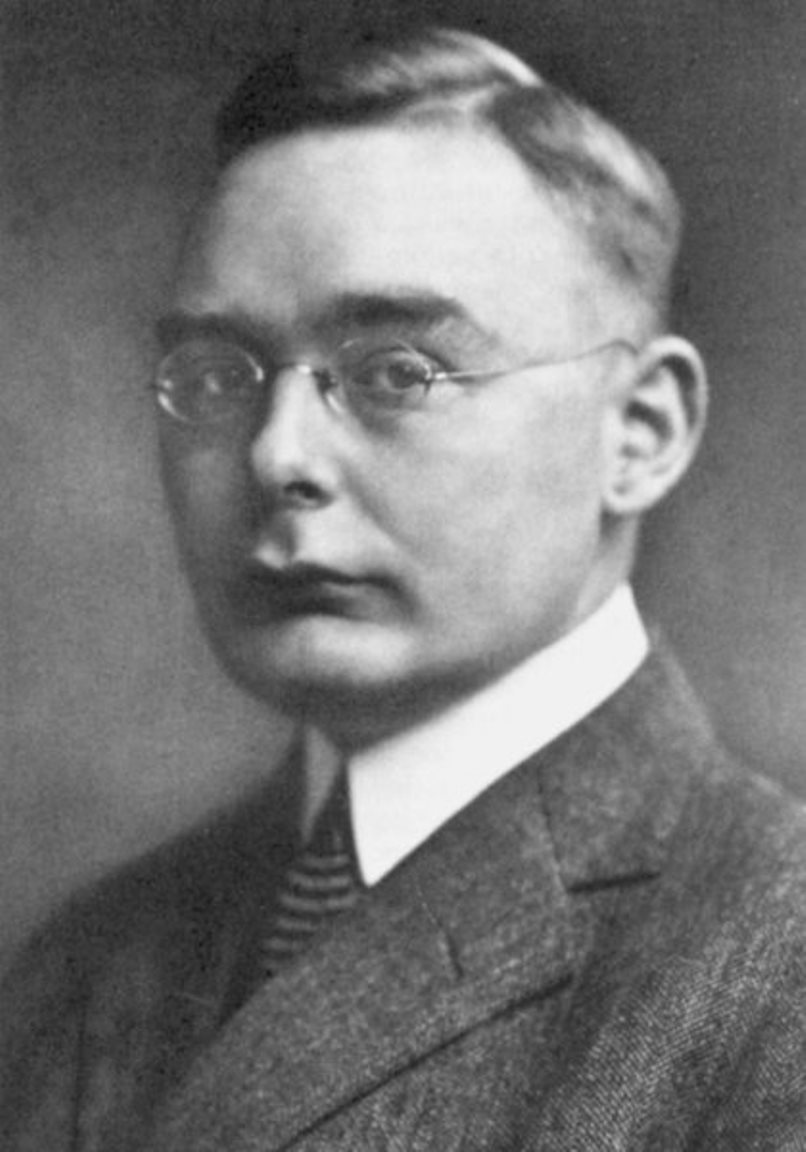
Hendrik Anthony Kramers was a Dutch theoretical physicist and a member of the Royal Netherlands Academy of Sciences.
Kramers studied mathematics and physics at Leiden University before being recruited in Copenhagen by future Nobel Prize-winning physicist Niels Bohr (1885-1962). He tried to understand how electromagnetic waves interact with matter and made important contributions to quantum mechanics and statistical physics. Under Bohr's supervision, Kramers prepared his dissertation.
In 1926, Kramers left Denmark and became a professor of theoretical physics at Utrecht University, and from 1931 he also worked at Delft University of Technology. After the end of World War II, the scientist was active in Europe and taught in the United States.
Kramers' scientific works are devoted to atomic physics, quantum mechanics, solid-state physics, low-temperature physics, physical optics, and the kinetic theory of gases. Together with Ralph de Laer Kronig, he derived important equations relating absorption to the dispersion of light. Kramers' research on X-rays led to the development of equations for determining the efficiency and intensity of X-ray production.
In the 1930s, Kramers worked as an editor of a literary magazine, wrote and translated poetry into Dutch, and was an expert on the works of Shakespeare.


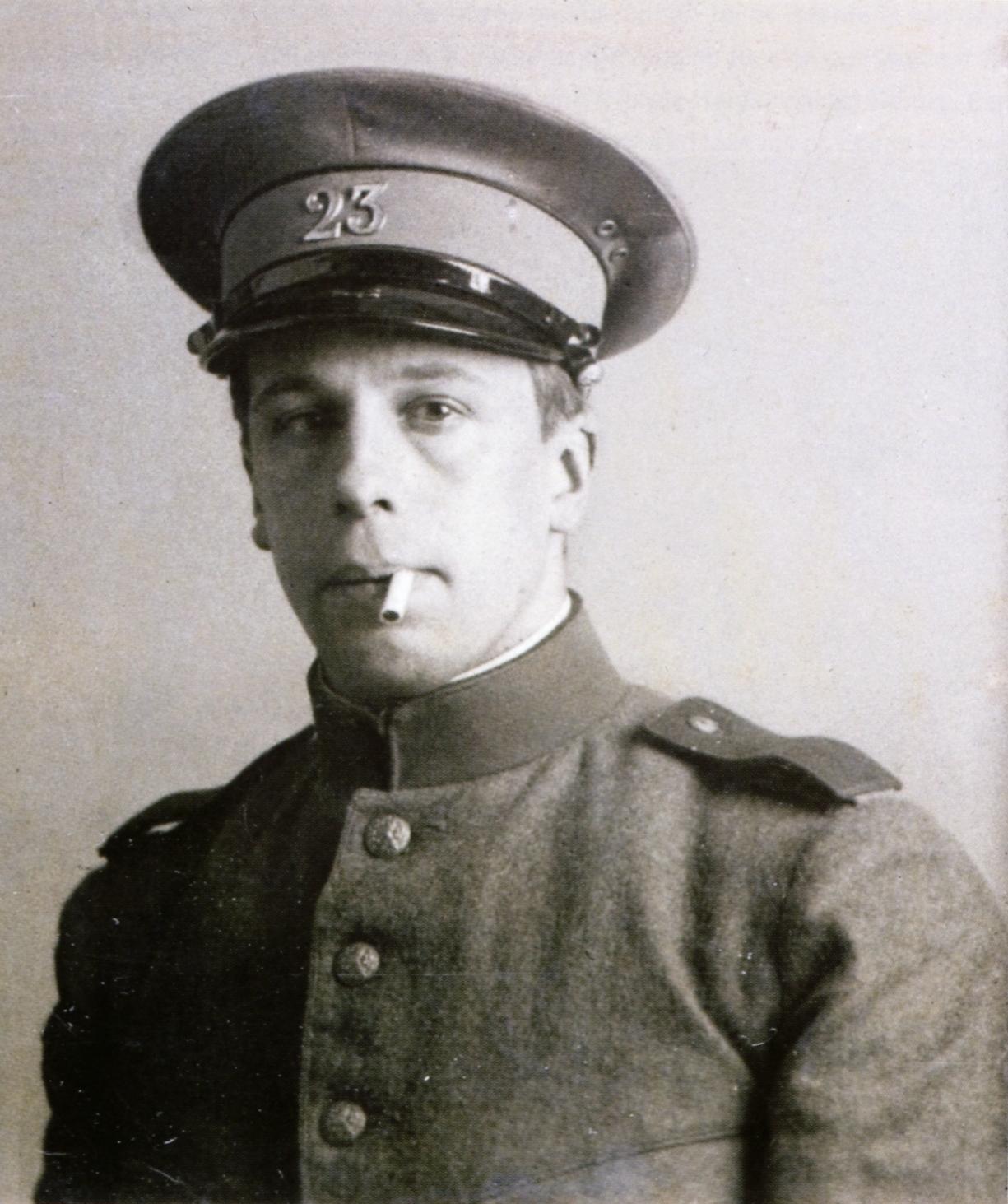
Theo van Doesburg, real name Christian Emil Marie Küpper, is a Dutch painter, architect and sculptor, art theorist, co-founder of the Style Group and of Neoplasticism.
Theo van Doesburg co-founded with Piet Mondrian the De Stijl abstract art movement. The basis of van Doesburg's views was the attempt to reduce all forms of objective harmony in a work of art to certain geometric elements. These new principles soon had a significant influence on the development of architecture, literature, graphics and music.



.jpg)
Jacint Rigau-Ros i Serra, known in French as Hyacinthe Rigaud, was a Catalan-French baroque painter most famous for his portraits of Louis XIV and other members of the French nobility.


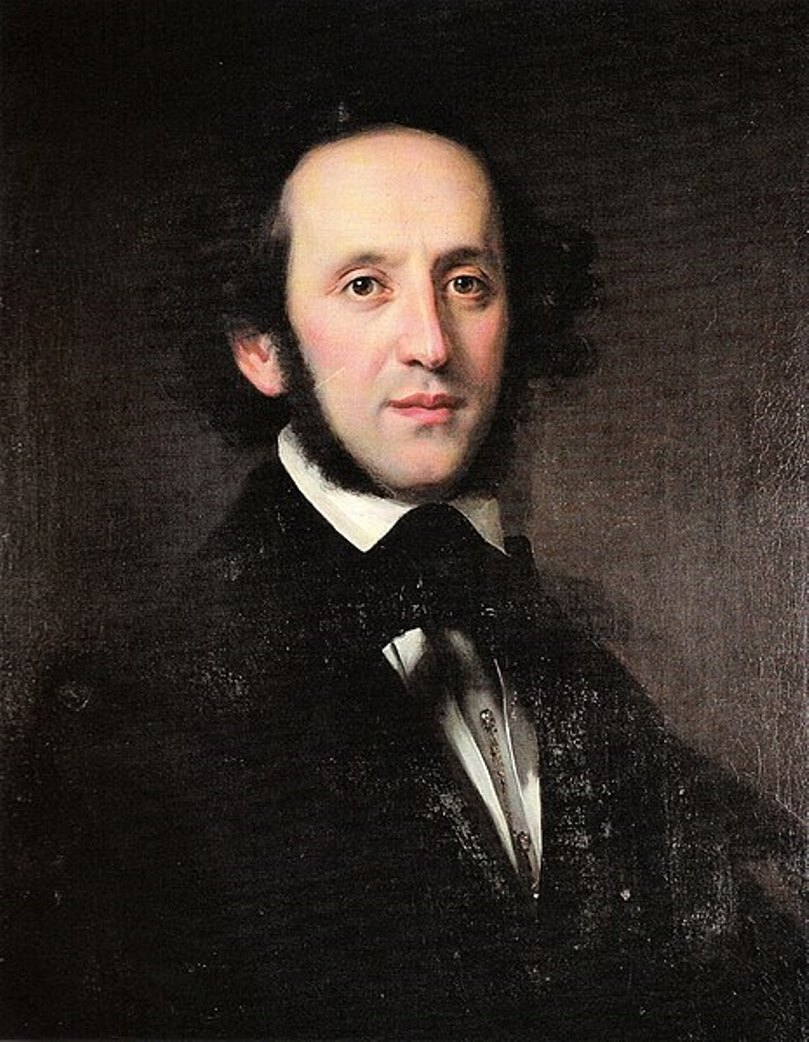
Felix Mendelssohn (full name Jakob Ludwig Felix Mendelssohn Bartholdy) was a German composer, pianist, conductor, teacher, and one of the greatest representatives of Romanticism in music.
Felix was born into a Jewish musical family that later converted to Christianity. He received a versatile education and already as a child wrote many musical compositions, including 5 operas, 11 symphonies for string orchestra, concertos, sonatas and fugues. Mendelssohn's first public performance took place in Berlin in 1818, when he was nine years old. In 1821 Mendelssohn was introduced to J.W. von Goethe, for whom he performed works by J.S. Bach and Mozart and to whom he dedicated his Piano Quartet No. 3 in B minor. A friendship developed between the famous wise poet and the 12-year-old musician.
A few years later, the talented musician began conducting in various orchestras in Europe, and became acquainted with Carl Weber. In England, where Mendelssohn visited very often, by the middle of the 19th century his music had become very popular, even with Queen Victoria he was the most favorite composer. He dedicated his Symphony No. 3 in A minor major (Scottish Symphony) to the Queen.
Among Mendelssohn's most famous works are A Midsummer Night's Dream (1826), the Italian Symphony (1833), a violin concerto (1844), two piano concertos (1831, 1837), the oratorio Elijah (1846) and several chamber pieces. The tradition of playing the "Wedding March" from A Midsummer Night's Dream in wedding processions dates back to its performance at the wedding of a royal princess in 1858, already after Mendelssohn's death.
In 1843, Mendelssohn founded a conservatory in Leipzig, where he taught composition with Schumann. Mendelssohn was one of the first great Romantic composers of the nineteenth century.
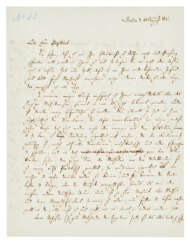

Felix Mendelssohn (full name Jakob Ludwig Felix Mendelssohn Bartholdy) was a German composer, pianist, conductor, teacher, and one of the greatest representatives of Romanticism in music.
Felix was born into a Jewish musical family that later converted to Christianity. He received a versatile education and already as a child wrote many musical compositions, including 5 operas, 11 symphonies for string orchestra, concertos, sonatas and fugues. Mendelssohn's first public performance took place in Berlin in 1818, when he was nine years old. In 1821 Mendelssohn was introduced to J.W. von Goethe, for whom he performed works by J.S. Bach and Mozart and to whom he dedicated his Piano Quartet No. 3 in B minor. A friendship developed between the famous wise poet and the 12-year-old musician.
A few years later, the talented musician began conducting in various orchestras in Europe, and became acquainted with Carl Weber. In England, where Mendelssohn visited very often, by the middle of the 19th century his music had become very popular, even with Queen Victoria he was the most favorite composer. He dedicated his Symphony No. 3 in A minor major (Scottish Symphony) to the Queen.
Among Mendelssohn's most famous works are A Midsummer Night's Dream (1826), the Italian Symphony (1833), a violin concerto (1844), two piano concertos (1831, 1837), the oratorio Elijah (1846) and several chamber pieces. The tradition of playing the "Wedding March" from A Midsummer Night's Dream in wedding processions dates back to its performance at the wedding of a royal princess in 1858, already after Mendelssohn's death.
In 1843, Mendelssohn founded a conservatory in Leipzig, where he taught composition with Schumann. Mendelssohn was one of the first great Romantic composers of the nineteenth century.
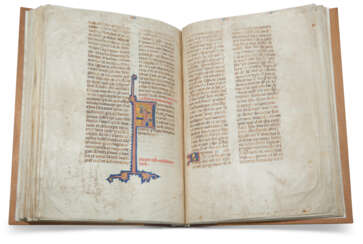


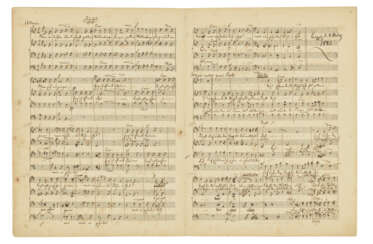

Felix Mendelssohn (full name Jakob Ludwig Felix Mendelssohn Bartholdy) was a German composer, pianist, conductor, teacher, and one of the greatest representatives of Romanticism in music.
Felix was born into a Jewish musical family that later converted to Christianity. He received a versatile education and already as a child wrote many musical compositions, including 5 operas, 11 symphonies for string orchestra, concertos, sonatas and fugues. Mendelssohn's first public performance took place in Berlin in 1818, when he was nine years old. In 1821 Mendelssohn was introduced to J.W. von Goethe, for whom he performed works by J.S. Bach and Mozart and to whom he dedicated his Piano Quartet No. 3 in B minor. A friendship developed between the famous wise poet and the 12-year-old musician.
A few years later, the talented musician began conducting in various orchestras in Europe, and became acquainted with Carl Weber. In England, where Mendelssohn visited very often, by the middle of the 19th century his music had become very popular, even with Queen Victoria he was the most favorite composer. He dedicated his Symphony No. 3 in A minor major (Scottish Symphony) to the Queen.
Among Mendelssohn's most famous works are A Midsummer Night's Dream (1826), the Italian Symphony (1833), a violin concerto (1844), two piano concertos (1831, 1837), the oratorio Elijah (1846) and several chamber pieces. The tradition of playing the "Wedding March" from A Midsummer Night's Dream in wedding processions dates back to its performance at the wedding of a royal princess in 1858, already after Mendelssohn's death.
In 1843, Mendelssohn founded a conservatory in Leipzig, where he taught composition with Schumann. Mendelssohn was one of the first great Romantic composers of the nineteenth century.
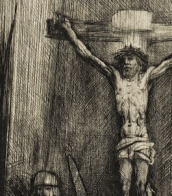


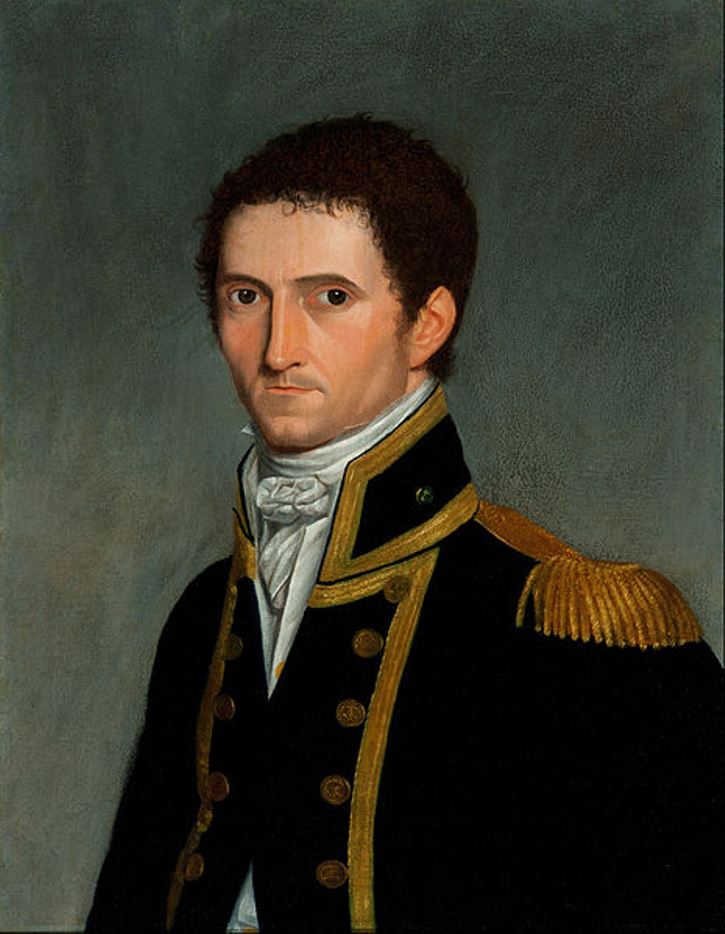







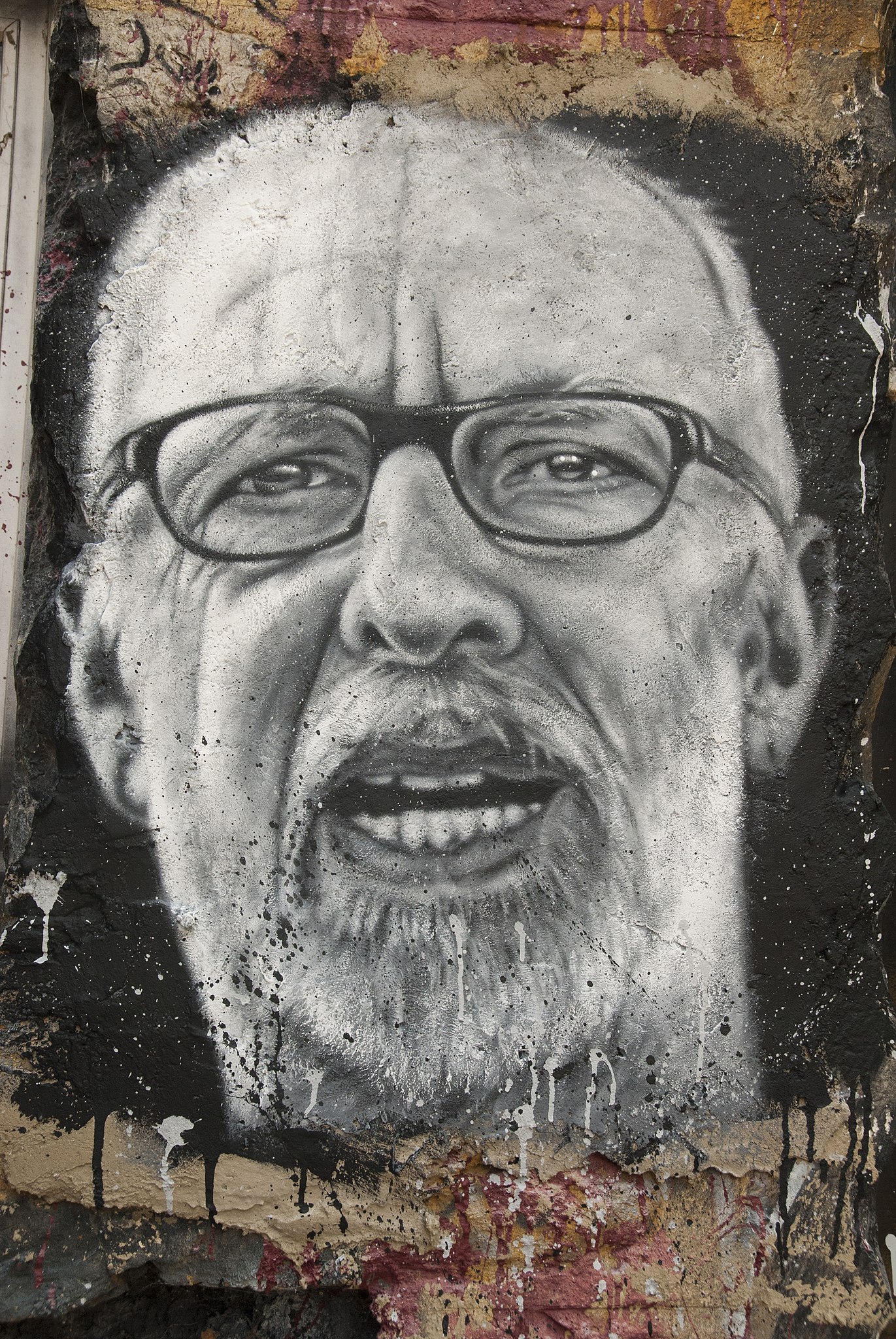
Jörg Immendorff was a German painter and sculptor, stage designer and decorator, and a member of the New Wild movement.
Immendorff painted in cycles that often lasted for years and were political in nature. His series of sixteen large paintings, Café Deutschland (1977-1984), is well known. In these colorful paintings, numerous disco lovers symbolize the conflict between East and West Germany.
Immendorff prepared several stage productions and designed sets for the operas Elektra and The Rider's Voyage. 25 of Immendorf's paintings were selected in 2006 for the illustrated Bible.


Felix Mendelssohn (full name Jakob Ludwig Felix Mendelssohn Bartholdy) was a German composer, pianist, conductor, teacher, and one of the greatest representatives of Romanticism in music.
Felix was born into a Jewish musical family that later converted to Christianity. He received a versatile education and already as a child wrote many musical compositions, including 5 operas, 11 symphonies for string orchestra, concertos, sonatas and fugues. Mendelssohn's first public performance took place in Berlin in 1818, when he was nine years old. In 1821 Mendelssohn was introduced to J.W. von Goethe, for whom he performed works by J.S. Bach and Mozart and to whom he dedicated his Piano Quartet No. 3 in B minor. A friendship developed between the famous wise poet and the 12-year-old musician.
A few years later, the talented musician began conducting in various orchestras in Europe, and became acquainted with Carl Weber. In England, where Mendelssohn visited very often, by the middle of the 19th century his music had become very popular, even with Queen Victoria he was the most favorite composer. He dedicated his Symphony No. 3 in A minor major (Scottish Symphony) to the Queen.
Among Mendelssohn's most famous works are A Midsummer Night's Dream (1826), the Italian Symphony (1833), a violin concerto (1844), two piano concertos (1831, 1837), the oratorio Elijah (1846) and several chamber pieces. The tradition of playing the "Wedding March" from A Midsummer Night's Dream in wedding processions dates back to its performance at the wedding of a royal princess in 1858, already after Mendelssohn's death.
In 1843, Mendelssohn founded a conservatory in Leipzig, where he taught composition with Schumann. Mendelssohn was one of the first great Romantic composers of the nineteenth century.
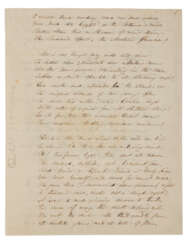

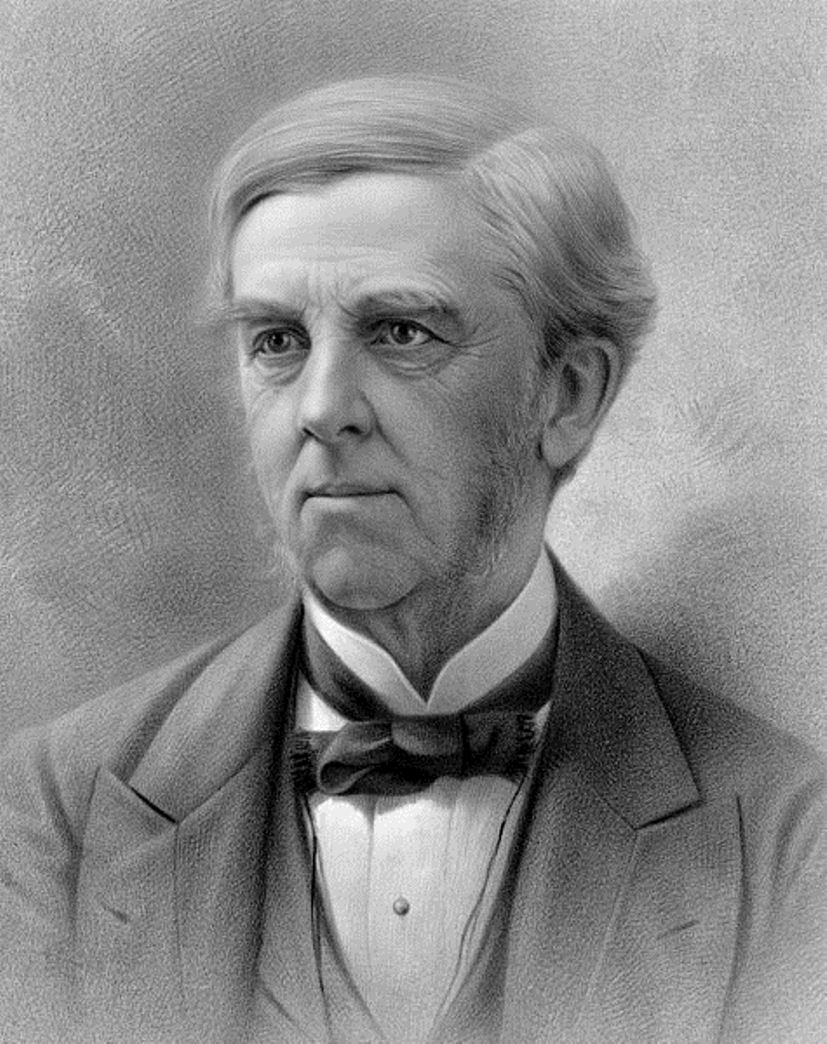
Oliver Wendell Holmes Sr. was an American physician, poet, and humor writer.
Holmes studied law at Harvard University, then medicine in Paris. He practiced medicine for 10 years, taught anatomy at Dartmouth College (Hanover, North Carolina) for two years, and became professor of anatomy and physiology at Harvard in 1847. He later became dean of Harvard Medical School and held that position until 1882. Holmes' most significant contribution to medicine was his research on the contagiousness of postpartum fever. In 1843, he published a treatise on the subject, The Infectiousness of Postpartum Fever. He also introduced the term anesthesia into scientific usage.
Today, Oliver Holmes is remembered as a gifted writer of the 19th century in the United States. Beginning in 1857, he published his "Breakfast at the Table" articles-essays in The Atlantic Monthly and later published several collections written in a conversational style, with Holmes's characteristic humor and wit. He also wrote several poems, three novels, and many poems and anecdotes.
Oliver Wendell Holmes was the father of lawyer Oliver Wendell Holmes, Jr. (1841-1935). According to some sources, he was the prototype of the detective Sherlock Holmes, the famous hero of writer Arthur Conan Doyle.
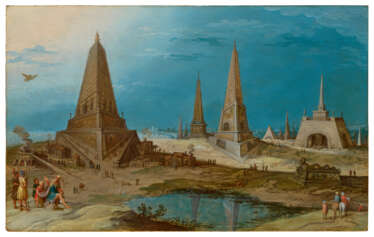

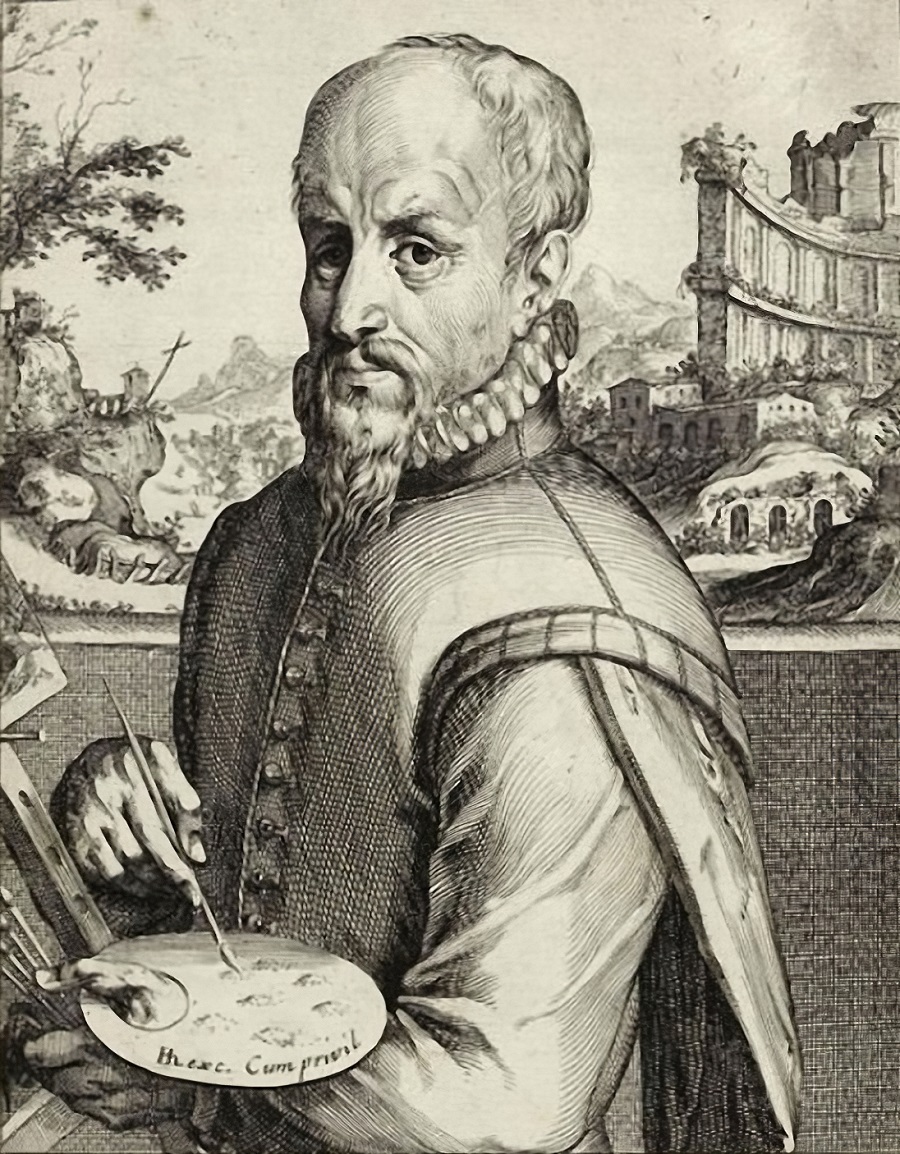
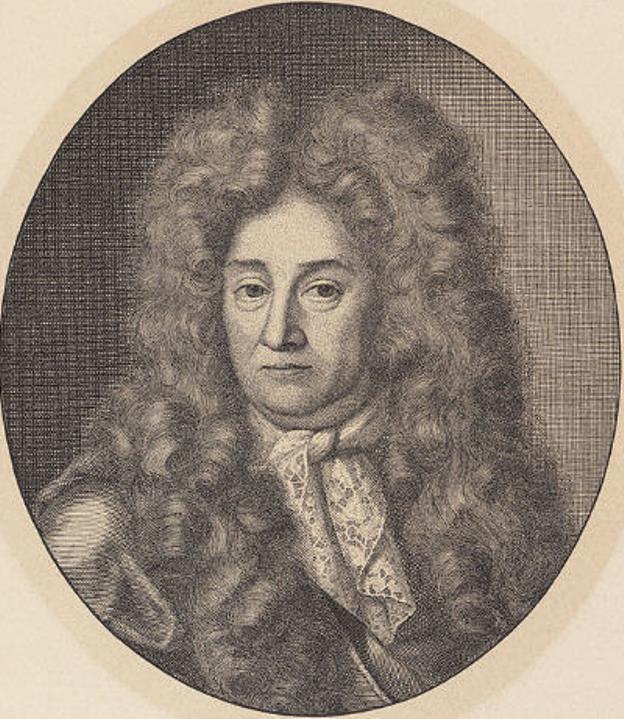
Hendrik van Cleve III was a Flemish painter, draughtsman and designer of prints. He is known for topographical views, including views of Rome and the Vatican, as well as imaginary landscapes. Traditionally, a large number of depictions of the construction of the Tower of Babel have been attributed to him but most of these are now attributed to anonymous Flemish painters, who are referred to as 'The Hendrik van Cleve III Group'.



_4.jpg)
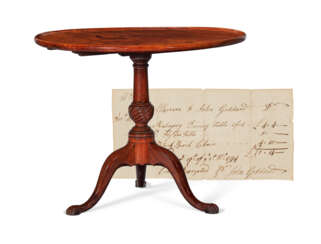
John Goddard (1724–1785) was a distinguished American cabinetmaker whose work significantly influenced 18th-century furniture design, particularly in Newport, Rhode Island. Born on January 20, 1724, in Dartmouth, Massachusetts, Goddard apprenticed under Job Townsend, a prominent Newport cabinetmaker. This apprenticeship not only honed his craftsmanship but also led to his marriage to Townsend's daughter, Hannah, further solidifying his ties to the esteemed Townsend-Goddard furniture-making dynasty.
Establishing his own workshop in Newport, Goddard became renowned for his exceptional skill and innovative designs. He is credited with originating the block-front knee-hole desks and secretary desks, which became highly sought after by affluent clients. His creations are characterized by distinctive features such as the block-front facade, intricately carved shells, and robust ball-and-claw feet. These elements not only exemplify the aesthetic preferences of the period but also showcase Goddard's meticulous attention to detail and mastery of proportion.
One of Goddard's most notable patrons was Nicholas Brown, a prominent Providence merchant. In the early 1760s, Brown commissioned a set of elaborately carved mahogany side chairs from Goddard. These chairs, distinguished by their pierced crest shells, double-scrolled splats, and elegantly shaped stretchers, are considered masterpieces of Newport craftsmanship. The collaboration between Goddard and Brown underscores the cabinetmaker's reputation as "the neatest workman in America," a testament to his superior craftsmanship and design sensibilities.
Goddard's influence extended beyond his lifetime, as his workshop became a training ground for future artisans, including his sons. Following the British occupation of Newport, three of his sons relocated to Nova Scotia, where they continued the family's cabinetmaking tradition, thereby disseminating the Newport style to new regions. The Goddard family's contributions to furniture making have left an indelible mark on American decorative arts, with their pieces remaining highly prized by collectors and museums alike.
Today, John Goddard's works are preserved in esteemed institutions such as The Metropolitan Museum of Art, which houses a side chair attributed to him. This chair exemplifies the characteristic Newport knee carving and the spherical ball feet associated with Goddard's style, serving as a tangible representation of his enduring legacy in American furniture design.
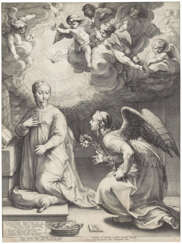

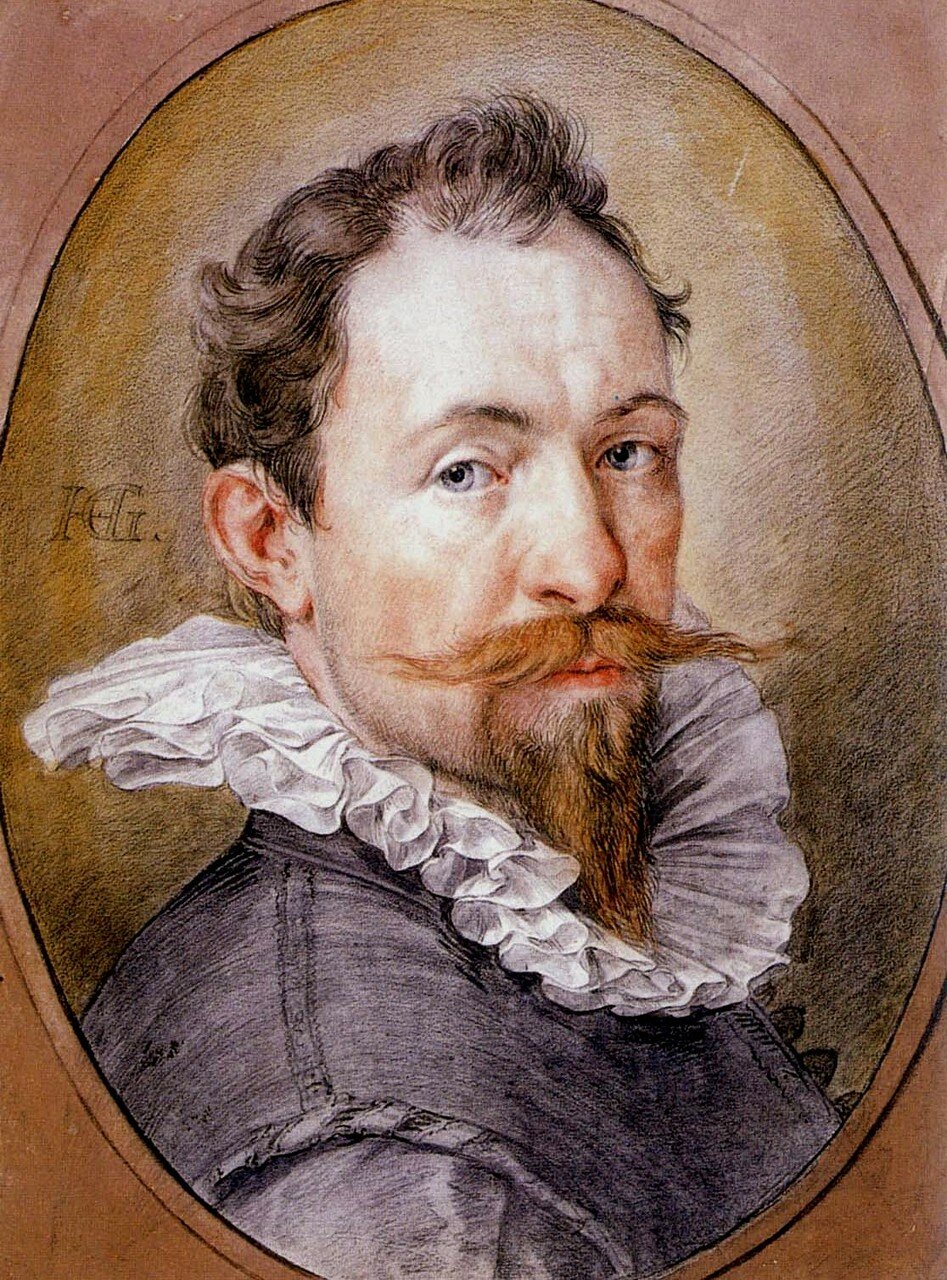
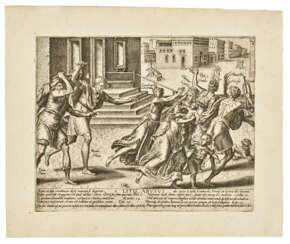
Hendrick Goltzius was a German-born Dutch printmaker, draftsman, and painter. He was the leading Dutch engraver of the early Baroque period, or Northern Mannerism, lauded for his sophisticated technique, technical mastership and "exuberance" of his compositions. According to A. Hyatt Mayor, Goltzius "was the last professional engraver who drew with the authority of a good painter and the last who invented many pictures for others to copy". In the middle of his life he also began to produce paintings.


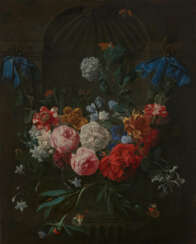

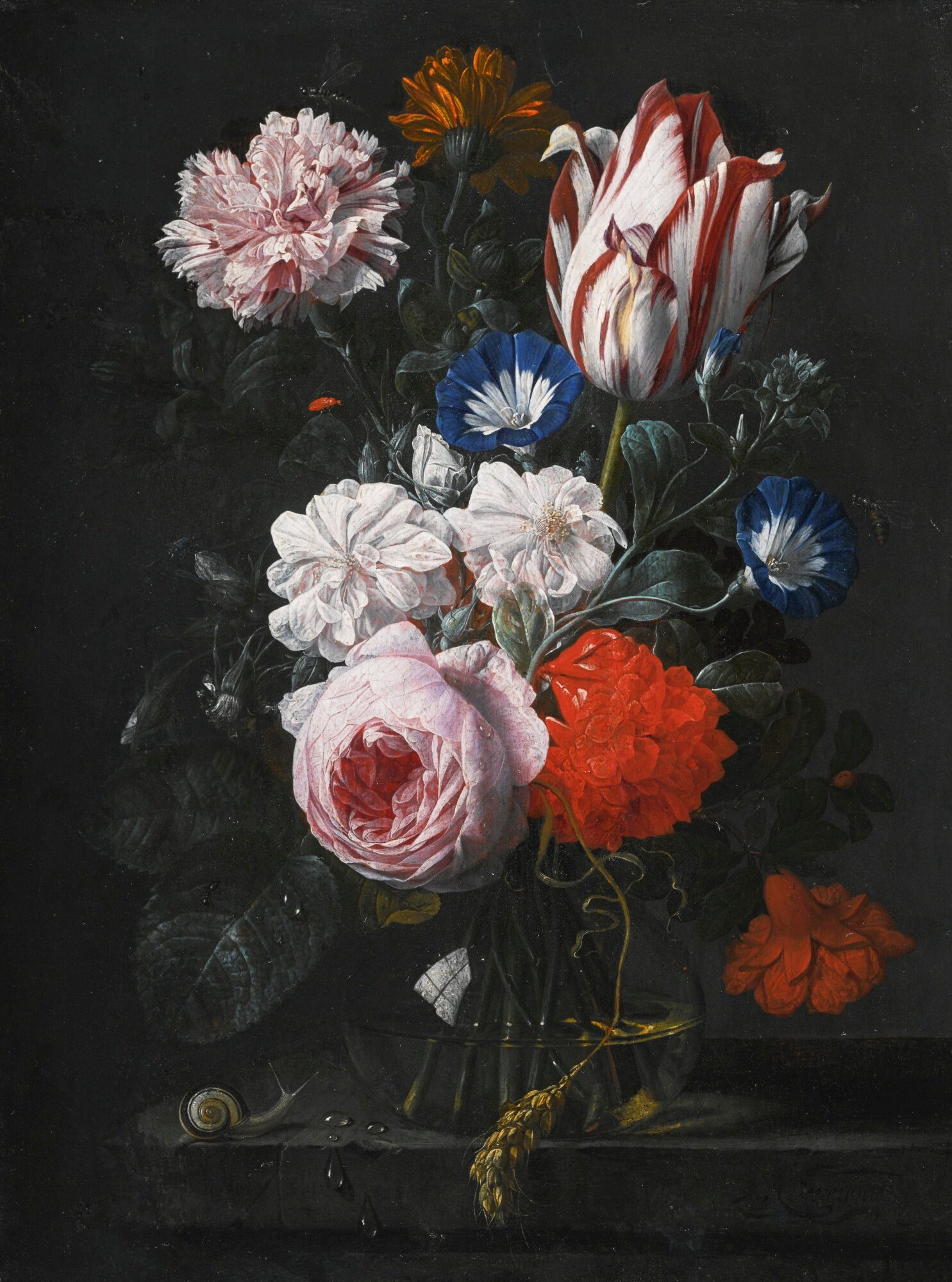
Nicolaes van Verendael or Nicolaes van Veerendael was a Flemish painter active in Antwerp who is mainly known for his flower paintings and vanitas still lifes. He was a frequent collaborator of other Antwerp artists to whose compositions he added the still life elements. He also painted a number of singeries, i.e, scenes with monkeys dressed and acting as humans.

Hendrick Goltzius was a German-born Dutch printmaker, draftsman, and painter. He was the leading Dutch engraver of the early Baroque period, or Northern Mannerism, lauded for his sophisticated technique, technical mastership and "exuberance" of his compositions. According to A. Hyatt Mayor, Goltzius "was the last professional engraver who drew with the authority of a good painter and the last who invented many pictures for others to copy". In the middle of his life he also began to produce paintings.