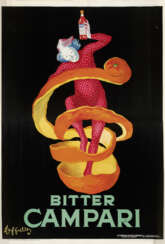
bitter





























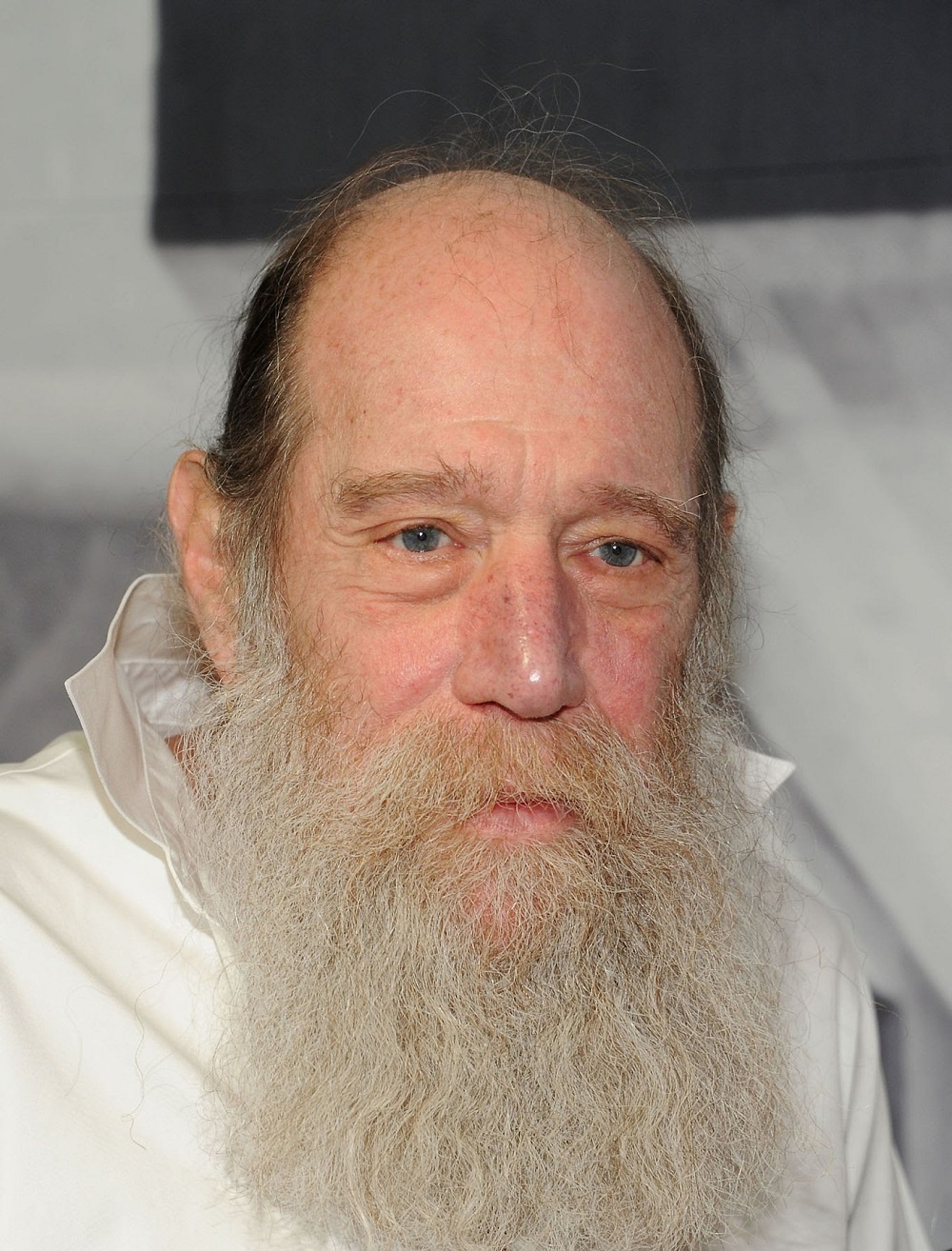
Lawrence Charles Weiner was an American conceptual artist, known for his text-based installations and radical definitions of art. Born on February 10, 1942, in the Bronx, New York, and passing away on December 2, 2021, Weiner played a pivotal role in the development of the conceptual art movement of the 1960s. Growing up in the South Bronx and dropping out of college in his first year, he traveled across North America, undertaking various jobs and beginning to create paintings. His early work, "Cratering Pieces" (1960), marked a departure from traditional art forms, involving unauthorized explosive experiments in a California state park, the results of which he declared as sculptures. This act of anti-establishment creativity laid the foundation for his career in challenging conventional art norms.
In 1964, Weiner began exhibiting at the Seth Siegelaub Contemporary Art Gallery in New York City. His work "Hay, Mesh, String" (1968), installed at Windham College in Vermont, exemplified his minimalist approach, consisting of stakes connected by twine to form a rectangle, further emphasizing his exploration of space and the conceptual over the physical.
Weiner's artworks, characterized by the use of language as the primary medium, invite viewers to engage with art from a new perspective, challenging traditional notions of materiality and creation. His contributions to the art world have secured his place as a key figure in collections and exhibitions globally, including prestigious museums and galleries.
For collectors and experts in art and antiques, studying Weiner's work provides deep insights into the conceptual art movement and its ongoing relevance in contemporary culture. His radical approaches and emphasis on concept over physical creation continue to stimulate discussion and reflection within the art community.
To stay informed about new sales offerings and auction events related to Lawrence Weiner, we invite you to sign up for our updates. These subscriptions are designed to keep you informed exclusively about relevant events and opportunities that could enrich your interest and collection.
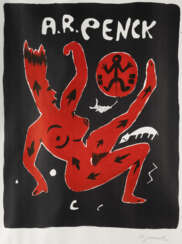

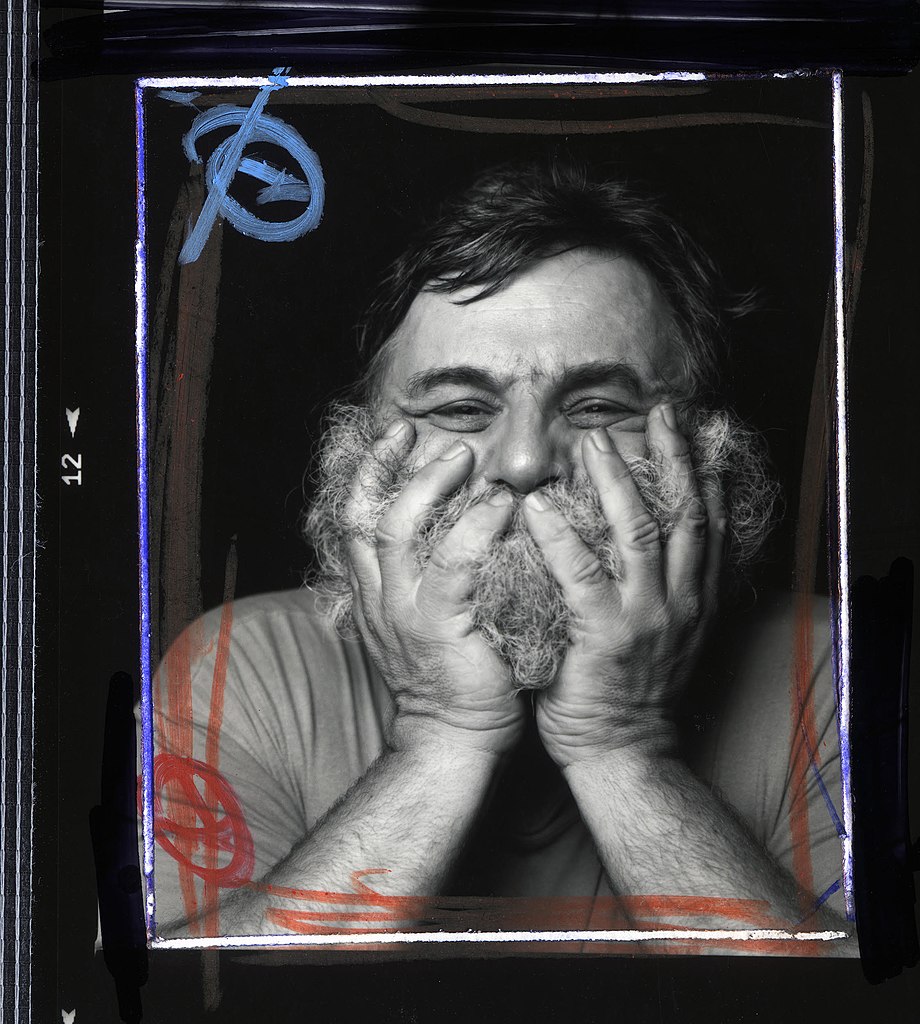
Ralf Winkler, alias A. R. Penck, was a German painter, printmaker, sculptor, and jazz drummer. A neo-expressionist, he became known for his visual style, reminiscent of the influence of primitive art.





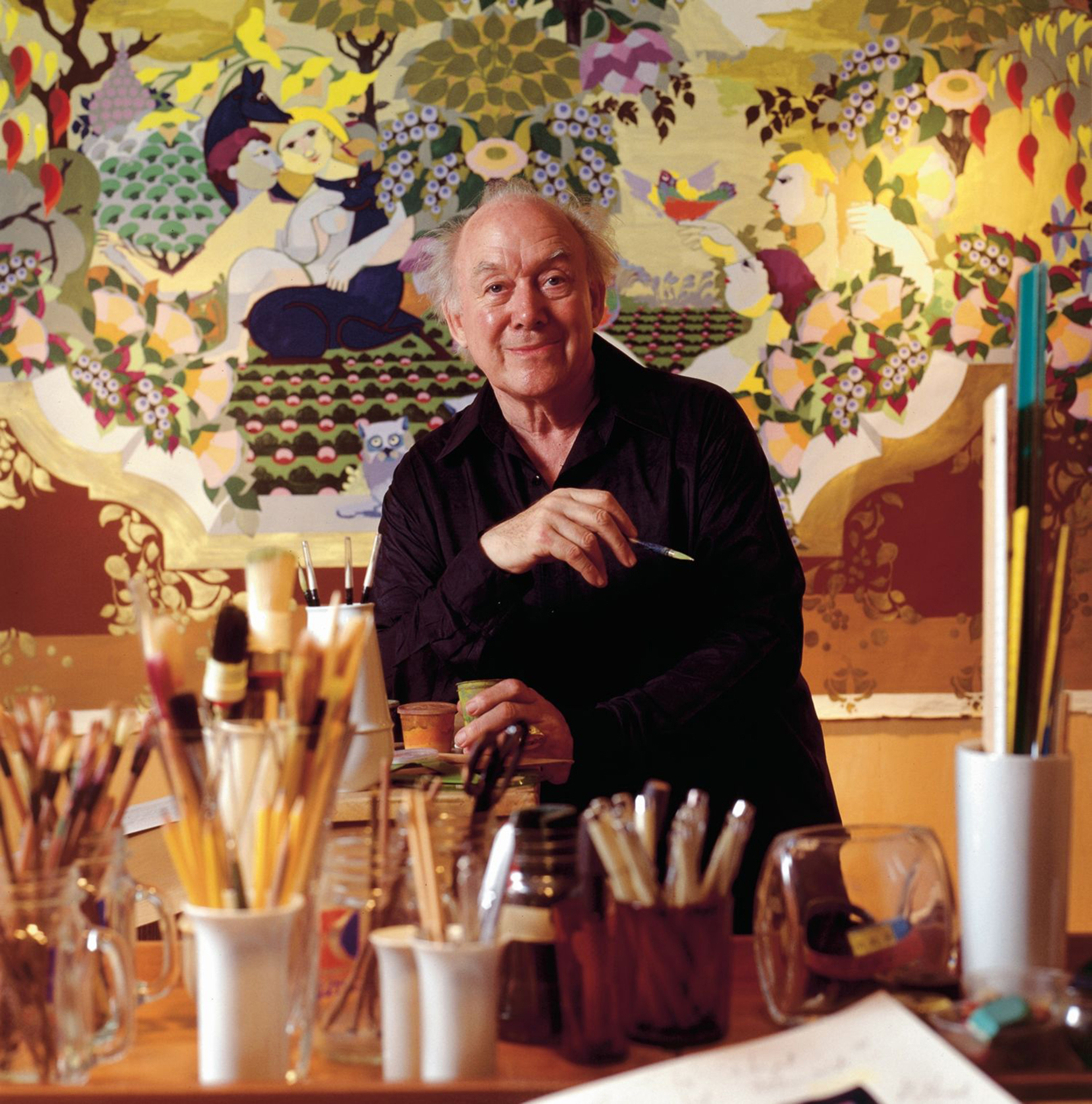
Björn Wiinblad was a Danish artist and designer. He was best known for his work in ceramics, but he also worked in a variety of other media, including glass, textiles, and graphics.
Wiinblad studied at the Royal Danish Academy of Fine Arts in Copenhagen before beginning his career as a freelance artist and designer. In the 1950s, he gained international recognition for his work in ceramics, which was characterized by his use of bright colors, whimsical patterns, and intricate details.
Wiinblad's ceramic pieces were often functional, such as plates, vases, and bowls, but he also created large-scale ceramic murals and sculptures. His work was heavily influenced by fairy tales, mythology, and the arts and crafts movement.
In addition to his work in ceramics, Wiinblad also designed textiles, glassware, and furniture, and he was an accomplished graphic artist. He created illustrations for books and magazines, as well as posters, advertisements, and even a set of postage stamps for the Danish postal service.
Wiinblad's work has been exhibited in museums and galleries around the world, and he has been the recipient of numerous awards and honors for his contributions to the arts. His designs continue to be popular today, and his ceramics and other works can be found in the collections of many museums and private collectors.