daniel van der berg,

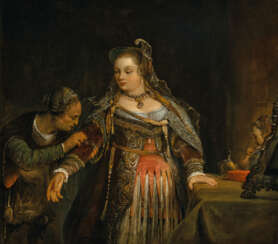

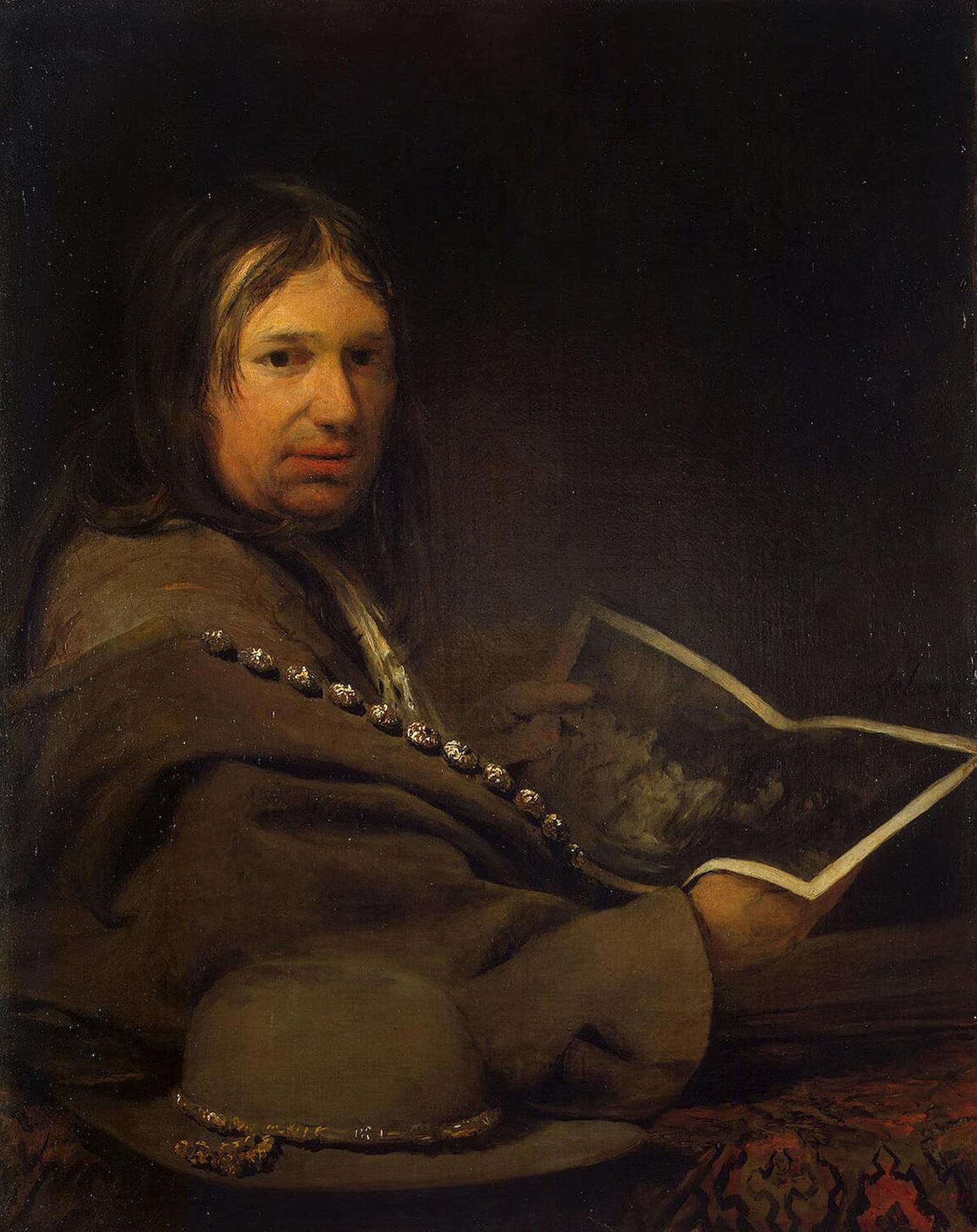
Aert de Gelder was a Dutch painter. He was the only Dutch artist to paint in the tradition of Rembrandt's late style into the 18th century.
As author of biblical scenes and portraits his style was inspired by Rembrandt's, using his artistic ideas, well into the 18th century, without being influenced by contemporary new fashions. From the artistic point of view his work can not be considered as passive imitation of the master; indeed, it stands for inventiveness in the narrative, taste for the theatrical and a strong emotional charge of the characters. All these traits made him one of the most important interpreters of Dutch painting of the late seventeenth century.




.jpeg)
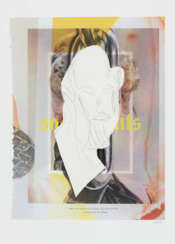
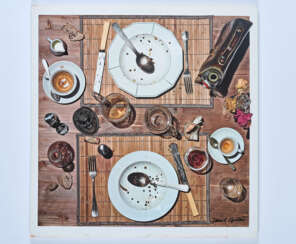
Daniel Spoerri was a Swiss artist of Romanian-Jewish descent, renowned for his contributions to the art world as a key figure in the Nouveau Réalisme (New Realism) movement. Born in Romania in 1930, Spoerri made significant strides in visual art, particularly in his development of "snare-pictures," a method where he captured a group of objects, such as table settings and the remnants of meals, in a state of apparent disorder yet meticulously fixed to the tabletop.
His works are celebrated for turning ordinary moments into a tableau of frozen time, capturing life's ephemeral qualities through the permanence of art. Notably, his piece "Tableau piège" involves the fixation of objects to a board or table, which is then displayed vertically, challenging traditional art display norms and viewer perceptions. This innovative approach allowed him to explore themes of consumption, waste, and the mundane, making the everyday profound.
Daniel Spoerri's art is housed in many esteemed institutions, including the Museum of Modern Art in New York and the Centre Georges Pompidou in Paris. His work continues to influence contemporary art, offering a unique perspective on the art of assemblage and the beauty in the banal.
For those interested in exploring more about Daniel Spoerri's life and works, or in keeping updated with sales and auction events related to his art, signing up for our updates is highly recommended. This subscription ensures you stay informed about the latest offerings and exhibitions featuring Spoerri's intriguing creations.



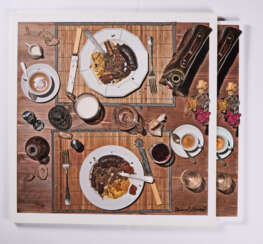

Daniel Spoerri was a Swiss artist of Romanian-Jewish descent, renowned for his contributions to the art world as a key figure in the Nouveau Réalisme (New Realism) movement. Born in Romania in 1930, Spoerri made significant strides in visual art, particularly in his development of "snare-pictures," a method where he captured a group of objects, such as table settings and the remnants of meals, in a state of apparent disorder yet meticulously fixed to the tabletop.
His works are celebrated for turning ordinary moments into a tableau of frozen time, capturing life's ephemeral qualities through the permanence of art. Notably, his piece "Tableau piège" involves the fixation of objects to a board or table, which is then displayed vertically, challenging traditional art display norms and viewer perceptions. This innovative approach allowed him to explore themes of consumption, waste, and the mundane, making the everyday profound.
Daniel Spoerri's art is housed in many esteemed institutions, including the Museum of Modern Art in New York and the Centre Georges Pompidou in Paris. His work continues to influence contemporary art, offering a unique perspective on the art of assemblage and the beauty in the banal.
For those interested in exploring more about Daniel Spoerri's life and works, or in keeping updated with sales and auction events related to his art, signing up for our updates is highly recommended. This subscription ensures you stay informed about the latest offerings and exhibitions featuring Spoerri's intriguing creations.
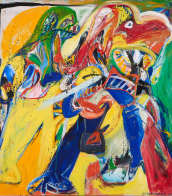
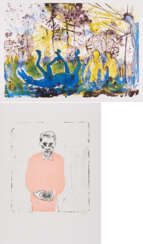

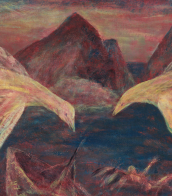
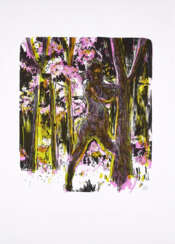

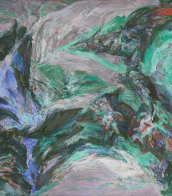


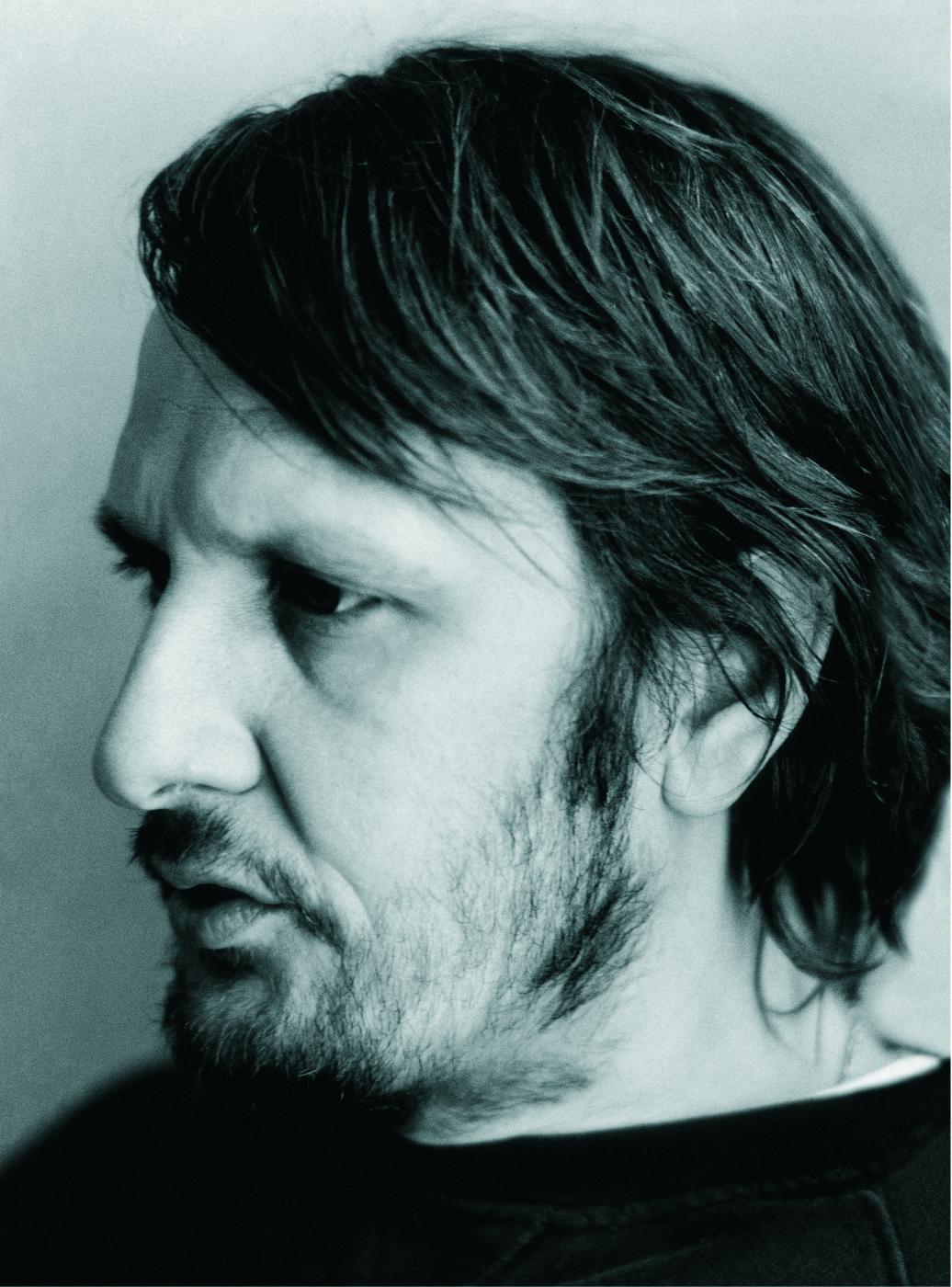
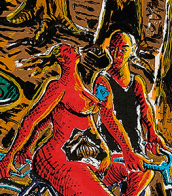
Daniel Richter is a German artist.




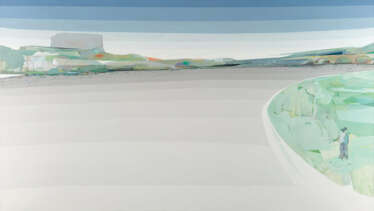



Daniel Richter is a German artist.
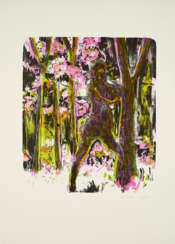

Daniel Richter is a German artist.
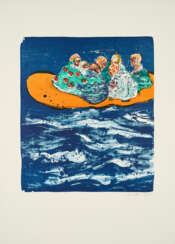

Daniel Richter is a German artist.
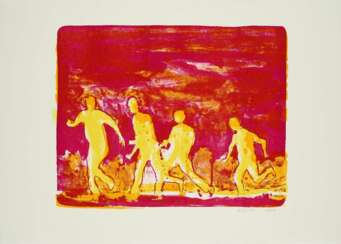

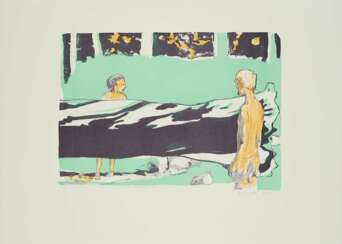



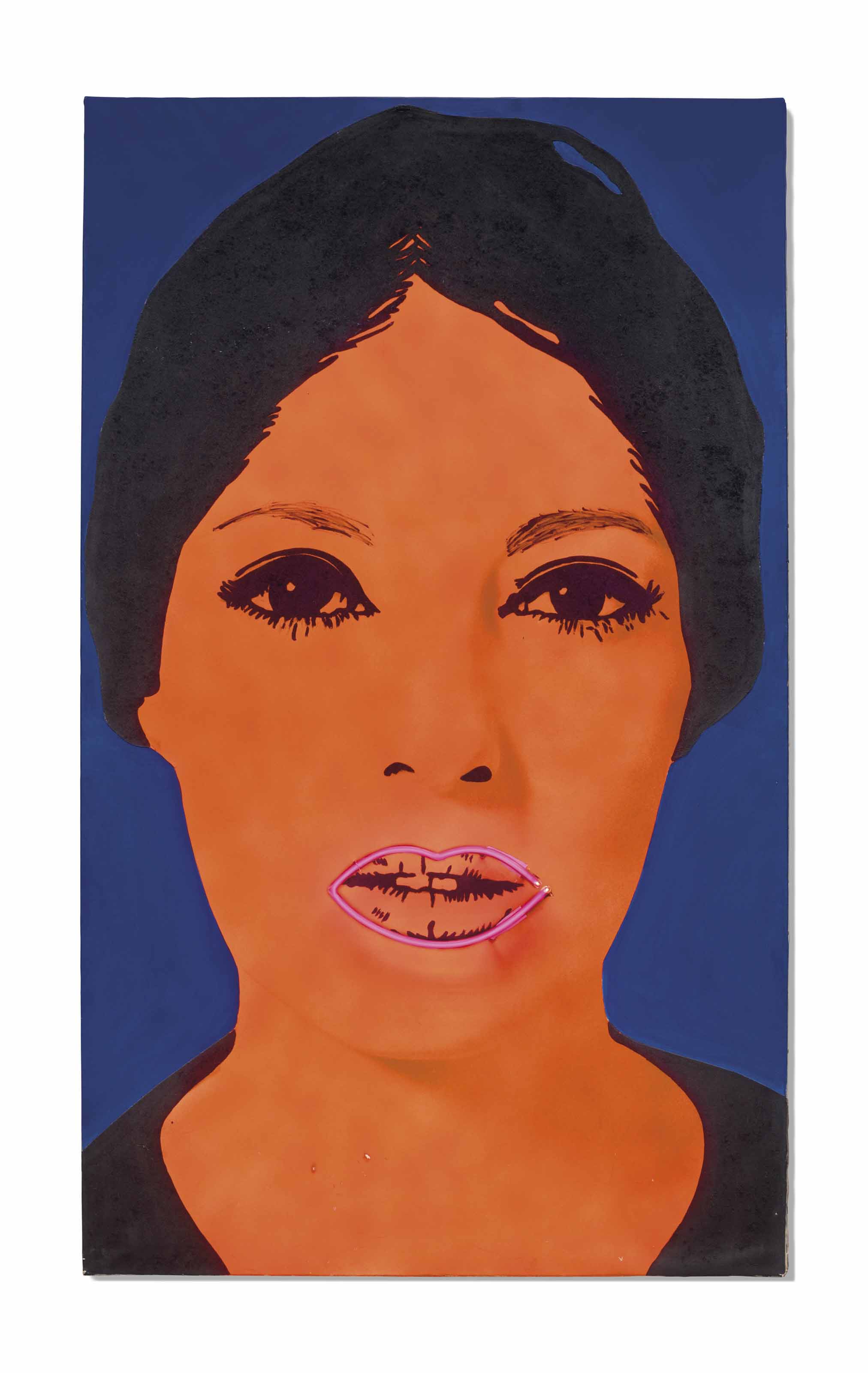

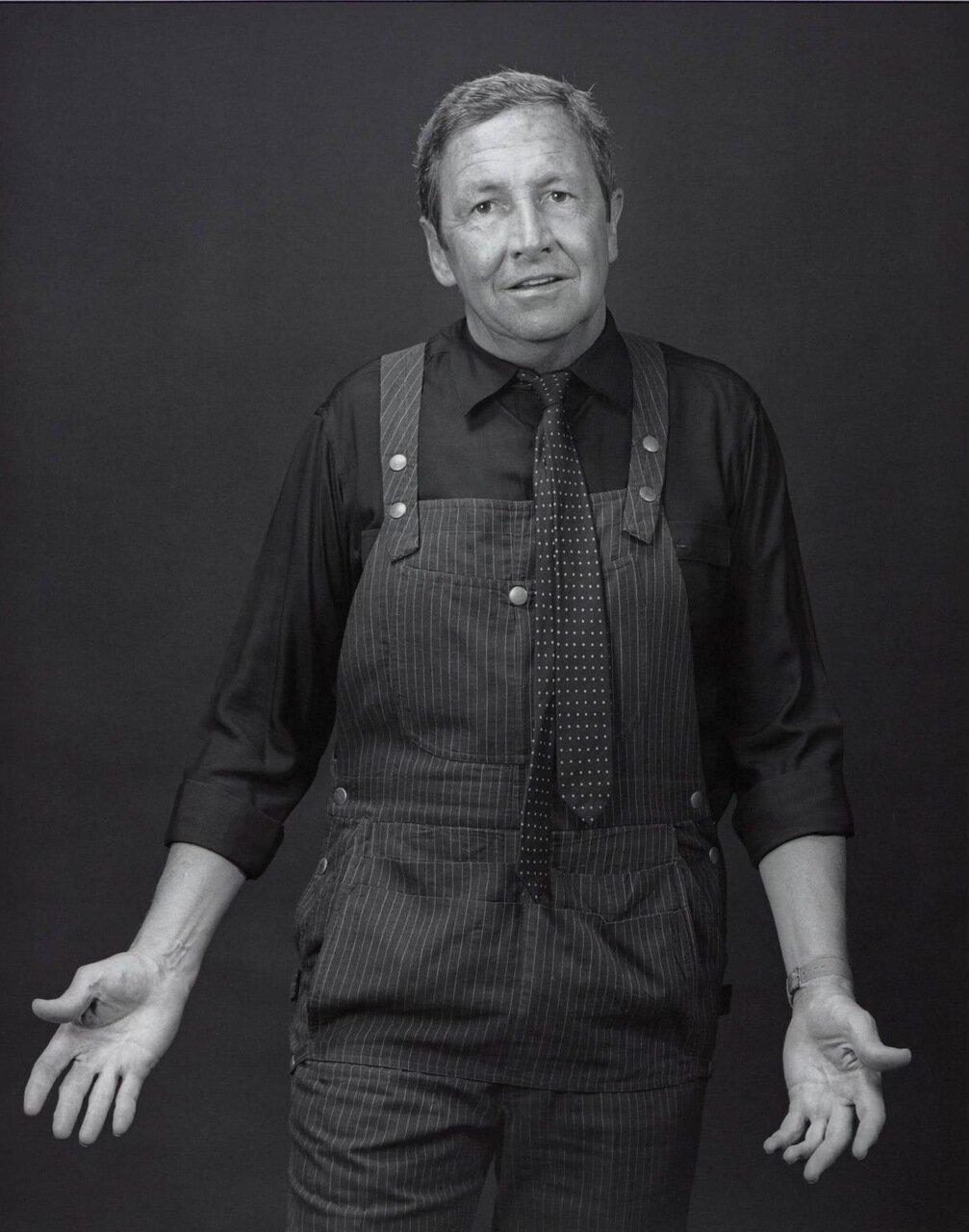
Robert Milton Ernest Rauschenberg was an American artist renowned for his pioneering work that blurred the boundaries between painting and sculpture, thereby anticipating the Pop art movement. From his early days at the Art Students League of New York to his experiments at Black Mountain College, Rauschenberg's career was marked by innovation and collaboration. His "Neo-Dadaist" approach, shared with contemporaries like Jasper Johns, questioned traditional distinctions between art objects and everyday items, drawing inspiration from Marcel Duchamp's Dadaist principles.
Rauschenberg's most notable works, such as "Erased de Kooning Drawing" and his "Combines," utilized found materials and images to create new art forms that challenged viewers' perceptions. His use of non-traditional materials like twine, soil, and even taxidermied animals, alongside traditional canvas and paint, set new precedents for what could be considered art. His groundbreaking silkscreen paintings incorporated found images, further cementing his role in the evolution toward Pop art.
The artist's work is represented in major museums and galleries worldwide, reflecting his significant impact on contemporary art. His pieces like "Canyon" and "Monogram" are celebrated for their innovative integration of sculpture and painting, while "Signs" captures the tumultuous spirit of the 1960s through its collage of cultural figures and events, housed in institutions like the Museum of Contemporary Art, San Diego, and The Minneapolis Institute of Arts.
For collectors and experts in art and antiques, Rauschenberg's oeuvre represents a critical junction in the history of modern art, where the lines between different media and disciplines were explored and often erased. His legacy is not just in the objects he created but in his bold reimagining of the art-making process itself, encouraging a dialogue between art and life that continues to inspire artists today.
For updates on new product sales and auction events related to Robert Milton Ernest Rauschenberg, consider signing up for our newsletter. This subscription service is tailored specifically for enthusiasts eager to stay informed about the latest opportunities to acquire works by or related to this transformative artist.
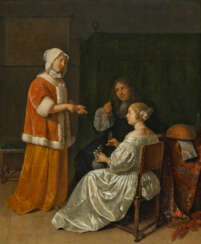

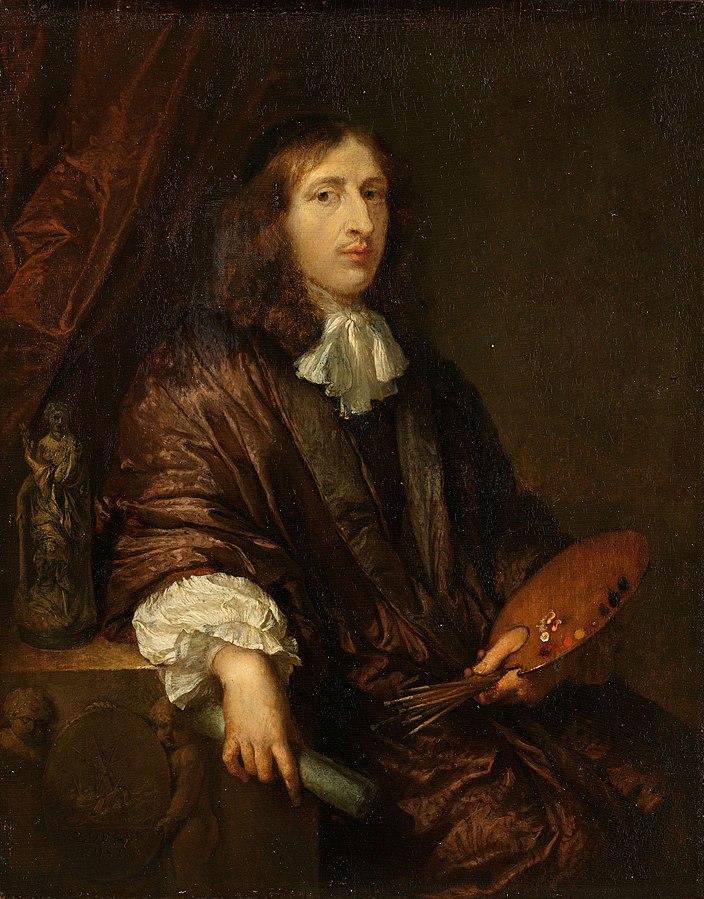
Caspar Netscher was a Dutch painter of the Golden Age of Dutch painting, known for his portraits. Netscher chose subjects from the life of the Dutch elegant and wealthy class; he painted many small portraits - mostly of women; some of them historical. After spending some time in Paris, he painted several persons belonging to the court of Louis XIV. In addition to the above-mentioned usual subjects, he depicted sometimes historical and biblical scenes.
Caspar Netscher's paintings were kept in many art galleries: in the Louvre, Amsterdam, Florence, in several private collections in England and in many other places. In the Hermitage at the beginning of the 20th century there were six of his paintings, including a portrait of the artist himself and a portrait of Mary Stuart, painted in 1683; today only two works have survived.