g hub










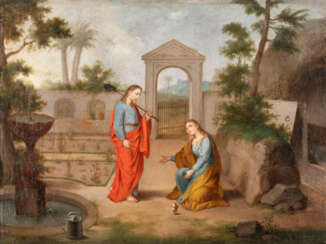

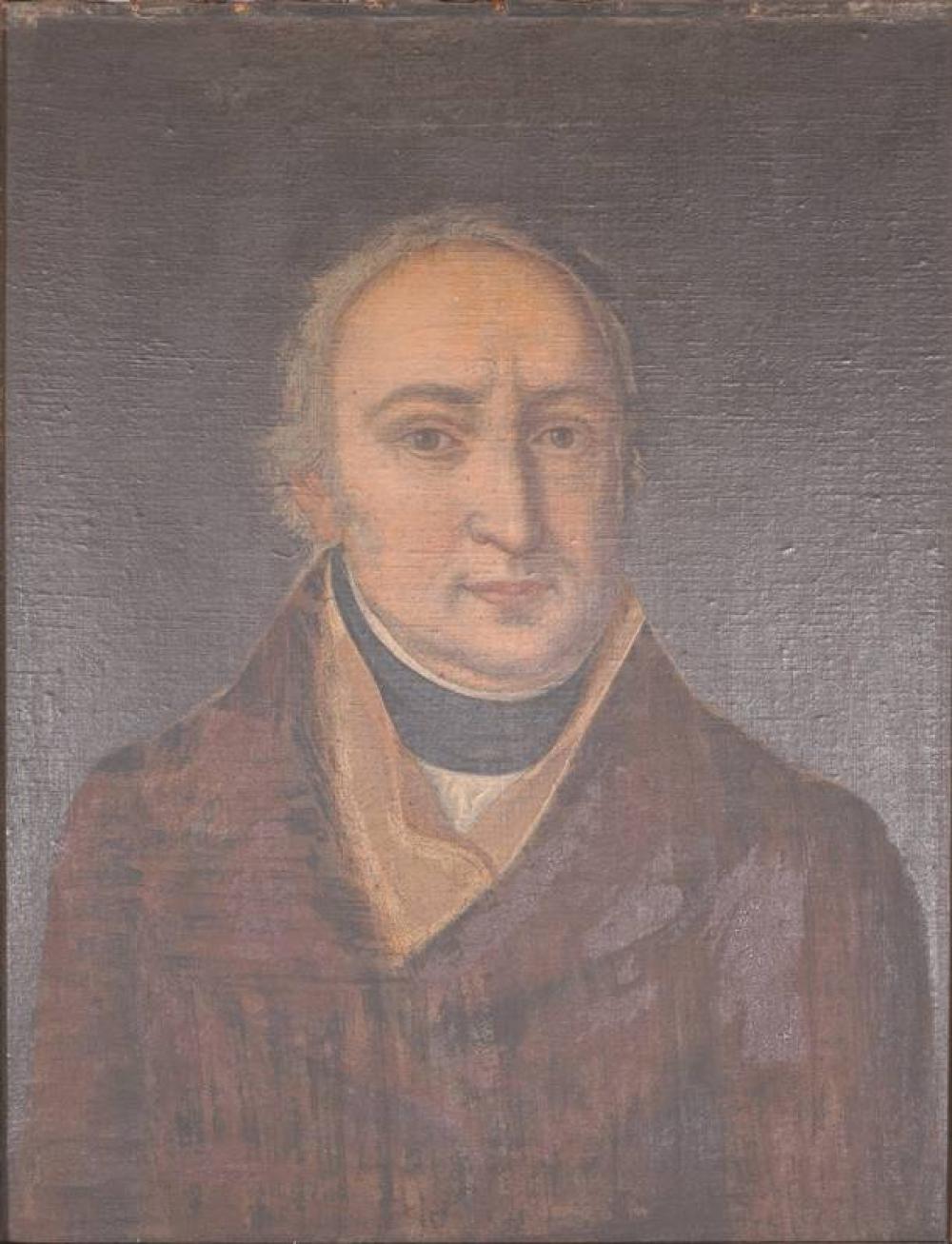
Conrad Huber was an 18th- and 19th-century German painter of the religious genre.
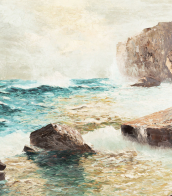


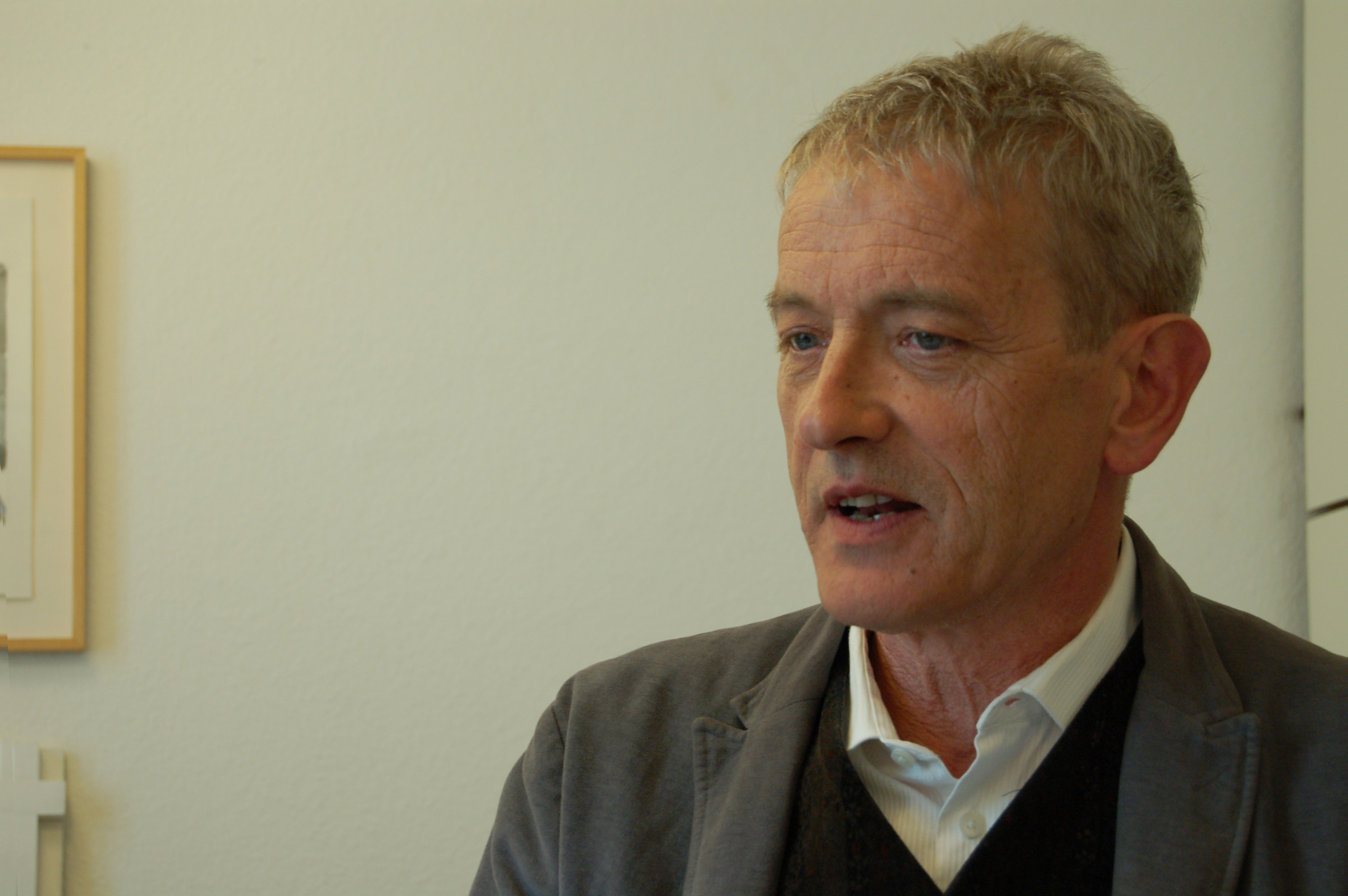
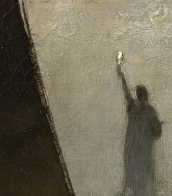
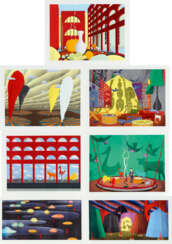
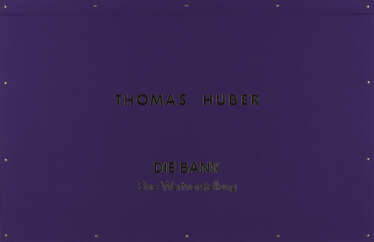
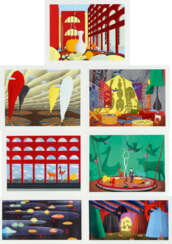
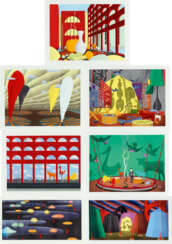
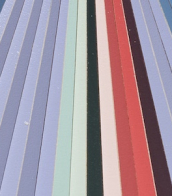
Thomas Huber is a Swiss contemporary artist renowned for his ability to weave metaphysical narratives and architectural elements into his figurative paintings. Thomas Huber has cultivated a unique artistic language that explores the relationship between space, reality, and perception through a blend of surreal scenarios and precise perspective.
Thomas Huber's work is characterized by its introspective quality, often described as "paintings about paintings," reflecting on the nature of art itself. His style, marked by clean lines and a cool, detached aesthetic, uses architecture and space to question the boundaries between illusion and reality. This approach has led to a body of work that is both ironic and timeless, inviting viewers into a fantasy world constructed from complex symbols and contradictory elements.
Throughout his career, Huber has received numerous accolades, including the prestigious Prix Meret Oppenheim in 2013 and the Art Prize of the Heitland Foundation in 2005. His works are part of significant collections in both Germany and France, and he has been featured in solo and group exhibitions worldwide.
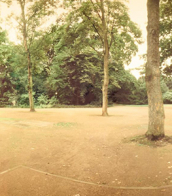
One of Thomas Huber's recent exhibitions, "Lago Maggiore" at MASI Lugano, showcases a series of large-scale paintings and watercolors inspired by the breathtaking views of Lake Maggiore. This body of work represents a pictorial homecoming for Huber, reflecting a shift in his artistic focus towards nature and the landscapes of his youth. The exhibition not only highlights Huber's transition from architectural to natural themes but also maintains his signature exploration of the imaginary and real through meticulous composition and atmospheric depth.
For collectors and experts in art and antiques, Thomas Huber's oeuvre offers a rich exploration of the intersections between art, architecture, and the metaphysical. His ability to challenge and redefine perceptions of reality through his work makes him a significant figure in contemporary art.
To discover more about Thomas Huber's work and to stay updated on new sales and auction events related to his art, signing up for updates is highly recommended. This subscription is a valuable resource for anyone interested in the evolving landscape of contemporary art and the unique contributions of Thomas Huber.


Thomas Huber is a Swiss contemporary artist renowned for his ability to weave metaphysical narratives and architectural elements into his figurative paintings. Thomas Huber has cultivated a unique artistic language that explores the relationship between space, reality, and perception through a blend of surreal scenarios and precise perspective.
Thomas Huber's work is characterized by its introspective quality, often described as "paintings about paintings," reflecting on the nature of art itself. His style, marked by clean lines and a cool, detached aesthetic, uses architecture and space to question the boundaries between illusion and reality. This approach has led to a body of work that is both ironic and timeless, inviting viewers into a fantasy world constructed from complex symbols and contradictory elements.
Throughout his career, Huber has received numerous accolades, including the prestigious Prix Meret Oppenheim in 2013 and the Art Prize of the Heitland Foundation in 2005. His works are part of significant collections in both Germany and France, and he has been featured in solo and group exhibitions worldwide.
One of Thomas Huber's recent exhibitions, "Lago Maggiore" at MASI Lugano, showcases a series of large-scale paintings and watercolors inspired by the breathtaking views of Lake Maggiore. This body of work represents a pictorial homecoming for Huber, reflecting a shift in his artistic focus towards nature and the landscapes of his youth. The exhibition not only highlights Huber's transition from architectural to natural themes but also maintains his signature exploration of the imaginary and real through meticulous composition and atmospheric depth.
For collectors and experts in art and antiques, Thomas Huber's oeuvre offers a rich exploration of the intersections between art, architecture, and the metaphysical. His ability to challenge and redefine perceptions of reality through his work makes him a significant figure in contemporary art.
To discover more about Thomas Huber's work and to stay updated on new sales and auction events related to his art, signing up for updates is highly recommended. This subscription is a valuable resource for anyone interested in the evolving landscape of contemporary art and the unique contributions of Thomas Huber.


Thomas Huber is a Swiss contemporary artist renowned for his ability to weave metaphysical narratives and architectural elements into his figurative paintings. Thomas Huber has cultivated a unique artistic language that explores the relationship between space, reality, and perception through a blend of surreal scenarios and precise perspective.
Thomas Huber's work is characterized by its introspective quality, often described as "paintings about paintings," reflecting on the nature of art itself. His style, marked by clean lines and a cool, detached aesthetic, uses architecture and space to question the boundaries between illusion and reality. This approach has led to a body of work that is both ironic and timeless, inviting viewers into a fantasy world constructed from complex symbols and contradictory elements.
Throughout his career, Huber has received numerous accolades, including the prestigious Prix Meret Oppenheim in 2013 and the Art Prize of the Heitland Foundation in 2005. His works are part of significant collections in both Germany and France, and he has been featured in solo and group exhibitions worldwide.
One of Thomas Huber's recent exhibitions, "Lago Maggiore" at MASI Lugano, showcases a series of large-scale paintings and watercolors inspired by the breathtaking views of Lake Maggiore. This body of work represents a pictorial homecoming for Huber, reflecting a shift in his artistic focus towards nature and the landscapes of his youth. The exhibition not only highlights Huber's transition from architectural to natural themes but also maintains his signature exploration of the imaginary and real through meticulous composition and atmospheric depth.
For collectors and experts in art and antiques, Thomas Huber's oeuvre offers a rich exploration of the intersections between art, architecture, and the metaphysical. His ability to challenge and redefine perceptions of reality through his work makes him a significant figure in contemporary art.
To discover more about Thomas Huber's work and to stay updated on new sales and auction events related to his art, signing up for updates is highly recommended. This subscription is a valuable resource for anyone interested in the evolving landscape of contemporary art and the unique contributions of Thomas Huber.


Thomas Huber is a Swiss contemporary artist renowned for his ability to weave metaphysical narratives and architectural elements into his figurative paintings. Thomas Huber has cultivated a unique artistic language that explores the relationship between space, reality, and perception through a blend of surreal scenarios and precise perspective.
Thomas Huber's work is characterized by its introspective quality, often described as "paintings about paintings," reflecting on the nature of art itself. His style, marked by clean lines and a cool, detached aesthetic, uses architecture and space to question the boundaries between illusion and reality. This approach has led to a body of work that is both ironic and timeless, inviting viewers into a fantasy world constructed from complex symbols and contradictory elements.
Throughout his career, Huber has received numerous accolades, including the prestigious Prix Meret Oppenheim in 2013 and the Art Prize of the Heitland Foundation in 2005. His works are part of significant collections in both Germany and France, and he has been featured in solo and group exhibitions worldwide.
One of Thomas Huber's recent exhibitions, "Lago Maggiore" at MASI Lugano, showcases a series of large-scale paintings and watercolors inspired by the breathtaking views of Lake Maggiore. This body of work represents a pictorial homecoming for Huber, reflecting a shift in his artistic focus towards nature and the landscapes of his youth. The exhibition not only highlights Huber's transition from architectural to natural themes but also maintains his signature exploration of the imaginary and real through meticulous composition and atmospheric depth.
For collectors and experts in art and antiques, Thomas Huber's oeuvre offers a rich exploration of the intersections between art, architecture, and the metaphysical. His ability to challenge and redefine perceptions of reality through his work makes him a significant figure in contemporary art.
To discover more about Thomas Huber's work and to stay updated on new sales and auction events related to his art, signing up for updates is highly recommended. This subscription is a valuable resource for anyone interested in the evolving landscape of contemporary art and the unique contributions of Thomas Huber.

Thomas Huber is a Swiss contemporary artist renowned for his ability to weave metaphysical narratives and architectural elements into his figurative paintings. Thomas Huber has cultivated a unique artistic language that explores the relationship between space, reality, and perception through a blend of surreal scenarios and precise perspective.
Thomas Huber's work is characterized by its introspective quality, often described as "paintings about paintings," reflecting on the nature of art itself. His style, marked by clean lines and a cool, detached aesthetic, uses architecture and space to question the boundaries between illusion and reality. This approach has led to a body of work that is both ironic and timeless, inviting viewers into a fantasy world constructed from complex symbols and contradictory elements.
Throughout his career, Huber has received numerous accolades, including the prestigious Prix Meret Oppenheim in 2013 and the Art Prize of the Heitland Foundation in 2005. His works are part of significant collections in both Germany and France, and he has been featured in solo and group exhibitions worldwide.
One of Thomas Huber's recent exhibitions, "Lago Maggiore" at MASI Lugano, showcases a series of large-scale paintings and watercolors inspired by the breathtaking views of Lake Maggiore. This body of work represents a pictorial homecoming for Huber, reflecting a shift in his artistic focus towards nature and the landscapes of his youth. The exhibition not only highlights Huber's transition from architectural to natural themes but also maintains his signature exploration of the imaginary and real through meticulous composition and atmospheric depth.
For collectors and experts in art and antiques, Thomas Huber's oeuvre offers a rich exploration of the intersections between art, architecture, and the metaphysical. His ability to challenge and redefine perceptions of reality through his work makes him a significant figure in contemporary art.
To discover more about Thomas Huber's work and to stay updated on new sales and auction events related to his art, signing up for updates is highly recommended. This subscription is a valuable resource for anyone interested in the evolving landscape of contemporary art and the unique contributions of Thomas Huber.

Thomas Huber is a Swiss contemporary artist renowned for his ability to weave metaphysical narratives and architectural elements into his figurative paintings. Thomas Huber has cultivated a unique artistic language that explores the relationship between space, reality, and perception through a blend of surreal scenarios and precise perspective.
Thomas Huber's work is characterized by its introspective quality, often described as "paintings about paintings," reflecting on the nature of art itself. His style, marked by clean lines and a cool, detached aesthetic, uses architecture and space to question the boundaries between illusion and reality. This approach has led to a body of work that is both ironic and timeless, inviting viewers into a fantasy world constructed from complex symbols and contradictory elements.
Throughout his career, Huber has received numerous accolades, including the prestigious Prix Meret Oppenheim in 2013 and the Art Prize of the Heitland Foundation in 2005. His works are part of significant collections in both Germany and France, and he has been featured in solo and group exhibitions worldwide.
One of Thomas Huber's recent exhibitions, "Lago Maggiore" at MASI Lugano, showcases a series of large-scale paintings and watercolors inspired by the breathtaking views of Lake Maggiore. This body of work represents a pictorial homecoming for Huber, reflecting a shift in his artistic focus towards nature and the landscapes of his youth. The exhibition not only highlights Huber's transition from architectural to natural themes but also maintains his signature exploration of the imaginary and real through meticulous composition and atmospheric depth.
For collectors and experts in art and antiques, Thomas Huber's oeuvre offers a rich exploration of the intersections between art, architecture, and the metaphysical. His ability to challenge and redefine perceptions of reality through his work makes him a significant figure in contemporary art.
To discover more about Thomas Huber's work and to stay updated on new sales and auction events related to his art, signing up for updates is highly recommended. This subscription is a valuable resource for anyone interested in the evolving landscape of contemporary art and the unique contributions of Thomas Huber.

Thomas Huber is a Swiss contemporary artist renowned for his ability to weave metaphysical narratives and architectural elements into his figurative paintings. Thomas Huber has cultivated a unique artistic language that explores the relationship between space, reality, and perception through a blend of surreal scenarios and precise perspective.
Thomas Huber's work is characterized by its introspective quality, often described as "paintings about paintings," reflecting on the nature of art itself. His style, marked by clean lines and a cool, detached aesthetic, uses architecture and space to question the boundaries between illusion and reality. This approach has led to a body of work that is both ironic and timeless, inviting viewers into a fantasy world constructed from complex symbols and contradictory elements.
Throughout his career, Huber has received numerous accolades, including the prestigious Prix Meret Oppenheim in 2013 and the Art Prize of the Heitland Foundation in 2005. His works are part of significant collections in both Germany and France, and he has been featured in solo and group exhibitions worldwide.
One of Thomas Huber's recent exhibitions, "Lago Maggiore" at MASI Lugano, showcases a series of large-scale paintings and watercolors inspired by the breathtaking views of Lake Maggiore. This body of work represents a pictorial homecoming for Huber, reflecting a shift in his artistic focus towards nature and the landscapes of his youth. The exhibition not only highlights Huber's transition from architectural to natural themes but also maintains his signature exploration of the imaginary and real through meticulous composition and atmospheric depth.
For collectors and experts in art and antiques, Thomas Huber's oeuvre offers a rich exploration of the intersections between art, architecture, and the metaphysical. His ability to challenge and redefine perceptions of reality through his work makes him a significant figure in contemporary art.
To discover more about Thomas Huber's work and to stay updated on new sales and auction events related to his art, signing up for updates is highly recommended. This subscription is a valuable resource for anyone interested in the evolving landscape of contemporary art and the unique contributions of Thomas Huber.

Thomas Huber is a Swiss contemporary artist renowned for his ability to weave metaphysical narratives and architectural elements into his figurative paintings. Thomas Huber has cultivated a unique artistic language that explores the relationship between space, reality, and perception through a blend of surreal scenarios and precise perspective.
Thomas Huber's work is characterized by its introspective quality, often described as "paintings about paintings," reflecting on the nature of art itself. His style, marked by clean lines and a cool, detached aesthetic, uses architecture and space to question the boundaries between illusion and reality. This approach has led to a body of work that is both ironic and timeless, inviting viewers into a fantasy world constructed from complex symbols and contradictory elements.
Throughout his career, Huber has received numerous accolades, including the prestigious Prix Meret Oppenheim in 2013 and the Art Prize of the Heitland Foundation in 2005. His works are part of significant collections in both Germany and France, and he has been featured in solo and group exhibitions worldwide.
One of Thomas Huber's recent exhibitions, "Lago Maggiore" at MASI Lugano, showcases a series of large-scale paintings and watercolors inspired by the breathtaking views of Lake Maggiore. This body of work represents a pictorial homecoming for Huber, reflecting a shift in his artistic focus towards nature and the landscapes of his youth. The exhibition not only highlights Huber's transition from architectural to natural themes but also maintains his signature exploration of the imaginary and real through meticulous composition and atmospheric depth.
For collectors and experts in art and antiques, Thomas Huber's oeuvre offers a rich exploration of the intersections between art, architecture, and the metaphysical. His ability to challenge and redefine perceptions of reality through his work makes him a significant figure in contemporary art.
To discover more about Thomas Huber's work and to stay updated on new sales and auction events related to his art, signing up for updates is highly recommended. This subscription is a valuable resource for anyone interested in the evolving landscape of contemporary art and the unique contributions of Thomas Huber.
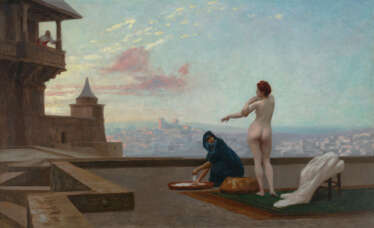

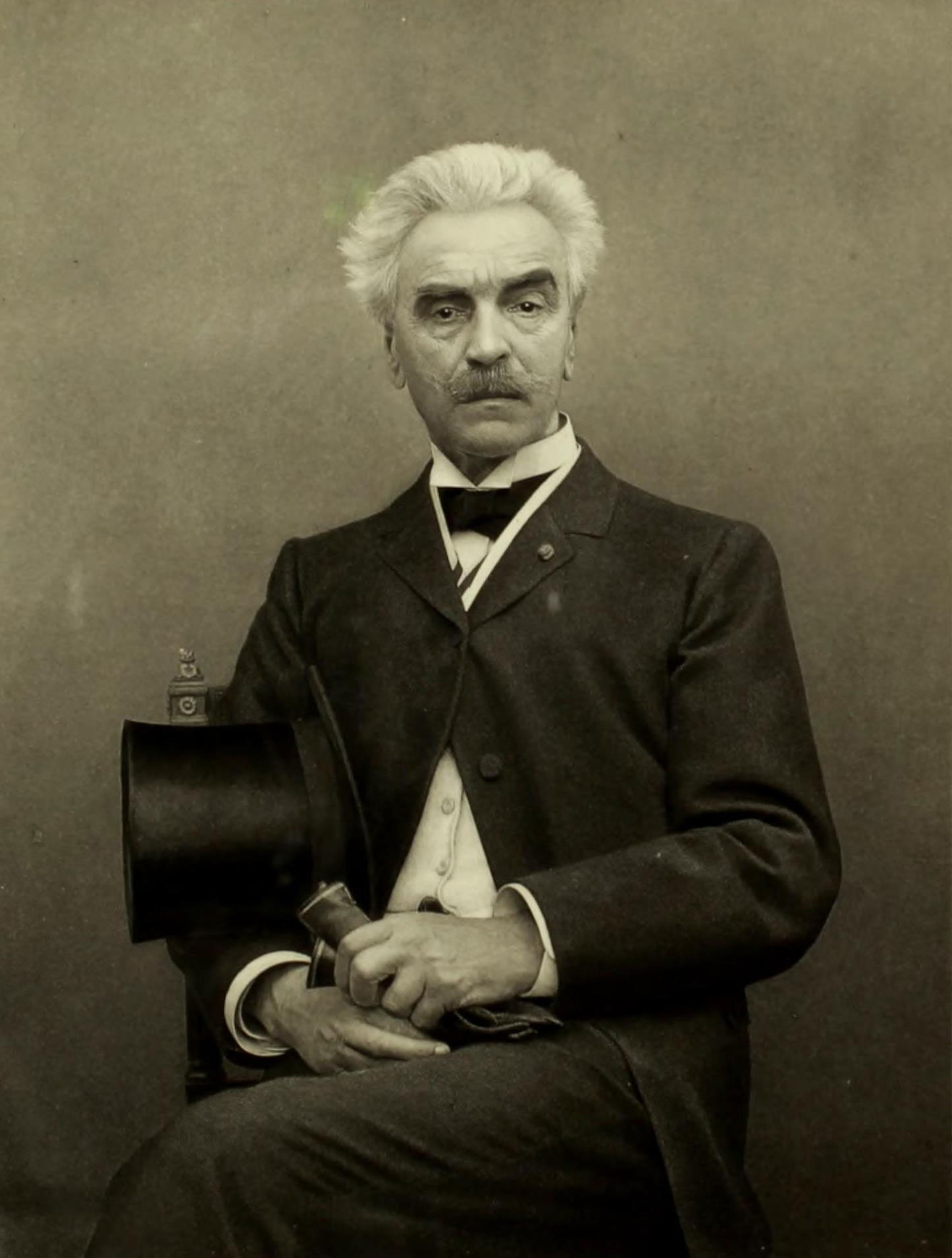
Jean-Léon Gérôme was a prominent 19th-century French painter, a representative of the academic school of painting. His paintings are notable for their impeccable composition and exquisite colour palette.
Jean-Léon Gérôme did not accept the work of the Impressionists, whom he considered to be the ignominy of French art. This has earned him a controversial reputation as a fierce supporter of academism and a persecutor of new movements.
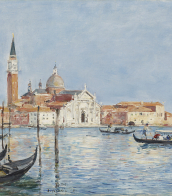
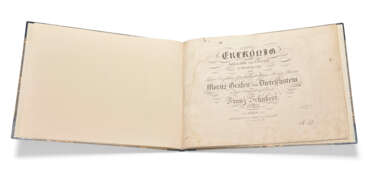

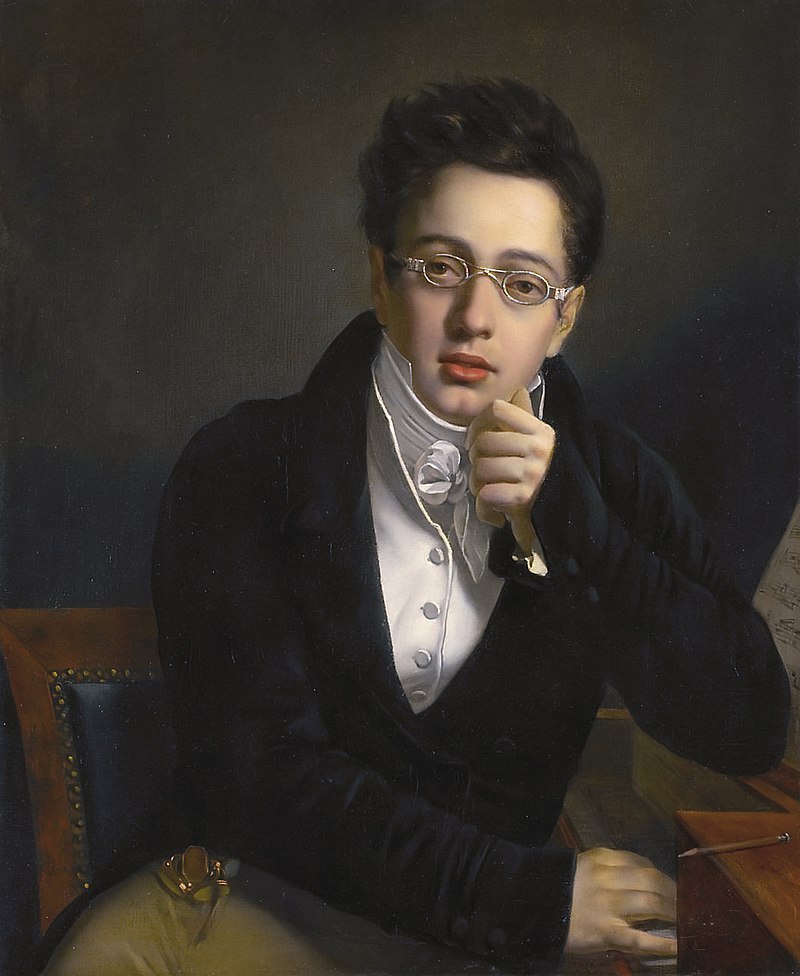
Franz Peter Schubert was an Austrian composer who combined classical and romantic music.
Franz was born into a musical family, where a quartet played at home and his father founded a music school. The future composer played the violin, piano and organ. At the age of 10, the young Schubert won a place in the Vienna Imperial Court Chapel Choir and quickly gained a reputation as an aspiring composer, writing several light string quartets. In 1814 Schubert began teaching, but at the same time he continuously composed a wide variety of works. These included 145 songs, the Second and Third Symphonies, two sonatas and a number of miniatures for solo piano, two masses and other short choral works, four stage works, a string quartet, and much more.
Soon the popularity of Schubert's dance music and songs grew so much that musical evenings known as "Schubertiades", where Schubert performed his own compositions while accompanying himself on the piano, became fashionable in Vienna. The talented composer effortlessly composed many masterpieces, including the song cycles Lonely Müllerin and Winterreise, as well as the Eighth ("Unfinished") and Ninth ("Great") Symphonies, the Octet for winds, three string quartets, two piano trios, the String Quintet, the Wanderer Fantasia and six sonatas for solo piano.
Despite his boundless talent, Franz Schubert was always insecure, indecisive and reserved, causing him to be tormented by lack of money throughout his life. The composer was able to buy his own piano almost at the end of his short life - with the royalties from his first and only public concert in March 1828. Eight months later, the brilliant musician died of illness at the age of 31.
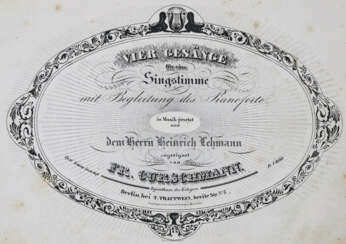

Franz Peter Schubert was an Austrian composer who combined classical and romantic music.
Franz was born into a musical family, where a quartet played at home and his father founded a music school. The future composer played the violin, piano and organ. At the age of 10, the young Schubert won a place in the Vienna Imperial Court Chapel Choir and quickly gained a reputation as an aspiring composer, writing several light string quartets. In 1814 Schubert began teaching, but at the same time he continuously composed a wide variety of works. These included 145 songs, the Second and Third Symphonies, two sonatas and a number of miniatures for solo piano, two masses and other short choral works, four stage works, a string quartet, and much more.
Soon the popularity of Schubert's dance music and songs grew so much that musical evenings known as "Schubertiades", where Schubert performed his own compositions while accompanying himself on the piano, became fashionable in Vienna. The talented composer effortlessly composed many masterpieces, including the song cycles Lonely Müllerin and Winterreise, as well as the Eighth ("Unfinished") and Ninth ("Great") Symphonies, the Octet for winds, three string quartets, two piano trios, the String Quintet, the Wanderer Fantasia and six sonatas for solo piano.
Despite his boundless talent, Franz Schubert was always insecure, indecisive and reserved, causing him to be tormented by lack of money throughout his life. The composer was able to buy his own piano almost at the end of his short life - with the royalties from his first and only public concert in March 1828. Eight months later, the brilliant musician died of illness at the age of 31.

.jpg)
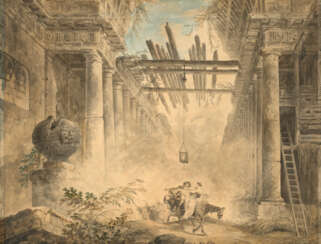
Hubert Robert was a renowned French artist, celebrated for his captivating landscape paintings and architectural fantasies. Born in Paris in 1733, Robert's talent was nurtured early on, thanks to the patronage of the Choiseul family. His journey to Rome in 1754 marked a pivotal phase in his career, where he immersed himself in studying ancient and modern Italian architecture, significantly influencing his artistic style.
Hubert Robert's work is characterized by its romantic depiction of ruins, blending fantasy with historical accuracy, which earned him the nickname "Robert des Ruines." His landscapes and capricci, which are imaginative compositions of architectural elements, resonated with the art collectors and the aristocracy of his time, securing his place as a key figure in French art history.
Noteworthy are Hubert Robert's contributions to the design of picturesque gardens, where he provided atmospheric visions rather than practical layouts. His involvement in the creation of gardens at places like Ermenonville and Méréville showcases his ability to merge art with nature, creating spaces that were both innovative and inspirational.
His artworks, such as "The Port of Rome" and "The Old Bridge," are treasured in prestigious galleries worldwide, reflecting his enduring legacy in the realm of art and culture. For art collectors and experts, Hubert Robert's oeuvre offers a window into the 18th-century artistic landscape, where imagination and historical elements coalesce to form compelling visual narratives.
For updates on exhibitions and auction events related to Hubert Robert's works, sign up to stay informed about new discoveries and opportunities to appreciate the artistry of this exceptional French painter.


Franz Peter Schubert was an Austrian composer who combined classical and romantic music.
Franz was born into a musical family, where a quartet played at home and his father founded a music school. The future composer played the violin, piano and organ. At the age of 10, the young Schubert won a place in the Vienna Imperial Court Chapel Choir and quickly gained a reputation as an aspiring composer, writing several light string quartets. In 1814 Schubert began teaching, but at the same time he continuously composed a wide variety of works. These included 145 songs, the Second and Third Symphonies, two sonatas and a number of miniatures for solo piano, two masses and other short choral works, four stage works, a string quartet, and much more.
Soon the popularity of Schubert's dance music and songs grew so much that musical evenings known as "Schubertiades", where Schubert performed his own compositions while accompanying himself on the piano, became fashionable in Vienna. The talented composer effortlessly composed many masterpieces, including the song cycles Lonely Müllerin and Winterreise, as well as the Eighth ("Unfinished") and Ninth ("Great") Symphonies, the Octet for winds, three string quartets, two piano trios, the String Quintet, the Wanderer Fantasia and six sonatas for solo piano.
Despite his boundless talent, Franz Schubert was always insecure, indecisive and reserved, causing him to be tormented by lack of money throughout his life. The composer was able to buy his own piano almost at the end of his short life - with the royalties from his first and only public concert in March 1828. Eight months later, the brilliant musician died of illness at the age of 31.
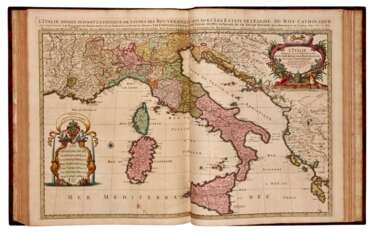

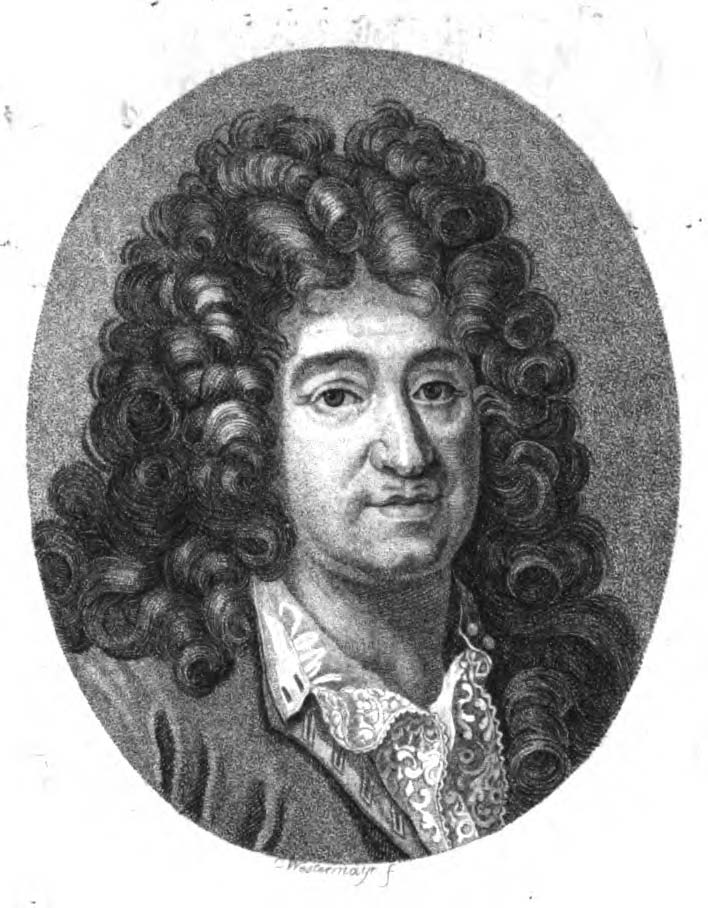
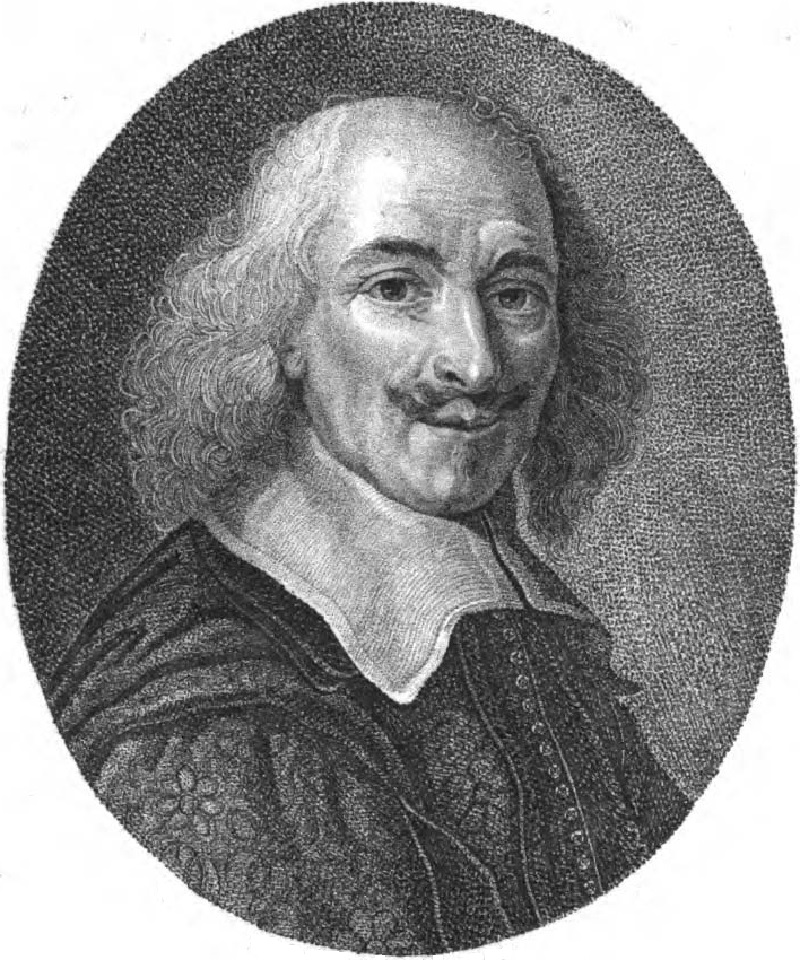
Nicolas Sanson the Elder (Nicolas Sanson d’Abbeville) was a French cartographer who served under two kings in matters of geography. He has been called the "father of French cartography." He gave lessons in geography both to Louis XIII and to Louis XIV. Active from 1627, Sanson issued his first map of importance, the "Postes de France". After publishing several general atlases himself he became the associate of Pierre Mariette, a publisher of prints. He died in Paris on 7 July 1667. Two younger sons succeeded him as geographers to the king. Sanson's maps were used as a model by his son, Guillaume, and, at least initially, by Duval, his nephew, in his 1664 folio map and 1660 atlas minor map. In 1692 Hubert Jaillot collected Sanson's maps in an Atlas nouveau.
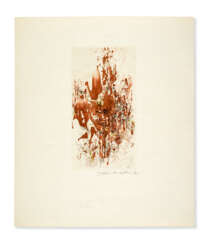

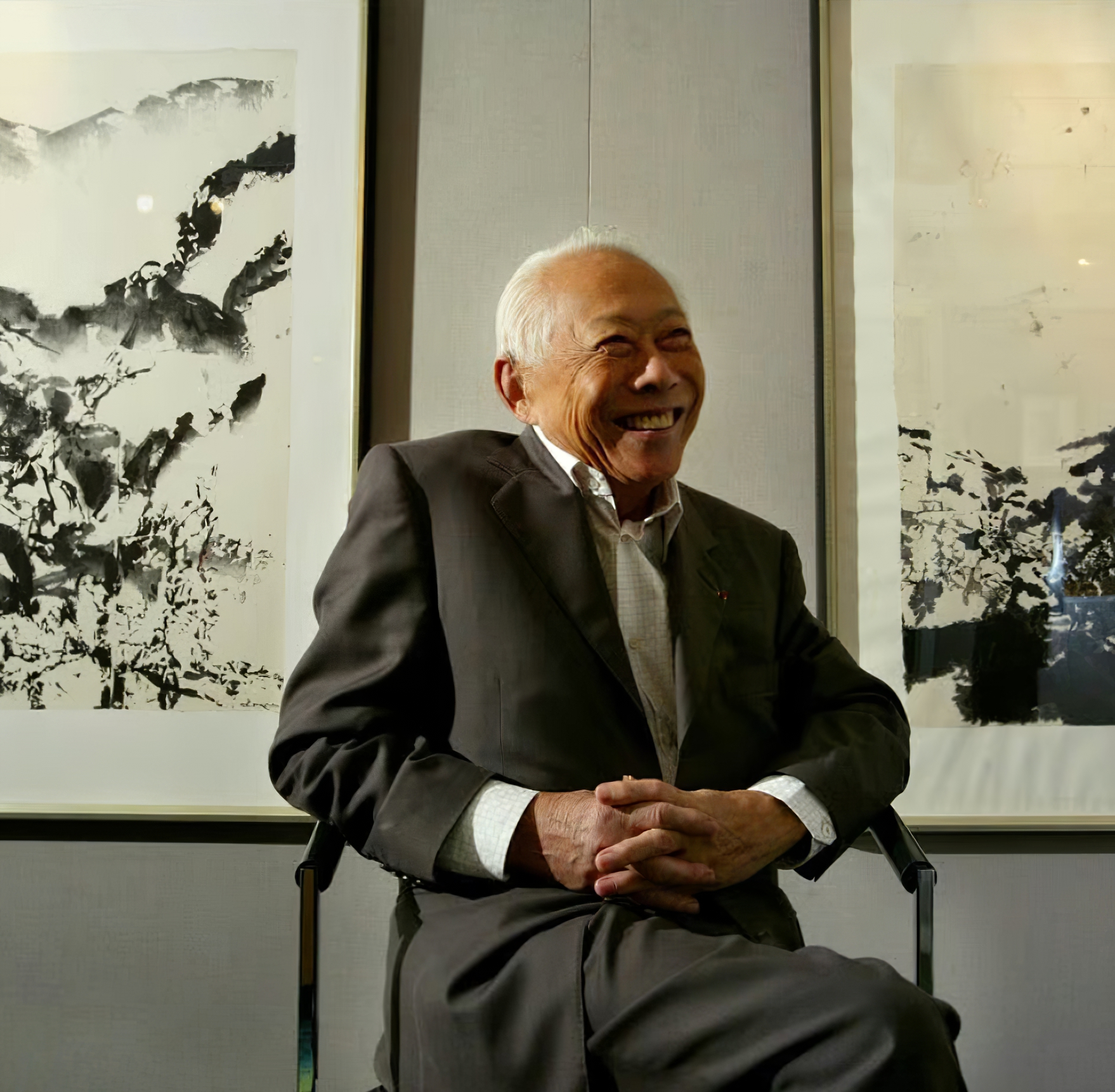
Zhao Wou-Ki (Chinese: 赵无极, pinyin: Zhào Wújí) was a Chinese-French painter. He was a member of the Académie des Beaux-Arts in Paris. Zao Wou-Ki graduated from the China Academy of Art in Hangzhou, where he studied under Fang Ganmin and Wu Dayu.
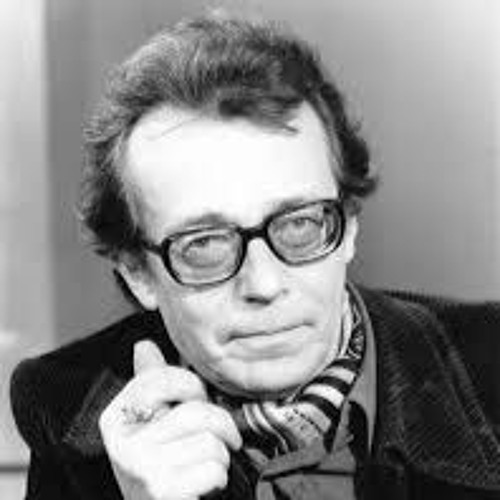
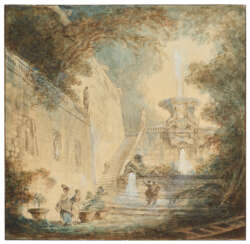

Hubert Robert was a renowned French artist, celebrated for his captivating landscape paintings and architectural fantasies. Born in Paris in 1733, Robert's talent was nurtured early on, thanks to the patronage of the Choiseul family. His journey to Rome in 1754 marked a pivotal phase in his career, where he immersed himself in studying ancient and modern Italian architecture, significantly influencing his artistic style.
Hubert Robert's work is characterized by its romantic depiction of ruins, blending fantasy with historical accuracy, which earned him the nickname "Robert des Ruines." His landscapes and capricci, which are imaginative compositions of architectural elements, resonated with the art collectors and the aristocracy of his time, securing his place as a key figure in French art history.
Noteworthy are Hubert Robert's contributions to the design of picturesque gardens, where he provided atmospheric visions rather than practical layouts. His involvement in the creation of gardens at places like Ermenonville and Méréville showcases his ability to merge art with nature, creating spaces that were both innovative and inspirational.
His artworks, such as "The Port of Rome" and "The Old Bridge," are treasured in prestigious galleries worldwide, reflecting his enduring legacy in the realm of art and culture. For art collectors and experts, Hubert Robert's oeuvre offers a window into the 18th-century artistic landscape, where imagination and historical elements coalesce to form compelling visual narratives.
For updates on exhibitions and auction events related to Hubert Robert's works, sign up to stay informed about new discoveries and opportunities to appreciate the artistry of this exceptional French painter.
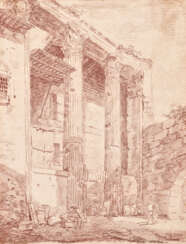

Hubert Robert was a renowned French artist, celebrated for his captivating landscape paintings and architectural fantasies. Born in Paris in 1733, Robert's talent was nurtured early on, thanks to the patronage of the Choiseul family. His journey to Rome in 1754 marked a pivotal phase in his career, where he immersed himself in studying ancient and modern Italian architecture, significantly influencing his artistic style.
Hubert Robert's work is characterized by its romantic depiction of ruins, blending fantasy with historical accuracy, which earned him the nickname "Robert des Ruines." His landscapes and capricci, which are imaginative compositions of architectural elements, resonated with the art collectors and the aristocracy of his time, securing his place as a key figure in French art history.
Noteworthy are Hubert Robert's contributions to the design of picturesque gardens, where he provided atmospheric visions rather than practical layouts. His involvement in the creation of gardens at places like Ermenonville and Méréville showcases his ability to merge art with nature, creating spaces that were both innovative and inspirational.
His artworks, such as "The Port of Rome" and "The Old Bridge," are treasured in prestigious galleries worldwide, reflecting his enduring legacy in the realm of art and culture. For art collectors and experts, Hubert Robert's oeuvre offers a window into the 18th-century artistic landscape, where imagination and historical elements coalesce to form compelling visual narratives.
For updates on exhibitions and auction events related to Hubert Robert's works, sign up to stay informed about new discoveries and opportunities to appreciate the artistry of this exceptional French painter.