henti stream
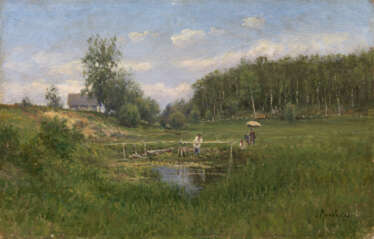

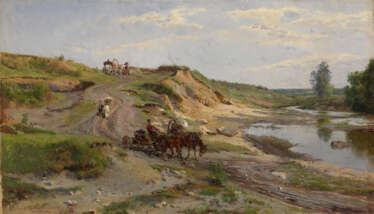



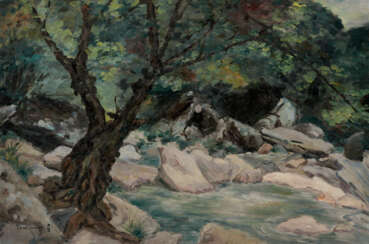

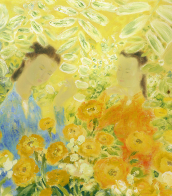


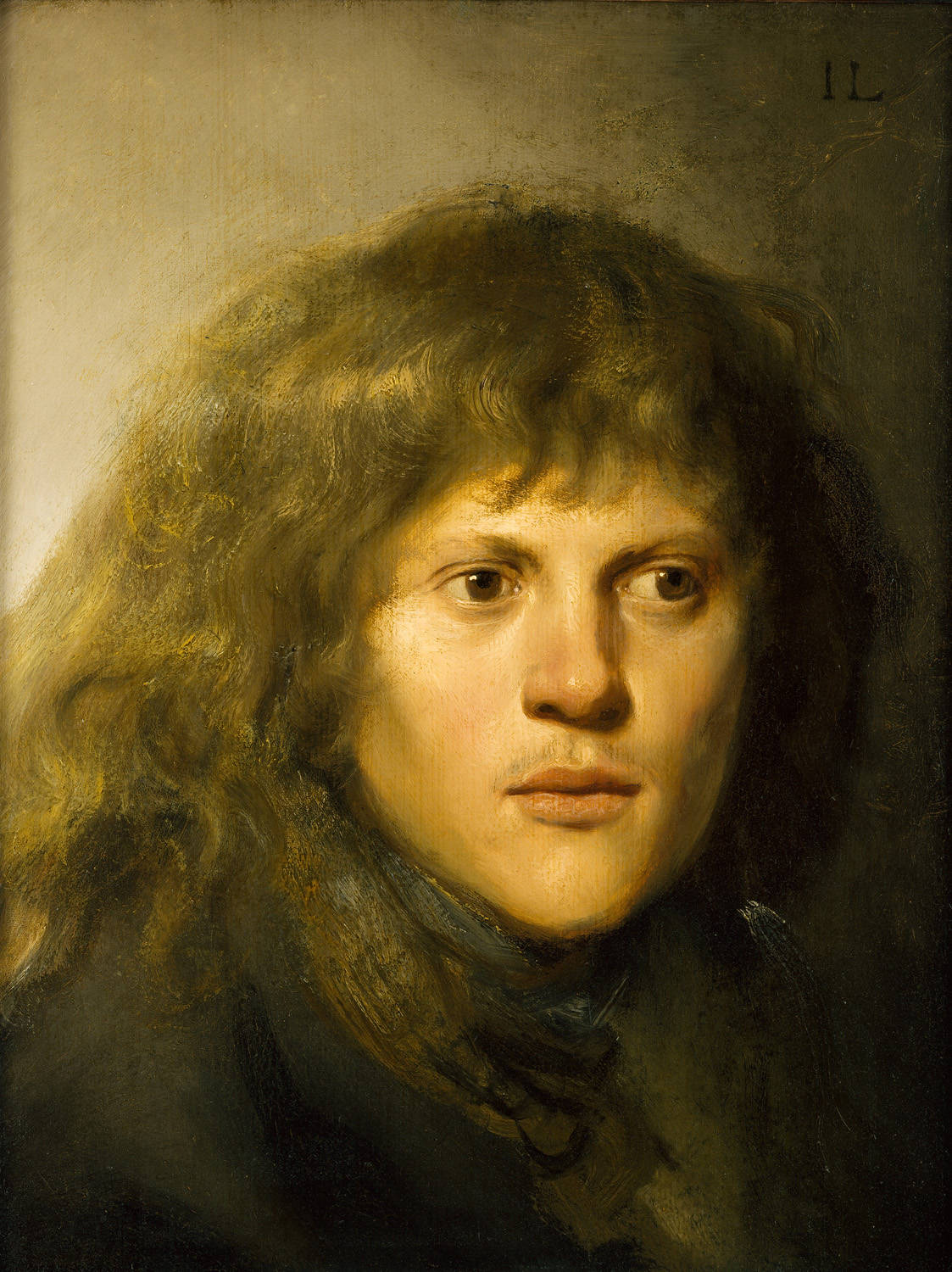
Jan Lievens was a Dutch painter, draughtsman, and engraver of the Golden Age and a member of the Guild of St. Luke in Antwerp.
It is known that while still very young, at the age of twelve, Lievens already created skillful paintings that amazed art lovers of Leiden. He was later friendly with Rembrandt, shared a studio with him, and painted in a similar style. Lievens was also a court painter in England and elsewhere.
Jan Leavens created genre scenes, landscapes, ceremonial portraits and sketches on various themes, as well as religious and allegorical images, which were already highly valued during his lifetime.







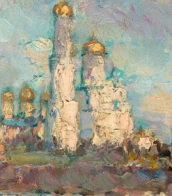


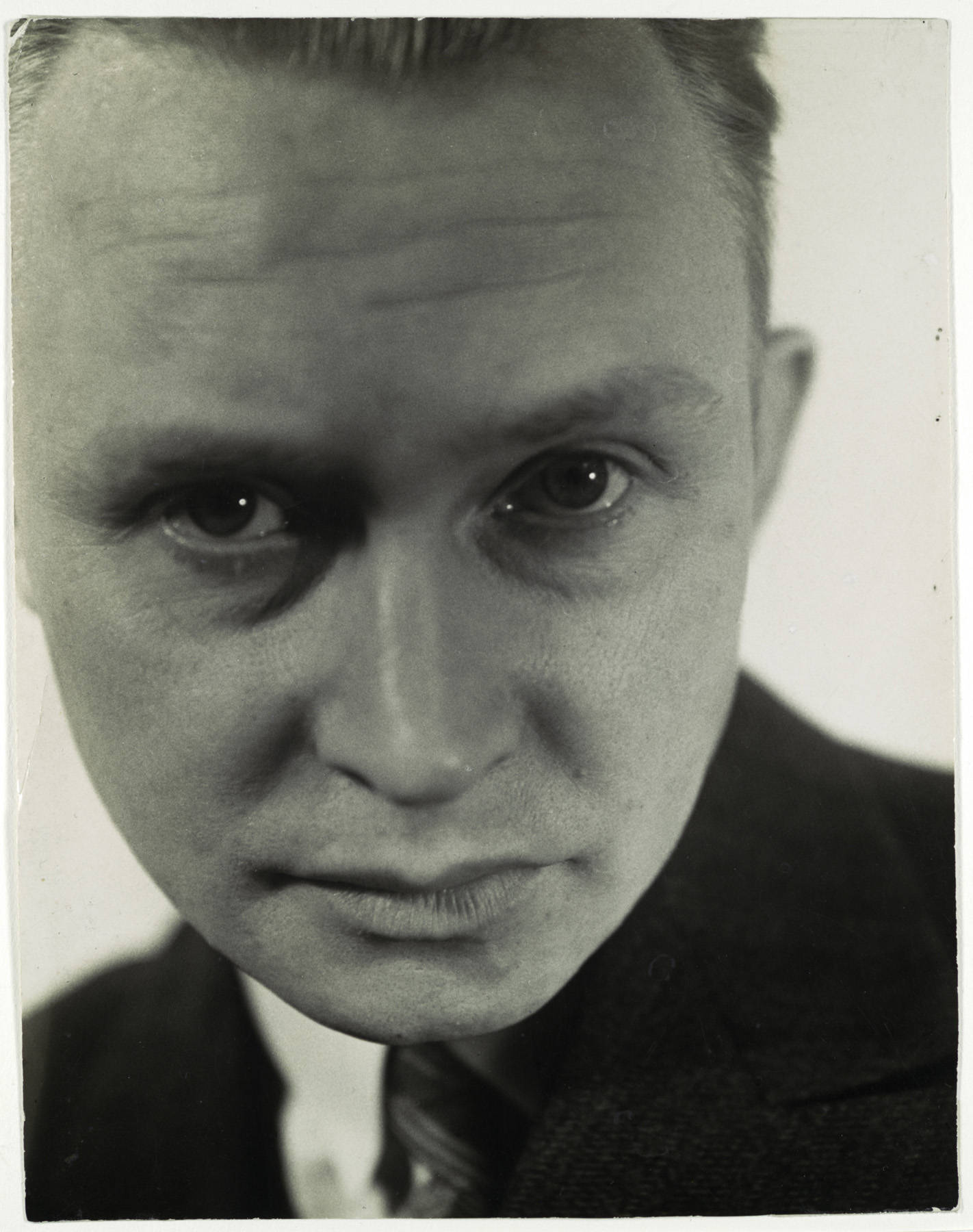
Georg Muche was a German painter, graphic artist, designer and architect.
He began his studies in Munich at the School of Painting and Drawing, continuing in Berlin in 1915. Already influenced by Wassily Kandinsky and Max Ernst, he became one of the first proponents of abstract art in Germany. In Berlin, Georg Muche began collaborating with the expressionist painter Gerwart Walden (1879-1941) and his artist group Sturm.
In 1919 Walter Gropius appointed Muche to the Bauhaus in Weimar, where he became its youngest master. He also ran a weaving workshop in Dessau. In 1926, the Metal Prototype House on the Dessau-Törten estate was built to a design developed in collaboration with the architecture student Richard Paulik. From 1939 to 1958 Georg Muche worked in Krefeld, teaching a master class in textile design at the engineering school.
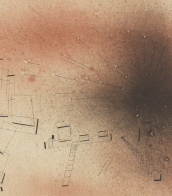
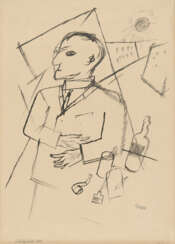

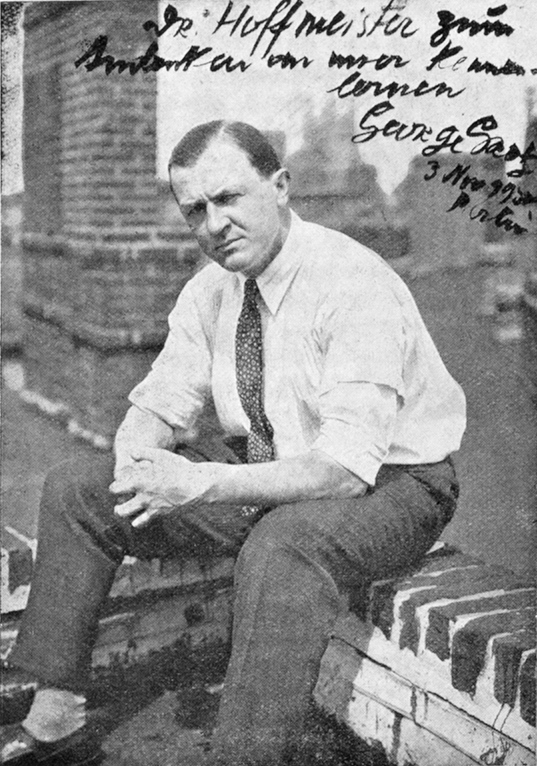
George Grosz was a twentieth-century German painter, graphic artist, and cartoonist. In his work one can find features of various styles of avant-garde art, including Dadaism, Expressionism, and Futurism.
George Grosz drew in every style in a sharp-grotesque and satirical spirit, ridiculing the vices of society. The erotic theme, which occupied a prominent place in Gross's work, was executed in the same spirit.
Grosz devoted more than 20 years to teaching at the Art Students League of New York, and was elected an honorary member of the American and Berlin Academies for his outstanding services to the arts.


George Grosz was a twentieth-century German painter, graphic artist, and cartoonist. In his work one can find features of various styles of avant-garde art, including Dadaism, Expressionism, and Futurism.
George Grosz drew in every style in a sharp-grotesque and satirical spirit, ridiculing the vices of society. The erotic theme, which occupied a prominent place in Gross's work, was executed in the same spirit.
Grosz devoted more than 20 years to teaching at the Art Students League of New York, and was elected an honorary member of the American and Berlin Academies for his outstanding services to the arts.
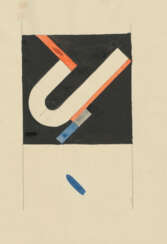

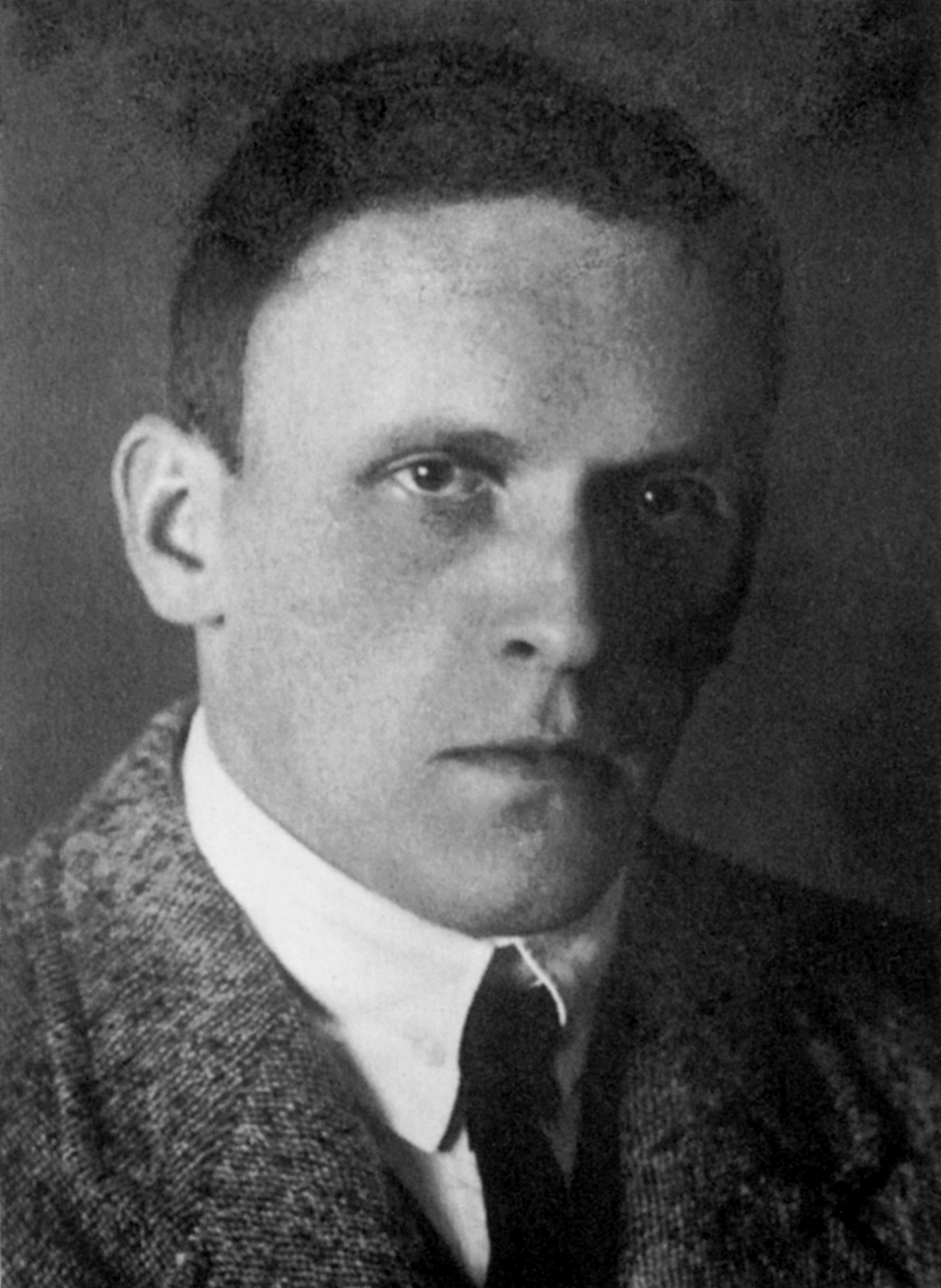
Walter Dexel was a German painter, commercial graphic designer, and transportation planner. He also functioned as an art historian and directed a museum in Braunschweig during the Second World War.


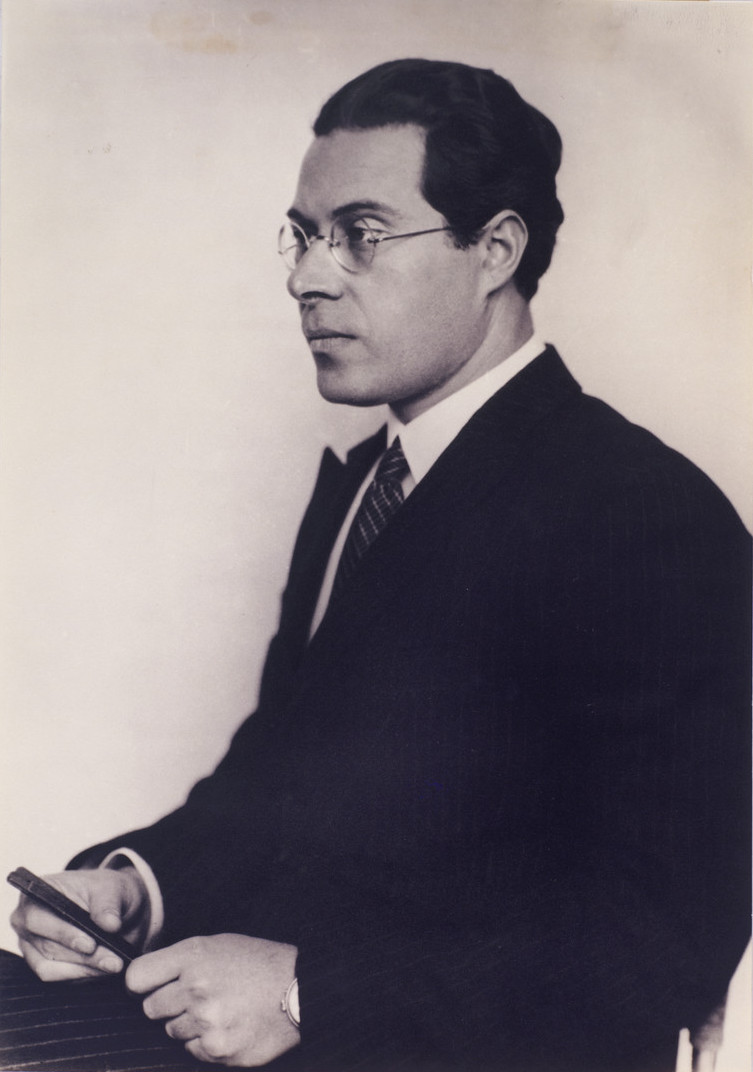
Laszlo Moholy-Nagy, a Hungarian-American artist, was a visionary in the integration of technology and art, profoundly influencing modern art education in the United States. His journey began in post-World War I Europe, where he immersed himself in the avant-garde art scene, eventually joining the Bauhaus school in Germany. There, Moholy-Nagy embraced various mediums, from photography and film to painting and sculpture, pioneering the movement known as the New Vision, which emphasized the unique perspectives that photography and film could offer compared to the human eye.
Laszlo Moholy-Nagy's innovative approach extended to photograms, a camera-less photographic technique that captures the shadows and silhouettes of objects placed on photosensitive paper. His exploration of light and shadow in this medium underscored his belief in the transformative power of art and technology. Beyond his technical achievements, Moholy-Nagy was a dedicated educator, shaping future generations of artists at the Bauhaus and later in Chicago, where he founded the New Bauhaus, which evolved into the Illinois Institute of Technology's Institute of Design.
His work is celebrated in various prestigious collections, including MoMA and the Smithsonian American Art Museum, where his contributions to modernism and design are acknowledged and revered. Moholy-Nagy's legacy is not only in his artistic output but also in his profound impact on art education and the philosophical discourse around art and technology.
For collectors and experts in art and antiques, Laszlo Moholy-Nagy's work offers a deep dive into the intersection of art, technology, and education. To stay informed about exhibitions and auctions related to Moholy-Nagy's works, consider subscribing to updates from art galleries and auction houses, ensuring you remain connected to the evolving appreciation and understanding of this pivotal figure's contributions.



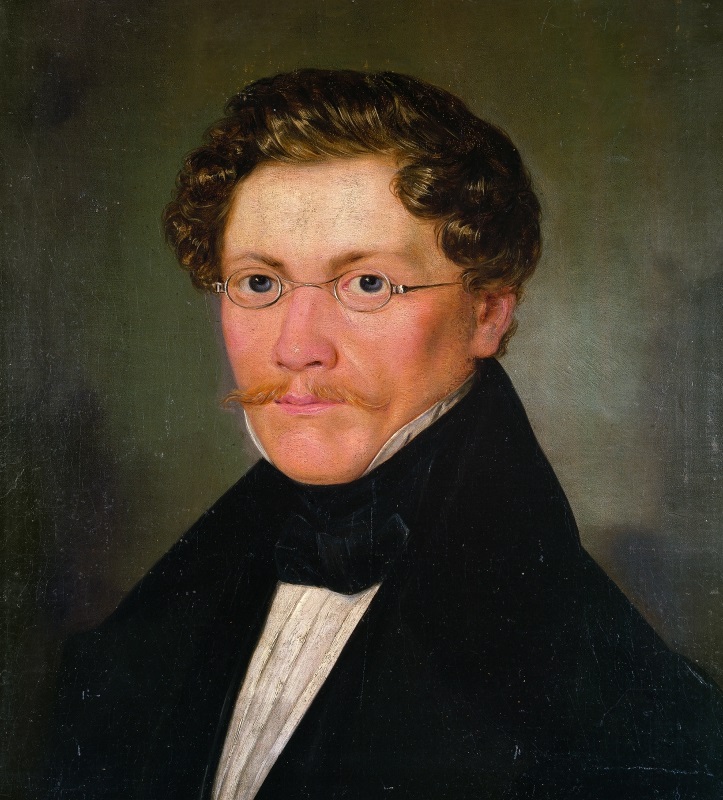
Carl Spitzweg was a German romanticist painter, especially of genre subjects. He is considered to be one of the most important artists of the Biedermeier era.