hochrenaissance


















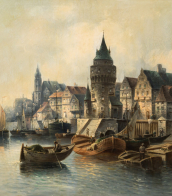


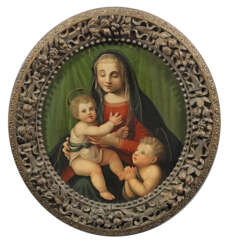







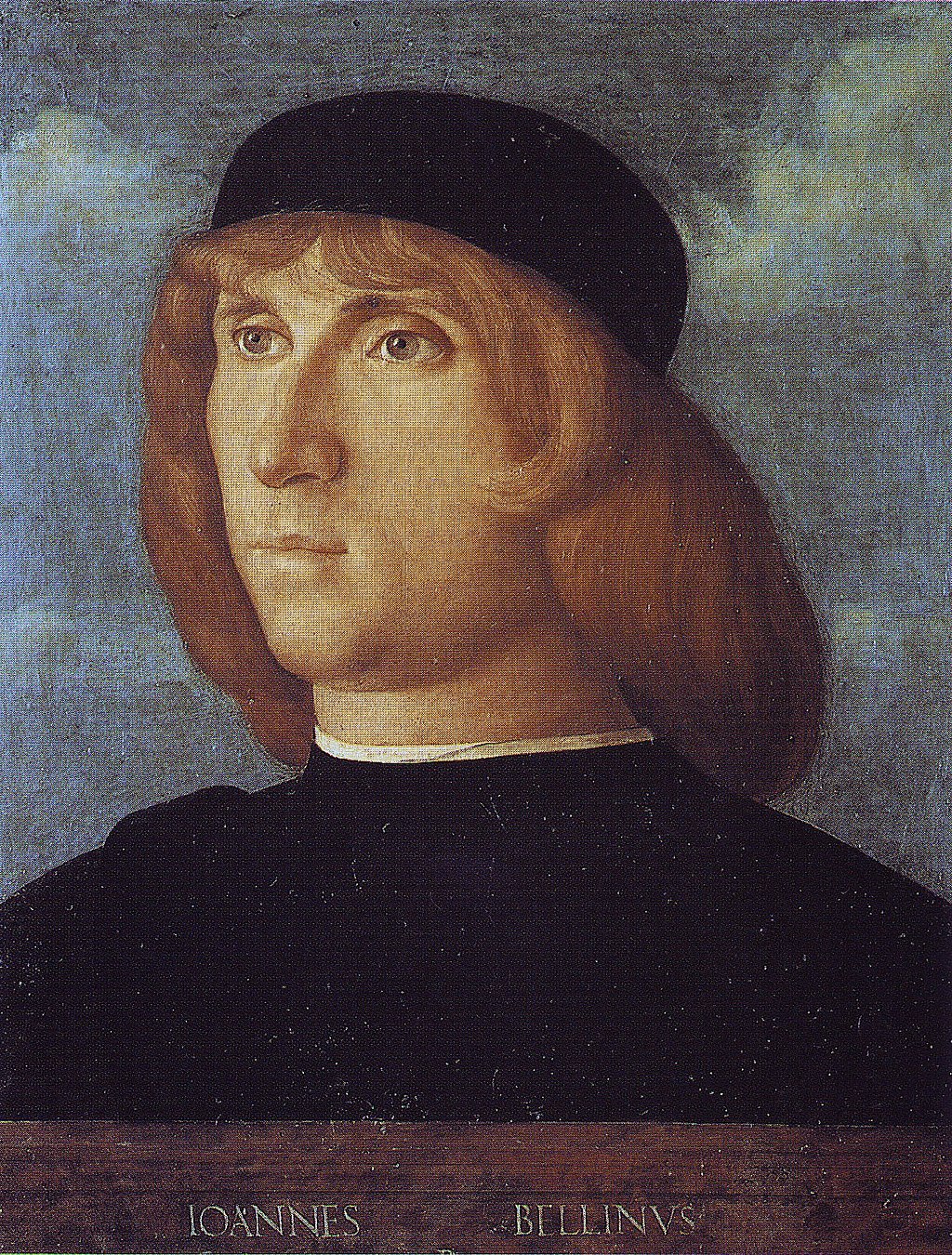
Giovanni Bellini was a renowned Italian painter, celebrated for his pivotal role in the Venetian Renaissance. Born around 1430 in Venice, Italy, Bellini's work is distinguished by its innovative use of color, keen interest in light, and meticulous brushwork, which marked a significant departure from the styles of his predecessors and contemporaries. He is acknowledged as one of the most influential figures of the Bellini family, a lineage of esteemed Venetian painters that profoundly shaped the course of Venetian art.
Bellini's oeuvre spans religious altarpieces, portraits, and mythological scenes, demonstrating a gradual evolution from the narrative-driven compositions of the Early Renaissance to a more nuanced naturalism and emotional depth. Notable works include the "San Zaccaria Altarpiece," celebrated for its serene beauty and imposing presence, and "The Feast of the Gods," a secular piece illustrating Bellini's late career shift towards more naturalistic mythologies and exploration of erotic themes in accordance with the trends of early 16th-century Renaissance art.
His early works, characterized by the use of tempera, exhibit a unique blend of the Paduan school's severity and a profound religious sentimentality, setting the stage for his later mastery of oil painting. This mastery allowed Bellini to achieve unparalleled atmospheric effects and a harmonious blend of colors, contributing significantly to the development of Venetian painting. His contributions were not limited to his own works; Bellini also played a crucial role as a teacher, influencing future generations of artists including Giorgione and Titian, thus ensuring his lasting impact on the Renaissance art movement.
Giovanni Bellini's works are preserved in several prestigious museums and galleries worldwide, serving as a testament to his enduring legacy in the art world. His ability to infuse his paintings with a sense of divine tranquility, coupled with his innovative techniques, has cemented his status as a key figure in the history of Western art.
For collectors and experts in art and antiques, Giovanni Bellini's work represents not only a pinnacle of Renaissance artistry but also a bridge between the medieval and modern worlds. His nuanced approach to color, light, and composition continues to inspire and attract admiration from across the globe.
Stay updated on new discoveries, sales, and auction events related to Giovanni Bellini's work by signing up for our updates. This subscription ensures you're informed about the latest opportunities to engage with the legacy of one of Venice's most illustrious painters.




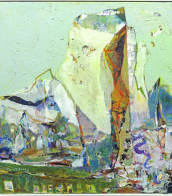
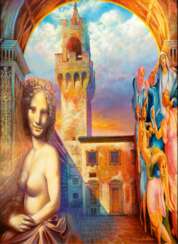

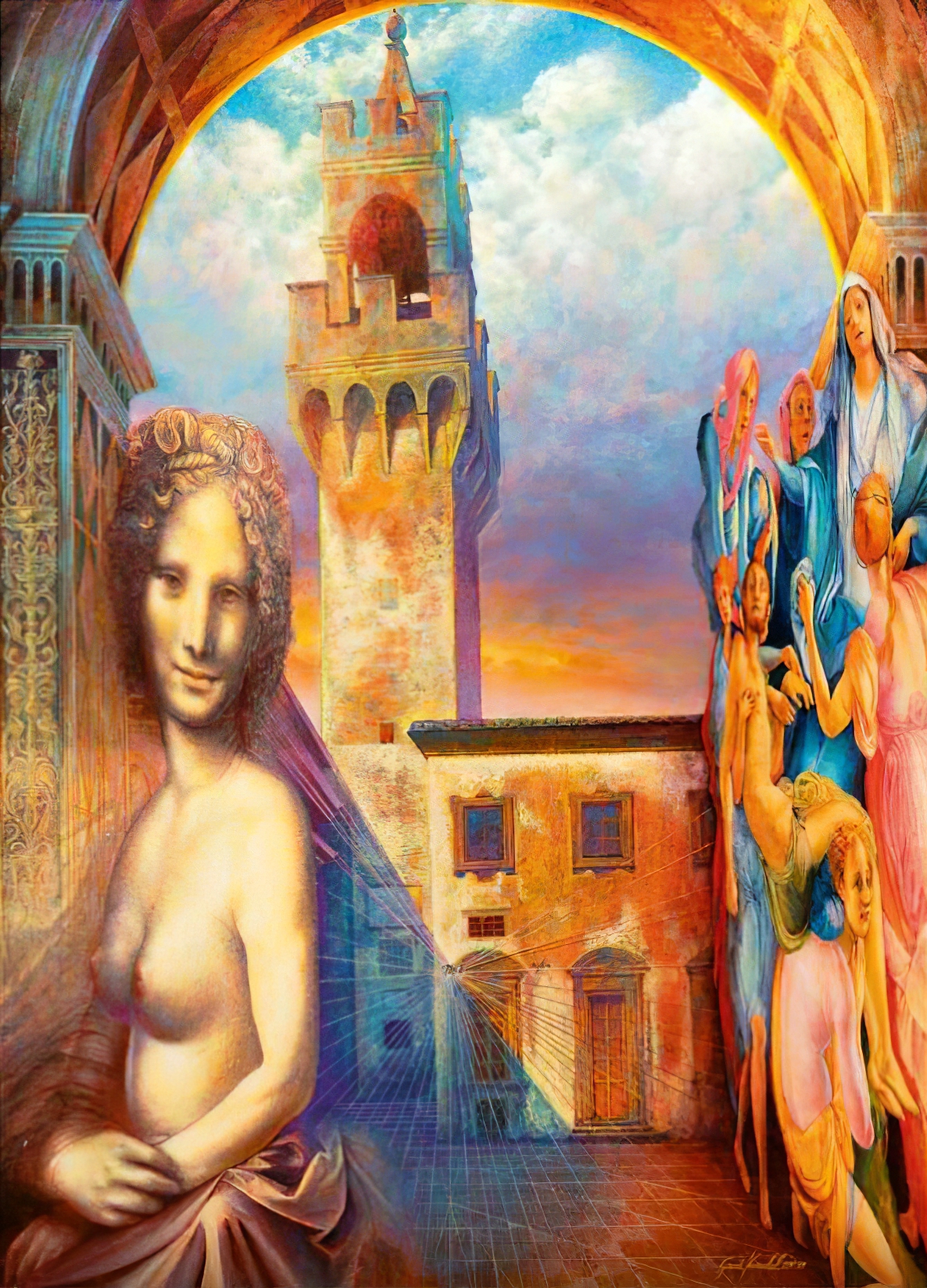
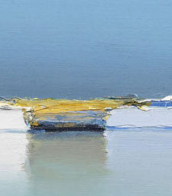
Gerd Krenckel is a contemporary German painter.
As an artist Gerd Krenckel has a great sensitivity to the finest nuances of colour and an unmistakable understanding of materials and surfaces. His work is characterised by an impressive concentration of formal means and an uncompromising pursuit of simplicity and clarity.


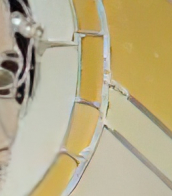
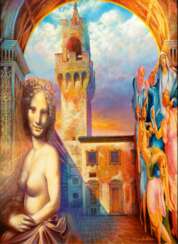

Gerd Krenckel is a contemporary German painter.
As an artist Gerd Krenckel has a great sensitivity to the finest nuances of colour and an unmistakable understanding of materials and surfaces. His work is characterised by an impressive concentration of formal means and an uncompromising pursuit of simplicity and clarity.
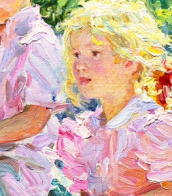
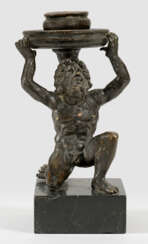


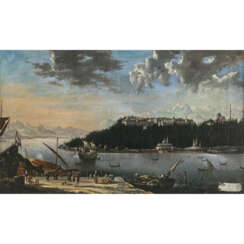



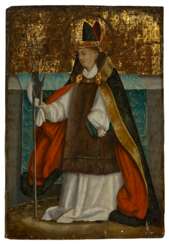

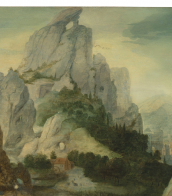


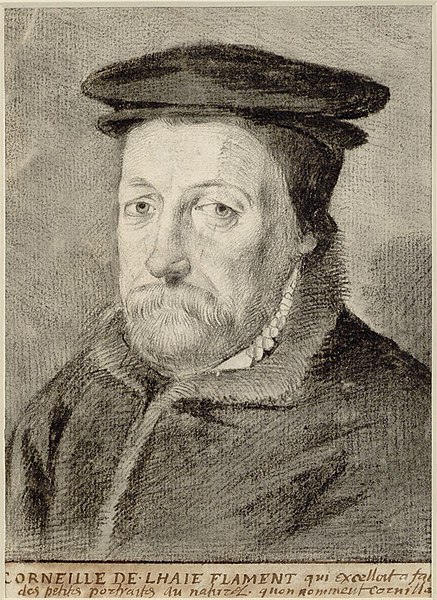
Corneille de Lyon, also Corneille de La Haye, was a Dutch painter who worked most of his life in Lyon. Portraitist, one of the most talented and prolific Renaissance painters.
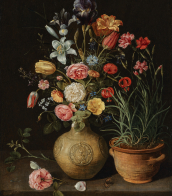


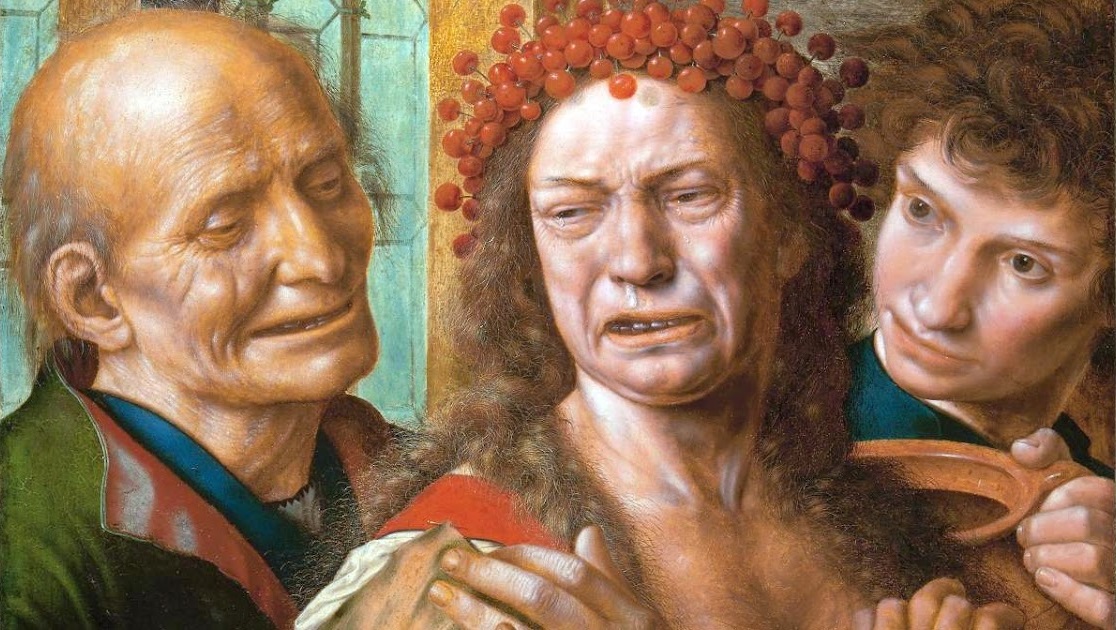
Jan van Hemessen was a leading Flemish Renaissance painter, belonging to the group of Italianizing Flemish painters called the Romanists, who were influenced by Italian Renaissance painting. Van Hemessen had visited Italy during the 1520s, and also Fontainebleau near Paris in the mid 1530s, where he was able to view the work of the colony of Italian artists known as the First School of Fontainebleau, who were working on the decorations for the Palace of Fontainebleau. Van Hemessen's works show his ability to interpret the Italian models into a new Flemish visual vocabulary.


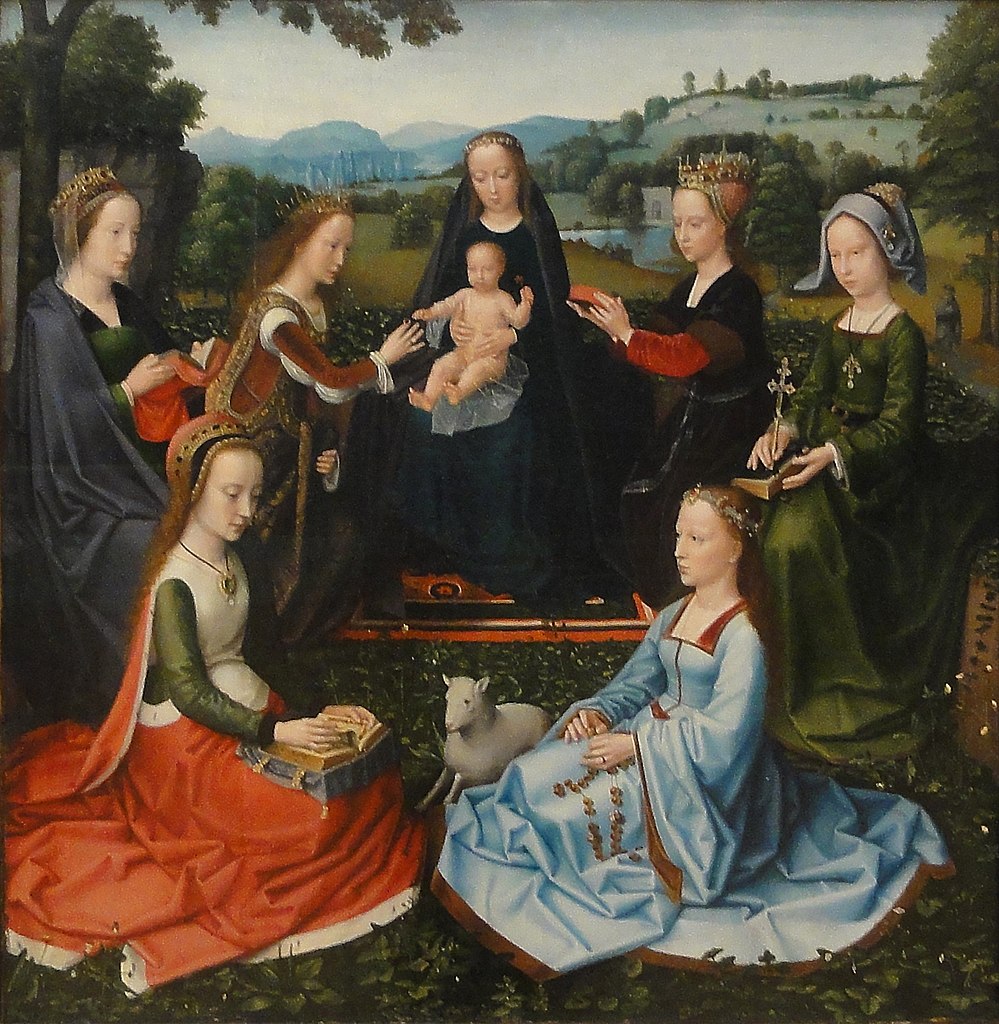
Adriaen Isenbrandt was a painter in Bruges, in the final years of Early Netherlandish painting, and the first of the Dutch and Flemish Renaissance painting of the Northern Renaissance. Documentary evidence suggests he was a significant and successful artist of his period, even though no specific works by his hand are clearly documented. Art historians have conjectured that he operated a large workshop specializing in religious subjects and devotional paintings, which were executed in a conservative style in the tradition of the Early Netherlandish painting of the previous century. By his time, the new booming economy of Antwerp had made this the centre of painting in the Low Countries, but the previous centre of Bruges retained considerable prestige.


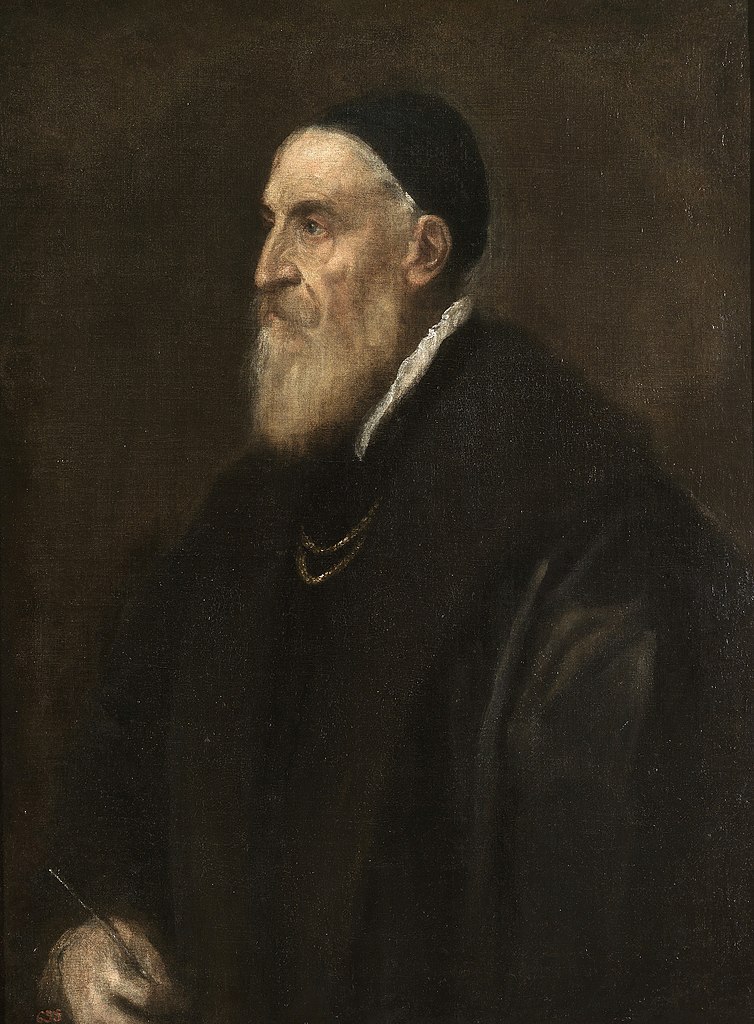
Tiziano Vecellio, an Italian Renaissance painter from Venice, stands out as a pivotal figure in the art world, renowned for his versatility across various genres like portraits, landscapes, and religious subjects. His influence on the development of Western art, particularly through his revolutionary use of color, is profound and long-lasting.
Born around 1488/90 in Pieve di Cadore, part of the then Republic of Venice, Titian's talent was evident early on. He began his artistic journey in the studio of the Bellini brothers in Venice, later joining forces with Giorgione, another influential painter of the time. This collaboration marked the beginning of a distinguished career that would see Titian become the most sought-after painter in Europe, working for nobility, the Habsburgs, and the papacy.
Titian's style evolved significantly throughout his career. He initially gained recognition for his vibrant, luminous colors and later became famous for his loose brushwork and subtle tonality. This shift was not just a matter of aesthetics but also represented a deeper understanding of color and light. Titian's approach to painting, particularly his use of colore, where he juxtaposed colors to define compositions, contrasted sharply with the line-focused disegno technique of the time. This method contributed significantly to the distinctiveness of Venetian art.
Among his many patrons, Emperor Charles V and his son, Philip II of Spain, were perhaps the most notable. As their official painter, Titian created numerous portraits and mythological works that were celebrated for their psychological depth and expressive use of color. His 'poesie' series for Philip II, including famous works like "Diana and Actaeon," showcased his skill in portraying mythological narratives with a sense of drama and sensuality.
Titian's later works, created in the 1560s and 1570s, are particularly revered for their experimental nature, pushing his art towards what has been termed 'magic impressionism'. These works, like "The Death of Actaeon" and the unfinished "Pietà", demonstrate a radical departure from his earlier style and reflect a continued evolution even in his later years.
For art collectors and experts, Titian's oeuvre represents a crucial link in the history of European art, illustrating the transition from the Renaissance to a more modern, expressive form of painting. His mastery of color and light, combined with his ability to convey deep emotional resonance, continues to influence artists and captivate viewers centuries later.
To stay updated on artworks and auction events related to Tiziano Vecelli, consider signing up for updates. This subscription will ensure you are informed about new product sales and auction events related to this remarkable artist.