hopf
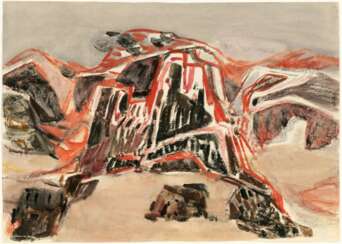

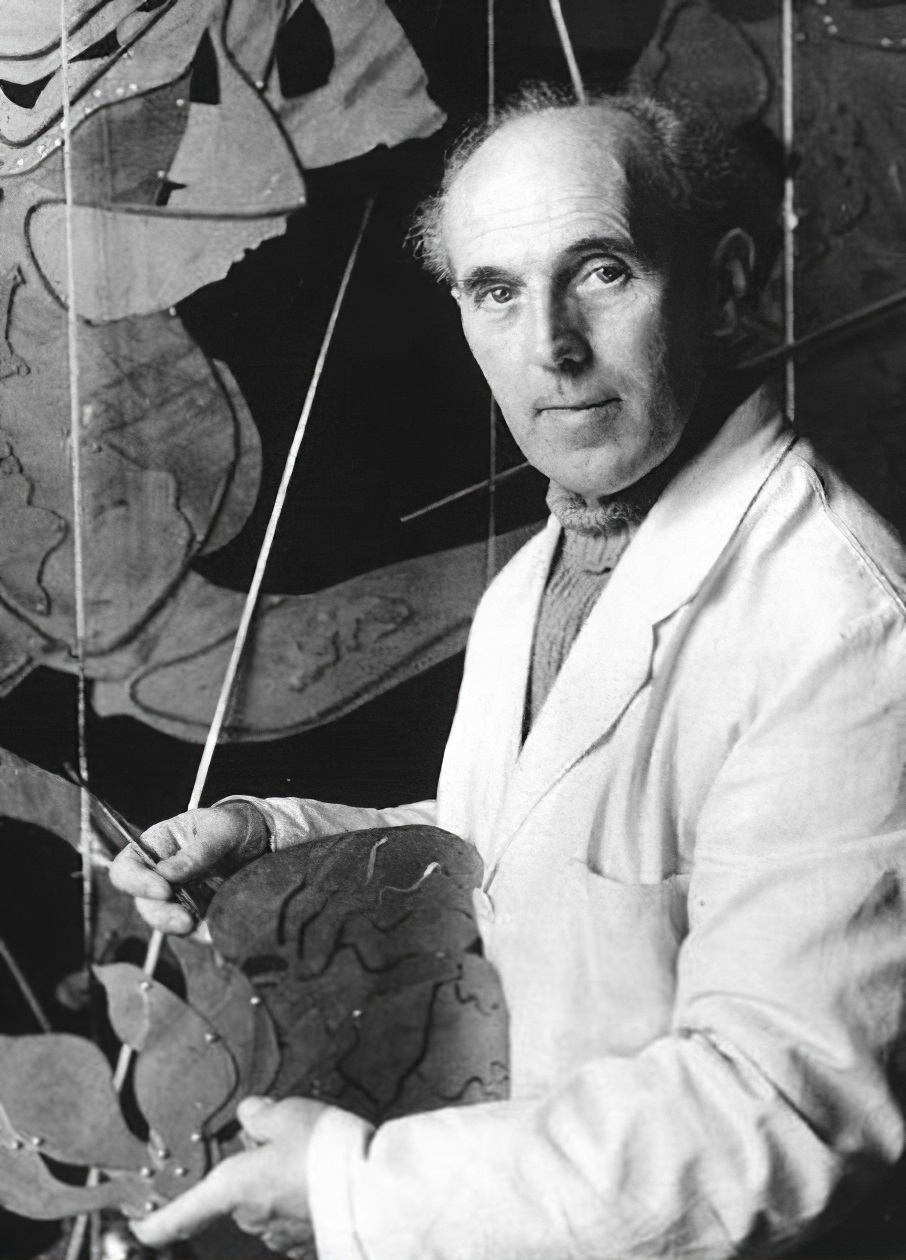
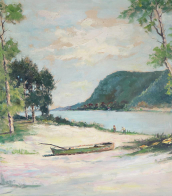
Eduard Caspar Hopf was a German classical modernist painter.
From 1915 to 1920 he studied jewellery making in his hometown. In 1923 he moved to Hamburg and began working as a free artist. A year later he had his first solo exhibition.
The Nazis regarded some of his works as "degenerate", and in 1937 three of his watercolours were ostentatiously confiscated from the Hamburg Museum of Art. However, in 1942 he was able to participate in the Great German Art Exhibition in Munich, and after a major air raid on Lübeck on 28/29 March 1942, he made some 100 chalk drawings of the ruined city on commission from the NSDAP.
After the end of the war, he taught at the Hamburg University of Fine Arts from 1947 to 1957. In the following period he created various frescoes and reliefs. In 1950 he joined the Hamburg Artists' Association.
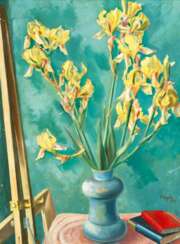

Eduard Caspar Hopf was a German classical modernist painter.
From 1915 to 1920 he studied jewellery making in his hometown. In 1923 he moved to Hamburg and began working as a free artist. A year later he had his first solo exhibition.
The Nazis regarded some of his works as "degenerate", and in 1937 three of his watercolours were ostentatiously confiscated from the Hamburg Museum of Art. However, in 1942 he was able to participate in the Great German Art Exhibition in Munich, and after a major air raid on Lübeck on 28/29 March 1942, he made some 100 chalk drawings of the ruined city on commission from the NSDAP.
After the end of the war, he taught at the Hamburg University of Fine Arts from 1947 to 1957. In the following period he created various frescoes and reliefs. In 1950 he joined the Hamburg Artists' Association.


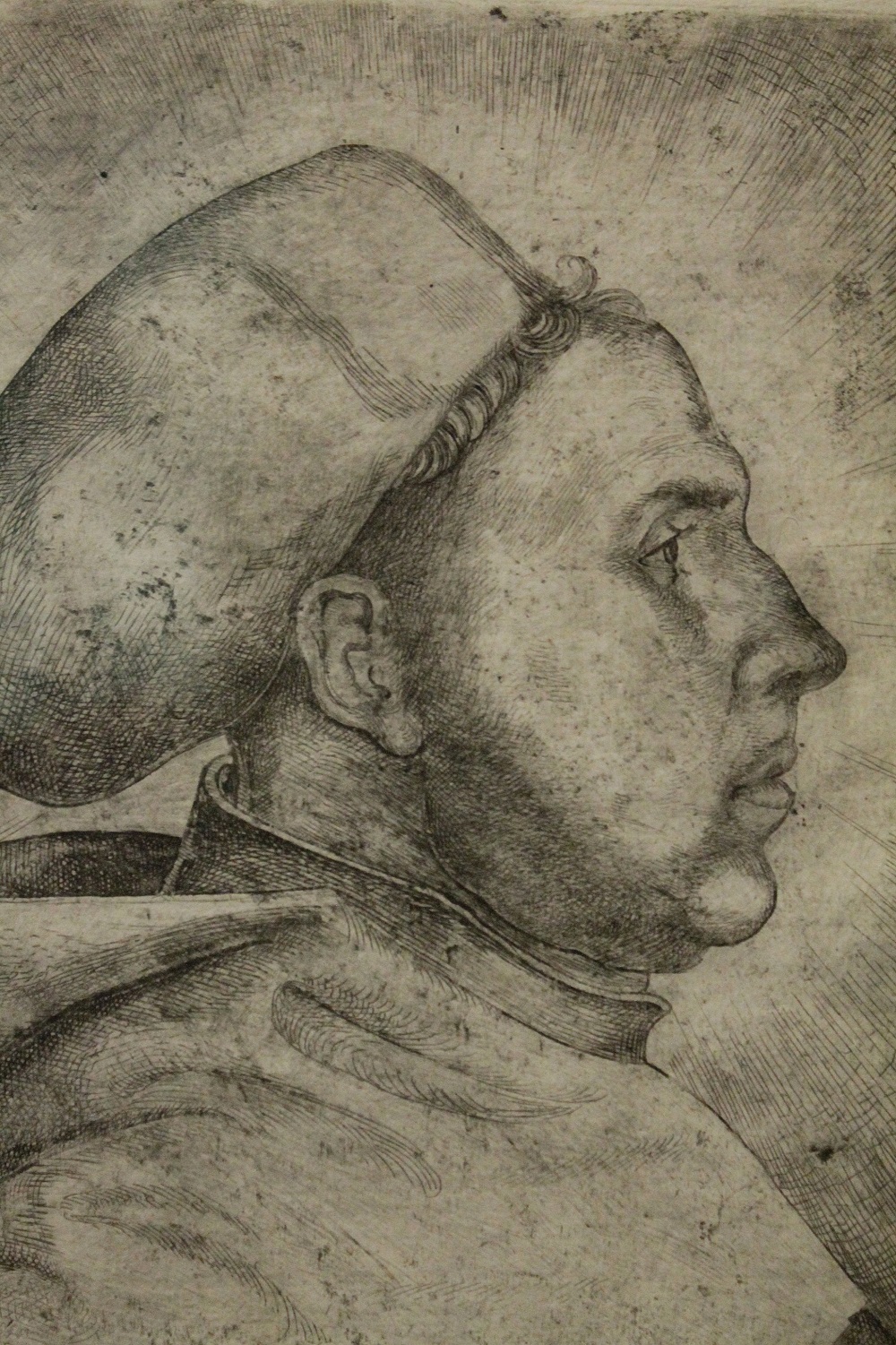
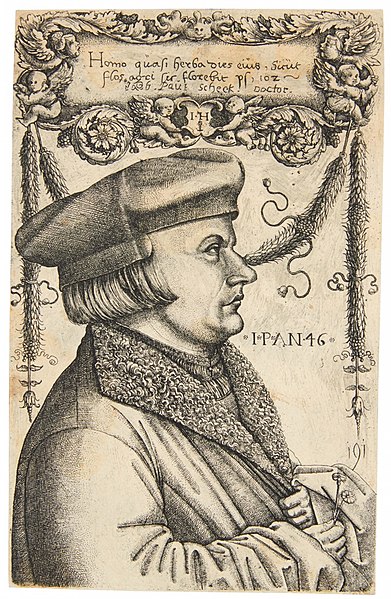
Daniel Hopfer the Elder was a German artist who is widely believed to have been the first to use etching in printmaking, at the end of the fifteenth century. He also worked in woodcut. Although his etchings were widely ignored by art historians for years, more recent scholarship is crediting him and his work with "single-handedly establishing the salability of etchings" and introducing the print publisher business model.
Unlike most later prints, etched on copper plates, Hopfer's printed etching continued to use the iron plates he was used to working with in steel plate armour, the material he was trained in, and with which he continued to work.


Daniel Hopfer the Elder was a German artist who is widely believed to have been the first to use etching in printmaking, at the end of the fifteenth century. He also worked in woodcut. Although his etchings were widely ignored by art historians for years, more recent scholarship is crediting him and his work with "single-handedly establishing the salability of etchings" and introducing the print publisher business model.
Unlike most later prints, etched on copper plates, Hopfer's printed etching continued to use the iron plates he was used to working with in steel plate armour, the material he was trained in, and with which he continued to work.


Daniel Hopfer the Elder was a German artist who is widely believed to have been the first to use etching in printmaking, at the end of the fifteenth century. He also worked in woodcut. Although his etchings were widely ignored by art historians for years, more recent scholarship is crediting him and his work with "single-handedly establishing the salability of etchings" and introducing the print publisher business model.
Unlike most later prints, etched on copper plates, Hopfer's printed etching continued to use the iron plates he was used to working with in steel plate armour, the material he was trained in, and with which he continued to work.
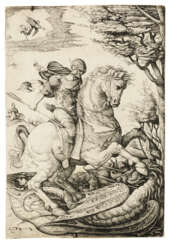

Daniel Hopfer the Elder was a German artist who is widely believed to have been the first to use etching in printmaking, at the end of the fifteenth century. He also worked in woodcut. Although his etchings were widely ignored by art historians for years, more recent scholarship is crediting him and his work with "single-handedly establishing the salability of etchings" and introducing the print publisher business model.
Unlike most later prints, etched on copper plates, Hopfer's printed etching continued to use the iron plates he was used to working with in steel plate armour, the material he was trained in, and with which he continued to work.
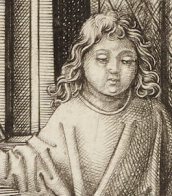


Daniel Hopfer the Elder was a German artist who is widely believed to have been the first to use etching in printmaking, at the end of the fifteenth century. He also worked in woodcut. Although his etchings were widely ignored by art historians for years, more recent scholarship is crediting him and his work with "single-handedly establishing the salability of etchings" and introducing the print publisher business model.
Unlike most later prints, etched on copper plates, Hopfer's printed etching continued to use the iron plates he was used to working with in steel plate armour, the material he was trained in, and with which he continued to work.
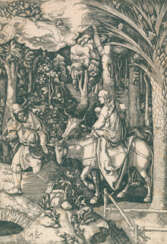

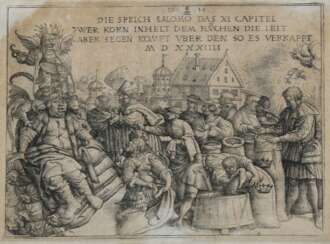

Daniel Hopfer the Elder was a German artist who is widely believed to have been the first to use etching in printmaking, at the end of the fifteenth century. He also worked in woodcut. Although his etchings were widely ignored by art historians for years, more recent scholarship is crediting him and his work with "single-handedly establishing the salability of etchings" and introducing the print publisher business model.
Unlike most later prints, etched on copper plates, Hopfer's printed etching continued to use the iron plates he was used to working with in steel plate armour, the material he was trained in, and with which he continued to work.
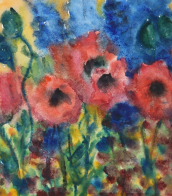
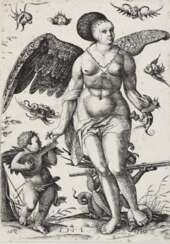

Daniel Hopfer the Elder was a German artist who is widely believed to have been the first to use etching in printmaking, at the end of the fifteenth century. He also worked in woodcut. Although his etchings were widely ignored by art historians for years, more recent scholarship is crediting him and his work with "single-handedly establishing the salability of etchings" and introducing the print publisher business model.
Unlike most later prints, etched on copper plates, Hopfer's printed etching continued to use the iron plates he was used to working with in steel plate armour, the material he was trained in, and with which he continued to work.


Daniel Hopfer the Elder was a German artist who is widely believed to have been the first to use etching in printmaking, at the end of the fifteenth century. He also worked in woodcut. Although his etchings were widely ignored by art historians for years, more recent scholarship is crediting him and his work with "single-handedly establishing the salability of etchings" and introducing the print publisher business model.
Unlike most later prints, etched on copper plates, Hopfer's printed etching continued to use the iron plates he was used to working with in steel plate armour, the material he was trained in, and with which he continued to work.
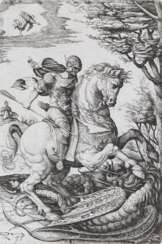

Daniel Hopfer the Elder was a German artist who is widely believed to have been the first to use etching in printmaking, at the end of the fifteenth century. He also worked in woodcut. Although his etchings were widely ignored by art historians for years, more recent scholarship is crediting him and his work with "single-handedly establishing the salability of etchings" and introducing the print publisher business model.
Unlike most later prints, etched on copper plates, Hopfer's printed etching continued to use the iron plates he was used to working with in steel plate armour, the material he was trained in, and with which he continued to work.
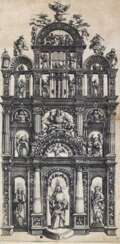

Daniel Hopfer the Elder was a German artist who is widely believed to have been the first to use etching in printmaking, at the end of the fifteenth century. He also worked in woodcut. Although his etchings were widely ignored by art historians for years, more recent scholarship is crediting him and his work with "single-handedly establishing the salability of etchings" and introducing the print publisher business model.
Unlike most later prints, etched on copper plates, Hopfer's printed etching continued to use the iron plates he was used to working with in steel plate armour, the material he was trained in, and with which he continued to work.
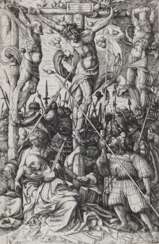

Daniel Hopfer the Elder was a German artist who is widely believed to have been the first to use etching in printmaking, at the end of the fifteenth century. He also worked in woodcut. Although his etchings were widely ignored by art historians for years, more recent scholarship is crediting him and his work with "single-handedly establishing the salability of etchings" and introducing the print publisher business model.
Unlike most later prints, etched on copper plates, Hopfer's printed etching continued to use the iron plates he was used to working with in steel plate armour, the material he was trained in, and with which he continued to work.
Daniel Hopfer the Elder was a German artist who is widely believed to have been the first to use etching in printmaking, at the end of the fifteenth century. He also worked in woodcut. Although his etchings were widely ignored by art historians for years, more recent scholarship is crediting him and his work with "single-handedly establishing the salability of etchings" and introducing the print publisher business model.
Unlike most later prints, etched on copper plates, Hopfer's printed etching continued to use the iron plates he was used to working with in steel plate armour, the material he was trained in, and with which he continued to work.
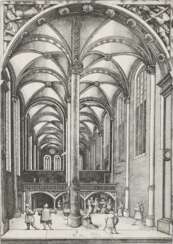

Daniel Hopfer the Elder was a German artist who is widely believed to have been the first to use etching in printmaking, at the end of the fifteenth century. He also worked in woodcut. Although his etchings were widely ignored by art historians for years, more recent scholarship is crediting him and his work with "single-handedly establishing the salability of etchings" and introducing the print publisher business model.
Unlike most later prints, etched on copper plates, Hopfer's printed etching continued to use the iron plates he was used to working with in steel plate armour, the material he was trained in, and with which he continued to work.
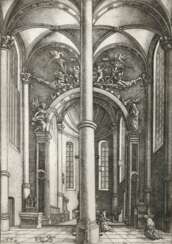

Daniel Hopfer the Elder was a German artist who is widely believed to have been the first to use etching in printmaking, at the end of the fifteenth century. He also worked in woodcut. Although his etchings were widely ignored by art historians for years, more recent scholarship is crediting him and his work with "single-handedly establishing the salability of etchings" and introducing the print publisher business model.
Unlike most later prints, etched on copper plates, Hopfer's printed etching continued to use the iron plates he was used to working with in steel plate armour, the material he was trained in, and with which he continued to work.
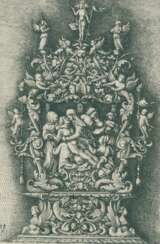

Daniel Hopfer the Elder was a German artist who is widely believed to have been the first to use etching in printmaking, at the end of the fifteenth century. He also worked in woodcut. Although his etchings were widely ignored by art historians for years, more recent scholarship is crediting him and his work with "single-handedly establishing the salability of etchings" and introducing the print publisher business model.
Unlike most later prints, etched on copper plates, Hopfer's printed etching continued to use the iron plates he was used to working with in steel plate armour, the material he was trained in, and with which he continued to work.
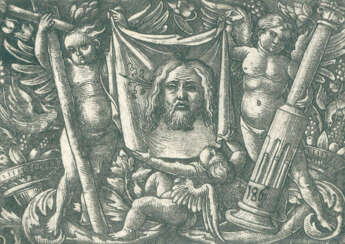

Daniel Hopfer the Elder was a German artist who is widely believed to have been the first to use etching in printmaking, at the end of the fifteenth century. He also worked in woodcut. Although his etchings were widely ignored by art historians for years, more recent scholarship is crediting him and his work with "single-handedly establishing the salability of etchings" and introducing the print publisher business model.
Unlike most later prints, etched on copper plates, Hopfer's printed etching continued to use the iron plates he was used to working with in steel plate armour, the material he was trained in, and with which he continued to work.
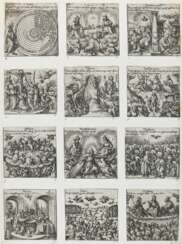

Daniel Hopfer the Elder was a German artist who is widely believed to have been the first to use etching in printmaking, at the end of the fifteenth century. He also worked in woodcut. Although his etchings were widely ignored by art historians for years, more recent scholarship is crediting him and his work with "single-handedly establishing the salability of etchings" and introducing the print publisher business model.
Unlike most later prints, etched on copper plates, Hopfer's printed etching continued to use the iron plates he was used to working with in steel plate armour, the material he was trained in, and with which he continued to work.
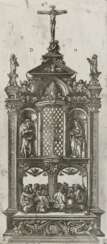

Daniel Hopfer the Elder was a German artist who is widely believed to have been the first to use etching in printmaking, at the end of the fifteenth century. He also worked in woodcut. Although his etchings were widely ignored by art historians for years, more recent scholarship is crediting him and his work with "single-handedly establishing the salability of etchings" and introducing the print publisher business model.
Unlike most later prints, etched on copper plates, Hopfer's printed etching continued to use the iron plates he was used to working with in steel plate armour, the material he was trained in, and with which he continued to work.


Daniel Hopfer the Elder was a German artist who is widely believed to have been the first to use etching in printmaking, at the end of the fifteenth century. He also worked in woodcut. Although his etchings were widely ignored by art historians for years, more recent scholarship is crediting him and his work with "single-handedly establishing the salability of etchings" and introducing the print publisher business model.
Unlike most later prints, etched on copper plates, Hopfer's printed etching continued to use the iron plates he was used to working with in steel plate armour, the material he was trained in, and with which he continued to work.


Daniel Hopfer the Elder was a German artist who is widely believed to have been the first to use etching in printmaking, at the end of the fifteenth century. He also worked in woodcut. Although his etchings were widely ignored by art historians for years, more recent scholarship is crediting him and his work with "single-handedly establishing the salability of etchings" and introducing the print publisher business model.
Unlike most later prints, etched on copper plates, Hopfer's printed etching continued to use the iron plates he was used to working with in steel plate armour, the material he was trained in, and with which he continued to work.


Daniel Hopfer the Elder was a German artist who is widely believed to have been the first to use etching in printmaking, at the end of the fifteenth century. He also worked in woodcut. Although his etchings were widely ignored by art historians for years, more recent scholarship is crediting him and his work with "single-handedly establishing the salability of etchings" and introducing the print publisher business model.
Unlike most later prints, etched on copper plates, Hopfer's printed etching continued to use the iron plates he was used to working with in steel plate armour, the material he was trained in, and with which he continued to work.


Daniel Hopfer the Elder was a German artist who is widely believed to have been the first to use etching in printmaking, at the end of the fifteenth century. He also worked in woodcut. Although his etchings were widely ignored by art historians for years, more recent scholarship is crediting him and his work with "single-handedly establishing the salability of etchings" and introducing the print publisher business model.
Unlike most later prints, etched on copper plates, Hopfer's printed etching continued to use the iron plates he was used to working with in steel plate armour, the material he was trained in, and with which he continued to work.


Daniel Hopfer the Elder was a German artist who is widely believed to have been the first to use etching in printmaking, at the end of the fifteenth century. He also worked in woodcut. Although his etchings were widely ignored by art historians for years, more recent scholarship is crediting him and his work with "single-handedly establishing the salability of etchings" and introducing the print publisher business model.
Unlike most later prints, etched on copper plates, Hopfer's printed etching continued to use the iron plates he was used to working with in steel plate armour, the material he was trained in, and with which he continued to work.


Daniel Hopfer the Elder was a German artist who is widely believed to have been the first to use etching in printmaking, at the end of the fifteenth century. He also worked in woodcut. Although his etchings were widely ignored by art historians for years, more recent scholarship is crediting him and his work with "single-handedly establishing the salability of etchings" and introducing the print publisher business model.
Unlike most later prints, etched on copper plates, Hopfer's printed etching continued to use the iron plates he was used to working with in steel plate armour, the material he was trained in, and with which he continued to work.


Daniel Hopfer the Elder was a German artist who is widely believed to have been the first to use etching in printmaking, at the end of the fifteenth century. He also worked in woodcut. Although his etchings were widely ignored by art historians for years, more recent scholarship is crediting him and his work with "single-handedly establishing the salability of etchings" and introducing the print publisher business model.
Unlike most later prints, etched on copper plates, Hopfer's printed etching continued to use the iron plates he was used to working with in steel plate armour, the material he was trained in, and with which he continued to work.


Daniel Hopfer the Elder was a German artist who is widely believed to have been the first to use etching in printmaking, at the end of the fifteenth century. He also worked in woodcut. Although his etchings were widely ignored by art historians for years, more recent scholarship is crediting him and his work with "single-handedly establishing the salability of etchings" and introducing the print publisher business model.
Unlike most later prints, etched on copper plates, Hopfer's printed etching continued to use the iron plates he was used to working with in steel plate armour, the material he was trained in, and with which he continued to work.