john miller


John Miller is an American artist, sculptor, writer, critic, and musician who lives in New York and Berlin.
He studied at the California Institute of the Arts and worked as a gallery manager for the Dia Art Foundation. Miller is currently a professor of professional art history practice at Barnard College.
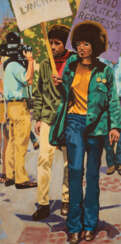
His work includes photographs, installations, live mannequin exhibitions, and videos in response to current political events and sentiments. Miller has also authored critical works on representation in art.


John Miller is an American artist, sculptor, writer, critic, and musician who lives in New York and Berlin.
He studied at the California Institute of the Arts and worked as a gallery manager for the Dia Art Foundation. Miller is currently a professor of professional art history practice at Barnard College.
His work includes photographs, installations, live mannequin exhibitions, and videos in response to current political events and sentiments. Miller has also authored critical works on representation in art.

John Miller is an American artist, sculptor, writer, critic, and musician who lives in New York and Berlin.
He studied at the California Institute of the Arts and worked as a gallery manager for the Dia Art Foundation. Miller is currently a professor of professional art history practice at Barnard College.
His work includes photographs, installations, live mannequin exhibitions, and videos in response to current political events and sentiments. Miller has also authored critical works on representation in art.

John Miller is an American artist, sculptor, writer, critic, and musician who lives in New York and Berlin.
He studied at the California Institute of the Arts and worked as a gallery manager for the Dia Art Foundation. Miller is currently a professor of professional art history practice at Barnard College.
His work includes photographs, installations, live mannequin exhibitions, and videos in response to current political events and sentiments. Miller has also authored critical works on representation in art.

John Miller is an American artist, sculptor, writer, critic, and musician who lives in New York and Berlin.
He studied at the California Institute of the Arts and worked as a gallery manager for the Dia Art Foundation. Miller is currently a professor of professional art history practice at Barnard College.
His work includes photographs, installations, live mannequin exhibitions, and videos in response to current political events and sentiments. Miller has also authored critical works on representation in art.

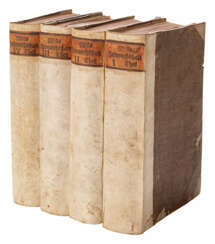

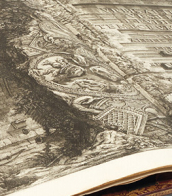
![Illustratio systematis sexualis Linnæi, London, [1770-] 1777, 3 vols in 1, contemporary tree calf](/assets/image/picture_3102455/4b04c/fezhbhjr6htxyhaya3aectpgrzdfb5gykk8-0naf4wlam2br98hwedcxy0sjkv5i1694079619jpg__fix_374_244.jpeg)
![Illustratio systematis sexualis Linnæi, London, [1770-] 1777, 3 vols in 1, contemporary tree calf](https://veryimportantlot.com/assets/image/picture_3102455/4b04c/fezhbhjr6htxyhaya3aectpgrzdfb5gykk8-0naf4wlam2br98hwedcxy0sjkv5i1694079619jpg__fix_374_244.jpeg)
John Miller is an American artist, sculptor, writer, critic, and musician who lives in New York and Berlin.
He studied at the California Institute of the Arts and worked as a gallery manager for the Dia Art Foundation. Miller is currently a professor of professional art history practice at Barnard College.
His work includes photographs, installations, live mannequin exhibitions, and videos in response to current political events and sentiments. Miller has also authored critical works on representation in art.



John Augustus Atkinson was a British watercolorist, illustrator and engraver.
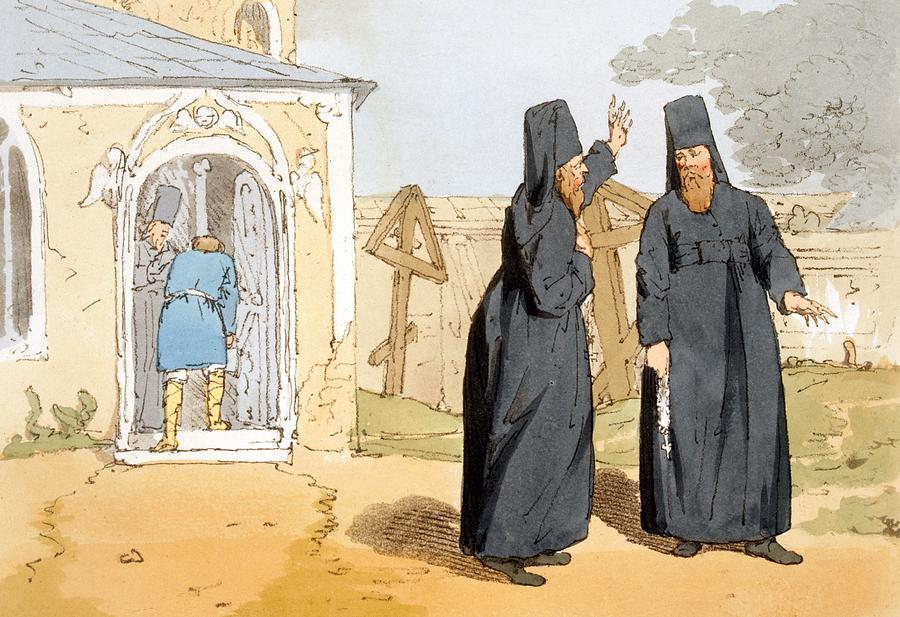
In 1784, the young Atkinson traveled to St. Petersburg, Russia, to stay with his uncle James Walker, who worked as an engraver at the court of Empress Catherine the Great. The aspiring artist learned from the work of the great Russian painters whose paintings he saw in the art galleries of St. Petersburg. Catherine and her son Paul I, noticing his talent, commissioned Atkinson to paint pictures on historical subjects.
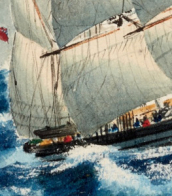
In 1801 Atkinson returned to England and a year later published an album entitled "Pictorial representation of Russian manners, customs and amusements" on 100 plates drawn and engraved by himself. This work was a great success in Europe. Later, during the Napoleonic Wars, Atkinson created many battle scenes, including the Battle of Waterloo and naval battles. In 1808 he was elected to the Society of Watercolor Painters.


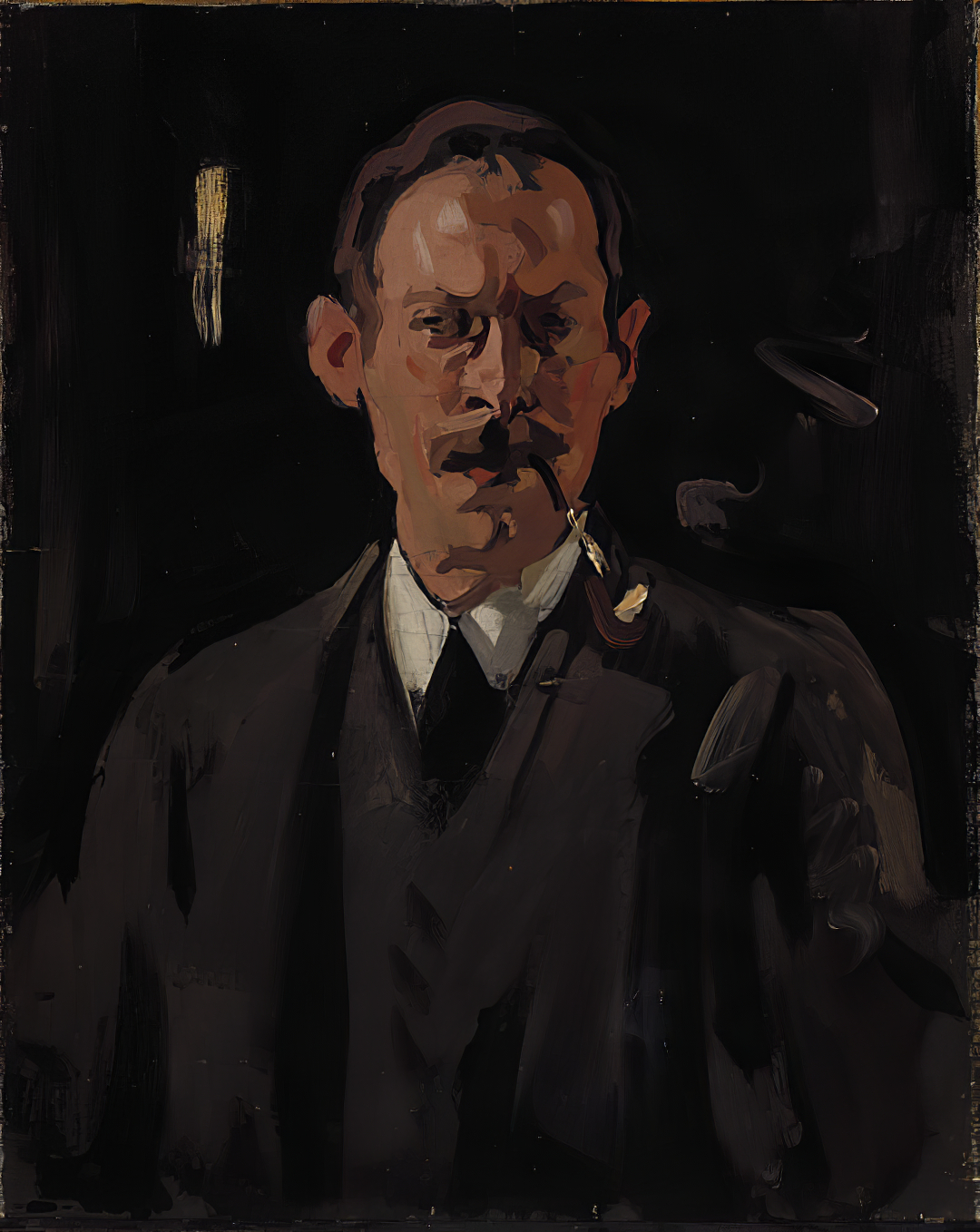
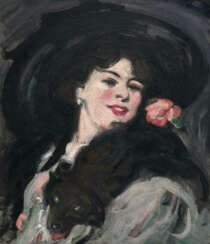
Samuel John Peploe was a Scottish Post-Impressionist painter, noted for his still life works and for being one of the group of four painters that became known as the Scottish Colourists. The other colourists were John Duncan Fergusson, Francis Cadell and Leslie Hunter.
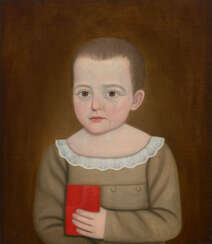

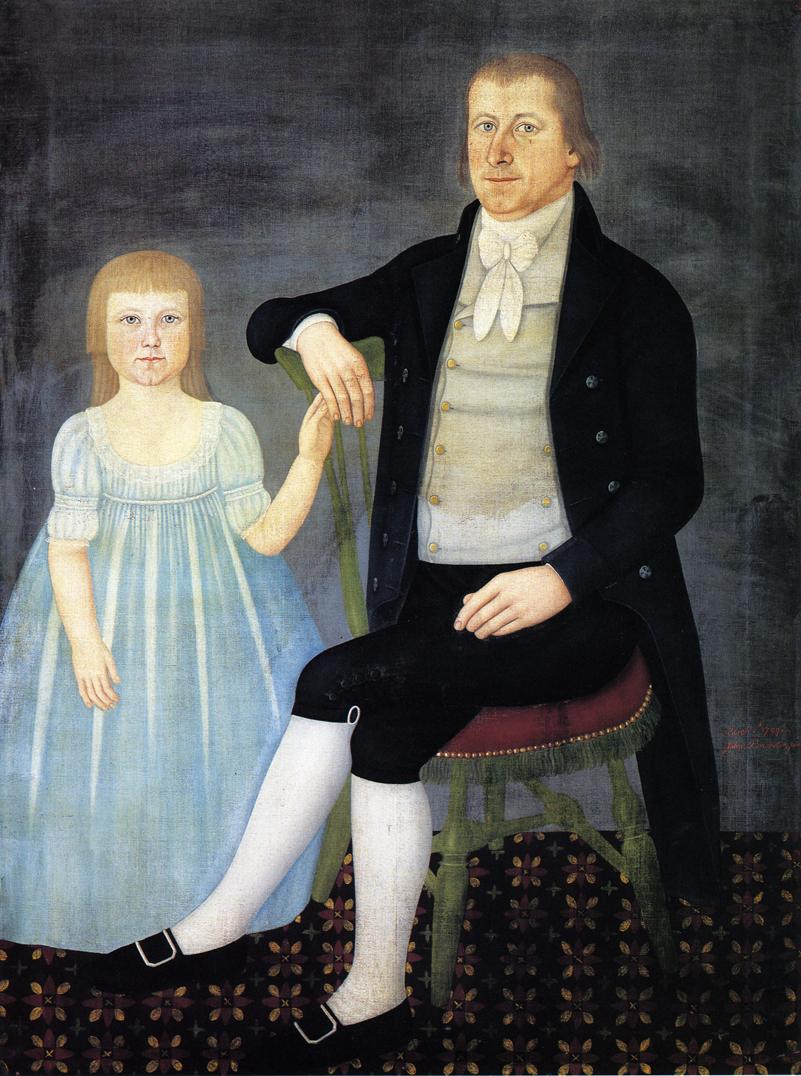
John Brewster was a prolific, Deaf itinerant painter who produced many charming portraits of well-off New England families, especially their children. He lived much of the latter half of his life in Buxton, Maine, USA, recording the faces of much of Maine's elite society of his time.
According to the website of the Fenimore Art Museum in Cooperstown, New York, "Brewster was not an artist who incidentally was Deaf but rather a Deaf artist, one in a long tradition that owes many of its features and achievements to the fact that Deaf people are, as scholars have noted, visual people."

John Augustus Atkinson was a British watercolorist, illustrator and engraver.
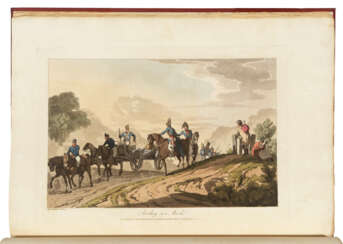
In 1784, the young Atkinson traveled to St. Petersburg, Russia, to stay with his uncle James Walker, who worked as an engraver at the court of Empress Catherine the Great. The aspiring artist learned from the work of the great Russian painters whose paintings he saw in the art galleries of St. Petersburg. Catherine and her son Paul I, noticing his talent, commissioned Atkinson to paint pictures on historical subjects.
In 1801 Atkinson returned to England and a year later published an album entitled "Pictorial representation of Russian manners, customs and amusements" on 100 plates drawn and engraved by himself. This work was a great success in Europe. Later, during the Napoleonic Wars, Atkinson created many battle scenes, including the Battle of Waterloo and naval battles. In 1808 he was elected to the Society of Watercolor Painters.


Samuel John Peploe was a Scottish Post-Impressionist painter, noted for his still life works and for being one of the group of four painters that became known as the Scottish Colourists. The other colourists were John Duncan Fergusson, Francis Cadell and Leslie Hunter.

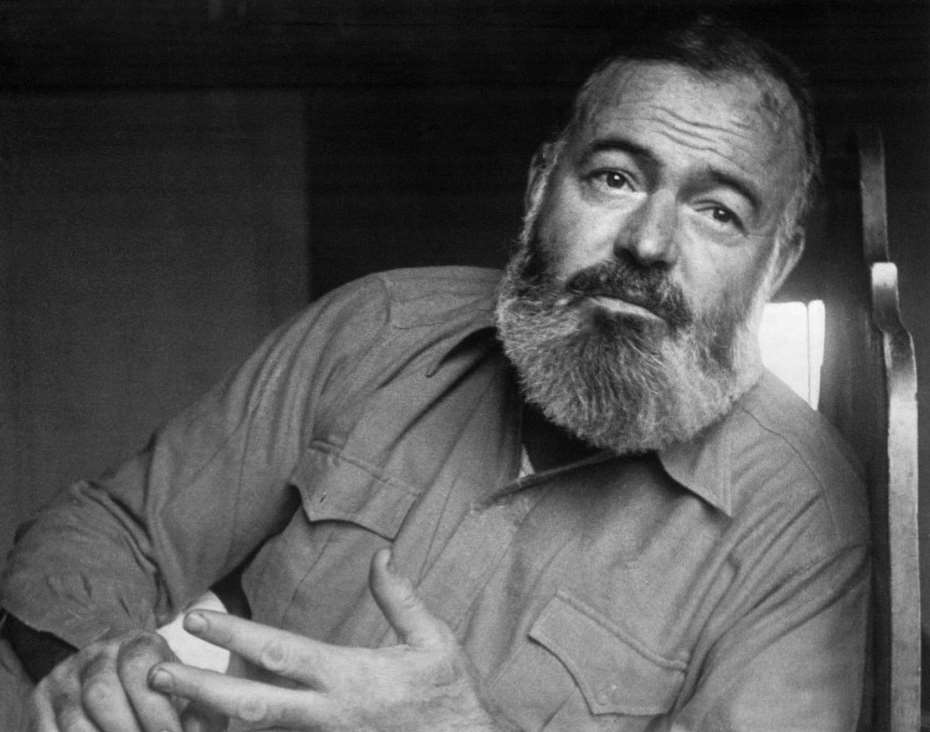


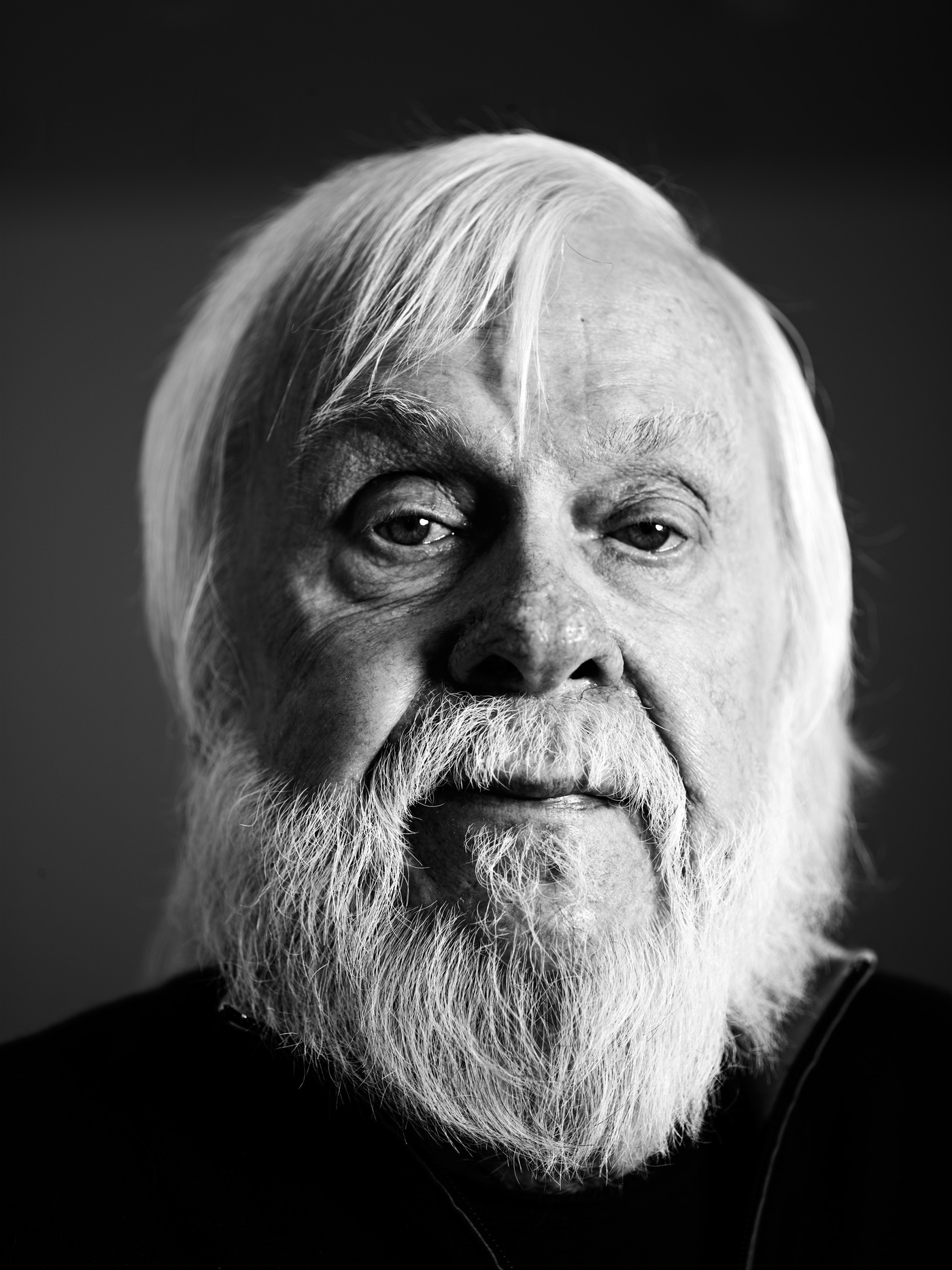
John Baldessari was an American conceptual artist known for his work featuring found photography and appropriated images. He lived and worked in Santa Monica and Venice, California.
Initially a painter, Baldessari began to incorporate texts and photography into his canvases in the mid-1960s. In 1970 he began working in printmaking, film, video, installation, sculpture and photography. He created thousands of works which demonstrate — and, in many cases, combine — the narrative potential of images and the associative power of language within the boundaries of the work of art. His art has been featured in more than 200 solo exhibitions in the U.S. and Europe. His work influenced that of Cindy Sherman, David Salle, Annette Lemieux, and Barbara Kruger among others.



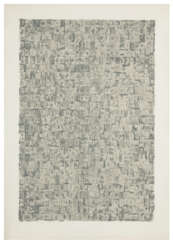
Jasper Johns, an American artist, has been a pivotal figure in the art world, celebrated for his innovative contributions to painting, sculpture, and printmaking. Johns, born in 1930, has challenged and expanded the boundaries of contemporary art with his unique approach to visual expression, blending elements of Abstract Expressionism, Neo-Dada, and Pop Art. He is perhaps best known for his iconic depictions of everyday objects and symbols, such as flags, maps, numbers, and targets, which he transforms into complex, layered works that invite contemplation on themes of identity, perception, and memory.
Johns' art is distinguished by its masterful use of texture, symbolism, and an exploration of the materiality of the medium. His technique of incorporating textural elements and found objects into his canvases blurs the lines between painting and sculpture, challenging traditional distinctions in art. For instance, his piece "Flag" (1954-55) reimagines the American flag with a surface rich in encaustic paint and newspaper clippings, creating a work that is both a familiar symbol and a deeply personal expression. Similarly, "Painted Bronze" (Ale Cans) (1960) playfully interrogates the nature of representation and the art object by presenting a lifelike bronze sculpture of beer cans, furthering the dialogue on art's relationship with the everyday.
Johns' work is held in high esteem and can be found in major museums and galleries worldwide, including the Museum of Modern Art in New York and the Tate Modern in London. His influence extends beyond his own oeuvre, impacting the development of several art movements, including Pop Art and Conceptual Art. Johns' exploration of language and semiotics, particularly in works like "According to What" (1964), prefigured the Conceptual Art movement's interest in the role of language and ideas in art.
For collectors and experts in art and antiques, Jasper Johns' work represents a critical junction in the evolution of post-war American art, offering rich insights into the interplay between cultural symbols and artistic innovation. His enduring relevance and the intellectual depth of his work continue to inspire and challenge audiences, making him a central figure in discussions of contemporary art.
To stay informed about new sales, auction events, and updates related to Jasper Johns, we invite you to sign up for our newsletter. This subscription is an excellent resource for enthusiasts and collectors eager to engage with the dynamic market for Jasper Johns' works and related artistic developments.


Jasper Johns, an American artist, has been a pivotal figure in the art world, celebrated for his innovative contributions to painting, sculpture, and printmaking. Johns, born in 1930, has challenged and expanded the boundaries of contemporary art with his unique approach to visual expression, blending elements of Abstract Expressionism, Neo-Dada, and Pop Art. He is perhaps best known for his iconic depictions of everyday objects and symbols, such as flags, maps, numbers, and targets, which he transforms into complex, layered works that invite contemplation on themes of identity, perception, and memory.
Johns' art is distinguished by its masterful use of texture, symbolism, and an exploration of the materiality of the medium. His technique of incorporating textural elements and found objects into his canvases blurs the lines between painting and sculpture, challenging traditional distinctions in art. For instance, his piece "Flag" (1954-55) reimagines the American flag with a surface rich in encaustic paint and newspaper clippings, creating a work that is both a familiar symbol and a deeply personal expression. Similarly, "Painted Bronze" (Ale Cans) (1960) playfully interrogates the nature of representation and the art object by presenting a lifelike bronze sculpture of beer cans, furthering the dialogue on art's relationship with the everyday.
Johns' work is held in high esteem and can be found in major museums and galleries worldwide, including the Museum of Modern Art in New York and the Tate Modern in London. His influence extends beyond his own oeuvre, impacting the development of several art movements, including Pop Art and Conceptual Art. Johns' exploration of language and semiotics, particularly in works like "According to What" (1964), prefigured the Conceptual Art movement's interest in the role of language and ideas in art.
For collectors and experts in art and antiques, Jasper Johns' work represents a critical junction in the evolution of post-war American art, offering rich insights into the interplay between cultural symbols and artistic innovation. His enduring relevance and the intellectual depth of his work continue to inspire and challenge audiences, making him a central figure in discussions of contemporary art.
To stay informed about new sales, auction events, and updates related to Jasper Johns, we invite you to sign up for our newsletter. This subscription is an excellent resource for enthusiasts and collectors eager to engage with the dynamic market for Jasper Johns' works and related artistic developments.


Jasper Johns, an American artist, has been a pivotal figure in the art world, celebrated for his innovative contributions to painting, sculpture, and printmaking. Johns, born in 1930, has challenged and expanded the boundaries of contemporary art with his unique approach to visual expression, blending elements of Abstract Expressionism, Neo-Dada, and Pop Art. He is perhaps best known for his iconic depictions of everyday objects and symbols, such as flags, maps, numbers, and targets, which he transforms into complex, layered works that invite contemplation on themes of identity, perception, and memory.
Johns' art is distinguished by its masterful use of texture, symbolism, and an exploration of the materiality of the medium. His technique of incorporating textural elements and found objects into his canvases blurs the lines between painting and sculpture, challenging traditional distinctions in art. For instance, his piece "Flag" (1954-55) reimagines the American flag with a surface rich in encaustic paint and newspaper clippings, creating a work that is both a familiar symbol and a deeply personal expression. Similarly, "Painted Bronze" (Ale Cans) (1960) playfully interrogates the nature of representation and the art object by presenting a lifelike bronze sculpture of beer cans, furthering the dialogue on art's relationship with the everyday.
Johns' work is held in high esteem and can be found in major museums and galleries worldwide, including the Museum of Modern Art in New York and the Tate Modern in London. His influence extends beyond his own oeuvre, impacting the development of several art movements, including Pop Art and Conceptual Art. Johns' exploration of language and semiotics, particularly in works like "According to What" (1964), prefigured the Conceptual Art movement's interest in the role of language and ideas in art.
For collectors and experts in art and antiques, Jasper Johns' work represents a critical junction in the evolution of post-war American art, offering rich insights into the interplay between cultural symbols and artistic innovation. His enduring relevance and the intellectual depth of his work continue to inspire and challenge audiences, making him a central figure in discussions of contemporary art.
To stay informed about new sales, auction events, and updates related to Jasper Johns, we invite you to sign up for our newsletter. This subscription is an excellent resource for enthusiasts and collectors eager to engage with the dynamic market for Jasper Johns' works and related artistic developments.


Jasper Johns, an American artist, has been a pivotal figure in the art world, celebrated for his innovative contributions to painting, sculpture, and printmaking. Johns, born in 1930, has challenged and expanded the boundaries of contemporary art with his unique approach to visual expression, blending elements of Abstract Expressionism, Neo-Dada, and Pop Art. He is perhaps best known for his iconic depictions of everyday objects and symbols, such as flags, maps, numbers, and targets, which he transforms into complex, layered works that invite contemplation on themes of identity, perception, and memory.
Johns' art is distinguished by its masterful use of texture, symbolism, and an exploration of the materiality of the medium. His technique of incorporating textural elements and found objects into his canvases blurs the lines between painting and sculpture, challenging traditional distinctions in art. For instance, his piece "Flag" (1954-55) reimagines the American flag with a surface rich in encaustic paint and newspaper clippings, creating a work that is both a familiar symbol and a deeply personal expression. Similarly, "Painted Bronze" (Ale Cans) (1960) playfully interrogates the nature of representation and the art object by presenting a lifelike bronze sculpture of beer cans, furthering the dialogue on art's relationship with the everyday.
Johns' work is held in high esteem and can be found in major museums and galleries worldwide, including the Museum of Modern Art in New York and the Tate Modern in London. His influence extends beyond his own oeuvre, impacting the development of several art movements, including Pop Art and Conceptual Art. Johns' exploration of language and semiotics, particularly in works like "According to What" (1964), prefigured the Conceptual Art movement's interest in the role of language and ideas in art.
For collectors and experts in art and antiques, Jasper Johns' work represents a critical junction in the evolution of post-war American art, offering rich insights into the interplay between cultural symbols and artistic innovation. His enduring relevance and the intellectual depth of his work continue to inspire and challenge audiences, making him a central figure in discussions of contemporary art.
To stay informed about new sales, auction events, and updates related to Jasper Johns, we invite you to sign up for our newsletter. This subscription is an excellent resource for enthusiasts and collectors eager to engage with the dynamic market for Jasper Johns' works and related artistic developments.


Jasper Johns, an American artist, has been a pivotal figure in the art world, celebrated for his innovative contributions to painting, sculpture, and printmaking. Johns, born in 1930, has challenged and expanded the boundaries of contemporary art with his unique approach to visual expression, blending elements of Abstract Expressionism, Neo-Dada, and Pop Art. He is perhaps best known for his iconic depictions of everyday objects and symbols, such as flags, maps, numbers, and targets, which he transforms into complex, layered works that invite contemplation on themes of identity, perception, and memory.
Johns' art is distinguished by its masterful use of texture, symbolism, and an exploration of the materiality of the medium. His technique of incorporating textural elements and found objects into his canvases blurs the lines between painting and sculpture, challenging traditional distinctions in art. For instance, his piece "Flag" (1954-55) reimagines the American flag with a surface rich in encaustic paint and newspaper clippings, creating a work that is both a familiar symbol and a deeply personal expression. Similarly, "Painted Bronze" (Ale Cans) (1960) playfully interrogates the nature of representation and the art object by presenting a lifelike bronze sculpture of beer cans, furthering the dialogue on art's relationship with the everyday.
Johns' work is held in high esteem and can be found in major museums and galleries worldwide, including the Museum of Modern Art in New York and the Tate Modern in London. His influence extends beyond his own oeuvre, impacting the development of several art movements, including Pop Art and Conceptual Art. Johns' exploration of language and semiotics, particularly in works like "According to What" (1964), prefigured the Conceptual Art movement's interest in the role of language and ideas in art.
For collectors and experts in art and antiques, Jasper Johns' work represents a critical junction in the evolution of post-war American art, offering rich insights into the interplay between cultural symbols and artistic innovation. His enduring relevance and the intellectual depth of his work continue to inspire and challenge audiences, making him a central figure in discussions of contemporary art.
To stay informed about new sales, auction events, and updates related to Jasper Johns, we invite you to sign up for our newsletter. This subscription is an excellent resource for enthusiasts and collectors eager to engage with the dynamic market for Jasper Johns' works and related artistic developments.

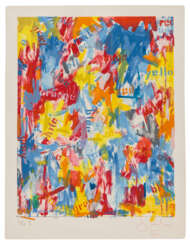
Jasper Johns, an American artist, has been a pivotal figure in the art world, celebrated for his innovative contributions to painting, sculpture, and printmaking. Johns, born in 1930, has challenged and expanded the boundaries of contemporary art with his unique approach to visual expression, blending elements of Abstract Expressionism, Neo-Dada, and Pop Art. He is perhaps best known for his iconic depictions of everyday objects and symbols, such as flags, maps, numbers, and targets, which he transforms into complex, layered works that invite contemplation on themes of identity, perception, and memory.
Johns' art is distinguished by its masterful use of texture, symbolism, and an exploration of the materiality of the medium. His technique of incorporating textural elements and found objects into his canvases blurs the lines between painting and sculpture, challenging traditional distinctions in art. For instance, his piece "Flag" (1954-55) reimagines the American flag with a surface rich in encaustic paint and newspaper clippings, creating a work that is both a familiar symbol and a deeply personal expression. Similarly, "Painted Bronze" (Ale Cans) (1960) playfully interrogates the nature of representation and the art object by presenting a lifelike bronze sculpture of beer cans, furthering the dialogue on art's relationship with the everyday.
Johns' work is held in high esteem and can be found in major museums and galleries worldwide, including the Museum of Modern Art in New York and the Tate Modern in London. His influence extends beyond his own oeuvre, impacting the development of several art movements, including Pop Art and Conceptual Art. Johns' exploration of language and semiotics, particularly in works like "According to What" (1964), prefigured the Conceptual Art movement's interest in the role of language and ideas in art.
For collectors and experts in art and antiques, Jasper Johns' work represents a critical junction in the evolution of post-war American art, offering rich insights into the interplay between cultural symbols and artistic innovation. His enduring relevance and the intellectual depth of his work continue to inspire and challenge audiences, making him a central figure in discussions of contemporary art.
To stay informed about new sales, auction events, and updates related to Jasper Johns, we invite you to sign up for our newsletter. This subscription is an excellent resource for enthusiasts and collectors eager to engage with the dynamic market for Jasper Johns' works and related artistic developments.

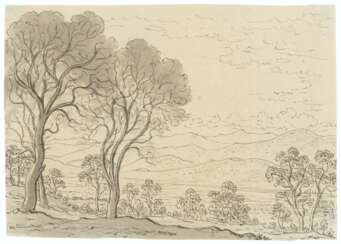
Jasper Johns, an American artist, has been a pivotal figure in the art world, celebrated for his innovative contributions to painting, sculpture, and printmaking. Johns, born in 1930, has challenged and expanded the boundaries of contemporary art with his unique approach to visual expression, blending elements of Abstract Expressionism, Neo-Dada, and Pop Art. He is perhaps best known for his iconic depictions of everyday objects and symbols, such as flags, maps, numbers, and targets, which he transforms into complex, layered works that invite contemplation on themes of identity, perception, and memory.
Johns' art is distinguished by its masterful use of texture, symbolism, and an exploration of the materiality of the medium. His technique of incorporating textural elements and found objects into his canvases blurs the lines between painting and sculpture, challenging traditional distinctions in art. For instance, his piece "Flag" (1954-55) reimagines the American flag with a surface rich in encaustic paint and newspaper clippings, creating a work that is both a familiar symbol and a deeply personal expression. Similarly, "Painted Bronze" (Ale Cans) (1960) playfully interrogates the nature of representation and the art object by presenting a lifelike bronze sculpture of beer cans, furthering the dialogue on art's relationship with the everyday.
Johns' work is held in high esteem and can be found in major museums and galleries worldwide, including the Museum of Modern Art in New York and the Tate Modern in London. His influence extends beyond his own oeuvre, impacting the development of several art movements, including Pop Art and Conceptual Art. Johns' exploration of language and semiotics, particularly in works like "According to What" (1964), prefigured the Conceptual Art movement's interest in the role of language and ideas in art.
For collectors and experts in art and antiques, Jasper Johns' work represents a critical junction in the evolution of post-war American art, offering rich insights into the interplay between cultural symbols and artistic innovation. His enduring relevance and the intellectual depth of his work continue to inspire and challenge audiences, making him a central figure in discussions of contemporary art.
To stay informed about new sales, auction events, and updates related to Jasper Johns, we invite you to sign up for our newsletter. This subscription is an excellent resource for enthusiasts and collectors eager to engage with the dynamic market for Jasper Johns' works and related artistic developments.







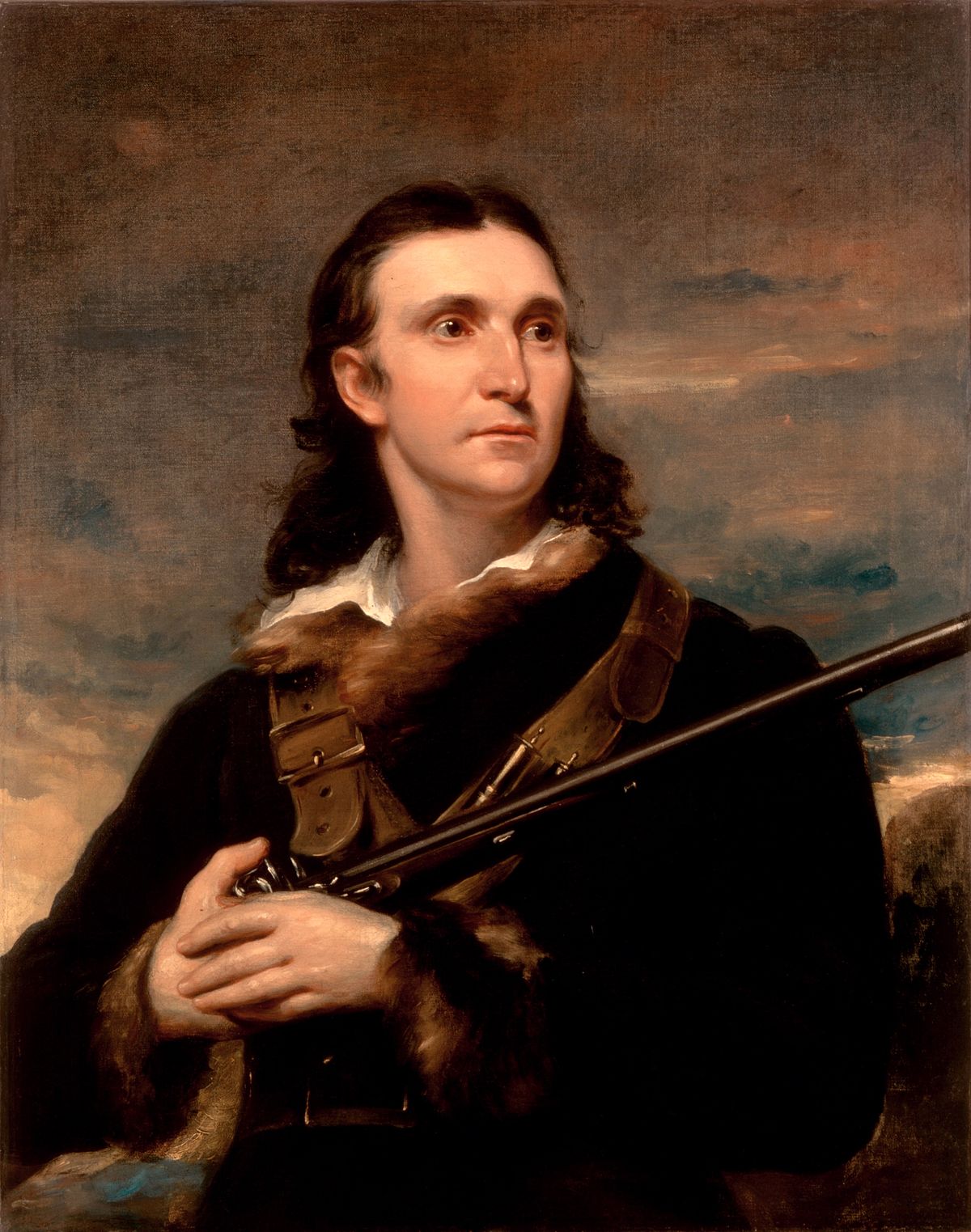
John James Audubon was a French-American ornithologist and painter, renowned for his groundbreaking illustrations of American birds. Born in 1785 in Les Cayes, Saint-Domingue (now Haiti), Audubon is remembered for his keen observation skills and innovative artistic techniques.
Audubon's most famous work, "The Birds of America," transformed the field of ornithology by presenting birds in lifelike poses and detailed backgrounds. Published between 1827 and 1838, it contained 435 hand-colored engravings, showcasing over 489 bird species. His unique approach to illustrating birds in their natural habitats was a departure from traditional methods, which often portrayed birds in rigid poses.
Audubon used a wire armature to position freshly-killed specimens, allowing him to depict birds with a sense of movement and vitality. This innovative technique was truly revolutionary and set him apart from his contemporaries. Additionally, Audubon's artistic skill and attention to detail made his illustrations highly sought after, with surviving copies of "The Birds of America" considered valuable collectibles today.
For art collectors and enthusiasts, Audubon's work continues to be a source of inspiration and admiration. His legacy endures through his contributions to ornithology and the art world, with museums and galleries showcasing his work. If you're interested in learning more about John James Audubon and his famous illustrations, consider subscribing to our newsletter for updates on new product sales and auction events related to his work.
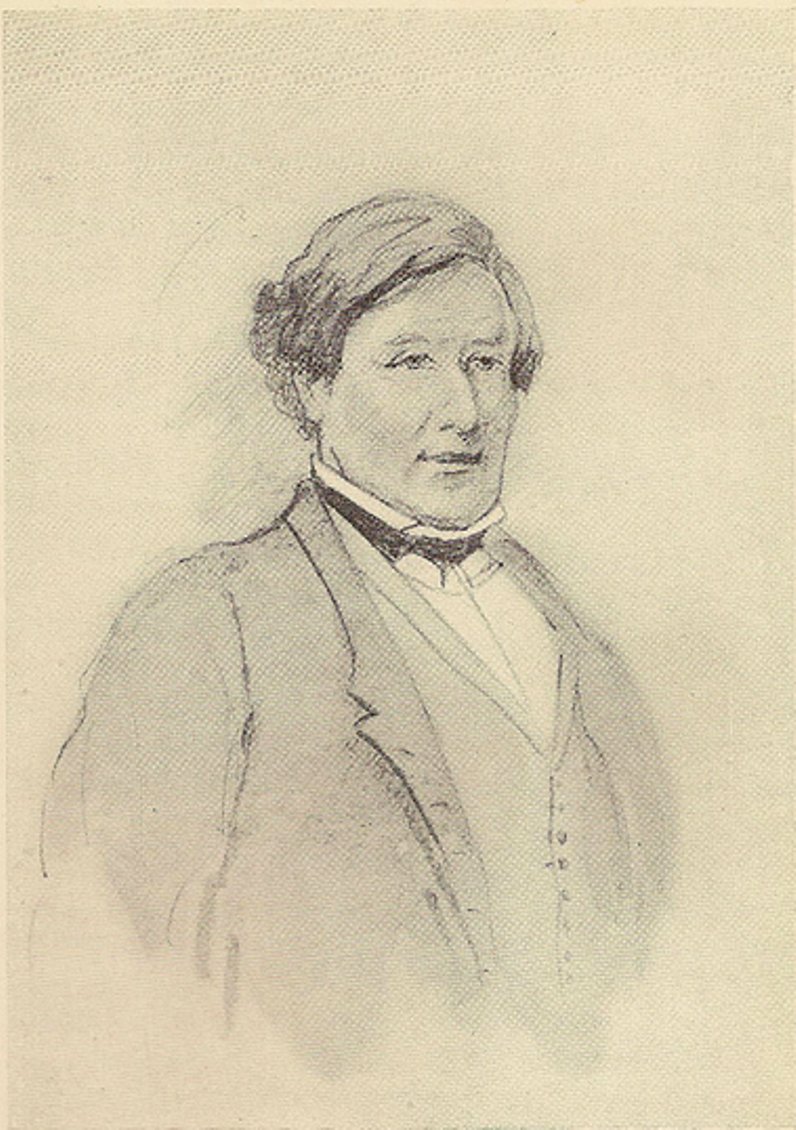


John James Audubon was a French-American ornithologist and painter, renowned for his groundbreaking illustrations of American birds. Born in 1785 in Les Cayes, Saint-Domingue (now Haiti), Audubon is remembered for his keen observation skills and innovative artistic techniques.
Audubon's most famous work, "The Birds of America," transformed the field of ornithology by presenting birds in lifelike poses and detailed backgrounds. Published between 1827 and 1838, it contained 435 hand-colored engravings, showcasing over 489 bird species. His unique approach to illustrating birds in their natural habitats was a departure from traditional methods, which often portrayed birds in rigid poses.
Audubon used a wire armature to position freshly-killed specimens, allowing him to depict birds with a sense of movement and vitality. This innovative technique was truly revolutionary and set him apart from his contemporaries. Additionally, Audubon's artistic skill and attention to detail made his illustrations highly sought after, with surviving copies of "The Birds of America" considered valuable collectibles today.
For art collectors and enthusiasts, Audubon's work continues to be a source of inspiration and admiration. His legacy endures through his contributions to ornithology and the art world, with museums and galleries showcasing his work. If you're interested in learning more about John James Audubon and his famous illustrations, consider subscribing to our newsletter for updates on new product sales and auction events related to his work.
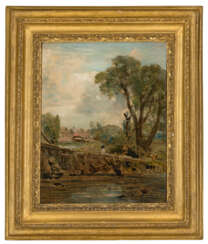

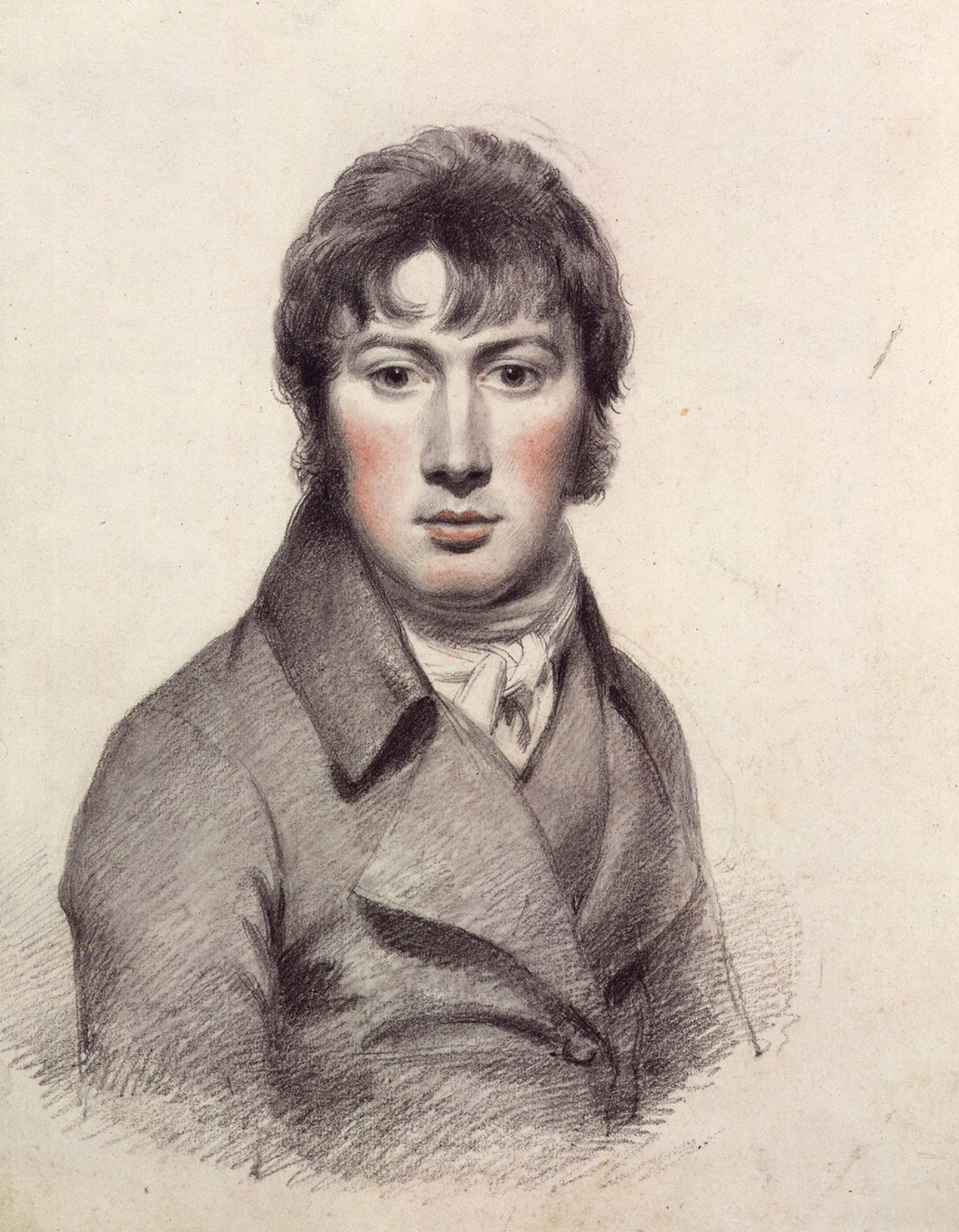
John Constable was an English landscape painter in the Romantic tradition. Born in Suffolk, he is known principally for revolutionising the genre of landscape painting with his pictures of Dedham Vale, the area surrounding his home — now known as "Constable Country" — which he invested with an intensity of affection. "I should paint my own places best", he wrote to his friend John Fisher in 1821, "painting is but another word for feeling".


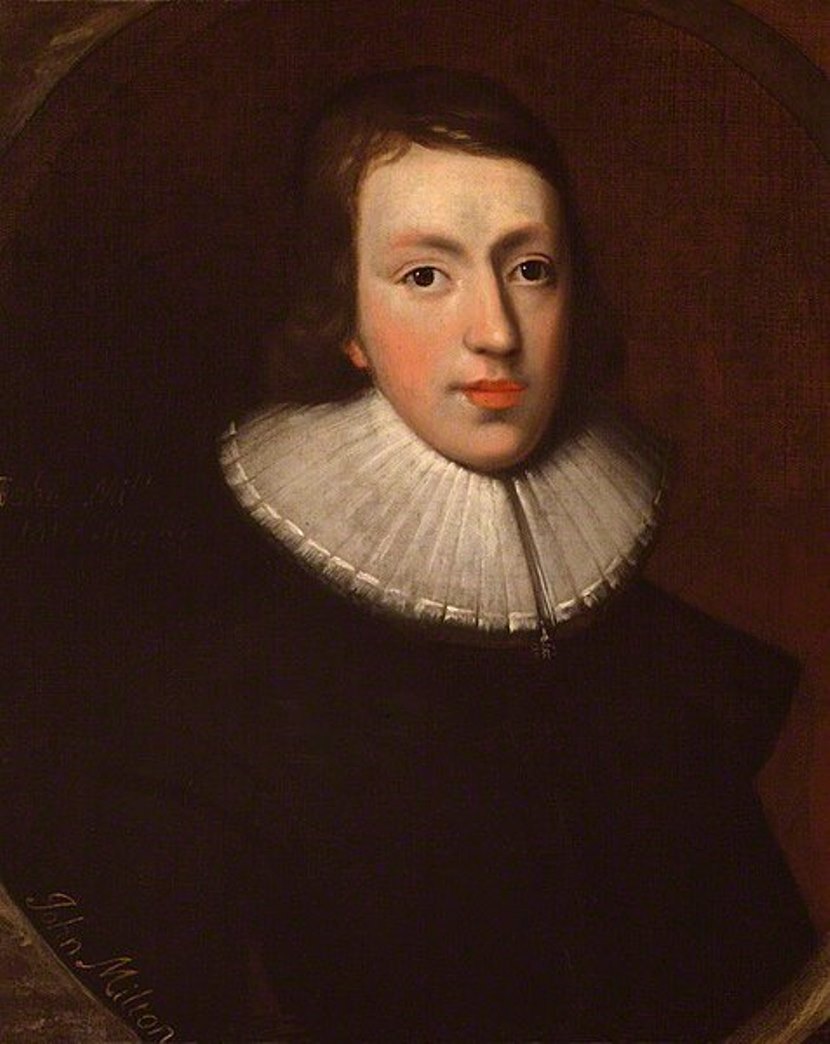
John Milton was a British poet and writer-publicist, intellectual and politician of the English Revolutionary period.
Milton first planned to become a priest, studied at Cambridge University, and then abandoned this activity. Several years he spent reading and self-education, learning many languages. In 1638 Milton traveled around the continent for about a year and a half, spending much time in Italy, primarily in Rome and Florence. He befriended young Italian literati, and his encounter with Galileo further influenced his writing.
Milton became best known for his poem Paradise Lost in Ten Books, which declares its purpose to justify the ways of God to man, but also touches on both universal and personal themes. Milton was the first author to use the word "cosmos" in our modern sense of "outer space," and his space epic takes place in a confidently Copernican universe.
In his prose works, Milton advocated the abolition of the Church of England and the execution of Charles I. From the outbreak of the English Civil Wars in 1642 and long after the restoration of Charles II as king in 1660, he spoke out against tyranny and state-sanctioned religion in all his works. As a Protestant, Milton was often in conflict with the Roman Catholic Church. As a civil servant, Milton became the voice of the English Commonwealth after 1649 and then under Oliver Cromwell, conducting international correspondence and defending the government against polemical attacks from abroad.
John Milton is considered the most important English writer after William Shakespeare. Author of political pamphlets and religious treatises, he is one of the most famous writers of the 1650s, the vibrant era of the English Revolution (Civil War).