läger &amp
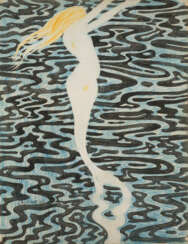

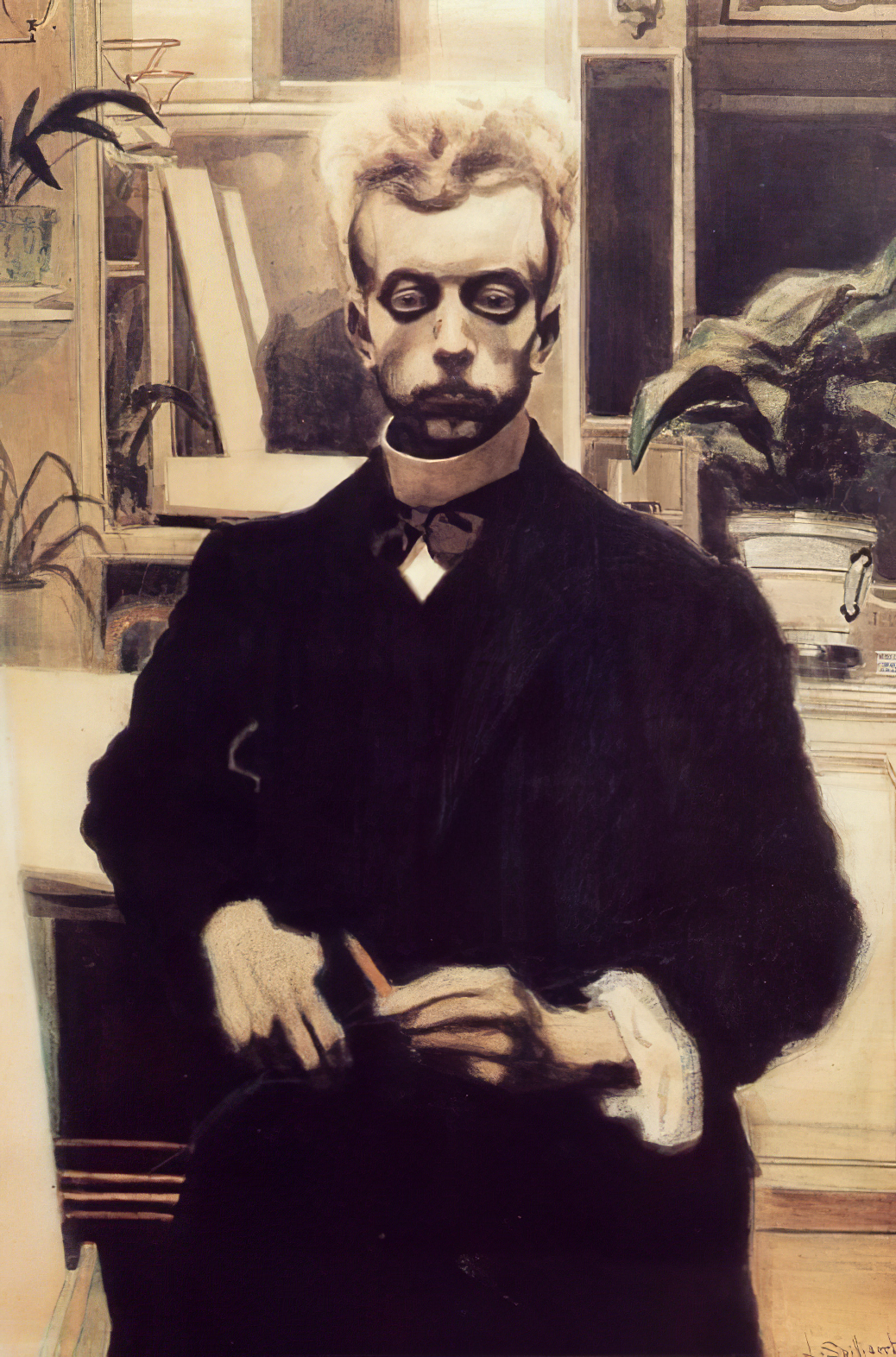
Léon Spilliaert was a Belgian artist. He is known for his unique style of symbolism, with many of his works featuring dream-like landscapes, eerie still lifes, and enigmatic figures.
Spilliaert grew up in a wealthy family, and he initially studied architecture before turning to art. He was largely self-taught, and his work was heavily influenced by the Belgian symbolist movement, as well as the works of artists such as James Ensor and Edvard Munch.
Spilliaert was particularly interested in exploring the mysteries of the human psyche, and many of his works reflect a sense of unease or uncertainty. He often used strong contrasts of light and shadow to create a sense of drama and tension in his works, and his use of color was often muted and subdued.
Despite his success as an artist, Spilliaert was a deeply private individual, and he rarely exhibited his work during his lifetime. He continued to work throughout his life, however, producing a large body of haunting and enigmatic works that continue to captivate audiences today.




.jfif)
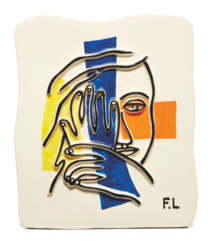
Joseph Fernand Henri Léger was a French artist renowned for his innovative approach to Cubism and his transition towards a figurative, populist style. Born in Argentan, Orne, Lower Normandy, Léger's early career was marked by a stint as an architectural draftsman and a series of educational pursuits that eventually led him to Paris, where he embraced painting seriously. His artistic journey was significantly influenced by the bold abstractions of Cubism, characterized by geometric shapes and a vibrant palette, distinguishing his work from his contemporaries with what came to be known as "Tubism".
Léger's service in World War I profoundly impacted his artistic direction, leading him to adopt a 'mechanical' style that depicted the modern industrial world with sleek, tubular forms. This period saw creations like "Soldier with a Pipe" and "The Card Players," reflecting his war experiences and the mechanical aesthetics of the time. The post-war era encouraged Léger to explore the mechanical style further, evident in works like "The Bargeman" and "Mechanical Elements," highlighting the pace of technological advancement.
Throughout his career, Léger's work evolved, notably in the 1920s, where he aligned with Purist ideas, blending classicism with modernity. This phase is exemplified in "Woman with a Cat," showcasing a classical form with a modern, polished finish. By the 1930s, Léger's art took a more figurative, populist turn, aiming to democratize contemporary art and make it more accessible. His commitment to art education, especially for the common worker, underscored his belief in the social role of art.
For those intrigued by Joseph Fernand Henri Léger's groundbreaking contributions to modern art, his works can be found in prestigious museums worldwide. His legacy continues to inspire art collectors and enthusiasts alike. To stay updated on exhibitions and auction events featuring Léger's work, sign up for updates and embrace the unique opportunity to explore the richness of his artistic endeavors.
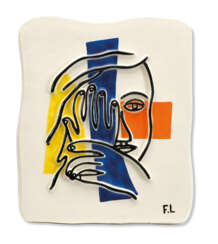

Joseph Fernand Henri Léger was a French artist renowned for his innovative approach to Cubism and his transition towards a figurative, populist style. Born in Argentan, Orne, Lower Normandy, Léger's early career was marked by a stint as an architectural draftsman and a series of educational pursuits that eventually led him to Paris, where he embraced painting seriously. His artistic journey was significantly influenced by the bold abstractions of Cubism, characterized by geometric shapes and a vibrant palette, distinguishing his work from his contemporaries with what came to be known as "Tubism".
Léger's service in World War I profoundly impacted his artistic direction, leading him to adopt a 'mechanical' style that depicted the modern industrial world with sleek, tubular forms. This period saw creations like "Soldier with a Pipe" and "The Card Players," reflecting his war experiences and the mechanical aesthetics of the time. The post-war era encouraged Léger to explore the mechanical style further, evident in works like "The Bargeman" and "Mechanical Elements," highlighting the pace of technological advancement.
Throughout his career, Léger's work evolved, notably in the 1920s, where he aligned with Purist ideas, blending classicism with modernity. This phase is exemplified in "Woman with a Cat," showcasing a classical form with a modern, polished finish. By the 1930s, Léger's art took a more figurative, populist turn, aiming to democratize contemporary art and make it more accessible. His commitment to art education, especially for the common worker, underscored his belief in the social role of art.
For those intrigued by Joseph Fernand Henri Léger's groundbreaking contributions to modern art, his works can be found in prestigious museums worldwide. His legacy continues to inspire art collectors and enthusiasts alike. To stay updated on exhibitions and auction events featuring Léger's work, sign up for updates and embrace the unique opportunity to explore the richness of his artistic endeavors.
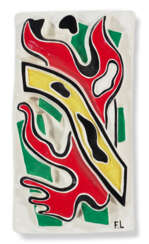

Joseph Fernand Henri Léger was a French artist renowned for his innovative approach to Cubism and his transition towards a figurative, populist style. Born in Argentan, Orne, Lower Normandy, Léger's early career was marked by a stint as an architectural draftsman and a series of educational pursuits that eventually led him to Paris, where he embraced painting seriously. His artistic journey was significantly influenced by the bold abstractions of Cubism, characterized by geometric shapes and a vibrant palette, distinguishing his work from his contemporaries with what came to be known as "Tubism".
Léger's service in World War I profoundly impacted his artistic direction, leading him to adopt a 'mechanical' style that depicted the modern industrial world with sleek, tubular forms. This period saw creations like "Soldier with a Pipe" and "The Card Players," reflecting his war experiences and the mechanical aesthetics of the time. The post-war era encouraged Léger to explore the mechanical style further, evident in works like "The Bargeman" and "Mechanical Elements," highlighting the pace of technological advancement.
Throughout his career, Léger's work evolved, notably in the 1920s, where he aligned with Purist ideas, blending classicism with modernity. This phase is exemplified in "Woman with a Cat," showcasing a classical form with a modern, polished finish. By the 1930s, Léger's art took a more figurative, populist turn, aiming to democratize contemporary art and make it more accessible. His commitment to art education, especially for the common worker, underscored his belief in the social role of art.
For those intrigued by Joseph Fernand Henri Léger's groundbreaking contributions to modern art, his works can be found in prestigious museums worldwide. His legacy continues to inspire art collectors and enthusiasts alike. To stay updated on exhibitions and auction events featuring Léger's work, sign up for updates and embrace the unique opportunity to explore the richness of his artistic endeavors.
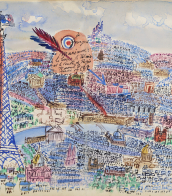


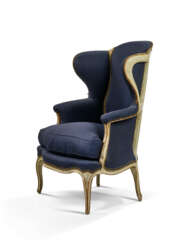

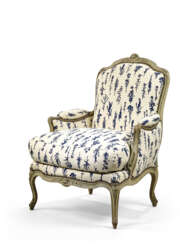

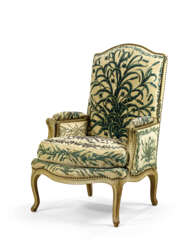

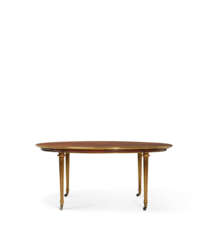

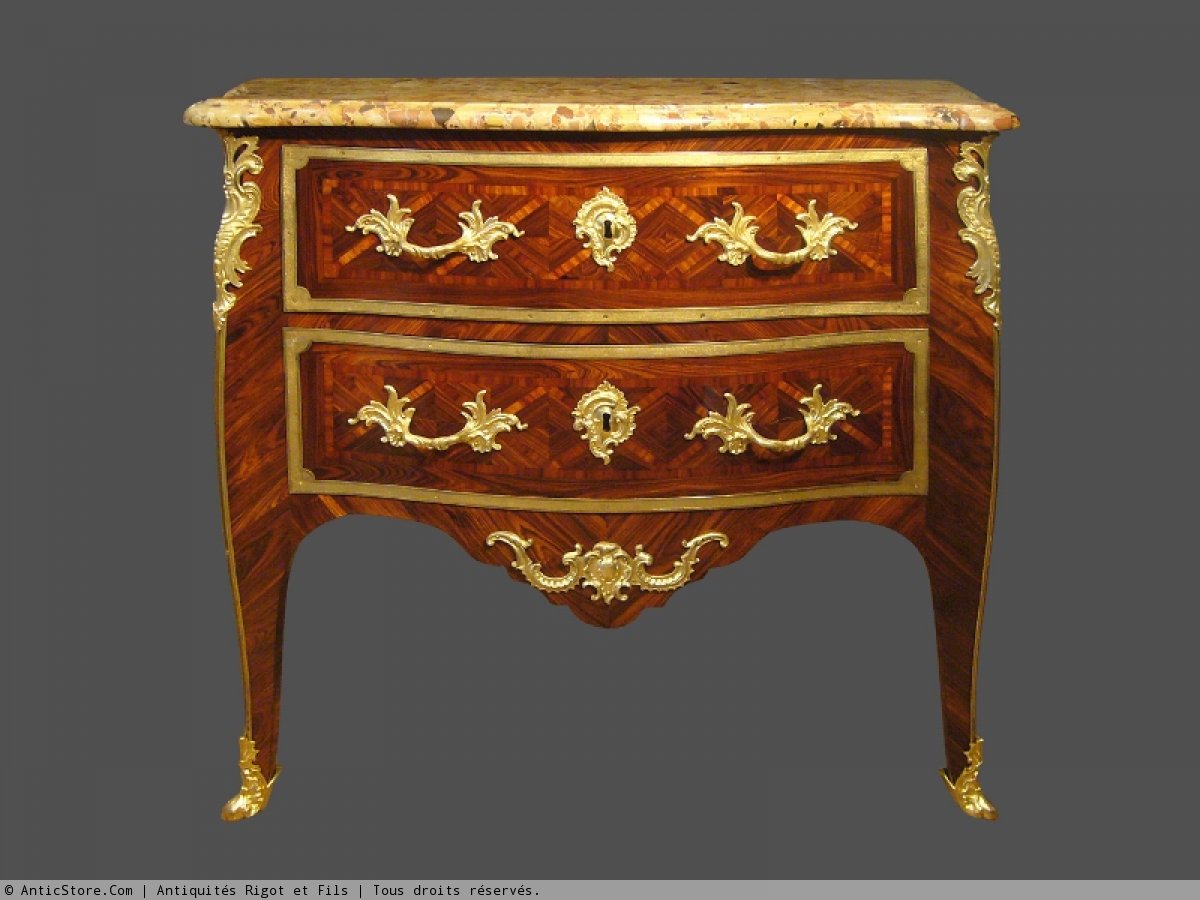
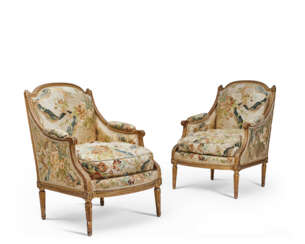
Jean-François Leleu was a leading French furniture-maker (ébéniste) of the eighteenth century who was trained alongside his rival Jean-Henri Riesener, in the workshop of Jean-François Oeben. After his master's death, he became the workshop's lead and became a master ébéniste in 1764. Leleu had the patronage of wealthy aristocrats, including the Prince de Condé, Louis-Joseph de Bourbon. His furniture was known for its high quality, elegance, and restraint, with inlays of diamonds, roses, or floral bouquets. When working for marchands-merciers, he also used inlays of Sèvres porcelain and lacquer. Leleu's clients included the Prince de Condé and Madame du Barry.



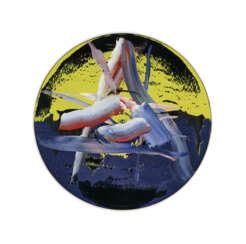


Gerhard Richter is a German visual artist. Richter has produced abstract as well as photorealistic paintings, and also photographs and glass pieces. He is widely regarded as one of the most important contemporary German artists and several of his works have set record prices at auction.
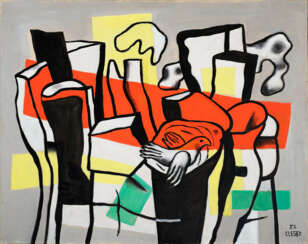

Joseph Fernand Henri Léger was a French artist renowned for his innovative approach to Cubism and his transition towards a figurative, populist style. Born in Argentan, Orne, Lower Normandy, Léger's early career was marked by a stint as an architectural draftsman and a series of educational pursuits that eventually led him to Paris, where he embraced painting seriously. His artistic journey was significantly influenced by the bold abstractions of Cubism, characterized by geometric shapes and a vibrant palette, distinguishing his work from his contemporaries with what came to be known as "Tubism".
Léger's service in World War I profoundly impacted his artistic direction, leading him to adopt a 'mechanical' style that depicted the modern industrial world with sleek, tubular forms. This period saw creations like "Soldier with a Pipe" and "The Card Players," reflecting his war experiences and the mechanical aesthetics of the time. The post-war era encouraged Léger to explore the mechanical style further, evident in works like "The Bargeman" and "Mechanical Elements," highlighting the pace of technological advancement.
Throughout his career, Léger's work evolved, notably in the 1920s, where he aligned with Purist ideas, blending classicism with modernity. This phase is exemplified in "Woman with a Cat," showcasing a classical form with a modern, polished finish. By the 1930s, Léger's art took a more figurative, populist turn, aiming to democratize contemporary art and make it more accessible. His commitment to art education, especially for the common worker, underscored his belief in the social role of art.
For those intrigued by Joseph Fernand Henri Léger's groundbreaking contributions to modern art, his works can be found in prestigious museums worldwide. His legacy continues to inspire art collectors and enthusiasts alike. To stay updated on exhibitions and auction events featuring Léger's work, sign up for updates and embrace the unique opportunity to explore the richness of his artistic endeavors.



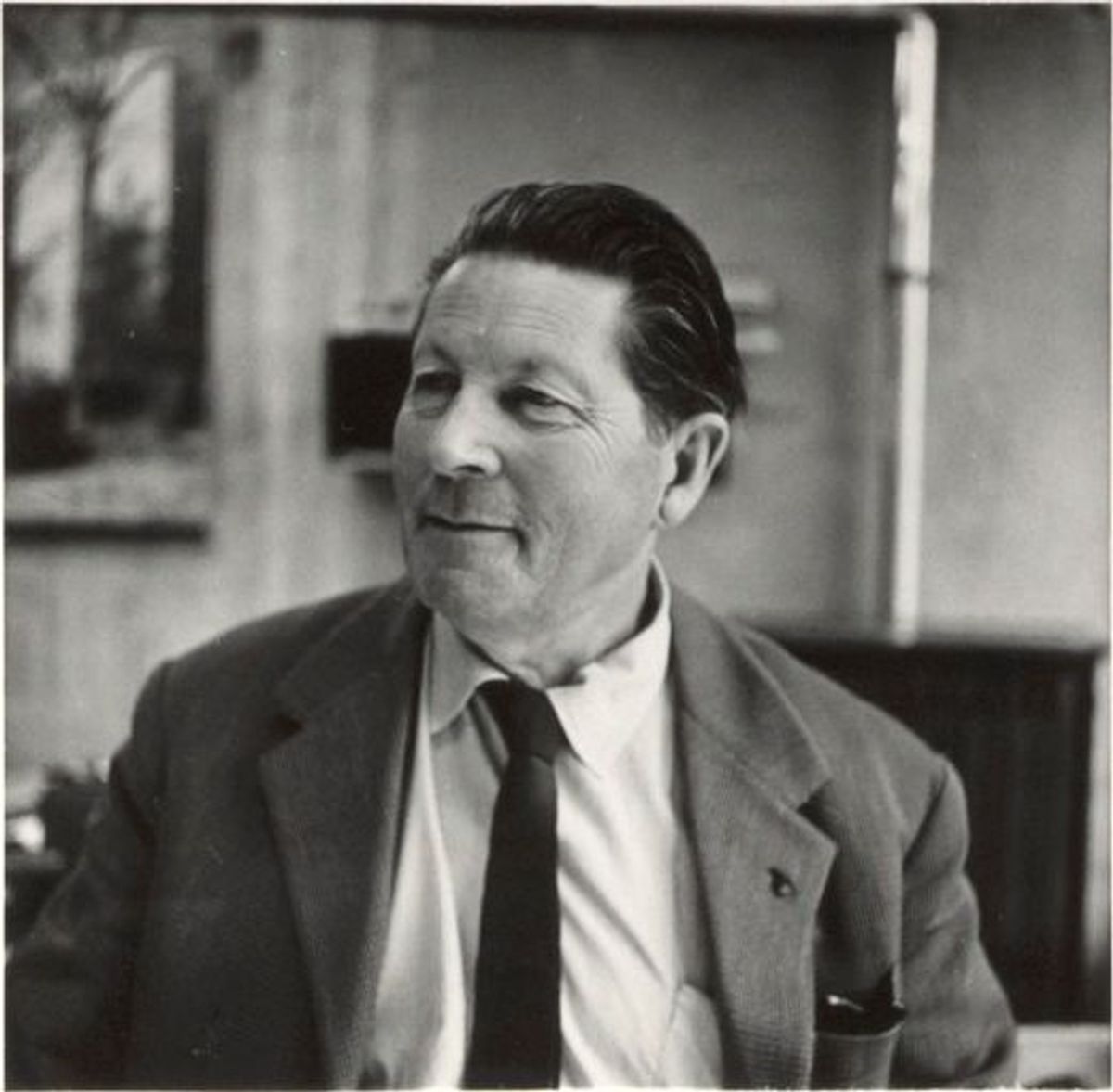


Gerhard Richter is a German visual artist. Richter has produced abstract as well as photorealistic paintings, and also photographs and glass pieces. He is widely regarded as one of the most important contemporary German artists and several of his works have set record prices at auction.



Joseph Fernand Henri Léger was a French artist renowned for his innovative approach to Cubism and his transition towards a figurative, populist style. Born in Argentan, Orne, Lower Normandy, Léger's early career was marked by a stint as an architectural draftsman and a series of educational pursuits that eventually led him to Paris, where he embraced painting seriously. His artistic journey was significantly influenced by the bold abstractions of Cubism, characterized by geometric shapes and a vibrant palette, distinguishing his work from his contemporaries with what came to be known as "Tubism".
Léger's service in World War I profoundly impacted his artistic direction, leading him to adopt a 'mechanical' style that depicted the modern industrial world with sleek, tubular forms. This period saw creations like "Soldier with a Pipe" and "The Card Players," reflecting his war experiences and the mechanical aesthetics of the time. The post-war era encouraged Léger to explore the mechanical style further, evident in works like "The Bargeman" and "Mechanical Elements," highlighting the pace of technological advancement.
Throughout his career, Léger's work evolved, notably in the 1920s, where he aligned with Purist ideas, blending classicism with modernity. This phase is exemplified in "Woman with a Cat," showcasing a classical form with a modern, polished finish. By the 1930s, Léger's art took a more figurative, populist turn, aiming to democratize contemporary art and make it more accessible. His commitment to art education, especially for the common worker, underscored his belief in the social role of art.
For those intrigued by Joseph Fernand Henri Léger's groundbreaking contributions to modern art, his works can be found in prestigious museums worldwide. His legacy continues to inspire art collectors and enthusiasts alike. To stay updated on exhibitions and auction events featuring Léger's work, sign up for updates and embrace the unique opportunity to explore the richness of his artistic endeavors.
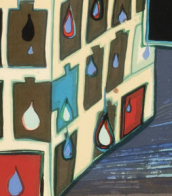
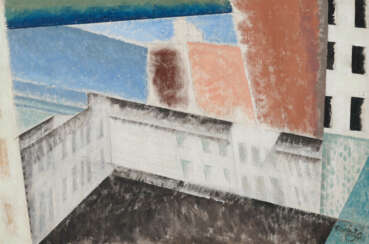

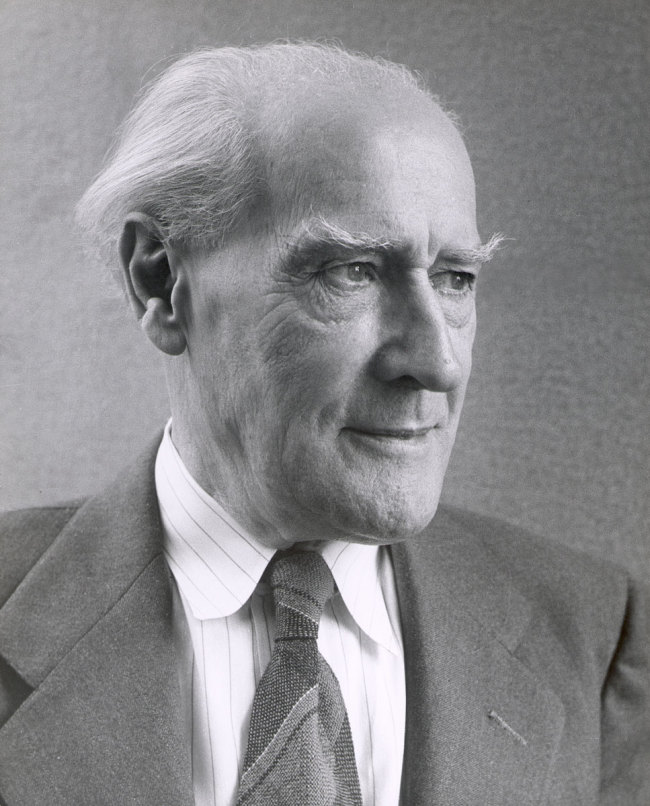
Lyonel Charles Adrian Feininger was an American-German artist renowned for his unique integration of Expressionism, Cubism, and Bauhaus principles. His body of work, which spans several critical decades in modernism's development, is celebrated for its distinctive blend of architectural and nautical motifs, articulated through planar shifts and jagged lines of Cubism, with a vibrant Orphist color palette.
Lyonel Feininger's journey as an artist began in earnest when he was 36, becoming a pivotal figure in various German expressionist groups and a founding member of the Bauhaus, where he led the printmaking workshop. His art, which also includes significant contributions to caricature and photography, explores the intricate relationship between humanity and industrialization, evident in his depictions of architectural and mechanized forms.
His work was subject to Nazi criticism, being labeled as "degenerate," which led to his return to the United States, where he continued to evolve his artistic style. Posthumously, Lyonel Feininger's art has been the focus of several retrospectives, and his pieces, like "Jesuits III," continue to fetch high figures at auctions, underscoring his lasting impact on the art world.
Notably, Lyonel Feininger's "Cathedral" woodcut, representing the Bauhaus's utopian vision, remains one of his most iconic works, symbolizing the integration of art and craftsmanship with its avant-garde yet traditional approach. His legacy is further carried by his sons, Andreas and T. Lux Feininger, who also made their marks in the arts.
For collectors and art and antiques experts, Feininger's work represents a fascinating intersection of various art movements and a testament to the enduring nature of expressive and innovative artistry. To stay updated on new product sales and auction events related to Lyonel Feininger, consider signing up for updates, ensuring you're informed about the latest opportunities to engage with his enduring legacy.
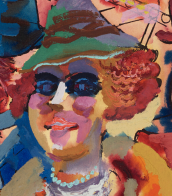
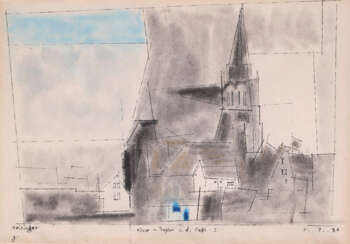

Lyonel Charles Adrian Feininger was an American-German artist renowned for his unique integration of Expressionism, Cubism, and Bauhaus principles. His body of work, which spans several critical decades in modernism's development, is celebrated for its distinctive blend of architectural and nautical motifs, articulated through planar shifts and jagged lines of Cubism, with a vibrant Orphist color palette.
Lyonel Feininger's journey as an artist began in earnest when he was 36, becoming a pivotal figure in various German expressionist groups and a founding member of the Bauhaus, where he led the printmaking workshop. His art, which also includes significant contributions to caricature and photography, explores the intricate relationship between humanity and industrialization, evident in his depictions of architectural and mechanized forms.
His work was subject to Nazi criticism, being labeled as "degenerate," which led to his return to the United States, where he continued to evolve his artistic style. Posthumously, Lyonel Feininger's art has been the focus of several retrospectives, and his pieces, like "Jesuits III," continue to fetch high figures at auctions, underscoring his lasting impact on the art world.
Notably, Lyonel Feininger's "Cathedral" woodcut, representing the Bauhaus's utopian vision, remains one of his most iconic works, symbolizing the integration of art and craftsmanship with its avant-garde yet traditional approach. His legacy is further carried by his sons, Andreas and T. Lux Feininger, who also made their marks in the arts.
For collectors and art and antiques experts, Feininger's work represents a fascinating intersection of various art movements and a testament to the enduring nature of expressive and innovative artistry. To stay updated on new product sales and auction events related to Lyonel Feininger, consider signing up for updates, ensuring you're informed about the latest opportunities to engage with his enduring legacy.


Joseph Fernand Henri Léger was a French artist renowned for his innovative approach to Cubism and his transition towards a figurative, populist style. Born in Argentan, Orne, Lower Normandy, Léger's early career was marked by a stint as an architectural draftsman and a series of educational pursuits that eventually led him to Paris, where he embraced painting seriously. His artistic journey was significantly influenced by the bold abstractions of Cubism, characterized by geometric shapes and a vibrant palette, distinguishing his work from his contemporaries with what came to be known as "Tubism".
Léger's service in World War I profoundly impacted his artistic direction, leading him to adopt a 'mechanical' style that depicted the modern industrial world with sleek, tubular forms. This period saw creations like "Soldier with a Pipe" and "The Card Players," reflecting his war experiences and the mechanical aesthetics of the time. The post-war era encouraged Léger to explore the mechanical style further, evident in works like "The Bargeman" and "Mechanical Elements," highlighting the pace of technological advancement.
Throughout his career, Léger's work evolved, notably in the 1920s, where he aligned with Purist ideas, blending classicism with modernity. This phase is exemplified in "Woman with a Cat," showcasing a classical form with a modern, polished finish. By the 1930s, Léger's art took a more figurative, populist turn, aiming to democratize contemporary art and make it more accessible. His commitment to art education, especially for the common worker, underscored his belief in the social role of art.
For those intrigued by Joseph Fernand Henri Léger's groundbreaking contributions to modern art, his works can be found in prestigious museums worldwide. His legacy continues to inspire art collectors and enthusiasts alike. To stay updated on exhibitions and auction events featuring Léger's work, sign up for updates and embrace the unique opportunity to explore the richness of his artistic endeavors.

.jpg)
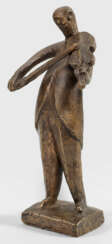
Gerhard Marcks was a German artist, known primarily as a sculptor, but who is also known for his drawings, woodcuts, lithographs and ceramics.


Gerhard Richter is a German visual artist. Richter has produced abstract as well as photorealistic paintings, and also photographs and glass pieces. He is widely regarded as one of the most important contemporary German artists and several of his works have set record prices at auction.
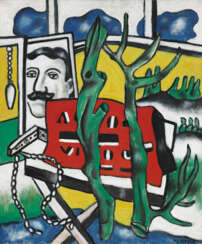

Joseph Fernand Henri Léger was a French artist renowned for his innovative approach to Cubism and his transition towards a figurative, populist style. Born in Argentan, Orne, Lower Normandy, Léger's early career was marked by a stint as an architectural draftsman and a series of educational pursuits that eventually led him to Paris, where he embraced painting seriously. His artistic journey was significantly influenced by the bold abstractions of Cubism, characterized by geometric shapes and a vibrant palette, distinguishing his work from his contemporaries with what came to be known as "Tubism".
Léger's service in World War I profoundly impacted his artistic direction, leading him to adopt a 'mechanical' style that depicted the modern industrial world with sleek, tubular forms. This period saw creations like "Soldier with a Pipe" and "The Card Players," reflecting his war experiences and the mechanical aesthetics of the time. The post-war era encouraged Léger to explore the mechanical style further, evident in works like "The Bargeman" and "Mechanical Elements," highlighting the pace of technological advancement.
Throughout his career, Léger's work evolved, notably in the 1920s, where he aligned with Purist ideas, blending classicism with modernity. This phase is exemplified in "Woman with a Cat," showcasing a classical form with a modern, polished finish. By the 1930s, Léger's art took a more figurative, populist turn, aiming to democratize contemporary art and make it more accessible. His commitment to art education, especially for the common worker, underscored his belief in the social role of art.
For those intrigued by Joseph Fernand Henri Léger's groundbreaking contributions to modern art, his works can be found in prestigious museums worldwide. His legacy continues to inspire art collectors and enthusiasts alike. To stay updated on exhibitions and auction events featuring Léger's work, sign up for updates and embrace the unique opportunity to explore the richness of his artistic endeavors.

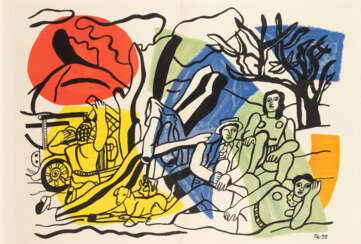

Joseph Fernand Henri Léger was a French artist renowned for his innovative approach to Cubism and his transition towards a figurative, populist style. Born in Argentan, Orne, Lower Normandy, Léger's early career was marked by a stint as an architectural draftsman and a series of educational pursuits that eventually led him to Paris, where he embraced painting seriously. His artistic journey was significantly influenced by the bold abstractions of Cubism, characterized by geometric shapes and a vibrant palette, distinguishing his work from his contemporaries with what came to be known as "Tubism".
Léger's service in World War I profoundly impacted his artistic direction, leading him to adopt a 'mechanical' style that depicted the modern industrial world with sleek, tubular forms. This period saw creations like "Soldier with a Pipe" and "The Card Players," reflecting his war experiences and the mechanical aesthetics of the time. The post-war era encouraged Léger to explore the mechanical style further, evident in works like "The Bargeman" and "Mechanical Elements," highlighting the pace of technological advancement.
Throughout his career, Léger's work evolved, notably in the 1920s, where he aligned with Purist ideas, blending classicism with modernity. This phase is exemplified in "Woman with a Cat," showcasing a classical form with a modern, polished finish. By the 1930s, Léger's art took a more figurative, populist turn, aiming to democratize contemporary art and make it more accessible. His commitment to art education, especially for the common worker, underscored his belief in the social role of art.
For those intrigued by Joseph Fernand Henri Léger's groundbreaking contributions to modern art, his works can be found in prestigious museums worldwide. His legacy continues to inspire art collectors and enthusiasts alike. To stay updated on exhibitions and auction events featuring Léger's work, sign up for updates and embrace the unique opportunity to explore the richness of his artistic endeavors.
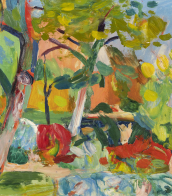
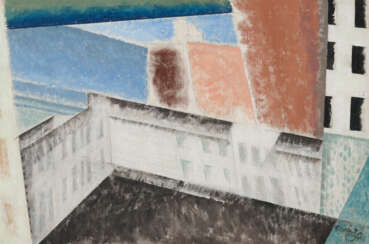

Lyonel Charles Adrian Feininger was an American-German artist renowned for his unique integration of Expressionism, Cubism, and Bauhaus principles. His body of work, which spans several critical decades in modernism's development, is celebrated for its distinctive blend of architectural and nautical motifs, articulated through planar shifts and jagged lines of Cubism, with a vibrant Orphist color palette.
Lyonel Feininger's journey as an artist began in earnest when he was 36, becoming a pivotal figure in various German expressionist groups and a founding member of the Bauhaus, where he led the printmaking workshop. His art, which also includes significant contributions to caricature and photography, explores the intricate relationship between humanity and industrialization, evident in his depictions of architectural and mechanized forms.
His work was subject to Nazi criticism, being labeled as "degenerate," which led to his return to the United States, where he continued to evolve his artistic style. Posthumously, Lyonel Feininger's art has been the focus of several retrospectives, and his pieces, like "Jesuits III," continue to fetch high figures at auctions, underscoring his lasting impact on the art world.
Notably, Lyonel Feininger's "Cathedral" woodcut, representing the Bauhaus's utopian vision, remains one of his most iconic works, symbolizing the integration of art and craftsmanship with its avant-garde yet traditional approach. His legacy is further carried by his sons, Andreas and T. Lux Feininger, who also made their marks in the arts.
For collectors and art and antiques experts, Feininger's work represents a fascinating intersection of various art movements and a testament to the enduring nature of expressive and innovative artistry. To stay updated on new product sales and auction events related to Lyonel Feininger, consider signing up for updates, ensuring you're informed about the latest opportunities to engage with his enduring legacy.
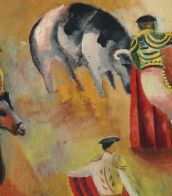


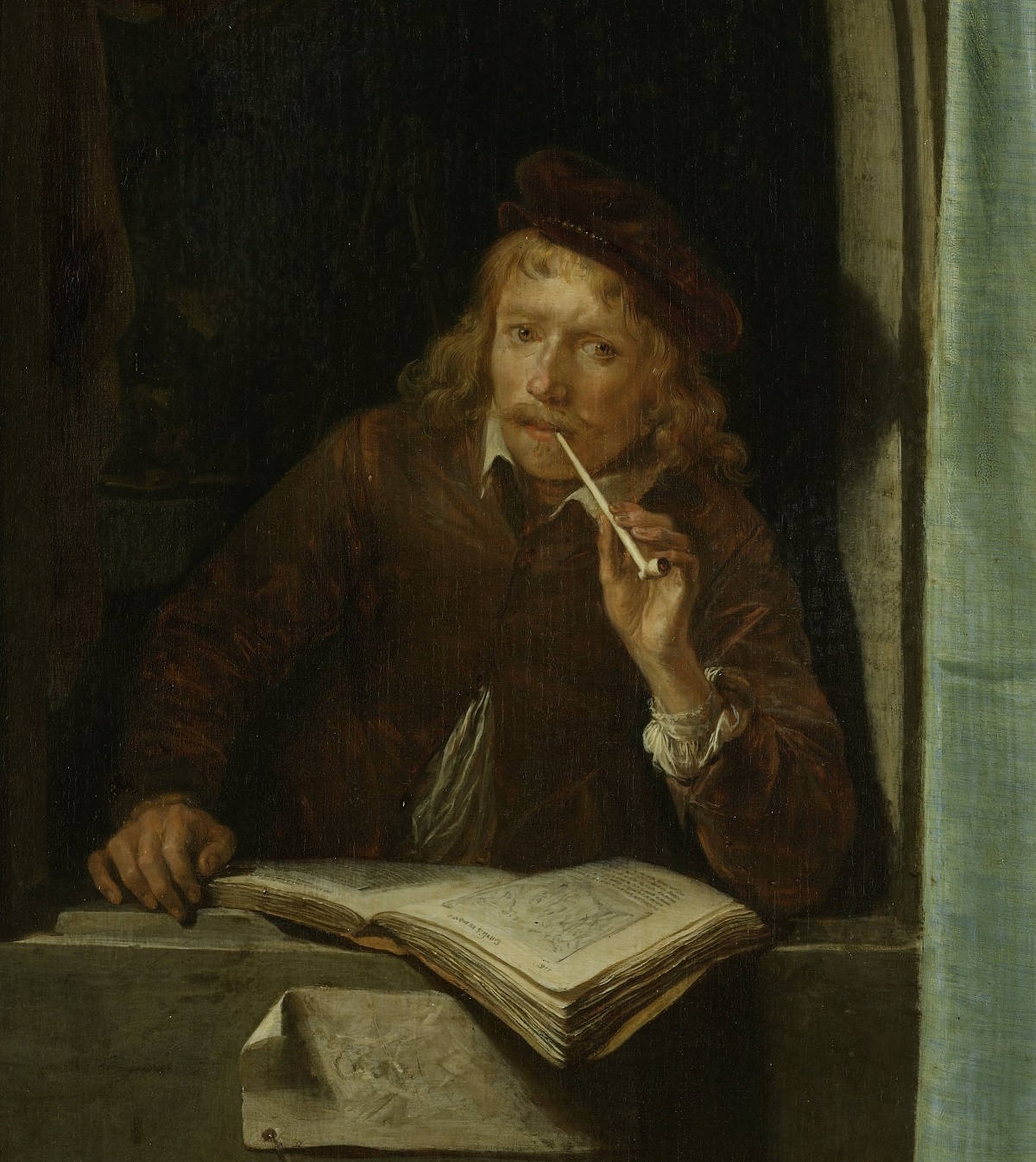
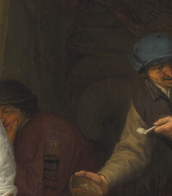
Gerard Dou was a Dutch Golden Age painter, whose small, highly polished paintings are typical of the Leiden fijnschilders. He specialised in genre scenes and is noted for his trompe-l'œil "niche" paintings and candlelit night-scenes with strong chiaroscuro. He was a student of Rembrandt.