land earch





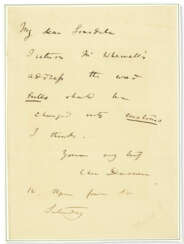

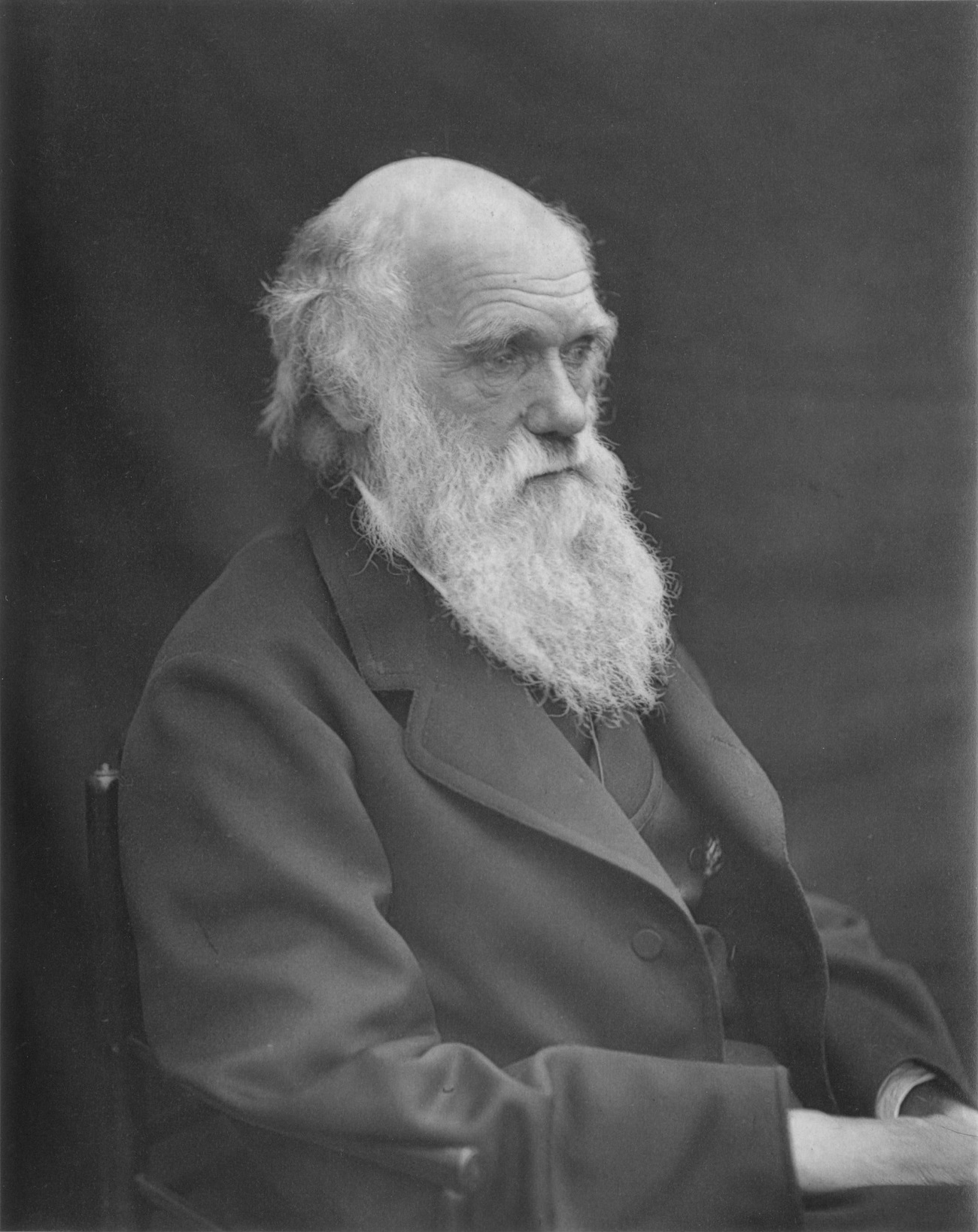
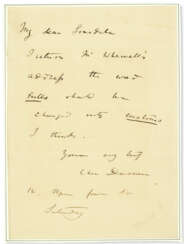
Charles Robert Darwin was an English naturalist, geologist, and biologist, widely known for contributing to the understanding of evolutionary biology. His proposition that all species of life have descended from a common ancestor is now generally accepted and considered a fundamental concept in science. In a joint publication with Alfred Russel Wallace, he introduced his scientific theory that this branching pattern of evolution resulted from a process that he called natural selection, in which the struggle for existence has a similar effect to the artificial selection involved in selective breeding. Darwin has been described as one of the most influential figures in human history, and he was honoured by burial in Westminster Abbey.


Charles Robert Darwin was an English naturalist, geologist, and biologist, widely known for contributing to the understanding of evolutionary biology. His proposition that all species of life have descended from a common ancestor is now generally accepted and considered a fundamental concept in science. In a joint publication with Alfred Russel Wallace, he introduced his scientific theory that this branching pattern of evolution resulted from a process that he called natural selection, in which the struggle for existence has a similar effect to the artificial selection involved in selective breeding. Darwin has been described as one of the most influential figures in human history, and he was honoured by burial in Westminster Abbey.

.jpeg)
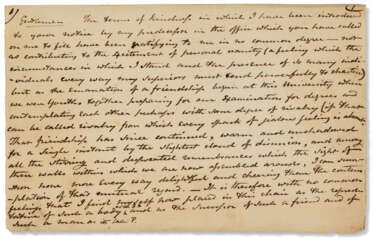
Sir John Frederick William Herschel, 1st Baronet was a British astronomer and son of the Uranus discoverer Wilhelm Herschel. He is credited with the first double star and nebula catalogues of the southern starry sky, which he observed during a five-year stay near Cape Town.


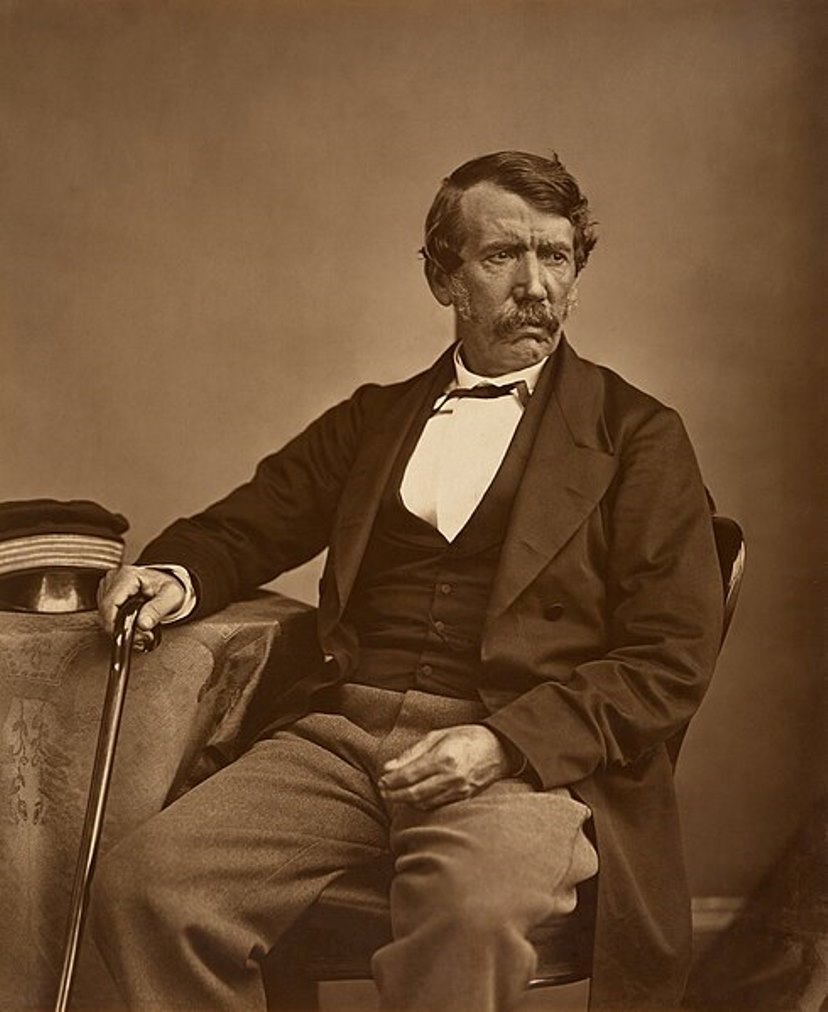
David Livingstone was a Scottish missionary, a dedicated explorer of Africa, a Fellow of the Royal Society of London, and a Correspondent of the Académie des Sciences de Paris.
He was brought up in a devout Scottish family, studied Greek, theology, and medicine in Glasgow, and earned his doctorate at Anderson University, where he studied medicine. In 1838 Livingstone was admitted to the London Missionary Society and arrived in Cape Town in March 1841, from where he began his missionary work and explorations, which ultimately had a formative influence on Western attitudes toward Africa. Livingstone spent the next thirty years traveling through the interior of southern and central Africa.
He quickly learned the languages of the local people and gained their respect. David Livingstone was the first European to cross the continent from west to east; he discovered the Zambezi River, Victoria Falls, and several major lakes in Central Africa. His publications about these explorations and the slave trade brought great fame. He established a reputation as a committed Christian, a courageous explorer, and an ardent fighter against slavery and the slave trade. His book Missionary Travels, published in London in 1857, was a great success with the public.
In 1865, the Royal Geographical Society commissioned Livingstone to find the source of the Nile River, and the brave scientist alone, not counting local helpers, made a huge journey. For several years there was no word from him, and the New York Times sent journalist Henry Stanley to find him. When they finally met on November 10, 1871, at Ujiji on the eastern shore of Lake Tanganyika, Stanley greeted him with the now famous words, "Dr. Livingstone, I presume?" Stanley brought the necessary medicines, and soon the seriously ill Livingstone regained his strength. Together they still explored the shores of the lake, but to all entreaties Stanley to leave Africa with him, the selfless scientist refused.
David Livingstone died on May 1, 1873, his heart was buried in Ulala, and his body was transported to Great Britain and buried with honors in Westminster Abbey.

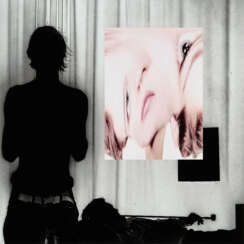


Rosemarie Trockel is a German conceptual artist. She has made drawings, paintings, sculptures, videos and installations, and has worked in mixed media. From 1985, she made pictures using knitting-machines.

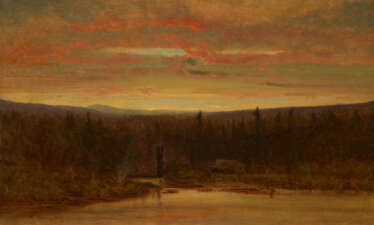

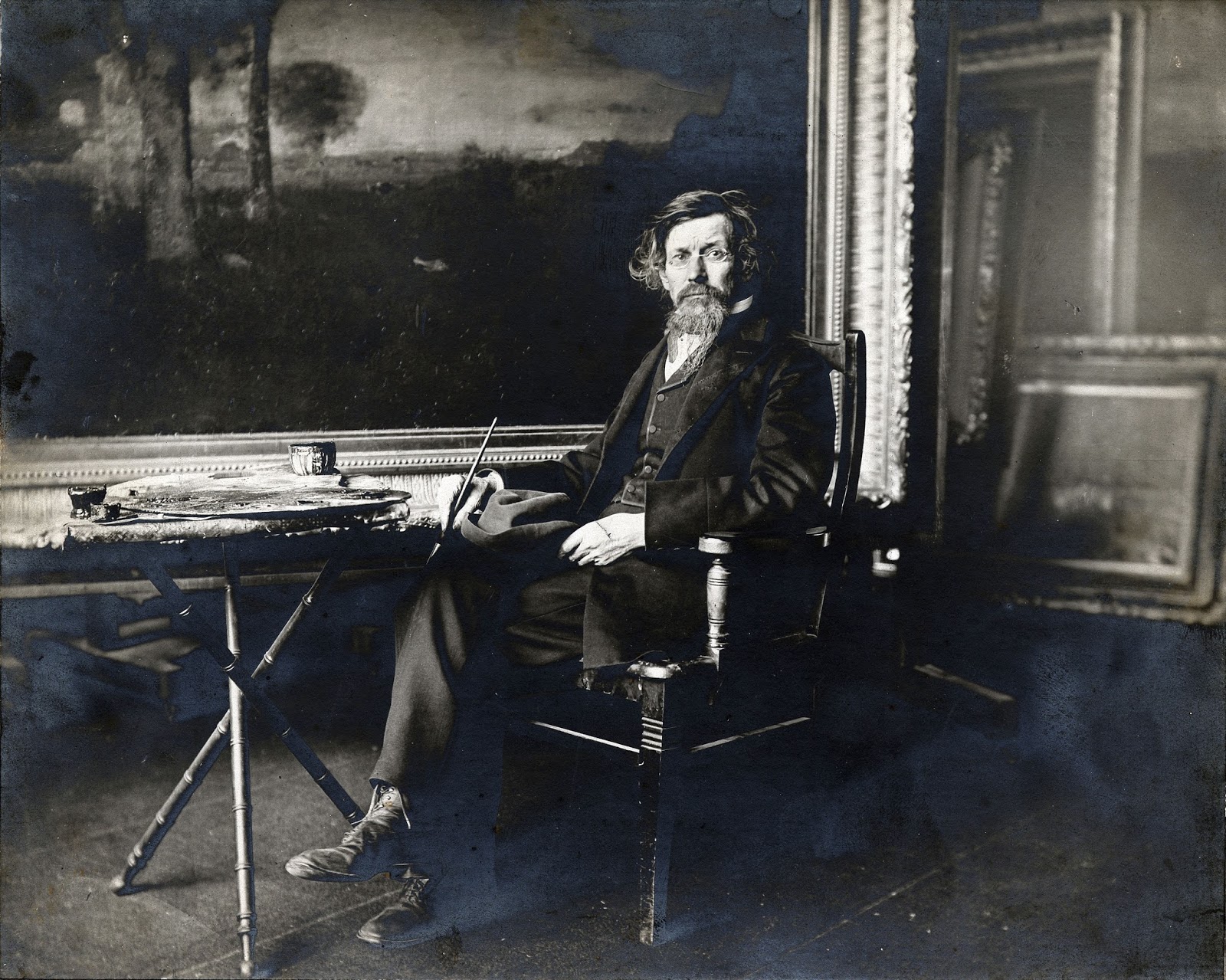
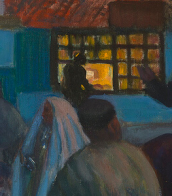
George Inness was a prominent American landscape painter.
Now recognized as one of the most influential American artists of the nineteenth century, Inness was influenced by the Hudson River School at the start of his career. He also studied the Old Masters, and artists of the Barbizon school during later trips to Europe. There he was introduced to the theology of Emanuel Swedenborg, which was significant for him; he expressed that spiritualism in the works of his maturity (1879-1894).







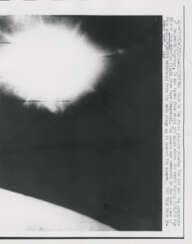

![Earth from space seen by the chimpanzee Enos [Large Format]; views of Enos orbital space mission, Mercury Atlas 5, November 1961; X-15 landing; first flight of Saturn I, October 1961](/assets/image/picture_1218240/fd8a3/de846fcc233ee9e363bc4faead40903c1604656800jpg__fix_374_244.jpeg)
![Earth from space seen by the chimpanzee Enos [Large Format]; views of Enos orbital space mission, Mercury Atlas 5, November 1961; X-15 landing; first flight of Saturn I, October 1961](https://veryimportantlot.com/assets/image/picture_1218240/fd8a3/de846fcc233ee9e363bc4faead40903c1604656800jpg__fix_374_244.jpeg)
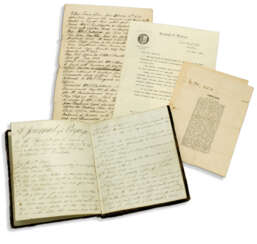

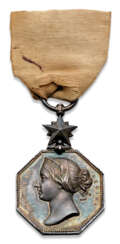

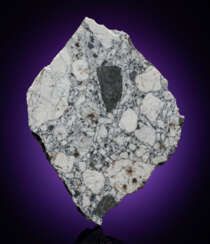







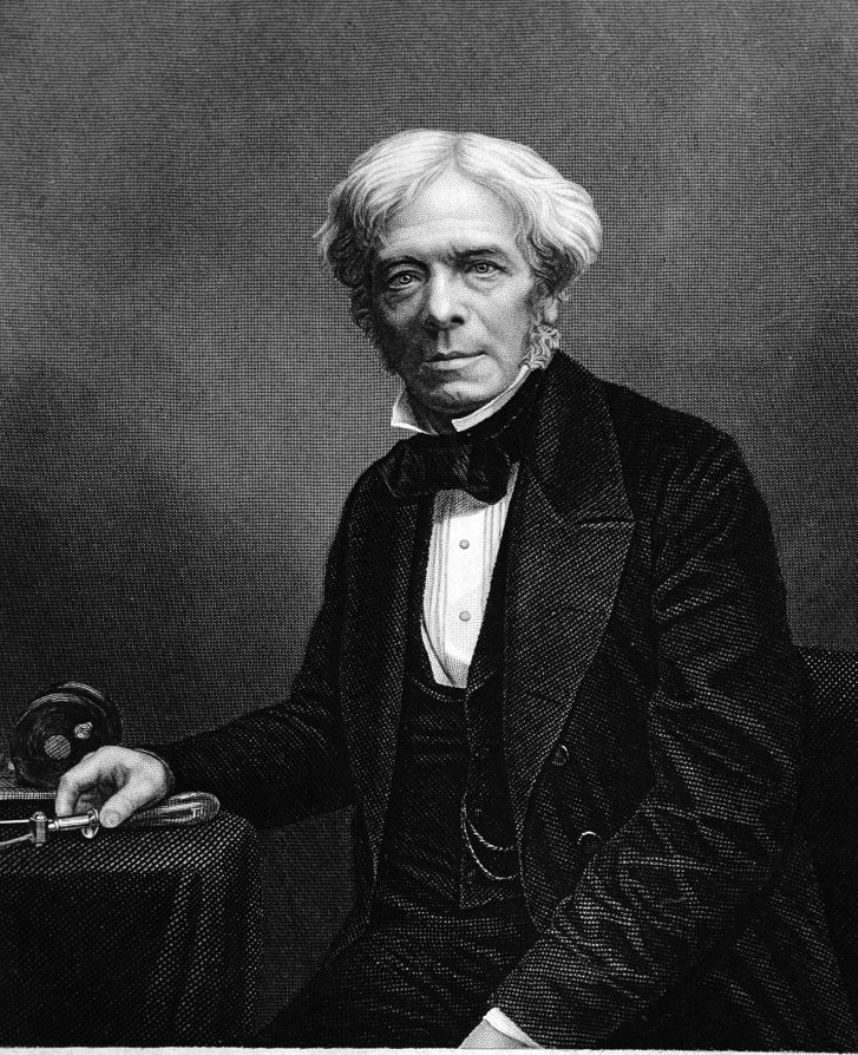
Michael Faraday was a British physicist and chemist, explorer and experimenter.
Faraday, because of his family's poverty, was unable to receive a formal education, but at the bookbinding shop in London where he worked, he read many books, including encyclopedias and textbooks on chemistry and physics. He persevered in self-education, attending hearings at the City Philosophical Society and later lectures by Sir Humphry Davy at the Royal Institution, who as a result took the able student on as an apprentice. In 1825 he replaced the seriously ill Davy in the management of the laboratory of the Royal Institution.
In 1833 Faraday was appointed to a research chair of chemistry created especially for him, where, among other achievements, the scientist liquefied various gases, including chlorine and carbon dioxide. His study of heating and lighting oils led to the discovery of benzene and other hydrocarbons, and he experimented extensively with various steel alloys and optical glasses. Faraday was an excellent experimentalist who presented his ideas in simple language. He is best known for his contributions to the understanding of electricity and electrochemistry. The concepts behind electromagnetic induction, diamagnetism, and electrolysis were some of his most important discoveries. His electromagnetic research formed the basis of the electromagnetic equations that James Clerk Maxwell developed in the 1850s and 1860s.
Between 1831 and 1855, Faraday read a series of 30 papers before the Royal Society, which were published in his three-volume Experimental Investigations in Electricity. His bibliography numbers some 500 printed articles. By 1844 he had been elected a member of some 70 scientific societies, including the St. Petersburg Academy of Sciences.











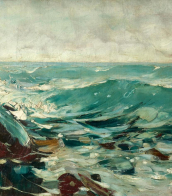
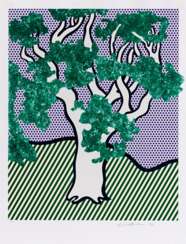

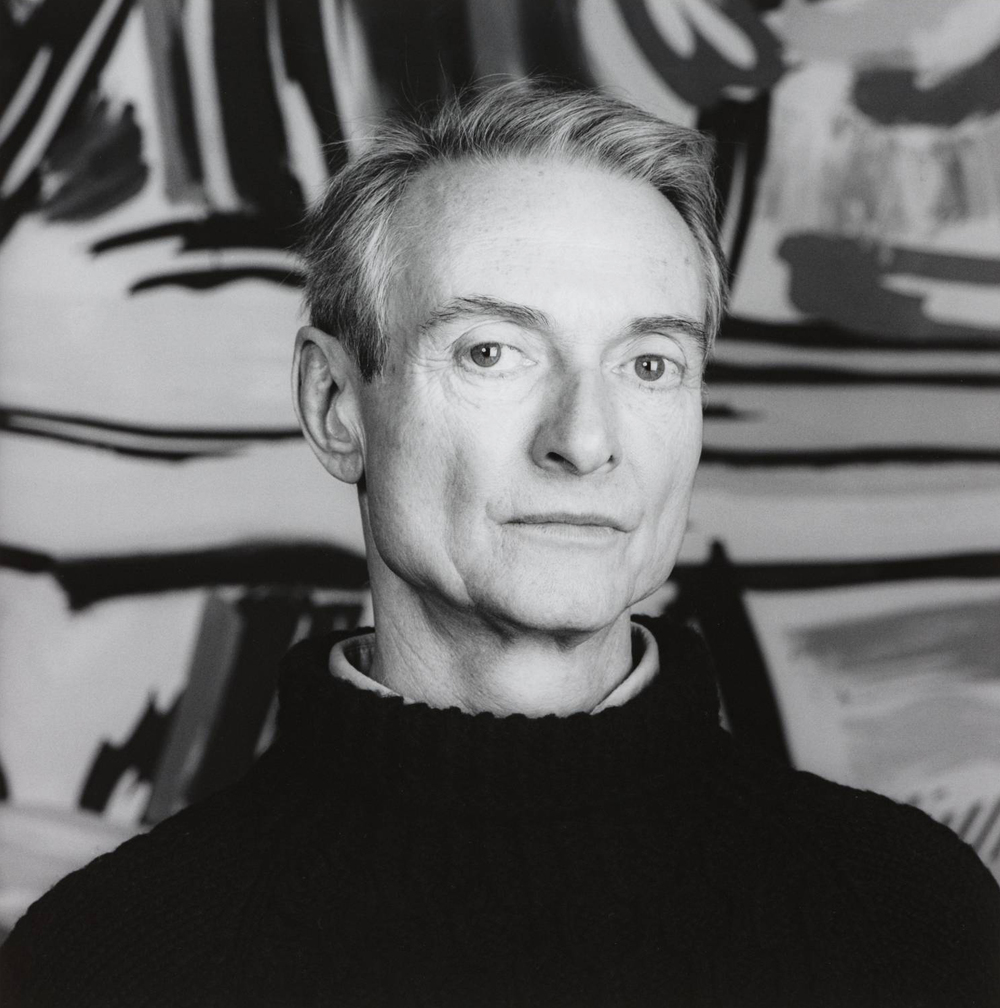
Roy Fox Lichtenstein, an American icon of the Pop Art movement, is celebrated for his comic strip-inspired art. Born in 1923 in New York City, Lichtenstein's journey into the art world was marked by various phases, evolving from Cubism and Abstract Expressionism to the distinctive Pop Art style he is renowned for.
Roy Lichtenstein's artistic career gained momentum in the 1960s, a period during which he embraced the comic strip as his primary source of inspiration. His pioneering use of Ben-Day dots, a technique borrowed from commercial printing, became his signature style, bringing a new visual language to fine art. His approach transformed mundane subjects from popular culture into compelling fine art, challenging traditional notions of artistry.
Among his most notable works, "Drowning Girl" (1963), displayed at the Museum of Modern Art in New York, exemplifies his iconic style with its bold lines, vivid colors, and Ben-Day dots. This piece, along with others like "Look Mickey" and "Whaam!", played a critical role in establishing Pop Art as a major art movement, contrasting starkly with the Abstract Expressionism prevalent at the time.
Roy Lichtenstein's art was not just limited to canvas; he explored multiple media, showcasing his versatility. His shift to Pop Art marked a significant turn in his career, bringing him fame and controversy alike. His works, often based on comic strips and advertisements, were both a parody and homage to the mass-produced, consumerist culture of his time.
For art collectors and experts, Lichtenstein's works offer a fascinating glimpse into a transformative era in art history. His approach to Pop Art remains influential, and his works are celebrated worldwide for their innovative and provocative style.
Interested in staying updated on sales and auction events featuring Roy Lichtenstein's works? Sign up for our updates. We provide straightforward, no-nonsense information on the latest in art sales and auctions related to Lichtenstein.