les canaux

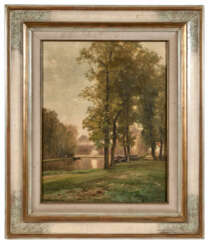

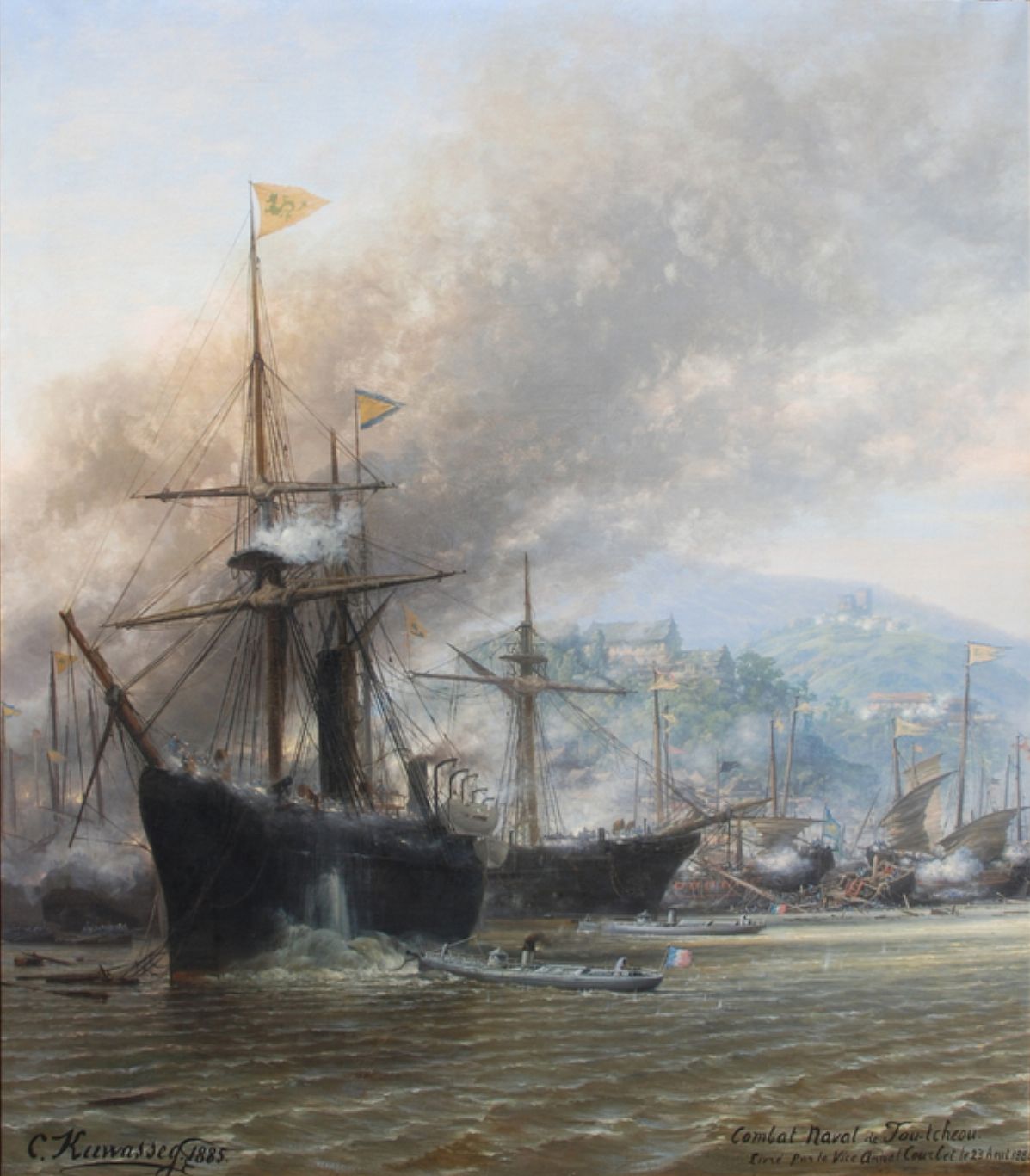
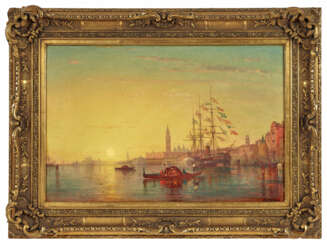
Charles Euphrasie Kuwasseg was a French painter of the 19th century. He essentially specialized in landscape paintings — particularly the coastal landscapes of Brittany and Normandy.
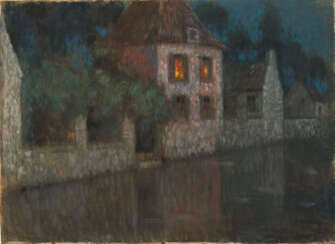

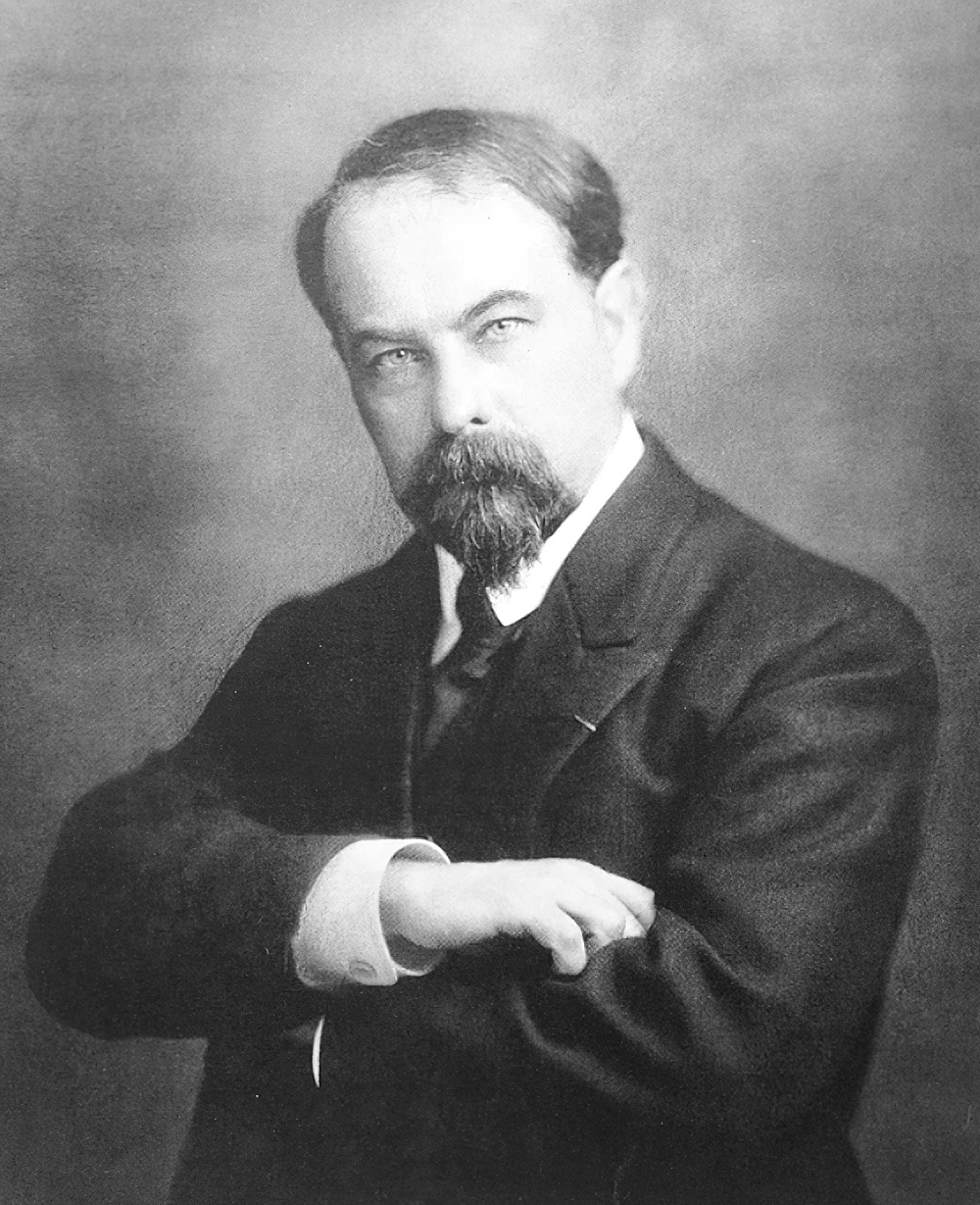
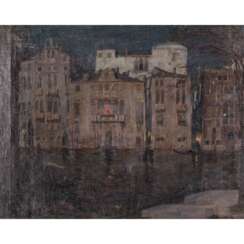
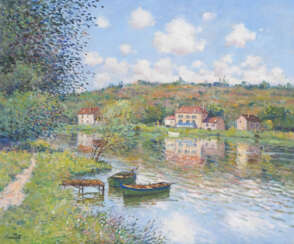
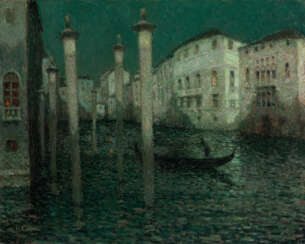
Henri Eugène Le Sidaner was a French painter known for his intimate, atmospheric landscapes and still-life paintings. He was born in Port Louis, Mauritius, but grew up in northern France and studied art at the École des Beaux-Arts in Paris.
Le Sidaner's early work was influenced by the Impressionists, but he later developed his own distinctive style characterized by a subdued palette, soft brushwork, and a focus on capturing the effects of light and atmosphere. His paintings often depict gardens, parks, and rural landscapes, as well as interiors and still-life arrangements.
Le Sidaner was also known for his use of light and shadow, which he used to create a sense of depth and mood in his paintings. He was particularly interested in the way that light and shadow interacted in interior spaces, and many of his paintings depict quiet, contemplative scenes bathed in a soft, diffuse light.
Le Sidaner's work was widely exhibited during his lifetime, and he received many awards and honors, including the Legion of Honor in France. His paintings are now included in many important collections, including the Musée d'Orsay in Paris and the Metropolitan Museum of Art in New York.
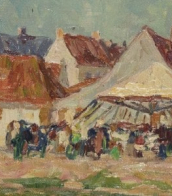
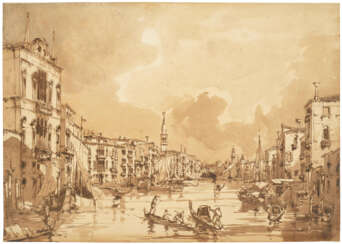

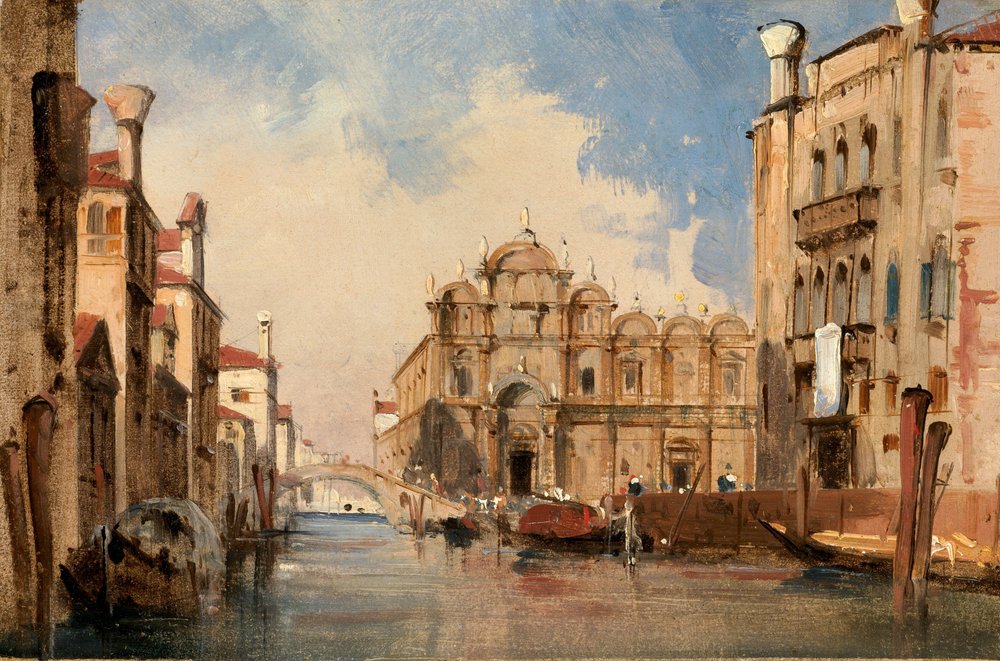
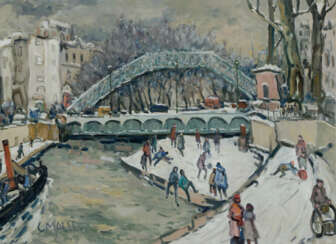

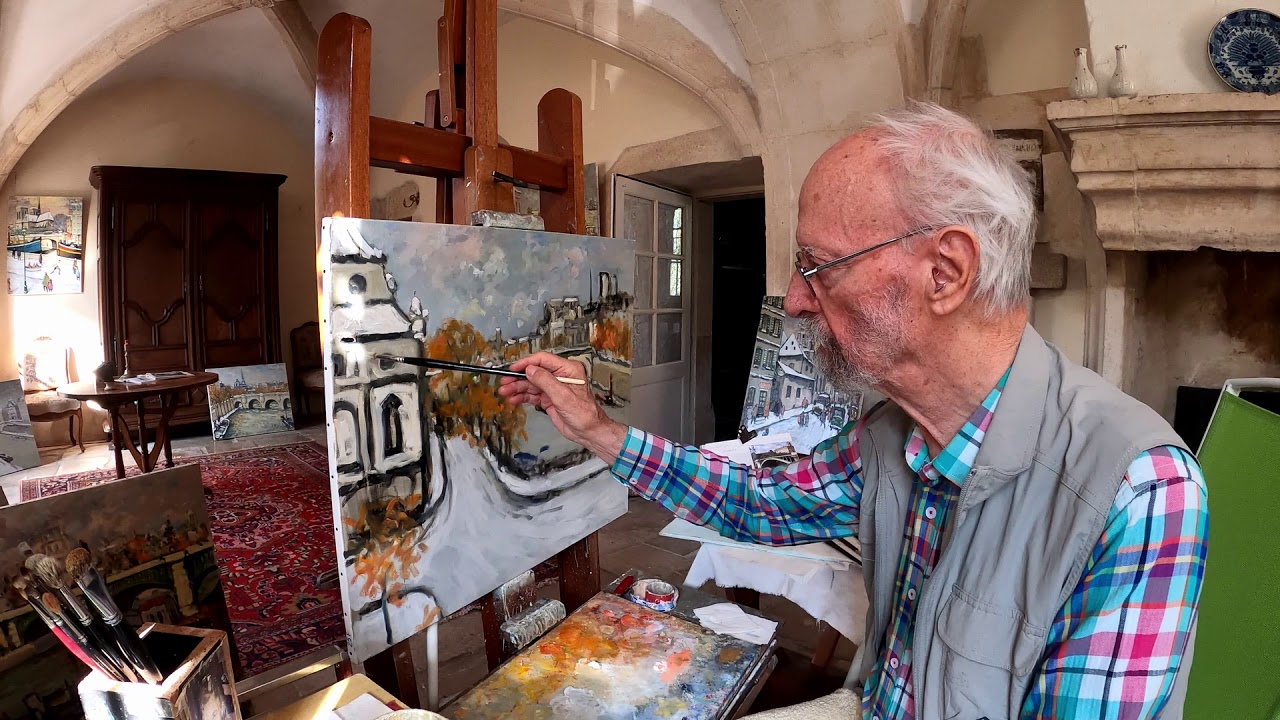
Charles Malle, born Charles Gleize, is a French artist. Mallet's work is varied and includes works of various styles and techniques, from impressionist cityscapes to abstract and minimalist works.
Mallet studied at the École des Beaux-Arts in Paris in the 1950s. Mallet's early work was figurative and representational, painting cityscapes in the Impressionist style. However, he later moved away from this style and became associated with the Support/Surface movement in France, which sought to question the nature of painting and sculpture through abstraction and deconstruction of form.
Mallet's later work from the 1970s onwards is characterised by geometric forms, bold colours and flat surfaces. He often worked in series, exploring variations on a particular theme or concept. He also created sculptures and installations using materials such as metal, wood and fabric.
Mallet's work has been exhibited in galleries and museums around the world, including the Centre Pompidou in Paris, the Museum of Modern Art in New York and the Stedelijk Museum in Amsterdam. He has also been the subject of several retrospectives, including one at the Museum of Modern and Contemporary Art in Nice in 2009.
Mallet continues to work and exhibit his art today, and is considered one of the leading figures of the contemporary French art scene.
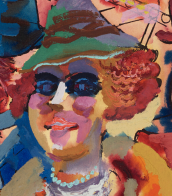
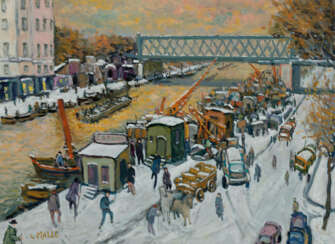

Charles Malle, born Charles Gleize, is a French artist. Mallet's work is varied and includes works of various styles and techniques, from impressionist cityscapes to abstract and minimalist works.
Mallet studied at the École des Beaux-Arts in Paris in the 1950s. Mallet's early work was figurative and representational, painting cityscapes in the Impressionist style. However, he later moved away from this style and became associated with the Support/Surface movement in France, which sought to question the nature of painting and sculpture through abstraction and deconstruction of form.
Mallet's later work from the 1970s onwards is characterised by geometric forms, bold colours and flat surfaces. He often worked in series, exploring variations on a particular theme or concept. He also created sculptures and installations using materials such as metal, wood and fabric.
Mallet's work has been exhibited in galleries and museums around the world, including the Centre Pompidou in Paris, the Museum of Modern Art in New York and the Stedelijk Museum in Amsterdam. He has also been the subject of several retrospectives, including one at the Museum of Modern and Contemporary Art in Nice in 2009.
Mallet continues to work and exhibit his art today, and is considered one of the leading figures of the contemporary French art scene.
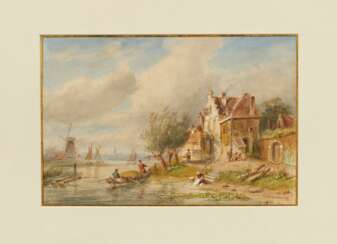

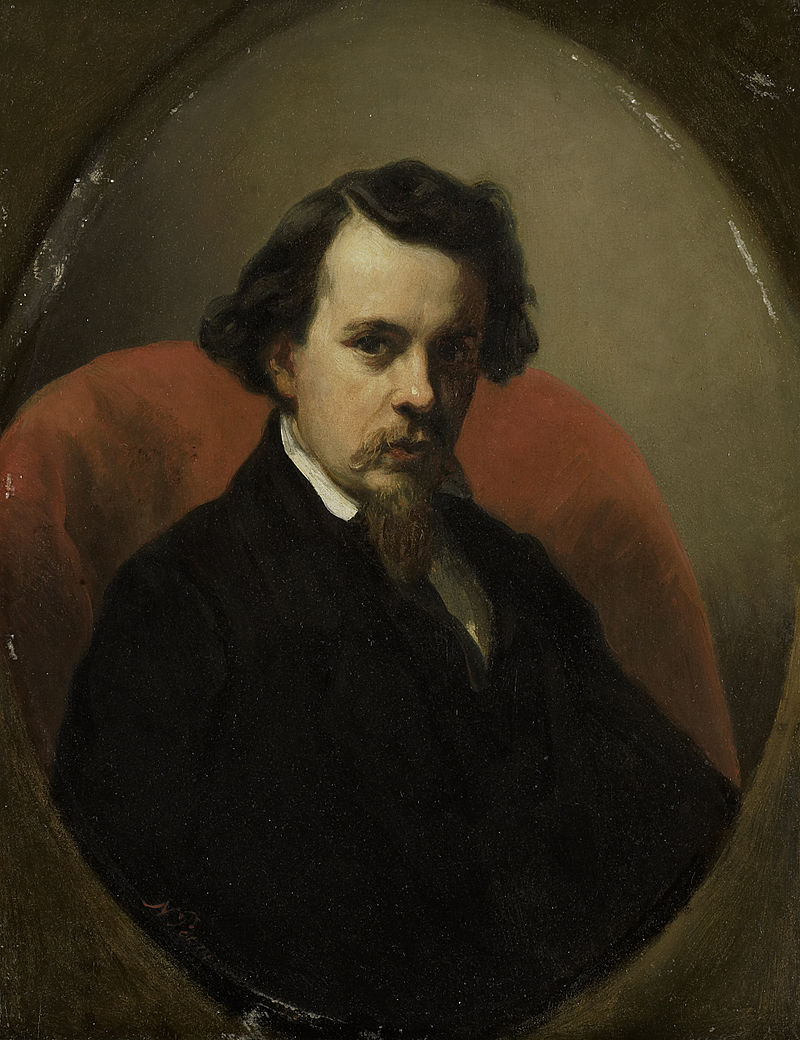
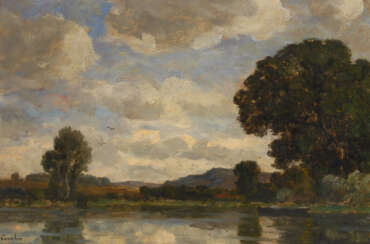
Charles Henri Joseph Leickert was a Belgian painter of Dutch landscapes. As a specialist in winter landscapes, he explored the nuances of the evening sky and the rosy-fingered dawn.
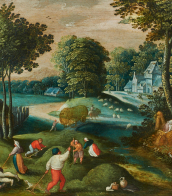


Charles Henri Joseph Leickert was a Belgian painter of Dutch landscapes. As a specialist in winter landscapes, he explored the nuances of the evening sky and the rosy-fingered dawn.


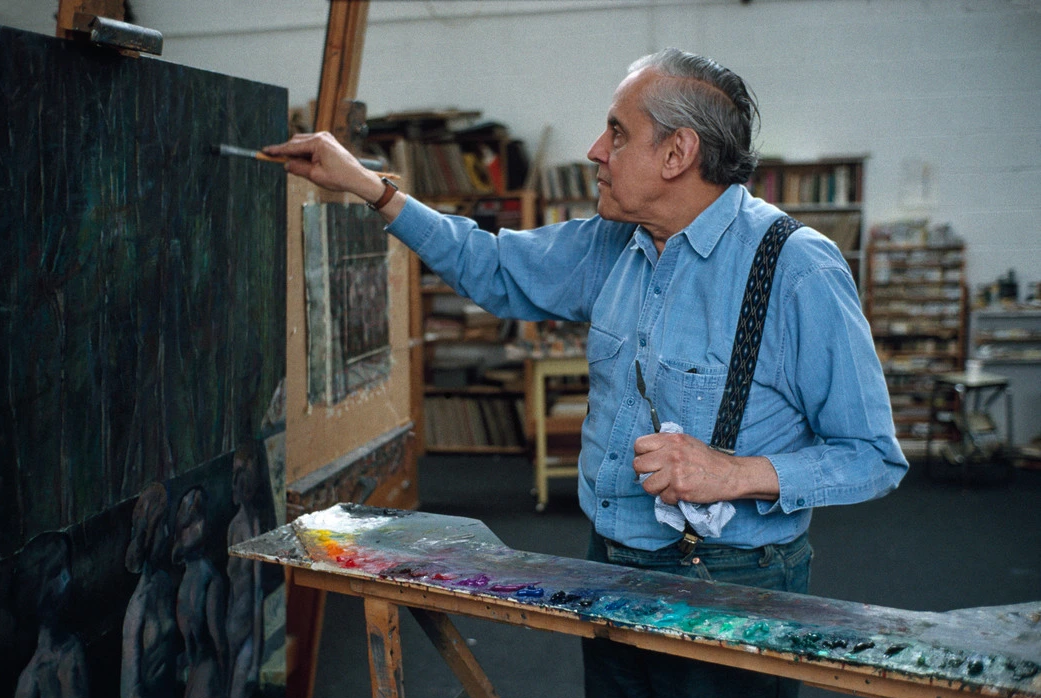

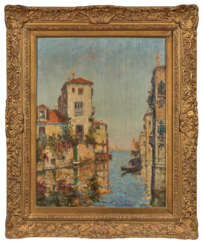

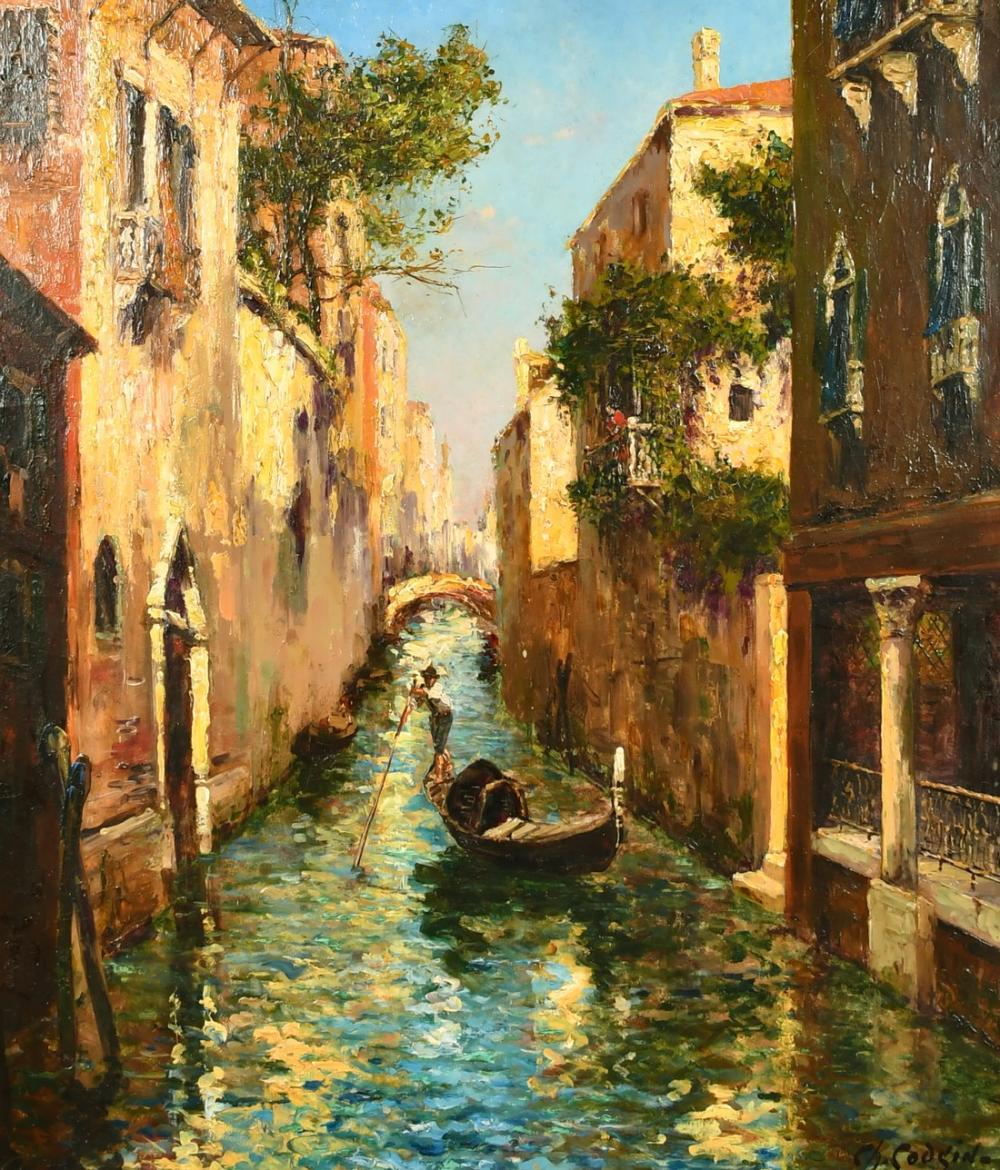
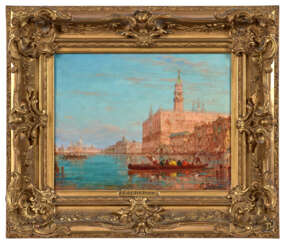

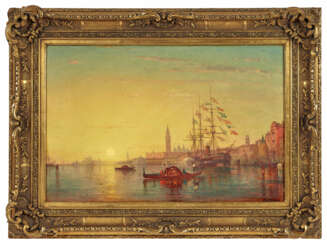

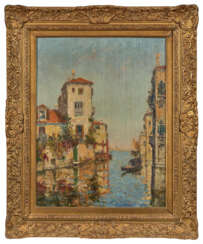




Henri Eugène Le Sidaner was a French painter known for his intimate, atmospheric landscapes and still-life paintings. He was born in Port Louis, Mauritius, but grew up in northern France and studied art at the École des Beaux-Arts in Paris.
Le Sidaner's early work was influenced by the Impressionists, but he later developed his own distinctive style characterized by a subdued palette, soft brushwork, and a focus on capturing the effects of light and atmosphere. His paintings often depict gardens, parks, and rural landscapes, as well as interiors and still-life arrangements.
Le Sidaner was also known for his use of light and shadow, which he used to create a sense of depth and mood in his paintings. He was particularly interested in the way that light and shadow interacted in interior spaces, and many of his paintings depict quiet, contemplative scenes bathed in a soft, diffuse light.
Le Sidaner's work was widely exhibited during his lifetime, and he received many awards and honors, including the Legion of Honor in France. His paintings are now included in many important collections, including the Musée d'Orsay in Paris and the Metropolitan Museum of Art in New York.
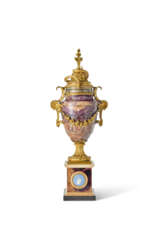

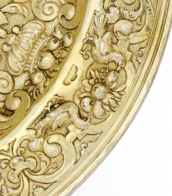
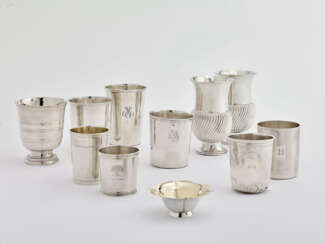

.jpg)
Jean Elysée Puiforcat was a French silversmith, sculptor and designer. Miller's Antiques Encyclopedia calls Puiforcat the «most important French Art Deco silversmith».
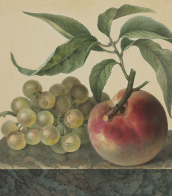
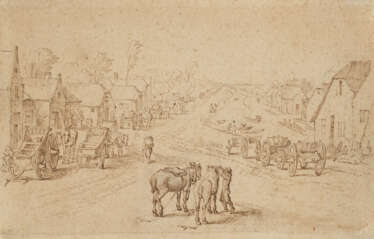

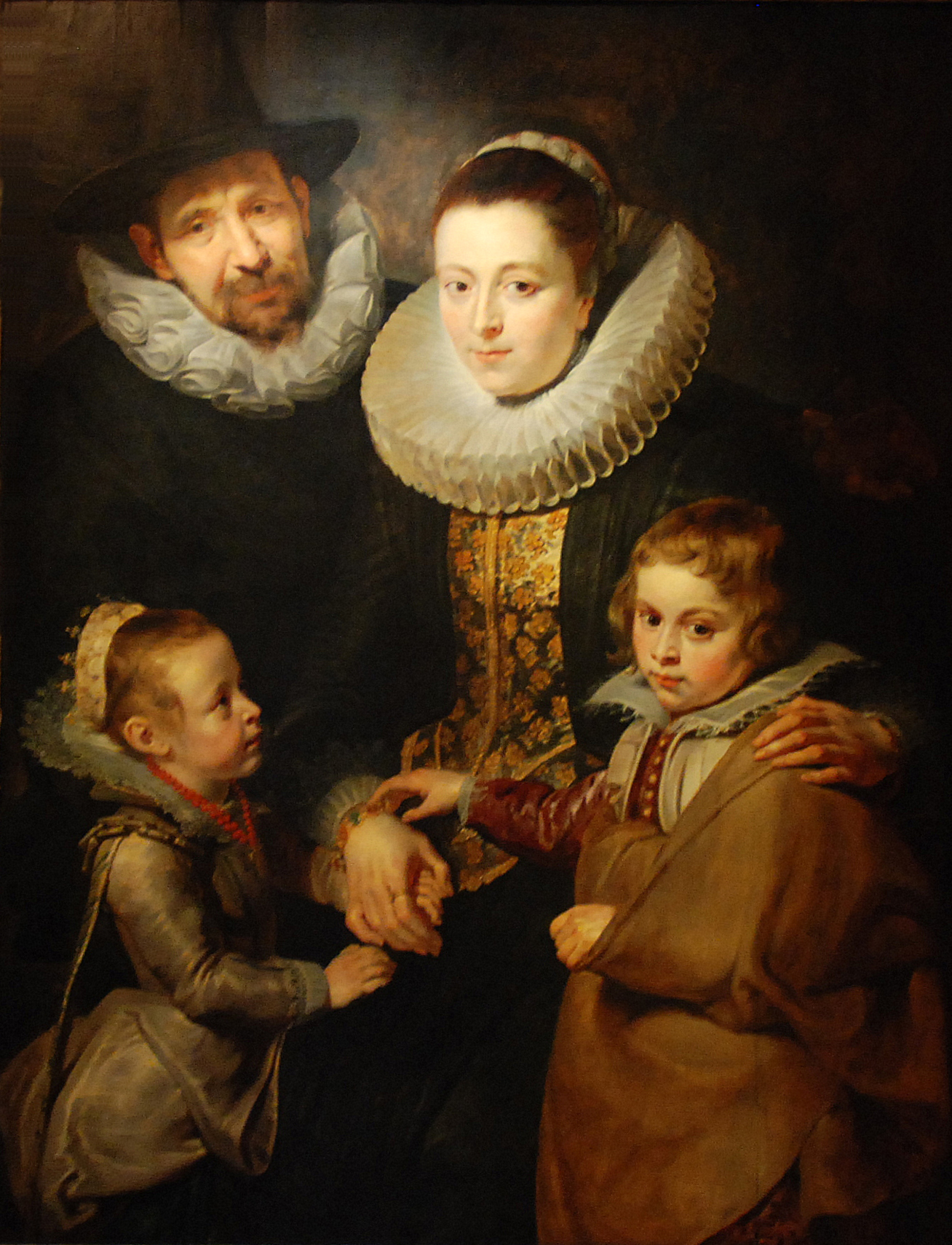
Jan Brueghel the Elder, a Flemish painter born in 1568 in Brussels, was a pivotal figure in the Baroque period known for his intricate landscapes, detailed still lifes, and genre scenes. The son of Pieter Bruegel the Elder, Jan was distinguished by his delicate brushwork, earning him the nicknames "Velvet" Brueghel, "Flower" Brueghel, and "Paradise" Brueghel, each reflecting a different aspect of his versatile artistic output. His monikers refer to his skill in rendering fabrics, his specialization in flower still lifes, and his creation of the paradise landscape genre, respectively.
After early training in Brussels, possibly under the guidance of his grandmother Mayken Verhulst, and further studies in Antwerp, Brueghel ventured to Italy, where he worked in Rome under the patronage of Cardinal Ascanio Colonna and met influential artists like Paul Bril. His Italian sojourn greatly influenced his style, especially in landscape painting. Upon returning to Antwerp, he established a flourishing workshop and became a master in the Guild of St. Luke. Brueghel's collaborations with Peter Paul Rubens are among the most celebrated in art history, showcasing a harmonious blend of landscape and figure painting.
Jan Brueghel the Elder's works are prized for their vibrant depiction of nature and meticulous attention to detail. His landscapes are not just backdrops but are lively settings filled with rich narratives and a variety of creatures, reflecting his deep appreciation for the natural world. His flower pieces are equally renowned for their variety and realism, often serving as allegorical or symbolic representations.
Brueghel's legacy extends beyond his paintings; he was a pivotal figure in the Antwerp artistic community, serving as dean of the Guild of St. Luke and court painter to the Archduke Albert of Austria and the Infanta Isabella Clara Eugenia of Spain. His influence continued through his children, with his son Jan Brueghel the Younger continuing his workshop and maintaining the family's artistic traditions.
For collectors and experts in art and antiques, Jan Brueghel the Elder's works represent a high point in Flemish Baroque art, offering a glimpse into the era's aesthetic values and the artist's profound observation of the world around him. His paintings, found in museums and galleries worldwide, continue to captivate audiences with their beauty and depth.
To stay informed about new discoveries, sales, and auction events related to Jan Brueghel the Elder's work, consider signing up for updates. This subscription will ensure that you are always in the know about opportunities to engage with the enduring art of this Flemish master.
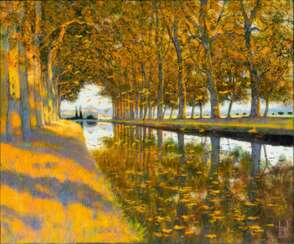

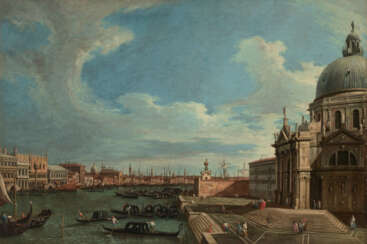

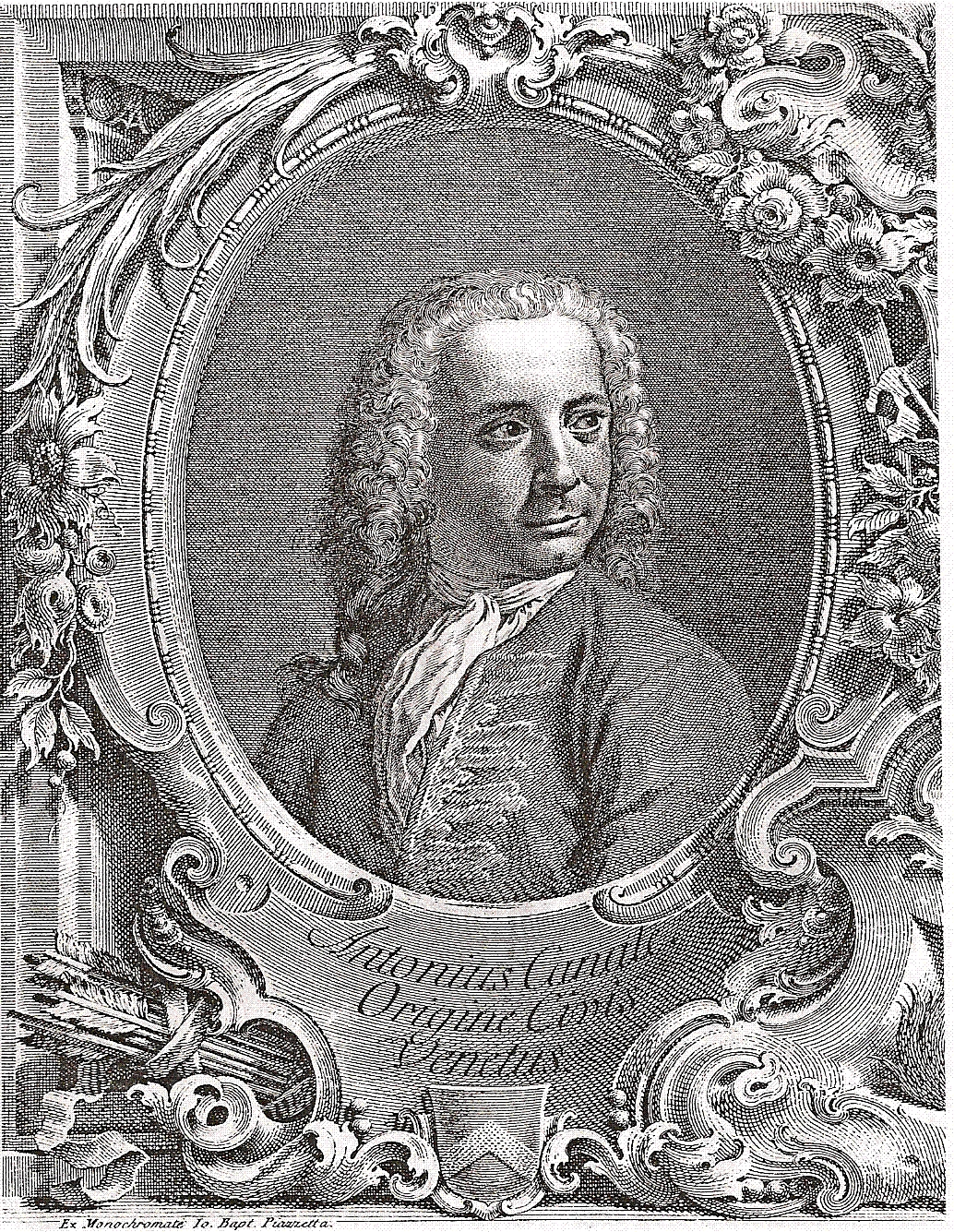
Canaletto, born Giovanni Antonio Canal, was an illustrious Italian painter celebrated for his masterful cityscapes, particularly of Venice and London. Emerging as a topographical painter after 1719, Canaletto became renowned for his detailed and atmospheric views, known as vedute, which captured the essence of Venice and London with a unique blend of accuracy and artistic embellishment. Despite using a camera obscura to achieve precision in his architectural details, Canaletto often infused his paintings with creative adjustments to enhance their appeal.
His early works, such as "The Stonemason's Yard," are particularly prized for their vivid portrayal of Venice's daily life and architectural beauty. Canaletto's paintings were highly sought after by English aristocrats during their Grand Tours, leading him to spend a significant period in England, where he continued to produce esteemed works capturing the English landscape and urban scenes.
Despite his international success, Canaletto's work was less appreciated in his native Venice during his lifetime, only gaining broader recognition and appreciation in later years. His legacy, however, has had a lasting impact on landscape painting, influencing future generations of artists.
If you're interested in staying updated on art exhibitions and auctions featuring Canaletto's work, consider signing up for newsletters from art galleries or auction houses that specialize in historical artworks. This way, you'll be informed about new sales and exhibition events related to Canaletto without any exaggerated language or promises.