levi uk


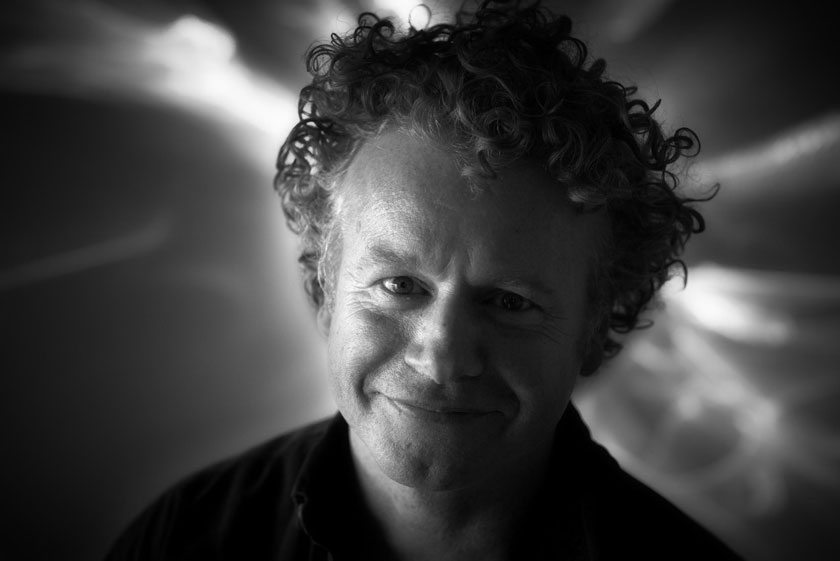
Chris Levine is a British photographic artist known for his interdisciplinary approach to photography.
Chris Levine is an artist of light who works with various mediums in search of an expanded state of perception and awareness through image and form. Levin's practice across multiple projects is distinguished by the cross-fertilization of many creative fields, including music, performance, installation, fashion and design.
He became widely known when he created the sensational portrait of Her Majesty Queen Elizabeth II, based on light and stillness, a completely new image of the most famous woman in the world.

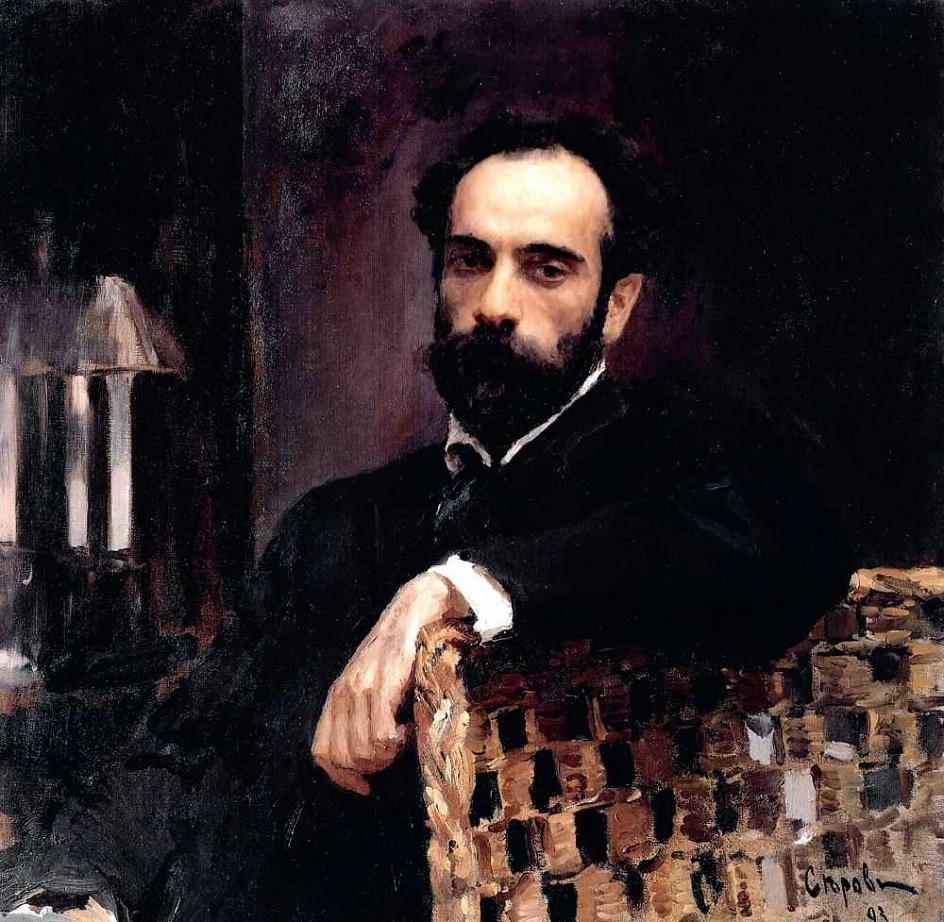
Isaac Ilyich Levitan (Russian: Исаак Ильич Левитан) was a distinguished Russian artist, celebrated for his profound contributions to the world of landscape painting. Born in 1860, Levitan's work is emblematic of the Russian landscape genre, capturing the emotive and atmospheric essence of the country's natural scenery. His artistry is not merely a depiction of the physical landscape but an exploration of the human emotion intertwined with the natural world, making his work resonate deeply with art collectors and experts alike.
Levitan's ability to infuse his landscapes with mood and emotion set him apart from his contemporaries. His paintings such as "The Vladimirka Road," "Above Eternal Peace," and "Golden Autumn" are lauded for their technical brilliance and emotive power. These works are showcased in prestigious museums, including the Tretyakov Gallery in Moscow, highlighting his importance in Russian culture and art history. Levitan's mastery in capturing the subtle transitions of light and his delicate portrayal of the seasons convey a profound sense of place and time, offering viewers a transcendent experience.
As an artist, Levitan's influence extends beyond his canvases, contributing significantly to the development of Russian landscape painting. His work embodies a unique blend of realism and impressionism, reflecting a deep connection to the Russian countryside. For collectors and experts in art and antiques, Levitan's paintings represent not only aesthetic beauty but also a rich cultural heritage. His legacy continues to inspire and captivate audiences, underscoring his status as a pivotal figure in the art world.
For those passionate about the intricacies of culture, art, and the storied canvas of history, Isaac Ilyich Levitan's oeuvre offers an unparalleled exploration of the Russian soul through landscape. We invite collectors and art enthusiasts to sign up for updates on new product sales and auction events related to Levitan's work. This subscription is your gateway to owning a piece of Russian artistic heritage, where the beauty of Levitan's landscapes can become a cherished part of your collection.
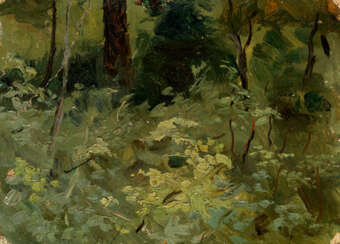

Isaac Ilyich Levitan (Russian: Исаак Ильич Левитан) was a distinguished Russian artist, celebrated for his profound contributions to the world of landscape painting. Born in 1860, Levitan's work is emblematic of the Russian landscape genre, capturing the emotive and atmospheric essence of the country's natural scenery. His artistry is not merely a depiction of the physical landscape but an exploration of the human emotion intertwined with the natural world, making his work resonate deeply with art collectors and experts alike.
Levitan's ability to infuse his landscapes with mood and emotion set him apart from his contemporaries. His paintings such as "The Vladimirka Road," "Above Eternal Peace," and "Golden Autumn" are lauded for their technical brilliance and emotive power. These works are showcased in prestigious museums, including the Tretyakov Gallery in Moscow, highlighting his importance in Russian culture and art history. Levitan's mastery in capturing the subtle transitions of light and his delicate portrayal of the seasons convey a profound sense of place and time, offering viewers a transcendent experience.
As an artist, Levitan's influence extends beyond his canvases, contributing significantly to the development of Russian landscape painting. His work embodies a unique blend of realism and impressionism, reflecting a deep connection to the Russian countryside. For collectors and experts in art and antiques, Levitan's paintings represent not only aesthetic beauty but also a rich cultural heritage. His legacy continues to inspire and captivate audiences, underscoring his status as a pivotal figure in the art world.
For those passionate about the intricacies of culture, art, and the storied canvas of history, Isaac Ilyich Levitan's oeuvre offers an unparalleled exploration of the Russian soul through landscape. We invite collectors and art enthusiasts to sign up for updates on new product sales and auction events related to Levitan's work. This subscription is your gateway to owning a piece of Russian artistic heritage, where the beauty of Levitan's landscapes can become a cherished part of your collection.
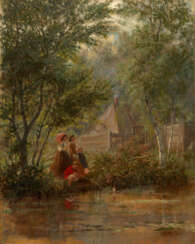

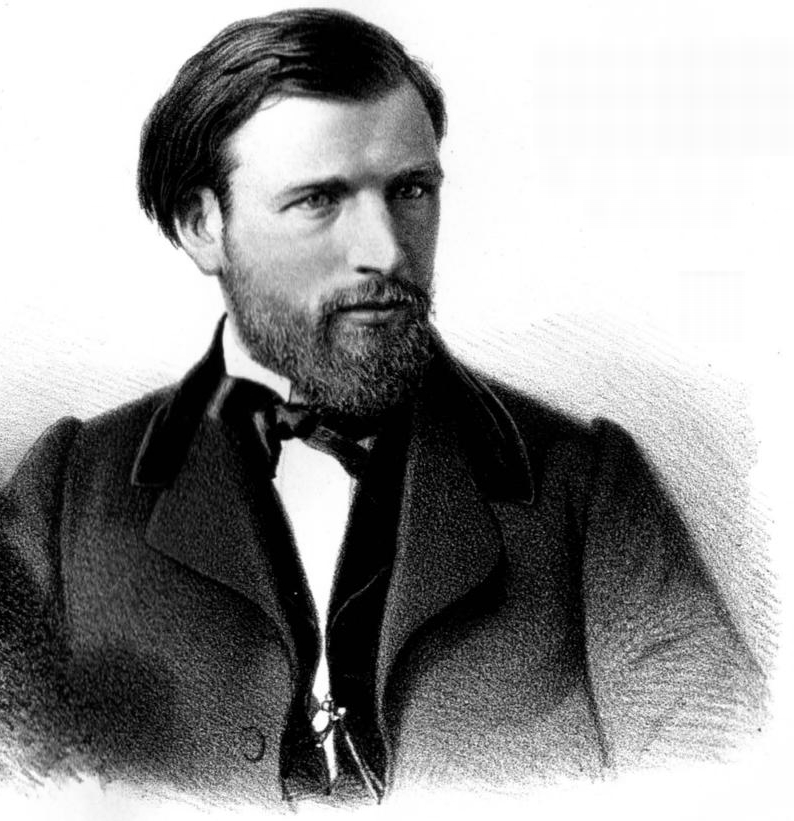
Lev Feliksovich Lagorio (Russian: Лев Феликсович Лагорио) was a Russian painter known for his exquisite seascapes and coastal landscapes. Born in 1827 in Feodosia, Crimea, Lagorio's Italian heritage and Russian upbringing greatly influenced his artistic style.
Lagorio's paintings are celebrated for their vibrant use of color and meticulous attention to detail, capturing the dynamic beauty of the sea and coastal environments. His works often depict serene seascapes, bustling ports, and dramatic coastal scenes, showcasing his ability to convey both tranquility and movement in nature. His technique involved capturing the subtle interplay of light and shadow, giving his paintings a lifelike quality.
Some of Lagorio's notable works include "View of the Caucasus Mountains from the Sea" and "Storm on the Black Sea," which are housed in prestigious institutions such as the State Russian Museum in St. Petersburg. Collectors and art enthusiasts highly value his contributions to maritime art.
For those interested in exploring the works of Lev Feliksovich Lagorio, signing up for updates on upcoming auctions and sales can provide exclusive access to new opportunities. Stay informed about the latest offerings by subscribing to our newsletter focused on Lagorio's masterpieces.


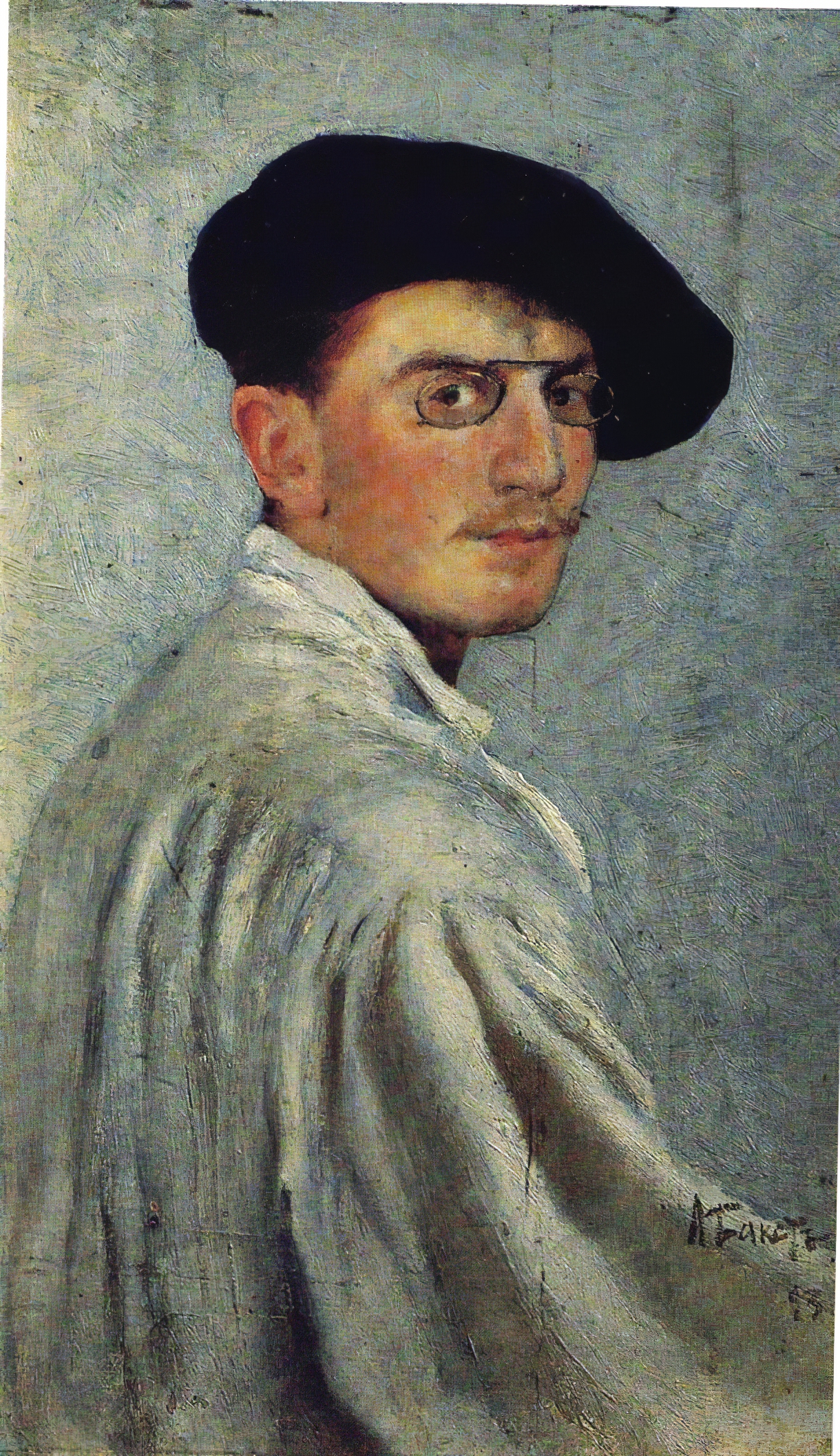
Leon Bakst (Russian: Лев Самойлович Бакст) was a prominent Russian painter and stage designer, celebrated for his innovative contributions to the world of art and theater. Born in the late 19th century, Bakst became a central figure in the cultural renaissance that swept through Russia and Europe, leaving an indelible mark on the visual and performing arts.
Bakst's work is distinguished by its rich use of color, intricate patterns, and imaginative compositions, which brought to life the exotic and often fantastical themes of the ballets and operas for which he designed. His association with the Ballets Russes, a groundbreaking ballet company that performed across Europe and America, solidified his reputation as a visionary artist. The costumes and sets he created for productions like "The Firebird" and "Scheherazade" were celebrated for their creativity and exoticism, influencing not only the world of theater but also fashion and interior design.
His art extends beyond the stage, with paintings and illustrations that capture the same vibrancy and innovation found in his theatrical work. Museums and galleries around the world, including the State Russian Museum in St. Petersburg and the Metropolitan Museum of Art in New York, house his works, allowing art lovers to experience the magic of Bakst's creations.
For collectors and experts in art and antiques, Leon Bakst's work offers a unique glimpse into a transformative period of cultural history, where the boundaries of art and performance were reimagined. His legacy continues to inspire and captivate, making his pieces highly sought after in the art world.
We invite enthusiasts and collectors to sign up for updates on new product sales and auction events related to Leon Bakst. This subscription ensures you remain informed about opportunities to acquire pieces connected to this extraordinary artist's legacy, without any overbearing commitments. Join us in celebrating the enduring impact of Leon Bakst's art and design.


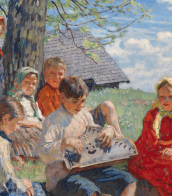
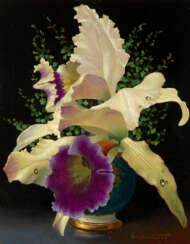

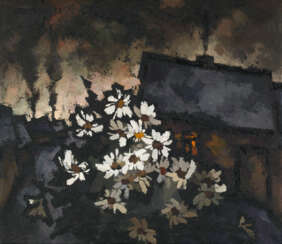

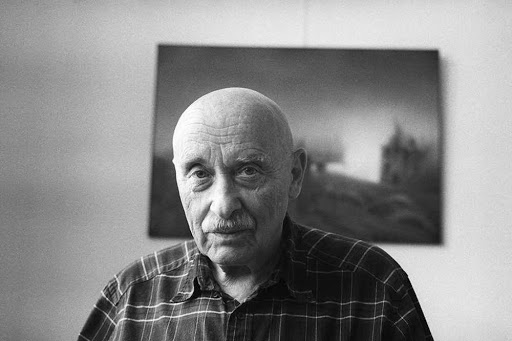
Oscar Yakovlevich Rabin (Russian: Оскар Яковлевич Рабин) was a Soviet and French artist of the second half of the twentieth and early twenty-first centuries. He is known as a nonconformist painter, one of the founders of the unofficial art group "Lianozovo", the organizer of the famous "Bulldozer Exhibition".
Oscar Rabin created works using the surrounding life as a material, turning ordinary objects into symbols and reflecting in his work the influence of European Expressionism of the 1920s. His preferred genres were landscape, still life and interiors. The artist used perspective distortion and warping in his work, which created unique and impressive compositions.
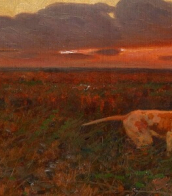
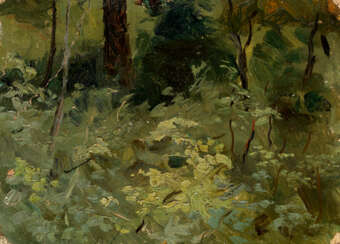

Isaac Ilyich Levitan (Russian: Исаак Ильич Левитан) was a distinguished Russian artist, celebrated for his profound contributions to the world of landscape painting. Born in 1860, Levitan's work is emblematic of the Russian landscape genre, capturing the emotive and atmospheric essence of the country's natural scenery. His artistry is not merely a depiction of the physical landscape but an exploration of the human emotion intertwined with the natural world, making his work resonate deeply with art collectors and experts alike.
Levitan's ability to infuse his landscapes with mood and emotion set him apart from his contemporaries. His paintings such as "The Vladimirka Road," "Above Eternal Peace," and "Golden Autumn" are lauded for their technical brilliance and emotive power. These works are showcased in prestigious museums, including the Tretyakov Gallery in Moscow, highlighting his importance in Russian culture and art history. Levitan's mastery in capturing the subtle transitions of light and his delicate portrayal of the seasons convey a profound sense of place and time, offering viewers a transcendent experience.
As an artist, Levitan's influence extends beyond his canvases, contributing significantly to the development of Russian landscape painting. His work embodies a unique blend of realism and impressionism, reflecting a deep connection to the Russian countryside. For collectors and experts in art and antiques, Levitan's paintings represent not only aesthetic beauty but also a rich cultural heritage. His legacy continues to inspire and captivate audiences, underscoring his status as a pivotal figure in the art world.
For those passionate about the intricacies of culture, art, and the storied canvas of history, Isaac Ilyich Levitan's oeuvre offers an unparalleled exploration of the Russian soul through landscape. We invite collectors and art enthusiasts to sign up for updates on new product sales and auction events related to Levitan's work. This subscription is your gateway to owning a piece of Russian artistic heritage, where the beauty of Levitan's landscapes can become a cherished part of your collection.
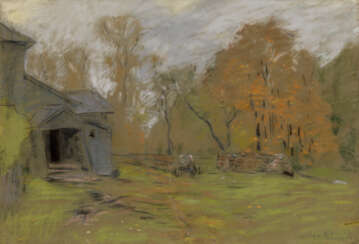

Isaac Ilyich Levitan (Russian: Исаак Ильич Левитан) was a distinguished Russian artist, celebrated for his profound contributions to the world of landscape painting. Born in 1860, Levitan's work is emblematic of the Russian landscape genre, capturing the emotive and atmospheric essence of the country's natural scenery. His artistry is not merely a depiction of the physical landscape but an exploration of the human emotion intertwined with the natural world, making his work resonate deeply with art collectors and experts alike.
Levitan's ability to infuse his landscapes with mood and emotion set him apart from his contemporaries. His paintings such as "The Vladimirka Road," "Above Eternal Peace," and "Golden Autumn" are lauded for their technical brilliance and emotive power. These works are showcased in prestigious museums, including the Tretyakov Gallery in Moscow, highlighting his importance in Russian culture and art history. Levitan's mastery in capturing the subtle transitions of light and his delicate portrayal of the seasons convey a profound sense of place and time, offering viewers a transcendent experience.
As an artist, Levitan's influence extends beyond his canvases, contributing significantly to the development of Russian landscape painting. His work embodies a unique blend of realism and impressionism, reflecting a deep connection to the Russian countryside. For collectors and experts in art and antiques, Levitan's paintings represent not only aesthetic beauty but also a rich cultural heritage. His legacy continues to inspire and captivate audiences, underscoring his status as a pivotal figure in the art world.
For those passionate about the intricacies of culture, art, and the storied canvas of history, Isaac Ilyich Levitan's oeuvre offers an unparalleled exploration of the Russian soul through landscape. We invite collectors and art enthusiasts to sign up for updates on new product sales and auction events related to Levitan's work. This subscription is your gateway to owning a piece of Russian artistic heritage, where the beauty of Levitan's landscapes can become a cherished part of your collection.
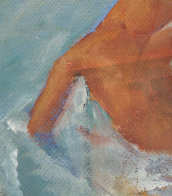
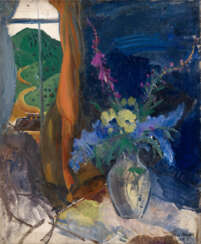

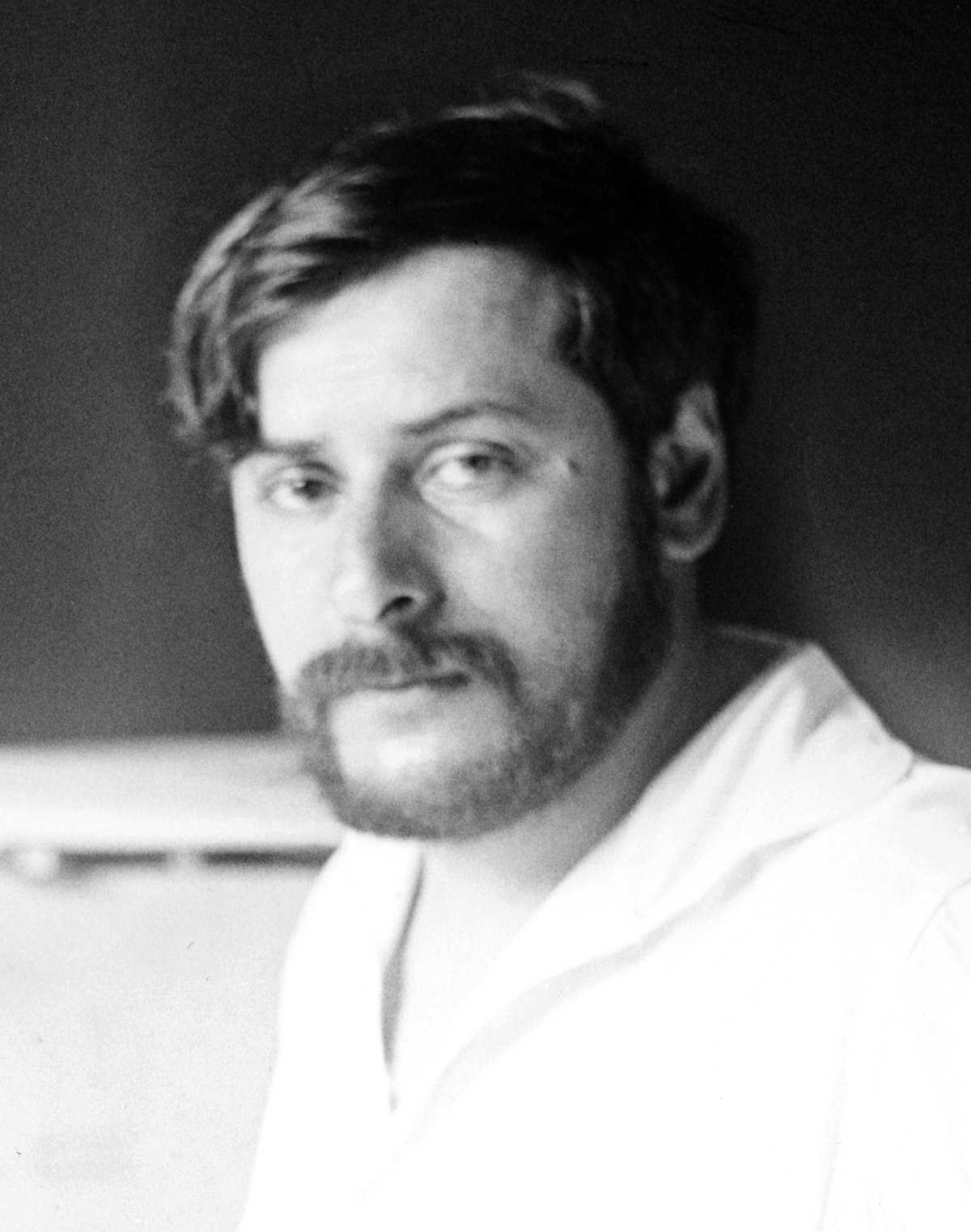
Boris Izraelievich Anisfeld (Russian: Борис Израилевич Анисфельд) was a Russian-American painter, set designer, illustrator, and educator, celebrated for his vivid use of color and imaginative scenery. Born in Bessarabia, Russian Empire, in 1878, Anisfeld's artistic journey led him from the Odessa School of Art to the Imperial Academy of Arts in Saint Petersburg, where he absorbed the influences of prominent artists like Ilya Repin and Igor Grabar. His distinct style caught the attention of Sergei Diaghilev, leading to his work with the Ballet Russe before World War I.
Anisfeld's contributions to art extend beyond his canvas, as his theater designs for Diaghilev's Ballets Russes and collaborations with notable figures like Michel Fokine and Anna Pavlova showcased his ability to blend fantasy with performance. His work with the Ballets Russes, including designing the production of "Sadko" and executing the visions of other celebrated artists for stage sets, marked a significant period in his career before he immigrated to the United States in 1917.
In America, Anisfeld continued his legacy, taking on roles such as a teacher at the Art Institute of Chicago and contributing to the cultural landscape through his stage designs and paintings. His work is recognized for its innovative approach to color and form, bridging the realms of painting and theater design to create immersive, emotionally resonant artworks. Anisfeld passed away in 1973, leaving behind a body of work that continues to inspire and captivate audiences.
For collectors and experts in art and antiques, Anisfeld's work represents a fusion of Russian and American art traditions, enriched by his imaginative approach and vibrant palette. His contributions to the development of modern art and theater design underscore the enduring relevance of his creative vision.
To stay updated on exhibitions, sales, and auctions related to Boris Israelievich Anisfeld, sign up for updates. This subscription will ensure you're informed about new opportunities to explore and acquire works by this influential artist.
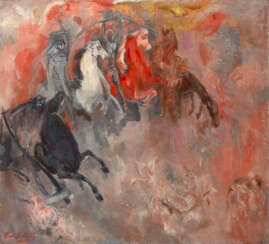

Boris Izraelievich Anisfeld (Russian: Борис Израилевич Анисфельд) was a Russian-American painter, set designer, illustrator, and educator, celebrated for his vivid use of color and imaginative scenery. Born in Bessarabia, Russian Empire, in 1878, Anisfeld's artistic journey led him from the Odessa School of Art to the Imperial Academy of Arts in Saint Petersburg, where he absorbed the influences of prominent artists like Ilya Repin and Igor Grabar. His distinct style caught the attention of Sergei Diaghilev, leading to his work with the Ballet Russe before World War I.
Anisfeld's contributions to art extend beyond his canvas, as his theater designs for Diaghilev's Ballets Russes and collaborations with notable figures like Michel Fokine and Anna Pavlova showcased his ability to blend fantasy with performance. His work with the Ballets Russes, including designing the production of "Sadko" and executing the visions of other celebrated artists for stage sets, marked a significant period in his career before he immigrated to the United States in 1917.
In America, Anisfeld continued his legacy, taking on roles such as a teacher at the Art Institute of Chicago and contributing to the cultural landscape through his stage designs and paintings. His work is recognized for its innovative approach to color and form, bridging the realms of painting and theater design to create immersive, emotionally resonant artworks. Anisfeld passed away in 1973, leaving behind a body of work that continues to inspire and captivate audiences.
For collectors and experts in art and antiques, Anisfeld's work represents a fusion of Russian and American art traditions, enriched by his imaginative approach and vibrant palette. His contributions to the development of modern art and theater design underscore the enduring relevance of his creative vision.
To stay updated on exhibitions, sales, and auctions related to Boris Israelievich Anisfeld, sign up for updates. This subscription will ensure you're informed about new opportunities to explore and acquire works by this influential artist.
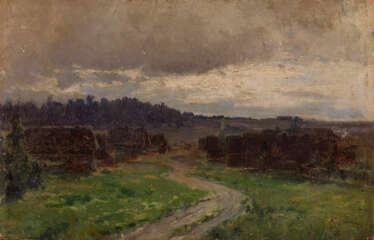

Isaac Ilyich Levitan (Russian: Исаак Ильич Левитан) was a distinguished Russian artist, celebrated for his profound contributions to the world of landscape painting. Born in 1860, Levitan's work is emblematic of the Russian landscape genre, capturing the emotive and atmospheric essence of the country's natural scenery. His artistry is not merely a depiction of the physical landscape but an exploration of the human emotion intertwined with the natural world, making his work resonate deeply with art collectors and experts alike.
Levitan's ability to infuse his landscapes with mood and emotion set him apart from his contemporaries. His paintings such as "The Vladimirka Road," "Above Eternal Peace," and "Golden Autumn" are lauded for their technical brilliance and emotive power. These works are showcased in prestigious museums, including the Tretyakov Gallery in Moscow, highlighting his importance in Russian culture and art history. Levitan's mastery in capturing the subtle transitions of light and his delicate portrayal of the seasons convey a profound sense of place and time, offering viewers a transcendent experience.
As an artist, Levitan's influence extends beyond his canvases, contributing significantly to the development of Russian landscape painting. His work embodies a unique blend of realism and impressionism, reflecting a deep connection to the Russian countryside. For collectors and experts in art and antiques, Levitan's paintings represent not only aesthetic beauty but also a rich cultural heritage. His legacy continues to inspire and captivate audiences, underscoring his status as a pivotal figure in the art world.
For those passionate about the intricacies of culture, art, and the storied canvas of history, Isaac Ilyich Levitan's oeuvre offers an unparalleled exploration of the Russian soul through landscape. We invite collectors and art enthusiasts to sign up for updates on new product sales and auction events related to Levitan's work. This subscription is your gateway to owning a piece of Russian artistic heritage, where the beauty of Levitan's landscapes can become a cherished part of your collection.


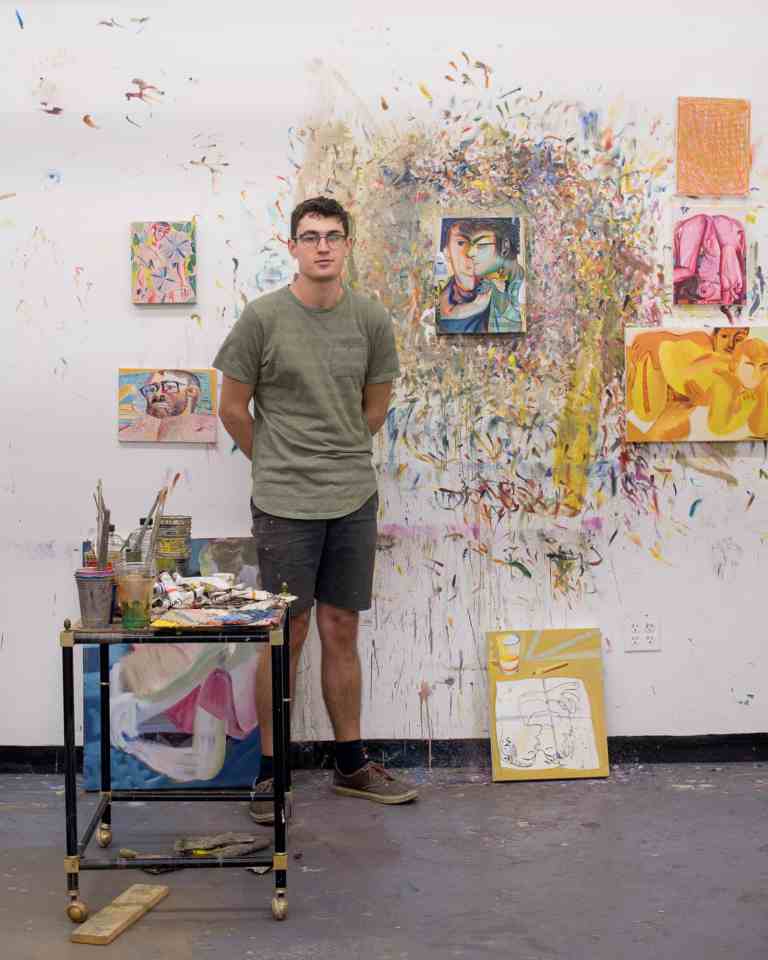

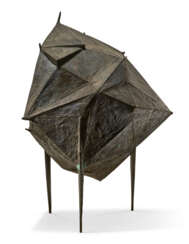

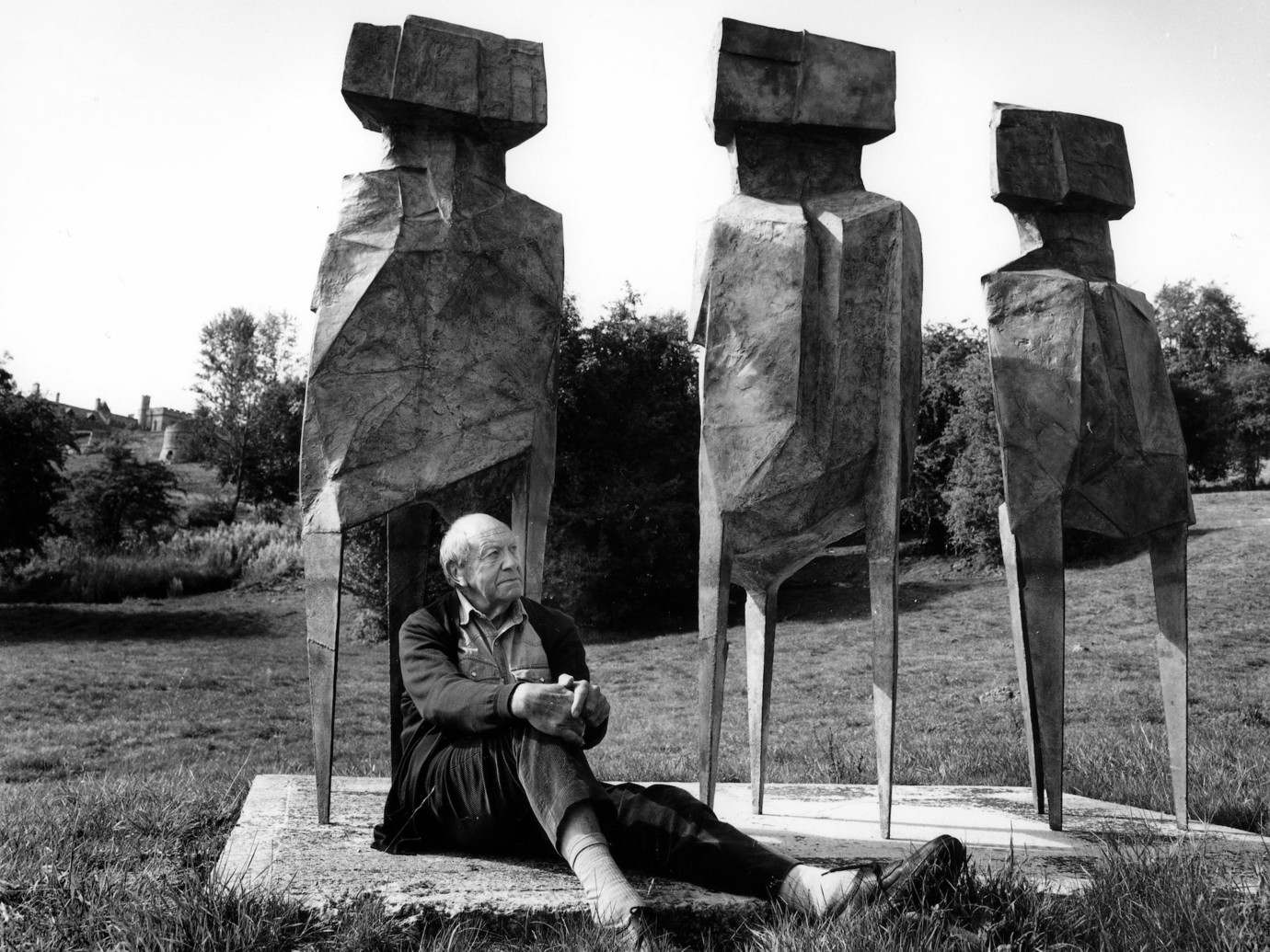
Lynn Russell Chadwick was an English sculptor and artist. Much of his work is semi-abstract sculpture in bronze or steel.


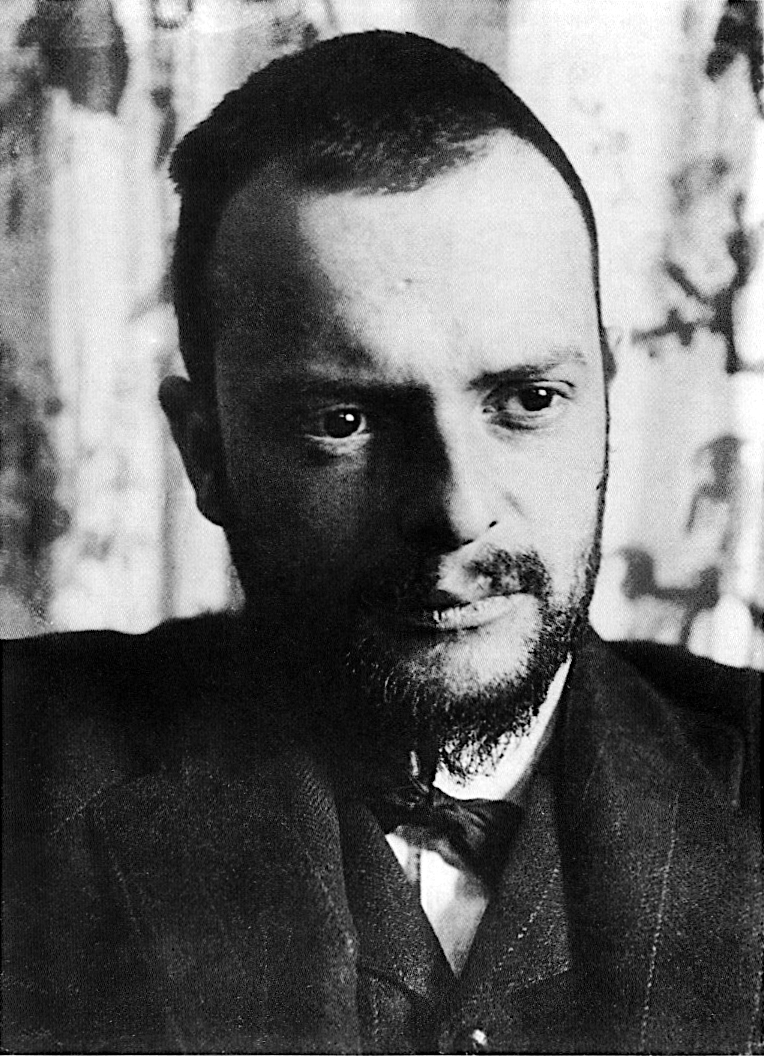
Paul Klee, a Swiss-born German artist, was renowned for his unique contribution to the art world, blending elements from expressionism, cubism, and surrealism. Born on December 18, 1879, in Münchenbuchsee, Switzerland, Klee was the second child of a German music teacher and a Swiss singer. Despite early musical talent, Klee pursued visual arts, influenced by a dissatisfaction with the state of modern music and a desire for creative freedom.
Klee's artistic journey began in earnest after he decided against a career in music, despite his exceptional skills with the violin. His education at the Academy of Fine Arts in Munich under the guidance of Heinrich Knirr and Franz von Stuck was crucial in shaping his artistic direction. Although he struggled with color initially, Klee later became a master of color theory, a transition marked by his transformative visit to Tunisia in 1914. This trip was a pivotal moment, leading Klee to declare, "Color and I are one. I am a painter".
Throughout his career, Klee's work was characterized by a profound sense of experimentation and innovation. He explored the boundaries of abstract art, drawing inspiration from his vast interests, including literature, music, and his own theories on art and aesthetics. His lectures on form and design theory at the Bauhaus, where he taught alongside luminaries like Wassily Kandinsky, are considered as seminal to modern art as Leonardo da Vinci's treatises were to the Renaissance.
Klee's art is celebrated for its intricacy, humor, and the ability to express complex themes through seemingly simplistic and childlike forms. His notable works, such as "Twittering Machine" (1922) and "Highway and Byways" (1928), showcase his skill in using color, shape, and line to evoke depth and emotion.
For collectors and art and antiques experts, Klee's legacy is a testament to the power of innovation and the search for personal expression within the avant-garde movements of the 20th century. His works, housed in prestigious museums and galleries around the world, continue to inspire and intrigue.
If you're passionate about art and wish to stay informed about new discoveries and sales related to Paul Klee's works, consider signing up for updates. This subscription will ensure you're alerted to upcoming auction events and product sales, allowing you to deepen your collection and appreciation of this remarkable artist's legacy.


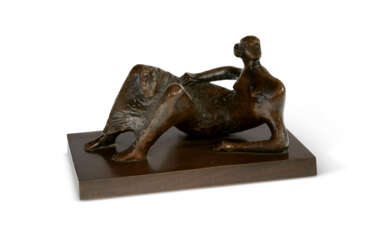

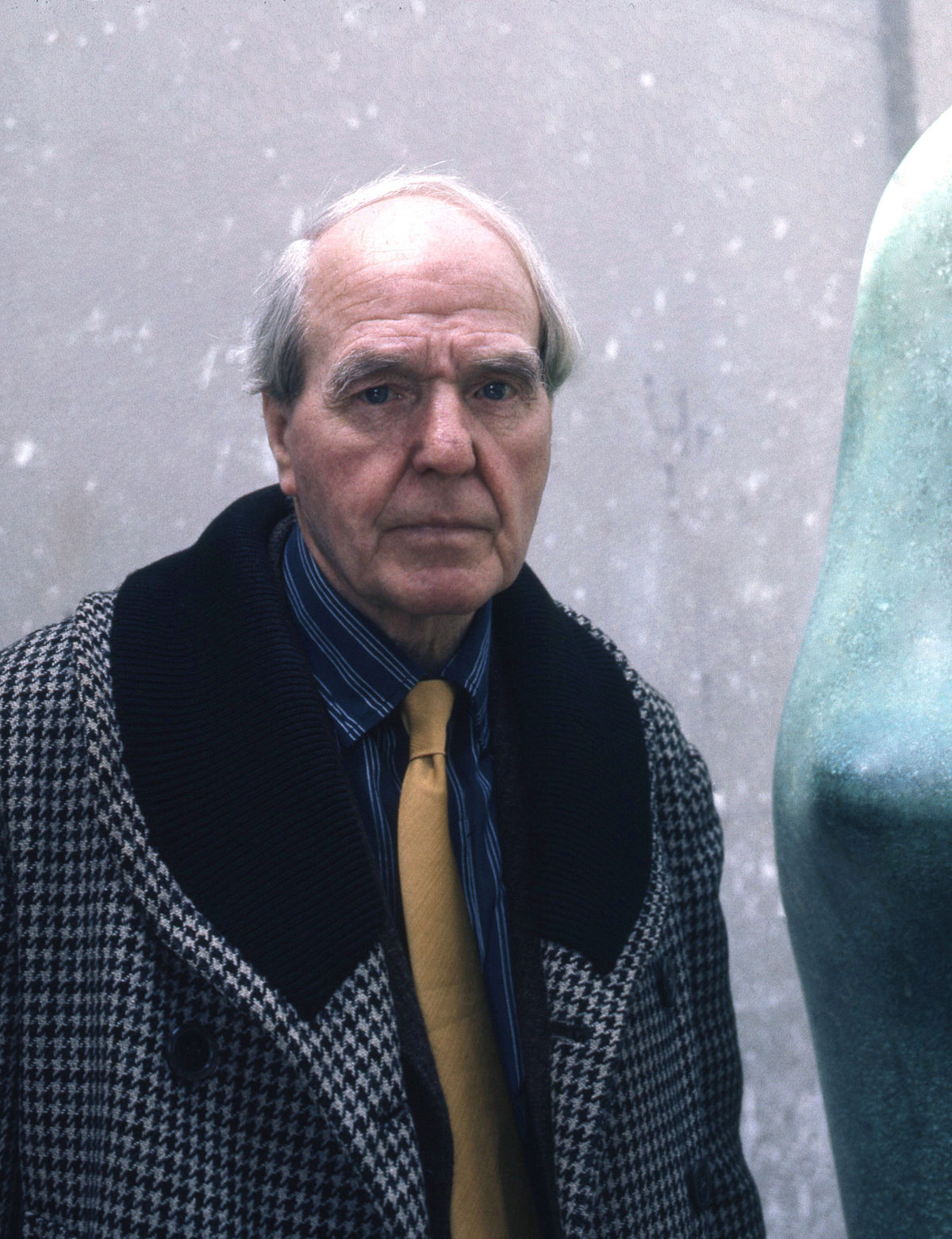
Henry Spencer Moore was an influential English sculptor and artist, renowned for his semi-abstract monumental bronze sculptures that have found homes around the world as public works of art. Born on July 30, 1898, in Castleford, Yorkshire, Moore showed early talent in art, but his journey towards becoming a sculptor was not straightforward. His experiences as a young teacher and a soldier in the First World War, where he was injured in a gas attack, significantly shaped his perspectives and artistic direction.
After the war, Moore pursued his passion for art, winning a scholarship to the Royal College of Art in London, where he began to experiment with modernist influences and direct carving techniques, moving away from the traditional Victorian style. His works, characterized by organic shapes and a blend of abstraction and figuration, were inspired by a wide range of sources, including primitive art, the human body, and the natural world.
Moore's sculptures are celebrated for their unique ability to blend form with space in the landscape, offering viewers a dynamic interaction with his works. His dedication to public art made his sculptures accessible to a wide audience, contributing to his status as one of the 20th century's most significant sculptors. Moore's legacy is preserved through the Henry Moore Foundation, which supports artists and promotes public appreciation of sculpture.
For collectors and experts in art and antiques, Moore's work remains a testament to the power of sculpture to evoke emotion and thought. His contributions to modern art and sculpture continue to inspire and influence artists around the world.
To stay informed about new exhibitions and opportunities to view Henry Spencer Moore's work, sign up for updates. This subscription will ensure you are alerted to new product sales and auction events related to Moore's influential body of work.


.jfif)
Joseph Fernand Henri Léger was a French artist renowned for his innovative approach to Cubism and his transition towards a figurative, populist style. Born in Argentan, Orne, Lower Normandy, Léger's early career was marked by a stint as an architectural draftsman and a series of educational pursuits that eventually led him to Paris, where he embraced painting seriously. His artistic journey was significantly influenced by the bold abstractions of Cubism, characterized by geometric shapes and a vibrant palette, distinguishing his work from his contemporaries with what came to be known as "Tubism".
Léger's service in World War I profoundly impacted his artistic direction, leading him to adopt a 'mechanical' style that depicted the modern industrial world with sleek, tubular forms. This period saw creations like "Soldier with a Pipe" and "The Card Players," reflecting his war experiences and the mechanical aesthetics of the time. The post-war era encouraged Léger to explore the mechanical style further, evident in works like "The Bargeman" and "Mechanical Elements," highlighting the pace of technological advancement.
Throughout his career, Léger's work evolved, notably in the 1920s, where he aligned with Purist ideas, blending classicism with modernity. This phase is exemplified in "Woman with a Cat," showcasing a classical form with a modern, polished finish. By the 1930s, Léger's art took a more figurative, populist turn, aiming to democratize contemporary art and make it more accessible. His commitment to art education, especially for the common worker, underscored his belief in the social role of art.
For those intrigued by Joseph Fernand Henri Léger's groundbreaking contributions to modern art, his works can be found in prestigious museums worldwide. His legacy continues to inspire art collectors and enthusiasts alike. To stay updated on exhibitions and auction events featuring Léger's work, sign up for updates and embrace the unique opportunity to explore the richness of his artistic endeavors.




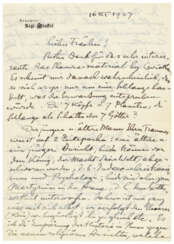

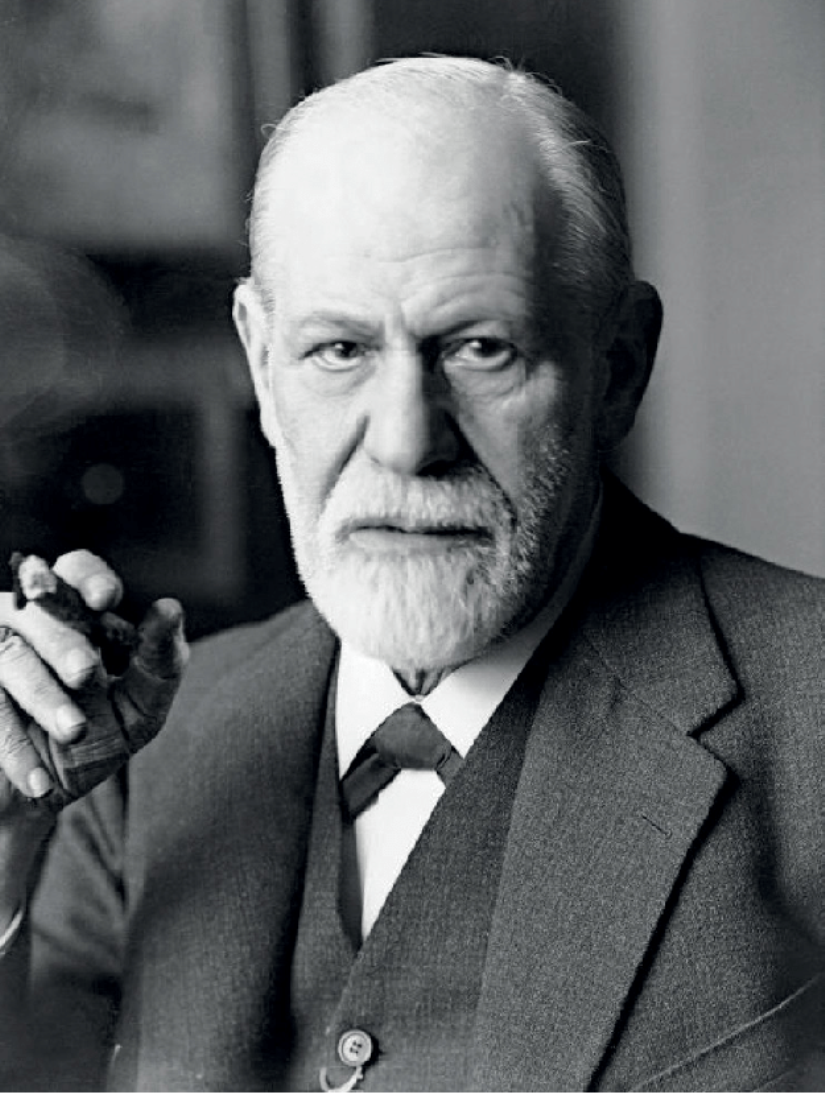
igmund Freud, born Sigismund Schlomo Freud, was an Austrian psychologist, psychiatrist and neurologist, the founder of psychoanalysis.
He graduated from the medical faculty of the University of Vienna, was engaged in self-education and numerous, cutting-edge for his time studies of the human psyche. The resulting psychoanalysis he created was both a theory of the human psyche, a therapy to alleviate its ills, and a tool for interpreting culture and society. Freud's psychoanalysis had a significant impact on psychology, medicine, sociology, anthropology, literature and art in the twentieth century.
Despite the sometimes harsh criticism of virtually all of his ideas and teachings, which continues almost a century after his death, Freud remains one of the most influential intellectual figures of our time.
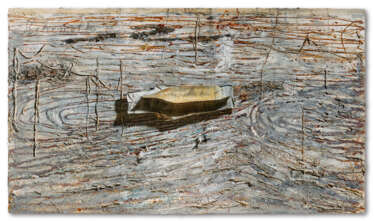

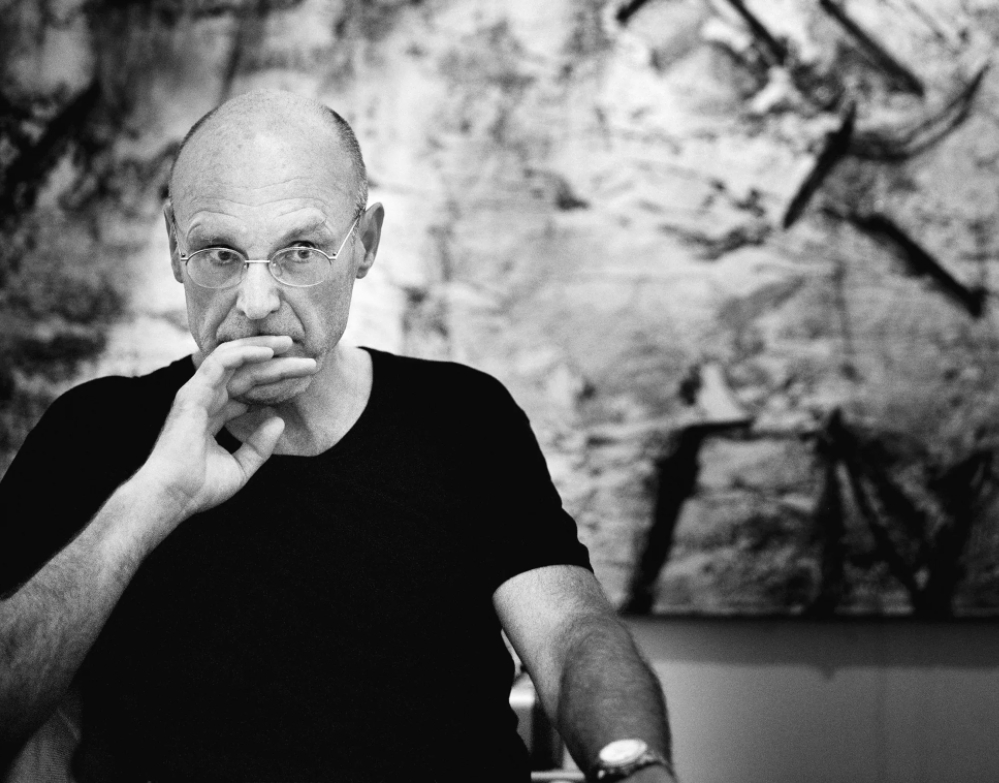
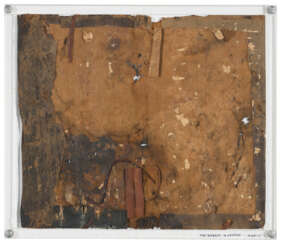
Anselm Kiefer, a German artist born in 1945, is renowned for his profound contributions to painting and sculpture. He is distinguished by his use of unconventional materials such as straw, ash, clay, lead, and shellac, which he selects for their symbolic and alchemical properties. Anselm Kiefer's works often delve into themes of German history, mythology, and the Holocaust, using these materials to evoke a range of emotions and reflections on past and present.
One of his notable pieces, "Margarete," inspired by Paul Celan's poem "Death Fugue," employs straw to symbolize various themes, including racial purity and the fragility of life. Another significant work, "The High Priestess/Zweistromland," features an installation of lead books, reflecting on the transmission and preservation of knowledge. "Shevirat Ha-Kelim" is a sculpture that explores themes from the Kabbalah, representing the fragmentation of divine attributes.
Anselm Kiefer's art is not just visually impactful but also intellectually stimulating, encouraging viewers to ponder complex historical and philosophical questions. His works are displayed in prestigious venues worldwide, including the Centre Georges Pompidou in Paris and private collections.
For art collectors and experts, Anselm Kiefer's oeuvre offers a compelling blend of historical depth, material innovation, and philosophical inquiry. If you're intrigued by Kiefer's unique approach to art and wish to stay informed about new works and auction events related to Anselm Kiefer, consider signing up for updates to ensure you don't miss out on the opportunity to engage with his profound and evocative creations.






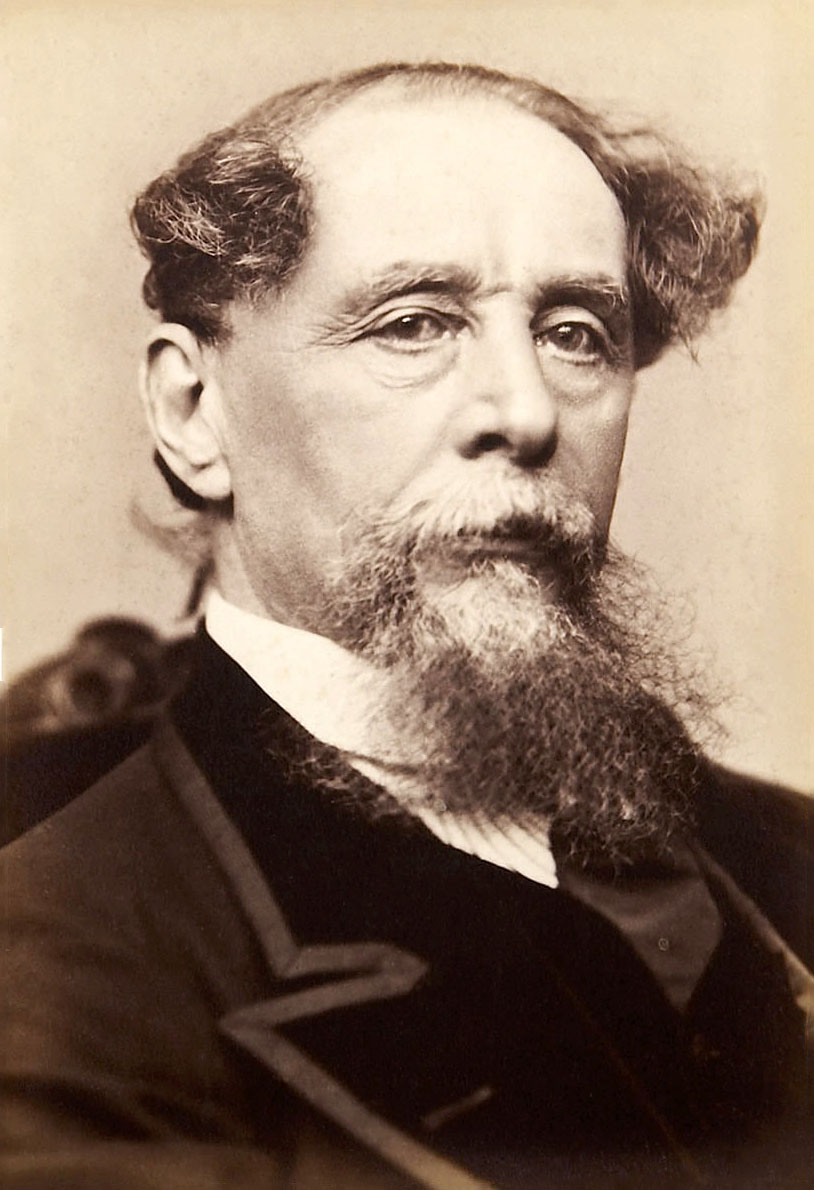
Charles Dickens, full name Charles John Huffam Dickens, is the most famous British writer of the Victorian era, a classic of world literature.
From childhood the future writer learned all the hardships of life in poverty: his father in prison for debts, hard work in a factory. Then service stenographer in court and reporter developed in him a strong attachment to journalism and contempt for both the law and parliament.
Dickens had many talents: in addition to literary work, he was an actor, published periodicals, arranged numerous literary readings, where he reveled in the admiration and love of the public. Fecund and versatile, Charles Dickens wrote many brilliant and often comic works. His novels cover a wide range of social, moral, emotional and other aspects. As a subtle psychologist, he is also very interested in the most ordinary people, but also the eccentric, the flawed, and even the insane.
Dickens was immensely popular around the world during his lifetime. His intellect, worldview, and deep reflections on society and its faults enriched his novels and made him one of the great figures of nineteenth-century literature, an influential spokesman for the conscience of his time.
Dickens' best-known and most popular novels are The Pickwick Club Posthumous Notes, Oliver Twist, Nicholas Nickleby, David Copperfield, Cold House, A Tale of Two Cities, Our Mutual Friend, Great Expectations, and The Mystery of Edwin Drood.


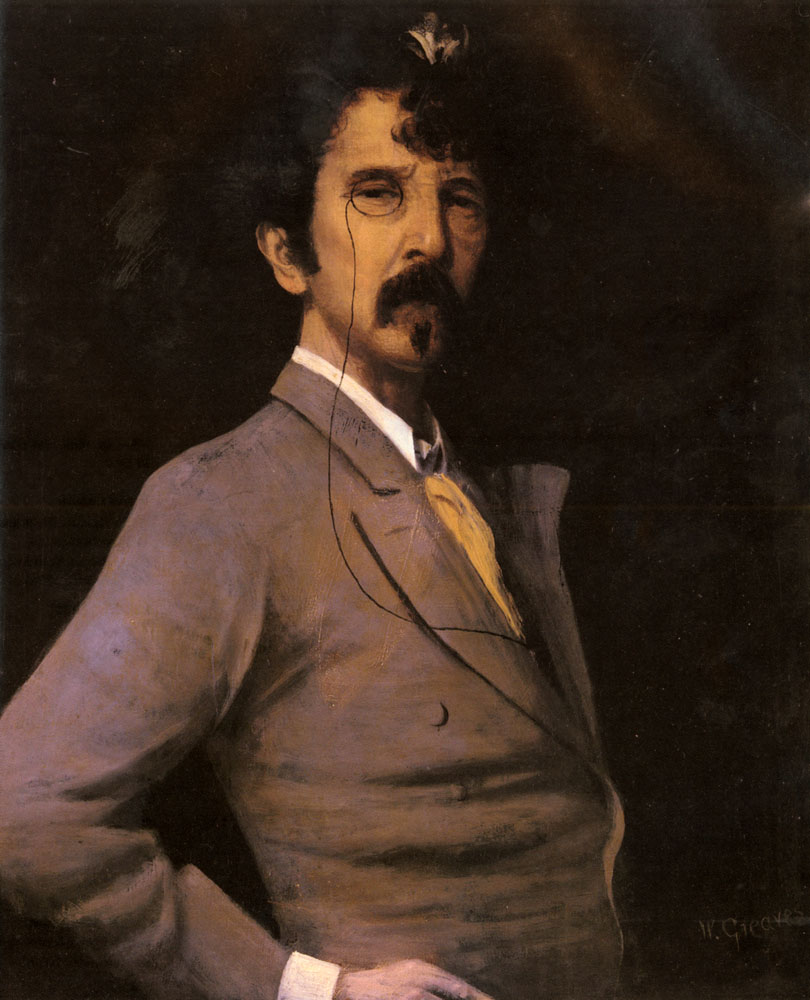
James Abbott McNeill Whistler was an American painter and printmaker, renowned for his role in the Aesthetic Movement and his advocacy of "art for art's sake." Born on July 11, 1834, in Lowell, Massachusetts, Whistler spent significant parts of his career in London and Paris, integrating modern French painting styles into his work.
Whistler's works often depicted nocturnal scenes of London and stylistically advanced portraits. His famous painting, Arrangement in Grey and Black No. 1, commonly known as Whistler's Mother, is a prime example of his skilled use of color and form to evoke emotion and atmosphere. This painting became iconic, influencing both peers and the wider culture, akin to works like Munch's The Scream.
Another notable work, Nocturne in Black and Gold: The Falling Rocket, stirred controversy and legal disputes due to its abstract quality, challenging conventional notions of art at the time. Whistler's influence extended beyond paintings, impacting interior design, furniture, and the overall aesthetic of visual arts through his detailed attention to harmony and composition.
For more detailed insights into James McNeill Whistler's life and work, you can visit comprehensive resources such as the Encyclopaedia Britannica or the Metropolitan Museum of Art's Heilbrunn Timeline of Art History.
If you're intrigued by the innovative techniques and enduring influence of James Abbott McNeill Whistler, consider subscribing to our updates. Stay informed about new sales, exhibitions, and auction events related to Whistler's works. Dive deeper into the world of art and discover pieces that celebrate the spirit of Aestheticism and artistic independence. Sign up today to enhance your collection and knowledge of one of the most visionary artists of the 19th century.