lot 11






















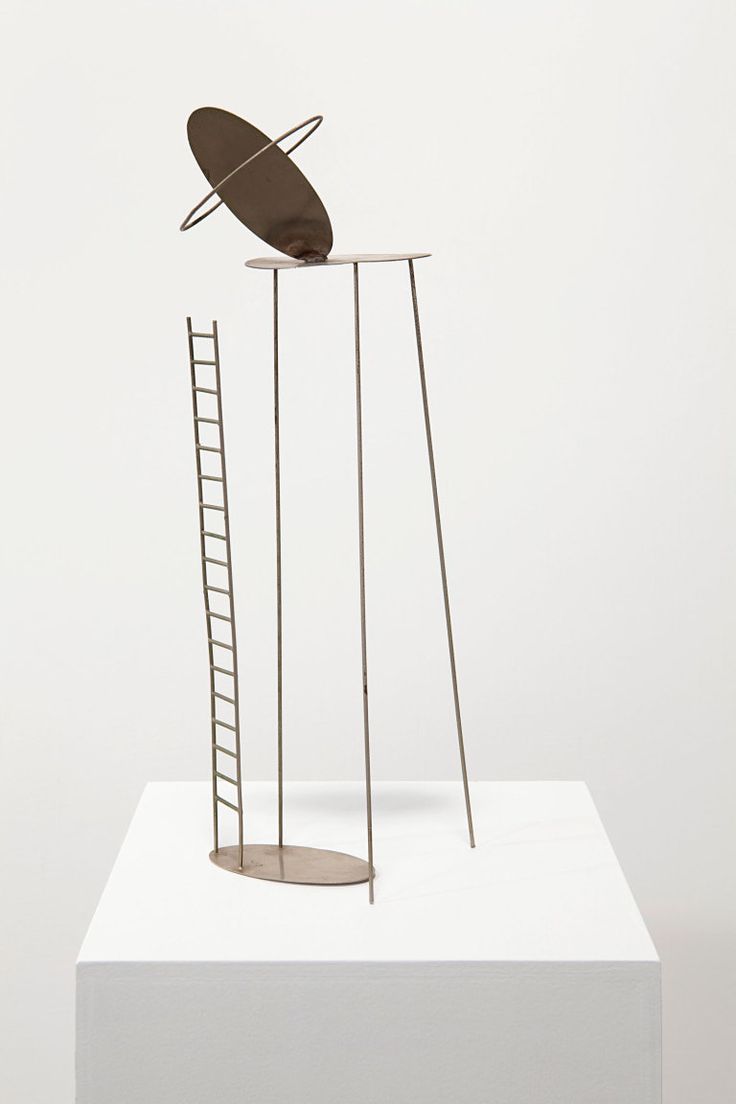
Fausto Melotti was an Italian sculptor, ceramicist, poet, and theorist.
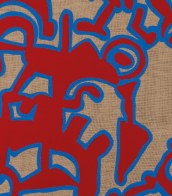
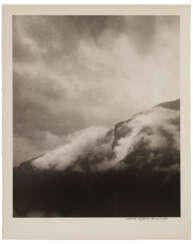

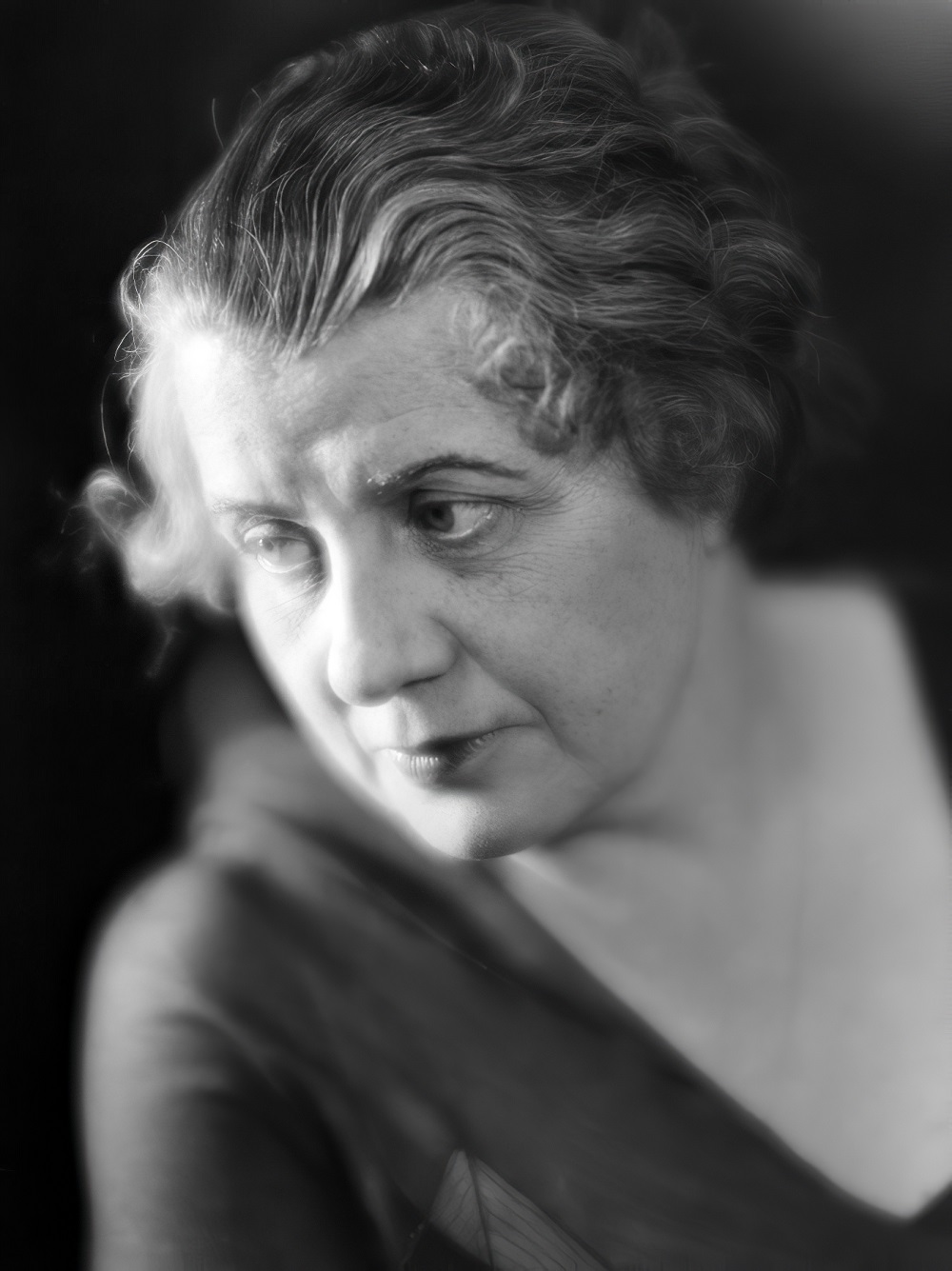
Laure Albin-Guillot was a French artist and photographer. She is best known for her pioneering work in photography and for her contributions to the development of the medium in France during the early 20th century.
Albin-Guillot's early photographic work was focused on portraiture, and she became known for her elegant and striking images of celebrities and other notable figures. She later expanded her practice to include still life and landscape photography, and she was also a skilled photojournalist.
In addition to her photography, Albin-Guillot was an important figure in the Parisian art world, and she was involved in the development of modernist movements such as Cubism and Surrealism. She was a member of the Société des Artistes Décorateurs and was also involved in the organization of several major international exhibitions, including the Exposition Internationale des Arts Décoratifs et Industriels Modernes in Paris in 1925.
Albin-Guillot was also a prolific writer and educator, and she wrote several books on photography and art history. She taught photography at the École Estienne in Paris, and she also founded her own photography studio, which became known for its innovative use of lighting and composition.
Today, Albin-Guillot's work is recognized as an important contribution to the development of modern photography, and her photographs are held in the collections of major museums around the world, including the Museum of Modern Art in New York, the Centre Pompidou in Paris, and the Victoria and Albert Museum in London.
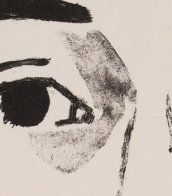
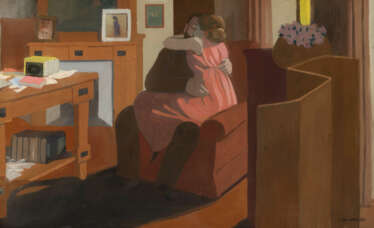

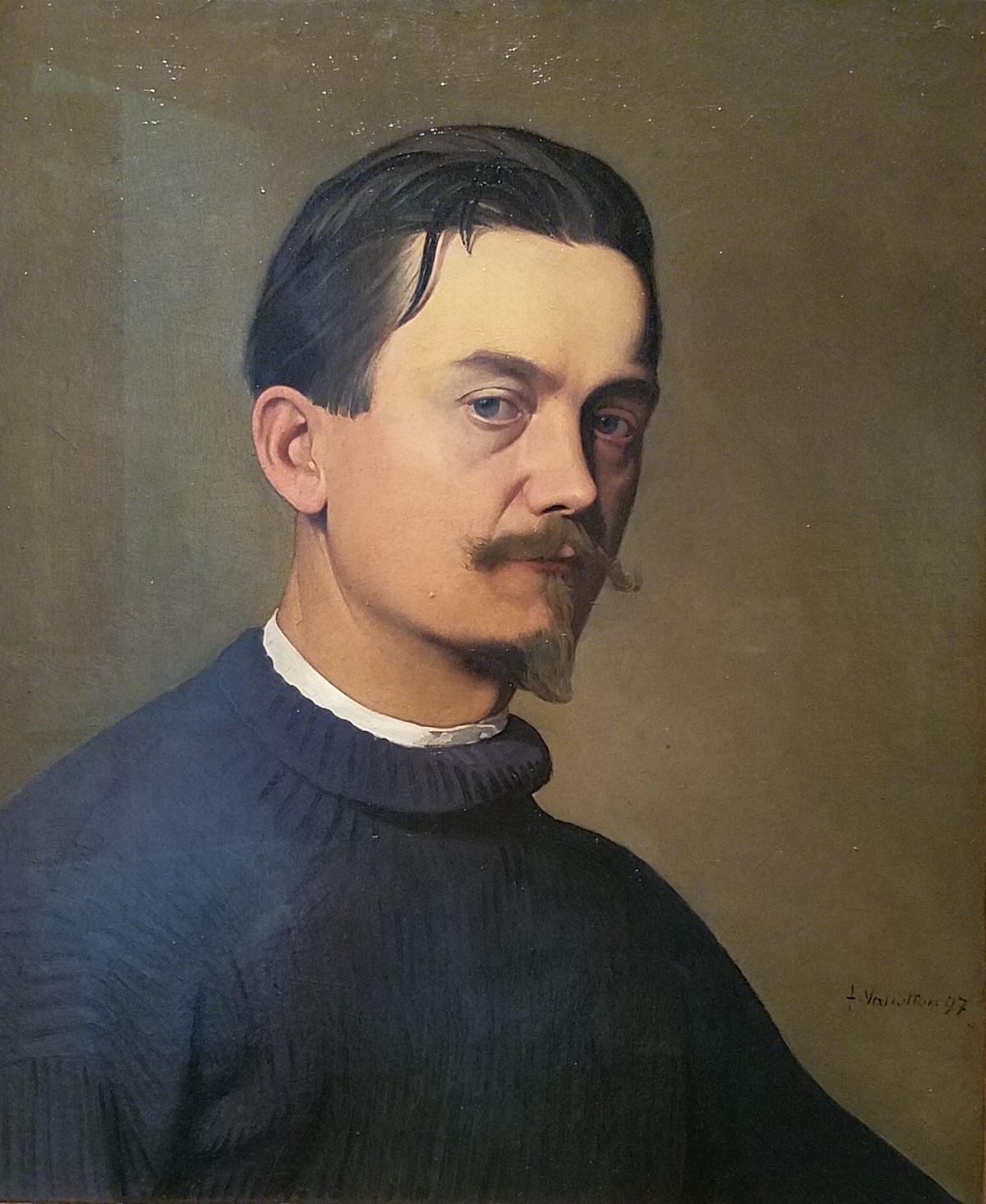
Félix Vallotton, a Swiss-born French graphic artist and painter, is recognized for his distinctive woodcuts and paintings of nudes and interiors. Vallotton's journey into art began in Paris, where he attended the Académie Julian, fostering a unique style that broke from traditional norms. His early works, characterized by extreme realism, were showcased at the Salon des Artistes Français and the Paris Universal Exposition of 1889. This period also marked Vallotton's encounter with Japanese prints, notably those by Hokusai, profoundly influencing his artistic direction.
In 1892, Vallotton joined Les Nabis, a group of avant-garde artists including Pierre Bonnard, Maurice Denis, and Édouard Vuillard, which led to a significant evolution in his style. His paintings from this era, such as "Bathers on a Summer Evening" and "Moonlight," exhibited at the Kunsthaus Zürich and the Musée d'Orsay respectively, reveal a departure from realism towards a more symbolic and abstract representation. The works from this period are characterized by flat areas of color, hard edges, and simplified details, mirroring the style he developed in his woodcuts.
Vallotton's woodcuts, like "Intimités" (Intimacies), a series published in 1898, showcased his mastery in capturing the nuances of human relationships, particularly the tensions between men and women. His graphic art, which included depictions of domestic scenes, bathing women, and street crowds, was not just celebrated in Europe but also influenced artists like Edvard Munch, Aubrey Beardsley, and Ernst Ludwig Kirchner.
Towards the end of his career, Vallotton continued to innovate, combining elements of realism and abstraction, evident in paintings like "La Malade" (The Sick Girl) and "Clair de lune" (Moonlight). His works remain a testament to his ability to merge technical precision with a poignant exploration of human emotions and societal themes.
For art collectors and experts, Vallotton's body of work offers a rich and diverse exploration of early 20th-century art movements, especially his role in the development of modern woodcut techniques and his contribution to the Nabis movement. His works are a study in the fusion of realism and symbolism, marked by a distinctive style that makes his art enduringly relevant and compelling.
For those interested in discovering more about Félix Vallotton and staying updated on related product sales and auction events, signing up for updates is a great opportunity. This subscription will exclusively alert you to new sales and events pertaining to Vallotton's works, ensuring you remain informed in the dynamic world of art and antiques.
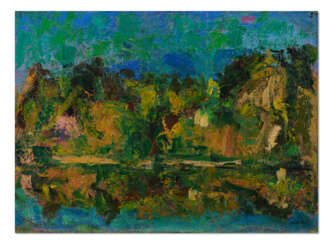

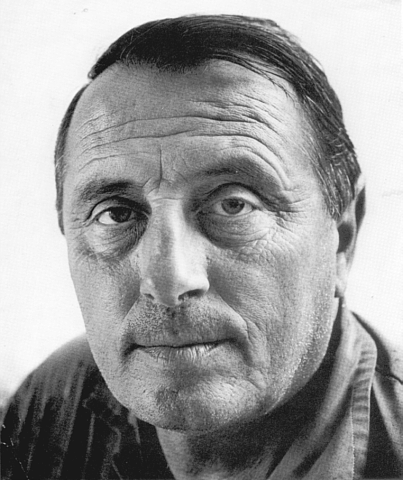
Ennio Morlotti is an Italian abstractionist painter.
Morlotti studied painting at the Academy of Fine Arts in Florence and at the Accademia di Brera in Milan. In 1947 he was one of the founders of the post-war New Front for Art (Fronte Nuovo delle Arti) movement.


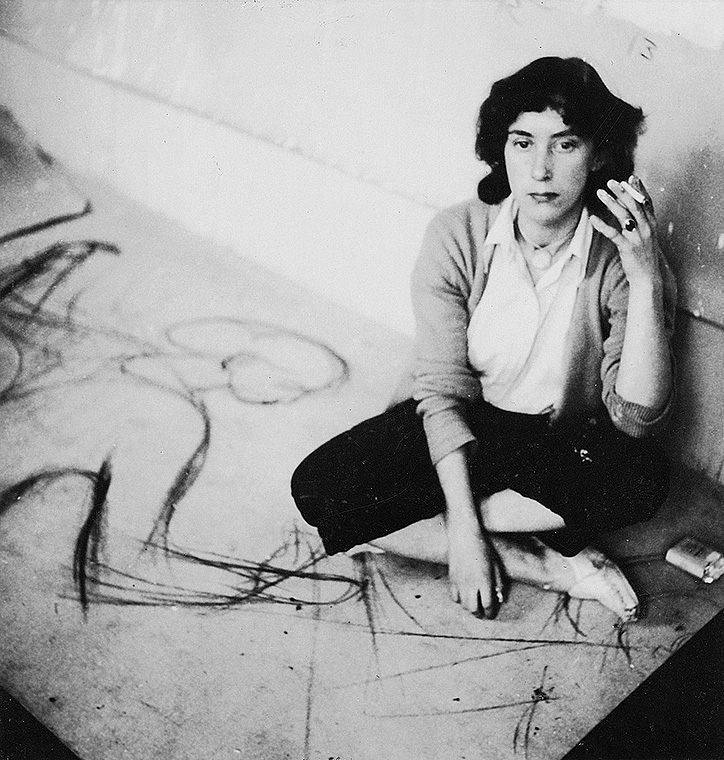
Carlotta Stocker is a Swiss expressionist artist, interior designer and illustrator. She is especially known for her large-scale interpretations of the studio table, in which she worked with strong colors. She developed an expressive, emotional and colorful style for her works. Stocker also created large-format murals in public buildings in Zurich.


Jacques Callot was a baroque printmaker and draftsman from the Duchy of Lorraine (an independent state on the north-eastern border of France, southwestern border of Germany and overlapping the southern Netherlands). He is an important person in the development of the old master print. He made more than 1,400 etchings that chronicled the life of his period, featuring soldiers, clowns, drunkards, Gypsies, beggars, as well as court life. He also etched many religious and military images, and many prints featured extensive landscapes in their background.
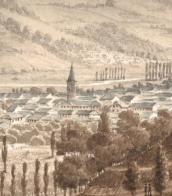
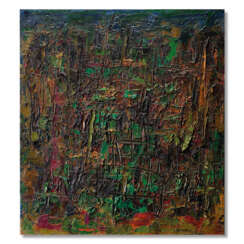

Ennio Morlotti is an Italian abstractionist painter.
Morlotti studied painting at the Academy of Fine Arts in Florence and at the Accademia di Brera in Milan. In 1947 he was one of the founders of the post-war New Front for Art (Fronte Nuovo delle Arti) movement.


Fausto Melotti was an Italian sculptor, ceramicist, poet, and theorist.


Ennio Morlotti is an Italian abstractionist painter.
Morlotti studied painting at the Academy of Fine Arts in Florence and at the Accademia di Brera in Milan. In 1947 he was one of the founders of the post-war New Front for Art (Fronte Nuovo delle Arti) movement.
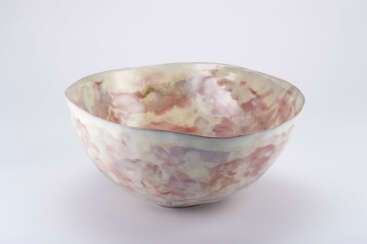

Fausto Melotti was an Italian sculptor, ceramicist, poet, and theorist.
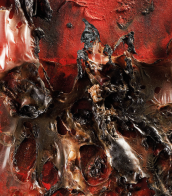


Ennio Morlotti is an Italian abstractionist painter.
Morlotti studied painting at the Academy of Fine Arts in Florence and at the Accademia di Brera in Milan. In 1947 he was one of the founders of the post-war New Front for Art (Fronte Nuovo delle Arti) movement.
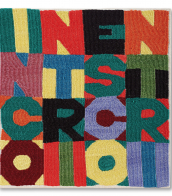


Félix Vallotton, a Swiss-born French graphic artist and painter, is recognized for his distinctive woodcuts and paintings of nudes and interiors. Vallotton's journey into art began in Paris, where he attended the Académie Julian, fostering a unique style that broke from traditional norms. His early works, characterized by extreme realism, were showcased at the Salon des Artistes Français and the Paris Universal Exposition of 1889. This period also marked Vallotton's encounter with Japanese prints, notably those by Hokusai, profoundly influencing his artistic direction.
In 1892, Vallotton joined Les Nabis, a group of avant-garde artists including Pierre Bonnard, Maurice Denis, and Édouard Vuillard, which led to a significant evolution in his style. His paintings from this era, such as "Bathers on a Summer Evening" and "Moonlight," exhibited at the Kunsthaus Zürich and the Musée d'Orsay respectively, reveal a departure from realism towards a more symbolic and abstract representation. The works from this period are characterized by flat areas of color, hard edges, and simplified details, mirroring the style he developed in his woodcuts.
Vallotton's woodcuts, like "Intimités" (Intimacies), a series published in 1898, showcased his mastery in capturing the nuances of human relationships, particularly the tensions between men and women. His graphic art, which included depictions of domestic scenes, bathing women, and street crowds, was not just celebrated in Europe but also influenced artists like Edvard Munch, Aubrey Beardsley, and Ernst Ludwig Kirchner.
Towards the end of his career, Vallotton continued to innovate, combining elements of realism and abstraction, evident in paintings like "La Malade" (The Sick Girl) and "Clair de lune" (Moonlight). His works remain a testament to his ability to merge technical precision with a poignant exploration of human emotions and societal themes.
For art collectors and experts, Vallotton's body of work offers a rich and diverse exploration of early 20th-century art movements, especially his role in the development of modern woodcut techniques and his contribution to the Nabis movement. His works are a study in the fusion of realism and symbolism, marked by a distinctive style that makes his art enduringly relevant and compelling.
For those interested in discovering more about Félix Vallotton and staying updated on related product sales and auction events, signing up for updates is a great opportunity. This subscription will exclusively alert you to new sales and events pertaining to Vallotton's works, ensuring you remain informed in the dynamic world of art and antiques.
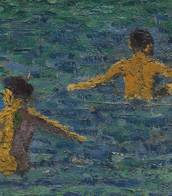


Félix Vallotton, a Swiss-born French graphic artist and painter, is recognized for his distinctive woodcuts and paintings of nudes and interiors. Vallotton's journey into art began in Paris, where he attended the Académie Julian, fostering a unique style that broke from traditional norms. His early works, characterized by extreme realism, were showcased at the Salon des Artistes Français and the Paris Universal Exposition of 1889. This period also marked Vallotton's encounter with Japanese prints, notably those by Hokusai, profoundly influencing his artistic direction.
In 1892, Vallotton joined Les Nabis, a group of avant-garde artists including Pierre Bonnard, Maurice Denis, and Édouard Vuillard, which led to a significant evolution in his style. His paintings from this era, such as "Bathers on a Summer Evening" and "Moonlight," exhibited at the Kunsthaus Zürich and the Musée d'Orsay respectively, reveal a departure from realism towards a more symbolic and abstract representation. The works from this period are characterized by flat areas of color, hard edges, and simplified details, mirroring the style he developed in his woodcuts.
Vallotton's woodcuts, like "Intimités" (Intimacies), a series published in 1898, showcased his mastery in capturing the nuances of human relationships, particularly the tensions between men and women. His graphic art, which included depictions of domestic scenes, bathing women, and street crowds, was not just celebrated in Europe but also influenced artists like Edvard Munch, Aubrey Beardsley, and Ernst Ludwig Kirchner.
Towards the end of his career, Vallotton continued to innovate, combining elements of realism and abstraction, evident in paintings like "La Malade" (The Sick Girl) and "Clair de lune" (Moonlight). His works remain a testament to his ability to merge technical precision with a poignant exploration of human emotions and societal themes.
For art collectors and experts, Vallotton's body of work offers a rich and diverse exploration of early 20th-century art movements, especially his role in the development of modern woodcut techniques and his contribution to the Nabis movement. His works are a study in the fusion of realism and symbolism, marked by a distinctive style that makes his art enduringly relevant and compelling.
For those interested in discovering more about Félix Vallotton and staying updated on related product sales and auction events, signing up for updates is a great opportunity. This subscription will exclusively alert you to new sales and events pertaining to Vallotton's works, ensuring you remain informed in the dynamic world of art and antiques.
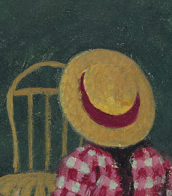
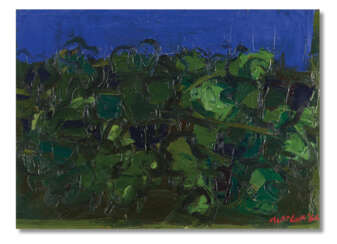

Ennio Morlotti is an Italian abstractionist painter.
Morlotti studied painting at the Academy of Fine Arts in Florence and at the Accademia di Brera in Milan. In 1947 he was one of the founders of the post-war New Front for Art (Fronte Nuovo delle Arti) movement.
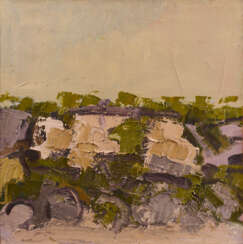

Ennio Morlotti is an Italian abstractionist painter.
Morlotti studied painting at the Academy of Fine Arts in Florence and at the Accademia di Brera in Milan. In 1947 he was one of the founders of the post-war New Front for Art (Fronte Nuovo delle Arti) movement.
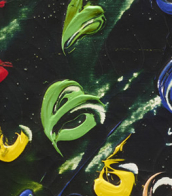
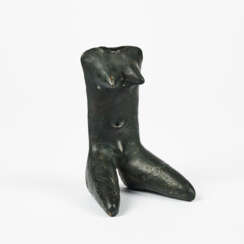

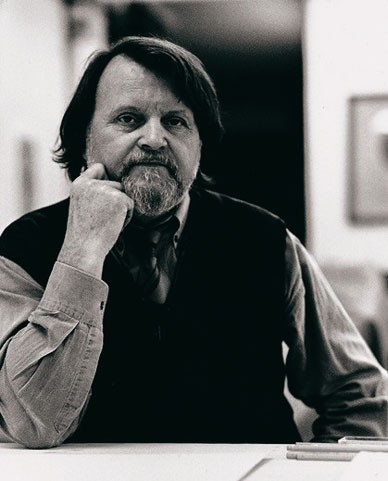
Lothar Fischer was a renowned German sculptor, professor at the University of the Arts in Berlin from 1975 to 1997.
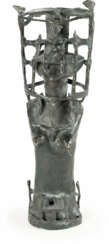

Lothar Fischer was a renowned German sculptor, professor at the University of the Arts in Berlin from 1975 to 1997.