pc circ






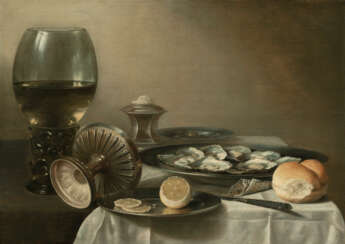

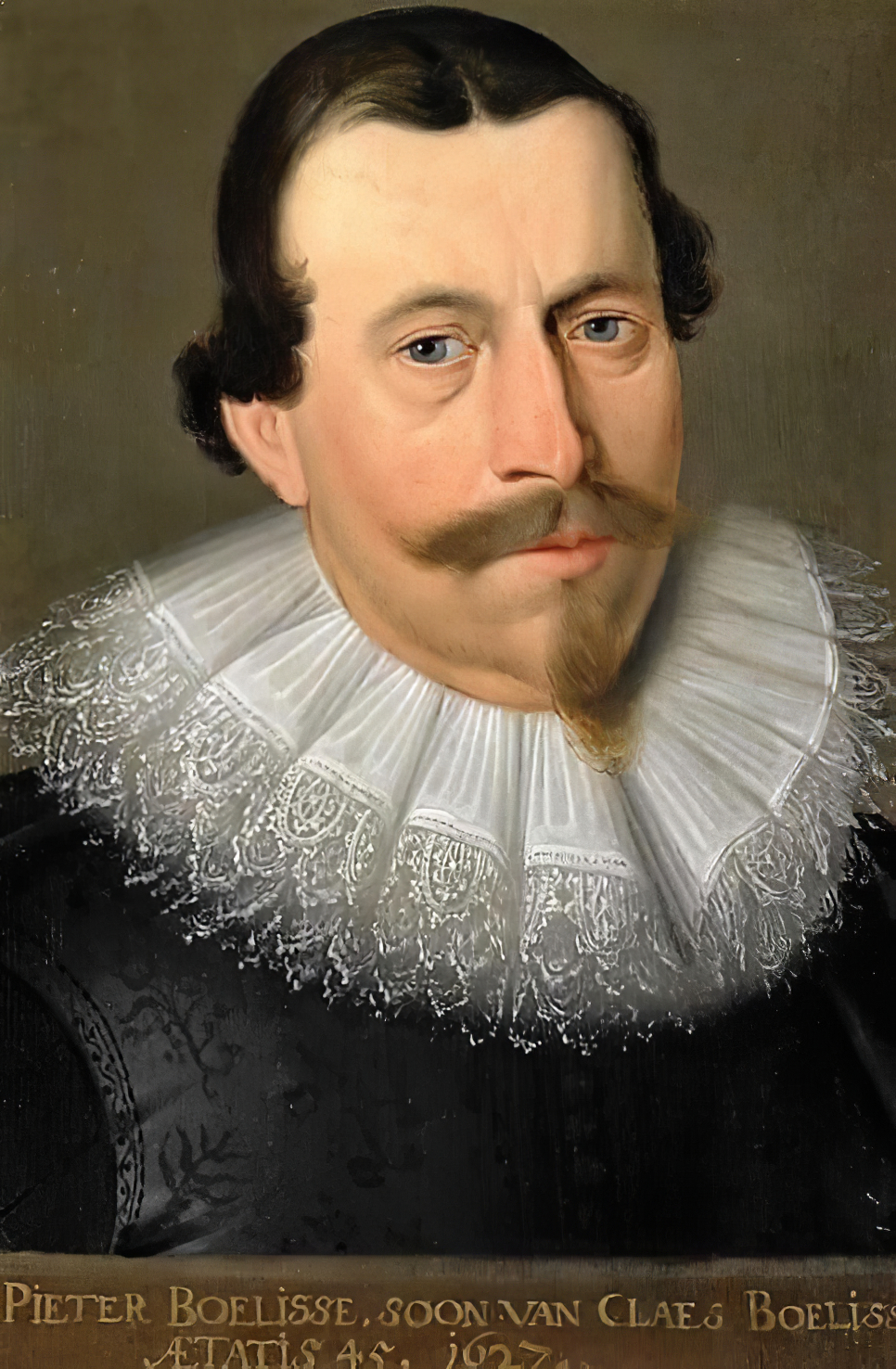
Pieter Claesz was a Dutch Golden Age painter of still lifes.
He and Willem Claeszoon Heda, who also worked in Haarlem, were the most important exponents of the "ontbijt" or dinner piece. They painted with subdued, virtually monochromatic palettes, the subtle handling of light and texture being the prime means of expression. Claesz generally chose objects of a more hospitable kind than Heda, although his later work became more colourful and decorative. Claesz's still lifes often suggest allegorical purpose, with skulls serving as reminders of human mortality. The two men founded a distinguished tradition of still life painting in Haarlem. Pieter Claesz was influenced by the artist movement 'Vanitas'.


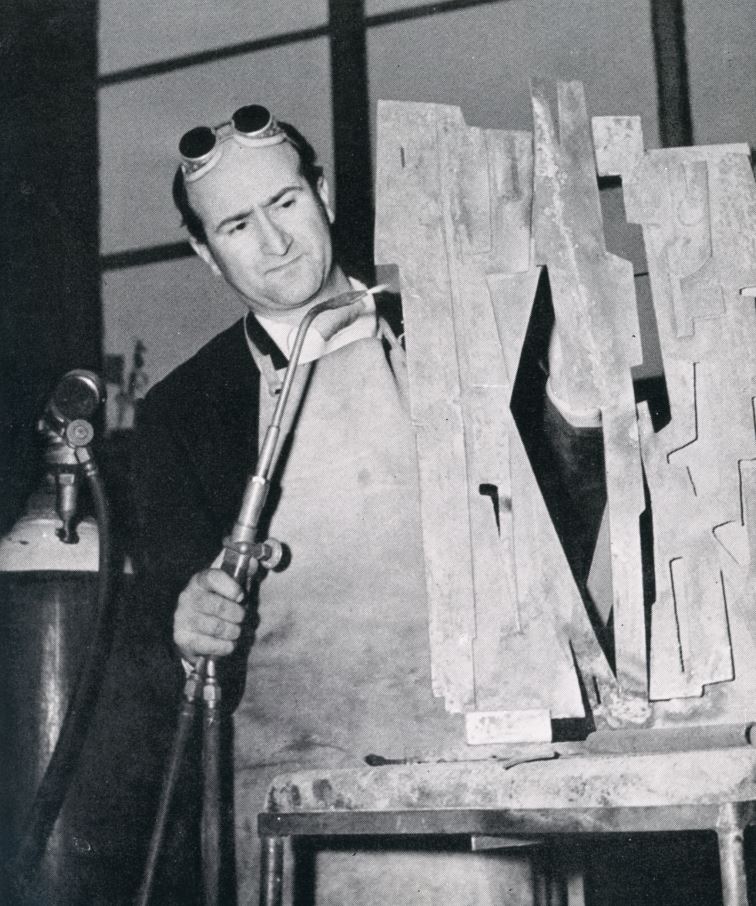
Pietro Consagra was an Italian sculptor and one of the leading figures in the post-war Italian art movement known as Arte Informale or Forma 1.
Pietro Consagra's early work was influenced by traditional figurative sculpture, but he soon became fascinated by the abstract art movement. He rejected the idea of creating sculptures that imitated reality and instead focused on exploring the relationship between form, space and the viewer's perception.
Consagra's sculptures often feature simplified geometric forms, emphasising clean lines and solid volumes. His works are characterised by a sense of balance, harmony and spatial tension.
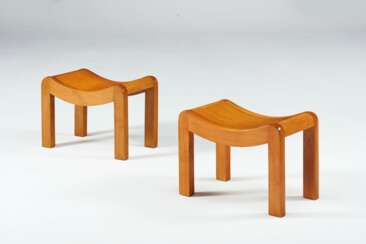

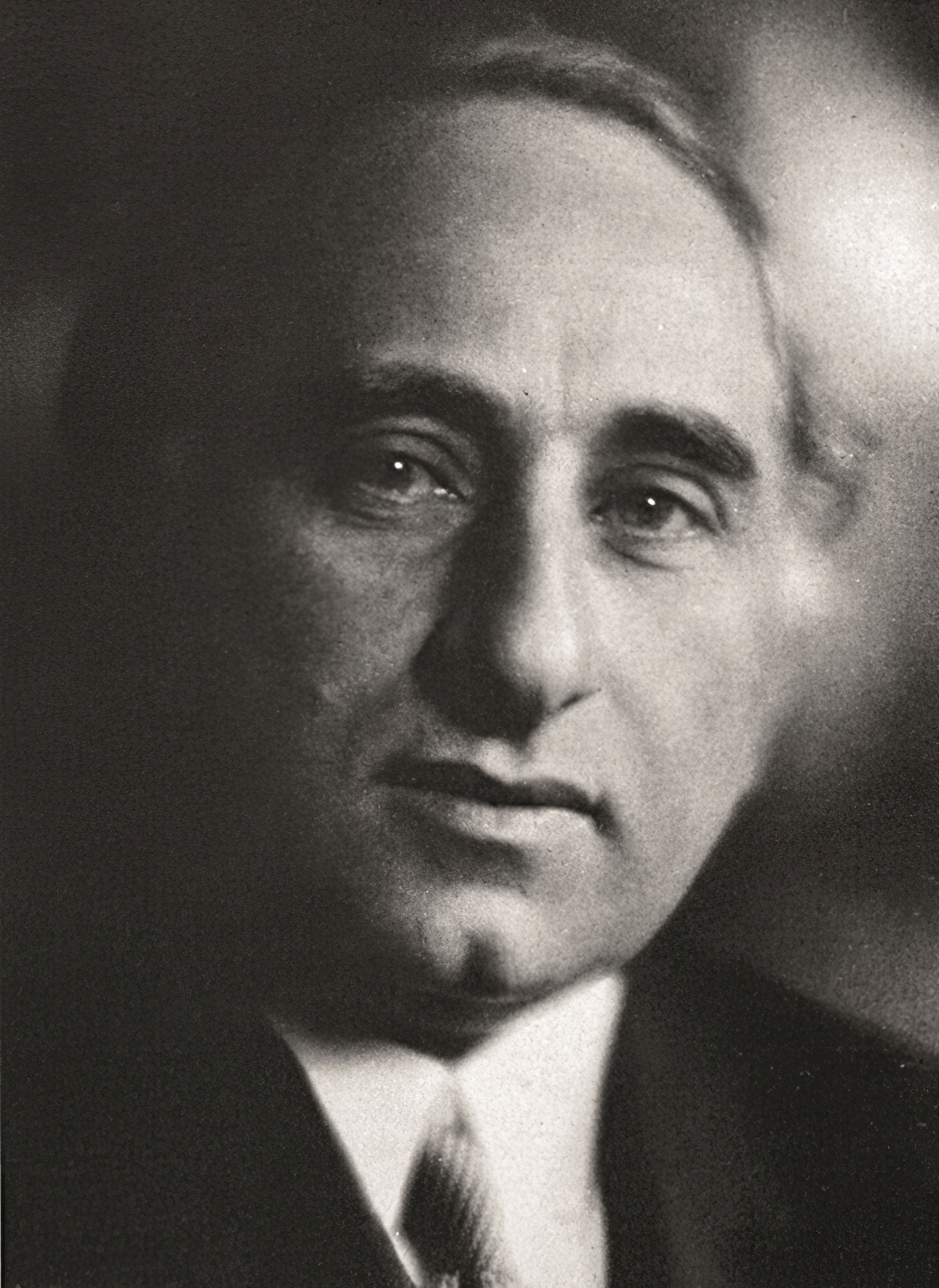
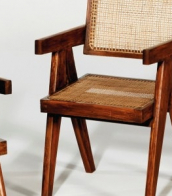
Pierre Chareau was a French architect and designer.
Chareau designed the first house in France made of steel and glass, the Maison de Verre.
Chareau was a member of Congrès International d'Architecture Moderne.




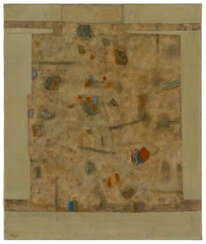

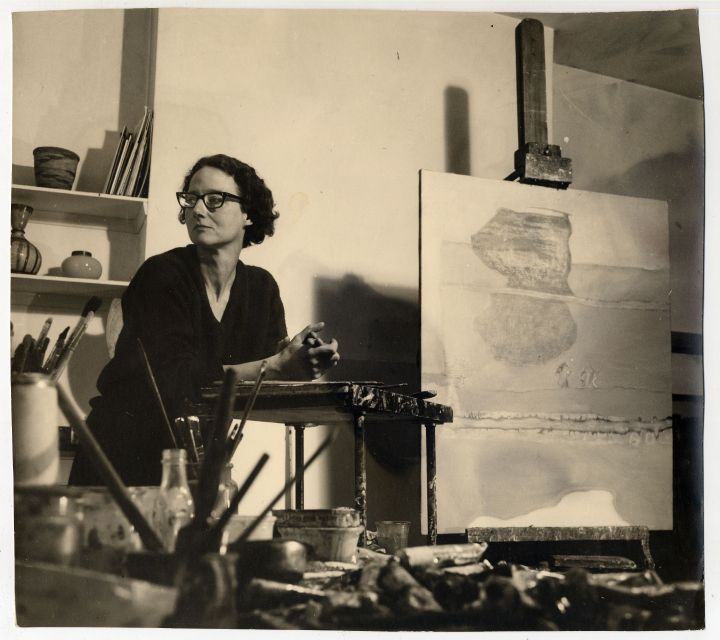
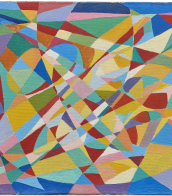
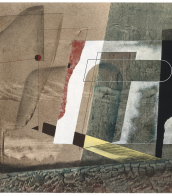
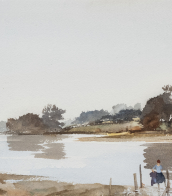
Prunella Clough was a prominent British artist. She is known mostly for her paintings, though she also made prints and created assemblages of collected objects. She was awarded the Jerwood Prize for painting, and received a retrospective exhibition at Tate Britain.







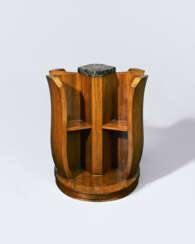

Pierre Chareau was a French architect and designer.
Chareau designed the first house in France made of steel and glass, the Maison de Verre.
Chareau was a member of Congrès International d'Architecture Moderne.


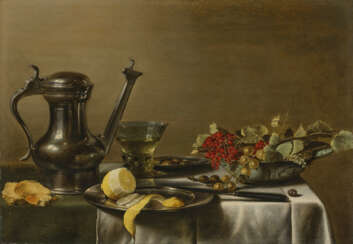

Pieter Claesz was a Dutch Golden Age painter of still lifes.
He and Willem Claeszoon Heda, who also worked in Haarlem, were the most important exponents of the "ontbijt" or dinner piece. They painted with subdued, virtually monochromatic palettes, the subtle handling of light and texture being the prime means of expression. Claesz generally chose objects of a more hospitable kind than Heda, although his later work became more colourful and decorative. Claesz's still lifes often suggest allegorical purpose, with skulls serving as reminders of human mortality. The two men founded a distinguished tradition of still life painting in Haarlem. Pieter Claesz was influenced by the artist movement 'Vanitas'.


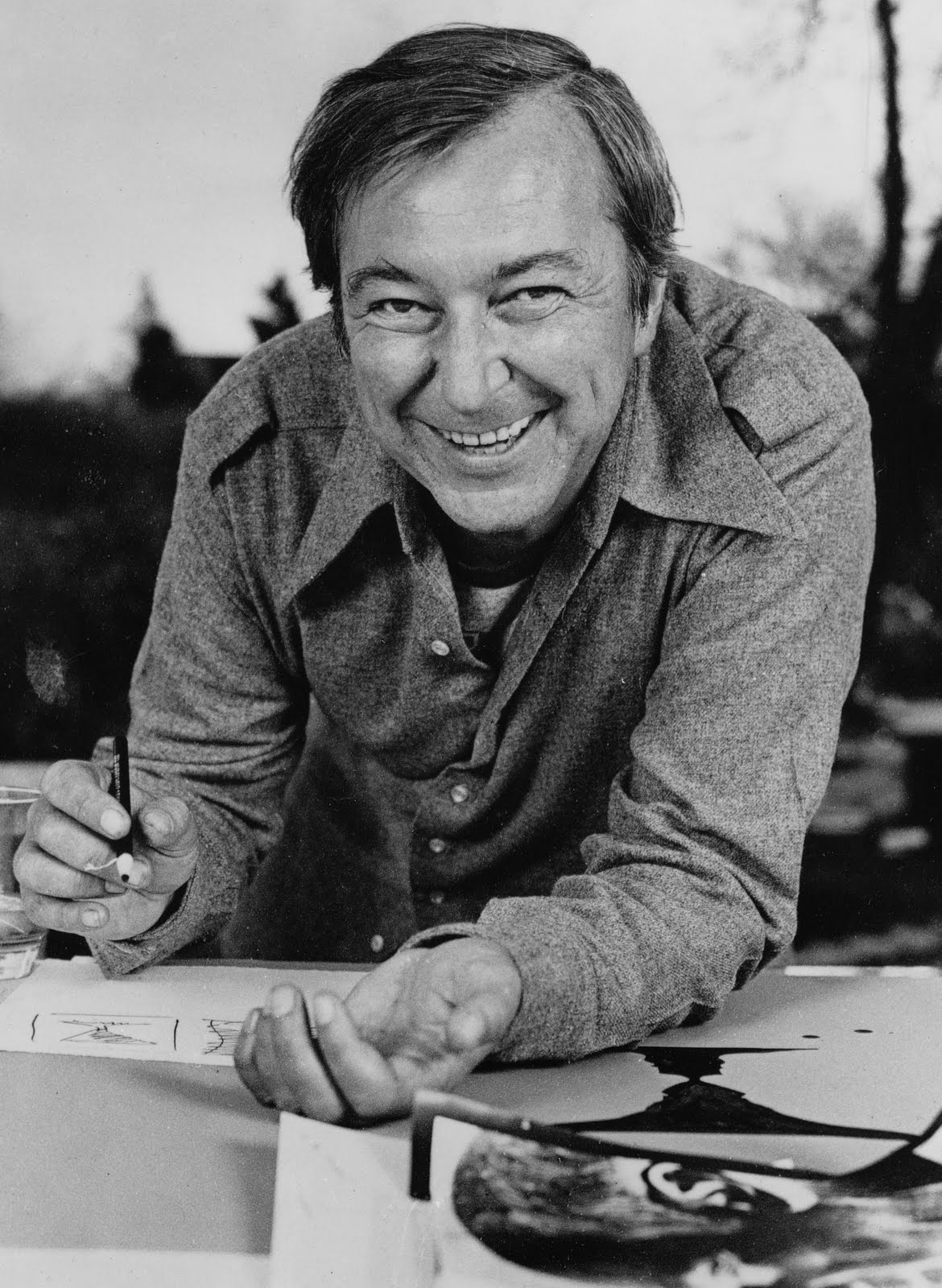
Jasper Johns, an American artist, has been a pivotal figure in the art world, celebrated for his innovative contributions to painting, sculpture, and printmaking. Johns, born in 1930, has challenged and expanded the boundaries of contemporary art with his unique approach to visual expression, blending elements of Abstract Expressionism, Neo-Dada, and Pop Art. He is perhaps best known for his iconic depictions of everyday objects and symbols, such as flags, maps, numbers, and targets, which he transforms into complex, layered works that invite contemplation on themes of identity, perception, and memory.
Johns' art is distinguished by its masterful use of texture, symbolism, and an exploration of the materiality of the medium. His technique of incorporating textural elements and found objects into his canvases blurs the lines between painting and sculpture, challenging traditional distinctions in art. For instance, his piece "Flag" (1954-55) reimagines the American flag with a surface rich in encaustic paint and newspaper clippings, creating a work that is both a familiar symbol and a deeply personal expression. Similarly, "Painted Bronze" (Ale Cans) (1960) playfully interrogates the nature of representation and the art object by presenting a lifelike bronze sculpture of beer cans, furthering the dialogue on art's relationship with the everyday.
Johns' work is held in high esteem and can be found in major museums and galleries worldwide, including the Museum of Modern Art in New York and the Tate Modern in London. His influence extends beyond his own oeuvre, impacting the development of several art movements, including Pop Art and Conceptual Art. Johns' exploration of language and semiotics, particularly in works like "According to What" (1964), prefigured the Conceptual Art movement's interest in the role of language and ideas in art.
For collectors and experts in art and antiques, Jasper Johns' work represents a critical junction in the evolution of post-war American art, offering rich insights into the interplay between cultural symbols and artistic innovation. His enduring relevance and the intellectual depth of his work continue to inspire and challenge audiences, making him a central figure in discussions of contemporary art.
To stay informed about new sales, auction events, and updates related to Jasper Johns, we invite you to sign up for our newsletter. This subscription is an excellent resource for enthusiasts and collectors eager to engage with the dynamic market for Jasper Johns' works and related artistic developments.