rivièr



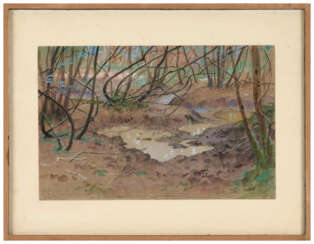


Georges-Frédéric Rötig was a French animal painter and illustrator best known for his depictions of wildlife.
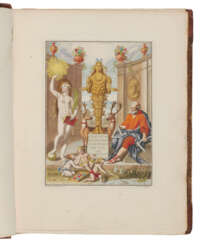

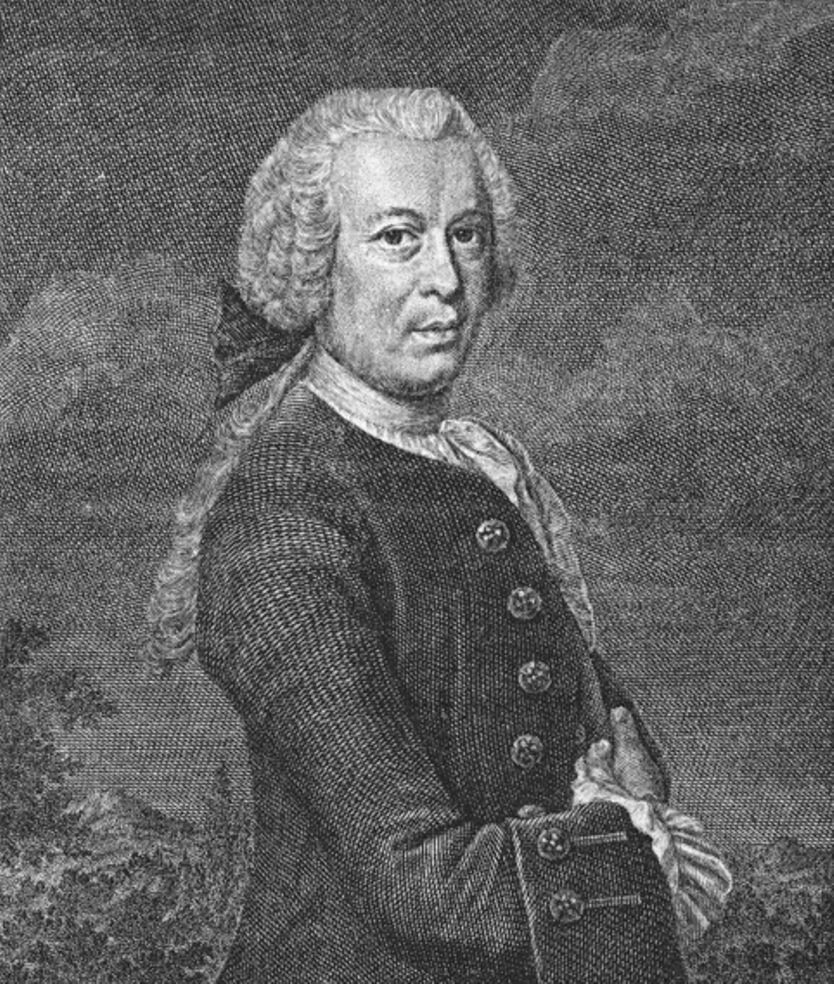
August Johann Rösel von Rosenhof was a German entomologist and zoologist, naturalist and miniature painter.
He graduated from the Nuremberg Academy of Artists and was practicing miniature painting and printmaking when he became acquainted with the works of the artist and entomologist Maria Sibylla Merian. Her famous Surinam book of 1705 inspired Rösel to create a similar book, but with illustrations of the plants and animals of Germany.
Rösel began to study natural sciences, he collected insects, caterpillars and butterflies, observed their metamorphosis and wrote down his observations accompanied by pictures. From 1740 Rösel published the results of his scientific and artistic work: the Monthly Entertainments of Insects, in four volumes. He also published Historia naturalis Ranarum nostratium, devoted to the frogs of Germany. In the quality of the illustrations this book is one of the most beautiful about these animals.



Jiří Kolář was a Czech poet, writer, painter and translator. His work included both literary and visual art.


Jiří Kolář was a Czech poet, writer, painter and translator. His work included both literary and visual art.


Jiří Kolář was a Czech poet, writer, painter and translator. His work included both literary and visual art.


Jiří Kolář was a Czech poet, writer, painter and translator. His work included both literary and visual art.
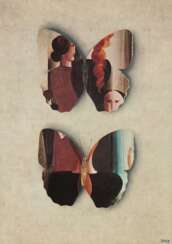

Jiří Kolář was a Czech poet, writer, painter and translator. His work included both literary and visual art.


Jiří Kolář was a Czech poet, writer, painter and translator. His work included both literary and visual art.


Jiří Kolář was a Czech poet, writer, painter and translator. His work included both literary and visual art.


Jiří Kolář was a Czech poet, writer, painter and translator. His work included both literary and visual art.


Jiří Kolář was a Czech poet, writer, painter and translator. His work included both literary and visual art.
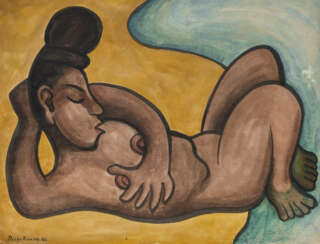

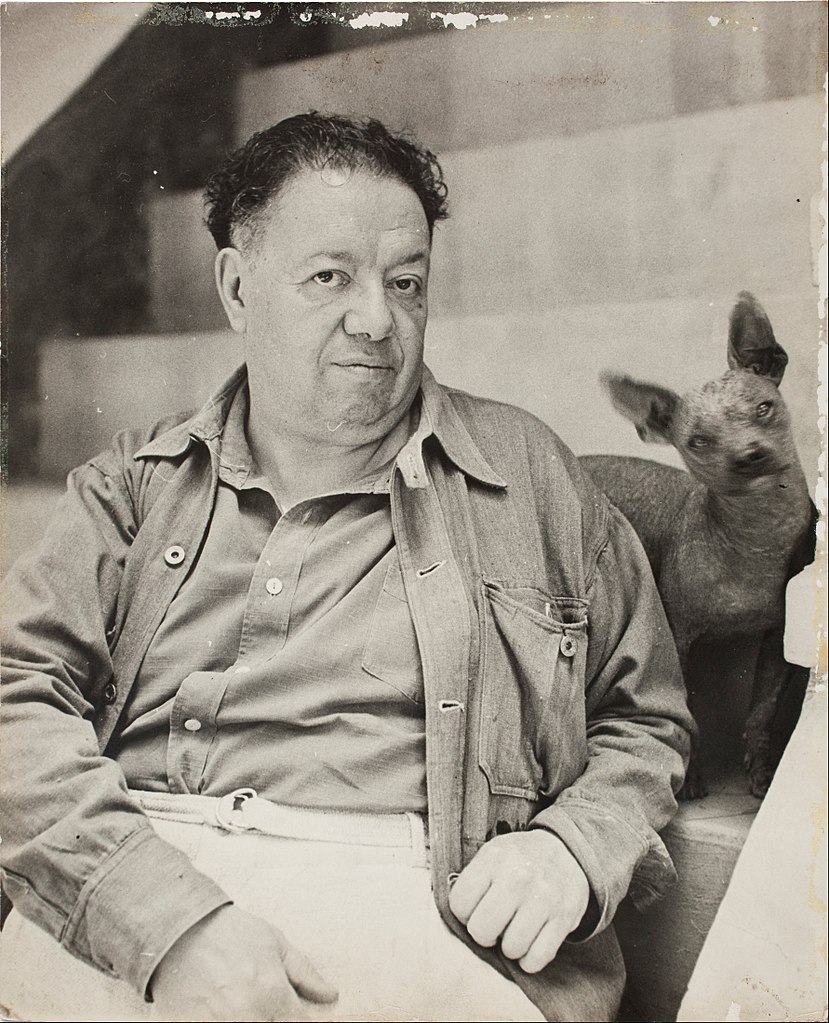
Diego María de la Concepción Juan Nepomuceno Estanislao de la Rivera y Barrientos Acosta y Rodríguez, more commonly known as Diego Rivera, was a prominent Mexican painter celebrated for his critical role in establishing the Mexican mural movement both nationally and internationally. Born on December 8, 1886, in Guanajuato, Mexico, to a well-to-do family, Rivera was a child prodigy in art, encouraged by his parents from a young age after they noticed his penchant for drawing. This early support included installing chalkboards and canvases on the walls of their home to foster his talent.
Rivera's art was not just limited to murals; he was also a key figure in Mexican Cubism and had a rich body of easel paintings. However, his murals, depicting scenes of Mexican society and reflecting his leftist political views, remain his most notable contributions. Some of his most famous works include "Man at the Crossroads," which stirred controversy due to its inclusion of Lenin, leading to its destruction at the Rockefeller Center in New York. Rivera's murals are scattered across Mexico and the United States, serving as historical documents that highlight his technical skill and deep social engagement.
His personal life was as colorful and tumultuous as his art, marked by multiple marriages, including to fellow artist Frida Kahlo. Their relationship was both passionate and stormy, significantly influencing their respective works. Rivera's legacy extends beyond his artwork; he was a mentor to several artists and left an indelible mark on the art world with his contributions to public art and his political activism. His works have been declared national monuments by the Mexican government, underscoring his pivotal role in the country's cultural heritage.
For collectors and experts in art and antiques, Rivera's works offer not only aesthetic beauty but also deep social and historical insights. If you're passionate about adding a piece of this rich cultural heritage to your collection or staying updated on auction events related to Diego Rivera's art, signing up for updates can provide you with timely information on new sales and exhibitions featuring his masterpieces.


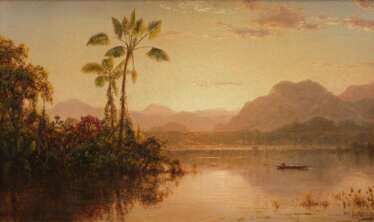

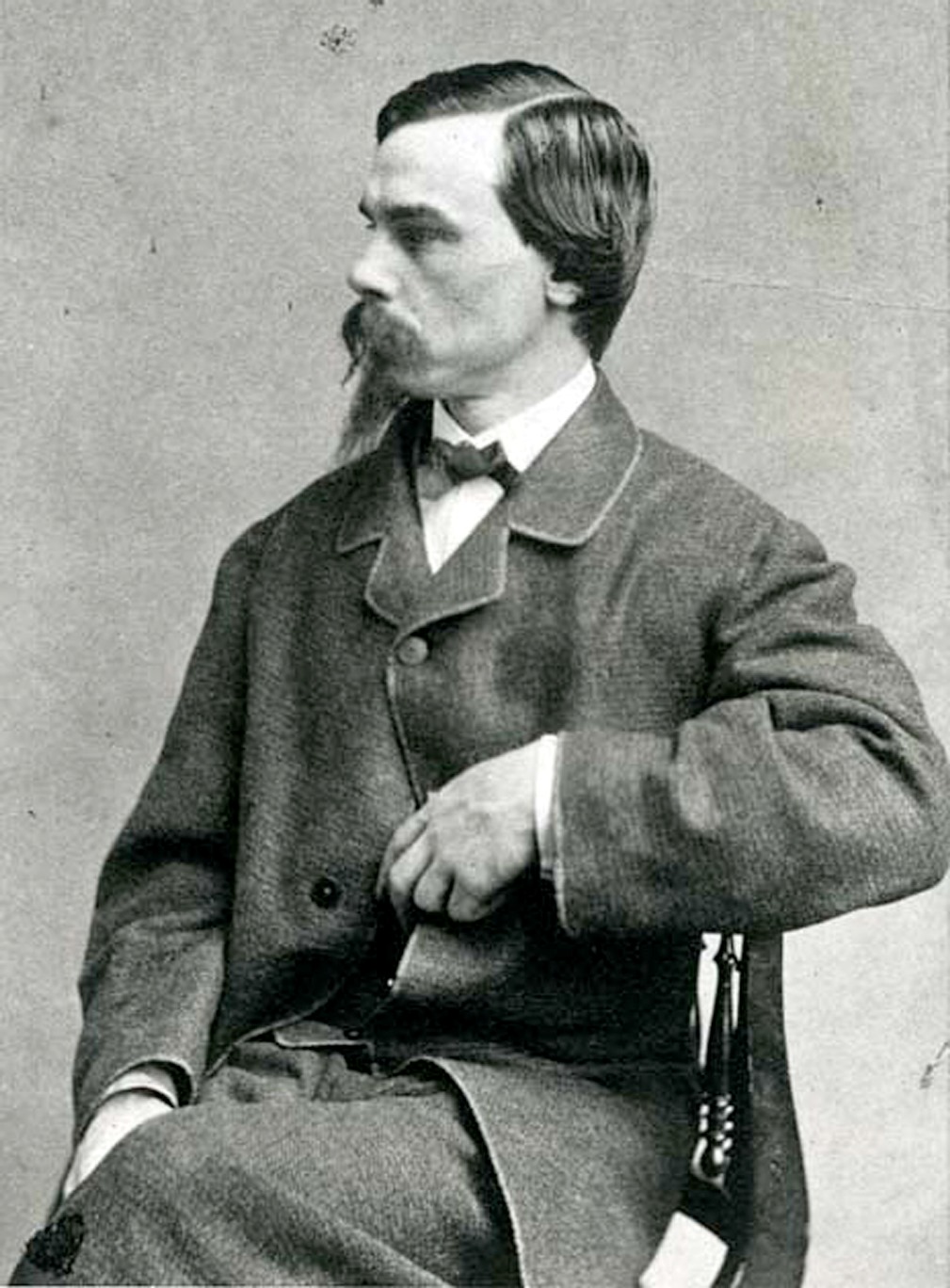












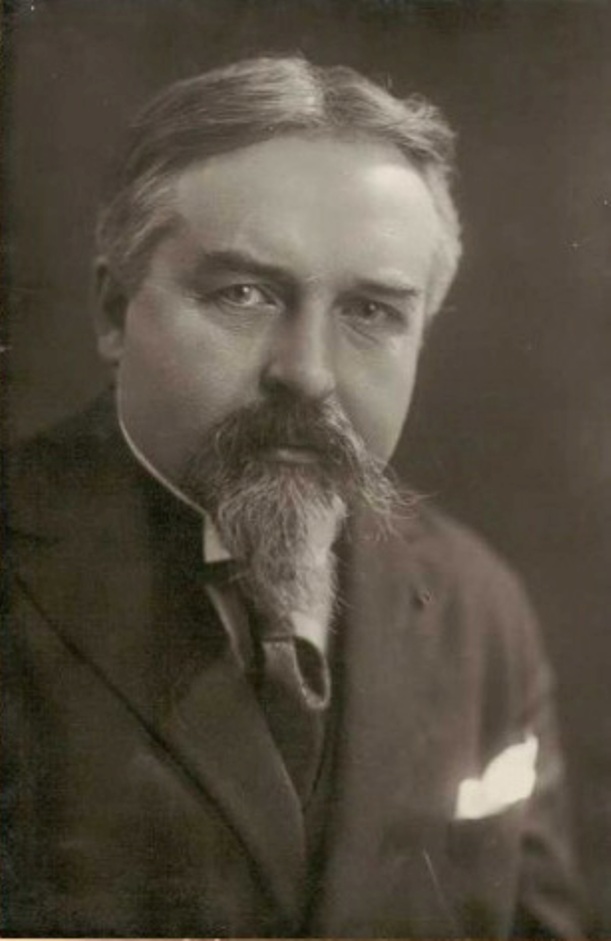
Maurice Denis, a French painter and writer, was an influential figure in the transition from impressionism to modern art. Born on November 25, 1870, in Granville, France, Denis's artistic journey began at the Académie Julian in Paris. Here, he met future collaborators like Paul Sérusier and Pierre Bonnard, with whom he later formed the Nabis group, a collective deriving its name from the Hebrew word "Nabi," meaning "Prophet".
Denis's style evolved from neoimpressionism, influenced by artists like Seurat, to a more decorative and colorful approach under the influence of Gauguin. This shift is evident in works like "Taches du soleil sur la terrace" (1890). He famously stated, "Art is no longer a visual sensation... it is a creation of our spirit," highlighting his belief in art as an idealistic expression, transcending mere imitation of nature.
Denis was also impacted by Japanese art, which influenced his compositions and styles, contributing to his unique and recognizable approach. His philosophy on art, encapsulated in his 1890 essay published in "Art et Critique," emphasized the importance of color and form in creating emotional depth, a notion that laid the groundwork for modernism. He argued that a painting's essence lies in its colors and composition, rather than its subject matter.
Throughout his career, Denis's work evolved towards a more classical approach. His involvement with the Ateliers d'Art Sacré, founded in 1919, demonstrated his interest in religious art and decoration. His notable works include "The Legend of Saint Hubert" (1897) and "The History of Music" for the Théâtre des Champs Elysées (1912-1913).
Tragically, Maurice Denis's life ended on November 13, 1943, when he was struck by a truck during the German occupation of Paris. However, his legacy endures through his contributions to modern art and symbolism, his influence on fellow artists, and his works displayed in various museums and galleries.
For collectors and art experts, Denis's work offers a unique glimpse into the evolution of modern art. His blend of symbolism, color, and form marks a significant shift in art history. To stay updated on new sales and auction events related to Maurice Denis's work, sign up for our newsletter. This subscription will keep you informed about the latest developments in the world of this remarkable artist.
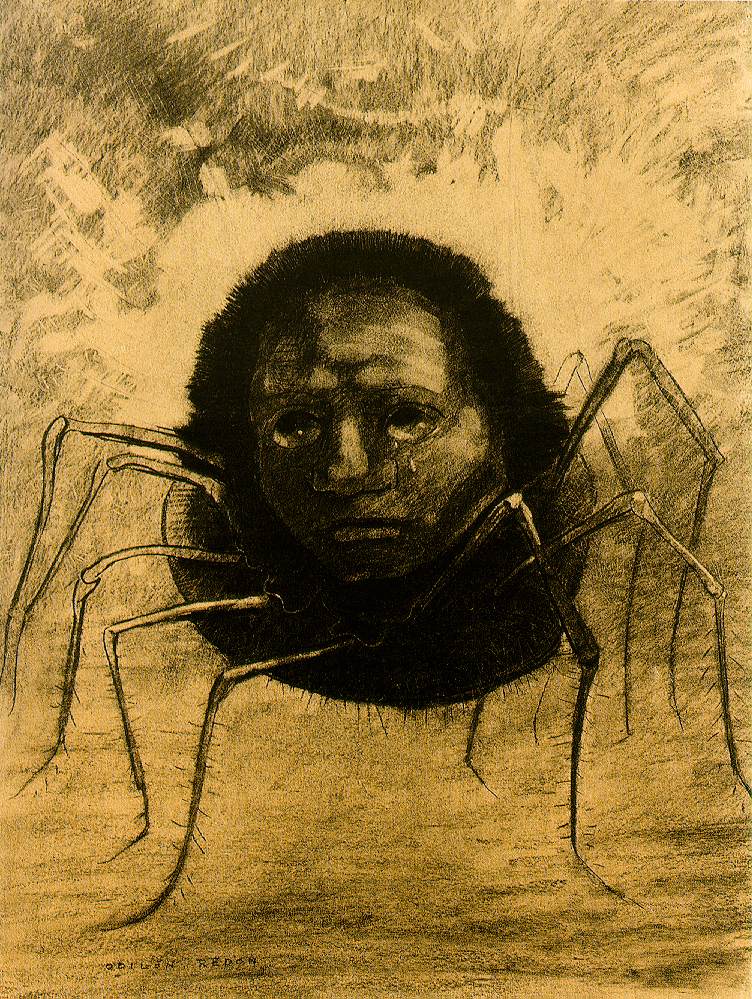
Odilon Redon was a prominent French artist, renowned for his unique contributions to the Symbolist movement. His artistic journey began with a focus on charcoal and lithography, creating works known as "noirs" that reflected a deep, dream-like quality. Redon's art evolved to incorporate vibrant colors and themes, often inspired by Buddhist and Hindu cultures. Notably, his paintings such as "The Death of Buddha" and "The Buddha," alongside others, displayed his fascination with Eastern philosophies and their integration into his art.
Redon's works are celebrated for their evocative, almost mystical qualities, blending elements of the natural world with fantastical, often surreal imagery. His attention to detail in portraying flowers, plants, and imaginary creatures reflected his interest in natural sciences and botany. This interplay between the real and the imagined is a hallmark of his work, making him a pivotal figure in the Symbolist movement.
His influence is evident in various collections and museums. For instance, the Musée d'Orsay in Paris houses some of his most significant works, including his decorative panels for the Château de Domecy-sur-le-Vault. These panels marked a transition in his style from ornamental to more abstract painting. Additionally, the Getty Museum in California and the Los Angeles County Museum of Art hold significant collections of Redon's works.
For art collectors and enthusiasts, Odilon Redon's work represents a blend of imagination, deep emotional resonance, and a unique interpretation of Symbolist ideas. His ability to capture the unseen and give it form on canvas or paper makes his work a valuable addition to any collection.
If you're interested in staying updated on sales and auction events featuring Odilon Redon's art, signing up for updates can be a great way to stay informed. This subscription is specifically tailored for new product sales and auction events related to Odilon Redon, offering a focused and business-like approach to your art collection interests.
.jfif)
Camille Pissarro, a Danish-French artist, was a linchpin of the Impressionist and Neo-Impressionist movements. Born in 1830 on the island of St. Thomas, Pissarro's Jewish-Portuguese heritage and upbringing in the Danish West Indies infused his work with a unique perspective. He is celebrated for his depictions of rural and urban French life, particularly his landscapes that eschew artifice, highlighting the simple beauty of the natural world and the dignity of common people.
Pissarro's influence on the art world was profound. Not only was he a central figure in the Impressionist movement, helping to organize the collective's exhibitions, but he also mentored future Post-Impressionist masters like Cézanne, Gauguin, and van Gogh. His colleagues revered him for his wisdom, balance, and warmhearted nature. Pissarro's dedication to the Impressionist ethos was unparalleled; he was the only artist to exhibit in all eight Paris Impressionist exhibitions from 1874 to 1886.
Among his notable works, Pissarro's 'Hay Harvest at Eragny' (1887) exemplifies his shift towards Neo-Impressionism. This piece, housed at the Van Gogh Museum in Amsterdam, showcases his exploration of tonal values and pointillism. Another poignant work, 'Jeanne Holding a Fan', captures the fragile beauty of his young daughter during her illness, and is a testament to his ability to convey deep personal emotion through art. This work is displayed at The Ashmolean Museum in Oxford.
For art collectors and enthusiasts, Pissarro's works remain a testament to the transformative power of Impressionism and its impact on modern art. His paintings, characterized by their revolutionary depictions of everyday life and nature, continue to be celebrated in major museums around the world.
To stay informed about upcoming sales and auction events featuring works by Camille Pissarro, sign up for our updates. This subscription is an opportunity for collectors and art experts to connect with the enduring legacy of one of Impressionism's pivotal figures.