roch
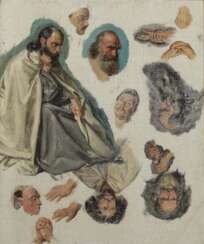

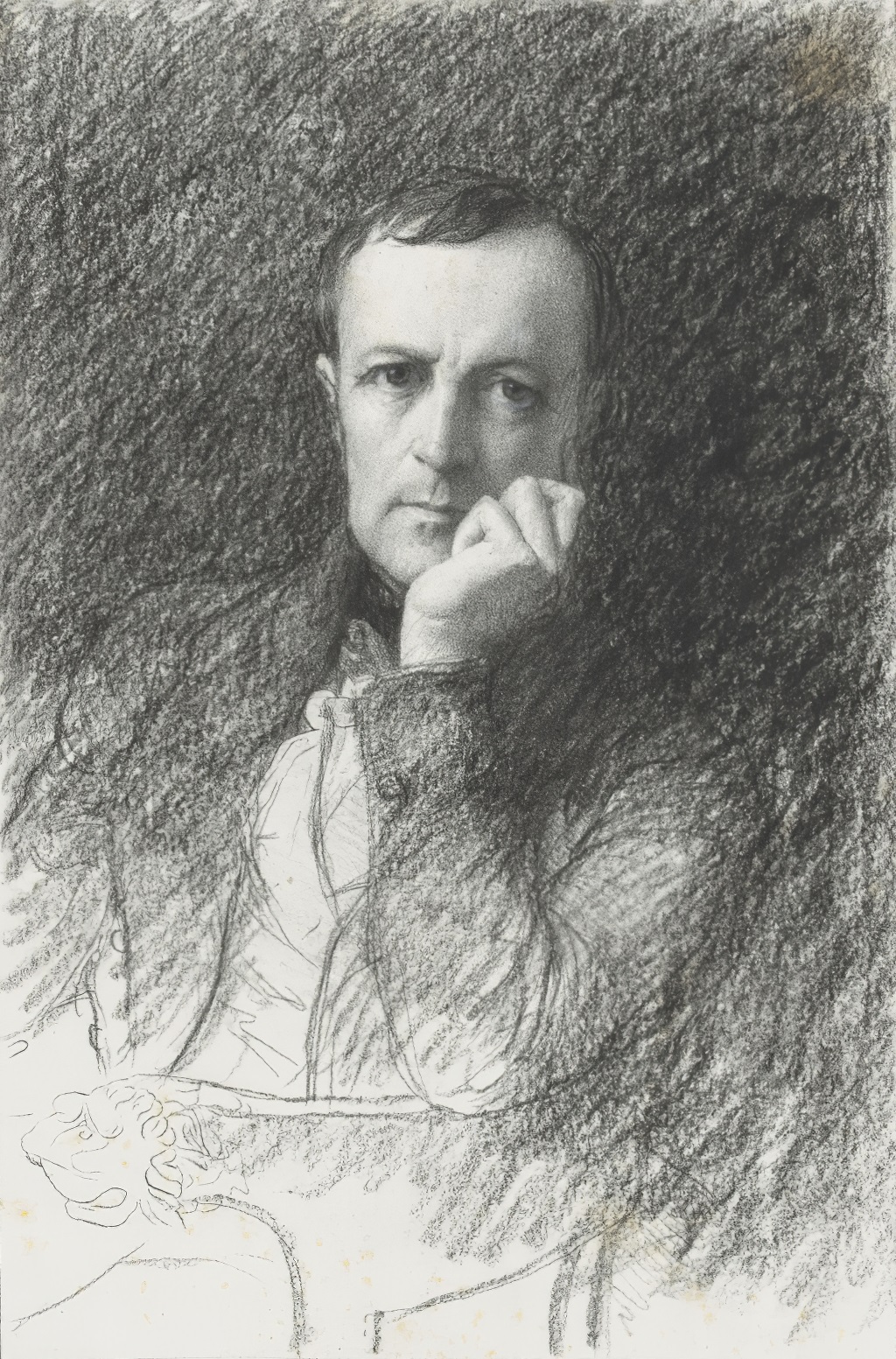
Paul Delaroche was renowned for his meticulously detailed historical scenes that captured both the essence and drama of bygone eras. Delaroche's work bridged the Neoclassical and Romantic movements, bringing to life figures and moments from both English and French history with a narrative intensity that resonated across Europe.
Paul Delaroche's education under the influential history painters Antoine-Jean Gros and Watelet instilled in him a profound understanding of historical accuracy and dramatic composition. His debut at the Paris Salon in 1822 marked the beginning of a highly successful career in which he received widespread acclaim, particularly for his poignant portrayal of "The Execution of Lady Jane Grey" in 1834, a piece that remains one of his most celebrated works.
Throughout his career, Paul Delaroche was committed to the educational aspect of art. In 1833, he became a professor at the École des Beaux-Arts in Paris, influencing a generation of artists with his emphasis on historical fidelity and narrative depth. His major works, like the grand mural "The Hemicycle," which he completed between 1837 and 1841, showcased his talent for orchestrating large-scale compositions that featured an array of historical figures.
Paul Delaroche's approach to history painting was characterized by a "philosophical analysis" of events, aiming to link historical truth with the nineteenth-century understanding of time and morality. His attention to detail and the emotional gravity of his subjects helped forge a visceral connection with viewers, making his works a staple in both public exhibitions and private collections.
For collectors and enthusiasts wishing to delve deeper into Delaroche's legacy or view his works, ongoing exhibitions and collections can be accessed through various art galleries and museums worldwide. To stay informed about such events and opportunities, consider signing up for updates focused on Paul Delaroche's works and their exhibition schedules.
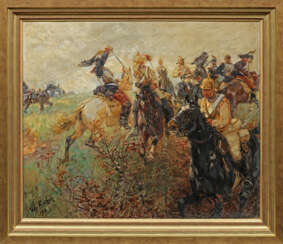

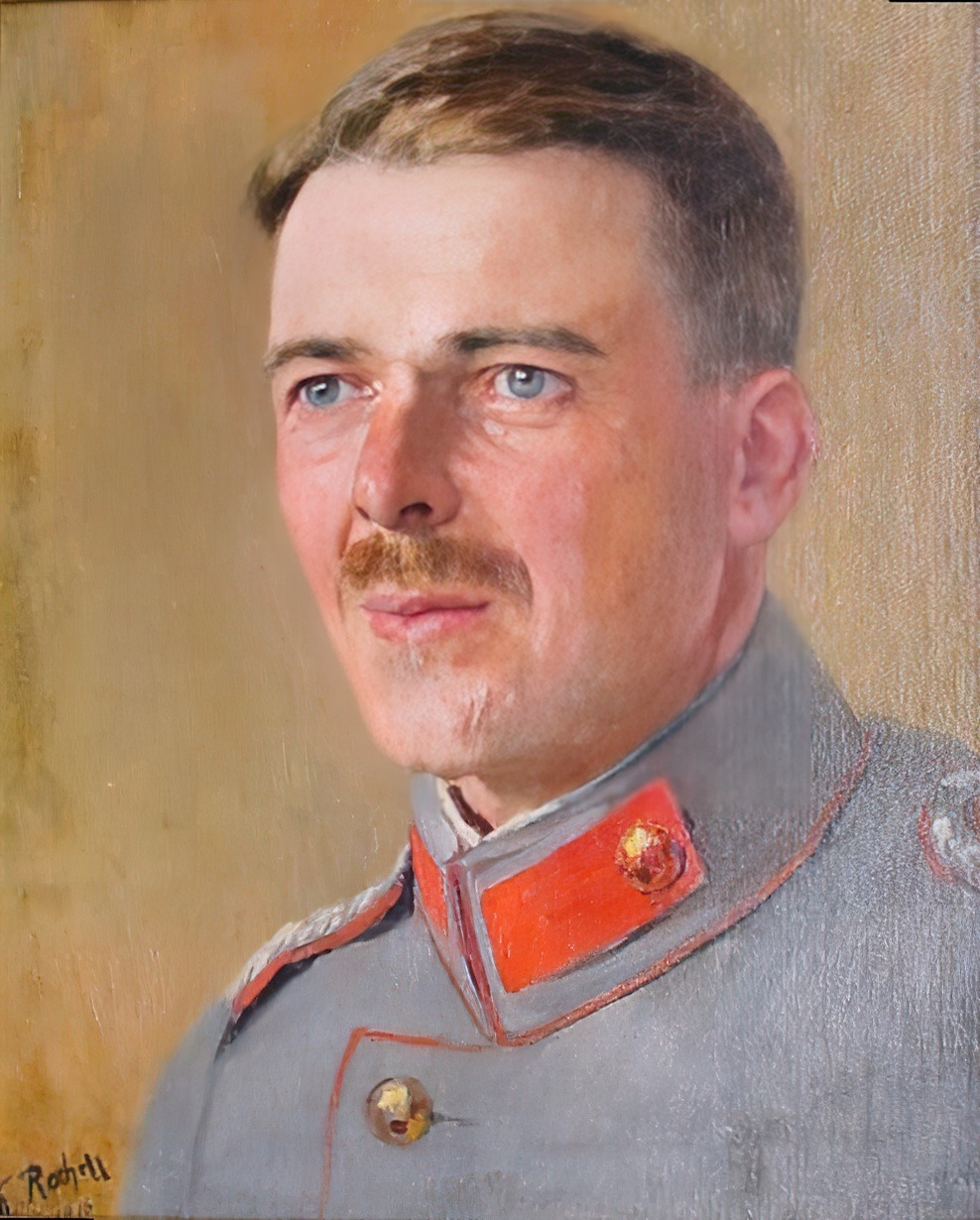
Theodor Rudolf Rocholl was a German painter, graphic artist and writer. He is best known for his photo reportages from the front of several wars and battle paintings, but he also painted landscapes and portraits.
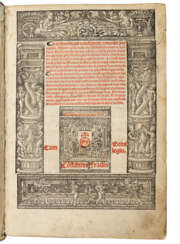

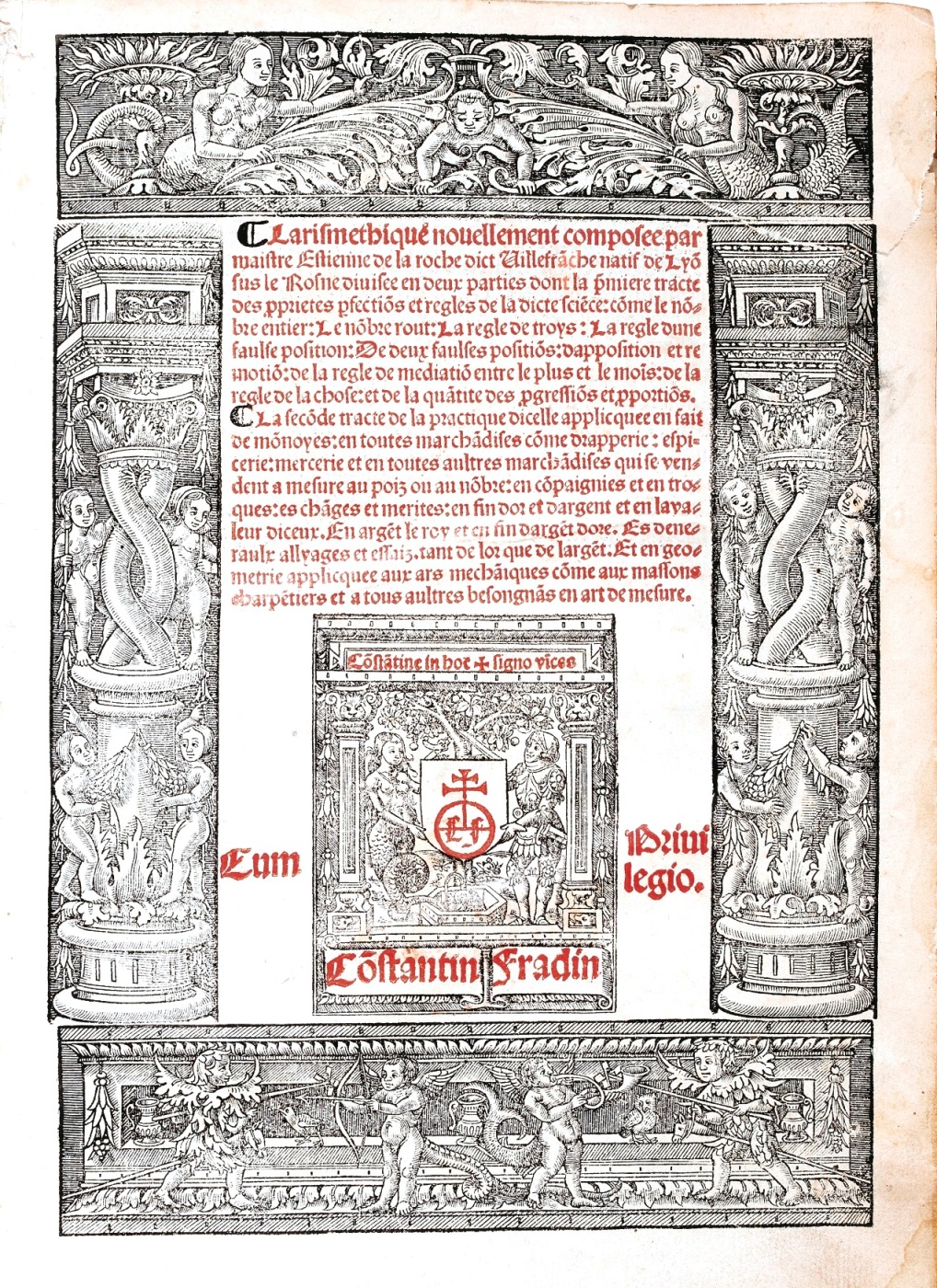
Estienne de la Roche, also known as Estienne de Villefranche, was a French mathematician.
He is known for having taught mathematics in Lyon for 25 years as a professor of mathematics. In 1520 he published the Arismatics, considered at the time the best reference book on algebra.
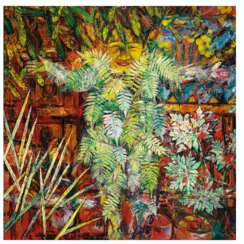


Arnaldo Roche Rabell was a Puerto Rican painter, described as "one of the most important artists of the neo-expressionist movement".
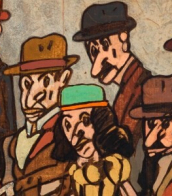
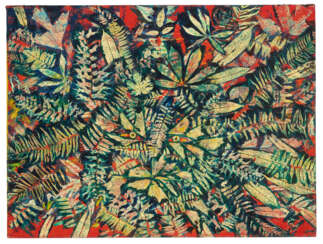

Arnaldo Roche Rabell was a Puerto Rican painter, described as "one of the most important artists of the neo-expressionist movement".
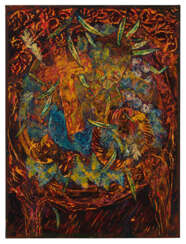

Arnaldo Roche Rabell was a Puerto Rican painter, described as "one of the most important artists of the neo-expressionist movement".


Arnaldo Roche Rabell was a Puerto Rican painter, described as "one of the most important artists of the neo-expressionist movement".
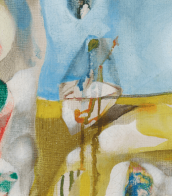


Arnaldo Roche Rabell was a Puerto Rican painter, described as "one of the most important artists of the neo-expressionist movement".

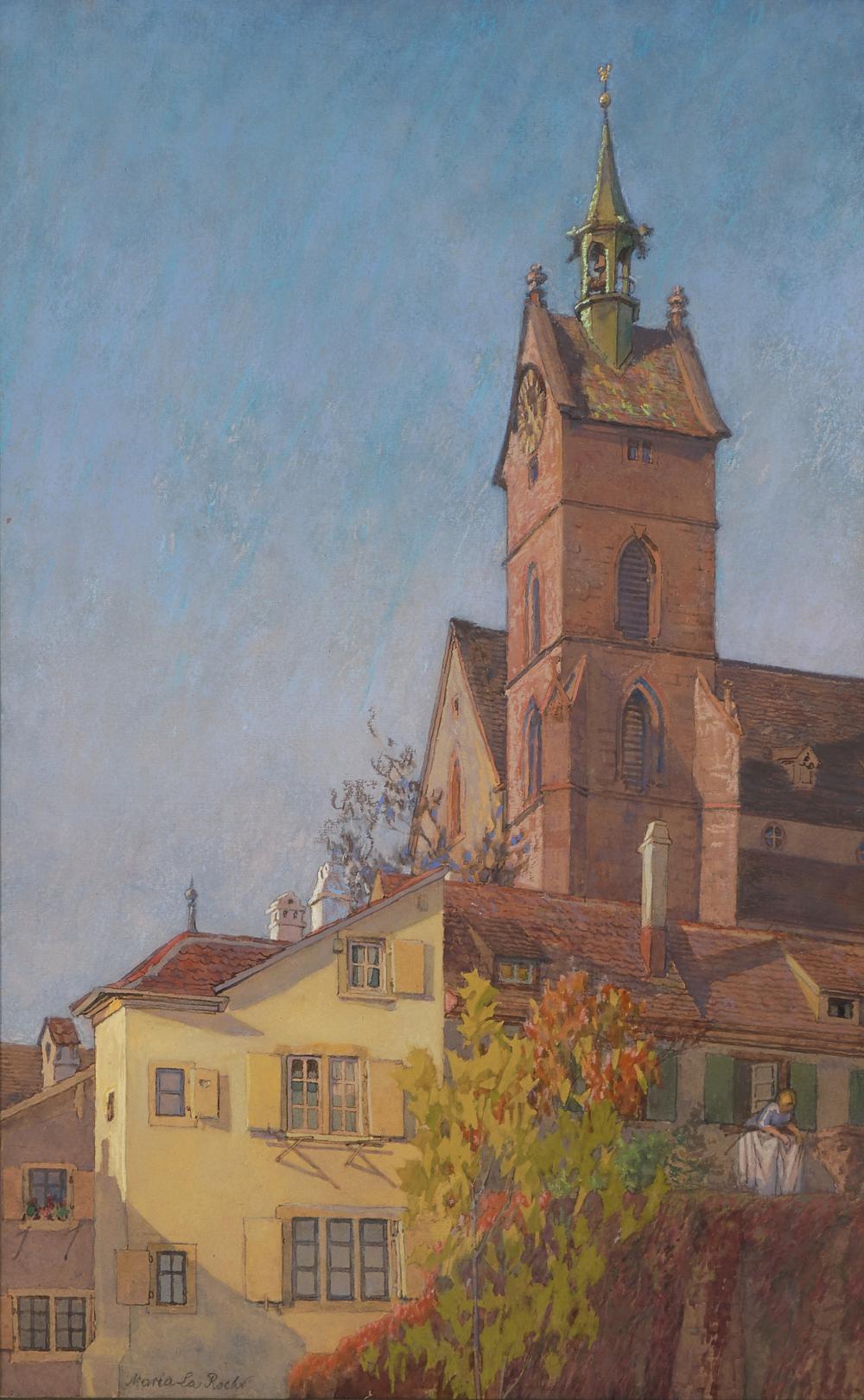
Maria La Roche was a Swiss artist, graphic artist and printmaker.

Paul Delaroche was renowned for his meticulously detailed historical scenes that captured both the essence and drama of bygone eras. Delaroche's work bridged the Neoclassical and Romantic movements, bringing to life figures and moments from both English and French history with a narrative intensity that resonated across Europe.
Paul Delaroche's education under the influential history painters Antoine-Jean Gros and Watelet instilled in him a profound understanding of historical accuracy and dramatic composition. His debut at the Paris Salon in 1822 marked the beginning of a highly successful career in which he received widespread acclaim, particularly for his poignant portrayal of "The Execution of Lady Jane Grey" in 1834, a piece that remains one of his most celebrated works.
Throughout his career, Paul Delaroche was committed to the educational aspect of art. In 1833, he became a professor at the École des Beaux-Arts in Paris, influencing a generation of artists with his emphasis on historical fidelity and narrative depth. His major works, like the grand mural "The Hemicycle," which he completed between 1837 and 1841, showcased his talent for orchestrating large-scale compositions that featured an array of historical figures.
Paul Delaroche's approach to history painting was characterized by a "philosophical analysis" of events, aiming to link historical truth with the nineteenth-century understanding of time and morality. His attention to detail and the emotional gravity of his subjects helped forge a visceral connection with viewers, making his works a staple in both public exhibitions and private collections.
For collectors and enthusiasts wishing to delve deeper into Delaroche's legacy or view his works, ongoing exhibitions and collections can be accessed through various art galleries and museums worldwide. To stay informed about such events and opportunities, consider signing up for updates focused on Paul Delaroche's works and their exhibition schedules.

Paul Delaroche was renowned for his meticulously detailed historical scenes that captured both the essence and drama of bygone eras. Delaroche's work bridged the Neoclassical and Romantic movements, bringing to life figures and moments from both English and French history with a narrative intensity that resonated across Europe.
Paul Delaroche's education under the influential history painters Antoine-Jean Gros and Watelet instilled in him a profound understanding of historical accuracy and dramatic composition. His debut at the Paris Salon in 1822 marked the beginning of a highly successful career in which he received widespread acclaim, particularly for his poignant portrayal of "The Execution of Lady Jane Grey" in 1834, a piece that remains one of his most celebrated works.
Throughout his career, Paul Delaroche was committed to the educational aspect of art. In 1833, he became a professor at the École des Beaux-Arts in Paris, influencing a generation of artists with his emphasis on historical fidelity and narrative depth. His major works, like the grand mural "The Hemicycle," which he completed between 1837 and 1841, showcased his talent for orchestrating large-scale compositions that featured an array of historical figures.
Paul Delaroche's approach to history painting was characterized by a "philosophical analysis" of events, aiming to link historical truth with the nineteenth-century understanding of time and morality. His attention to detail and the emotional gravity of his subjects helped forge a visceral connection with viewers, making his works a staple in both public exhibitions and private collections.
For collectors and enthusiasts wishing to delve deeper into Delaroche's legacy or view his works, ongoing exhibitions and collections can be accessed through various art galleries and museums worldwide. To stay informed about such events and opportunities, consider signing up for updates focused on Paul Delaroche's works and their exhibition schedules.
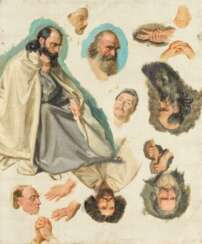

Paul Delaroche was renowned for his meticulously detailed historical scenes that captured both the essence and drama of bygone eras. Delaroche's work bridged the Neoclassical and Romantic movements, bringing to life figures and moments from both English and French history with a narrative intensity that resonated across Europe.
Paul Delaroche's education under the influential history painters Antoine-Jean Gros and Watelet instilled in him a profound understanding of historical accuracy and dramatic composition. His debut at the Paris Salon in 1822 marked the beginning of a highly successful career in which he received widespread acclaim, particularly for his poignant portrayal of "The Execution of Lady Jane Grey" in 1834, a piece that remains one of his most celebrated works.
Throughout his career, Paul Delaroche was committed to the educational aspect of art. In 1833, he became a professor at the École des Beaux-Arts in Paris, influencing a generation of artists with his emphasis on historical fidelity and narrative depth. His major works, like the grand mural "The Hemicycle," which he completed between 1837 and 1841, showcased his talent for orchestrating large-scale compositions that featured an array of historical figures.
Paul Delaroche's approach to history painting was characterized by a "philosophical analysis" of events, aiming to link historical truth with the nineteenth-century understanding of time and morality. His attention to detail and the emotional gravity of his subjects helped forge a visceral connection with viewers, making his works a staple in both public exhibitions and private collections.
For collectors and enthusiasts wishing to delve deeper into Delaroche's legacy or view his works, ongoing exhibitions and collections can be accessed through various art galleries and museums worldwide. To stay informed about such events and opportunities, consider signing up for updates focused on Paul Delaroche's works and their exhibition schedules.

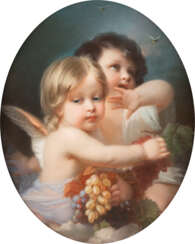

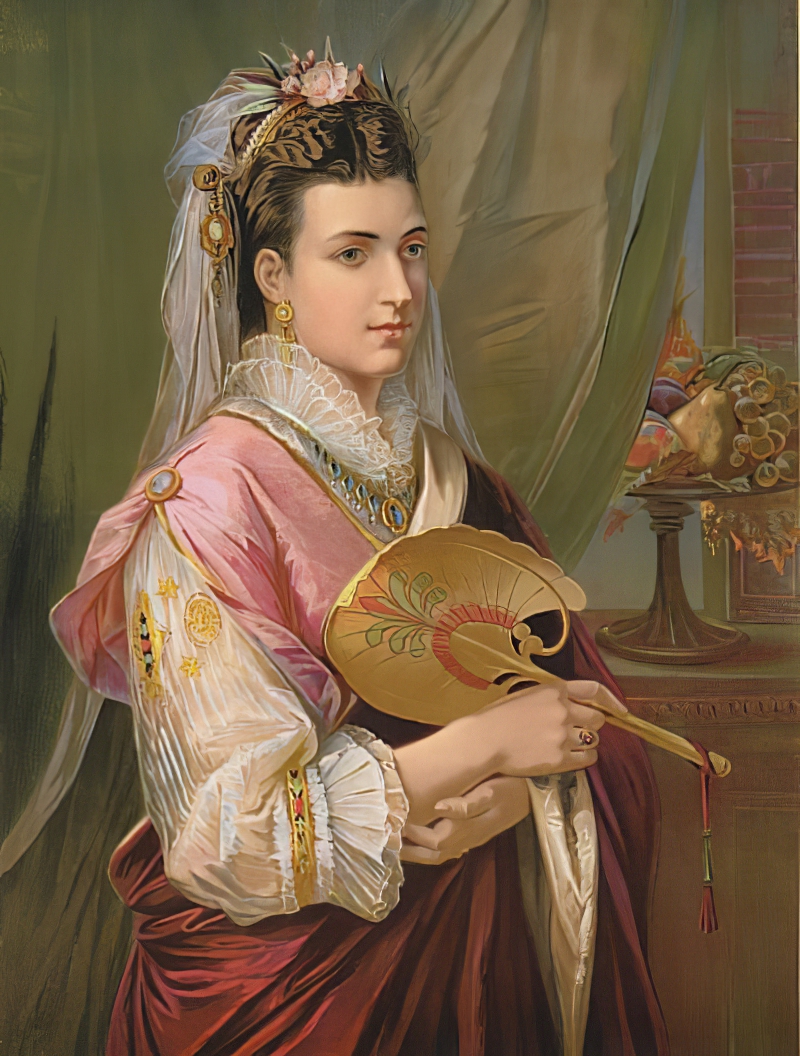
Constant-Joseph Brochart was a French artist known for the charm and colouration that he brought to portraits of young women and children.
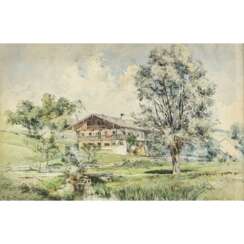






Constant-Joseph Brochart was a French artist known for the charm and colouration that he brought to portraits of young women and children.





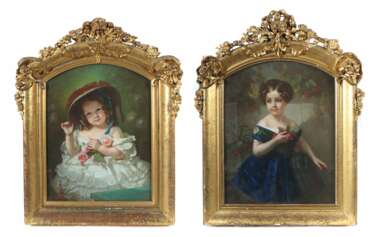

Constant-Joseph Brochart was a French artist known for the charm and colouration that he brought to portraits of young women and children.
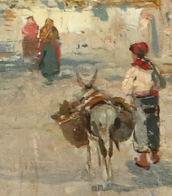
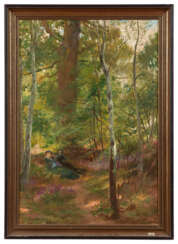

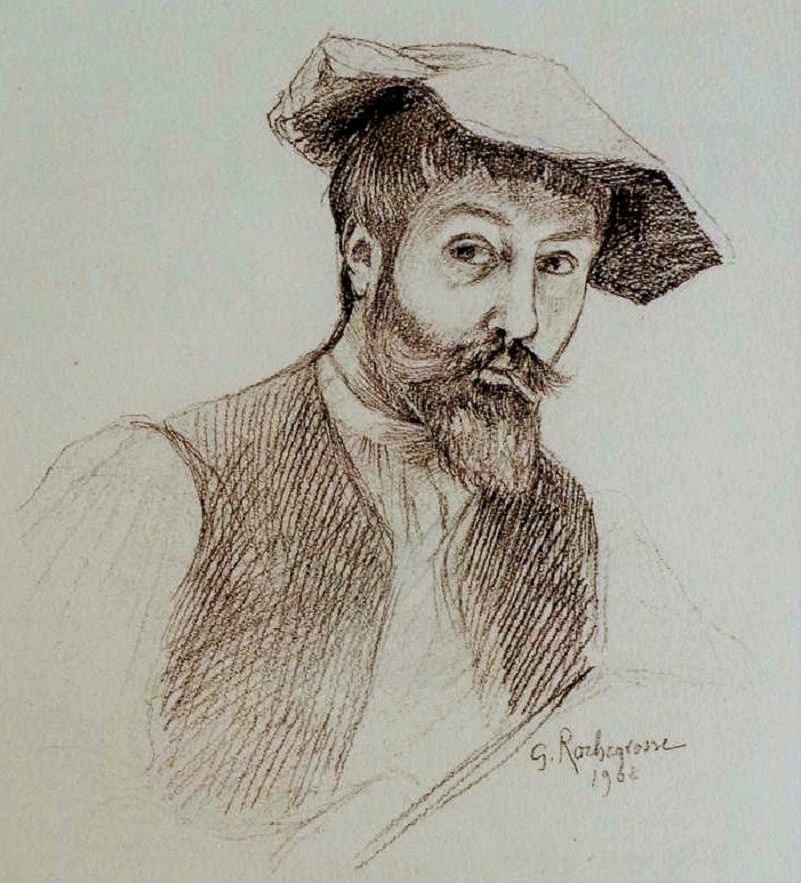
Georges Antoine Rochegrosse was a French historical and decorative painter. His themes are generally historical, and he treated them on a colossal scale and in an emotional naturalistic style, with a distinct revelling in horrible subjects and details. He made his Paris Salon début in 1882 with Vitellis traîné dans les rues de Rome par la populace. He was elected an Officer of the Legion of Honour in 1892 and received the Medal of Honour in 1906 for The Red Delight. Rochegrosse also illustrated several books. Some of the drawings for these illustrations are in the Department of Prints and Drawings at the British Museum, London.