sala uno











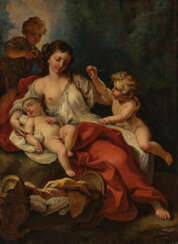

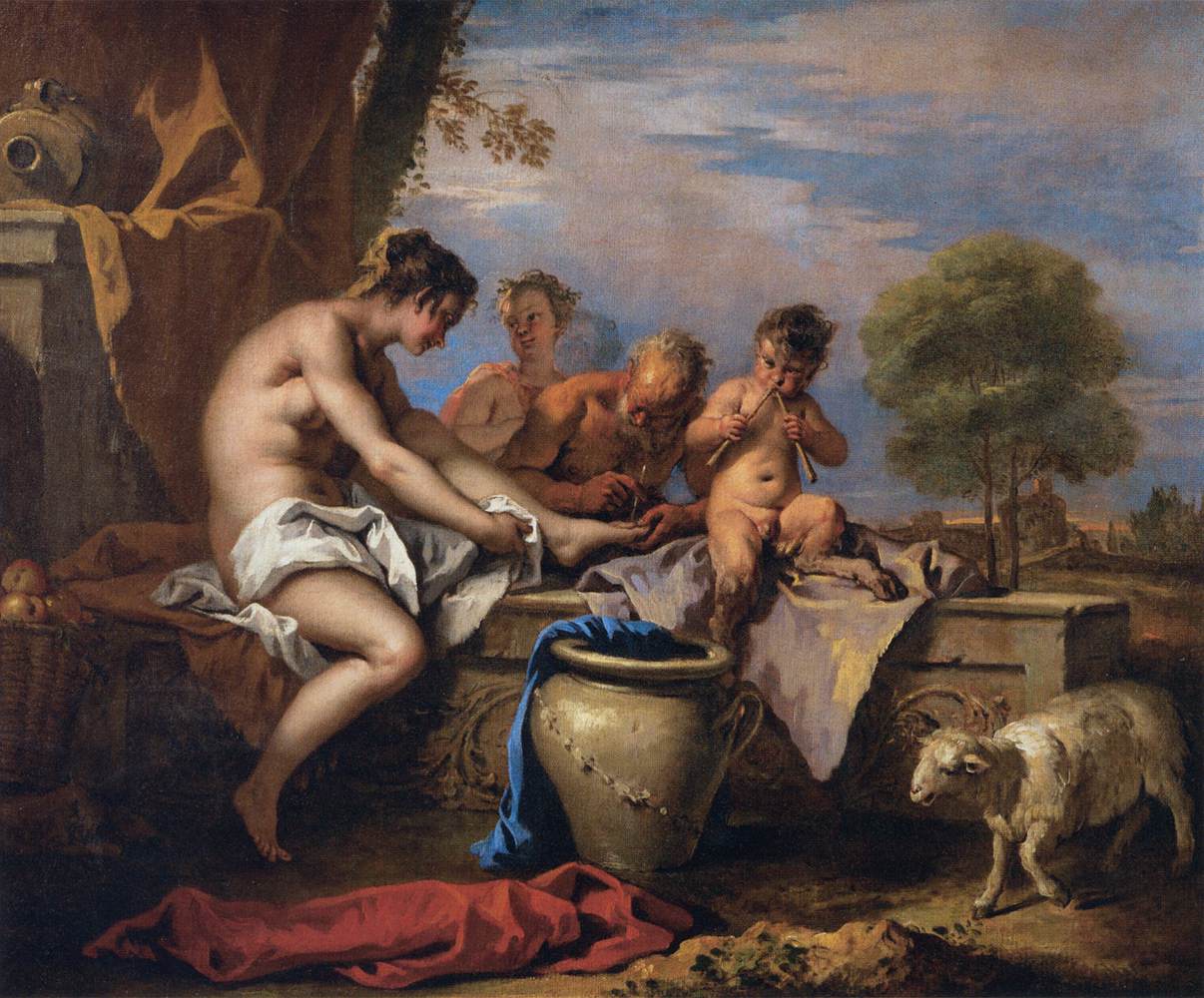
Sebastiano Ricci, an Italian painter, was a significant figure in the late Baroque school of Venice. He moved to Venice at age 12 and was apprenticed to Federico Cervelli. His work took him across Italy and abroad to England and France, where he left his mark with grand decorative paintings and altarpieces that bridged the late Baroque and emerging Rococo styles.
Sebastiano Ricci's style evolved over the years, showing influences from various regions and artists. In Bologna, he was drawn to the Carracci tradition, while in Parma, he absorbed the color sensibilities of Correggio and Parmigianino. His Roman period allowed him to study the works of Baroque decorators, further refining his decorative and coloristic skills. By the time he returned to Venice, Ricci had developed a mature style that incorporated lessons from his travels, particularly from Paolo Veronese.
His works often depicted mythological and religious themes, filled with dynamic compositions and rich color schemes. Notably, his international commissions included decorative schemes for the Royal House of Savoy and significant works in England, where he collaborated with his nephew Marco Ricci. These contributions solidified his reputation across Europe.
Sebastiano Ricci's legacy is seen in his influence on later Venetian painters and his role in transitioning Venetian art from the Baroque to the Rococo. His works remain celebrated for their vibrancy, expressive light, and inventive compositions, holding a prominent place in the collections of major museums worldwide.
For collectors and art enthusiasts, Sebastiano Ricci's works offer a glimpse into a pivotal moment in art history, where the grandeur of the Baroque began to blend with the lighter, more playful elements of the Rococo. His paintings are not only visually stunning but also rich in historical context, reflecting the cross-currents of European art in the early 18th century.
To stay updated on exhibitions and sales featuring Sebastiano Ricci's works, consider subscribing to updates from art institutions and auction houses. This way, you'll be informed about opportunities to view or acquire pieces by this influential artist.
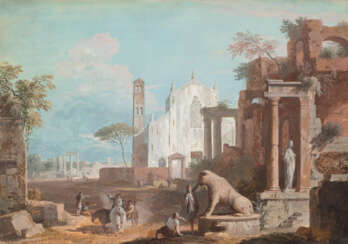

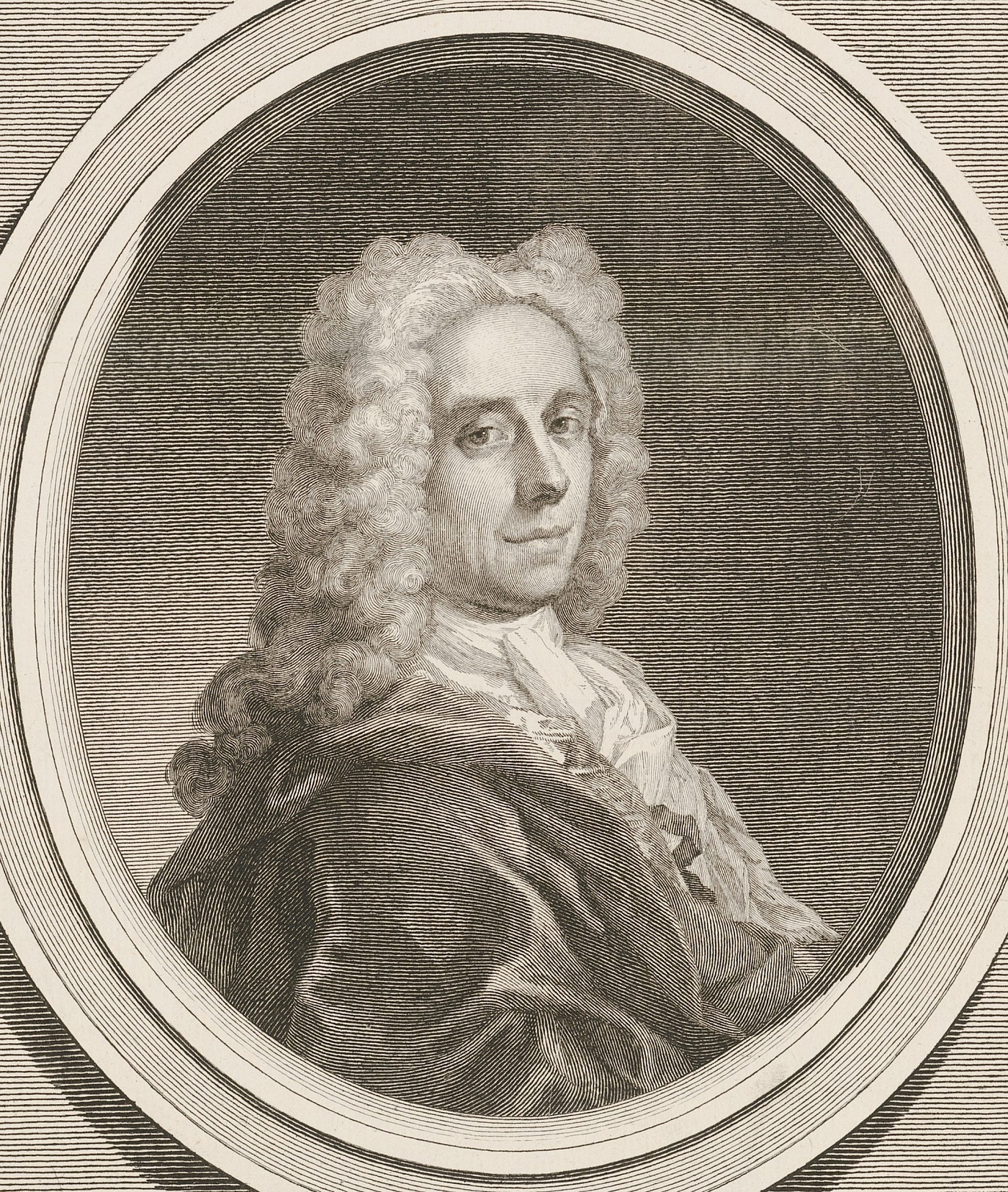
Marco Ricci was an Italian painter of the Baroque period.
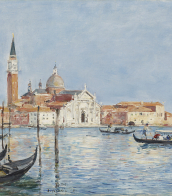
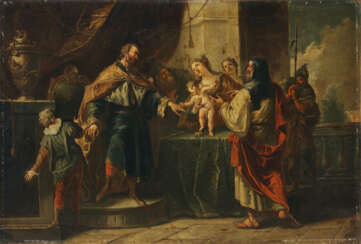

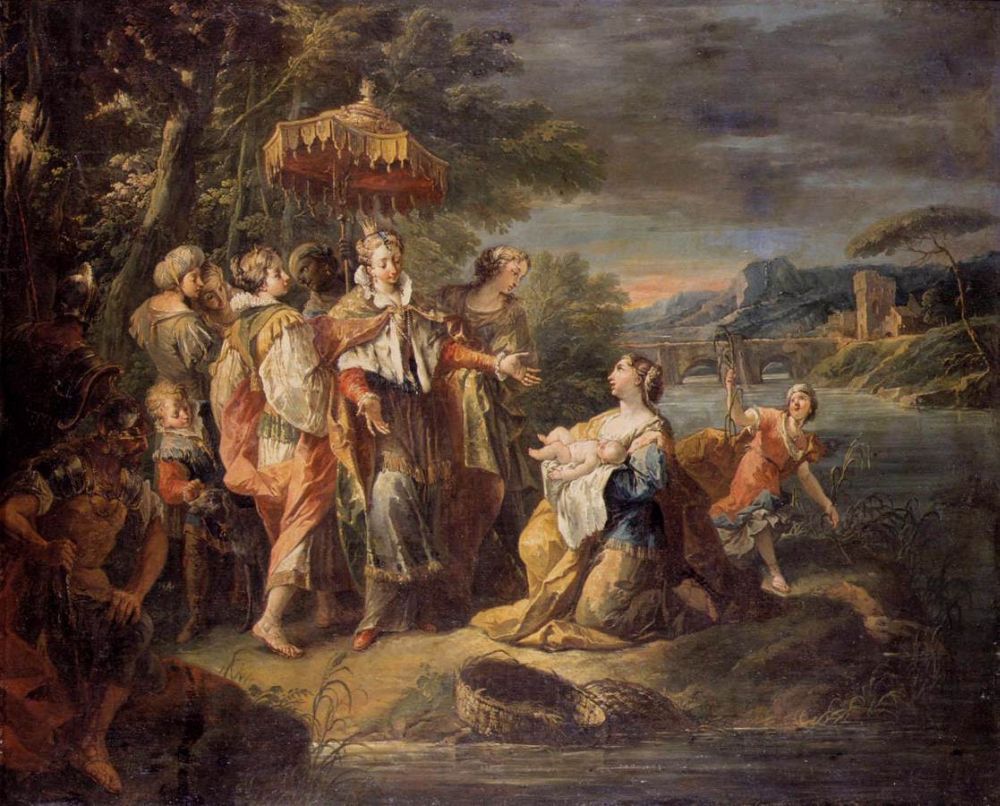
Gaspare Diziani was an Italian late Baroque and early Rococo painter, decorator, draftsman, and engraver.
He painted a series of canvases and murals for churches, and worked as a set designer for theaters and opera houses in Venice, Munich, and Dresden. His engravings illustrate the 1757 edition of The Divine Comedy.
Gaspare Diziani was one of the founders of the Venice Academy of Fine Arts.


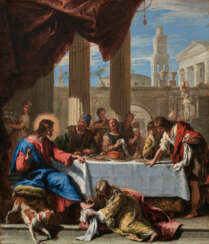

Sebastiano Ricci, an Italian painter, was a significant figure in the late Baroque school of Venice. He moved to Venice at age 12 and was apprenticed to Federico Cervelli. His work took him across Italy and abroad to England and France, where he left his mark with grand decorative paintings and altarpieces that bridged the late Baroque and emerging Rococo styles.
Sebastiano Ricci's style evolved over the years, showing influences from various regions and artists. In Bologna, he was drawn to the Carracci tradition, while in Parma, he absorbed the color sensibilities of Correggio and Parmigianino. His Roman period allowed him to study the works of Baroque decorators, further refining his decorative and coloristic skills. By the time he returned to Venice, Ricci had developed a mature style that incorporated lessons from his travels, particularly from Paolo Veronese.
His works often depicted mythological and religious themes, filled with dynamic compositions and rich color schemes. Notably, his international commissions included decorative schemes for the Royal House of Savoy and significant works in England, where he collaborated with his nephew Marco Ricci. These contributions solidified his reputation across Europe.
Sebastiano Ricci's legacy is seen in his influence on later Venetian painters and his role in transitioning Venetian art from the Baroque to the Rococo. His works remain celebrated for their vibrancy, expressive light, and inventive compositions, holding a prominent place in the collections of major museums worldwide.
For collectors and art enthusiasts, Sebastiano Ricci's works offer a glimpse into a pivotal moment in art history, where the grandeur of the Baroque began to blend with the lighter, more playful elements of the Rococo. His paintings are not only visually stunning but also rich in historical context, reflecting the cross-currents of European art in the early 18th century.
To stay updated on exhibitions and sales featuring Sebastiano Ricci's works, consider subscribing to updates from art institutions and auction houses. This way, you'll be informed about opportunities to view or acquire pieces by this influential artist.


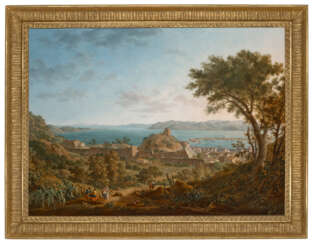

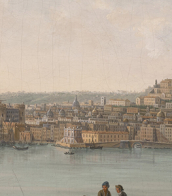


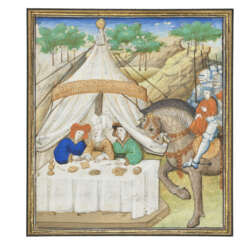

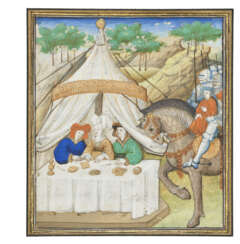

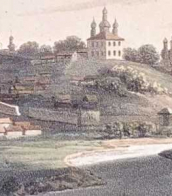


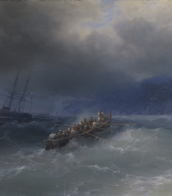
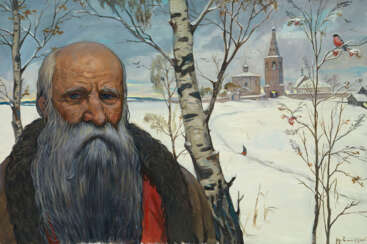










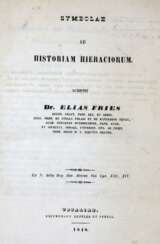

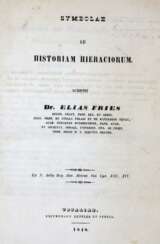

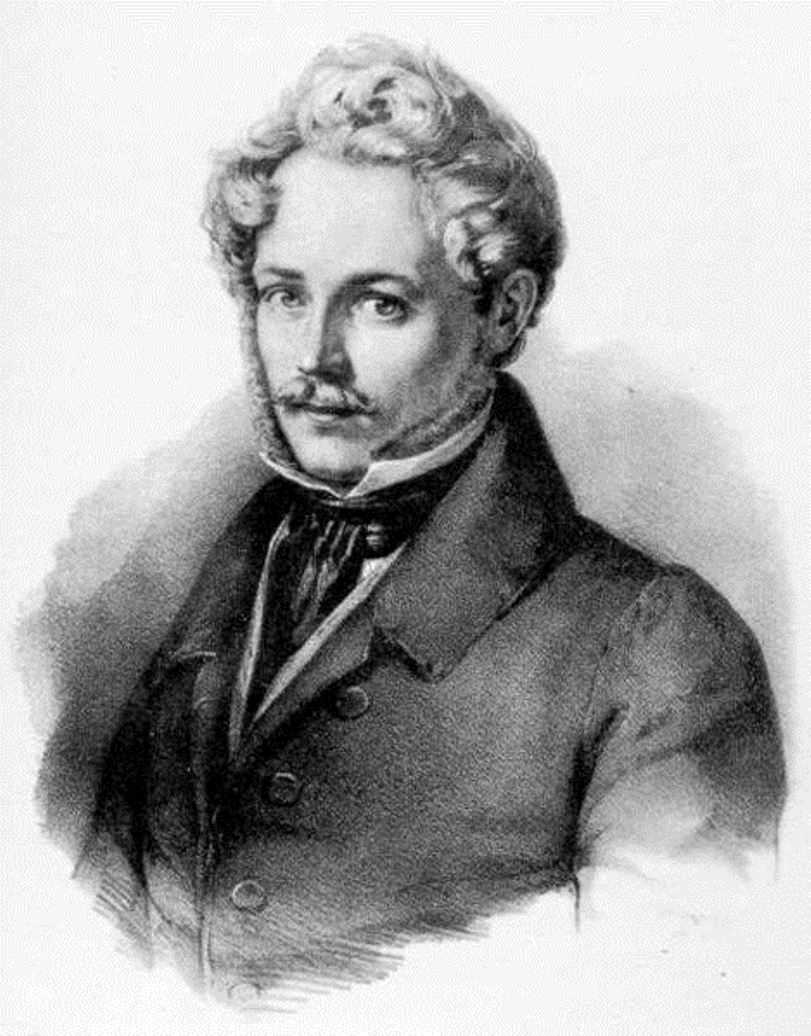
Ernst Fries, full name Adam Friedrich Carl Ernst Fries, was a German landscape painter, draftsman, engraver and etching artist.
Born into the wealthy and large family of banker and art collector Christian Adam Fries, Ernst received the best artistic education, including at the Academy of Fine Arts in Munich. Ernst Fries traveled extensively throughout Europe and always and everywhere made landscape sketches. In Italy he created his best works. Moving to Karlsruhe in 1831, Fries was appointed court painter to the Grand Duke. During his short tenure he painted a large number of leads, paintings and engravings.
Fries marked the transition from romanticism to realism with his work and had great potential, but unfortunately he ended his life at the age of 32. His younger brothers Wilhelm (1819-1878) and Bernhard (1820-1879) also became artists.

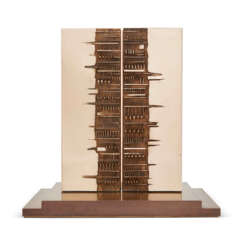

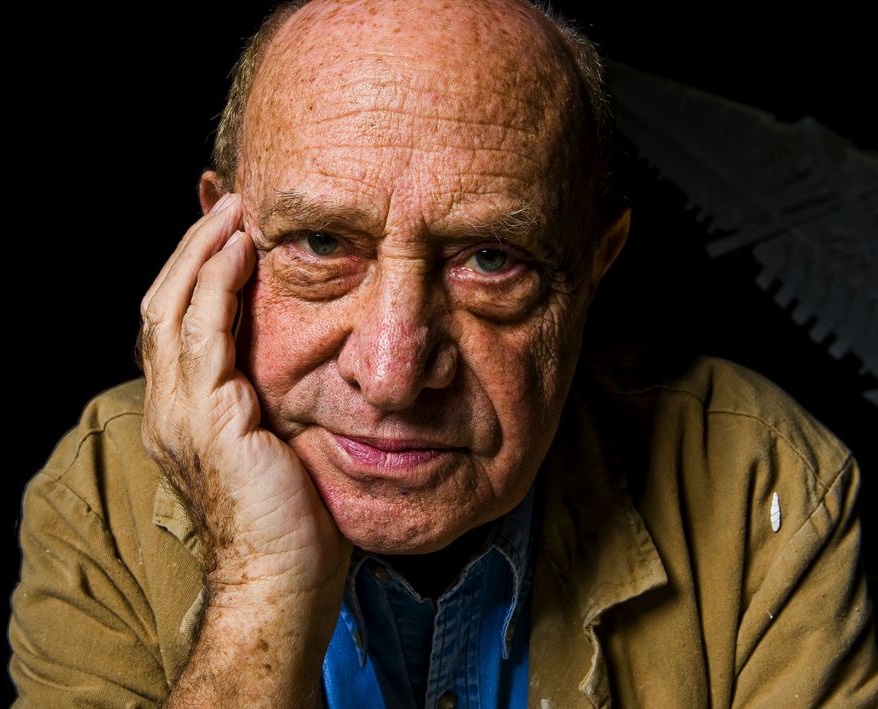
Arnaldo Pomodoro is an Italian sculptor. He was born in Morciano, Romagna, and lives and works in Milan. His brother, Giò Pomodoro (1930-2002) was also a sculptor.
Pomodoro designed a controversial fiberglass crucifix for the Cathedral of St. John the Evangelist in Milwaukee, Wisconsin. The piece is topped with a fourteen-foot diameter crown of thorns which hovers over the figure of Christ.
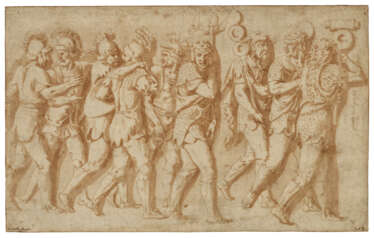

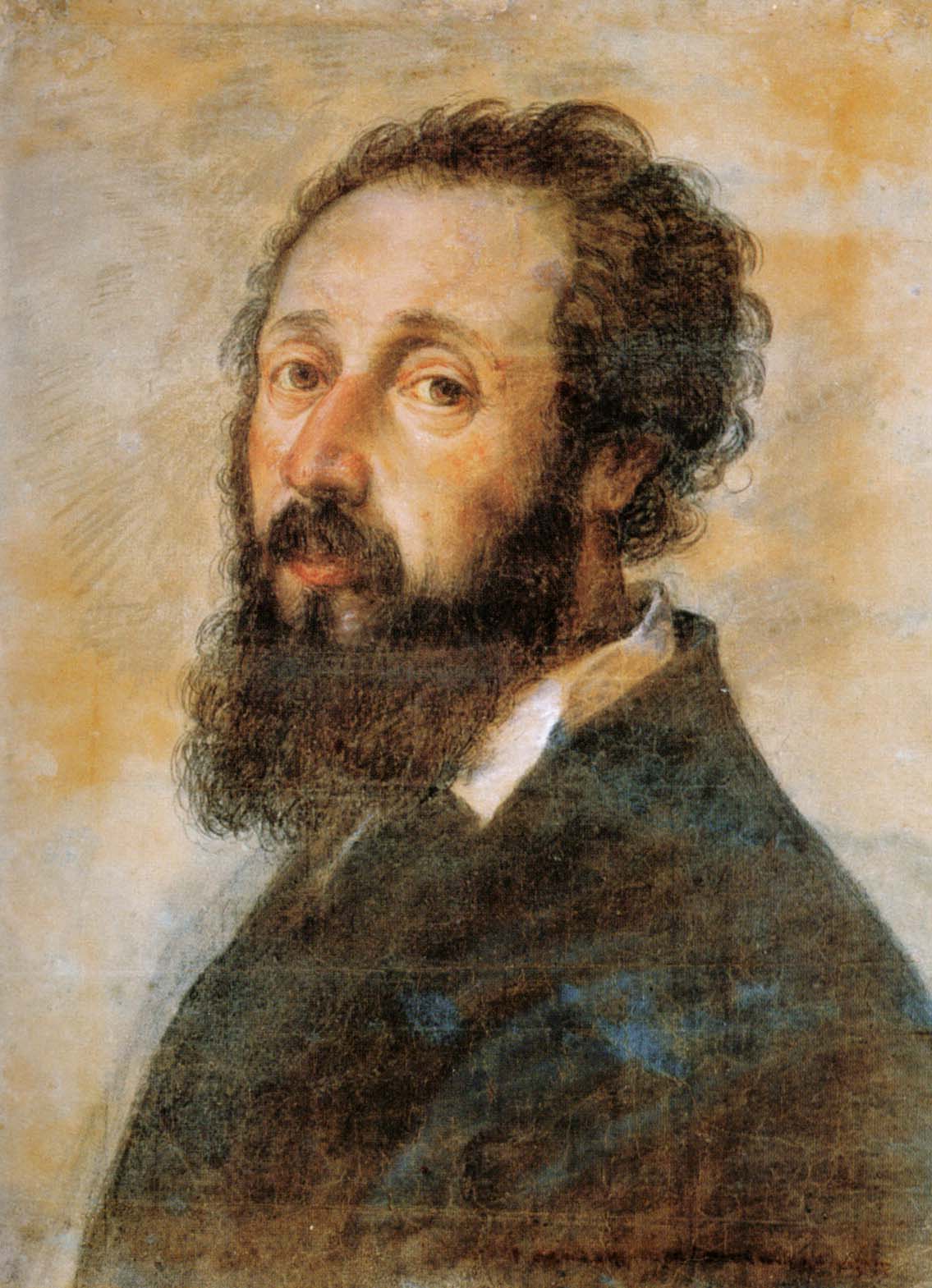
Giulio Romano, an Italian prodigy in painting and architecture, is celebrated for his dynamic contributions to the Renaissance and Mannerist styles. A pivotal figure in the late Renaissance, Giulio Romano was not only Raphael's principal pupil but also a trusted assistant, inheriting his master's workshop upon his death in 1520.
Giulio Romano's artistic journey began under Raphael's tutelage, where he honed his skills in both painting and architecture. His work vividly reflects the essence of the High Renaissance yet also signals the advent of Mannerism, a style characterized by elongated forms and exaggerated emotions. Notably, Romano's architectural prowess was largely self-taught, developed while assisting Raphael, who was the papal architect during that time.
The Palazzo del Te in Mantua stands as a testament to Giulio Romano's architectural genius. This pleasure palace, begun around 1524 and completed a decade later, showcases his inventive spirit and skill. It's a striking example of how Romano played with classical conventions to create something uniquely expressive. His ability to transform spaces was not just limited to grand structures but also extended to designing gardens and facades, enhancing their aesthetics and functionality.
In painting, Giulio Romano's works such as the Stoning of St. Stephen in Santo Stefano, Genoa, and the Adoration of the Magi in the Louvre, demonstrate his mastery and influence. His fresco "Fire in the Borgo" in the Raphael Rooms of the Vatican City is particularly noteworthy. Romano's drawings and designs, revered for their technical skill and creativity, significantly influenced subsequent artists, including Nicolas Poussin.
For art collectors and experts, the works of Giulio Romano present a fascinating blend of Renaissance classicism and the burgeoning Mannerist style. His contributions in both painting and architecture have left an indelible mark on the history of art and culture.
For those interested in staying updated on sales and auction events related to Giulio Romano, consider signing up for updates. This subscription is strictly for alerts on new product sales and auction events relevant to Romano's works. Avoid missing out on acquiring a piece of this Renaissance master's legacy.
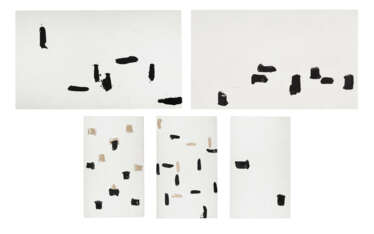

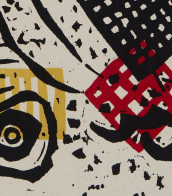
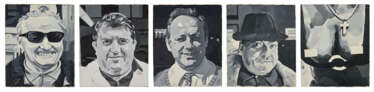

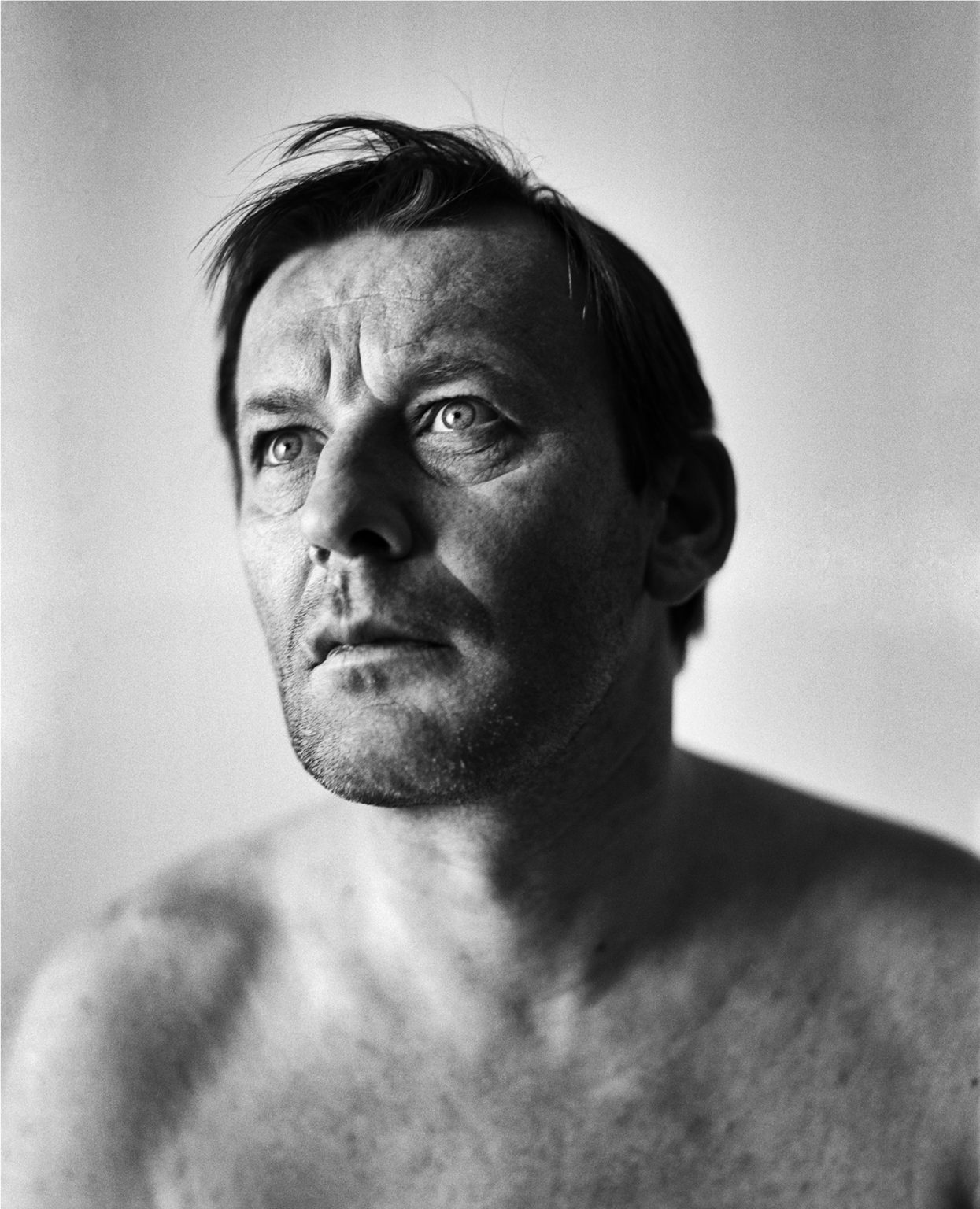
Martin Kippenberger was a German artist known for his extremely prolific output in a wide range of styles and media, superfiction as well as his provocative, jocular and hard-drinking public persona.
Kippenberger was "widely regarded as one of the most talented German artists of his generation," according to Roberta Smith of the New York Times. He was at the center of a generation of German enfants terribles including Albert Oehlen, Markus Oehlen, Werner Büttner, Georg Herold, Dieter Göls, and Günther Förg.