sammlung baumann










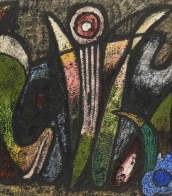










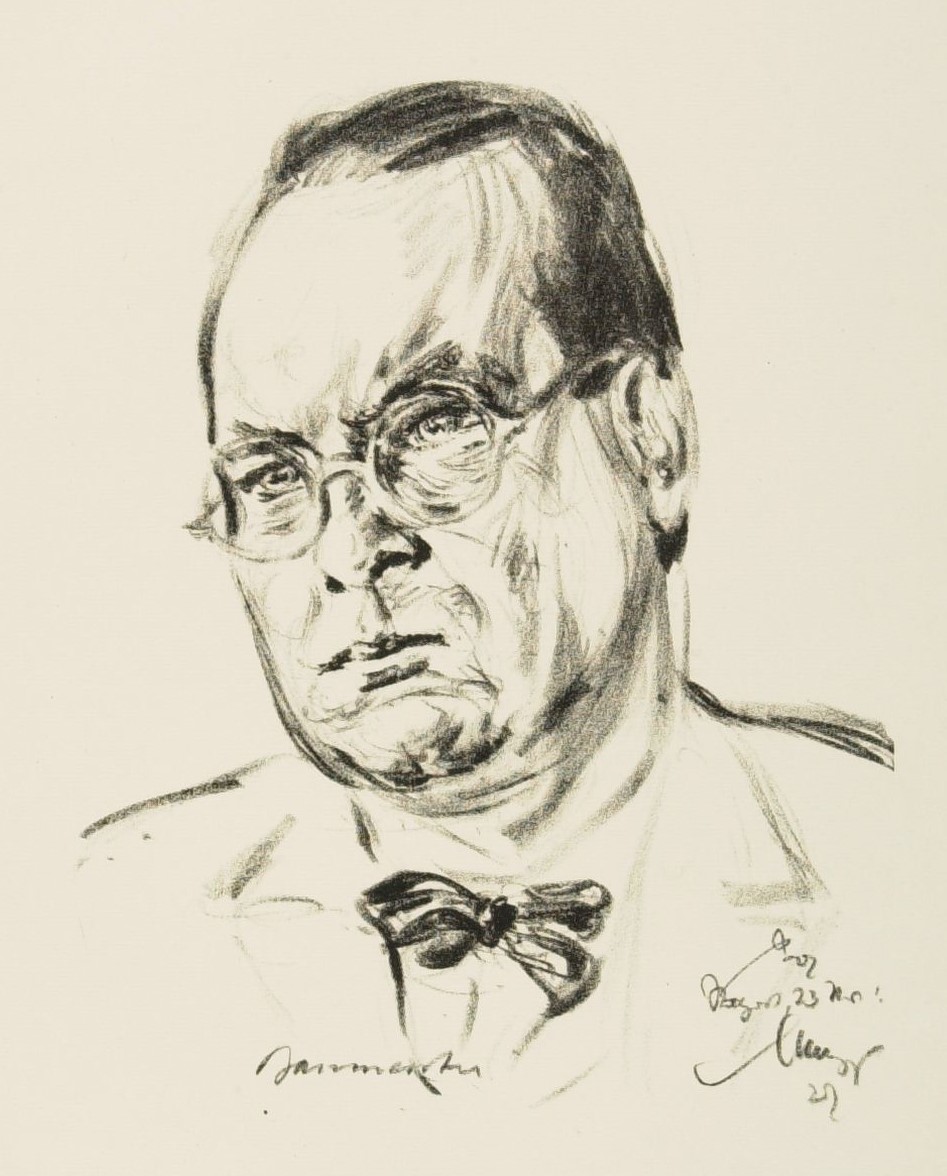
Willi Baumeister was a German painter, scenic designer, art professor, and typographer. His work was part of the art competitions at the 1928 Summer Olympics and the 1932 Summer Olympics.




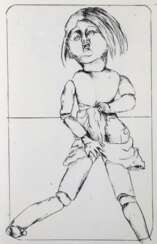

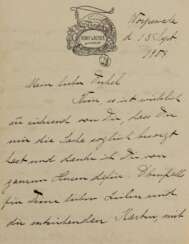

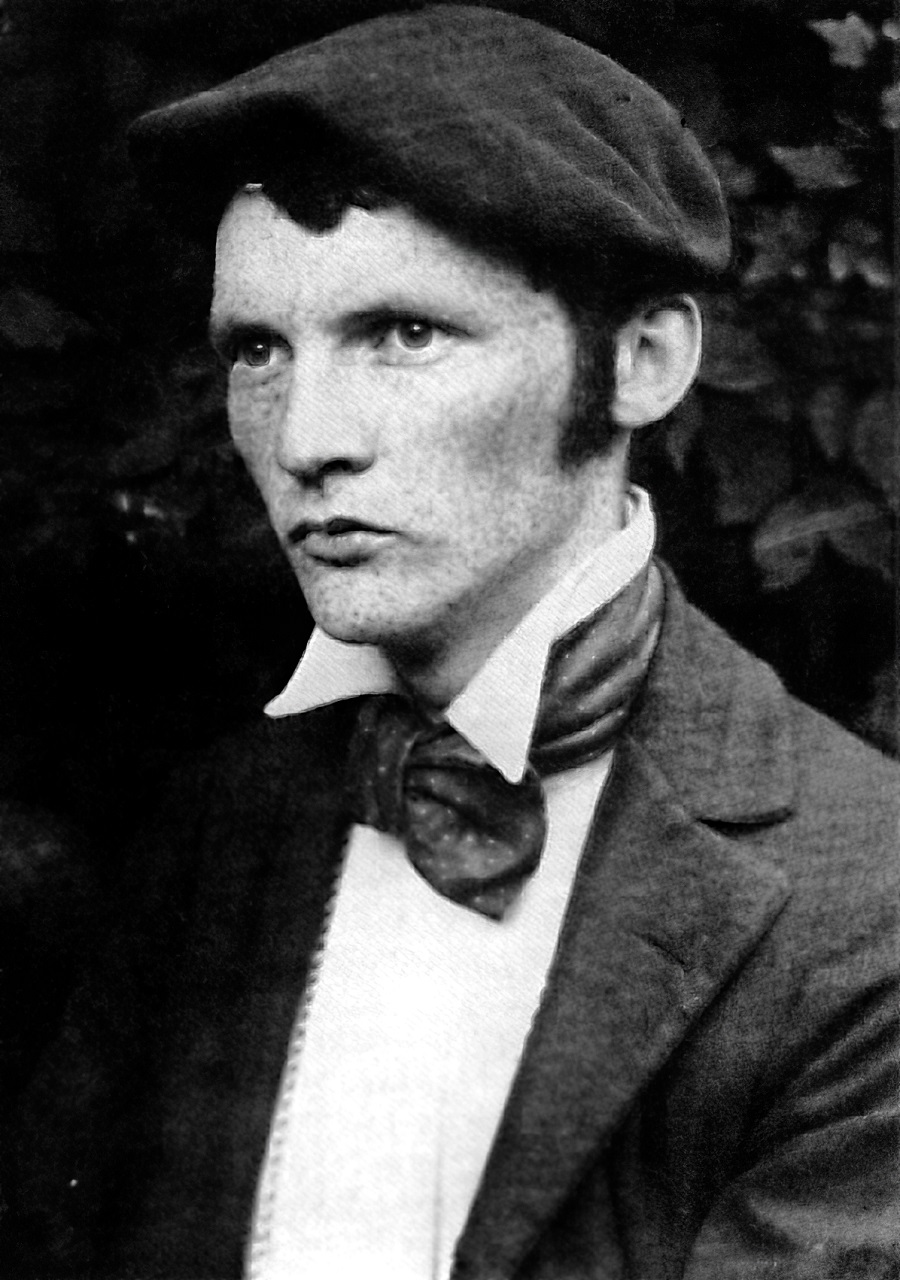
Heinrich Vogeler was a German artist and philosopher, a representative of the German Art Nouveau. A versatile and talented artist, he painted, watercolored, composed poems, designed, designed and decorated. Over time, his style of art changed over a wide range.
During World War I, from 1914 to 1917, Vogeler was on the Eastern Front as a volunteer and made sketches, which resulted in his pacifist sentiments.
In the mid-1920s he visited the Soviet Union several times and his impressions resulted in paintings in his own "complex style: "Karelia and Murmansk" (1926), "Building a New Life in the Soviet Republics of Central Asia" (1927), and "Baku" (1927). In 1931 Vogeler received an invitation to work in the USSR. The coming to power of the Nazis in Germany made it impossible for him to return home, and after Hitler's invasion Vogeler among many was deported to the Kazakh SSR, where he died.
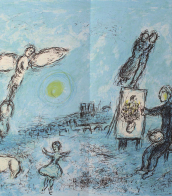


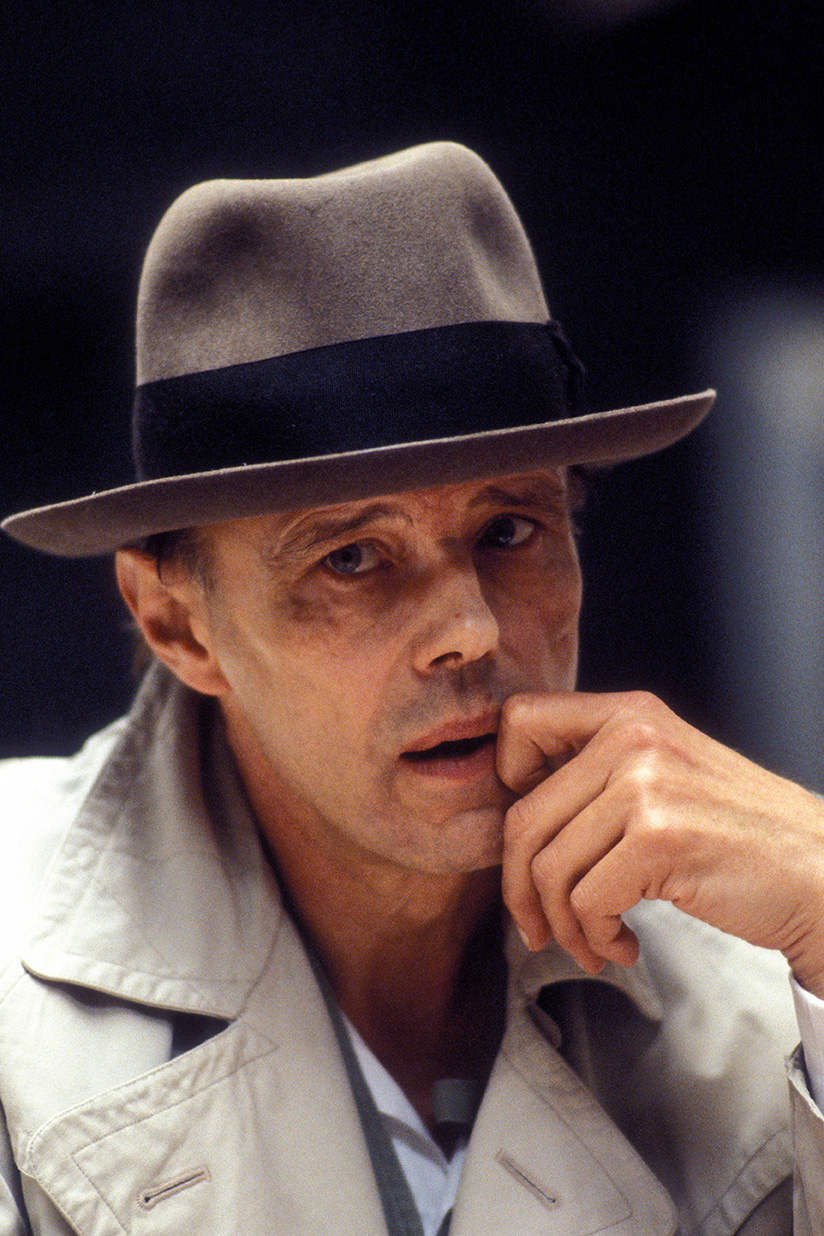
Joseph Heinrich Beuys was a German artist, renowned for his significant contributions to the realms of sculpture, painting, and installation art, which have left a lasting impact on the culture and art world. His work transcended traditional boundaries, merging art with social theory and politics, thus redefining the role of the artist in society. Beuys's unique approach to materials, incorporating substances like fat and felt, symbolized healing and insulation, reflecting his broader philosophical and ecological concerns.
Beuys's art was deeply influenced by his experiences during World War II and his academic background in natural sciences and sculpture. His concept of "social sculpture" proposed that art could transform society, emphasizing creativity as a fundamental component of human existence. This vision led him to use his performances, or "actions," as a medium to communicate his ideas, making him a pivotal figure in the Fluxus movement. Notable works such as "How to Explain Pictures to a Dead Hare" and "7000 Oaks" exemplify his innovative use of performance and environmental art to engage and challenge the public.
His legacy is preserved in major museums and galleries worldwide, including the Museum of Modern Art in New York and the Tate Modern in London. These institutions house key pieces that exemplify Beuys's diverse artistic output, from his early drawings and sculptures to his later installations and public interventions. His influence extends beyond the art world, impacting environmental activism and educational reform, underscoring his belief in the transformative power of art.
For collectors and experts in art and antiques, Joseph Heinrich Beuys remains a figure of immense interest, not only for his groundbreaking artworks but also for his profound impact on contemporary art theory and practice. To stay informed about new product sales and auction events related to Beuys, we invite you to sign up for updates. This subscription ensures you are always in the loop regarding opportunities to engage with the enduring legacy of one of the most influential artists of the 20th century.



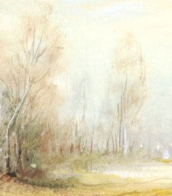
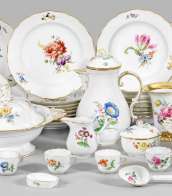
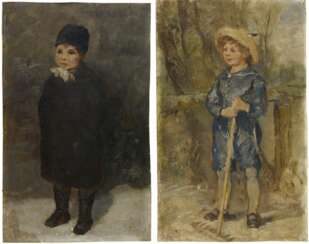

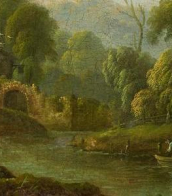
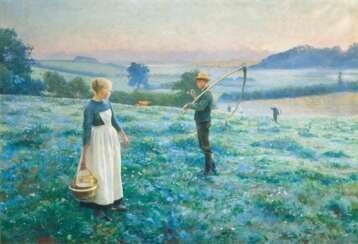

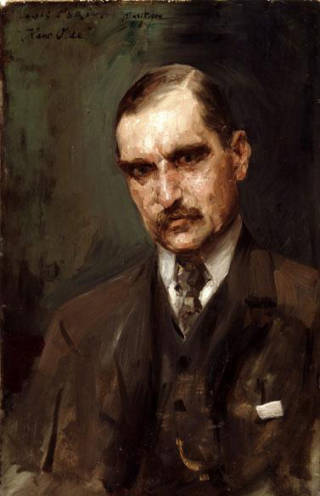
Hans Olde was a German painter of the late nineteenth and early twentieth centuries. He is known as an impressionist painter and graphic artist, as well as a teacher and administrator.
Olde produced images of people, animals, landscapes, portraits and genre paintings, experimenting with pointillism. He was one of the founders of the Munich Secession and directed the Saxon Higher School of Art in Weimar. In 1911 the master became head of the Academy of Art in Kassel, playing an important role in the development of both the Weimar and Kassel academies, introducing reforms in the teaching process and supporting the admission of women artists. Olde had a significant influence on the development of the art of his time.
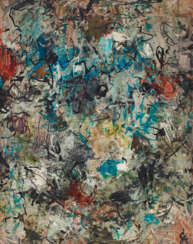

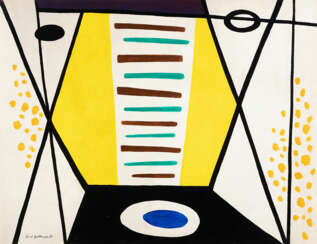






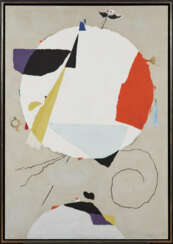

Willi Baumeister was a German painter, scenic designer, art professor, and typographer. His work was part of the art competitions at the 1928 Summer Olympics and the 1932 Summer Olympics.