sentence fragments





![[LAMBERT, Yvon éditeur (né en 1936)] Collection complète des...](/assets/image/picture_1080147/ebd83/akjawzacqnkdogittn1y210x8zoxx96yrposuk6gfnubmnxsukz0t5didb6axdq1602252688jpg__fix_374_244.jpeg)
![[LAMBERT, Yvon éditeur (né en 1936)] Collection complète des...](https://veryimportantlot.com/assets/image/picture_1080147/ebd83/akjawzacqnkdogittn1y210x8zoxx96yrposuk6gfnubmnxsukz0t5didb6axdq1602252688jpg__fix_374_244.jpeg)
![[Otto F Ege (1888-1951)]](/assets/image/picture_1224251/d61d4/2b91d3cddec40f58a9c6819b11b58c111607468400jpg__fix_374_244.jpeg)
![[Otto F Ege (1888-1951)]](https://veryimportantlot.com/assets/image/picture_1224251/d61d4/2b91d3cddec40f58a9c6819b11b58c111607468400jpg__fix_374_244.jpeg)


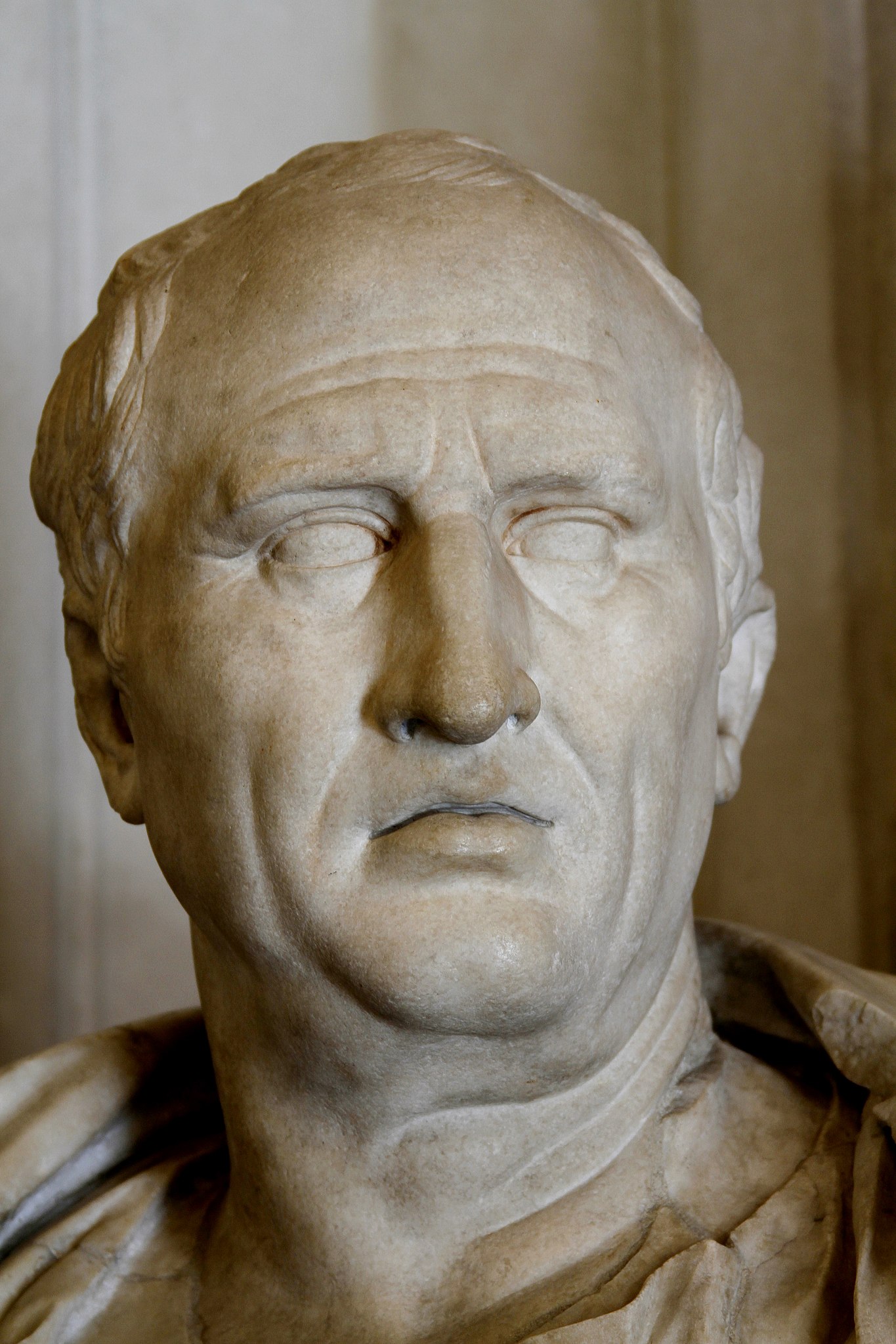
Marcus Tullius Cicero was a Roman statesman, lawyer, scholar, philosopher, and academic skeptic, who tried to uphold optimate principles during the political crises that led to the establishment of the Roman Empire. His extensive writings include treatises on rhetoric, philosophy and politics. He is considered one of Rome's greatest orators and prose stylists. He came from a wealthy municipal family of the Roman equestrian order, and served as consul in 63 BC.
His influence on the Latin language was immense. He wrote more than three-quarters of extant Latin literature that is known to have existed in his lifetime, and it has been said that subsequent prose was either a reaction against or a return to his style, not only in Latin but in European languages up to the 19th century. Cicero introduced into Latin the arguments of the chief schools of Hellenistic philosophy and created a Latin philosophical vocabulary with neologisms such as evidentia, humanitas, qualitas, quantitas, and essentia, distinguishing himself as a translator and philosopher.


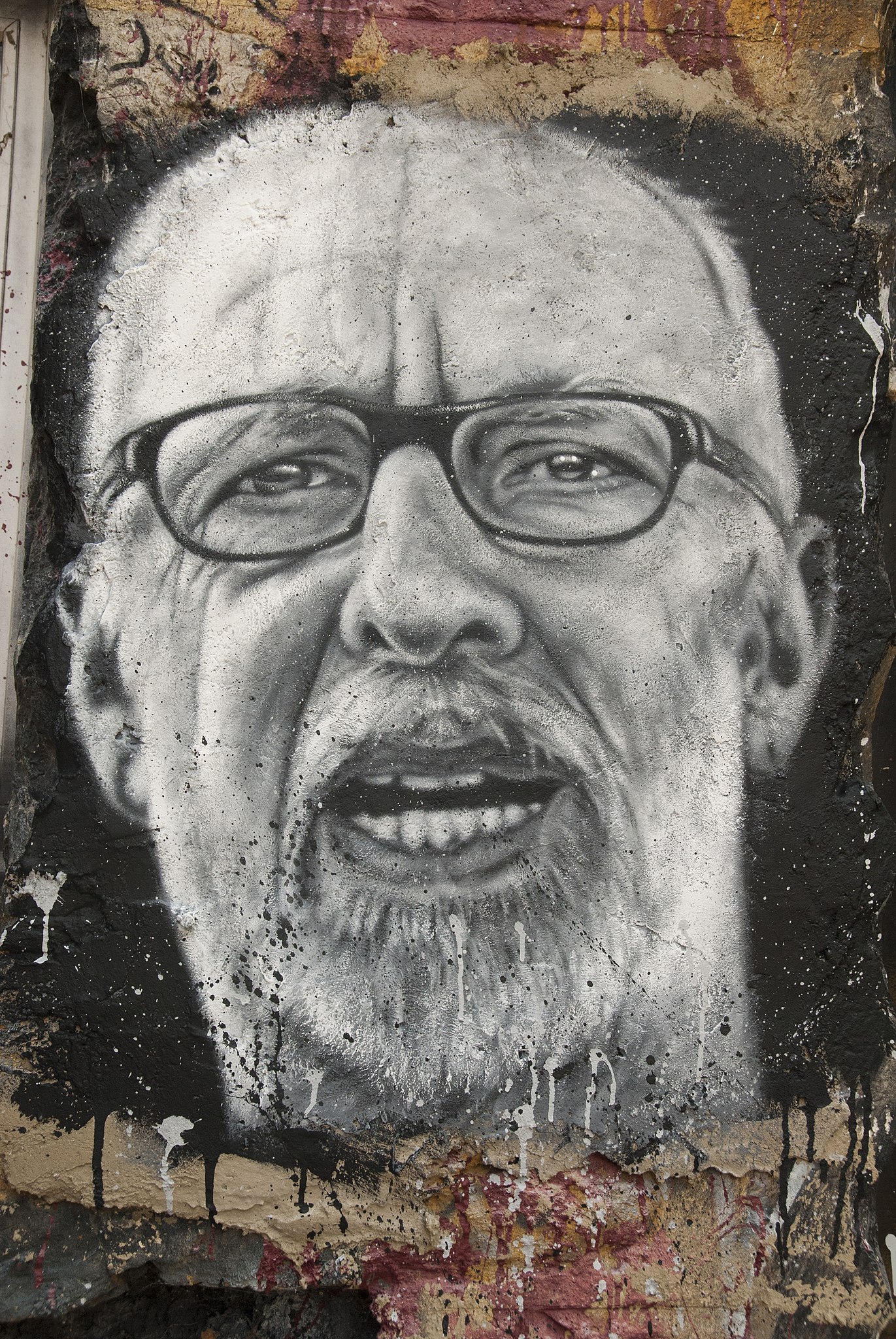
Jörg Immendorff was a German painter and sculptor, stage designer and decorator, and a member of the New Wild movement.
Immendorff painted in cycles that often lasted for years and were political in nature. His series of sixteen large paintings, Café Deutschland (1977-1984), is well known. In these colorful paintings, numerous disco lovers symbolize the conflict between East and West Germany.
Immendorff prepared several stage productions and designed sets for the operas Elektra and The Rider's Voyage. 25 of Immendorf's paintings were selected in 2006 for the illustrated Bible.






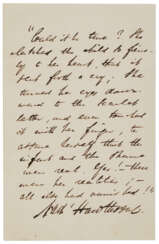

Nathaniel Hawthorne is an American writer and author.
Hawthorne is a recognized short story writer and a master of allegorical and symbolic narrative. One of the first fiction writers in American literature, he is best known for his works The Scarlet Letter (1850) and The House of Seven Gables (1851). Hawthorne's artistic works are considered part of the American Romantic movement and, in particular, of so-called dark Romanticism, a popular mid-19th-century fascination with the irrational, the demonic, and the grotesque.