tale of rose
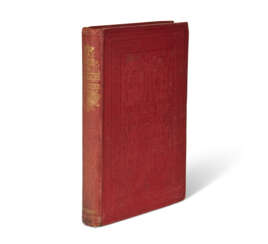

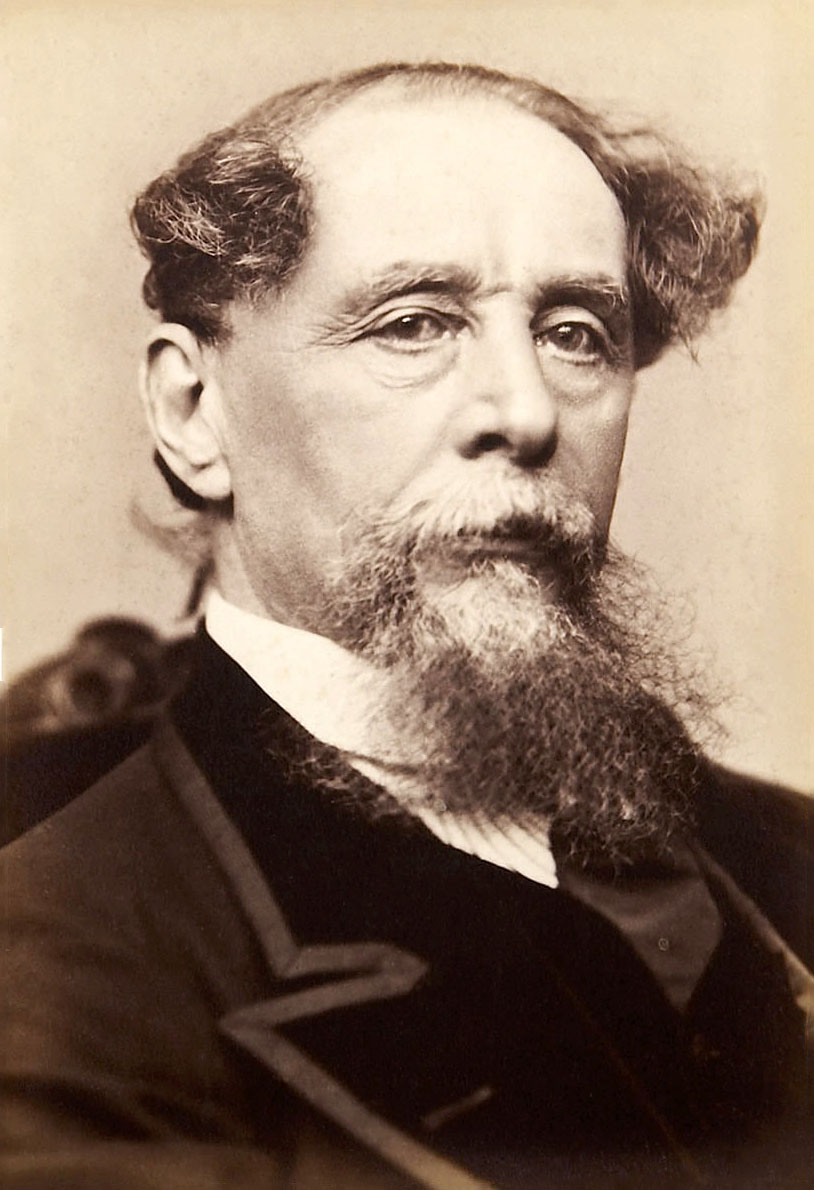
Charles Dickens, full name Charles John Huffam Dickens, is the most famous British writer of the Victorian era, a classic of world literature.
From childhood the future writer learned all the hardships of life in poverty: his father in prison for debts, hard work in a factory. Then service stenographer in court and reporter developed in him a strong attachment to journalism and contempt for both the law and parliament.
Dickens had many talents: in addition to literary work, he was an actor, published periodicals, arranged numerous literary readings, where he reveled in the admiration and love of the public. Fecund and versatile, Charles Dickens wrote many brilliant and often comic works. His novels cover a wide range of social, moral, emotional and other aspects. As a subtle psychologist, he is also very interested in the most ordinary people, but also the eccentric, the flawed, and even the insane.
Dickens was immensely popular around the world during his lifetime. His intellect, worldview, and deep reflections on society and its faults enriched his novels and made him one of the great figures of nineteenth-century literature, an influential spokesman for the conscience of his time.
Dickens' best-known and most popular novels are The Pickwick Club Posthumous Notes, Oliver Twist, Nicholas Nickleby, David Copperfield, Cold House, A Tale of Two Cities, Our Mutual Friend, Great Expectations, and The Mystery of Edwin Drood.




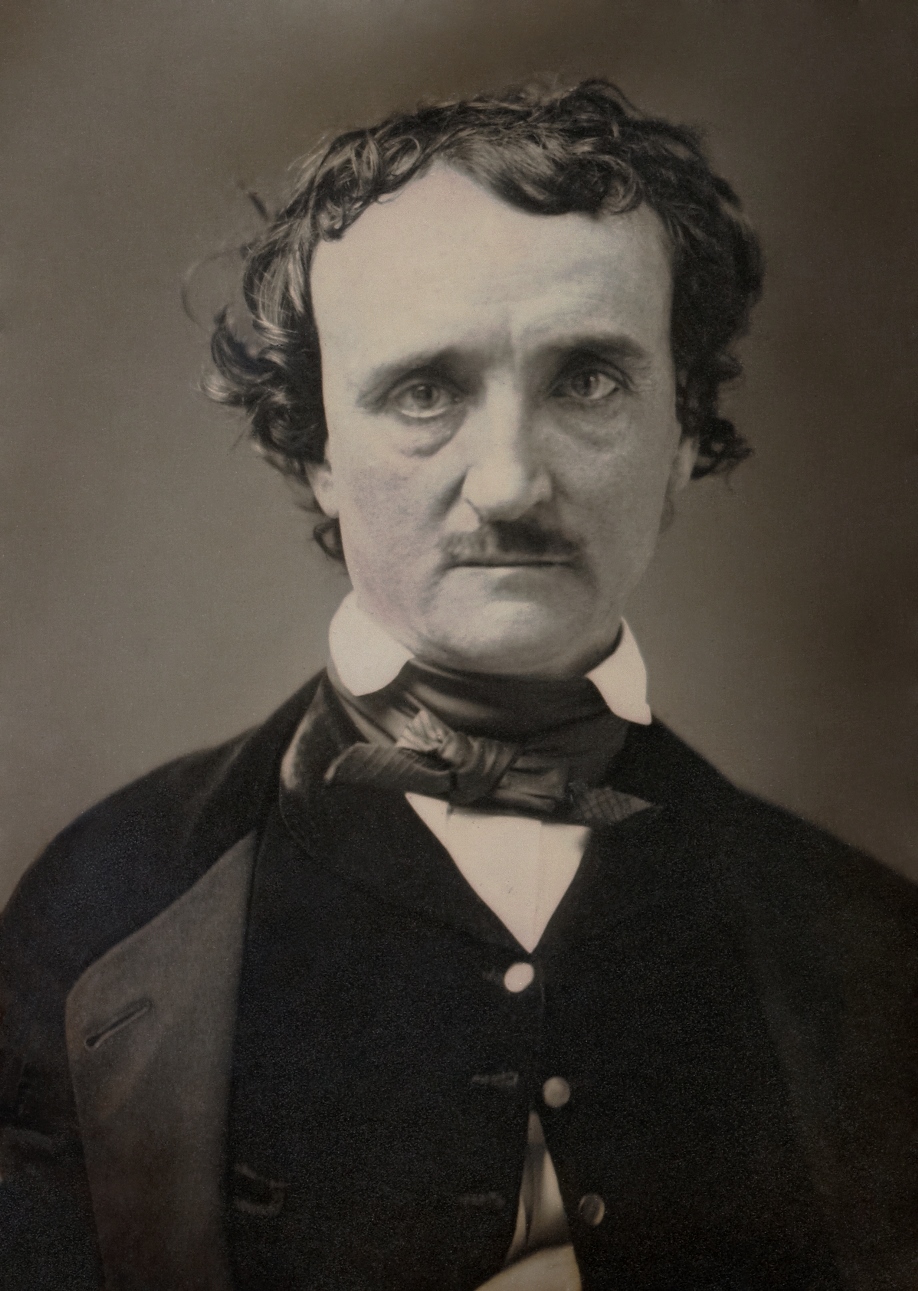
Edgar Allan Poe was an American writer and poet, editor and critic who created a form of classical detective fiction in an atmosphere of mystery and horror.
In prose, Allan Poe wrote mostly short stories. His novella The Murders in the Rue Morgue (1841) initiated the modern detective story, and his poem The Raven (1845) is among the most famous in American literature. Romanticism of the first third of the 19th century was shrouded in a fog of Satanism and the occult, which obviously influenced the work of Poe, whose personality was subtle, dualistic, and multifaceted.
Most of Poe's best works are permeated with horror and sorrow, but in life the poet was a pleasant conversationalist with a great sense of humor and a talented orator. All this, coupled with the genius of the writer-narrator provided him with a prominent place among the world-famous writers. Edgar Allan Poe revolutionized the horror genre. He was one of the first to bring deep, visceral, psychological horror into literature. In his stories, the true monster often turned out to be the capacity for evil that lurks within every human being.
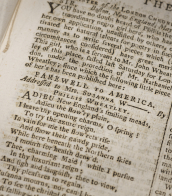







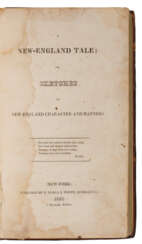

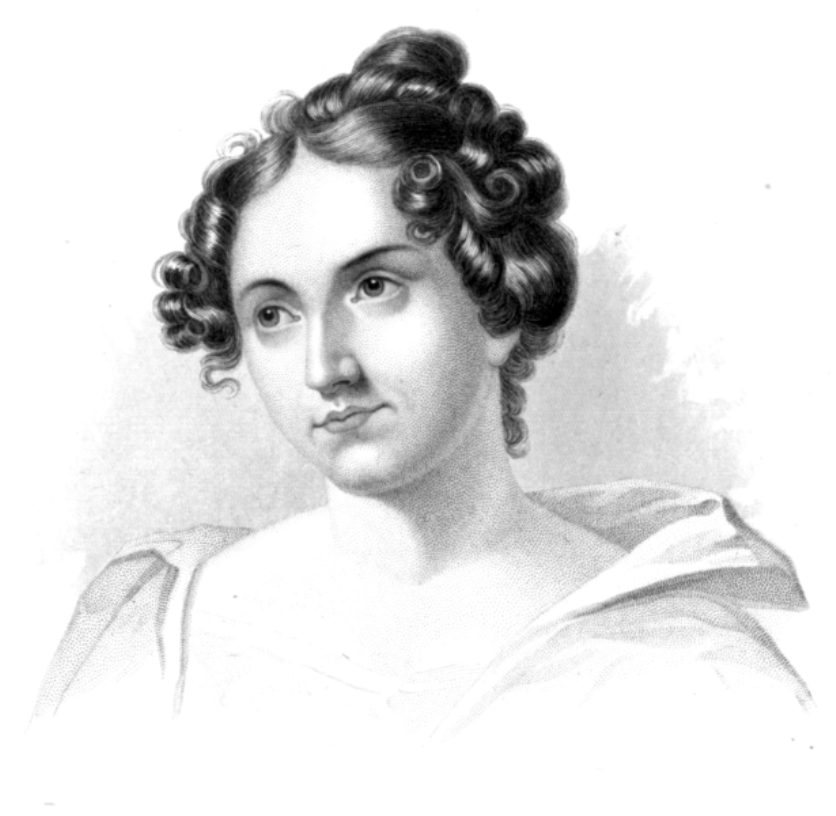
Catharine Maria Sedgwick was a successful American novelist writer of the first half of the 19th century.
Catharine was the daughter of Theodore Sedgwick, a lawyer, congressman and later senator and state supreme court justice. She was one of the most prolific and respected American novelists of the period, writing six novels, eight works for children, two biographies, and more than 100 short prose stories. The famous writer Edgar Allan Poe reviewed her work quite favorably.
Sedgwick wrote the novels Redwood (1824), Hope Leslie (1827), Clarence (1830), and The Linwoods (1835), her last novel, "Married or Single?" was published in 1857. Her works in particular raise questions about the relationship between nurture and management, and the key role of women in shaping the emerging nation.
Catherine Sedgwick was also active in the New York Women's Prison Association from its inception in 1854 until her death.
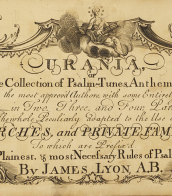
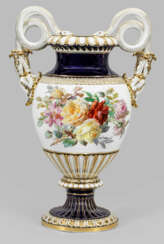

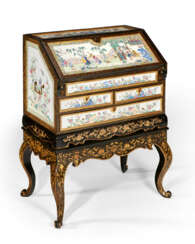

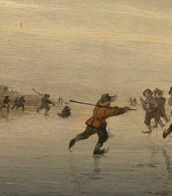
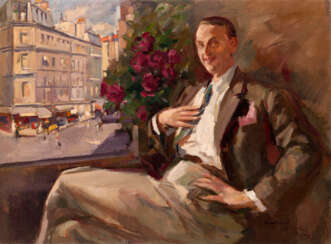

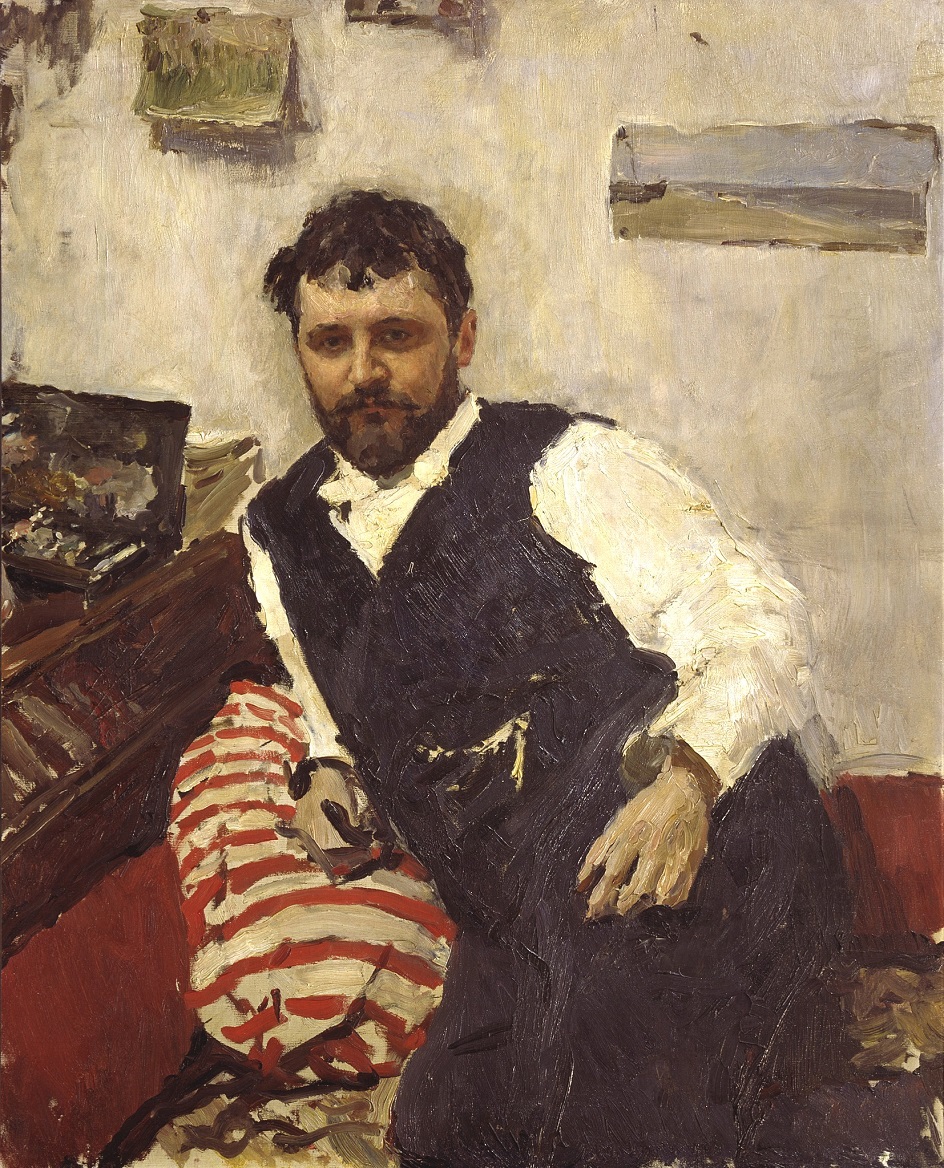
Konstantin Alekseyevich Korovin (Russian: Константи́н Алексе́евич Коро́вин) was a Russian artist and stage designer, renowned for his pivotal role in the transition from Russian Realism to Impressionism. Born in Moscow in 1861, Korovin's artistic journey began at the Moscow School of Painting, Sculpture, and Architecture, where he was heavily influenced by his mentor, Alexei Savrasov. His early work reflected the Realist tradition, but his style evolved after exposure to the vibrant art scenes of Paris and the influence of French Impressionists.
Korovin's contribution to art is marked by his vibrant palette and dynamic brushwork, capturing the transient effects of light and color with a spontaneity that was novel to Russian painting at the time. His works, ranging from lush landscapes and intimate still lifes to vivid portraits, showcase his mastery in evoking mood and atmosphere. Notably, his paintings of the Russian North and scenes of Parisian life have been celebrated for their lively, atmospheric qualities and are held in high esteem in museums and galleries worldwide, including the Tretyakov Gallery in Moscow and the Russian Museum in Saint Petersburg.
Beyond painting, Korovin's legacy includes significant contributions to theater design, where his innovative use of color and lighting brought new dimensions to stage productions in Russia, collaborating closely with the Moscow Art Theatre. His scenic designs for operas and ballets are credited with revolutionizing the visual aspect of Russian theater, making him a pivotal figure in both the visual and performing arts.
For collectors and experts in art and antiques, Korovin's works represent a unique blend of Russian tradition and Western artistic movements, making them highly sought after. His ability to capture the essence of a moment, whether in the tranquil Russian countryside or the bustling streets of Paris, continues to captivate audiences and scholars alike.
To stay informed on new sales and auction events featuring works by Konstantin Alekseyevich Korovin, sign up for our updates. This subscription ensures you're the first to know about valuable opportunities to add to your collection, focusing exclusively on Korovin's art and related events.







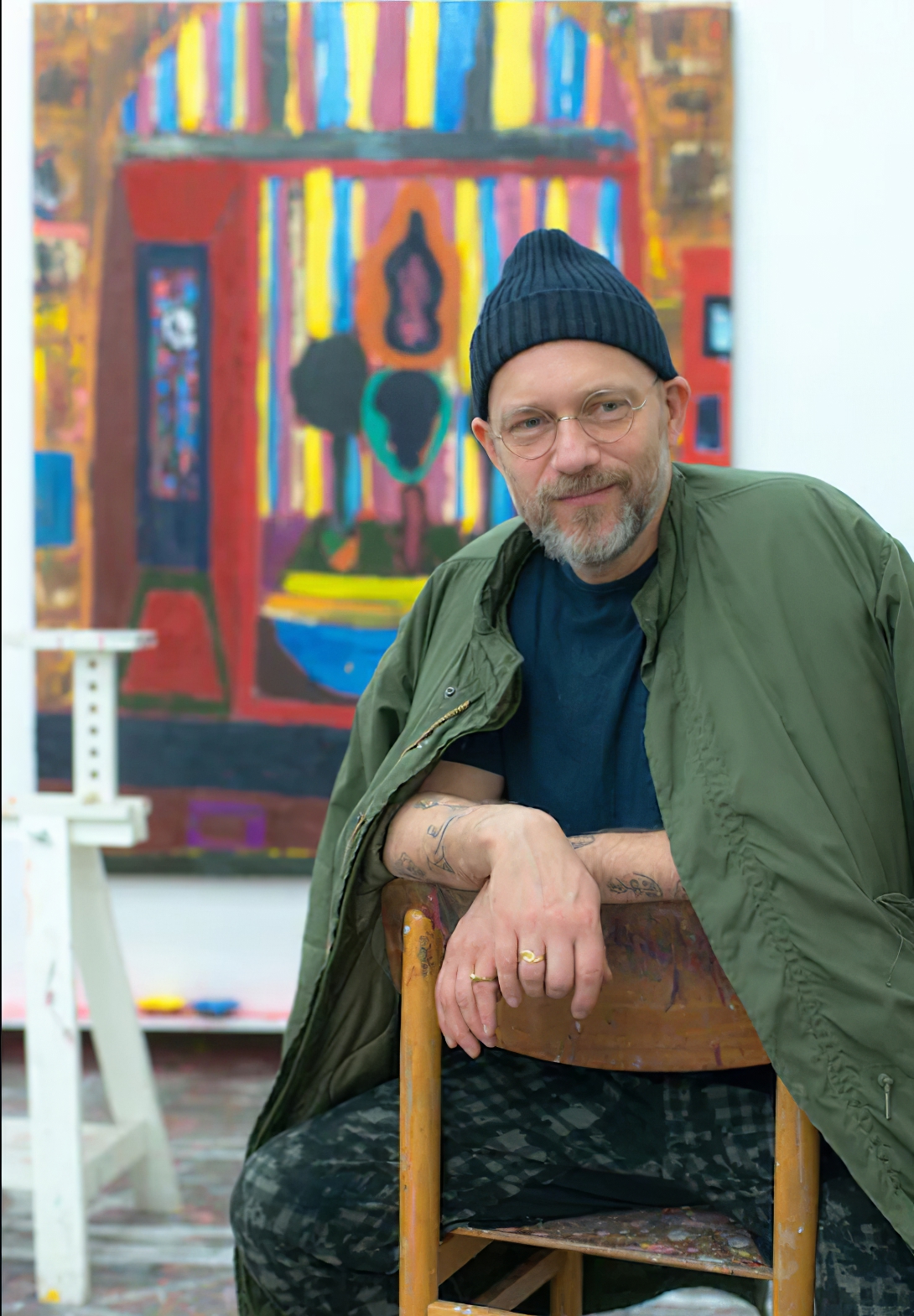
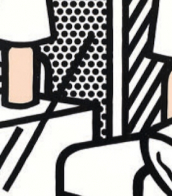
Tal Rosenzweig, known as Tal R, is a Danish contemporary artist of Israeli origin.
Tal R studied painting at the Royal Danish Academy of Fine Arts. In 2001 he received a studio grant from the city of Mönchengladbach. Since 2005 Tal R has been teaching at the Dusseldorf Academy of Art.



Tal Rosenzweig, known as Tal R, is a Danish contemporary artist of Israeli origin.
Tal R studied painting at the Royal Danish Academy of Fine Arts. In 2001 he received a studio grant from the city of Mönchengladbach. Since 2005 Tal R has been teaching at the Dusseldorf Academy of Art.
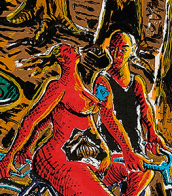
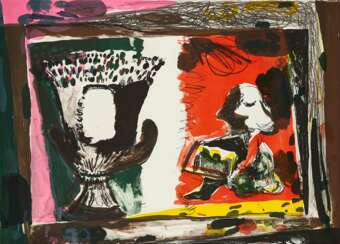

Tal Rosenzweig, known as Tal R, is a Danish contemporary artist of Israeli origin.
Tal R studied painting at the Royal Danish Academy of Fine Arts. In 2001 he received a studio grant from the city of Mönchengladbach. Since 2005 Tal R has been teaching at the Dusseldorf Academy of Art.
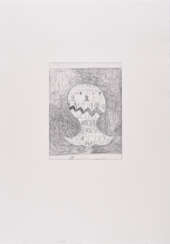

Tal Rosenzweig, known as Tal R, is a Danish contemporary artist of Israeli origin.
Tal R studied painting at the Royal Danish Academy of Fine Arts. In 2001 he received a studio grant from the city of Mönchengladbach. Since 2005 Tal R has been teaching at the Dusseldorf Academy of Art.


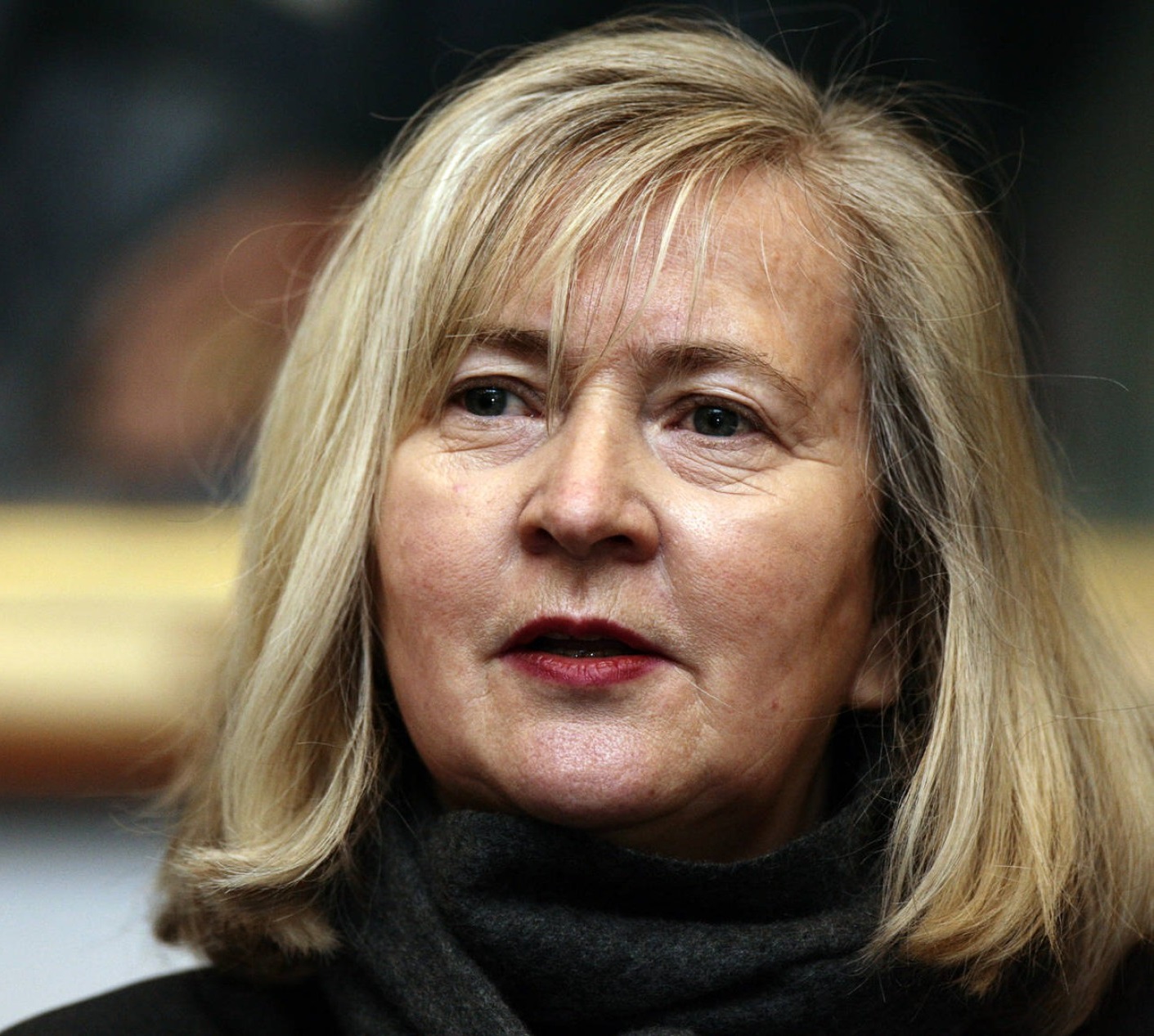
Rosemarie Trockel is a German conceptual artist. She has made drawings, paintings, sculptures, videos and installations, and has worked in mixed media. From 1985, she made pictures using knitting-machines.


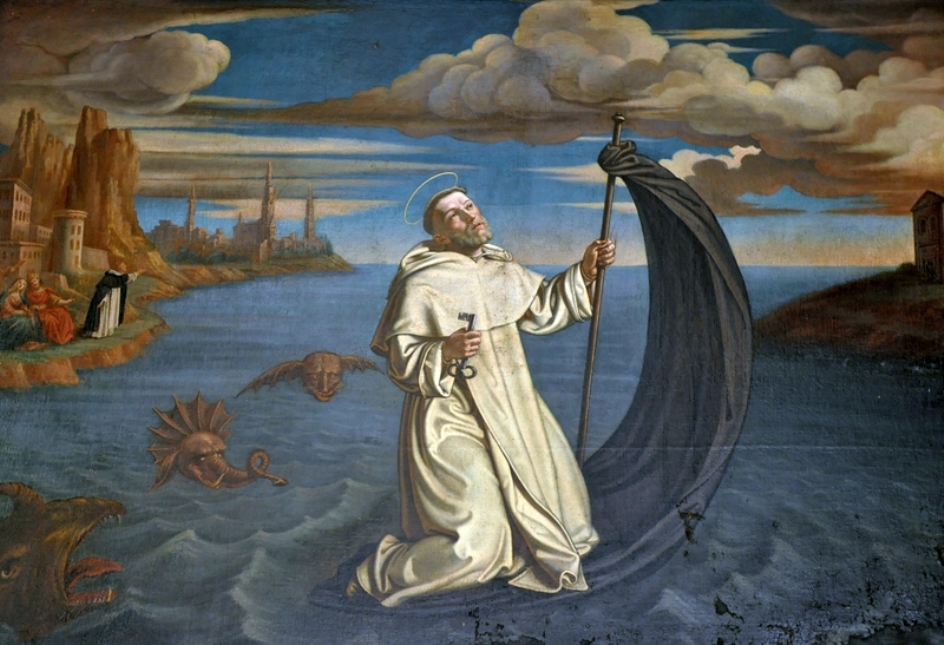
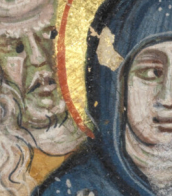
Raymond of Penyafort (Spanish: San Raimundo de Peñafort) was a Spanish theologian, canonist, and Dominican friar who is revered as a saint in the Catholic Church.
Raimondo was an adviser and confessor to the Pope in Rome as well as to kings, particularly James I of Catalonia and Aragon. Together with King James of Aragon and St. Peter Nolasco, he founded the Order of Our Lady of Ransom. The monks of this Order devoted themselves to saving Christians captured by the Moors. One of Raimondo of Peñafort's main goals was the conversion of Jews and Muslims to Christianity, and to achieve this goal he ordered Arabic and Hebrew to be studied and taught in the higher schools run by the Dominicans. He was also among those who founded the Inquisition in Catalonia.
Raimondo died at the age of 100 in Barcelona in 1275 and was canonized by Pope Clement VIII in the same year.
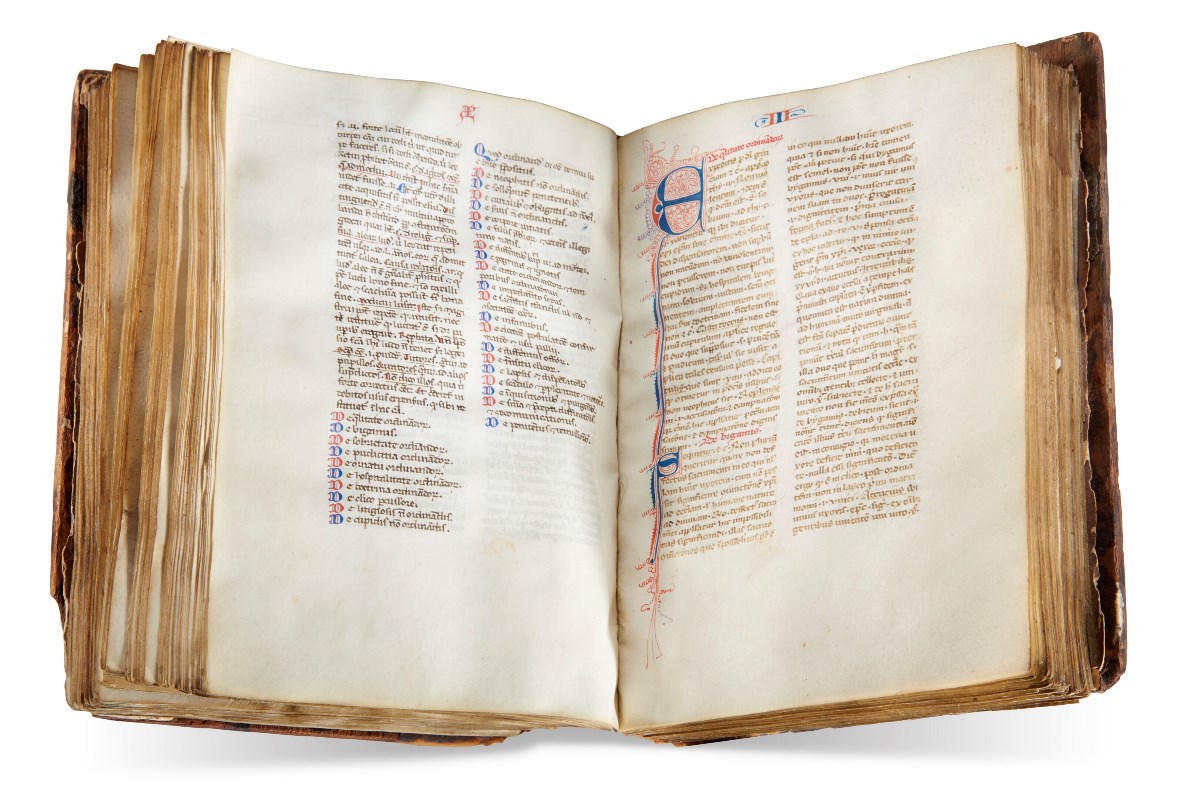
William of Rennes was a 13th-century French Roman Catholic monk, poet, theologian, and expert in canon law.
His commentaries and annotations on the works of the revered Catholic saint Raymond of Peñafort enjoyed almost equal authority in most manuscripts and early editions on academic theology and canon law. William of Rennes also wrote the epic of King Arthur, which is of interest to scholars of literature in that it was the first attempt to transform a medieval hero into a hero of classical eras.