temp o




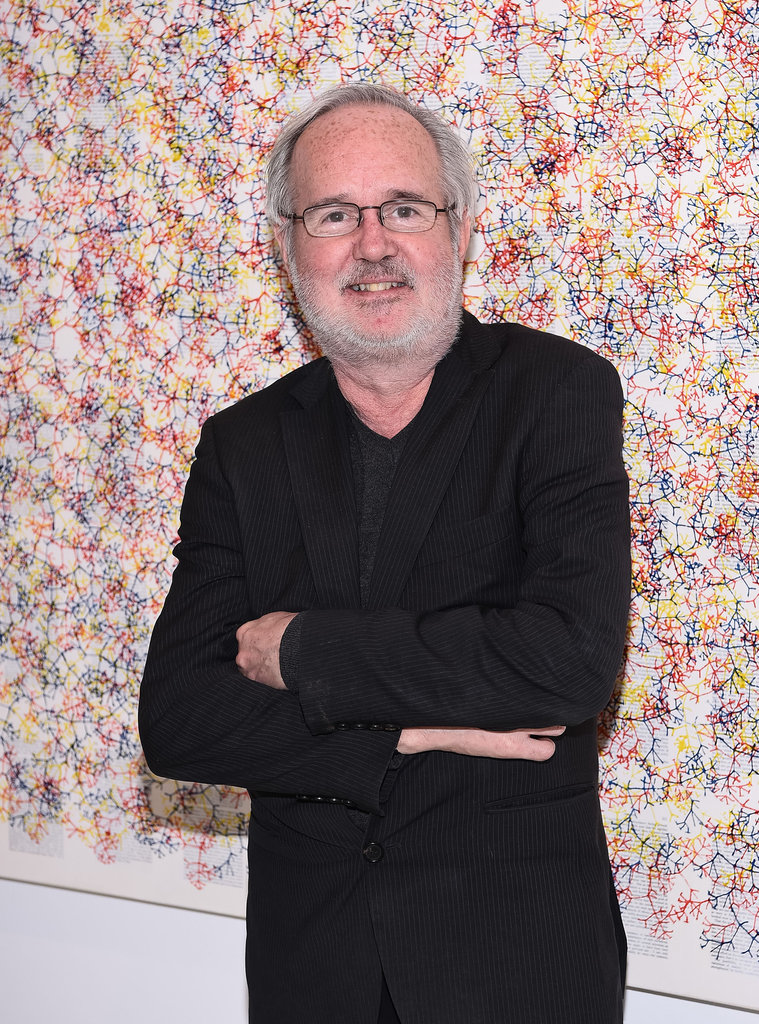
Tim Rollins was an American artist who together with the art collaborative K.O.S. formed the art-group Tim Rollins and K.O.S (Kids of Survival).
Since the founding of the Art & Knowledge Workshop in 1982, Tim Rollins & K.O.S. have produced allegorical paintings, sculptures and drawings by mining the vast wealth of printed matter - from the popular to the arcane, from the minor to the canonical, from legal documents to comic books (areas in no way mutually exclusive in Rollins & K.O.S.'s view) - which are themselves understood as political allegories.


Tim Rollins was an American artist who together with the art collaborative K.O.S. formed the art-group Tim Rollins and K.O.S (Kids of Survival).
Since the founding of the Art & Knowledge Workshop in 1982, Tim Rollins & K.O.S. have produced allegorical paintings, sculptures and drawings by mining the vast wealth of printed matter - from the popular to the arcane, from the minor to the canonical, from legal documents to comic books (areas in no way mutually exclusive in Rollins & K.O.S.'s view) - which are themselves understood as political allegories.
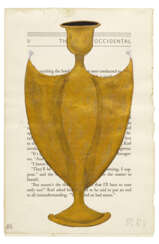

Tim Rollins was an American artist who together with the art collaborative K.O.S. formed the art-group Tim Rollins and K.O.S (Kids of Survival).
Since the founding of the Art & Knowledge Workshop in 1982, Tim Rollins & K.O.S. have produced allegorical paintings, sculptures and drawings by mining the vast wealth of printed matter - from the popular to the arcane, from the minor to the canonical, from legal documents to comic books (areas in no way mutually exclusive in Rollins & K.O.S.'s view) - which are themselves understood as political allegories.
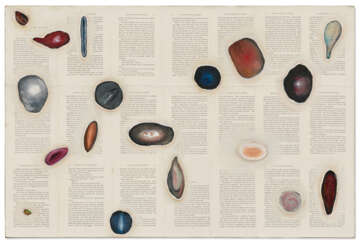

Tim Rollins was an American artist who together with the art collaborative K.O.S. formed the art-group Tim Rollins and K.O.S (Kids of Survival).
Since the founding of the Art & Knowledge Workshop in 1982, Tim Rollins & K.O.S. have produced allegorical paintings, sculptures and drawings by mining the vast wealth of printed matter - from the popular to the arcane, from the minor to the canonical, from legal documents to comic books (areas in no way mutually exclusive in Rollins & K.O.S.'s view) - which are themselves understood as political allegories.
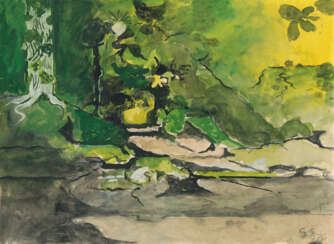

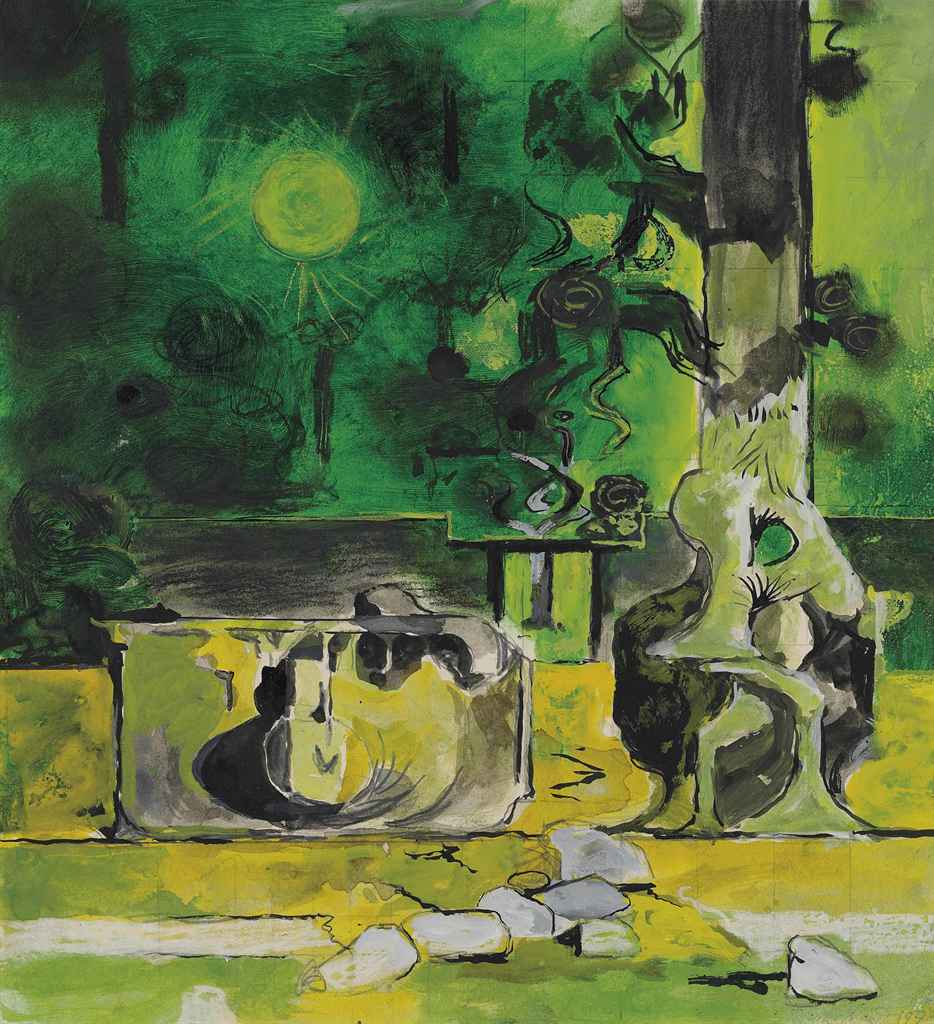
Graham Vivian Sutherland was a prolific English artist. Notable for his paintings of abstract landscapes and for his portraits of public figures, Sutherland also worked in other media, including printmaking, tapestry and glass design.

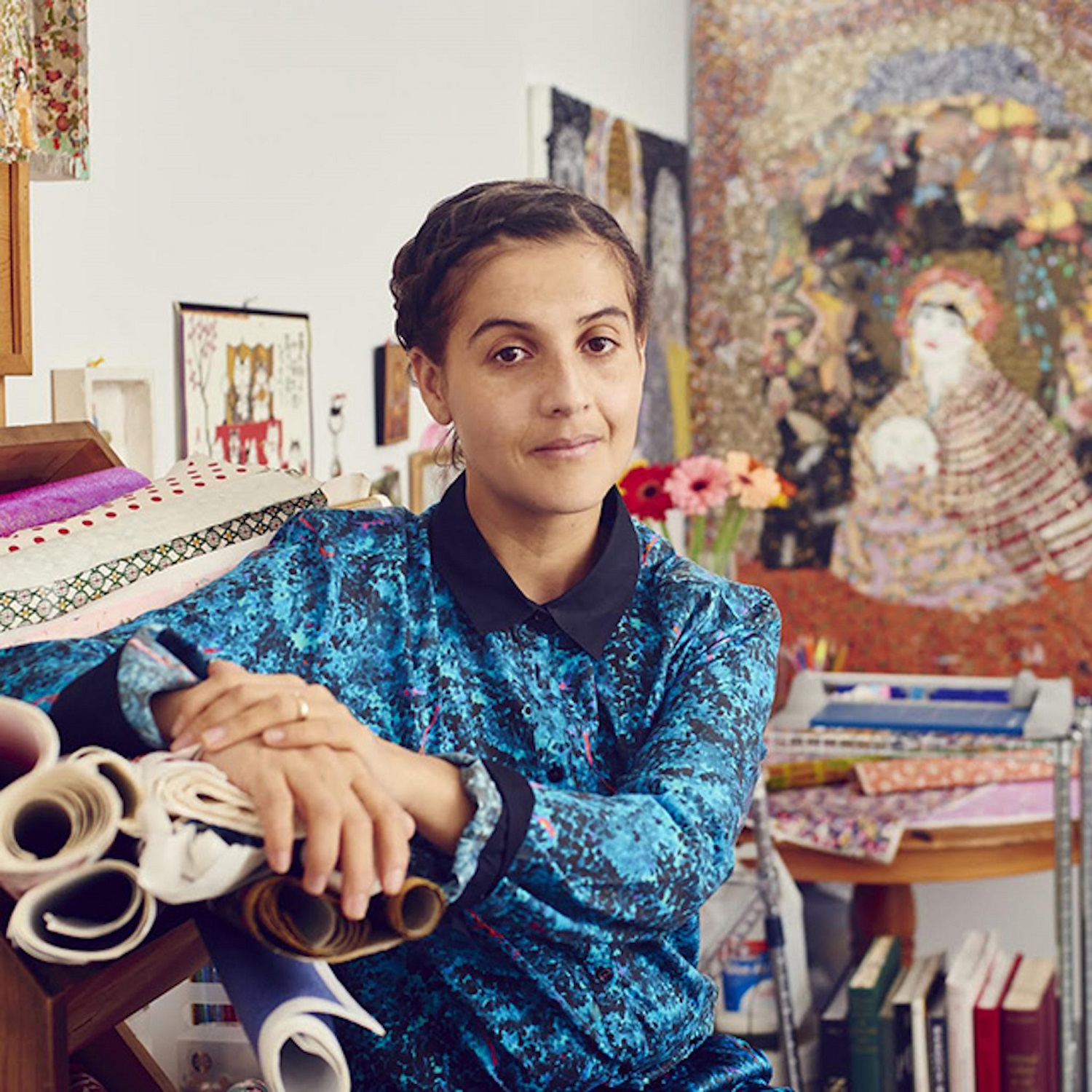
María Berrío is a Colombian-born visual artist working in Brooklyn, New York. She is known for her use of Japanese print paper, which she cuts and tears to create collages with details painted in with watercolour. Berrío draws from Colombian folklore and South American literature.
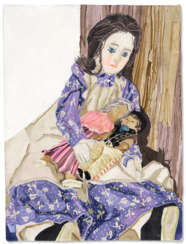

María Berrío is a Colombian-born visual artist working in Brooklyn, New York. She is known for her use of Japanese print paper, which she cuts and tears to create collages with details painted in with watercolour. Berrío draws from Colombian folklore and South American literature.


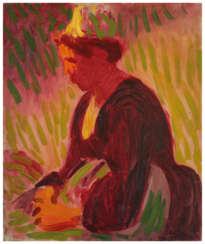

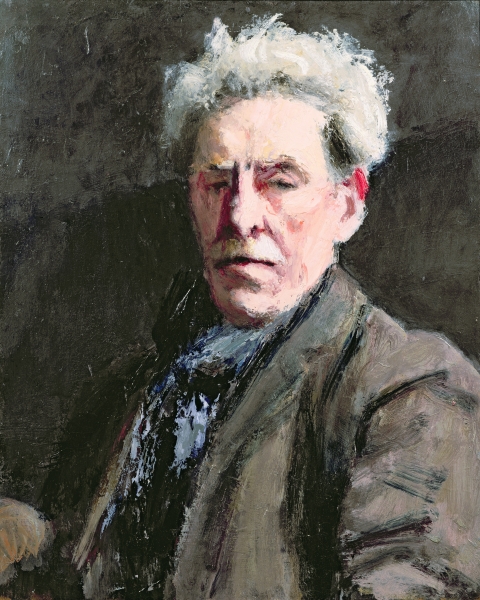
The Irish painter Roderic O'Conor was a pivotal figure in the post-impressionist movement during the late 19th and early 20th centuries. Aligning with the Pont-Aven School, his work thrived in France amidst the artistic revolution of the 1880s and 1890s.
O'Conor's artistic methodology was profoundly influenced by his time in France, spanning nearly five decades. His signature technique, characterized by thick, adjacent strokes of rich, contrasting colors, owes much to the discoveries of the Divisionists and Vincent Van Gogh.
His journey also included a transformative Parisian period beginning in 1886, marked by experimentation and innovation. Later, his Bretagne sojourn from 1891 to 1904 was interspersed with managing inherited estates back in Ireland, which allowed him financial independence from his painting sales. O'Conor's final years from 1934 until his passing in 1940 were spent in Nueil-sur-Layon.
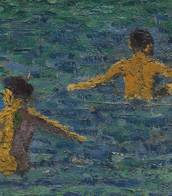
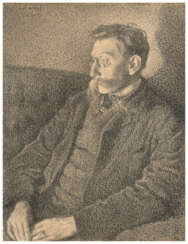

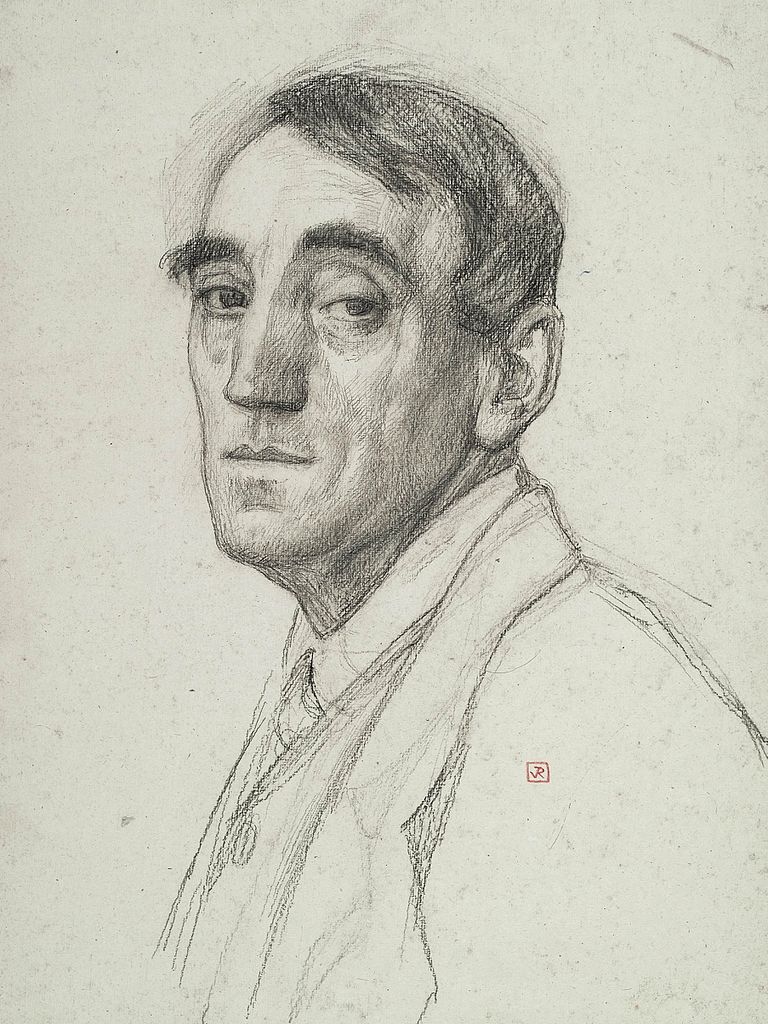
Théo van Rysselberghe, a prominent Belgian painter, was a key figure in the Neo-Impressionist movement, particularly known for his adoption of the pointillist technique. Born in Ghent, Belgium, in 1862, van Rysselberghe played a crucial role in the artistic circle Les XX, a group of avant-garde artists who sought to break away from traditional academic art norms. His early works displayed an Impressionist influence, which evolved significantly after he encountered Georges Seurat's pointillist masterpiece at an Impressionist exhibition in Paris in 1886.
Van Rysselberghe's career saw a significant shift after this encounter, as he embraced pointillism, a technique involving the application of small, distinct dots of color to form an image. His mastery in this style is evident in his landscapes and portraiture, where he employed vibrant colors and meticulous attention to light and detail. His work during this period is considered the pinnacle of his artistic achievements, showcasing his talent not only in landscapes but also in pointillist portraiture, a genre he significantly contributed to within the Neo-Impressionist movement.
Despite his success and contributions to pointillism, Théo van Rysselberghe eventually moved away from this technique around 1904, exploring other artistic expressions. Throughout his career, he remained an influential figure in the Belgian art scene, his works continuing to inspire and attract attention for their innovative approach and technical prowess.
For art collectors and enthusiasts, delving into Théo van Rysselberghe's oeuvre offers a fascinating glimpse into the evolution of Neo-Impressionism and pointillism, highlighting the artist's significant role in these movements. To stay updated on sales and auctions featuring van Rysselberghe's works, signing up for updates can provide exclusive insights into opportunities to acquire pieces by this remarkable artist.
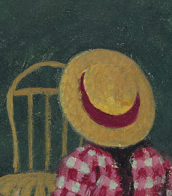


The Irish painter Roderic O'Conor was a pivotal figure in the post-impressionist movement during the late 19th and early 20th centuries. Aligning with the Pont-Aven School, his work thrived in France amidst the artistic revolution of the 1880s and 1890s.
O'Conor's artistic methodology was profoundly influenced by his time in France, spanning nearly five decades. His signature technique, characterized by thick, adjacent strokes of rich, contrasting colors, owes much to the discoveries of the Divisionists and Vincent Van Gogh.
His journey also included a transformative Parisian period beginning in 1886, marked by experimentation and innovation. Later, his Bretagne sojourn from 1891 to 1904 was interspersed with managing inherited estates back in Ireland, which allowed him financial independence from his painting sales. O'Conor's final years from 1934 until his passing in 1940 were spent in Nueil-sur-Layon.
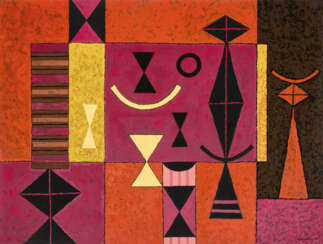

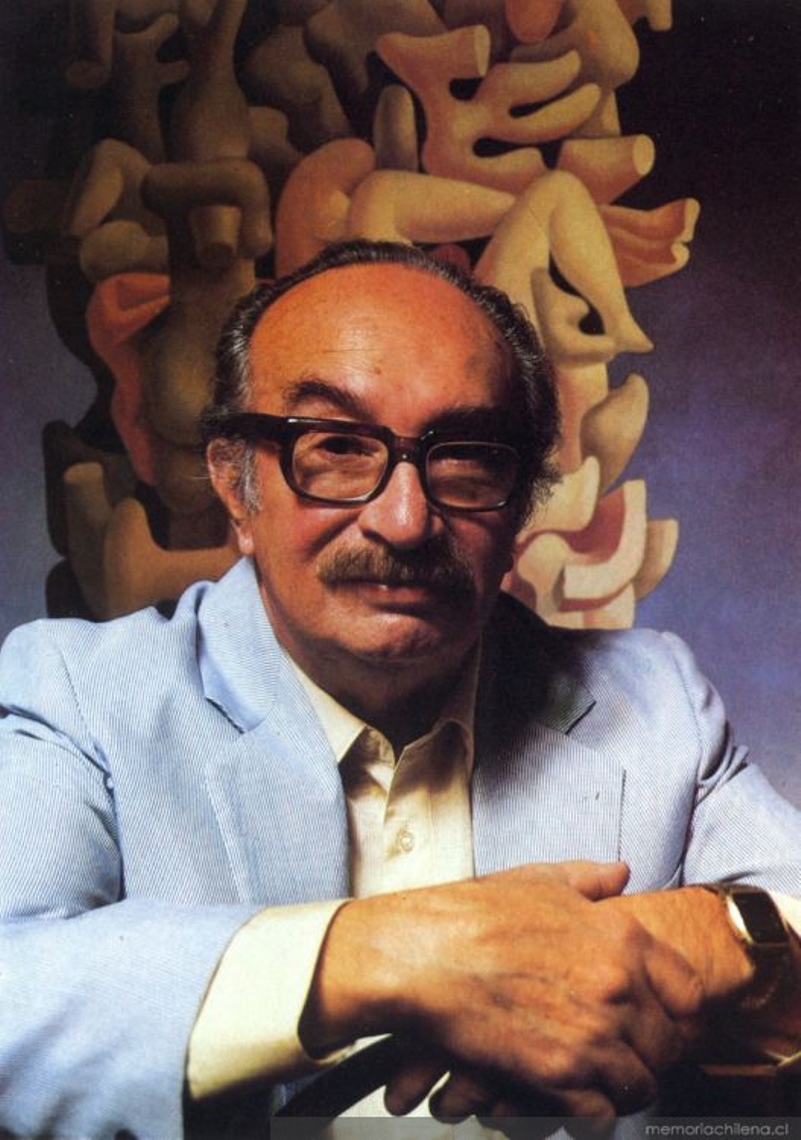
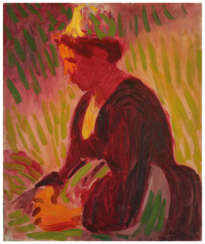

The Irish painter Roderic O'Conor was a pivotal figure in the post-impressionist movement during the late 19th and early 20th centuries. Aligning with the Pont-Aven School, his work thrived in France amidst the artistic revolution of the 1880s and 1890s.
O'Conor's artistic methodology was profoundly influenced by his time in France, spanning nearly five decades. His signature technique, characterized by thick, adjacent strokes of rich, contrasting colors, owes much to the discoveries of the Divisionists and Vincent Van Gogh.
His journey also included a transformative Parisian period beginning in 1886, marked by experimentation and innovation. Later, his Bretagne sojourn from 1891 to 1904 was interspersed with managing inherited estates back in Ireland, which allowed him financial independence from his painting sales. O'Conor's final years from 1934 until his passing in 1940 were spent in Nueil-sur-Layon.
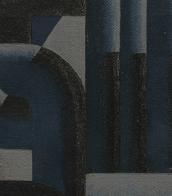
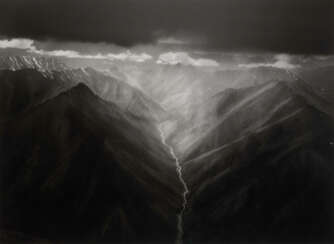

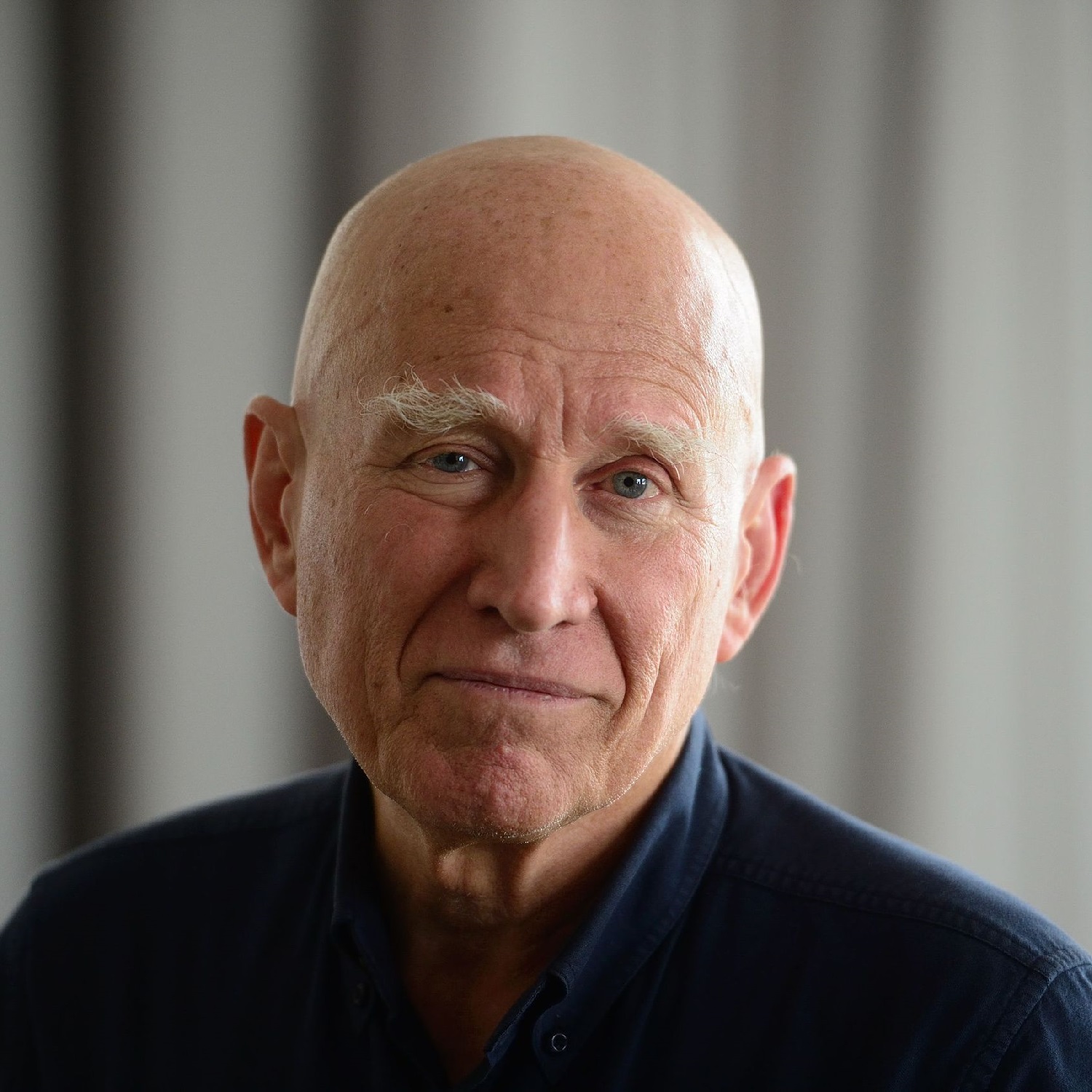
Sebastião Ribeiro Salgado is a Brazilian social documentary photographer and photojournalist.
He has traveled in over 120 countries for his photographic projects. Most of these have appeared in numerous press publications and books. Touring exhibitions of his work have been presented throughout the world.
Salgado is a UNICEF Goodwill Ambassador. He was awarded the W. Eugene Smith Memorial Fund Grant in 1982, Foreign Honorary Membership of the American Academy of Arts and Sciences in 1992 and the Royal Photographic Society's Centenary Medal and Honorary Fellowship (HonFRPS) in 1993. He has been a member of the Académie des Beaux-Arts at the Institut de France since April 2016.


Sebastião Ribeiro Salgado is a Brazilian social documentary photographer and photojournalist.
He has traveled in over 120 countries for his photographic projects. Most of these have appeared in numerous press publications and books. Touring exhibitions of his work have been presented throughout the world.
Salgado is a UNICEF Goodwill Ambassador. He was awarded the W. Eugene Smith Memorial Fund Grant in 1982, Foreign Honorary Membership of the American Academy of Arts and Sciences in 1992 and the Royal Photographic Society's Centenary Medal and Honorary Fellowship (HonFRPS) in 1993. He has been a member of the Académie des Beaux-Arts at the Institut de France since April 2016.


Sebastião Ribeiro Salgado is a Brazilian social documentary photographer and photojournalist.
He has traveled in over 120 countries for his photographic projects. Most of these have appeared in numerous press publications and books. Touring exhibitions of his work have been presented throughout the world.
Salgado is a UNICEF Goodwill Ambassador. He was awarded the W. Eugene Smith Memorial Fund Grant in 1982, Foreign Honorary Membership of the American Academy of Arts and Sciences in 1992 and the Royal Photographic Society's Centenary Medal and Honorary Fellowship (HonFRPS) in 1993. He has been a member of the Académie des Beaux-Arts at the Institut de France since April 2016.
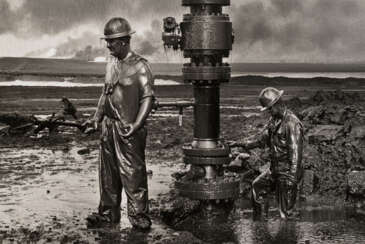

Sebastião Ribeiro Salgado is a Brazilian social documentary photographer and photojournalist.
He has traveled in over 120 countries for his photographic projects. Most of these have appeared in numerous press publications and books. Touring exhibitions of his work have been presented throughout the world.
Salgado is a UNICEF Goodwill Ambassador. He was awarded the W. Eugene Smith Memorial Fund Grant in 1982, Foreign Honorary Membership of the American Academy of Arts and Sciences in 1992 and the Royal Photographic Society's Centenary Medal and Honorary Fellowship (HonFRPS) in 1993. He has been a member of the Académie des Beaux-Arts at the Institut de France since April 2016.
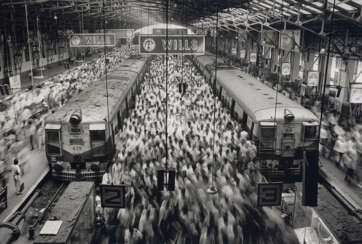

Sebastião Ribeiro Salgado is a Brazilian social documentary photographer and photojournalist.
He has traveled in over 120 countries for his photographic projects. Most of these have appeared in numerous press publications and books. Touring exhibitions of his work have been presented throughout the world.
Salgado is a UNICEF Goodwill Ambassador. He was awarded the W. Eugene Smith Memorial Fund Grant in 1982, Foreign Honorary Membership of the American Academy of Arts and Sciences in 1992 and the Royal Photographic Society's Centenary Medal and Honorary Fellowship (HonFRPS) in 1993. He has been a member of the Académie des Beaux-Arts at the Institut de France since April 2016.
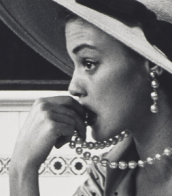
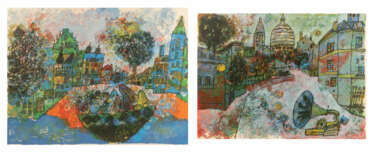

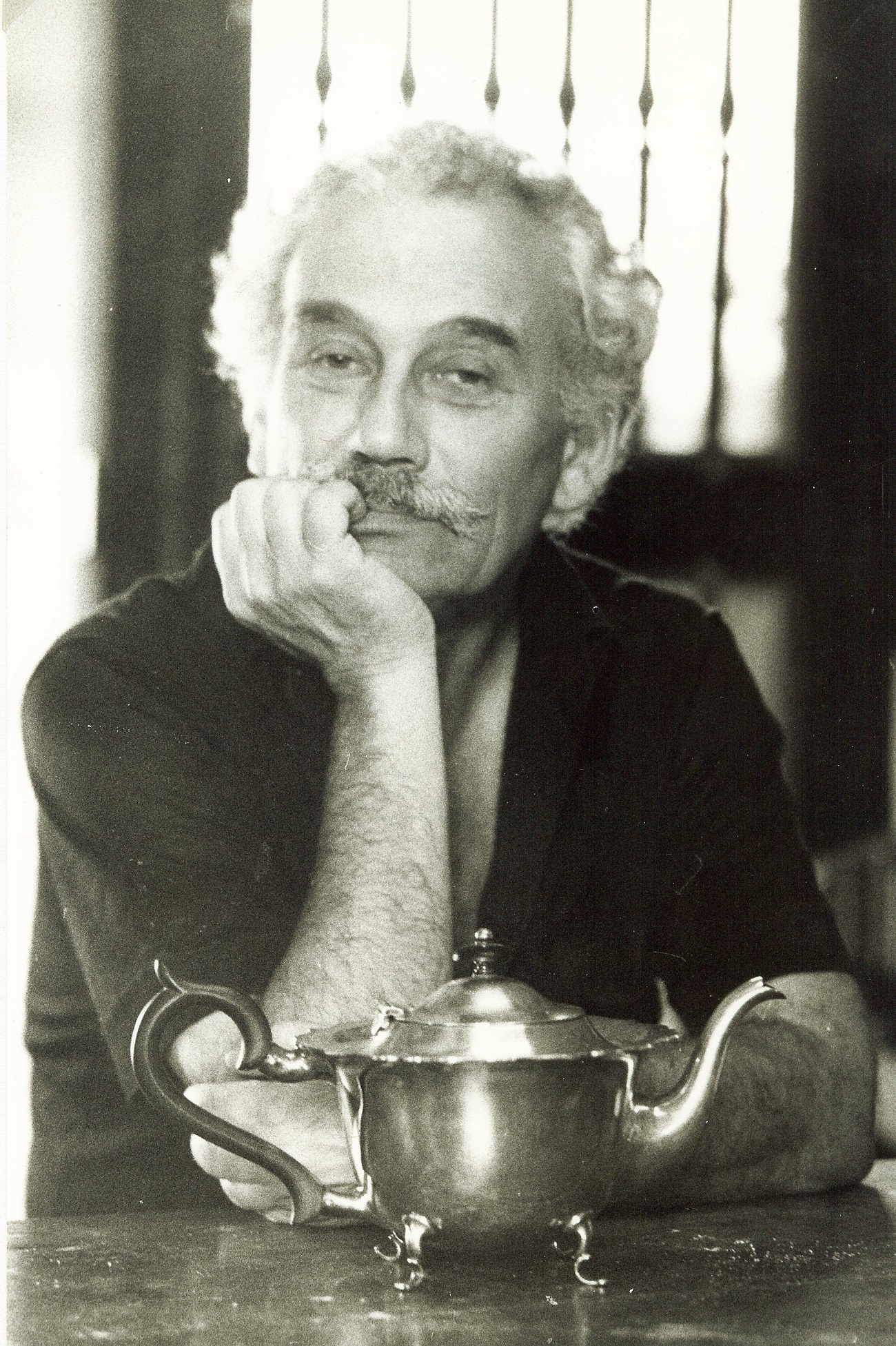
Théo Tobiasse was a French painter, engraver, illustrator, and sculptor.
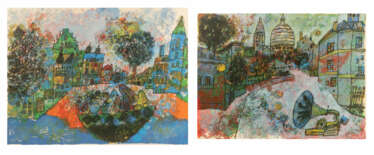

Théo Tobiasse was a French painter, engraver, illustrator, and sculptor.
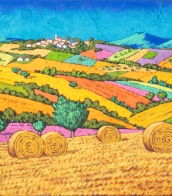
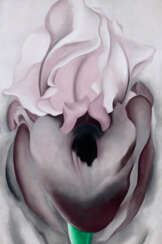

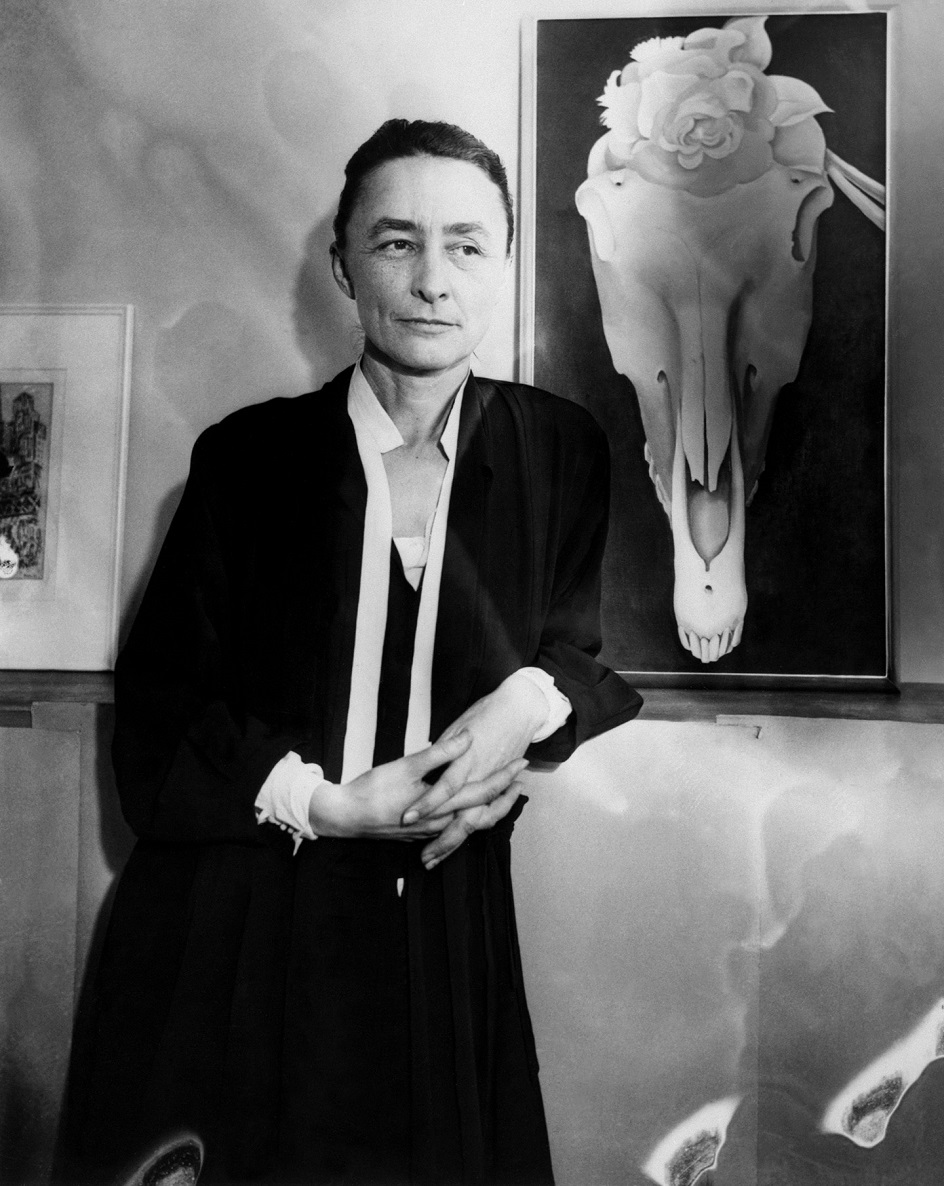
Georgia Totto O'Keeffe was an American modernist artist. She was known for her paintings of enlarged flowers, New York skyscrapers, and New Mexico landscapes. O'Keeffe has been called the "Mother of American modernism".
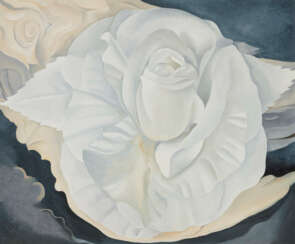

Georgia Totto O'Keeffe was an American modernist artist. She was known for her paintings of enlarged flowers, New York skyscrapers, and New Mexico landscapes. O'Keeffe has been called the "Mother of American modernism".
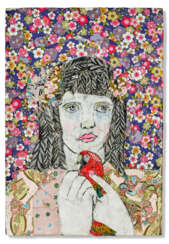

María Berrío is a Colombian-born visual artist working in Brooklyn, New York. She is known for her use of Japanese print paper, which she cuts and tears to create collages with details painted in with watercolour. Berrío draws from Colombian folklore and South American literature.


María Berrío is a Colombian-born visual artist working in Brooklyn, New York. She is known for her use of Japanese print paper, which she cuts and tears to create collages with details painted in with watercolour. Berrío draws from Colombian folklore and South American literature.
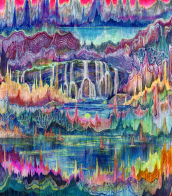
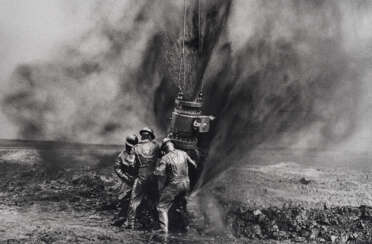

Sebastião Ribeiro Salgado is a Brazilian social documentary photographer and photojournalist.
He has traveled in over 120 countries for his photographic projects. Most of these have appeared in numerous press publications and books. Touring exhibitions of his work have been presented throughout the world.
Salgado is a UNICEF Goodwill Ambassador. He was awarded the W. Eugene Smith Memorial Fund Grant in 1982, Foreign Honorary Membership of the American Academy of Arts and Sciences in 1992 and the Royal Photographic Society's Centenary Medal and Honorary Fellowship (HonFRPS) in 1993. He has been a member of the Académie des Beaux-Arts at the Institut de France since April 2016.
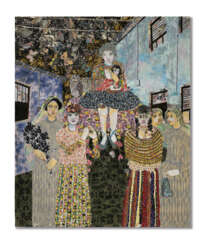

María Berrío is a Colombian-born visual artist working in Brooklyn, New York. She is known for her use of Japanese print paper, which she cuts and tears to create collages with details painted in with watercolour. Berrío draws from Colombian folklore and South American literature.