val d'oise


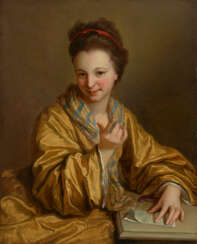

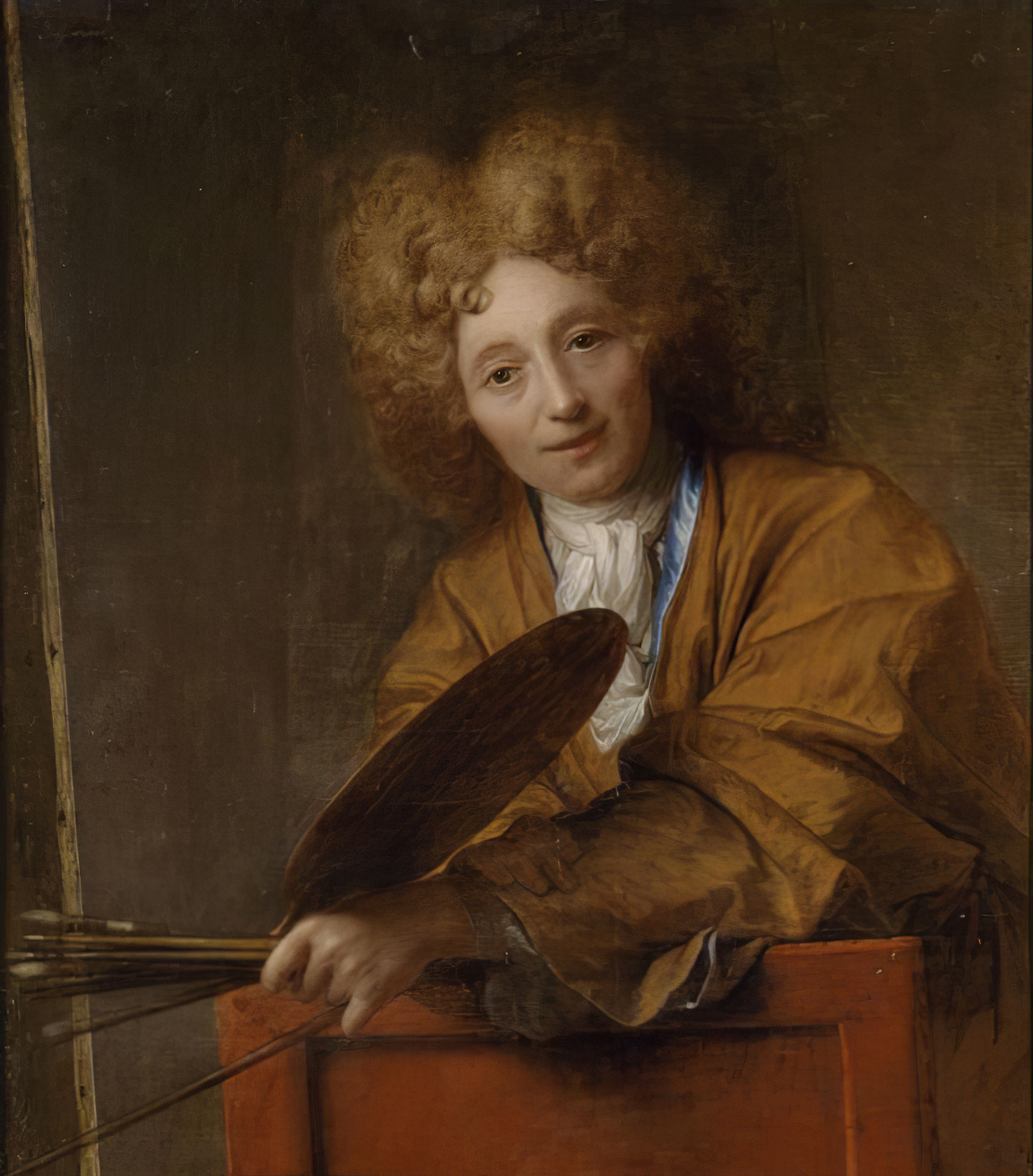
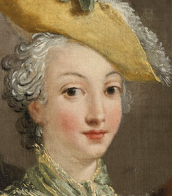
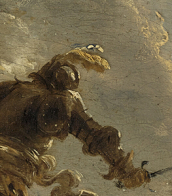
Jean-Baptiste Santerre was a French painter and draughtsman of the Style Louis XIV, known for his history paintings, portraits, and portrait-like genre subjects. Considerably influenced by Italian masters of the Bolognese school as well as his French contemporaries, Santerre nonetheless made an original contribution in his art, being among the first French painters to bring Netherlandish influences.
After achieving initial success as a portrait painter by the late 1690s, Santerre began to branch out into the fields of genre painting and, in which he combined the fantasy portrait of Northern tradition, as seen in the art of Rembrandt and Gerrit Dou, with the allegorical portrait, then fashionable in France. At the same time, he also painted history paintings and altarpieces of biblical and religious subjects, suffused with a strong erotic character.
Santerre's work brought him a controversial reputation, in light of his association with the French Regency era; it was during the 19th and 20th centuries when it met a broader appreciation. Santerre is regarded as a precursor of the Rococo era painting, as well as of both Neoclassical and Romantic painting, and was said to be an influence on subsequent generations of artists during the said eras.





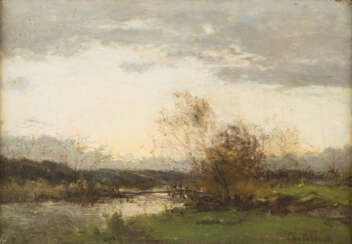

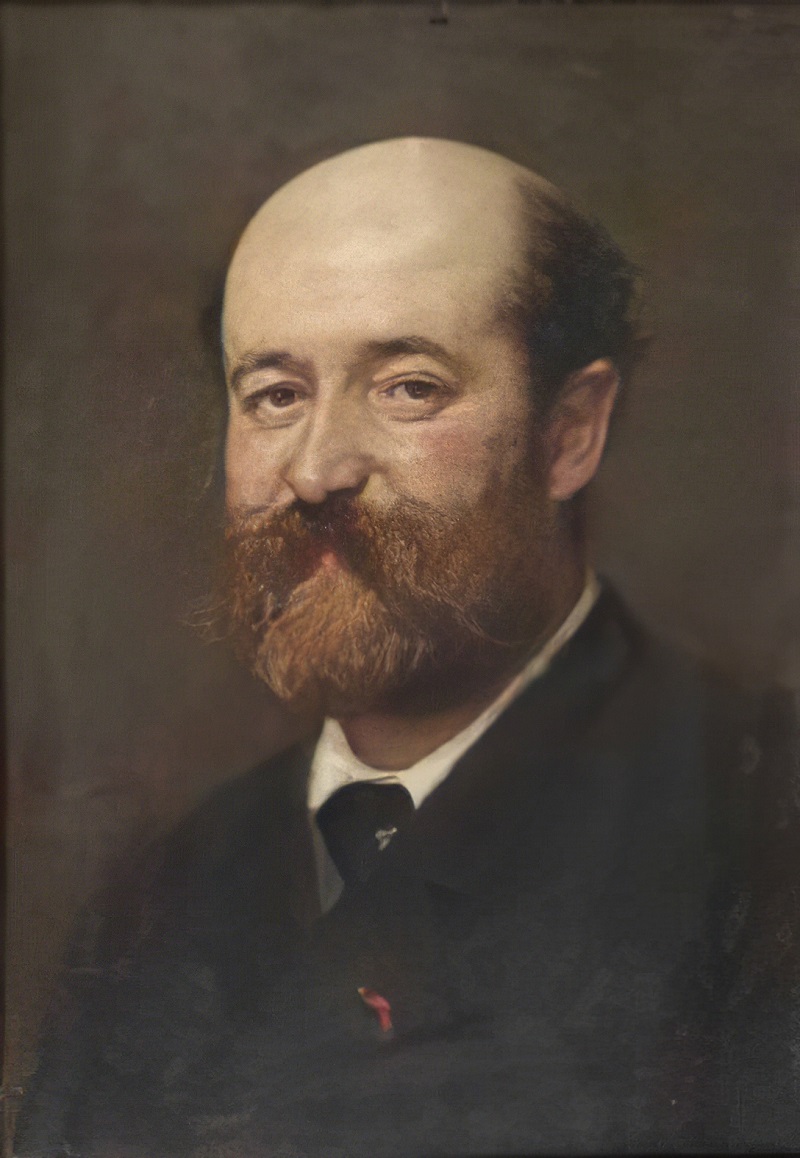
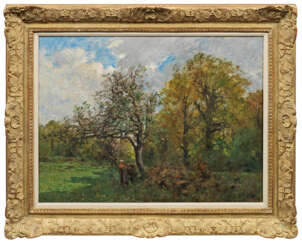
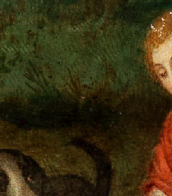
Léon Germain Pelouse was a self-taught French painter born in Pierrelaye (Val-d'Oise, France). At sixteen, he began working as a traveling salesman. He began painting when he was twenty, as he was serving in the French army as a conscript. His professional painting career began at twenty-seven, with the exhibition of his Les Environs de Précy (Near Précy) at the Salon de Paris of 1865. Despite severe criticism, he continued painting. He moved to Brittany, and there, inspired by nature around Pont-Aven and Rochefort-en-Terre, Pelouse painted landscapes which were exhibited at the Salon de Paris in the following years. He received his first medal in 1873 for Vallée de Cernay (Cernay Valley). He finally gained success and critical approval. The French government bought many of his works which are now in the holdings of museums including the Musée d'Orsay, the Musée Malraux, and the Musée des Beaux-Arts de Nantes.


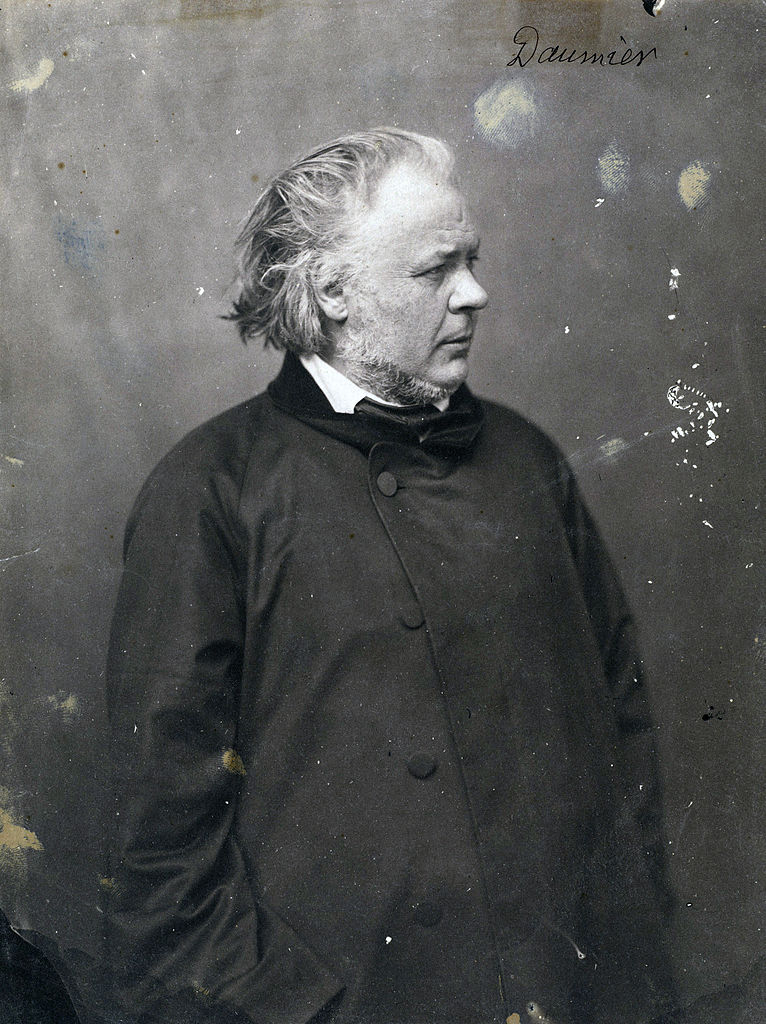
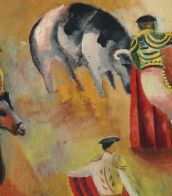
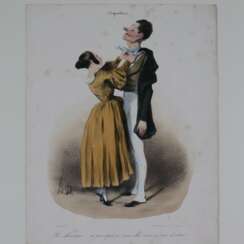
Honoré Daumier, a French artist, is renowned for his profound impact on 19th-century art through his work as a caricaturist, painter, and sculptor. His art, which satirized French politics and society, is celebrated for its insightful commentary on the human condition and the social landscape of his time. While Daumier is perhaps best known for his incisive and humorous lithographs that critiqued the French bourgeoisie and political figures, his contributions to painting and sculpture are equally significant, demonstrating a keen observation of everyday life and a masterful use of expression.
Honoré Daumier's early involvement with lithography, a relatively new printmaking technique at the time, allowed him to produce works that were both accessible and impactful, resonating with a wide audience. His imprisonment in 1832 for his caricature of King Louis Philippe as Gargantua highlights the daring nature of his work and the personal risks he took to express his political views. Despite the challenges he faced, including eventual blindness, Daumier continued to create art that spoke to the societal issues of his day, transitioning to painting and sculpture while maintaining the critical edge that defined his earlier works.
His later years were spent in Valmondois, where he focused more on painting, capturing scenes of daily life with a technique that distanced itself from the caricatural style he was famous for but retained his keen observational skills. Despite his struggles with poverty and illness, Honoré Daumier's legacy endures, with his works housed in prestigious institutions like the British Museum and being recognized for their contribution to the development of modern art, particularly in their influence on Impressionist techniques.
For collectors and enthusiasts of art and antiques, Honoré Daumier's work offers a unique window into 19th-century French society, marked by a blend of humor, social critique, and poignant observation. His diverse body of work, from lithographs to paintings, continues to inspire and provoke thought, making him a pivotal figure in the history of art.
To stay informed about the latest exhibitions, sales, and events related to Honoré Daumier's work, signing up for updates is a valuable way to ensure you don't miss out on the opportunity to engage with the rich legacy of this influential artist.


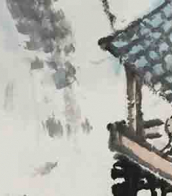





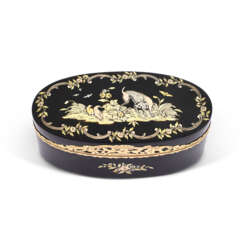















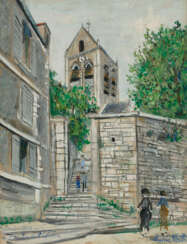

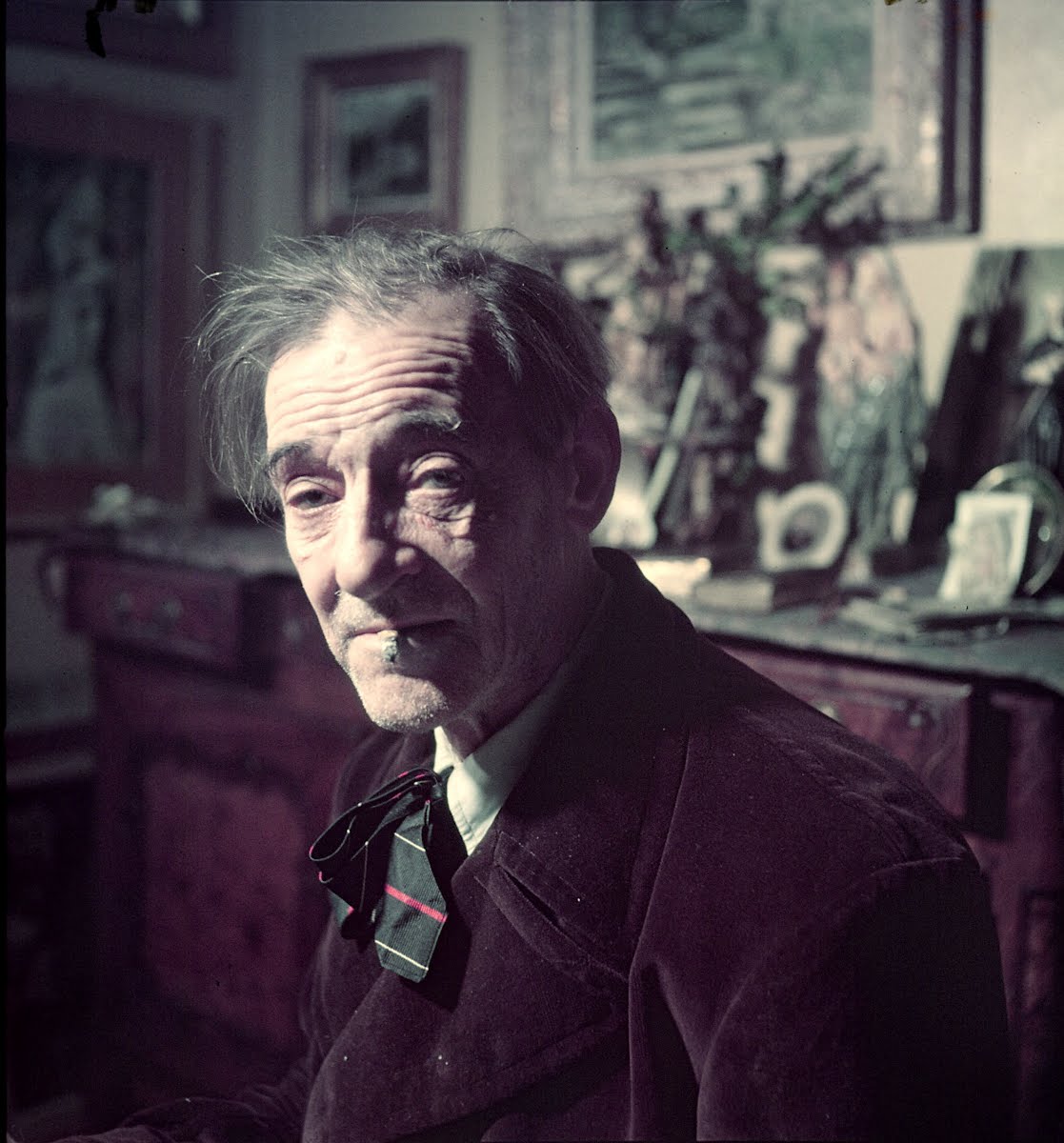
Maurice Utrillo was a French painter, celebrated for his depictions of cityscapes, particularly of the Montmartre district in Paris. His unique approach to painting, characterized by a vivid portrayal of urban landscapes, has captivated art collectors and experts alike. Utrillo's work is notable for its distinct use of color and perspective, offering viewers a glimpse into the picturesque and often serene streets of Montmartre. Despite challenges in his personal life, including struggles with alcoholism, Utrillo's artistry remained undiminished, showcasing his profound connection to the city he often portrayed from memory or postcards, especially in his later years when his health declined.
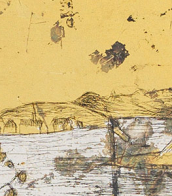
Utrillo's paintings are a testament to his skill in capturing the essence of Parisian life, with works such as "La Rue Norvins à Montmartre" and "Place du Tertre" highlighting his ability to blend color, light, and architecture into harmonious compositions. His "White Period" is particularly renowned, during which he used white zinc and sometimes plaster to achieve a unique texture and depth in his paintings. This period signifies a pivotal moment in Utrillo's career, marking a departure from Impressionism towards a style that emphasized the structural and geometric aspects of his subjects.
Utrillo's contributions to art extend beyond his innovative techniques and stylistic evolution. His life story, marked by periods of intense struggle and creativity, adds a layer of depth to his works, inviting viewers to explore not only the streets of Montmartre but also the complex landscape of the artist's inner world. His paintings, many of which are now housed in prestigious museums and galleries, continue to attract admiration from around the globe.
For collectors and experts in art and antiques, Maurice Utrillo's works offer a unique investment in the beauty and history of Parisian culture. His ability to capture the spirit of Montmartre, combined with his innovative use of materials and color, makes his paintings a valuable addition to any collection.
If you're passionate about art and wish to stay informed about new product sales and auction events related to Maurice Utrillo, consider signing up for updates. This subscription service is tailored specifically for enthusiasts eager to enhance their collections with works by this remarkable artist, ensuring you're always in the know about opportunities to acquire pieces by Utrillo and related cultural events.