will brüll


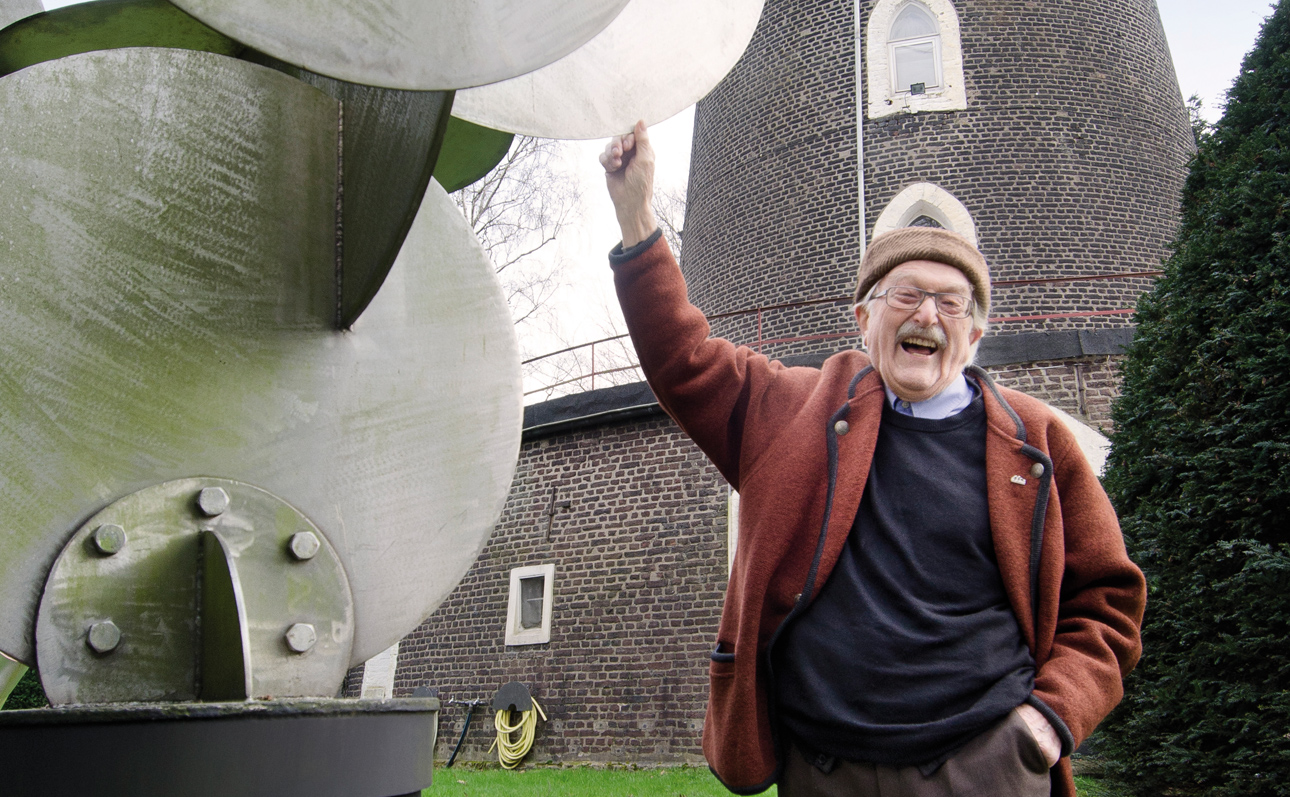
Will Brüll was a German painter and sculptor. Brüll's work was characterised by abstract painting and sculpture influenced by the De Stijl movement and artists such as Piet Mondrian and Theo van Doesburg. He studied at the Düsseldorf Academy of Fine Arts, where he developed his own distinctive style. Brüll exhibited his work widely in the Netherlands and abroad. Many of his works are in public and private collections.


Will Brüll was a German painter and sculptor. Brüll's work was characterised by abstract painting and sculpture influenced by the De Stijl movement and artists such as Piet Mondrian and Theo van Doesburg. He studied at the Düsseldorf Academy of Fine Arts, where he developed his own distinctive style. Brüll exhibited his work widely in the Netherlands and abroad. Many of his works are in public and private collections.
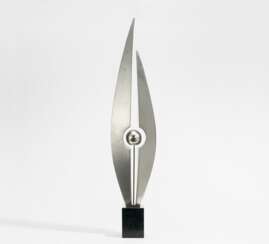

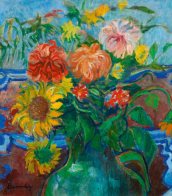


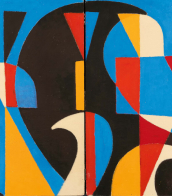





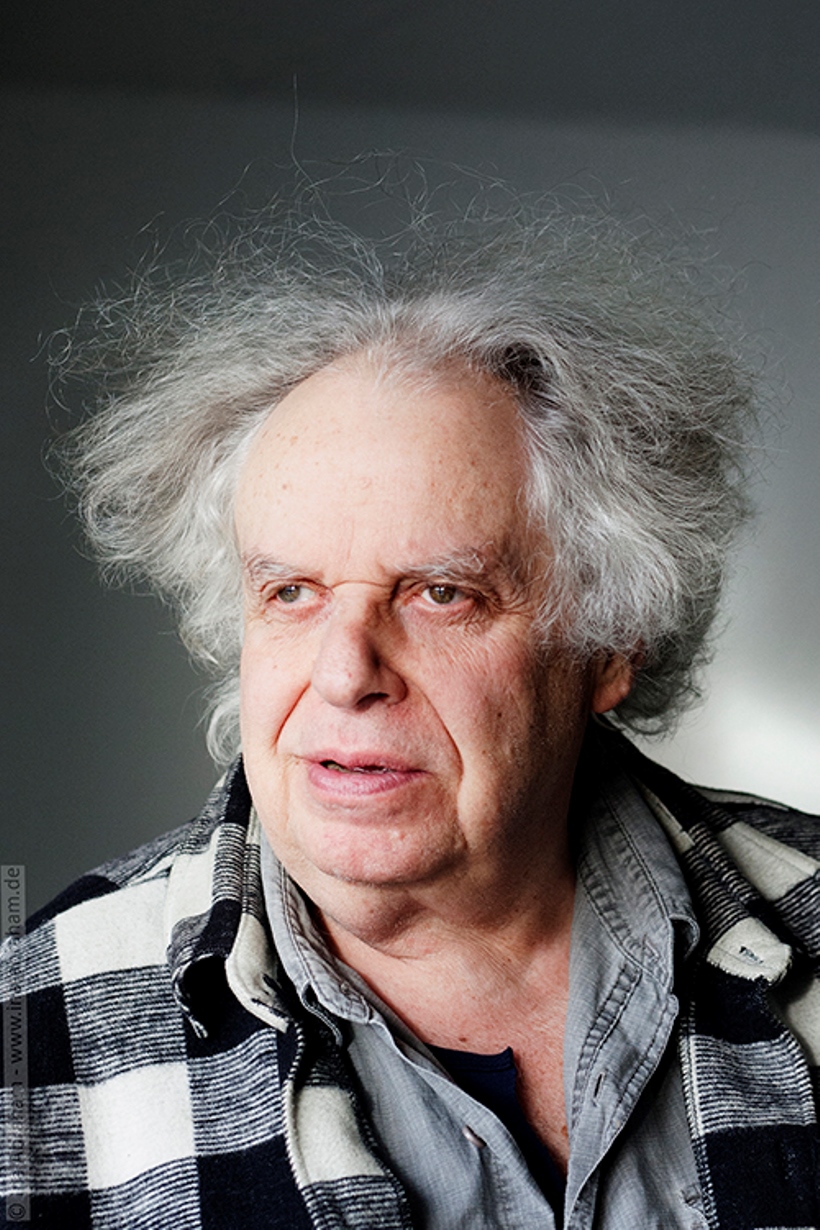
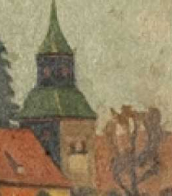


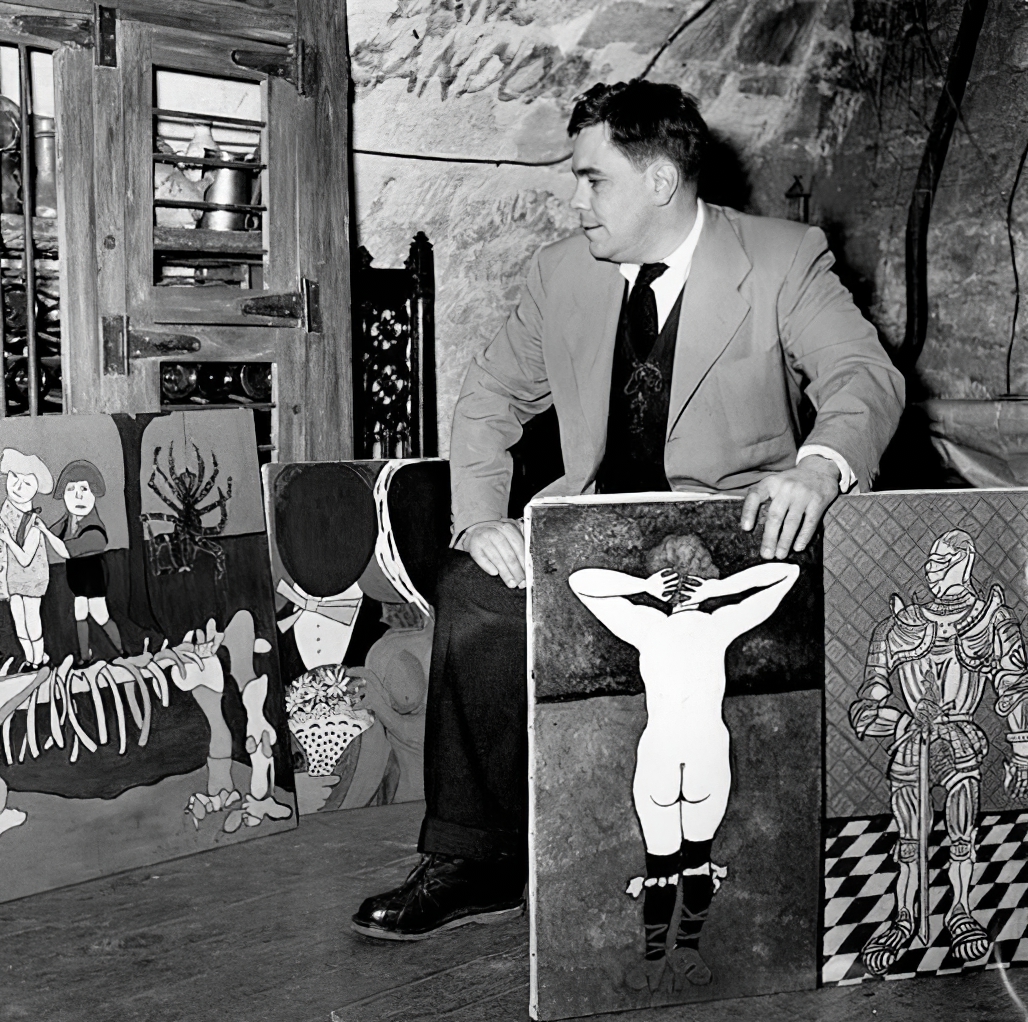
William Nelson Copley was an American painter, writer, gallerist, collector, patron, publisher and art entrepreneur. His works as an artist have been classified as late Surrealist and precursory to Pop Art.












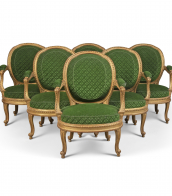


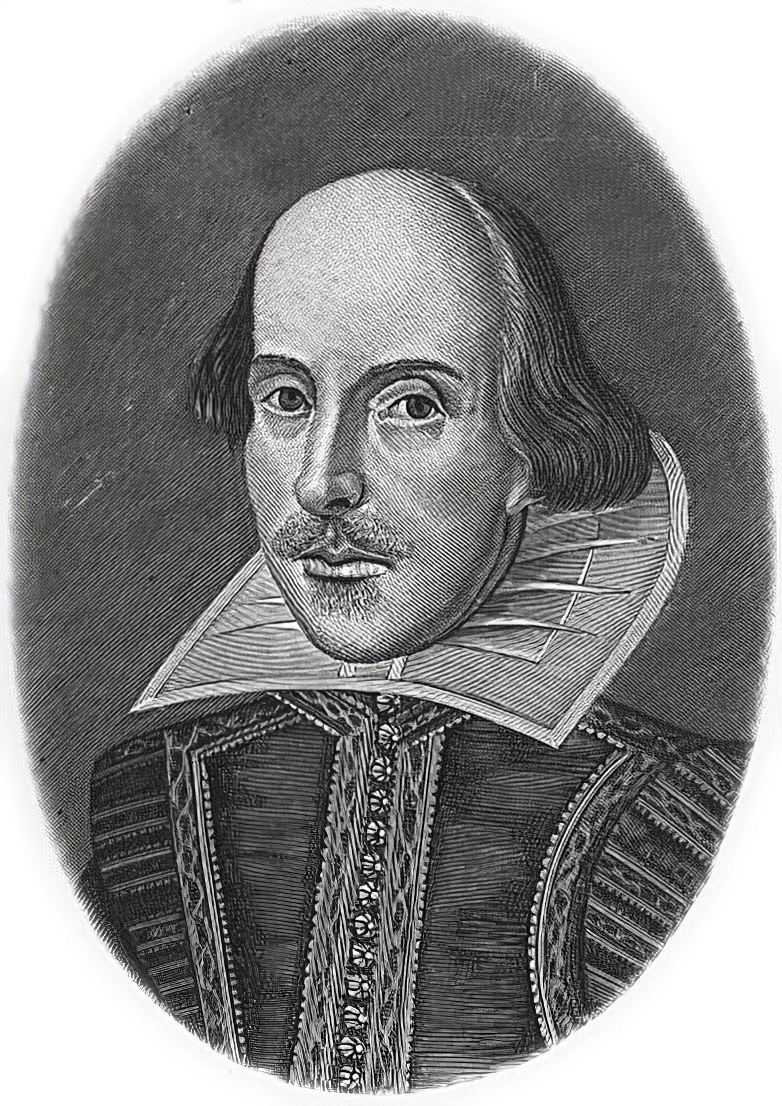
William Shakespeare was a British poet and playwright and writer.
William's father, John Shakespeare, was a merchant and official in Stratford. There are reports that he was a sailor for a time before joining a theater company in London. Beginning in the 1590s, Shakespeare began writing plays, and in 1593 he published a poem, Venus and Adonis, which became popular. He dedicated it to the Duke of Southampton, who was a philanthropist and patron of talent, and soon his business was booming.
From 1592 to 1600 Shakespeare wrote his dramas and romantic comedies "Richard III", "The Taming of the Shrew", "Romeo and Juliet", "A Midsummer Night's Dream" and "The Merchant of Venice", as well as the comedies "Much Ado About Nothing", "Twelfth Night" and the tragedy "Julius Caesar". The playwright's business was so successful that he even bought a large house in Stratford. In 1599, Shakespeare became one of the owners, playwright and actor of the new theater "Globe". In 1603 King James took Shakespeare's troupe under his direct patronage. In the mature period, the great playwright turned to tragedies, there were "Hamlet", "Othello", "King Lear", "Macbeth" and others.
Although in the 19th century researchers had some doubts about the authorship of many of these works, William Shakespeare is considered the greatest English playwright, one of the best playwrights in the world. His plays have been translated into all major languages and to this day form the basis of the world theatrical repertoire, most of them have been screened many times. According to the Guinness Book of Records, Shakespeare remains the world's best-selling playwright, and his plays and poems have sold more than 4 billion copies in the nearly 400 years since his death.






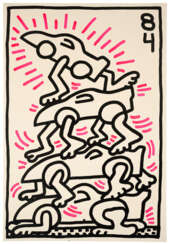

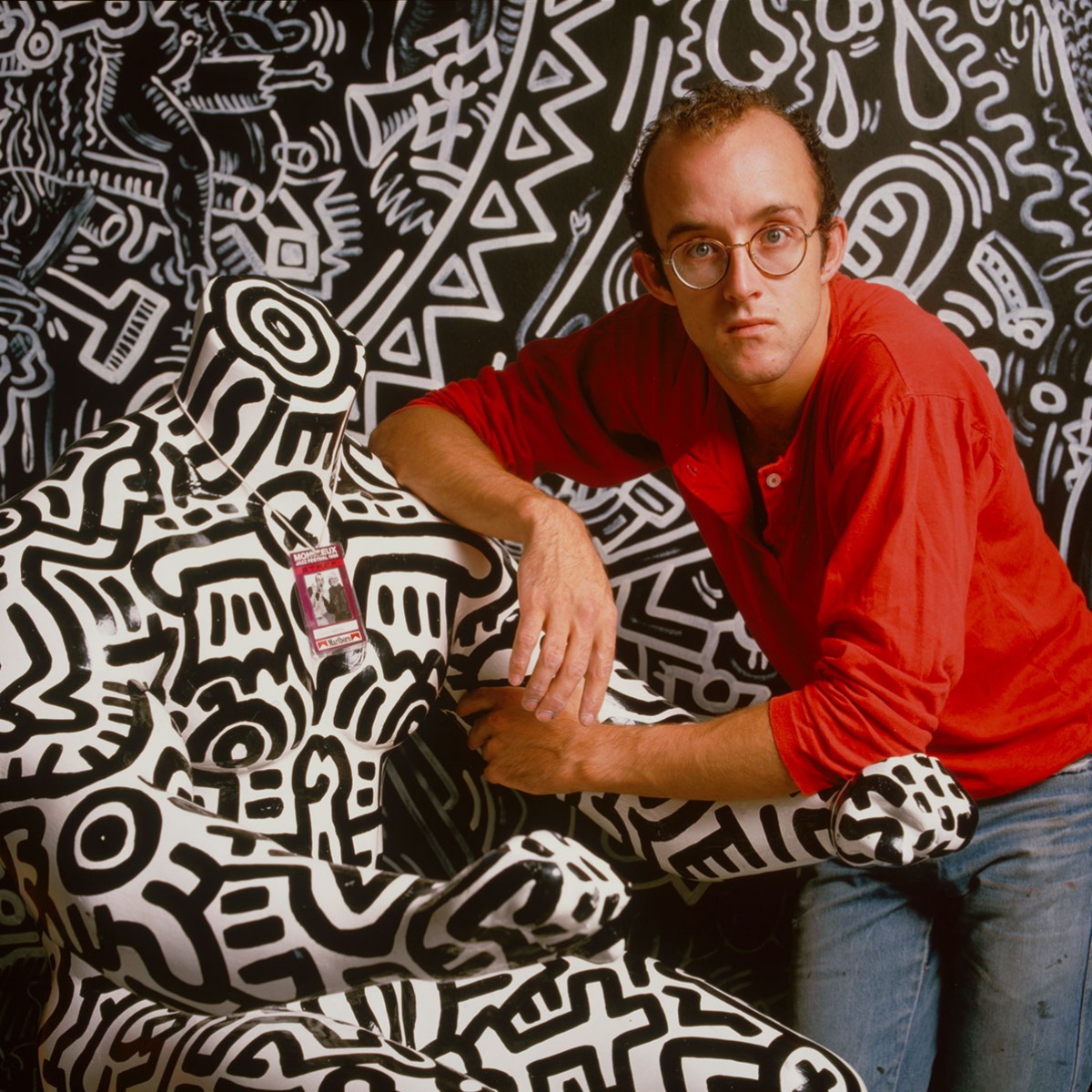
Keith Allen Haring was an iconic American artist, recognized globally for his distinctive contributions to painting, sculpture, and art culture. Haring's work is celebrated for its vibrant, dynamic imagery and its profound social activism, which addressed critical themes such as AIDS awareness, racial inequality, and the empowerment of communities through art. His art transcends conventional galleries, marking its presence in public spaces, museums, and collections worldwide, thereby democratizing art access and engagement.
Haring's unique approach to art was characterized by bold lines, vivid colors, and animated figures, which not only attracted art collectors and experts but also resonated with a broader audience. His ability to blend art with activism, using public spaces as his canvas, was revolutionary. Works like the "Crack is Wack" mural and the untitled piece on the Berlin Wall stand testament to his commitment to societal issues, making him a pioneer in using art as a tool for social change.
Keith Haring's legacy continues through the Keith Haring Foundation, established by the artist in 1989 to support children's programs and organizations dedicated to raising AIDS awareness. The Foundation ensures that Haring's artistic and philanthropic vision persists, facilitating exhibitions and educational initiatives. For collectors and art experts keen on exploring Haring's influential body of work and its impact on contemporary art and culture, his creations offer profound insights into the intersection of art, social activism, and community engagement.
For those interested in staying informed about new product sales, auction events, and exhibitions related to Keith Allen Haring, signing up for updates is a straightforward way to remain connected with the ongoing celebration of his art and humanitarian legacy. This subscription ensures direct access to the latest on Haring's impactful contributions to the world of art and culture.
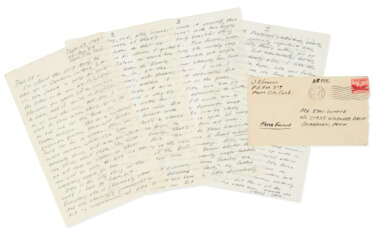

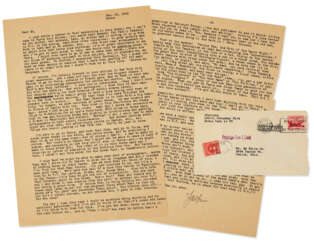

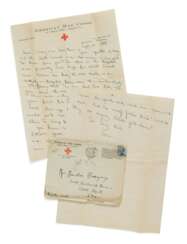






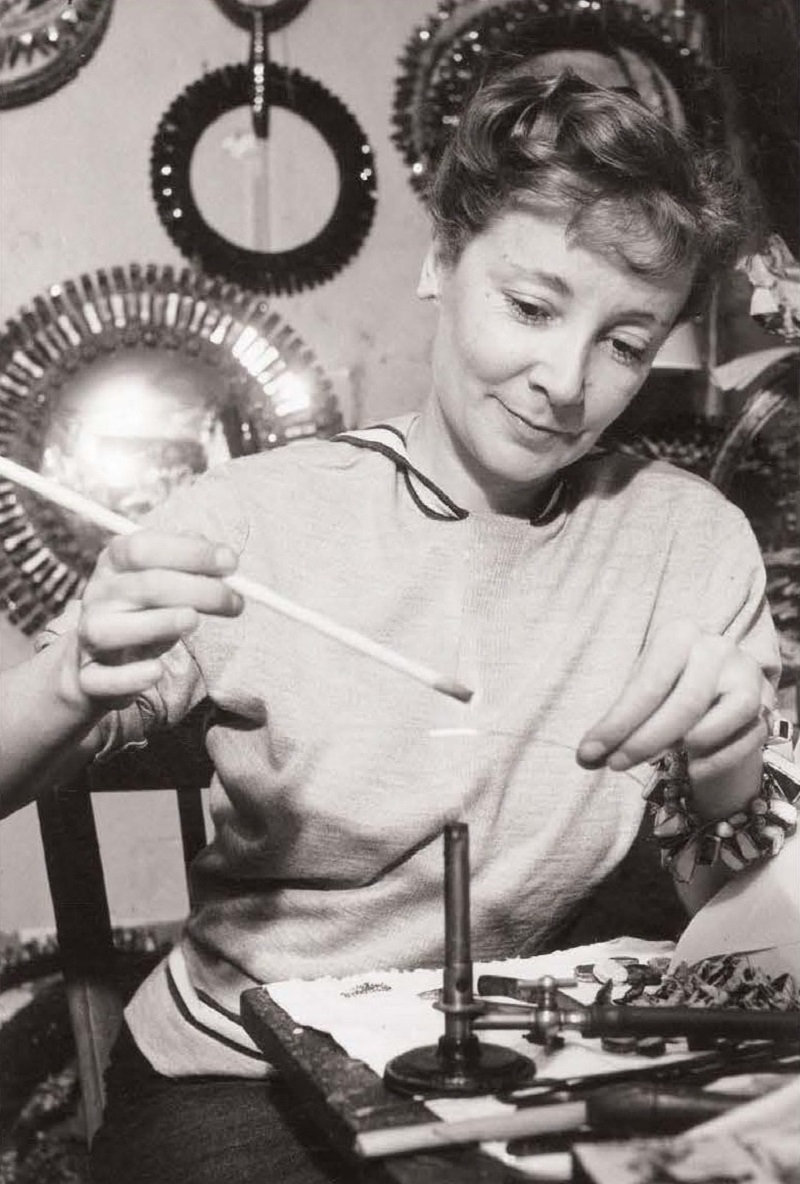
Line Vautrin is a French artist, jeweller and designer.
Her work ranges from jewellery to objects such as mirrors, trays and boxes. Devoted to experimentation, she opened A.D.A.M. (Association for the Development of Handmade Arts), a craft school where she taught metalwork and jewellery making and also sold the raw materials she used in her practice.



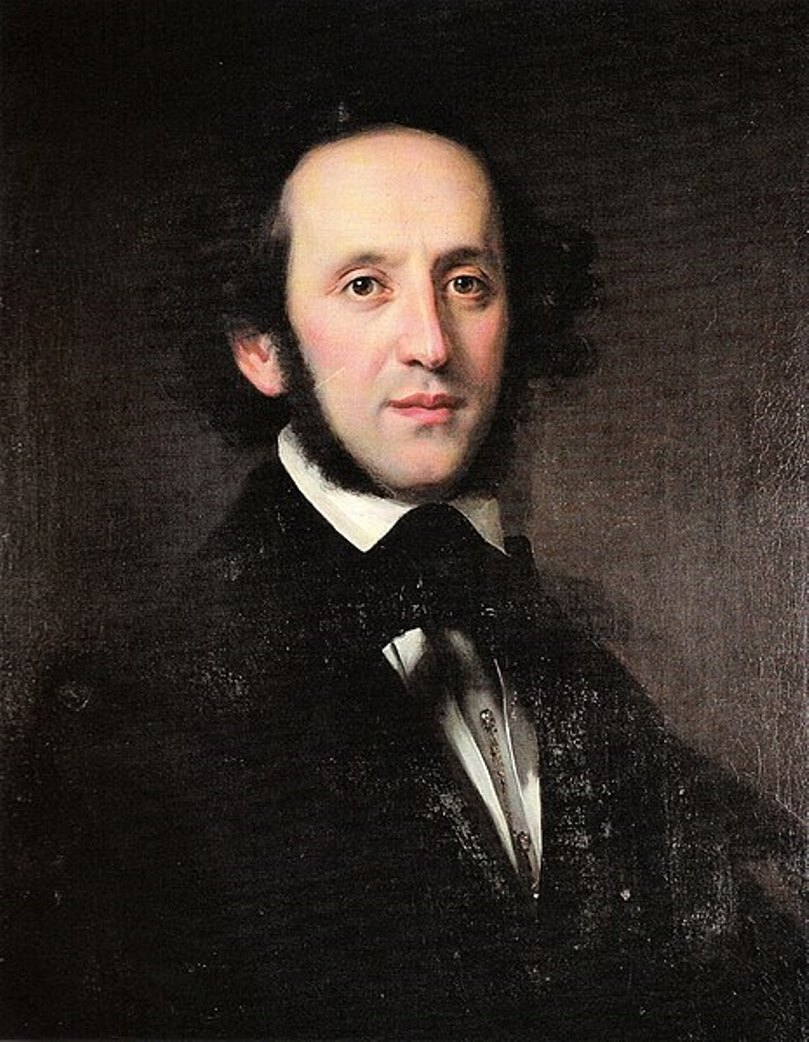
Felix Mendelssohn (full name Jakob Ludwig Felix Mendelssohn Bartholdy) was a German composer, pianist, conductor, teacher, and one of the greatest representatives of Romanticism in music.
Felix was born into a Jewish musical family that later converted to Christianity. He received a versatile education and already as a child wrote many musical compositions, including 5 operas, 11 symphonies for string orchestra, concertos, sonatas and fugues. Mendelssohn's first public performance took place in Berlin in 1818, when he was nine years old. In 1821 Mendelssohn was introduced to J.W. von Goethe, for whom he performed works by J.S. Bach and Mozart and to whom he dedicated his Piano Quartet No. 3 in B minor. A friendship developed between the famous wise poet and the 12-year-old musician.
A few years later, the talented musician began conducting in various orchestras in Europe, and became acquainted with Carl Weber. In England, where Mendelssohn visited very often, by the middle of the 19th century his music had become very popular, even with Queen Victoria he was the most favorite composer. He dedicated his Symphony No. 3 in A minor major (Scottish Symphony) to the Queen.
Among Mendelssohn's most famous works are A Midsummer Night's Dream (1826), the Italian Symphony (1833), a violin concerto (1844), two piano concertos (1831, 1837), the oratorio Elijah (1846) and several chamber pieces. The tradition of playing the "Wedding March" from A Midsummer Night's Dream in wedding processions dates back to its performance at the wedding of a royal princess in 1858, already after Mendelssohn's death.
In 1843, Mendelssohn founded a conservatory in Leipzig, where he taught composition with Schumann. Mendelssohn was one of the first great Romantic composers of the nineteenth century.
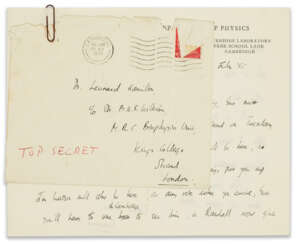

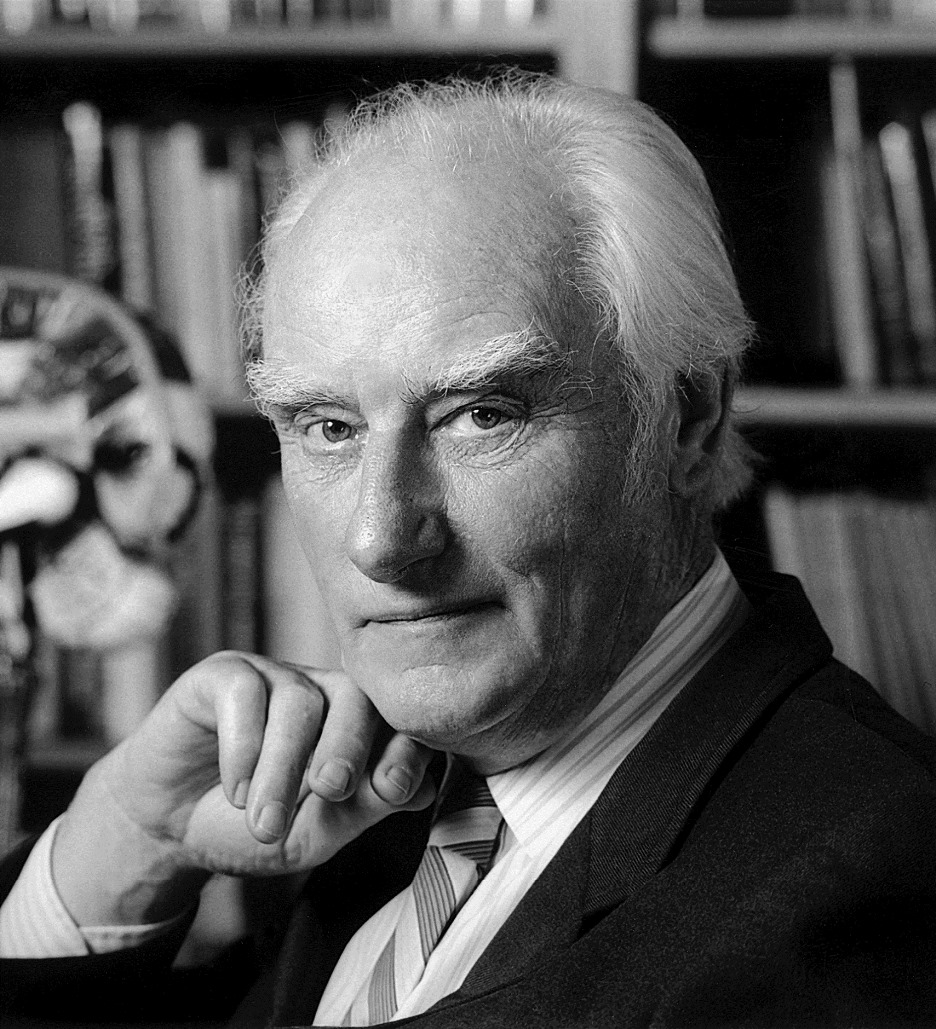
Francis Harry Compton Crick was a British molecular biologist, biophysicist and neuroscientist. He won the Nobel Prize in Physiology and Medicine in 1962.
During World War II he had to work on developments for the military, and in 1947 he turned to biology at the Strangeways Research Laboratory, University of Cambridge. In 1949 he moved to the University Medical Research Council at Cavendish Laboratories. Using X-ray diffraction studies of DNA by biophysicist Maurice Wilkins (1916-2004) and X-ray diffraction images taken by Rosalind Franklin, biophysicist James Watson and Crick were able to construct a molecular model consistent with the known physical and chemical properties of DNA.
This achievement became a cornerstone of genetics and was regarded as one of the most important discoveries of 20th century biology. In 1962, Francis Crick, along with James Watson and Maurice Wilkins, won the Nobel Prize in Physiology or Medicine for determining the molecular structure of deoxyribonucleic acid (DNA), the chemical ultimately responsible for the hereditary control of life functions.
From 1977 until the end of his life, Crick served as professor emeritus at the Salk Institute for Biological Studies in San Diego, California, where he conducted research on the neurological basis of consciousness. He also wrote several books. In 1991, Francis Crick received the Order of Merit.
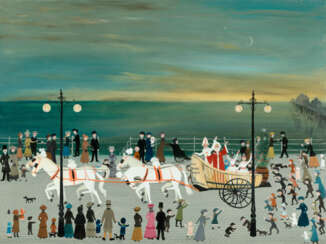

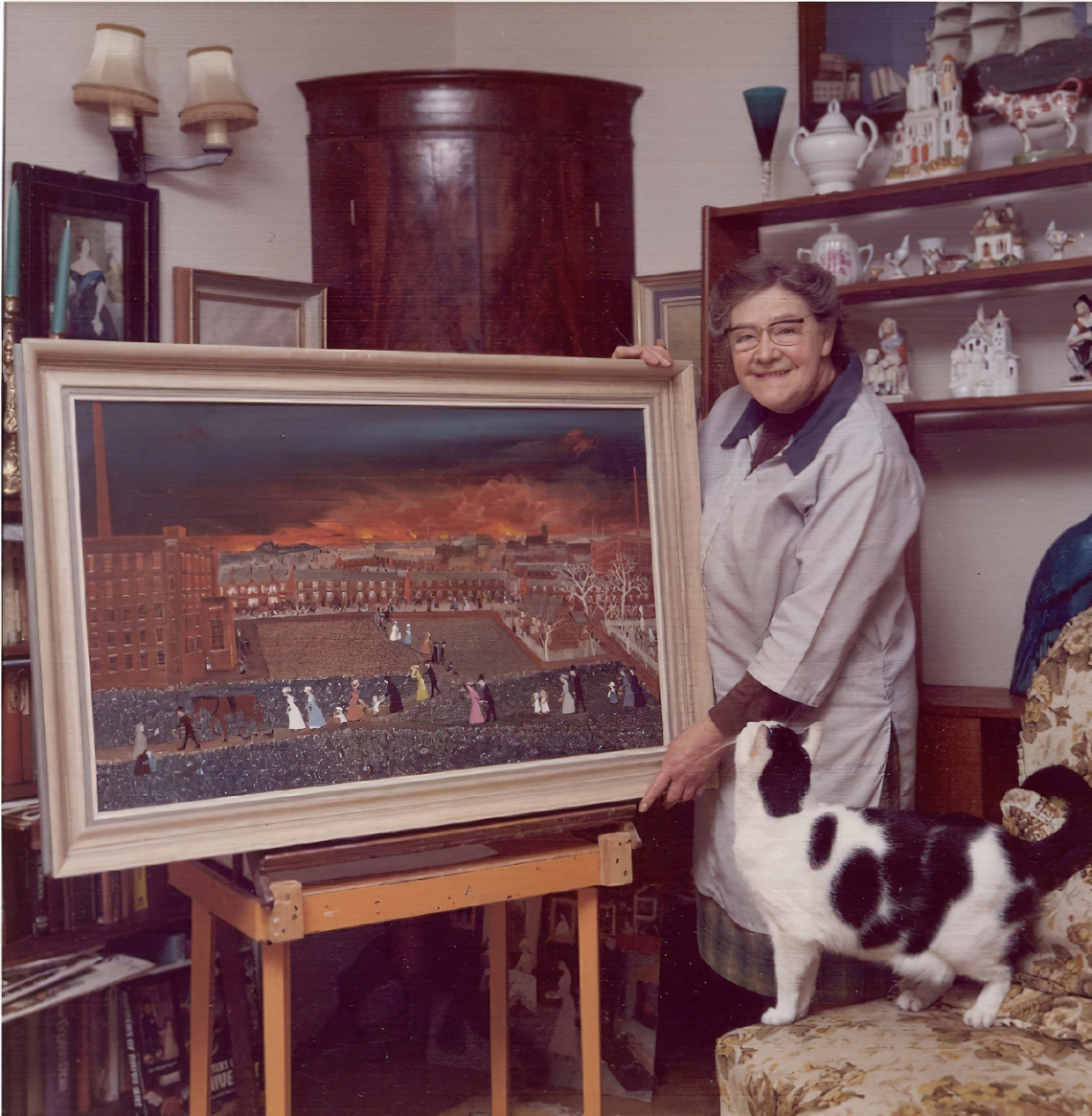
Helen Layfield Bradley was an English artist born in Lees, Lancashire, England. Her paintings, mostly in oils, typically depict life in Lancashire in the Edwardian era.