

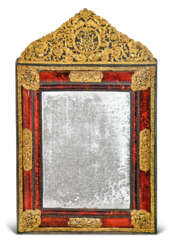
écaille de t






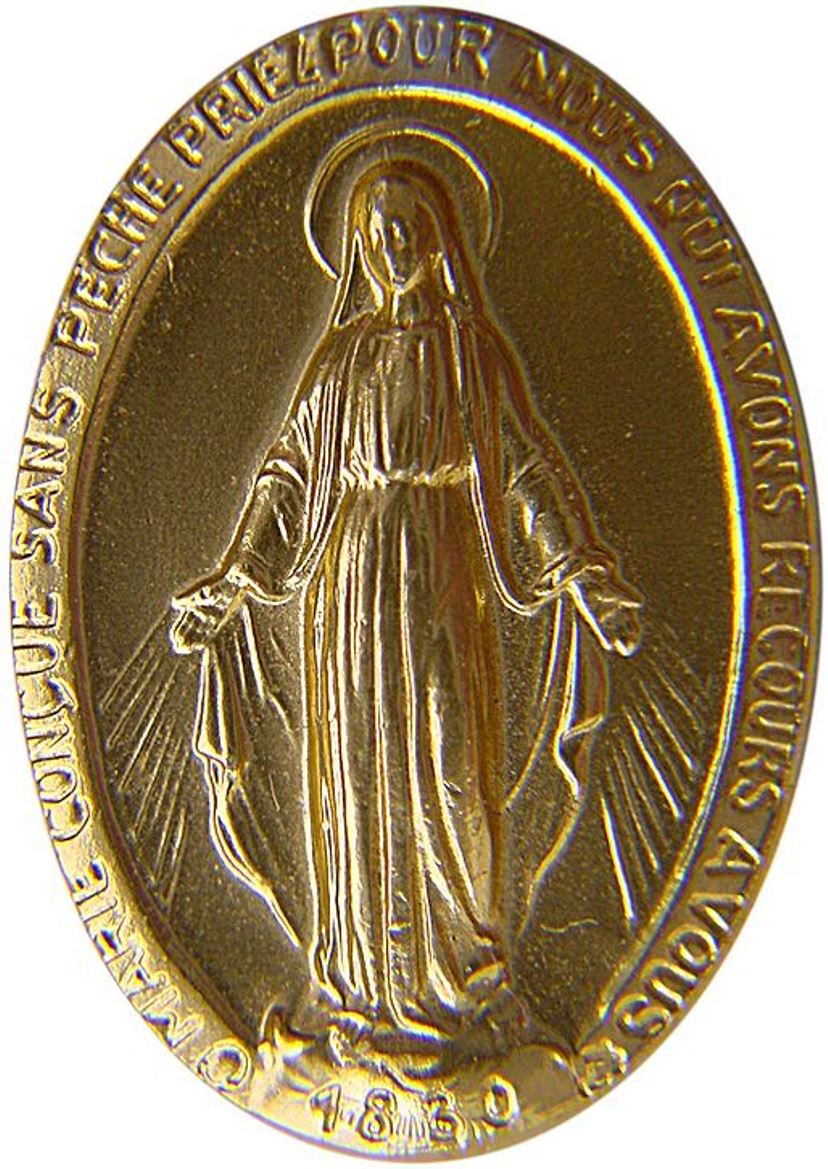
Adrien Vachette was a French jeweler of the 18th and 19th centuries, best known as the creator of the so-called Wonderful Medallion.
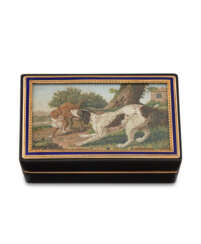
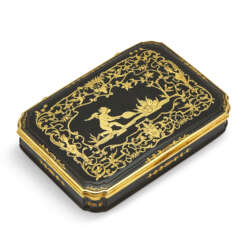
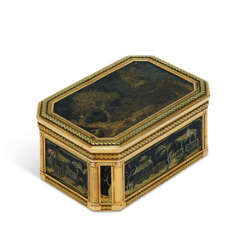
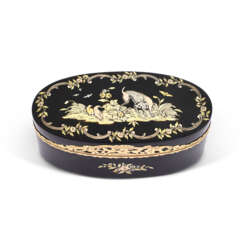
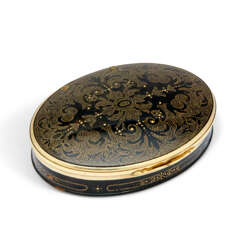
Vachette was one of the most famous and prolific craftsmen of his generation. He was appointed court jeweler and supplier to the court of King Louis XVIII. Gold, tortoise shell, enamel, precious stones and ornamental stones were used extensively in the creations of Vachette, particularly in the many precious snuffboxes that were in fashion at the time.
However, he became famous at a very advanced age, when he was almost 80 years old. Paris at the time was experiencing a cholera epidemic and a period of political instability. The Archbishop of Paris, Iasent-Louis de Quelan, had the idea of solving these problems by a miracle. At his behest, Vachette designed a "miraculous medallion" depicting Our Lady. Between 1832 and 1836, more than two million copies were distributed. At the same time, Archbishop Kaelan and his clergy were active in the fight against cholera. All in all, this contributed to the growth of religiosity and respect for the church in France, and the marvelous medallions of Vachette's design continue to be minted and distributed in many Western countries to this day.
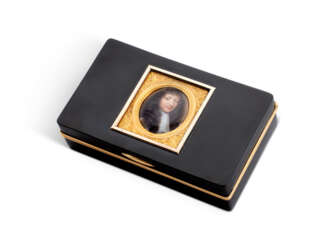

Adrien Vachette was a French jeweler of the 18th and 19th centuries, best known as the creator of the so-called Wonderful Medallion.
Vachette was one of the most famous and prolific craftsmen of his generation. He was appointed court jeweler and supplier to the court of King Louis XVIII. Gold, tortoise shell, enamel, precious stones and ornamental stones were used extensively in the creations of Vachette, particularly in the many precious snuffboxes that were in fashion at the time.
However, he became famous at a very advanced age, when he was almost 80 years old. Paris at the time was experiencing a cholera epidemic and a period of political instability. The Archbishop of Paris, Iasent-Louis de Quelan, had the idea of solving these problems by a miracle. At his behest, Vachette designed a "miraculous medallion" depicting Our Lady. Between 1832 and 1836, more than two million copies were distributed. At the same time, Archbishop Kaelan and his clergy were active in the fight against cholera. All in all, this contributed to the growth of religiosity and respect for the church in France, and the marvelous medallions of Vachette's design continue to be minted and distributed in many Western countries to this day.




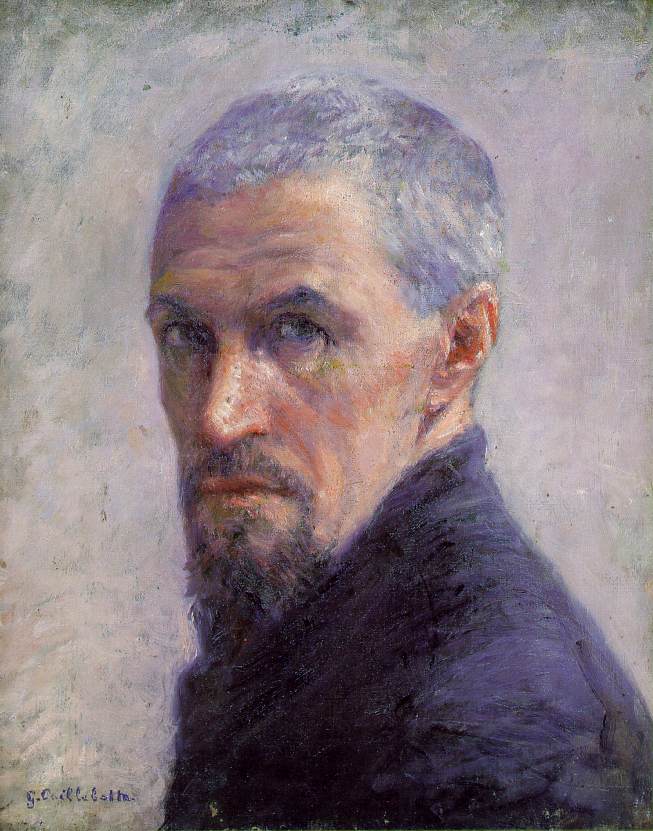
Gustave Caillebotte was a French Impressionist painter, collector, patron of art and impresario.
Caillebotte was born into a noble and wealthy family, educated as an engineer and lawyer, but became interested in painting and studied at the Paris School of Fine Arts. In 1874 he met Pierre-Auguste Renoir and Claude Monet and presented his work at Impressionist exhibitions. Over the next six years, Caillebotte became the chief organizer, promoter and financial sponsor of Impressionist exhibitions, and used his fortune to purchase works by other Impressionists, notably Monet, Renoir, Camille Pissarro, Paul Cézanne, Edgar Degas, Alfred Sisley and Berthe Morisot.
Caillebotte bequeathed his collection of paintings to the state, some of which later formed the basis of the Impressionist collection at the Musée d'Orsay.
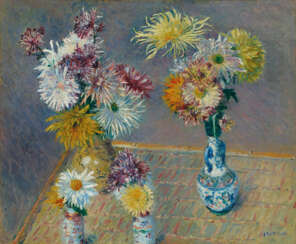
In his paintings, Caillebotte combined in a unique synthesis of academic, realistic and impressionist styles. He painted many family scenes, interiors and landscapes, as well as domestic scenes and streets of Paris.
























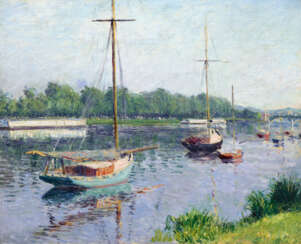

Gustave Caillebotte was a French Impressionist painter, collector, patron of art and impresario.
Caillebotte was born into a noble and wealthy family, educated as an engineer and lawyer, but became interested in painting and studied at the Paris School of Fine Arts. In 1874 he met Pierre-Auguste Renoir and Claude Monet and presented his work at Impressionist exhibitions. Over the next six years, Caillebotte became the chief organizer, promoter and financial sponsor of Impressionist exhibitions, and used his fortune to purchase works by other Impressionists, notably Monet, Renoir, Camille Pissarro, Paul Cézanne, Edgar Degas, Alfred Sisley and Berthe Morisot.
Caillebotte bequeathed his collection of paintings to the state, some of which later formed the basis of the Impressionist collection at the Musée d'Orsay.
In his paintings, Caillebotte combined in a unique synthesis of academic, realistic and impressionist styles. He painted many family scenes, interiors and landscapes, as well as domestic scenes and streets of Paris.


Gustave Caillebotte was a French Impressionist painter, collector, patron of art and impresario.
Caillebotte was born into a noble and wealthy family, educated as an engineer and lawyer, but became interested in painting and studied at the Paris School of Fine Arts. In 1874 he met Pierre-Auguste Renoir and Claude Monet and presented his work at Impressionist exhibitions. Over the next six years, Caillebotte became the chief organizer, promoter and financial sponsor of Impressionist exhibitions, and used his fortune to purchase works by other Impressionists, notably Monet, Renoir, Camille Pissarro, Paul Cézanne, Edgar Degas, Alfred Sisley and Berthe Morisot.
Caillebotte bequeathed his collection of paintings to the state, some of which later formed the basis of the Impressionist collection at the Musée d'Orsay.
In his paintings, Caillebotte combined in a unique synthesis of academic, realistic and impressionist styles. He painted many family scenes, interiors and landscapes, as well as domestic scenes and streets of Paris.