

фрэнс








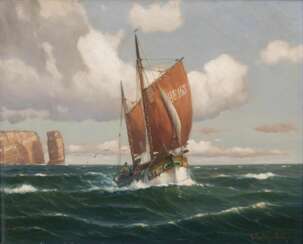

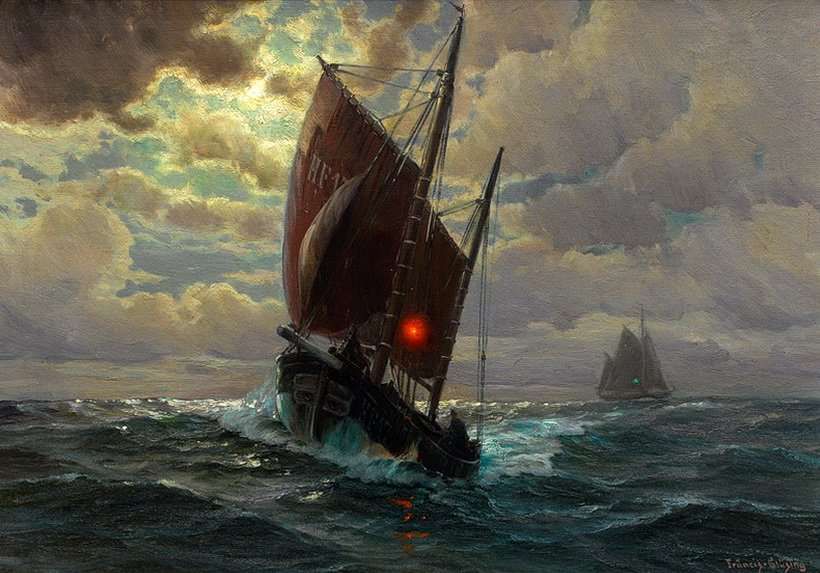
Martin Fräncis Glüsing was a German marine and landscape painter living in Hamburg.


.jfif)
Samuel Lewis Francis, an American painter and printmaker, was known for his pivotal role in postwar American painting and his contributions to the Abstract Expressionism and Color Field painting movements. Born in San Mateo, California, Francis' early life was marked by a deep personal loss and a significant injury during his service in the Army Air Corps, which led him to pursue painting while recovering in a hospital. His work, characterized by splashes of bright contrasting colors against expansive white canvases, drew international acclaim, particularly in Europe and Japan, underscoring his influence on the global art scene.
Francis' art evolved through various phases, from monochromatic works to vibrant, large-scale pieces, and was deeply influenced by his time in Paris and Japan, reflecting elements of Tachisme and possibly Zen Buddhism. Notable for creating large murals and his "Edge" series, Francis also founded The Lapis Press, further contributing to the art community by producing visually compelling texts. Despite facing health challenges towards the end of his life, he remained prolific, leaving behind a legacy celebrated through the Sam Francis Foundation, which aims to perpetuate his creative legacy.
Francis' artworks are held in prestigious collections worldwide, including The Metropolitan Museum of Art, The Museum of Modern Art, New York, and the Centre Pompidou-Musee National d'Art Moderne, Paris, highlighting his enduring influence on contemporary art. His auction records and continued recognition in solo exhibitions posthumously underscore the lasting impact of his work on both collectors and the art community.
For those passionate about modern art and its history, staying informed about Samuel Lewis Francis' contributions and the ongoing exhibitions of his works can be enriching. Sign up for updates related to Francis to ensure you don't miss out on new sales and auction events showcasing his vibrant legacy.


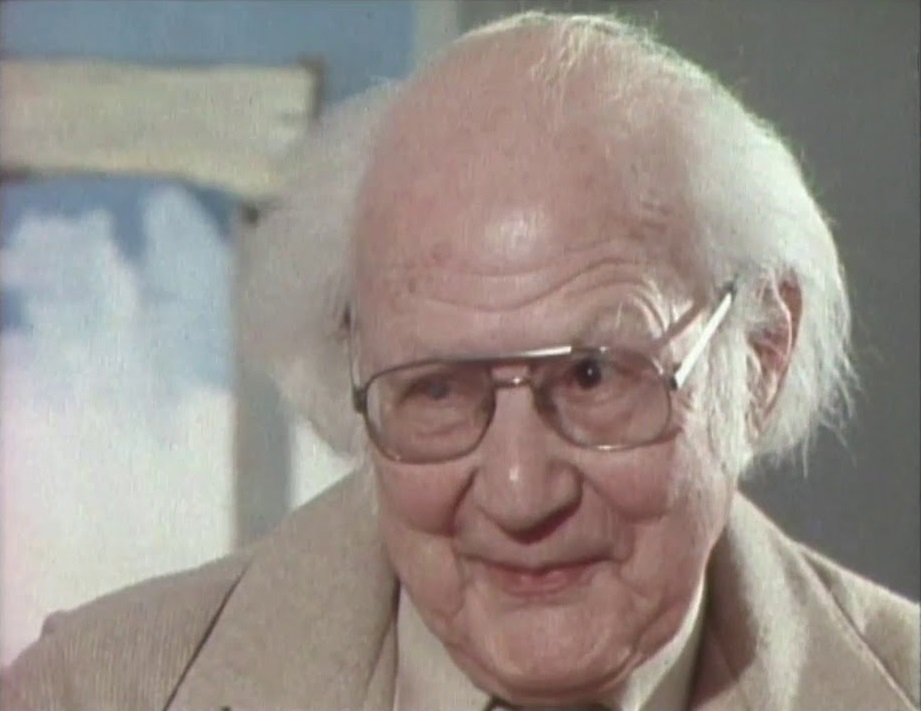
Francis Bott war als deutscher Maler ein Vertreter der „Zweiten École de Paris“, also des französischen „Informel“. Sein künstlerisches Schaffen weist zwei scheinbar gegensätzliche Schwerpunkte auf: surreale, phantastische Gegenständlichkeit und tachistisch, geometrische Abstraktion. Sein Werk besteht aus Gemälden, Glasmalereien, Handzeichnungen, Aquarellen, Gouachen, Plastiken und Objekten; auch als Bühnenbildner hat er sich betätigt.

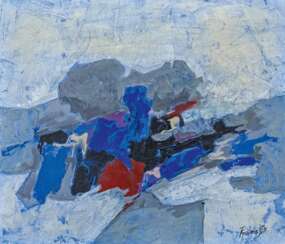

Francis Bott war als deutscher Maler ein Vertreter der „Zweiten École de Paris“, also des französischen „Informel“. Sein künstlerisches Schaffen weist zwei scheinbar gegensätzliche Schwerpunkte auf: surreale, phantastische Gegenständlichkeit und tachistisch, geometrische Abstraktion. Sein Werk besteht aus Gemälden, Glasmalereien, Handzeichnungen, Aquarellen, Gouachen, Plastiken und Objekten; auch als Bühnenbildner hat er sich betätigt.
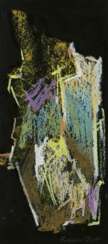

Francis Bott war als deutscher Maler ein Vertreter der „Zweiten École de Paris“, also des französischen „Informel“. Sein künstlerisches Schaffen weist zwei scheinbar gegensätzliche Schwerpunkte auf: surreale, phantastische Gegenständlichkeit und tachistisch, geometrische Abstraktion. Sein Werk besteht aus Gemälden, Glasmalereien, Handzeichnungen, Aquarellen, Gouachen, Plastiken und Objekten; auch als Bühnenbildner hat er sich betätigt.
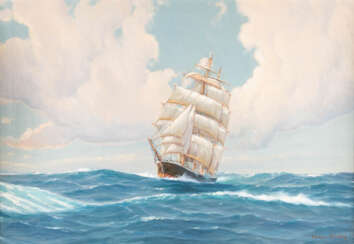

Martin Fräncis Glüsing was a German marine and landscape painter living in Hamburg.
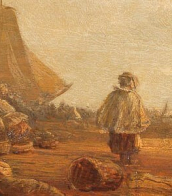
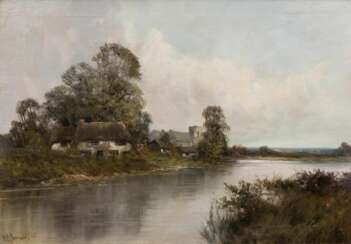

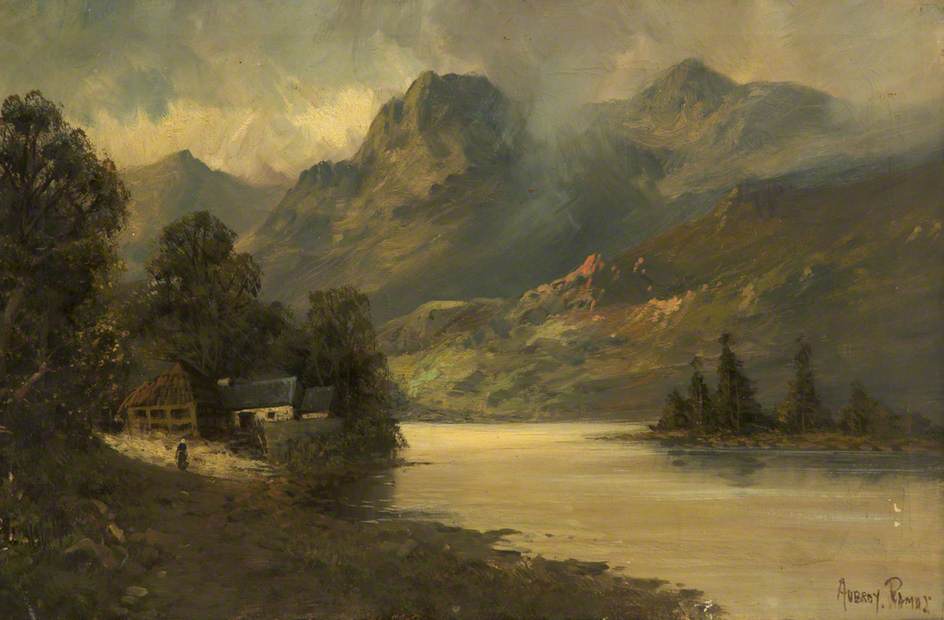
Francis E. Jamieson was a British impressionist and modernist painter. Specialised in highland landscapes and coastal scenes, and painted in oil and watercolour.


Samuel Lewis Francis, an American painter and printmaker, was known for his pivotal role in postwar American painting and his contributions to the Abstract Expressionism and Color Field painting movements. Born in San Mateo, California, Francis' early life was marked by a deep personal loss and a significant injury during his service in the Army Air Corps, which led him to pursue painting while recovering in a hospital. His work, characterized by splashes of bright contrasting colors against expansive white canvases, drew international acclaim, particularly in Europe and Japan, underscoring his influence on the global art scene.
Francis' art evolved through various phases, from monochromatic works to vibrant, large-scale pieces, and was deeply influenced by his time in Paris and Japan, reflecting elements of Tachisme and possibly Zen Buddhism. Notable for creating large murals and his "Edge" series, Francis also founded The Lapis Press, further contributing to the art community by producing visually compelling texts. Despite facing health challenges towards the end of his life, he remained prolific, leaving behind a legacy celebrated through the Sam Francis Foundation, which aims to perpetuate his creative legacy.
Francis' artworks are held in prestigious collections worldwide, including The Metropolitan Museum of Art, The Museum of Modern Art, New York, and the Centre Pompidou-Musee National d'Art Moderne, Paris, highlighting his enduring influence on contemporary art. His auction records and continued recognition in solo exhibitions posthumously underscore the lasting impact of his work on both collectors and the art community.
For those passionate about modern art and its history, staying informed about Samuel Lewis Francis' contributions and the ongoing exhibitions of his works can be enriching. Sign up for updates related to Francis to ensure you don't miss out on new sales and auction events showcasing his vibrant legacy.


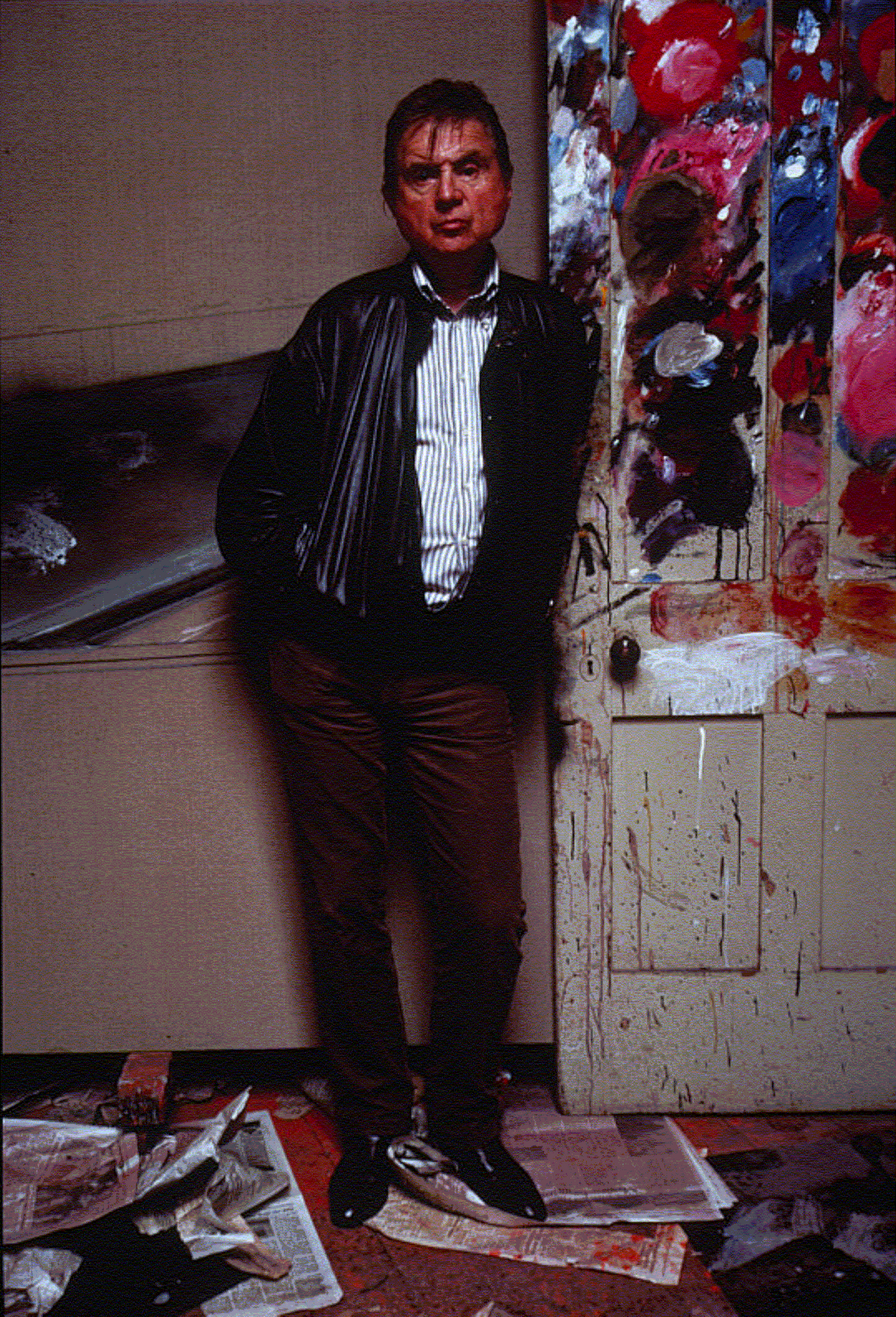
Francis Bacon was an Irish-born British figurative painter known for his raw, unsettling imagery. Focusing on the human form, his subjects included crucifixions, portraits of popes, self-portraits, and portraits of close friends, with abstracted figures sometimes isolated in geometrical structures. Rejecting various classifications of his work, Bacon said he strove to render "the brutality of fact." He built up a reputation as one of the giants of contemporary art with his unique style.
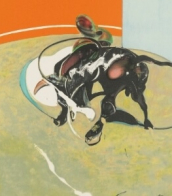
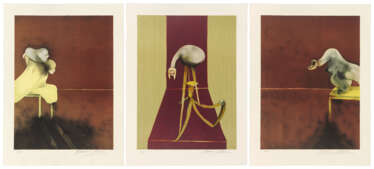

Francis Bacon was an Irish-born British figurative painter known for his raw, unsettling imagery. Focusing on the human form, his subjects included crucifixions, portraits of popes, self-portraits, and portraits of close friends, with abstracted figures sometimes isolated in geometrical structures. Rejecting various classifications of his work, Bacon said he strove to render "the brutality of fact." He built up a reputation as one of the giants of contemporary art with his unique style.
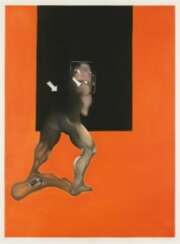

Francis Bacon was an Irish-born British figurative painter known for his raw, unsettling imagery. Focusing on the human form, his subjects included crucifixions, portraits of popes, self-portraits, and portraits of close friends, with abstracted figures sometimes isolated in geometrical structures. Rejecting various classifications of his work, Bacon said he strove to render "the brutality of fact." He built up a reputation as one of the giants of contemporary art with his unique style.
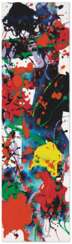

Samuel Lewis Francis, an American painter and printmaker, was known for his pivotal role in postwar American painting and his contributions to the Abstract Expressionism and Color Field painting movements. Born in San Mateo, California, Francis' early life was marked by a deep personal loss and a significant injury during his service in the Army Air Corps, which led him to pursue painting while recovering in a hospital. His work, characterized by splashes of bright contrasting colors against expansive white canvases, drew international acclaim, particularly in Europe and Japan, underscoring his influence on the global art scene.
Francis' art evolved through various phases, from monochromatic works to vibrant, large-scale pieces, and was deeply influenced by his time in Paris and Japan, reflecting elements of Tachisme and possibly Zen Buddhism. Notable for creating large murals and his "Edge" series, Francis also founded The Lapis Press, further contributing to the art community by producing visually compelling texts. Despite facing health challenges towards the end of his life, he remained prolific, leaving behind a legacy celebrated through the Sam Francis Foundation, which aims to perpetuate his creative legacy.
Francis' artworks are held in prestigious collections worldwide, including The Metropolitan Museum of Art, The Museum of Modern Art, New York, and the Centre Pompidou-Musee National d'Art Moderne, Paris, highlighting his enduring influence on contemporary art. His auction records and continued recognition in solo exhibitions posthumously underscore the lasting impact of his work on both collectors and the art community.
For those passionate about modern art and its history, staying informed about Samuel Lewis Francis' contributions and the ongoing exhibitions of his works can be enriching. Sign up for updates related to Francis to ensure you don't miss out on new sales and auction events showcasing his vibrant legacy.
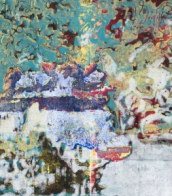
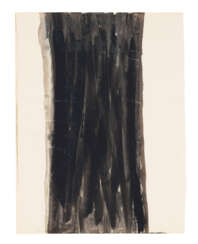

Samuel Lewis Francis, an American painter and printmaker, was known for his pivotal role in postwar American painting and his contributions to the Abstract Expressionism and Color Field painting movements. Born in San Mateo, California, Francis' early life was marked by a deep personal loss and a significant injury during his service in the Army Air Corps, which led him to pursue painting while recovering in a hospital. His work, characterized by splashes of bright contrasting colors against expansive white canvases, drew international acclaim, particularly in Europe and Japan, underscoring his influence on the global art scene.
Francis' art evolved through various phases, from monochromatic works to vibrant, large-scale pieces, and was deeply influenced by his time in Paris and Japan, reflecting elements of Tachisme and possibly Zen Buddhism. Notable for creating large murals and his "Edge" series, Francis also founded The Lapis Press, further contributing to the art community by producing visually compelling texts. Despite facing health challenges towards the end of his life, he remained prolific, leaving behind a legacy celebrated through the Sam Francis Foundation, which aims to perpetuate his creative legacy.
Francis' artworks are held in prestigious collections worldwide, including The Metropolitan Museum of Art, The Museum of Modern Art, New York, and the Centre Pompidou-Musee National d'Art Moderne, Paris, highlighting his enduring influence on contemporary art. His auction records and continued recognition in solo exhibitions posthumously underscore the lasting impact of his work on both collectors and the art community.
For those passionate about modern art and its history, staying informed about Samuel Lewis Francis' contributions and the ongoing exhibitions of his works can be enriching. Sign up for updates related to Francis to ensure you don't miss out on new sales and auction events showcasing his vibrant legacy.
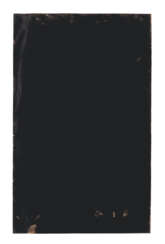

Samuel Lewis Francis, an American painter and printmaker, was known for his pivotal role in postwar American painting and his contributions to the Abstract Expressionism and Color Field painting movements. Born in San Mateo, California, Francis' early life was marked by a deep personal loss and a significant injury during his service in the Army Air Corps, which led him to pursue painting while recovering in a hospital. His work, characterized by splashes of bright contrasting colors against expansive white canvases, drew international acclaim, particularly in Europe and Japan, underscoring his influence on the global art scene.
Francis' art evolved through various phases, from monochromatic works to vibrant, large-scale pieces, and was deeply influenced by his time in Paris and Japan, reflecting elements of Tachisme and possibly Zen Buddhism. Notable for creating large murals and his "Edge" series, Francis also founded The Lapis Press, further contributing to the art community by producing visually compelling texts. Despite facing health challenges towards the end of his life, he remained prolific, leaving behind a legacy celebrated through the Sam Francis Foundation, which aims to perpetuate his creative legacy.
Francis' artworks are held in prestigious collections worldwide, including The Metropolitan Museum of Art, The Museum of Modern Art, New York, and the Centre Pompidou-Musee National d'Art Moderne, Paris, highlighting his enduring influence on contemporary art. His auction records and continued recognition in solo exhibitions posthumously underscore the lasting impact of his work on both collectors and the art community.
For those passionate about modern art and its history, staying informed about Samuel Lewis Francis' contributions and the ongoing exhibitions of his works can be enriching. Sign up for updates related to Francis to ensure you don't miss out on new sales and auction events showcasing his vibrant legacy.
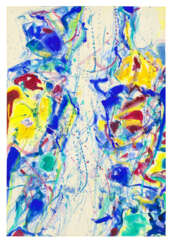

Samuel Lewis Francis, an American painter and printmaker, was known for his pivotal role in postwar American painting and his contributions to the Abstract Expressionism and Color Field painting movements. Born in San Mateo, California, Francis' early life was marked by a deep personal loss and a significant injury during his service in the Army Air Corps, which led him to pursue painting while recovering in a hospital. His work, characterized by splashes of bright contrasting colors against expansive white canvases, drew international acclaim, particularly in Europe and Japan, underscoring his influence on the global art scene.
Francis' art evolved through various phases, from monochromatic works to vibrant, large-scale pieces, and was deeply influenced by his time in Paris and Japan, reflecting elements of Tachisme and possibly Zen Buddhism. Notable for creating large murals and his "Edge" series, Francis also founded The Lapis Press, further contributing to the art community by producing visually compelling texts. Despite facing health challenges towards the end of his life, he remained prolific, leaving behind a legacy celebrated through the Sam Francis Foundation, which aims to perpetuate his creative legacy.
Francis' artworks are held in prestigious collections worldwide, including The Metropolitan Museum of Art, The Museum of Modern Art, New York, and the Centre Pompidou-Musee National d'Art Moderne, Paris, highlighting his enduring influence on contemporary art. His auction records and continued recognition in solo exhibitions posthumously underscore the lasting impact of his work on both collectors and the art community.
For those passionate about modern art and its history, staying informed about Samuel Lewis Francis' contributions and the ongoing exhibitions of his works can be enriching. Sign up for updates related to Francis to ensure you don't miss out on new sales and auction events showcasing his vibrant legacy.
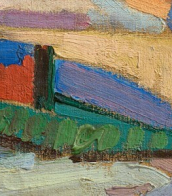


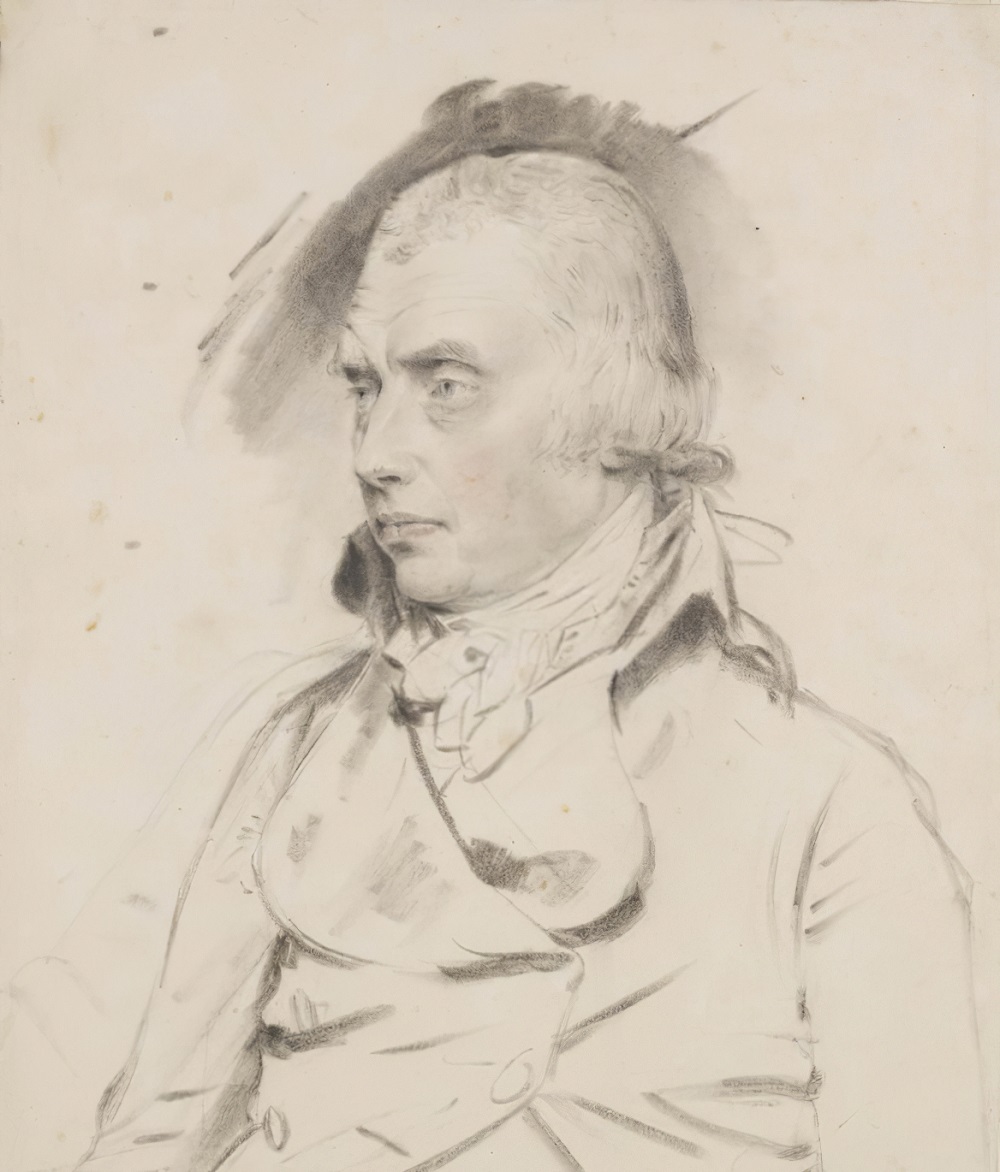
Francis Towne was a British watercolour painter of landscapes that range from the English Lake District to Naples and Rome. After a long period of obscurity, his work has been increasingly recognised from the early 20th century onwards.


Francis Towne was a British watercolour painter of landscapes that range from the English Lake District to Naples and Rome. After a long period of obscurity, his work has been increasingly recognised from the early 20th century onwards.


Samuel Lewis Francis, an American painter and printmaker, was known for his pivotal role in postwar American painting and his contributions to the Abstract Expressionism and Color Field painting movements. Born in San Mateo, California, Francis' early life was marked by a deep personal loss and a significant injury during his service in the Army Air Corps, which led him to pursue painting while recovering in a hospital. His work, characterized by splashes of bright contrasting colors against expansive white canvases, drew international acclaim, particularly in Europe and Japan, underscoring his influence on the global art scene.
Francis' art evolved through various phases, from monochromatic works to vibrant, large-scale pieces, and was deeply influenced by his time in Paris and Japan, reflecting elements of Tachisme and possibly Zen Buddhism. Notable for creating large murals and his "Edge" series, Francis also founded The Lapis Press, further contributing to the art community by producing visually compelling texts. Despite facing health challenges towards the end of his life, he remained prolific, leaving behind a legacy celebrated through the Sam Francis Foundation, which aims to perpetuate his creative legacy.
Francis' artworks are held in prestigious collections worldwide, including The Metropolitan Museum of Art, The Museum of Modern Art, New York, and the Centre Pompidou-Musee National d'Art Moderne, Paris, highlighting his enduring influence on contemporary art. His auction records and continued recognition in solo exhibitions posthumously underscore the lasting impact of his work on both collectors and the art community.
For those passionate about modern art and its history, staying informed about Samuel Lewis Francis' contributions and the ongoing exhibitions of his works can be enriching. Sign up for updates related to Francis to ensure you don't miss out on new sales and auction events showcasing his vibrant legacy.
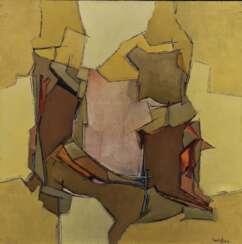

Francis Bott war als deutscher Maler ein Vertreter der „Zweiten École de Paris“, also des französischen „Informel“. Sein künstlerisches Schaffen weist zwei scheinbar gegensätzliche Schwerpunkte auf: surreale, phantastische Gegenständlichkeit und tachistisch, geometrische Abstraktion. Sein Werk besteht aus Gemälden, Glasmalereien, Handzeichnungen, Aquarellen, Gouachen, Plastiken und Objekten; auch als Bühnenbildner hat er sich betätigt.
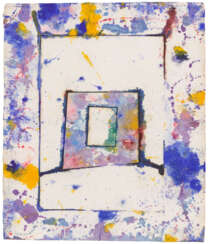

Samuel Lewis Francis, an American painter and printmaker, was known for his pivotal role in postwar American painting and his contributions to the Abstract Expressionism and Color Field painting movements. Born in San Mateo, California, Francis' early life was marked by a deep personal loss and a significant injury during his service in the Army Air Corps, which led him to pursue painting while recovering in a hospital. His work, characterized by splashes of bright contrasting colors against expansive white canvases, drew international acclaim, particularly in Europe and Japan, underscoring his influence on the global art scene.
Francis' art evolved through various phases, from monochromatic works to vibrant, large-scale pieces, and was deeply influenced by his time in Paris and Japan, reflecting elements of Tachisme and possibly Zen Buddhism. Notable for creating large murals and his "Edge" series, Francis also founded The Lapis Press, further contributing to the art community by producing visually compelling texts. Despite facing health challenges towards the end of his life, he remained prolific, leaving behind a legacy celebrated through the Sam Francis Foundation, which aims to perpetuate his creative legacy.
Francis' artworks are held in prestigious collections worldwide, including The Metropolitan Museum of Art, The Museum of Modern Art, New York, and the Centre Pompidou-Musee National d'Art Moderne, Paris, highlighting his enduring influence on contemporary art. His auction records and continued recognition in solo exhibitions posthumously underscore the lasting impact of his work on both collectors and the art community.
For those passionate about modern art and its history, staying informed about Samuel Lewis Francis' contributions and the ongoing exhibitions of his works can be enriching. Sign up for updates related to Francis to ensure you don't miss out on new sales and auction events showcasing his vibrant legacy.
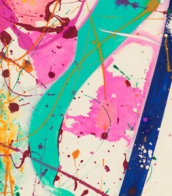
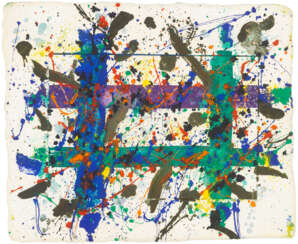

Samuel Lewis Francis, an American painter and printmaker, was known for his pivotal role in postwar American painting and his contributions to the Abstract Expressionism and Color Field painting movements. Born in San Mateo, California, Francis' early life was marked by a deep personal loss and a significant injury during his service in the Army Air Corps, which led him to pursue painting while recovering in a hospital. His work, characterized by splashes of bright contrasting colors against expansive white canvases, drew international acclaim, particularly in Europe and Japan, underscoring his influence on the global art scene.
Francis' art evolved through various phases, from monochromatic works to vibrant, large-scale pieces, and was deeply influenced by his time in Paris and Japan, reflecting elements of Tachisme and possibly Zen Buddhism. Notable for creating large murals and his "Edge" series, Francis also founded The Lapis Press, further contributing to the art community by producing visually compelling texts. Despite facing health challenges towards the end of his life, he remained prolific, leaving behind a legacy celebrated through the Sam Francis Foundation, which aims to perpetuate his creative legacy.
Francis' artworks are held in prestigious collections worldwide, including The Metropolitan Museum of Art, The Museum of Modern Art, New York, and the Centre Pompidou-Musee National d'Art Moderne, Paris, highlighting his enduring influence on contemporary art. His auction records and continued recognition in solo exhibitions posthumously underscore the lasting impact of his work on both collectors and the art community.
For those passionate about modern art and its history, staying informed about Samuel Lewis Francis' contributions and the ongoing exhibitions of his works can be enriching. Sign up for updates related to Francis to ensure you don't miss out on new sales and auction events showcasing his vibrant legacy.


Samuel Lewis Francis, an American painter and printmaker, was known for his pivotal role in postwar American painting and his contributions to the Abstract Expressionism and Color Field painting movements. Born in San Mateo, California, Francis' early life was marked by a deep personal loss and a significant injury during his service in the Army Air Corps, which led him to pursue painting while recovering in a hospital. His work, characterized by splashes of bright contrasting colors against expansive white canvases, drew international acclaim, particularly in Europe and Japan, underscoring his influence on the global art scene.
Francis' art evolved through various phases, from monochromatic works to vibrant, large-scale pieces, and was deeply influenced by his time in Paris and Japan, reflecting elements of Tachisme and possibly Zen Buddhism. Notable for creating large murals and his "Edge" series, Francis also founded The Lapis Press, further contributing to the art community by producing visually compelling texts. Despite facing health challenges towards the end of his life, he remained prolific, leaving behind a legacy celebrated through the Sam Francis Foundation, which aims to perpetuate his creative legacy.
Francis' artworks are held in prestigious collections worldwide, including The Metropolitan Museum of Art, The Museum of Modern Art, New York, and the Centre Pompidou-Musee National d'Art Moderne, Paris, highlighting his enduring influence on contemporary art. His auction records and continued recognition in solo exhibitions posthumously underscore the lasting impact of his work on both collectors and the art community.
For those passionate about modern art and its history, staying informed about Samuel Lewis Francis' contributions and the ongoing exhibitions of his works can be enriching. Sign up for updates related to Francis to ensure you don't miss out on new sales and auction events showcasing his vibrant legacy.
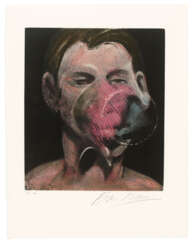

Francis Bacon was an Irish-born British figurative painter known for his raw, unsettling imagery. Focusing on the human form, his subjects included crucifixions, portraits of popes, self-portraits, and portraits of close friends, with abstracted figures sometimes isolated in geometrical structures. Rejecting various classifications of his work, Bacon said he strove to render "the brutality of fact." He built up a reputation as one of the giants of contemporary art with his unique style.
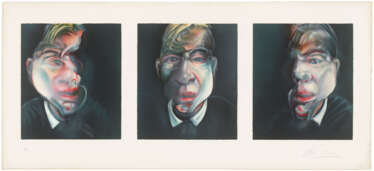

Francis Bacon was an Irish-born British figurative painter known for his raw, unsettling imagery. Focusing on the human form, his subjects included crucifixions, portraits of popes, self-portraits, and portraits of close friends, with abstracted figures sometimes isolated in geometrical structures. Rejecting various classifications of his work, Bacon said he strove to render "the brutality of fact." He built up a reputation as one of the giants of contemporary art with his unique style.
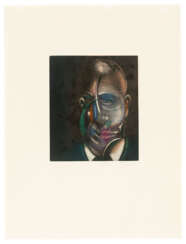

Francis Bacon was an Irish-born British figurative painter known for his raw, unsettling imagery. Focusing on the human form, his subjects included crucifixions, portraits of popes, self-portraits, and portraits of close friends, with abstracted figures sometimes isolated in geometrical structures. Rejecting various classifications of his work, Bacon said he strove to render "the brutality of fact." He built up a reputation as one of the giants of contemporary art with his unique style.
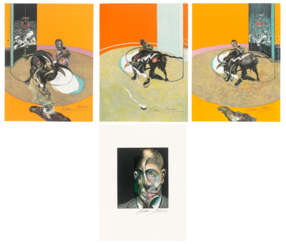

Francis Bacon was an Irish-born British figurative painter known for his raw, unsettling imagery. Focusing on the human form, his subjects included crucifixions, portraits of popes, self-portraits, and portraits of close friends, with abstracted figures sometimes isolated in geometrical structures. Rejecting various classifications of his work, Bacon said he strove to render "the brutality of fact." He built up a reputation as one of the giants of contemporary art with his unique style.