121 e pennsylvania ave
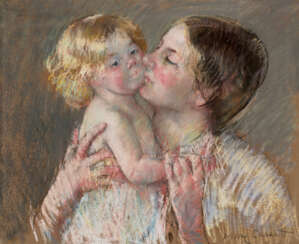

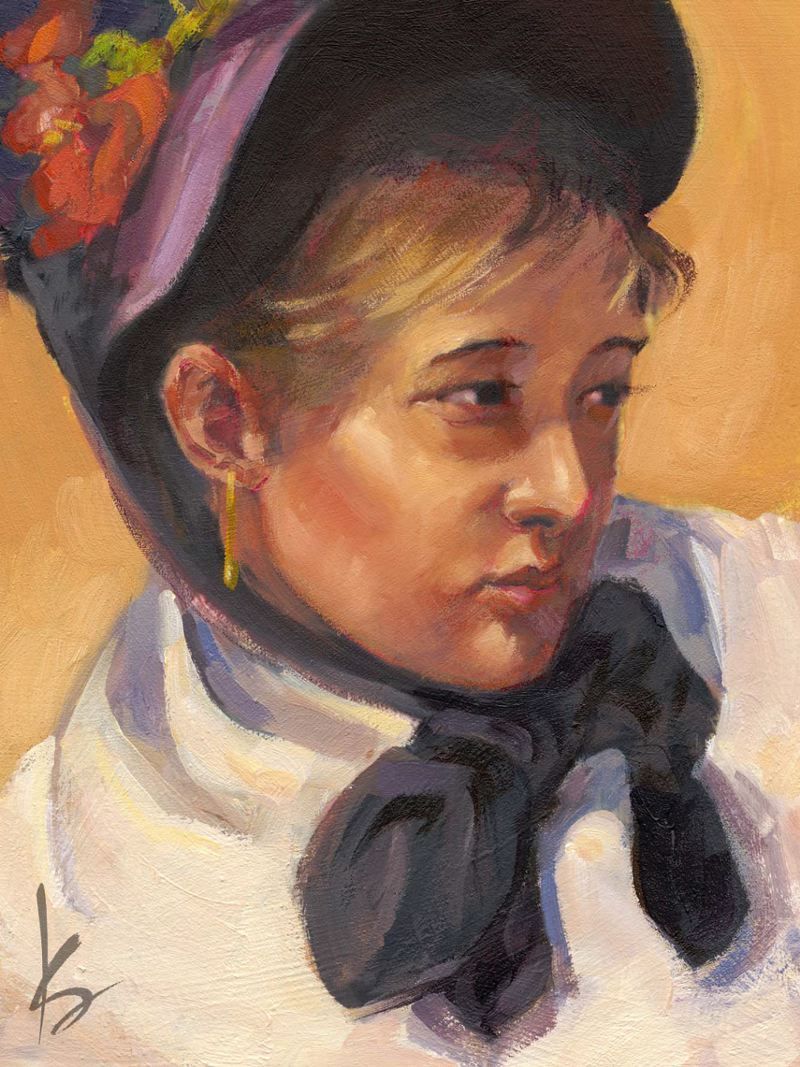
Mary Stevenson Cassatt was an influential American painter and printmaker known for her pivotal role in the Impressionist movement. Born on May 22, 1844, in Allegheny City, Pennsylvania, Cassatt spent much of her adult life in France, where she formed a significant professional relationship with Edgar Degas and exhibited with other Impressionists. Despite her family's initial reluctance, Cassatt pursued art from a young age, attending the Pennsylvania Academy of the Fine Arts at fifteen and later moving to Paris to continue her education under private tutors, including the renowned Jean-Léon Gérôme.
Cassatt's art mainly focused on women and children, encapsulating intimate moments with a profound sense of dignity and depth. Her works, such as "The Boating Party" and "Mother and Child," showcase her skill in portraying the nuanced interactions of everyday life. Cassatt's technique evolved from the light brushstrokes of early Impressionism to a more structured form, emphasizing solid figures and clear contours.
A prominent figure not just in art but also in art advocacy, Cassatt was instrumental in advising American collectors, including the Havemeyers, which helped enrich public and private American art collections significantly. Despite challenges related to her gender and later, her failing eyesight, Cassatt's contributions to art remain influential, reflecting her unique perspective and unyielding dedication to Impressionism.
For updates on exhibitions and sales related to Mary Stevenson Cassatt's works, consider signing up for our newsletter. This subscription will keep you informed about the latest auction events and product sales directly linked to Cassatt's enduring legacy.
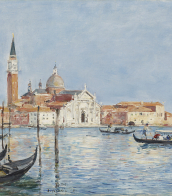
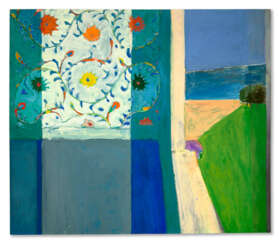

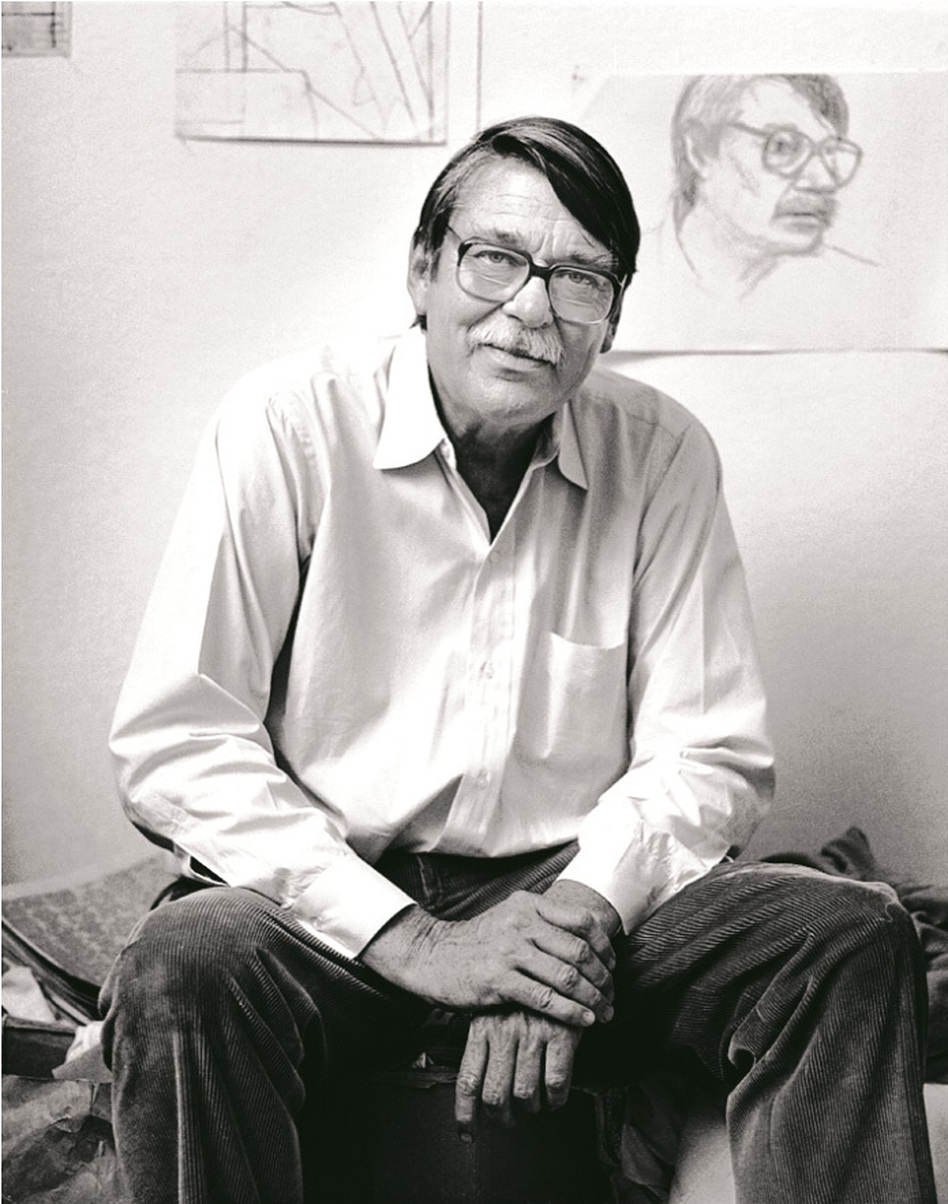
Richard Diebenkorn was an American artist. He was known for his abstract expressionist and later, figurative paintings that explored color, form, and space.
Diebenkorn studied at the University of California, Berkeley, and later at the California School of Fine Arts in San Francisco. In the 1950s and early 1960s, he was associated with the Bay Area Figurative Movement, which emphasized figurative painting in opposition to the prevailing trend of abstract expressionism.
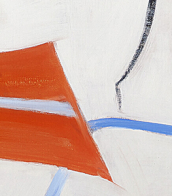
In the mid-1960s, Diebenkorn moved to Southern California, where he began to develop his signature style of abstract paintings that featured large, geometric shapes in muted colors. His Ocean Park series, which he began in the late 1960s, is perhaps his most famous body of work, and is characterized by its luminous, layered surfaces and complex compositions.
Diebenkorn's work has been exhibited in major museums and galleries around the world, and he is widely regarded as one of the most important American painters of the 20th century. His influence can be seen in the work of many contemporary artists working in the fields of abstract painting and color field painting.