130.5/144
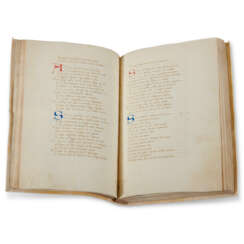

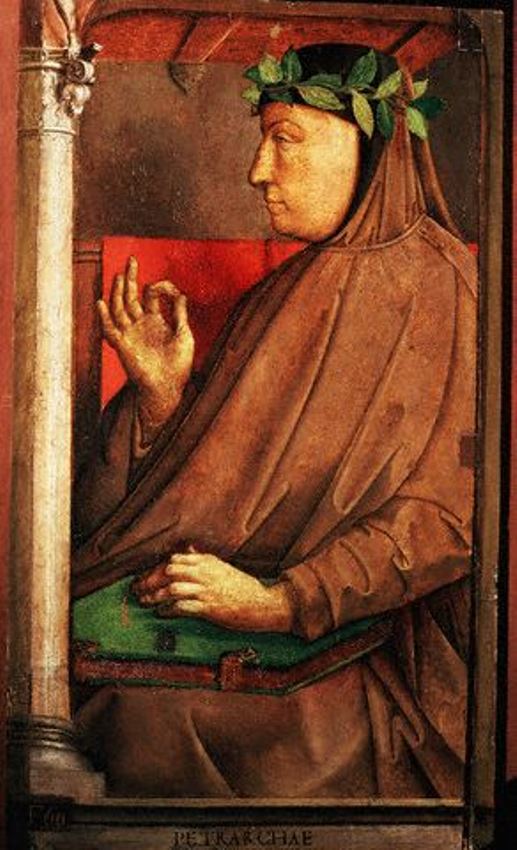
Francesco Petrarca was an Italian poet, the founder of European humanism, and one of the greatest figures of the Italian Proto-Renaissance.
Petrarca studied at the University of Montpellier, then at the University of Bologna, in 1330 entered the service of Cardinal Giovanni Colonna as a chaplain. Then he made various pilgrimages, in 1353 settled in Milan at the court of Archbishop Giovanni Visconti, and carried out important diplomatic missions. Petrarca spent the last years of his life in the village of Arquà near Padua.
Since 1337 Petrarca began to write literary works: these were historical poems in Latin and lyric poems in Italian. In 1327 Francesco saw Laura for the first time, undivided love for which was the main source of his poetry. Laura was for him an object of adoration and pure platonic love. Despite the fact that they saw each other only a few times and were not really acquainted, Petrarca carried this feeling through his life.
Passionate about ancient culture, Petrarch deciphered and commented on the manuscripts of Cicero, Quintilian and others. He opposed medieval scholasticism interest in the earthly purpose of man, argued that the nobility of man depends not on the nobility of origin, but on his virtue. Petrarca highly valued the mind and creative abilities of man, and these humanistic ideas found vivid expression in his lyrics, revealing the inner world of man. Petrarca's work laid the foundation for the formation of Italian humanism. He also dreamed of the unification of Italy, the revival of the former greatness of Rome.
Francesco Petrarca had one of the richest libraries of his time, where ancient Roman writers, poets, historians, philosophers were represented. He was one of the brightest representatives of the culture of the Renaissance. Petrarca's works are characterized by perfection of form and musicality of verse, which played a significant role in the development of European poetry. Among his works are the poem "Africa" about the Second Punic War in Latin, allegorical pastoral eclogues "Bucolics" (1346/1357), a book of songs "My Italy", "Noble Spirit", sonnets, etc.
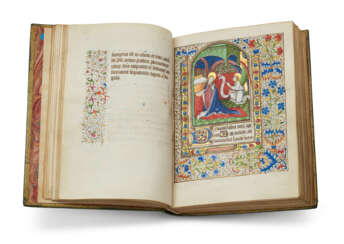

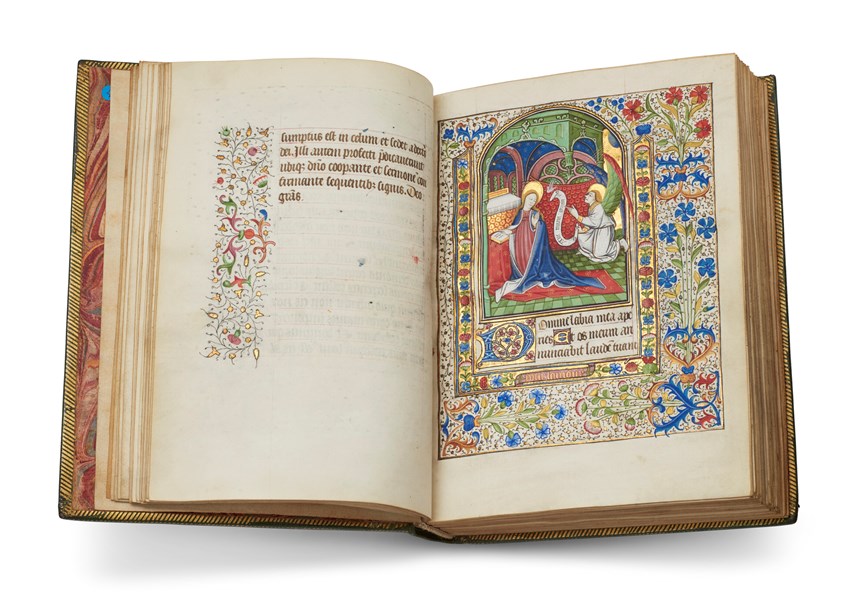
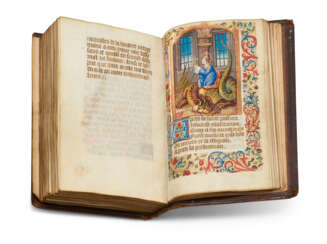
The Besançon illuminator was a French miniaturist painter from Besançon who worked in that city in the 1440s-1470s, decorating mainly the Books of Hours.
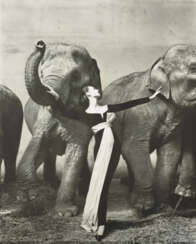

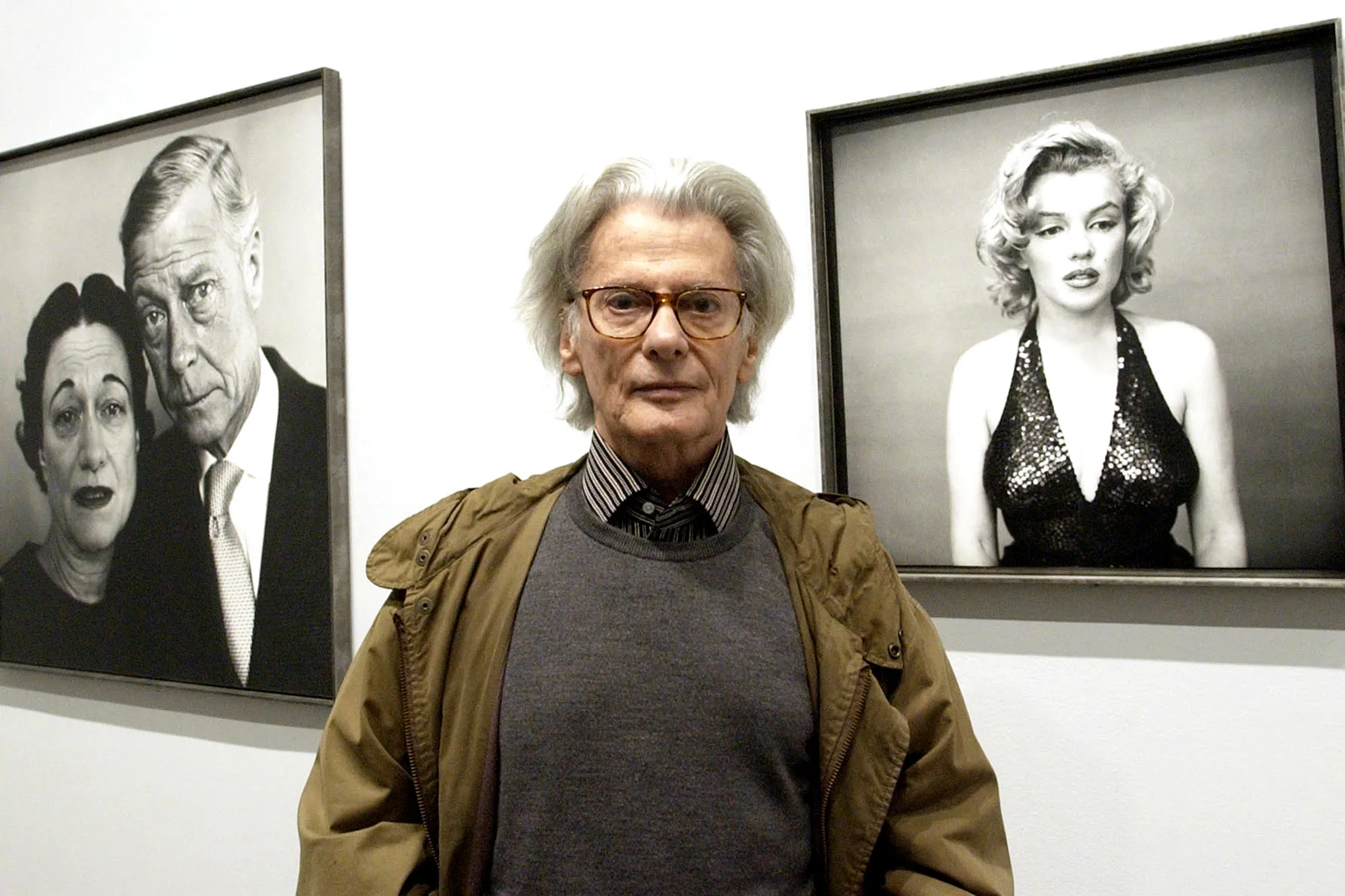
Richard Avedon was an American photographer and artist known for his iconic portraits and fashion photography.
Avedon began his career as a photographer in the late 1940s, working as a freelance photographer for magazines such as Harper's Bazaar and Vogue. He soon became known for his distinctive style, which was characterized by his use of simple, uncluttered backgrounds and his ability to capture the essence of his subjects.
Throughout his career, Avedon photographed some of the most famous people of his time, including Marilyn Monroe, Andy Warhol, and The Beatles. He was also known for his fashion photography, and his work appeared in many fashion magazines, including Harper's Bazaar and Vogue.
Avedon's work was often controversial, as he challenged traditional notions of beauty and fashion. He was known for his willingness to push boundaries, and his work was often seen as a reflection of the social and political issues of his time.
Today, Avedon is regarded as one of the most important photographers of the 20th century, and his work continues to inspire artists and photographers around the world.







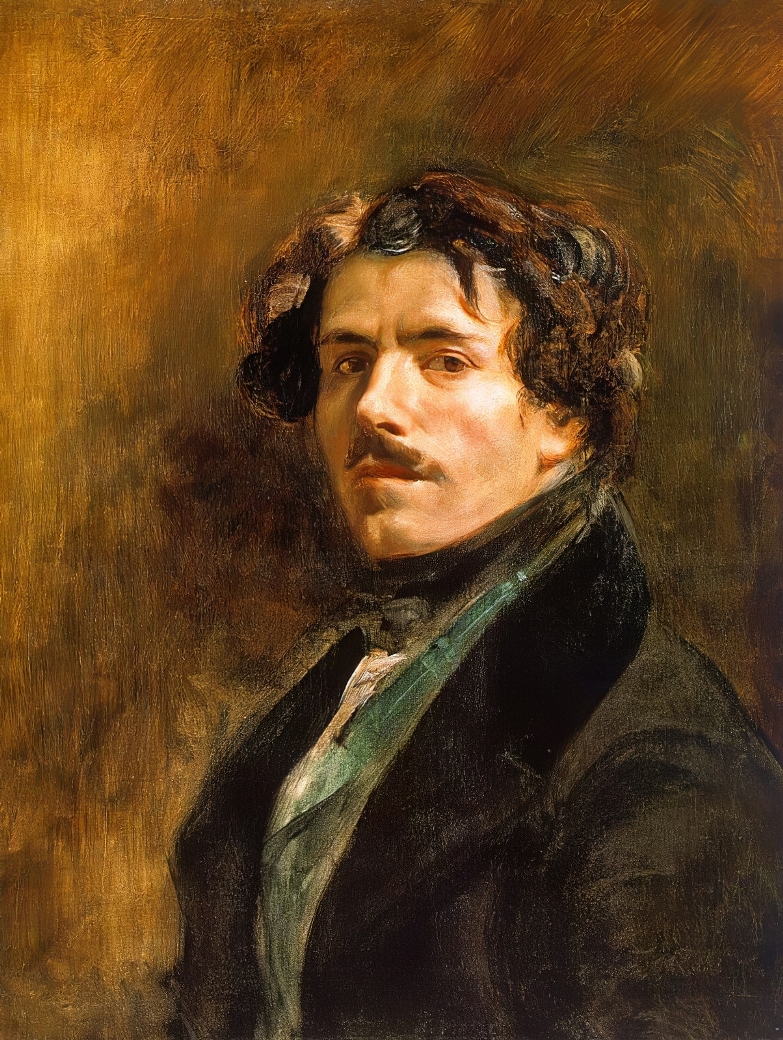
Ferdinand Victor Eugène Delacroix was a French Romantic artist, celebrated for revolutionizing the art world with his expressive brushstrokes and masterful use of color. Delacroix's art is characterized by its emotional intensity, vibrant colors, and dramatic themes, often drawing inspiration from historical, literary, and exotic sources. His innovative techniques and passion for expressive content made him a pivotal figure in the transition from the Neoclassical to the Romantic movement, influencing both the Impressionist and Symbolist movements that followed.
Delacroix's fascination with the exotic and the sublime led him to North Africa in 1832, where he captured the spirit and colors of Moroccan life, influencing his later works with themes of orientalism. This trip inspired masterpieces such as "Women of Algiers in their Apartment" (1847-1849), showcasing his ability to blend vivid color with intricate detail to evoke a sense of place and culture. His masterpiece, "Liberty Leading the People" (1830), is emblematic of his political engagement and artistic audacity, capturing the spirit of the 1830 revolution with a realism and fervor that resonated with the public and critics alike.
Delacroix's legacy extends beyond his paintings. As a muralist and lithographer, he left a significant mark on public and private art collections, with works displayed in prestigious institutions like the Louvre. His impact on the art world is seen in his influence on subsequent generations of artists, from the Impressionists' exploration of color and light to the Symbolists' fascination with dreamlike and exotic themes.
For collectors and experts in art and antiques, Delacroix represents not only a high point in Romantic art but also a bridge to modern artistic expressions. His works, housed in museums around the world, continue to inspire and captivate audiences with their intensity and beauty.
If you're passionate about Delacroix's contribution to art and culture, consider subscribing for updates on new product sales and auction events related to this iconic artist. Stay informed on opportunities to add a piece of art history to your collection.
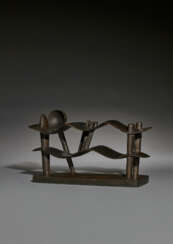

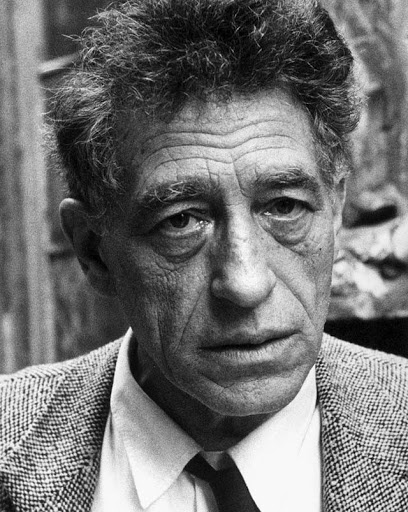
Alberto Giacometti was a Swiss sculptor, painter, draftsman, and printmaker, renowned for his distinctive elongated sculptures of solitary figures. Born in Borgonovo, Switzerland, in 1901, into a family of artists, Giacometti's talent was evident from an early age, encouraged by his father, Giovanni, a post-Impressionist painter, and his godfather, Cuno Amiet, a Fauvist painter. Moving to Paris in 1922 to study under the sculptor Antoine Bourdelle, Giacometti became a pivotal figure in Surrealism before focusing intensely on the human form, leading to his signature style of thin, elongated figures that evoke feelings of solitude and existential dread.
Giacometti's work spans several decades and various phases, including his early involvement with Surrealism and his later, more recognized existential and figurative sculptures. Notably, his sculptures, such as "Walking Man I" and "The Palace at 4 a.m.," reflect his unique view of reality and his relentless pursuit to capture the human essence. His approach was influenced by his associations with prominent figures of the art world, including Miró and Picasso, and intellectuals like Jean-Paul Sartre.
Despite facing challenges, including periods of self-doubt and the physical toll on his health, Giacometti's legacy as a master sculptor and artist remains influential. His works are celebrated worldwide and featured in major museums, such as the Museum of Modern Art in New York and the Tate Gallery in London, testament to his enduring impact on the art world.
Collectors and experts in art and antiques continue to revere Giacometti's work for its emotional depth and unique aesthetic. For those interested in the pioneering spirit of modern sculpture, Alberto Giacometti's oeuvre offers a profound exploration of the human condition and the artist's relentless pursuit of reality through art.
To stay updated on sales and auction events related to Alberto Giacometti's work, sign up for updates. This subscription is an excellent opportunity for collectors and enthusiasts to remain informed about new discoveries and opportunities related to Giacometti's enduring legacy.


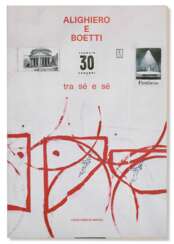

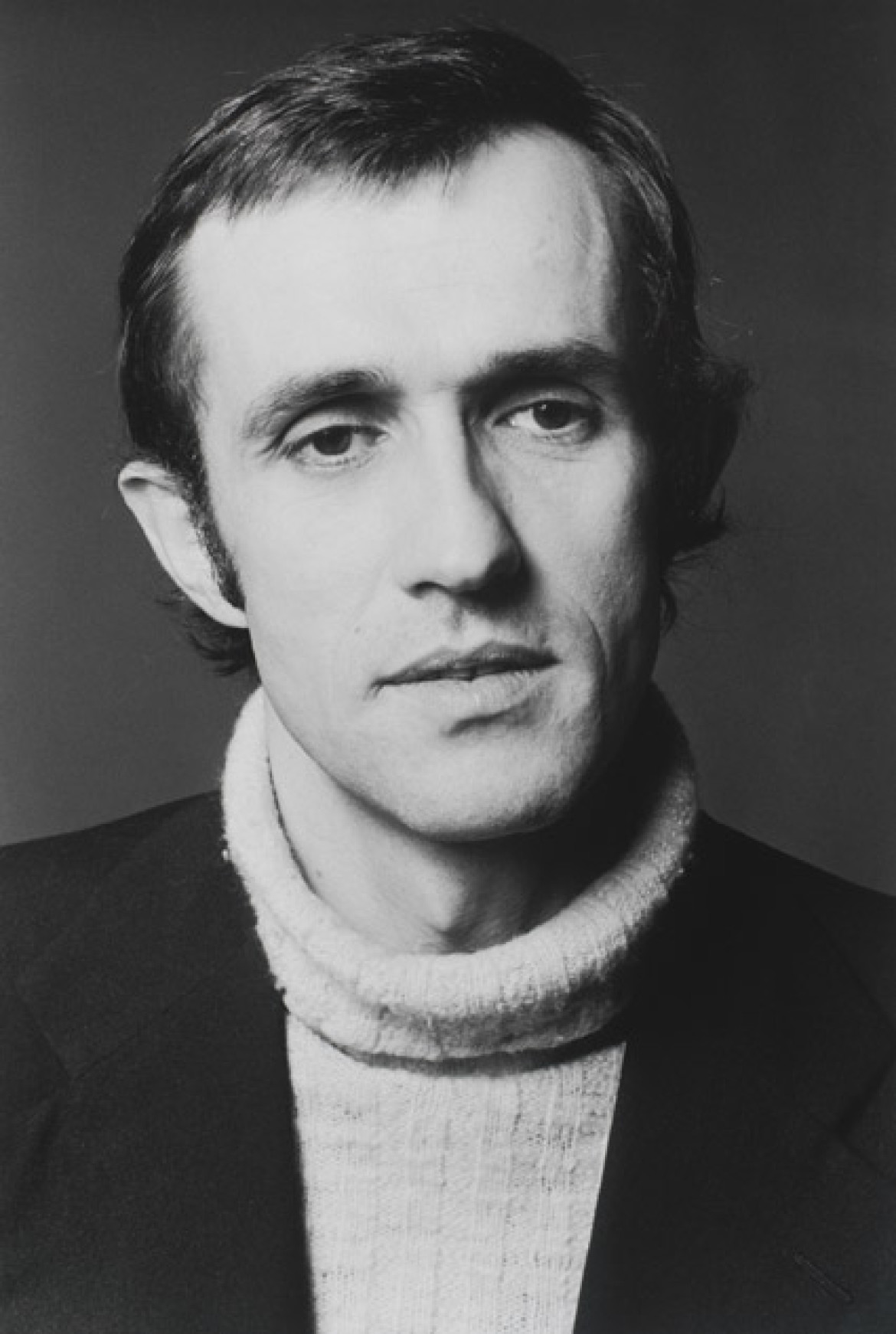
Alighiero Fabrizio Boetti, known as Alighiero e Boetti, was an Italian conceptual artist, considered to be a member of the art movement Arte Povera.
Perhaps best known is Boetti's series of large embroidered maps of the world, called simply Mappa.



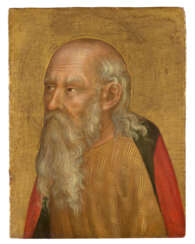

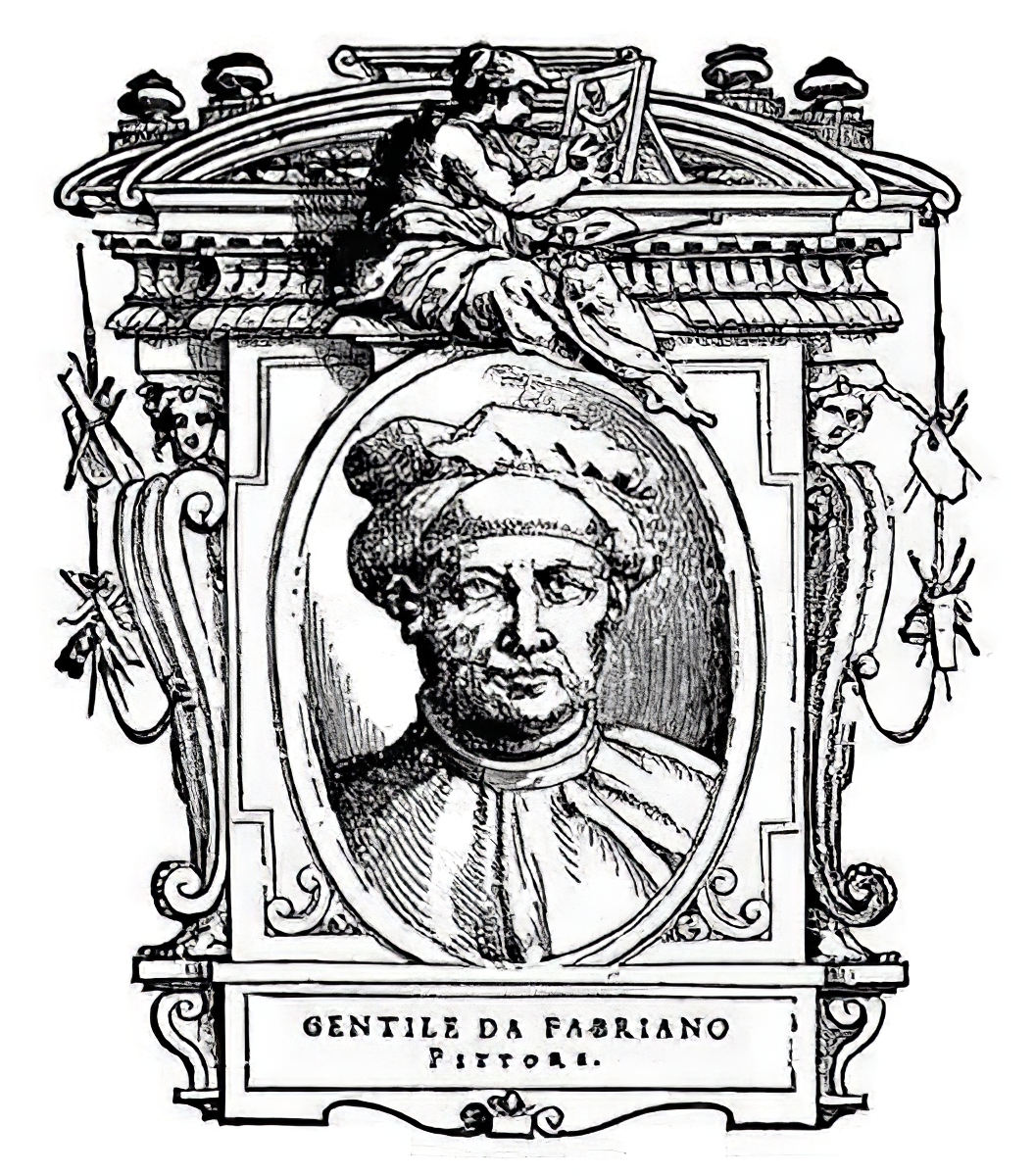
Gentile da Fabriano was an Italian painter known for his participation in the International Gothic painter style. He worked in various places in central Italy, mostly in Tuscany. His best-known works are his Adoration of the Magi from the Strozzi Altarpiece (1423), and the Flight into Egypt. Following a visit to Florence in the 1419, he came in contact with humanism, which influenced his work throughout the rest of his career. He became highly influential for other painters in Florence, especially because of his use of detail based on the observations he made of the natural world.
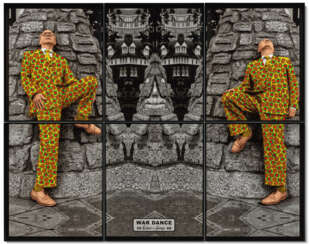

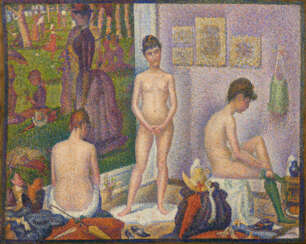

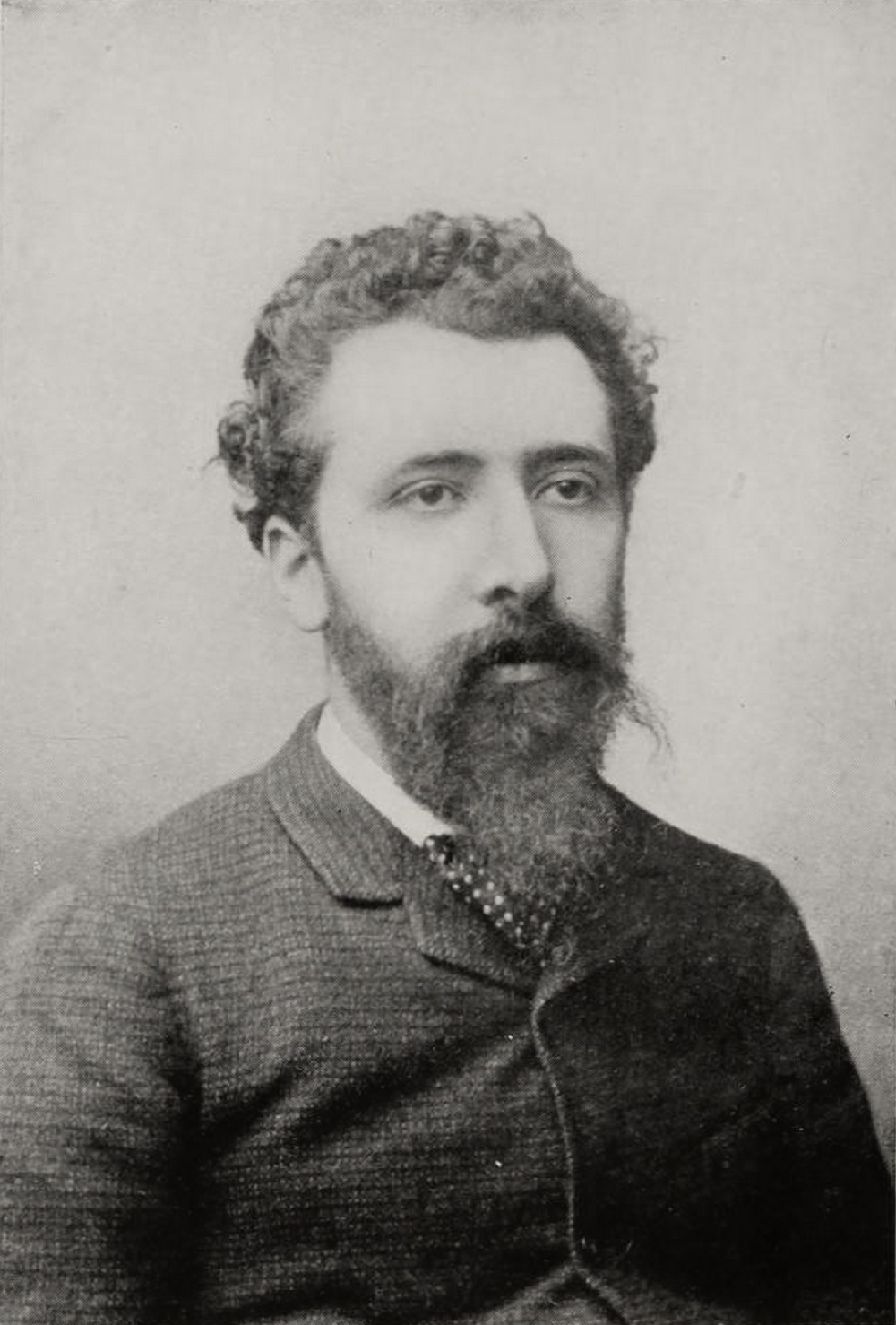
Georges Seurat was a French painter, renowned as the founder of the 19th-century French school of Neo-Impressionism. His groundbreaking technique, Pointillism, involved the use of tiny, contrasting color brushstrokes that, when viewed together, created a luminous quality in his compositions. Seurat's life was a blend of rigorous academic training and innovative artistic exploration.
Born on December 2, 1859, in Paris, Seurat demonstrated an early interest in art. He received formal training at the École des Beaux-Arts under Henri Lehmann, a disciple of the Neo-Classical painter Ingres, where he honed his skills in drawing and composition. Seurat was deeply influenced by color theories and the science of optics, which became central to his artistic approach. He was particularly inspired by the work of Michel-Eugène Chevreul and Ogden N. Rood, whose writings on color contrast and harmony greatly influenced his painting technique.
One of Seurat's most famous works, "A Sunday Afternoon on the Island of La Grande Jatte" (1884–1886), showcased his Pointillism technique. This painting, now housed in the Art Institute of Chicago, portrays members of different social classes engaged in various activities in a park setting. The work is notable for its use of small, juxtaposed dots of multi-colored paint, which allow the viewer's eye to blend colors optically. This technique was a significant departure from the traditional methods of color mixing on the canvas.
Another notable work by Seurat is "Bathers at Asnières" (1884), displayed at the National Gallery in London. This large canvas depicts young men relaxing by the Seine in a working-class suburb of Paris. The painting reflects Seurat's neoclassical training, with its smooth, simplified textures and carefully outlined figures.
Seurat's final painting, "The Circus" (1890-91), represents a shift to a more dynamic representation of movement and is typical of his late style. Unfortunately, Seurat's life was cut short when he died suddenly in March 1891, leaving "The Circus" unfinished. This painting is now part of the collection at the Musée d'Orsay in Paris.
Seurat's innovative techniques and his exploration of color theory and optics had a lasting impact on the art world, influencing subsequent generations of artists. His work remains a testament to the fusion of scientific principles with artistic expression, making him a pivotal figure in the transition from Impressionism to Post-Impressionism and modern art.
For those captivated by the genius of Georges Seurat and his revolutionary art, there's an exclusive opportunity waiting for you. By signing up for our updates, you'll be the first to know about new product sales and auction events related to Seurat's works and legacy. This subscription is tailored for enthusiasts, collectors, and experts in the field of art and antiques, ensuring you receive only the most relevant and curated information. Don't miss out on the chance to enhance your collection and deepen your understanding of Seurat's impact on the art world. Sign up now and stay ahead in the world of fine art and antiques.
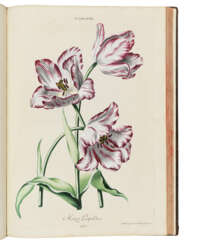

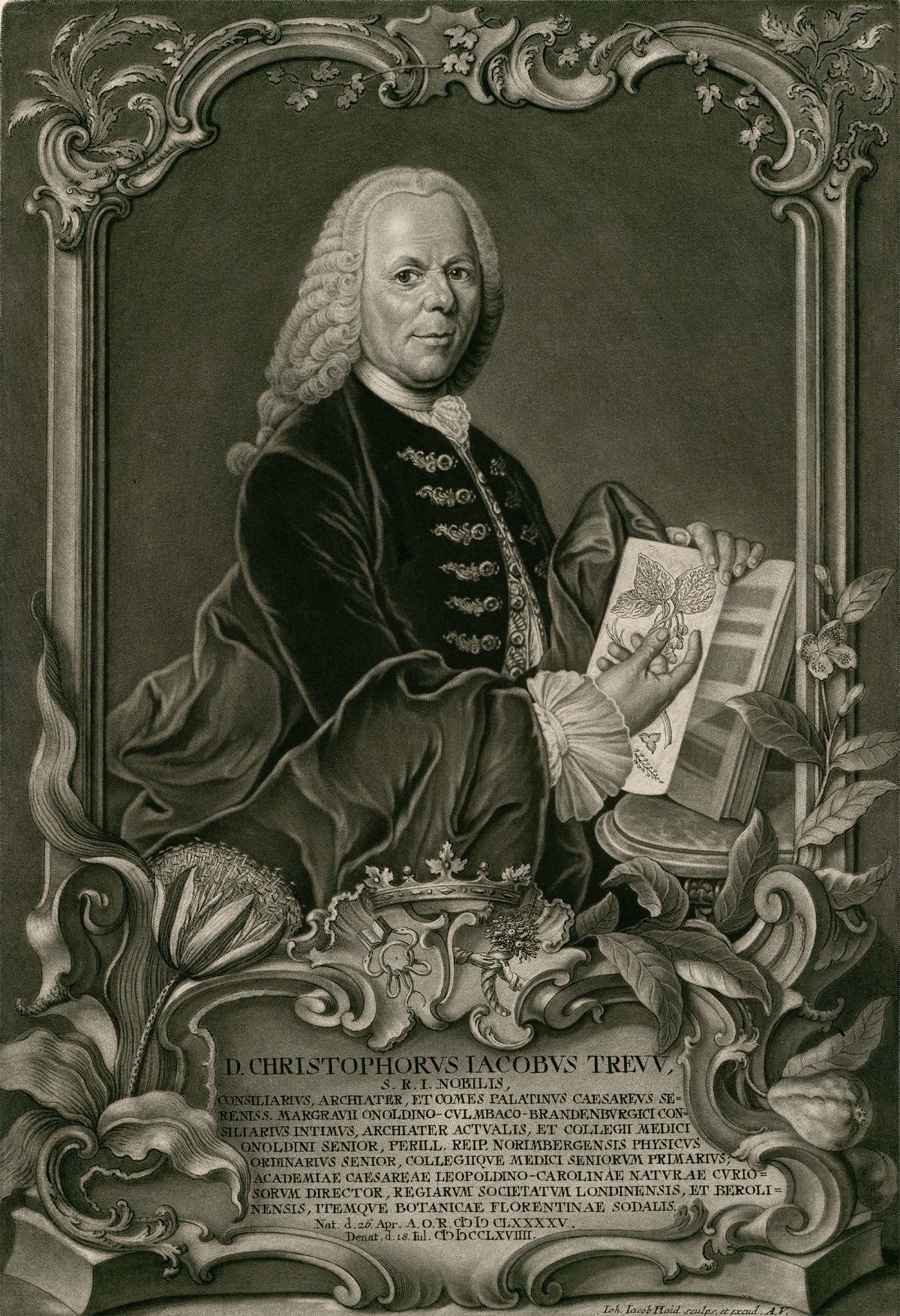
Christoph Jacob Trew was a German botanist.
He was originally a city solicitor, court physician, Count Palatine of the Holy Roman Empire, an advisor to the Margrave of Brandenburg-Ansbach. He also had an academic passion for botany. He was a member of the Royal Society of London, the Berlin Academy, and the Florentine Botanical Society. His interest in botany then led him to sponsor the publication of illustrated botanical books.
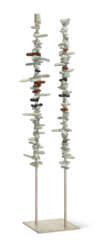

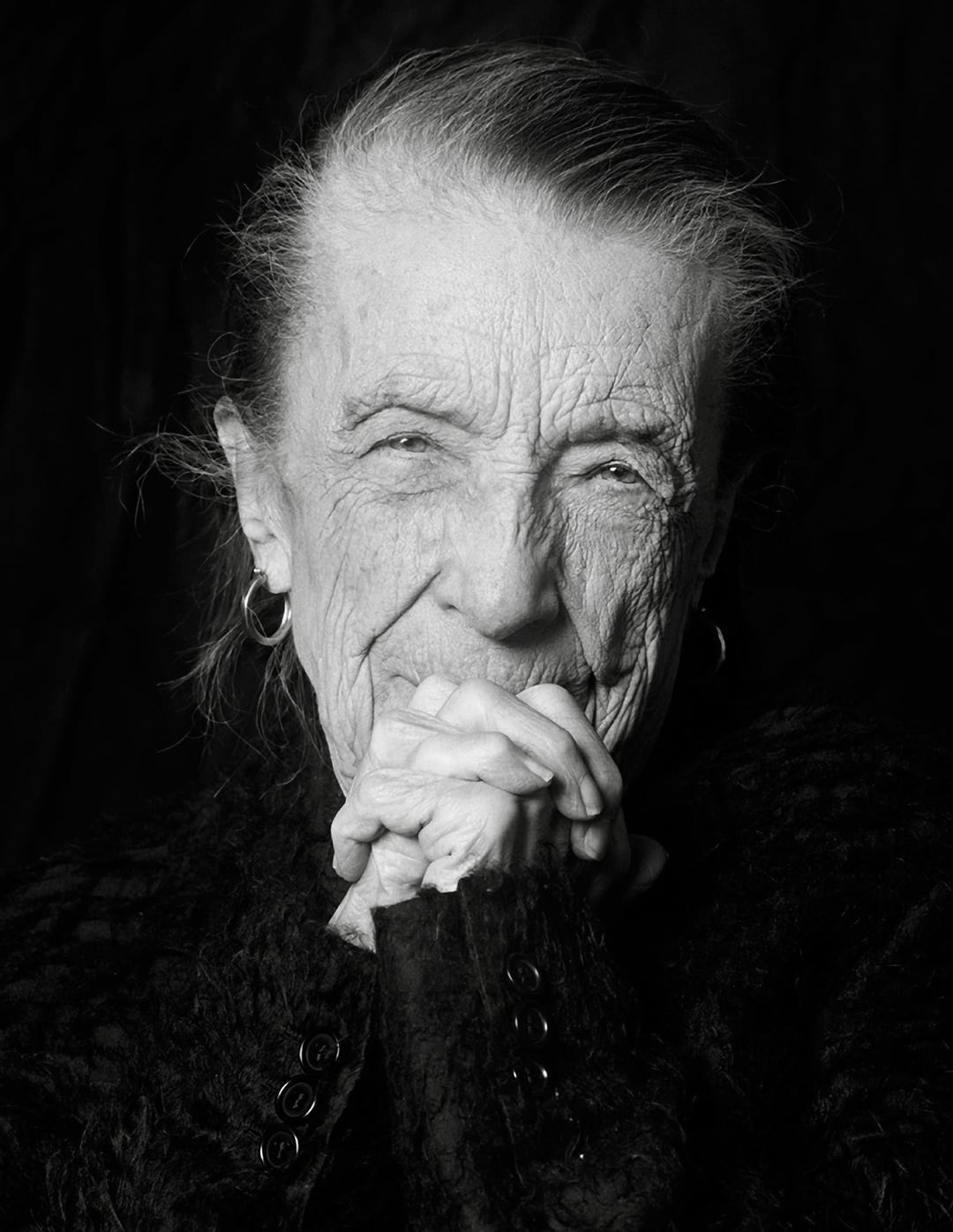
Louise Joséphine Bourgeois was a French-American artist. Although she is best known for her large-scale sculpture and installation art, Bourgeois was also a prolific painter and printmaker. She explored a variety of themes over the course of her long career including domesticity and the family, sexuality and the body, as well as death and the unconscious. These themes connect to events from her childhood which she considered to be a therapeutic process. Although Bourgeois exhibited with the Abstract Expressionists and her work has much in common with Surrealism and Feminist art, she was not formally affiliated with a particular artistic movement.
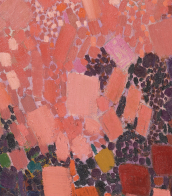
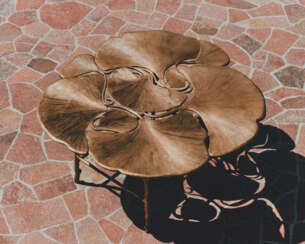

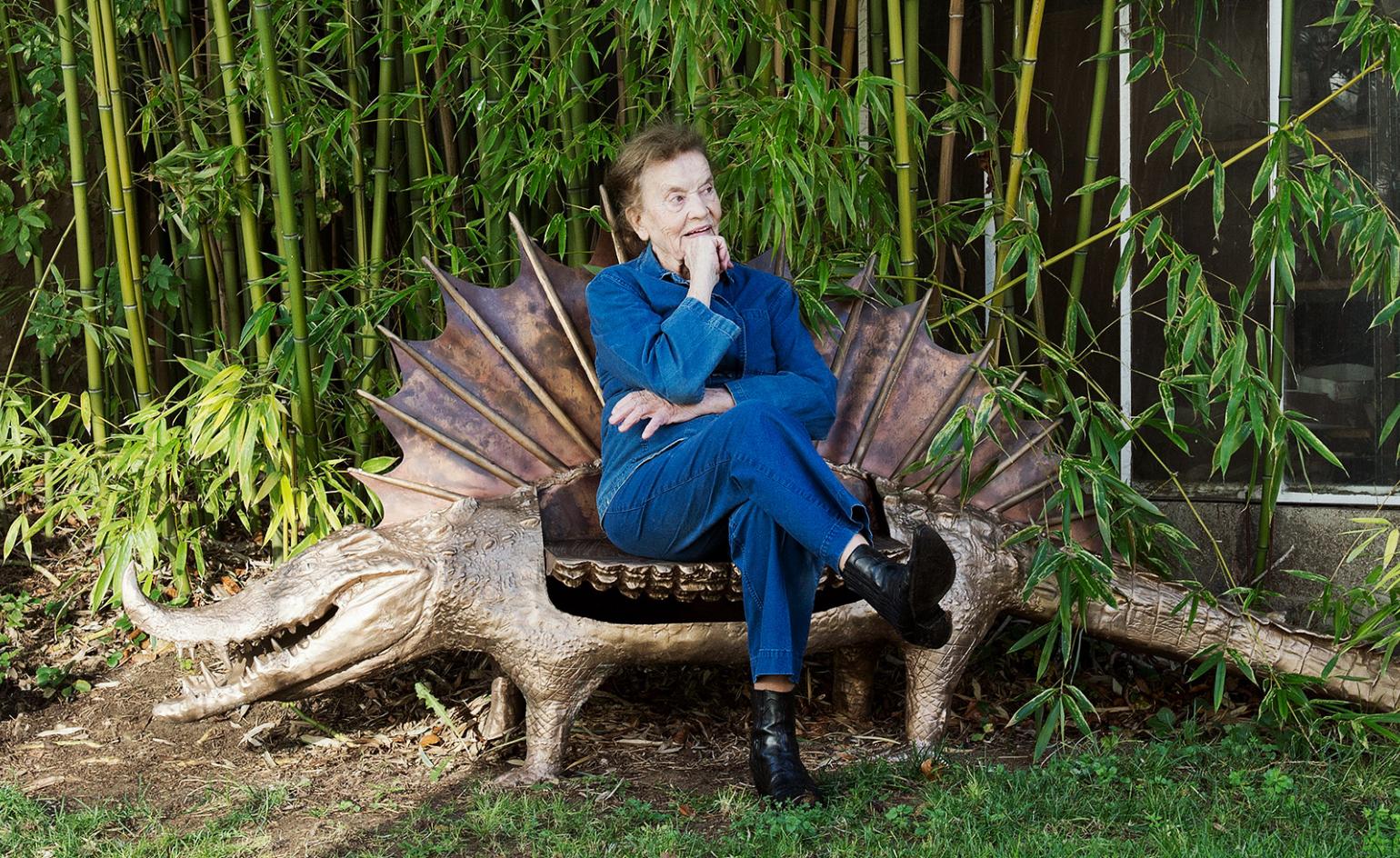
Claude Lalanne is a French artist, sculptor and ceramicist known for her chimerical sculptures. Since the 1960s, she has worked as a couple with her husband François-Xavier Lalanne.
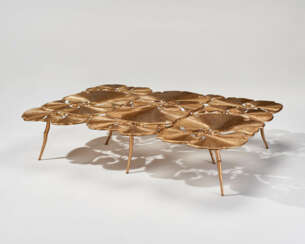

Claude Lalanne is a French artist, sculptor and ceramicist known for her chimerical sculptures. Since the 1960s, she has worked as a couple with her husband François-Xavier Lalanne.


.jpg)
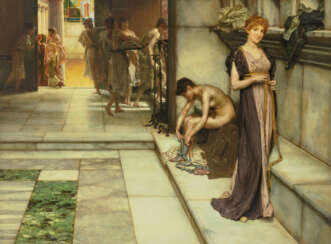
Lawrence Alma-Tadema was a Dutch-British artist renowned for his detailed and romanticized portrayals of ancient civilizations, particularly Rome and Egypt. His meticulous attention to historical accuracy and the lavish representation of marble and luxurious settings distinguished his work. Notably, his fascination with ancient cultures was sparked by his honeymoon visit to Italy and Pompeii, influencing his artistic focus for decades.
Lawrence Alma-Tadema's early work, such as "The Education of the Children of Clovis," showcased his interest in historical subjects and established his reputation. This painting, alongside others like "The Sad Father," demonstrates his commitment to historical detail and narrative depth.
After moving to England due to the Franco-Prussian War and personal reasons, Lawrence Alma-Tadema's career flourished. His works, characterized by their bright palette and refined details, resonated with Victorian audiences, earning him considerable fame and financial success. He was knighted in 1899 and continued to be a pivotal figure in Victorian art, influencing peers and future generations alike.
Lawrence Alma-Tadema's legacy experienced a decline posthumously but saw a resurgence in the 1970s. Today, he is celebrated for his contributions to the Neoclassical and Victorian art movements, with his works featured in prominent collections worldwide, including the Getty Museum and the Tate Gallery.
If you are fascinated by Lawrence Alma-Tadema's artwork and wish to stay updated on sales and auction events related to his works, consider signing up for updates. This will ensure you remain informed about new opportunities to explore and possibly acquire pieces of his illustrious legacy.


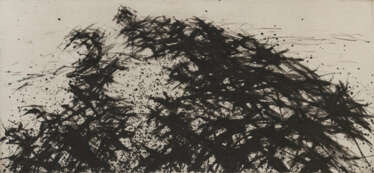

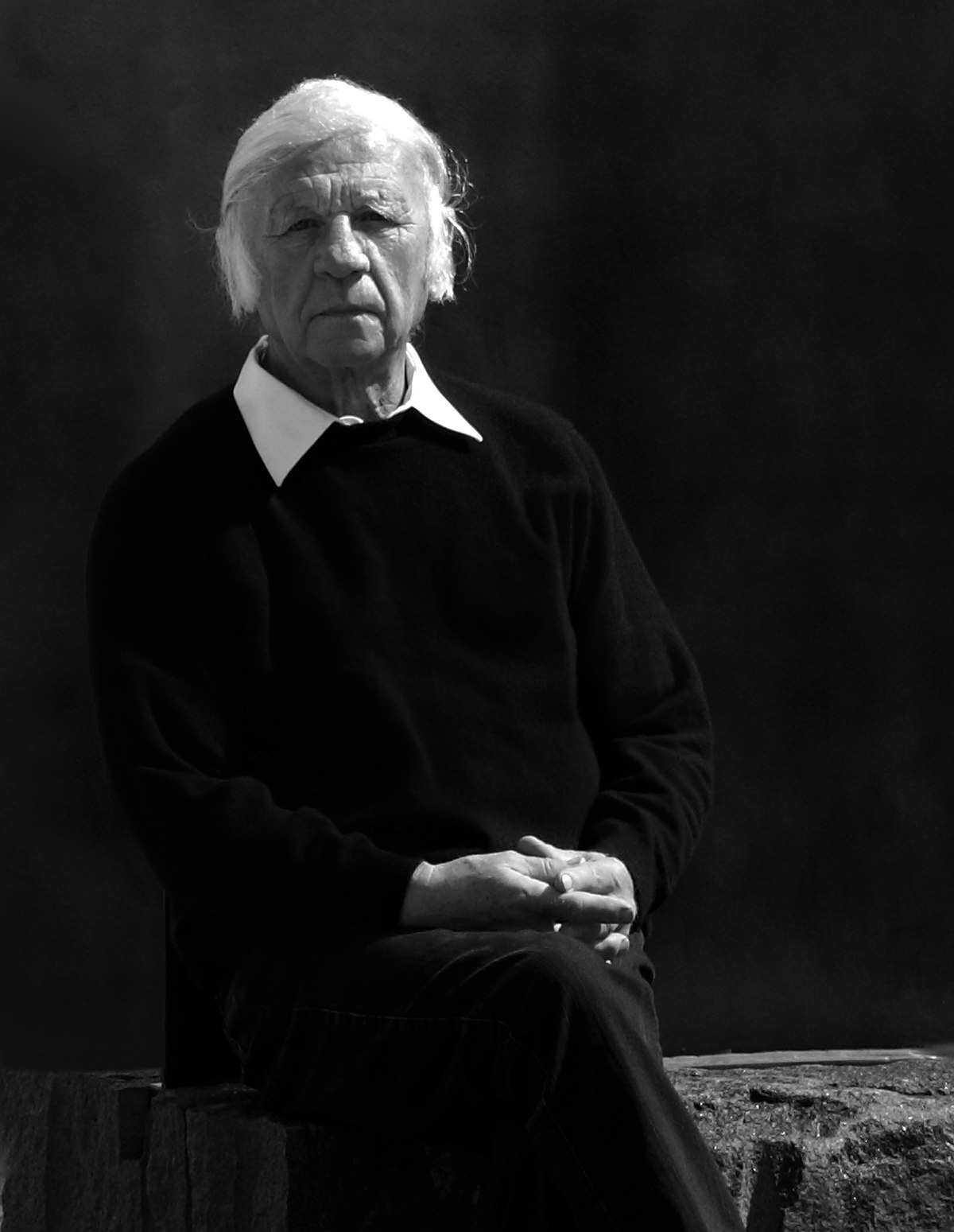
Heinz Mack is a German artist. Together with Otto Piene he founded the ZERO movement in 1957. He exhibited works at documenta in 1964 and 1977 and he represented Germany at the 1970 Venice Biennale. He is best known for his contributions to op art, light art and kinetic art.
![Telephotographs from station 6: the LM Falcon in the desolate lunarscape; details of Mount Hadley, Hill 305; panorama [Mosaic] towards “Silver Spur”, July 26-August 7, 1971, EVA 2](/assets/image/picture_1220819/a9e67/af12570beb7f7c1b759cbee756ea8d241604656800jpg__fix_374_244.jpeg)
![Telephotographs from station 6: the LM Falcon in the desolate lunarscape; details of Mount Hadley, Hill 305; panorama [Mosaic] towards “Silver Spur”, July 26-August 7, 1971, EVA 2](https://veryimportantlot.com/assets/image/picture_1220819/a9e67/af12570beb7f7c1b759cbee756ea8d241604656800jpg__fix_374_244.jpeg)

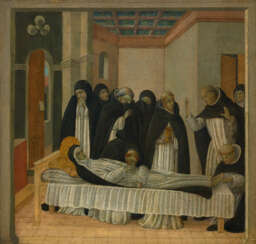

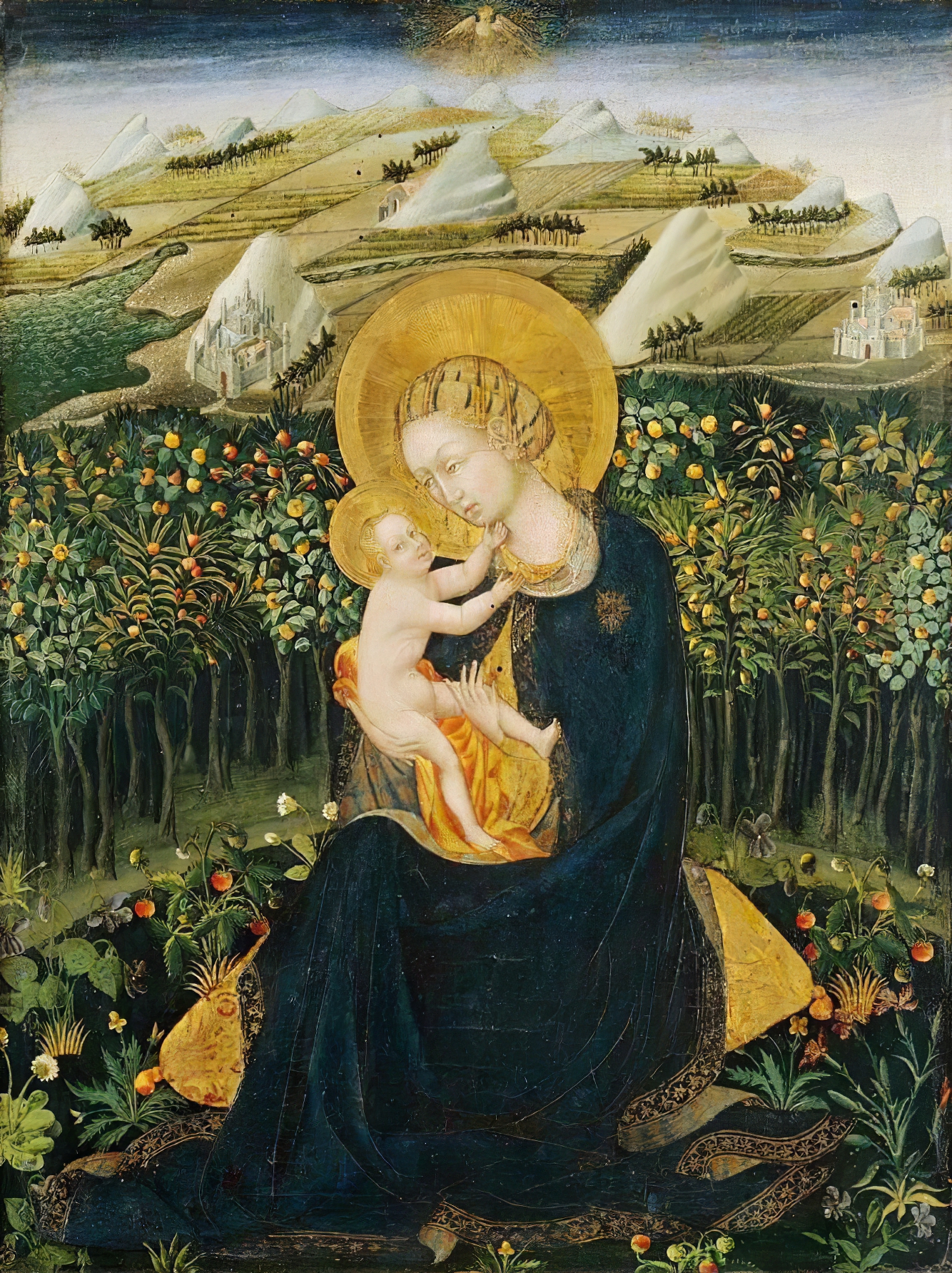
Giovanni di Paolo di Grazia was an Italian painter, working primarily in Siena, becoming a prolific painter and illustrator of manuscripts, including Dante's texts. He was one of the most important painters of the 15th century Sienese School. His early works show the influence of earlier Sienese masters, but his later style was more individual, characterized by cold, harsh colours and elongated forms. His style also took on the influence of International Gothic artists such as Gentile da Fabriano. Many of his works have an unusual dreamlike atmosphere, such as the surrealistic Miracle of St. Nicholas of Tolentino painted about 1455 and now housed in the Philadelphia Museum of Art, while his last works, particularly Last Judgment, Heaven, and Hell from about 1465 and Assumption painted in 1475, both at Pinacoteca Nazionale (Siena), are grotesque treatments of their lofty subjects. Giovanni's reputation declined after his death but was revived in the 20th century.


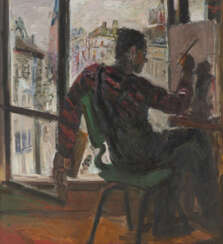

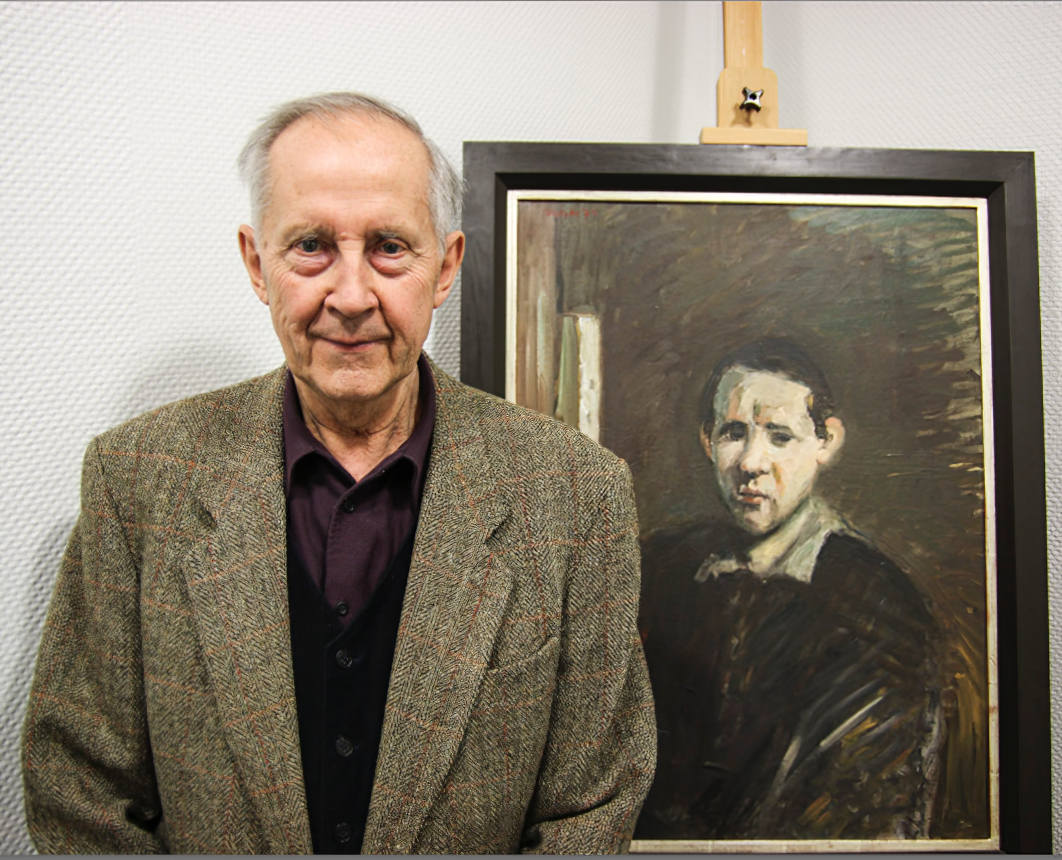
Harald Metzkes is a German painter and graphic artist.
In 1976 he won the Käthe Kollwitz Prize from the Arts Academy of East Germany and state-level official recognition in the form of the Banner of Labor. The next year his work was the focus of an exhibition at the National Gallery in (East) Berlin, "Harald Metzkes – Two decades of Pictures". 1976 was also the year in which he was a recipient of the National Prize of East Germany for illustrations and graphic art. In 1984 and 1988 Metzkes participated in the Venice Biennale.