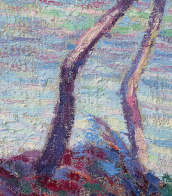
135 x.15\
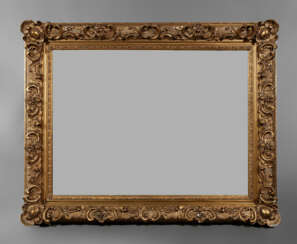


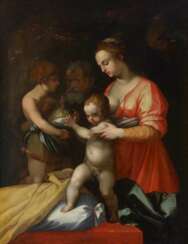



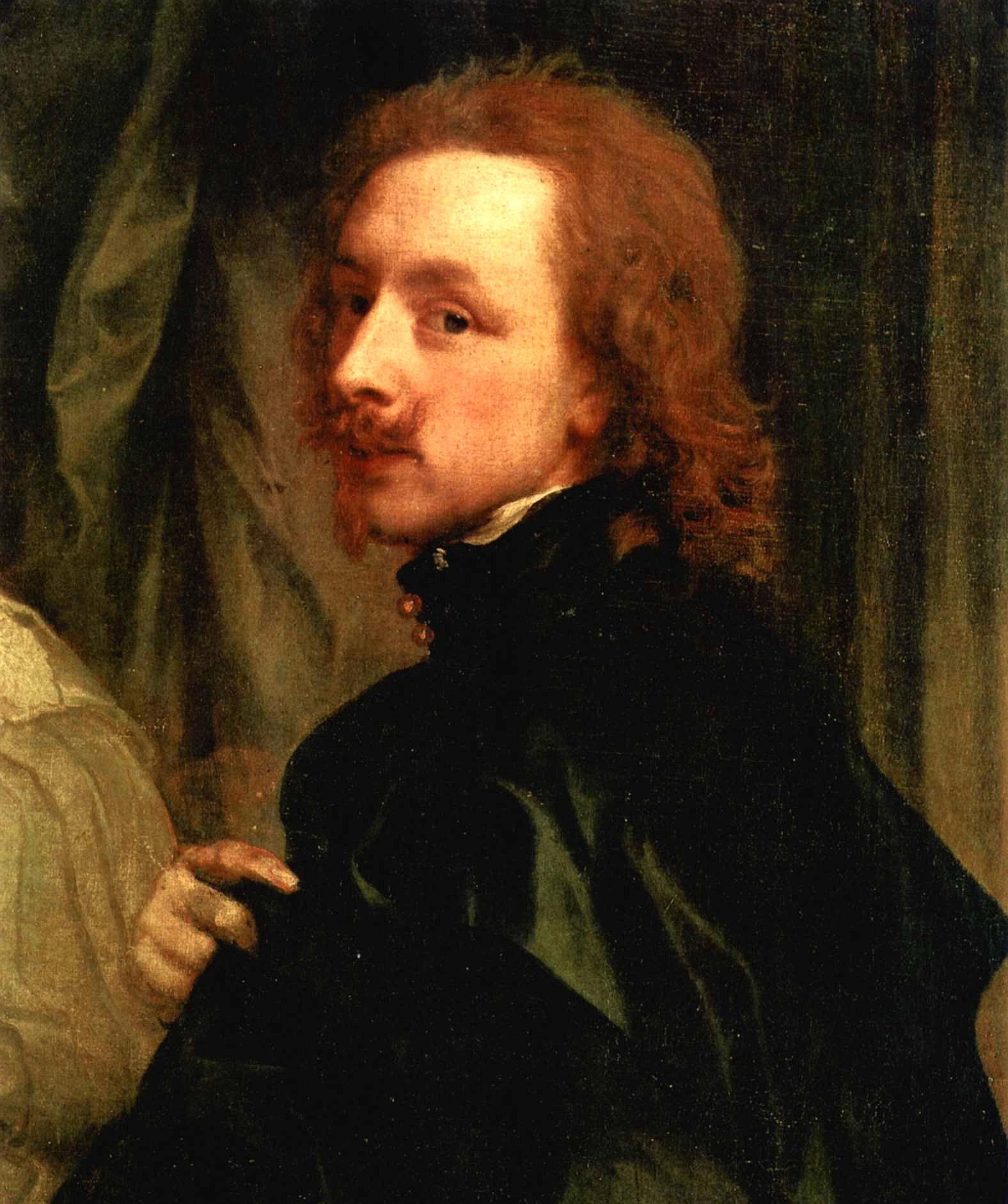
Anthony van Dyck, a Flemish painter born in 1599 in Antwerp and passed away in 1641 in London, is celebrated as one of the foremost Baroque painters of the 17th century. His notable contributions to the art world include his exceptional portraits of European aristocracy, as well as his religious and mythological paintings. Van Dyck's early exposure to art was influenced significantly by his apprenticeship with Hendrik van Balen and later, by the profound impact of working alongside Peter Paul Rubens. His mastery was recognized early on, leading him to set up his own workshop by the age of 15.
Van Dyck's journey to Italy in 1621 marked a pivotal phase in his career, allowing him to immerse himself in studying the Italian masters and commencing his successful stint as a portraitist. His style evolved under the influence of Titian, evident from his vibrant use of color and refined modeling of form. Van Dyck's Italian period not only honed his artistic skills but also established his reputation as a painter of consequence.
Upon returning to Antwerp, van Dyck's portraits became highly sought after, leading to commissions from notable figures such as Archduchess Isabella and Queen Mother Maria de' Medici. His role as a court painter further solidified in England under the patronage of King Charles I, where he was knighted and appointed as the principal painter, profoundly shaping the aristocratic character of Charles I's reign through his portraits.
Van Dyck's legacy extends beyond his death, having influenced English portrait painting for over a century. His innovative techniques in watercolour and etching, along with his sophisticated portrayal of subjects, continue to be admired. His art not only showcases his technical prowess but also reflects the cultural and social nuances of his era, making his work a significant study for collectors and art historians alike.
For enthusiasts eager to explore the intersections of art, history, and culture through the lens of Anthony van Dyck's work, staying informed about new discoveries and auction events is essential. Signing up for updates can provide exclusive insights into the world of one of the most influential figures in Flemish art. This subscription ensures that collectors and experts are well-informed of any developments related to van Dyck's oeuvre, enhancing their understanding and appreciation of his contributions to the art world.
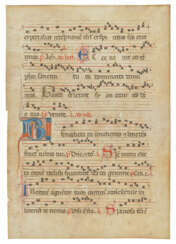
![GIOVENALE, Decimo Giunio (ca. 55-135/140) - Iuuenalis cum commento Ioannis Britannici. Venice: [s.e.], 1509.](/assets/image/picture_1242072/0695d/6dfs53zdxpqrp-9oz1m0q1-brr09kumbwtdxepn8hon4742x6a35qyeldca2qw-41608650265jpg__fix_374_244.jpeg)
![GIOVENALE, Decimo Giunio (ca. 55-135/140) - Iuuenalis cum commento Ioannis Britannici. Venice: [s.e.], 1509.](https://veryimportantlot.com/assets/image/picture_1242072/0695d/6dfs53zdxpqrp-9oz1m0q1-brr09kumbwtdxepn8hon4742x6a35qyeldca2qw-41608650265jpg__fix_374_244.jpeg)





![[Otto F Ege (1888-1951)]](/assets/image/picture_1224251/d61d4/2b91d3cddec40f58a9c6819b11b58c111607468400jpg__fix_374_244.jpeg)
![[Otto F Ege (1888-1951)]](https://veryimportantlot.com/assets/image/picture_1224251/d61d4/2b91d3cddec40f58a9c6819b11b58c111607468400jpg__fix_374_244.jpeg)








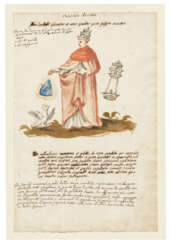

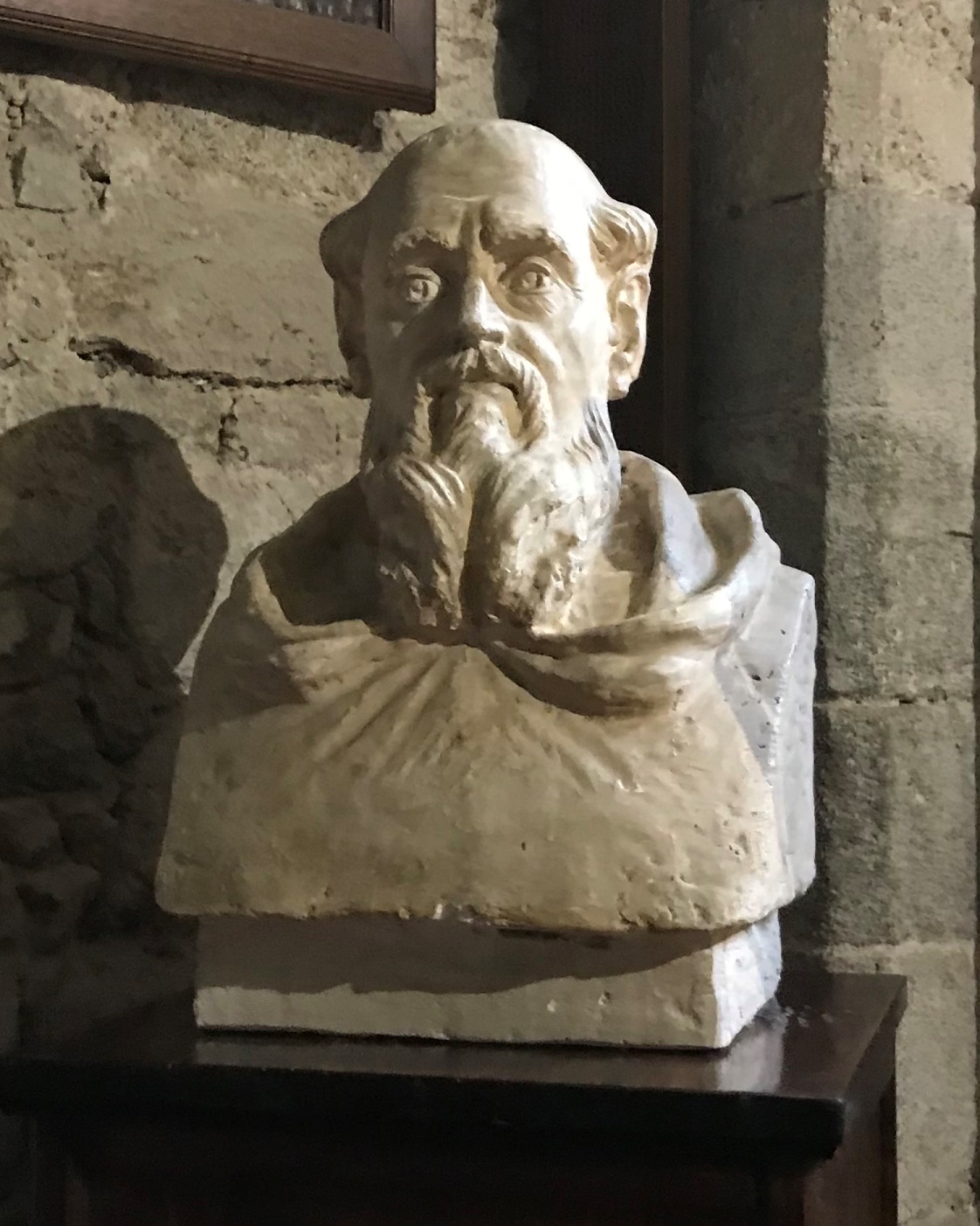
Joachim of Fiore, also known as Joachim de Fiore, and Gioacchino da Fiore, was an Italian mystic, theologian and philosopher of history, a great medieval thinker with a beautiful symbolic imagination.
Fiore was a prolific writer and explored the hidden meaning of the life of the apostles and the scriptures. At the end of the twelfth century Joachim had a high international reputation.
After a pilgrimage to the Holy Land, he became a Cistercian monk and by 1177 had become abbot at Corazzo, Sicily. He retired to the mountains to lead a contemplative life, and in 1196 he founded the Order of San Giovanni in Fiore. In his Book of the Harmony of the New and Old Testaments, Fiore set forth a theory of history and traced correspondences in the Old and New Testaments. In "An Exposition of the Apocalypse" he explored the symbols of the Antichrist, and in "The Ten-String Psalter" he set forth his doctrine of the Holy Trinity. A man of vivid imagination, he was proclaimed a prophet and condemned as a heretic.

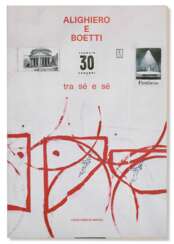

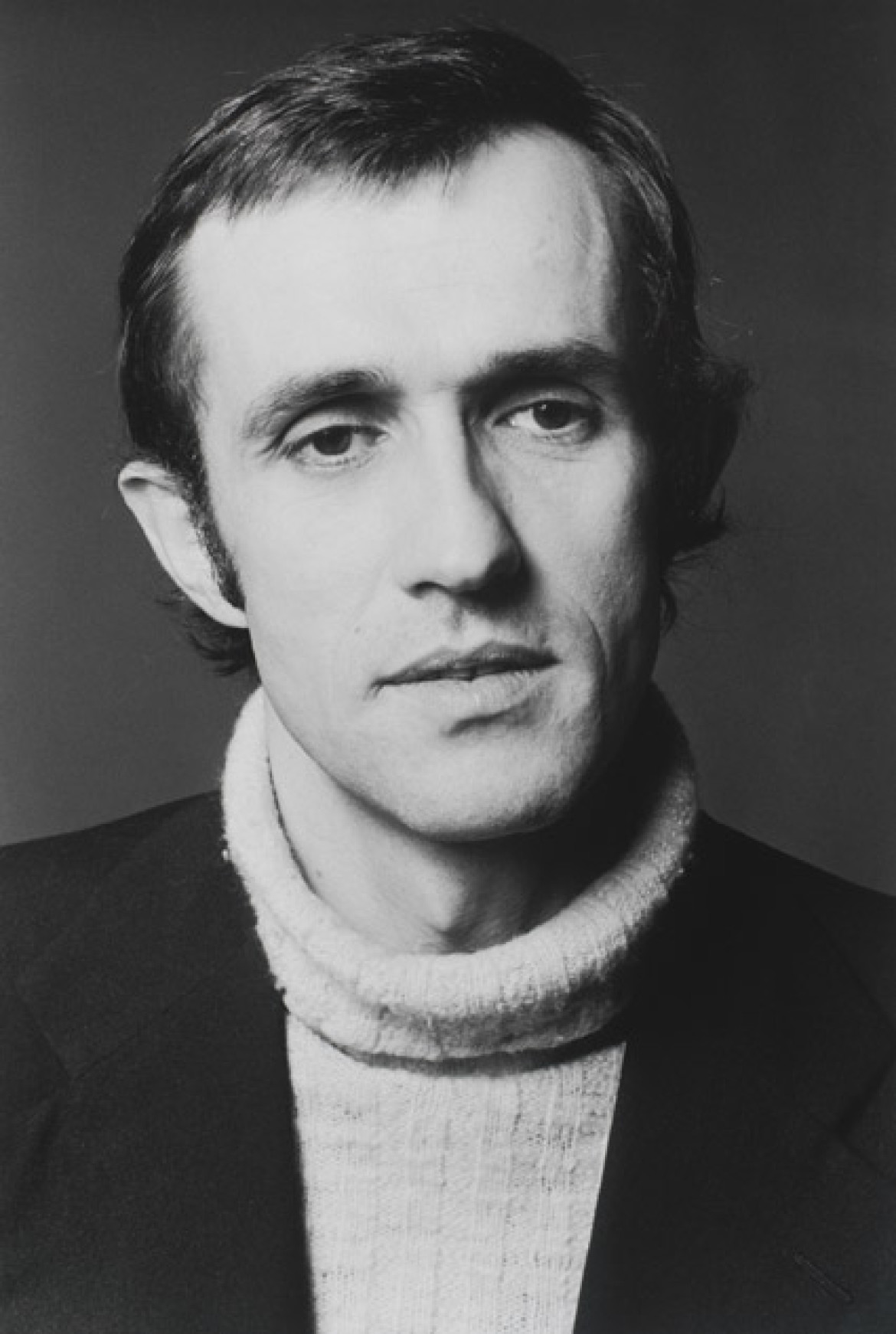
Alighiero Fabrizio Boetti, known as Alighiero e Boetti, was an Italian conceptual artist, considered to be a member of the art movement Arte Povera.
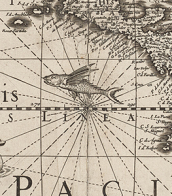
Perhaps best known is Boetti's series of large embroidered maps of the world, called simply Mappa.
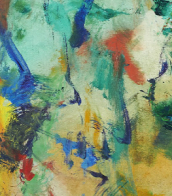
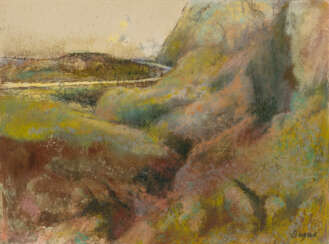

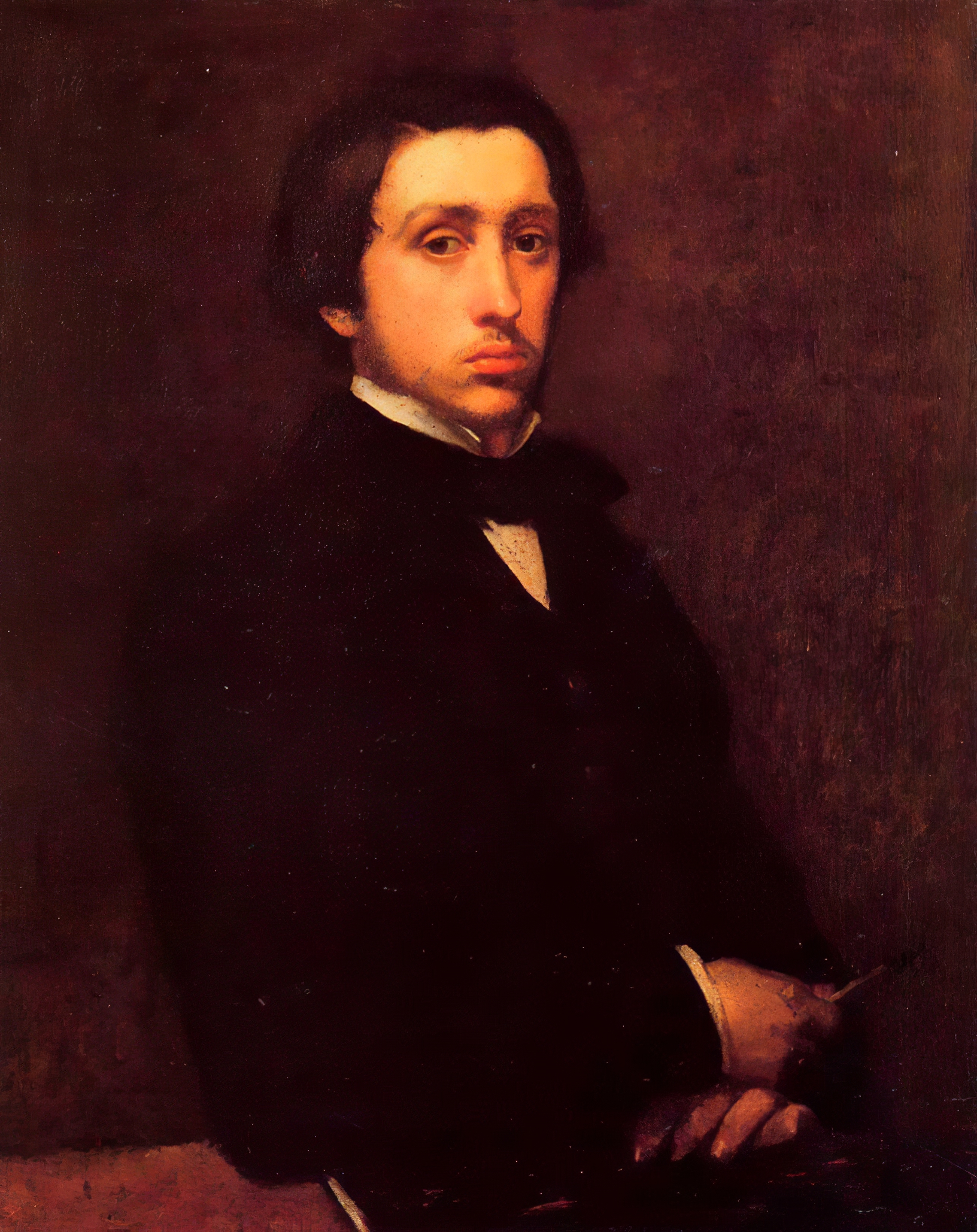
Edgar Degas, a French artist, was a master of painting, sculpture, and drawing, celebrated for his profound influence on the Impressionist movement despite his preference for being called a realist. Degas was born into a well-off family in Paris, France, and demonstrated a keen interest in art from an early age, eventually shaping his path to become one of the most sophisticated draftsmen of his time. His rigorous academic training and close study of classical art initially aimed him towards a career in history painting, but Degas soon pivoted towards contemporary subject matter, thus cementing his role as a classical painter of modern life.
Degas is renowned for his dynamic portrayals of movement, particularly in his depictions of dancers, racehorses, and everyday Parisian life. His works are characterized by their psychological depth and the isolation of his figures, showcasing his unique ability to capture the essence of his subjects with both empathy and critical distance. More than half of his oeuvre focuses on dancers, reflecting not only his fascination with the ballet but also his innovative approach to composition and form. This focus on the human figure, explored in various media including oil, pastel, and sculpture, underscores Degas's commitment to studying the nuances of human movement and expression.
Degas's artistic career is marked by his experimentation with various techniques and materials, as seen in his bronze sculptures and pastel nudes. One of his most famous sculptures, the study of the young ballet student Marie van Goethem, showcases his pioneering use of real objects in sculpture, a practice that prefigured later artistic innovations. Despite the controversies that sometimes surrounded his work, particularly in his depictions of the female nude, Degas's legacy as an artist who bridged the gap between traditional academic art and the modern movements of the early 20th century remains undisputed.
For collectors and experts in art and antiques, Degas's work offers a fascinating study in the evolution of modern art, highlighting the artist's deep engagement with the cultural and social dynamics of his time. His pieces, whether in the form of paintings, sculptures, or prints, continue to captivate audiences with their complexity, beauty, and innovative spirit.
If you are keen to stay updated on sales and auction events related to Edgar Degas, signing up for updates is a prudent choice. This subscription service ensures that you remain informed about new opportunities to acquire works by this pivotal figure in the art world, without overwhelming you with unnecessary information.
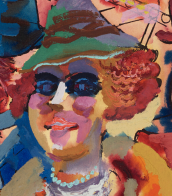
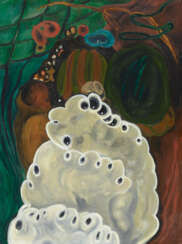

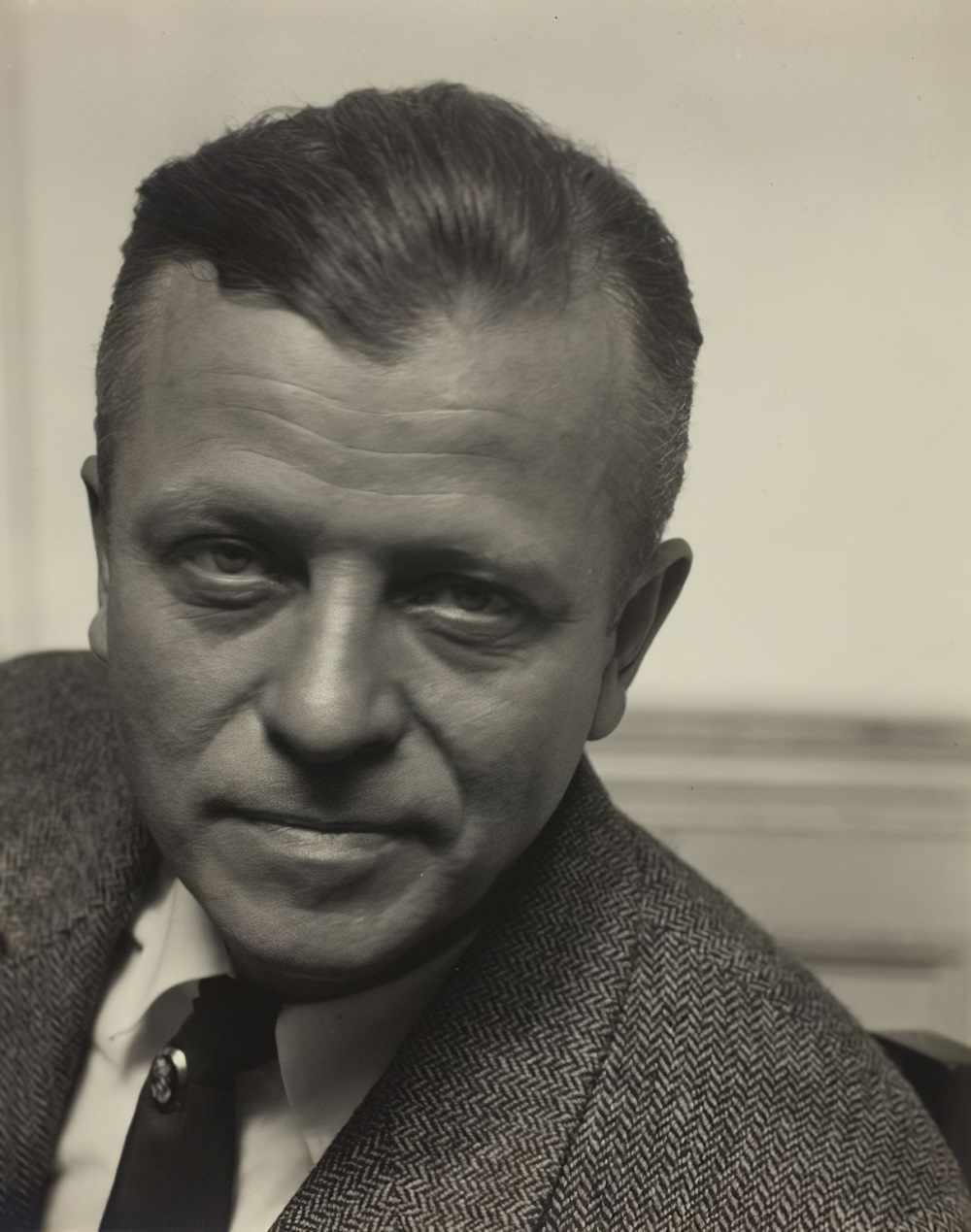
Arthur Garfield Dove was an American artist. An early American modernist, he is often considered the first American abstract painter. Dove used a wide range of media, sometimes in unconventional combinations, to produce his abstractions and his abstract landscapes. Me and the Moon from 1937 is a good example of an Arthur Dove abstract landscape and has been referred to as one of the culminating works of his career. Dove did a series of experimental collage works in the 1920s. He also experimented with techniques, combining paints like hand mixed oil or tempera over a wax emulsion as exemplified in Dove's 1938 painting Tanks, in the collection of the Boston Museum of Fine Arts.










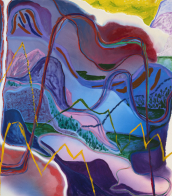
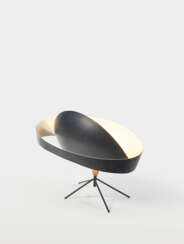

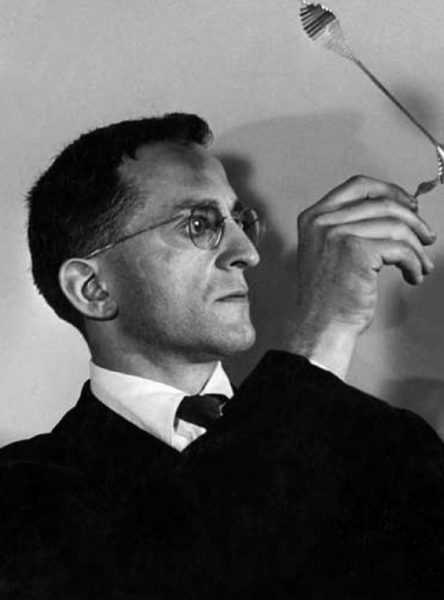
Serge Mouille was a French industrial designer and goldsmith. He is best known for his light fixture designs.
Serge Mouille remains famous primarily for his minimalistic designs and use of uniformly black painted metal materials. His wall-mounted spot light fixture with articulated arms is typical for his discrete, yet highly functional designs.
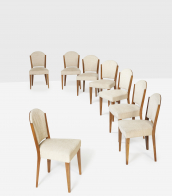
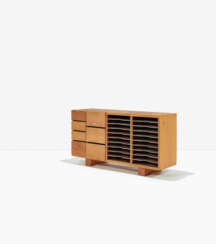

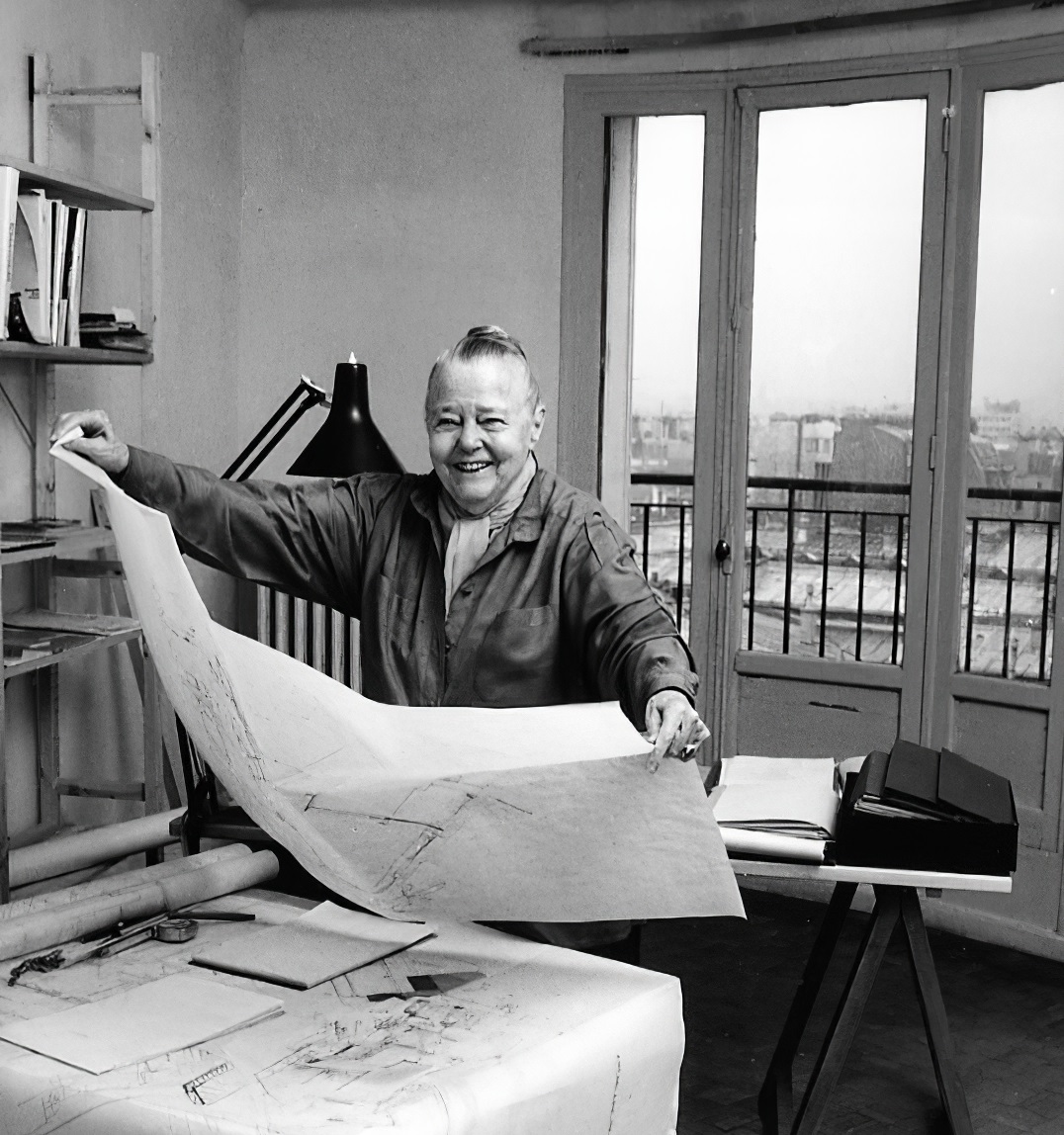
Charlotte Perriand was a French architect and designer. Her work aimed to create functional living spaces in the belief that better design helps in creating a better society. In her article "L'Art de Vivre" from 1981 she states "The extension of the art of dwelling is the art of living — living in harmony with man's deepest drives and with his adopted or fabricated environment." Charlotte liked to take her time in a space before starting the design process.
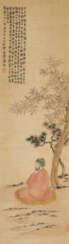






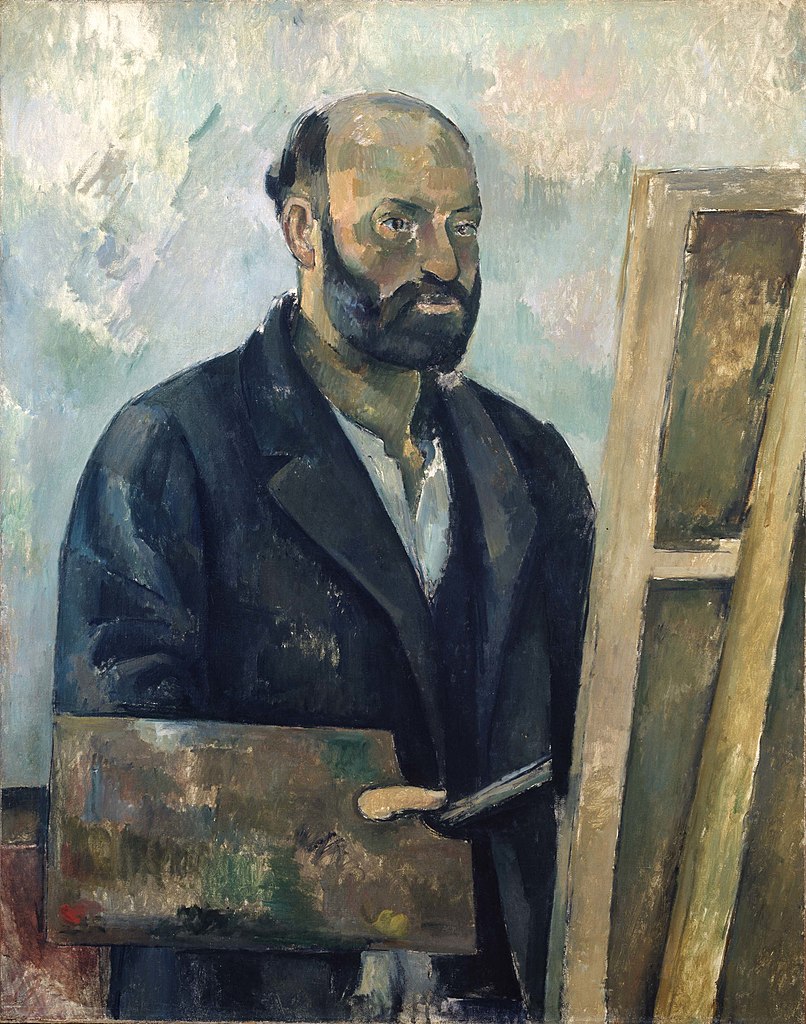
Paul Cézanne, a French Post-Impressionist painter, was pivotal in shaping the transition from 19th-century art to a new, revolutionary approach in the 20th century. His unique and exploratory brushstrokes, utilizing planes of color to form complex fields, made his work instantly recognizable and influential in the development of Cubism.
Cézanne’s early works, influenced by Romanticism and Realism, evolved into a groundbreaking artistic language. He challenged traditional perspective and academic art rules, focusing on objects' structural aspects and art's formal qualities. This approach led to a renewed emphasis on impressionistic color space and modulation principles.
His most notable works, like “Mont Sainte-Victoire,” “The Card Players,” and “The Bathers,” display his mastery in creating depth and dimension through color gradations. These paintings, initially met with skepticism, eventually cemented Cézanne’s reputation as a pioneering artist. His exhibitions, particularly the one-man show by dealer Ambroise Vollard in 1895, played a critical role in his recognition.
Cézanne’s impact on art history is profound, with greats like Henri Matisse and Pablo Picasso acknowledging him as a significant influence. His exploration of geometric forms and innovative use of light and color laid the groundwork for subsequent movements, particularly Cubism.
For collectors and art experts, Cézanne's works are more than just paintings; they are pivotal chapters in the narrative of modern art. His creations, bridging Impressionism and Cubism, continue to inspire and challenge contemporary artists.
To stay updated on new product sales and auction events related to Paul Cézanne, sign up for our updates. This subscription ensures you remain informed about the latest developments in the world of this revolutionary artist.