

150 x 200







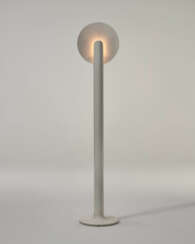

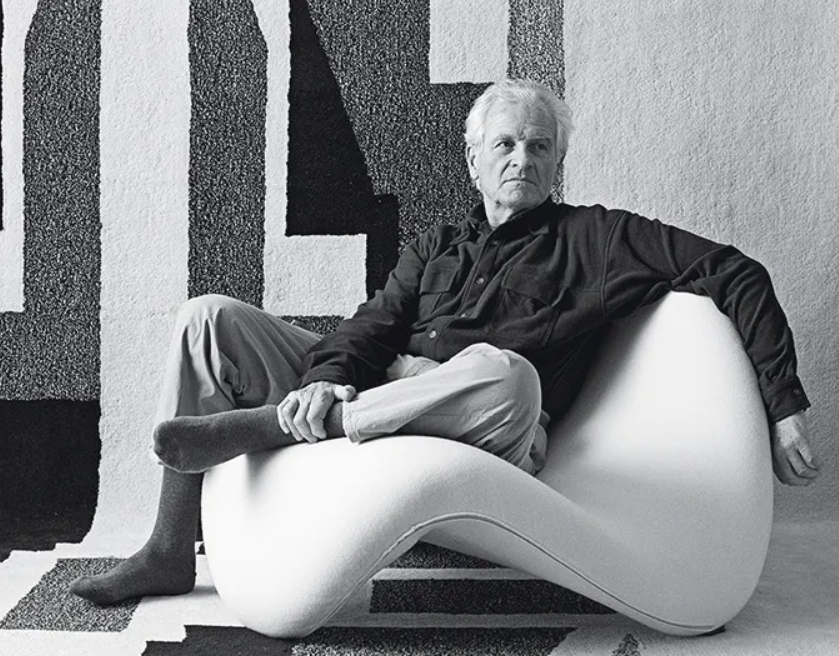
Pierre Paulin was a French furniture designer and interior designer. His uncle Georges Paulin was a part-time automobile designer and invented the mechanical retractible hardtop, who was later executed by the Nazis in 1941 as a hero of the French Resistance. After failing his Baccalauréat, Pierre trained to become a ceramist in Vallaurius on the French Rivera and then as a stone-carver in Burgundy. Soon after, he injured his right arm in a fight, ending his dreams as a sculptor. He then went on to attend the Ecole Camondo in Paris. He had a stint with the Gascoin company in Le Havre where he gained an interest in Scandinavian and Japanese design. He was famed for his innovative work with Artifort in the 1960s and interior design in the 1970s.
At the time, his chair designs were considered very modern and unique and kick-started the successes of his designs among the younger population. Even today, his pieces are still being made and are sought after at auctions.

Pierre Paulin was a French furniture designer and interior designer. His uncle Georges Paulin was a part-time automobile designer and invented the mechanical retractible hardtop, who was later executed by the Nazis in 1941 as a hero of the French Resistance. After failing his Baccalauréat, Pierre trained to become a ceramist in Vallaurius on the French Rivera and then as a stone-carver in Burgundy. Soon after, he injured his right arm in a fight, ending his dreams as a sculptor. He then went on to attend the Ecole Camondo in Paris. He had a stint with the Gascoin company in Le Havre where he gained an interest in Scandinavian and Japanese design. He was famed for his innovative work with Artifort in the 1960s and interior design in the 1970s.
At the time, his chair designs were considered very modern and unique and kick-started the successes of his designs among the younger population. Even today, his pieces are still being made and are sought after at auctions.

.jpg)
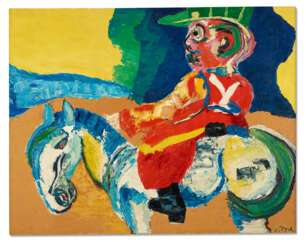
Christiaan Karel Appel was a Dutch painter, sculptor, and poet. He started painting at the age of fourteen and studied at the Rijksakademie in Amsterdam in the 1940s. He was one of the founders of the avant-garde movement CoBrA in 1948. He was also an avid sculptor and has had works featured in MoMA and other museums worldwide.
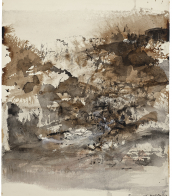


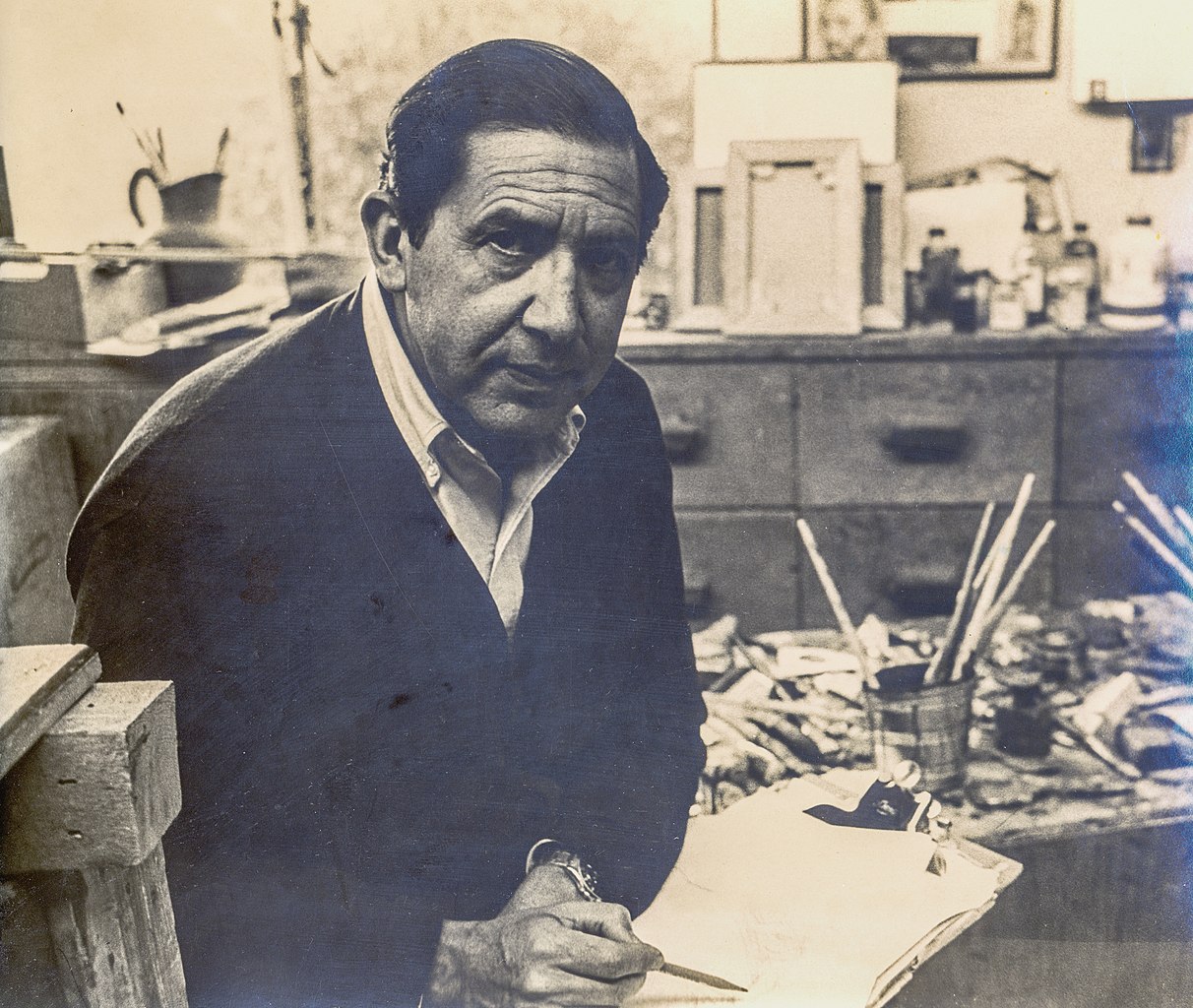
Ricardo Martínez de Hoyos was a Mexican painter noted for his figurative work on unreal atmospheres. He was one of several children from a very large family to make a mark in his field, along with Oliverio in sculpture and Jorge in acting. His work was exhibited in various parts of the world, featured in collective tours of Mexican art. Individually, he exhibited mostly in Mexico including important venues such as the Museo de Arte Moderno and the Palacio de Bellas Artes, which held a tribute to the artist in 1994. Since his death, a cultural center named after him has been established in the historic center of Mexico City.
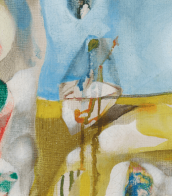


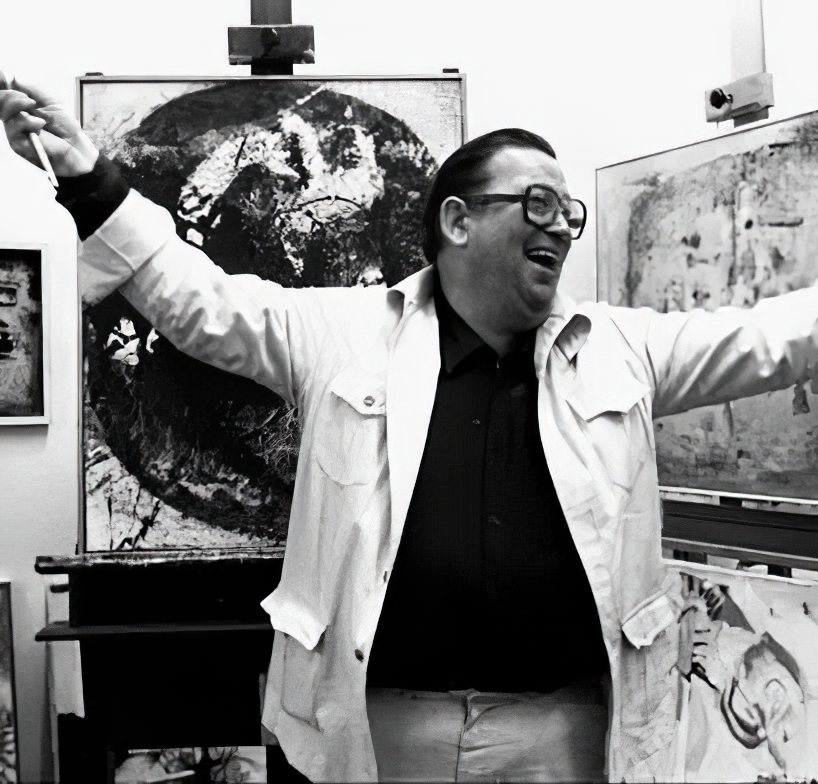
Rudolf Schoofs was a German painter, graphic artist, illustrator and sculptor. One of the most famous German artists of the post-war period.



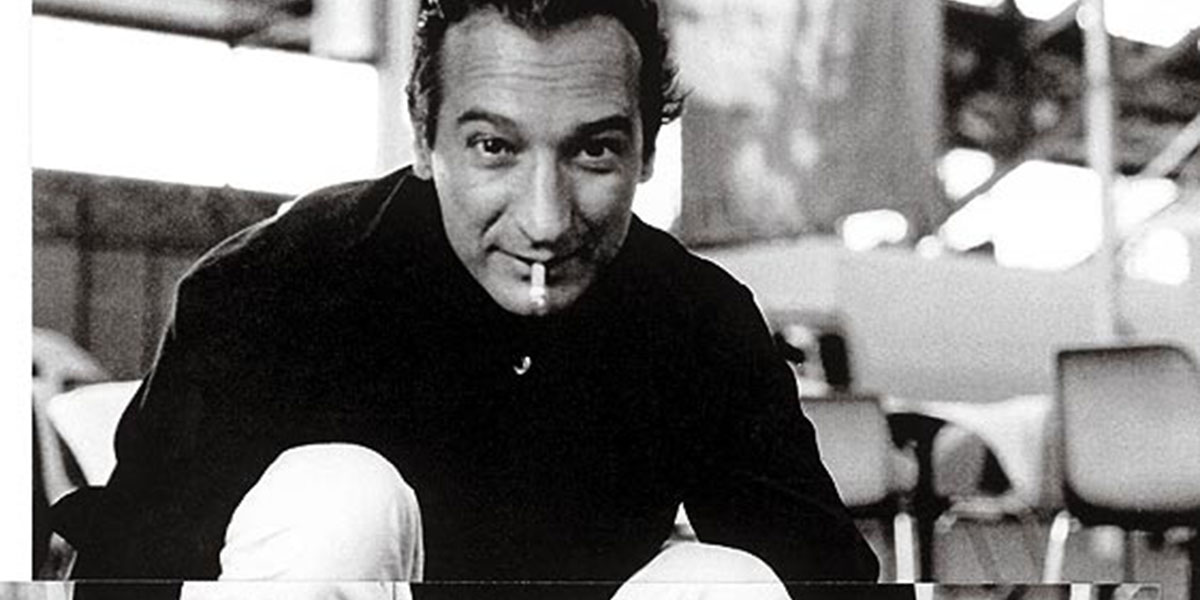
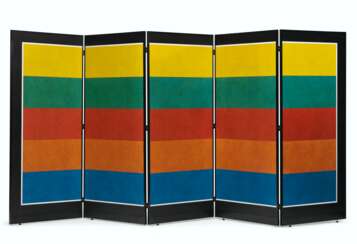

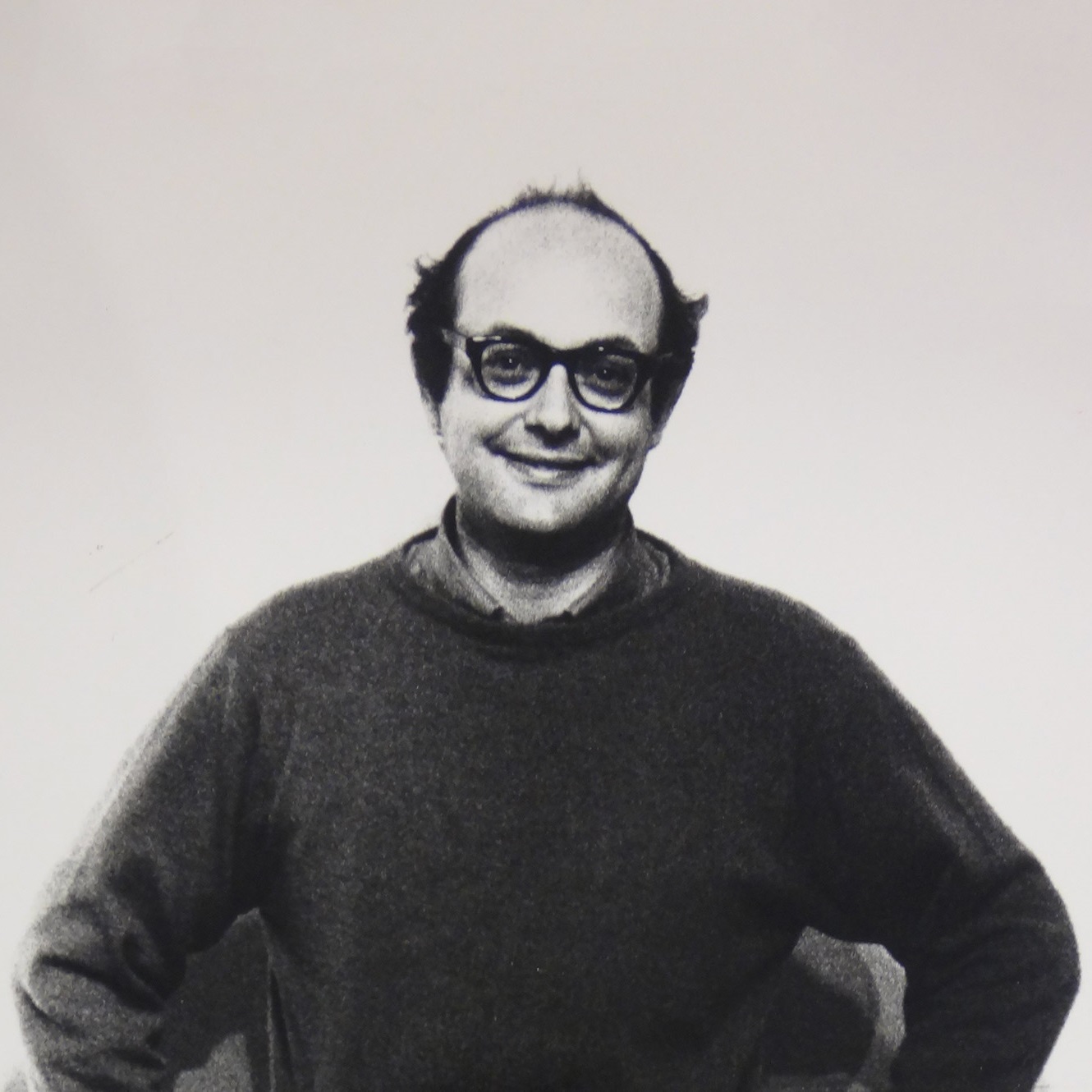
Sol LeWitt was an American artist linked to various movements, including conceptual art and minimalism.
LeWitt came to fame in the late 1960s with his wall drawings and «structures» (a term he preferred instead of «sculptures») but was prolific in a wide range of media including drawing, printmaking, photography, painting, installation, and artist's books.
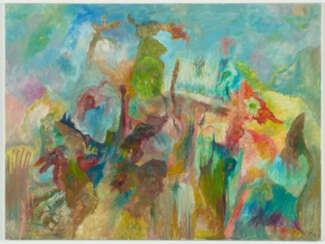

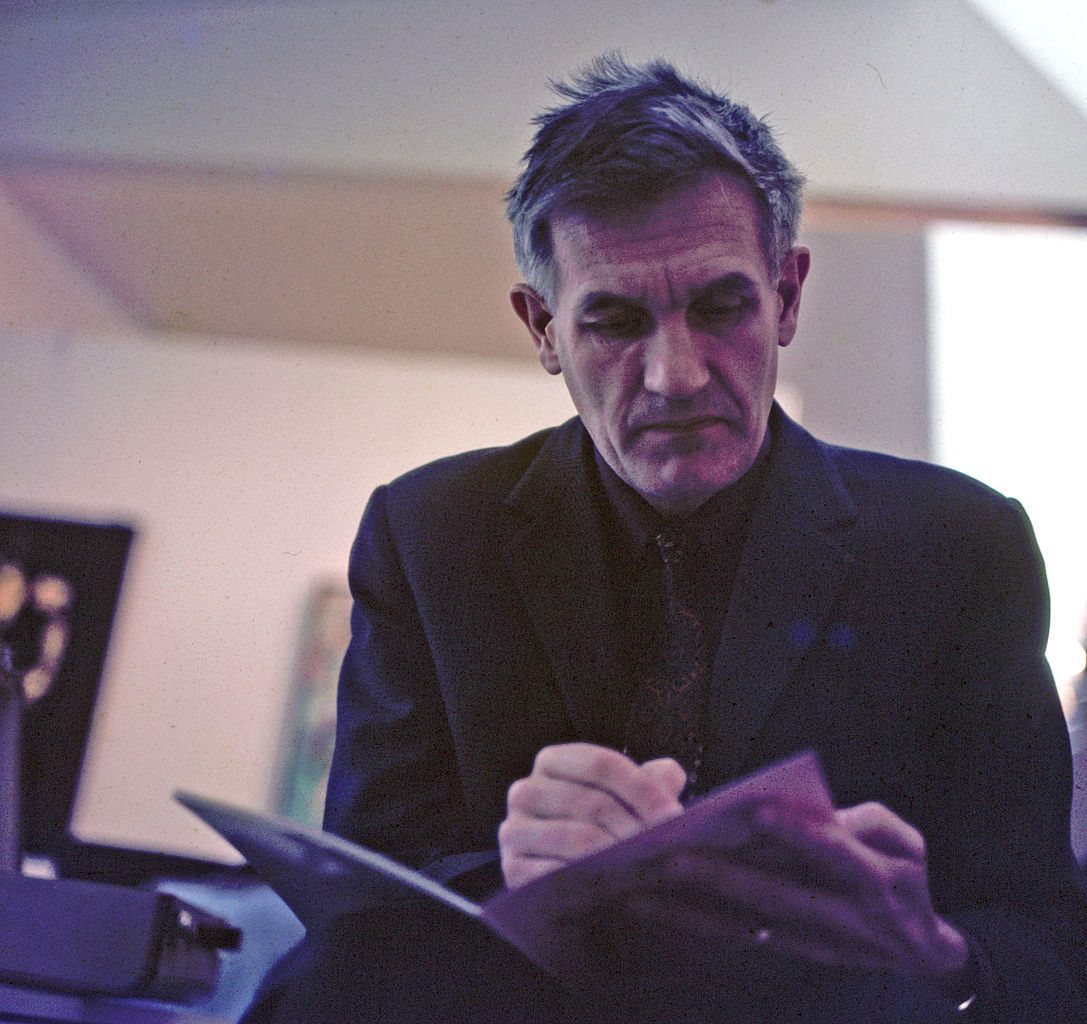
Bernard Schultze was a German painter who co-founded the Quadriga group of artists along with Karl Otto Götz and two other artists.
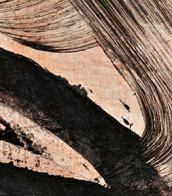


Bernard Schultze was a German painter who co-founded the Quadriga group of artists along with Karl Otto Götz and two other artists.
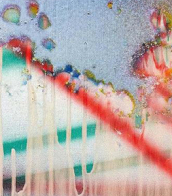



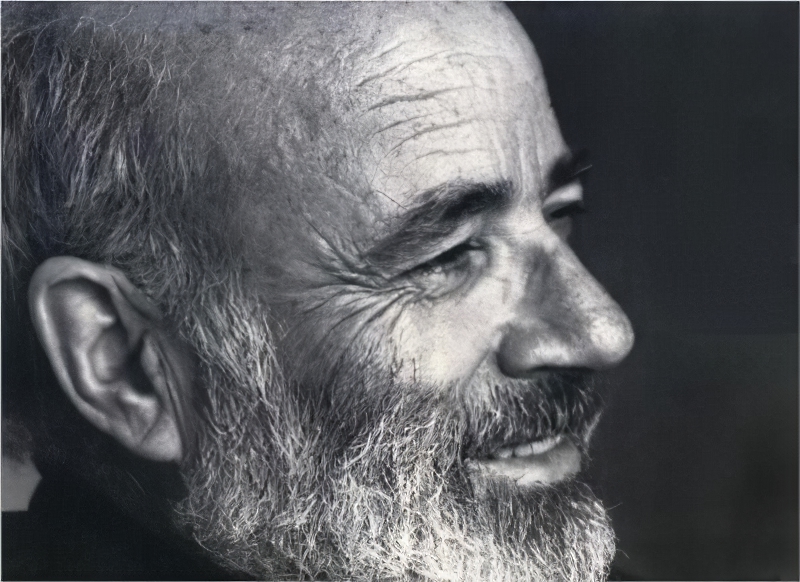
Panayiotis Vassilakis (Greek: Παναγιώτης Βασιλάκης), also known as Takis (Greek: Τάκις), was a self-taught Greek artist known for his kinetic sculptures. He exhibited his artworks in Europe and the United States. Popular in France, his works can be found in public locations in and around Paris, as well as at the Athens-based Takis Foundation Research Center for the Arts and Sciences.


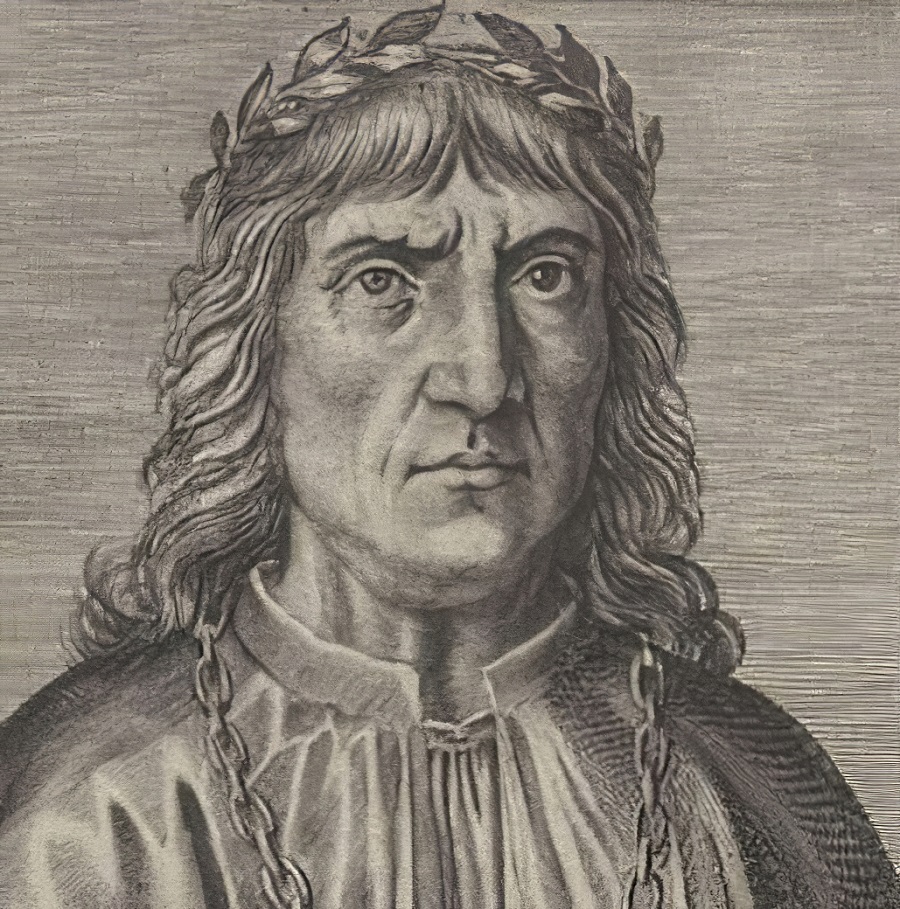
Andrea Mantegna was an Italian painter and engraver, celebrated as the first fully Renaissance artist of northern Italy. Born in 1431 near Vicenza, Mantegna emerged from Francesco Squarcione's Paduan school, distinguishing himself early on with his mastery in painting and his innovative use of perspective. His departure from Squarcione's workshop at a young age to establish his own marked the beginning of a prolific career that would influence the course of Renaissance art.
Mantegna's work is renowned for its dramatic use of perspective and detail, which he applied with meticulous care to both religious subjects and classical themes. His groundbreaking fresco cycle in the Ovetari Chapel, though largely destroyed during WWII, showcased his early mastery of perspective, a technique that would become a hallmark of his style. This early work helped establish his reputation, leading to significant commissions such as the Camera degli Sposi in Mantua's Ducal Palace, completed in 1474, which delighted visitors with its illusionistic space and detailed portraits of the Gonzaga family.
One of his most famous works, the Triumph of Caesar, consists of a series of nine canvases that depict Julius Caesar's victorious return to Rome. These panels, celebrated for their detailed portrayal of the Roman triumph, are now housed in Hampton Court Palace in London. Mantegna's meticulous attention to classical detail and his ability to convey narrative through art have made these works stand out in the history of Renaissance painting.
His exploration of perspective reached a zenith in works such as the Lamentation of Christ, where the use of foreshortening to depict Christ's body laid out for the viewer demonstrated Mantegna's skill in manipulating visual perception for dramatic effect. This piece, along with other later works like the Madonna of Victory and the paintings for Isabella d'Este's private chambers, showcase Mantegna's continuous evolution as an artist and his influence on subsequent generations.
Mantegna's legacy extends beyond his paintings; his engravings were highly valued for their detail and technical execution, influencing artists such as Albrecht Dürer. His draughtsmanship and innovative compositions in both painting and engraving marked a significant contribution to the Italian Renaissance, blending classical themes with the emerging humanist philosophy of the time.
For collectors and experts in art and antiques, Mantegna's works offer a fascinating insight into the transition from medieval to Renaissance art, characterized by an increased emphasis on humanism, perspective, and a revival of classical antiquity. His paintings and engravings not only depict the cultural and intellectual zeitgeist of his era but also demonstrate his technical prowess and creative vision.
To stay informed about new discoveries and upcoming auction events related to Andrea Mantegna's works, signing up for updates is highly recommended. This subscription ensures that enthusiasts are always in the loop regarding sales and exhibitions featuring the magnificent works of this Renaissance master.


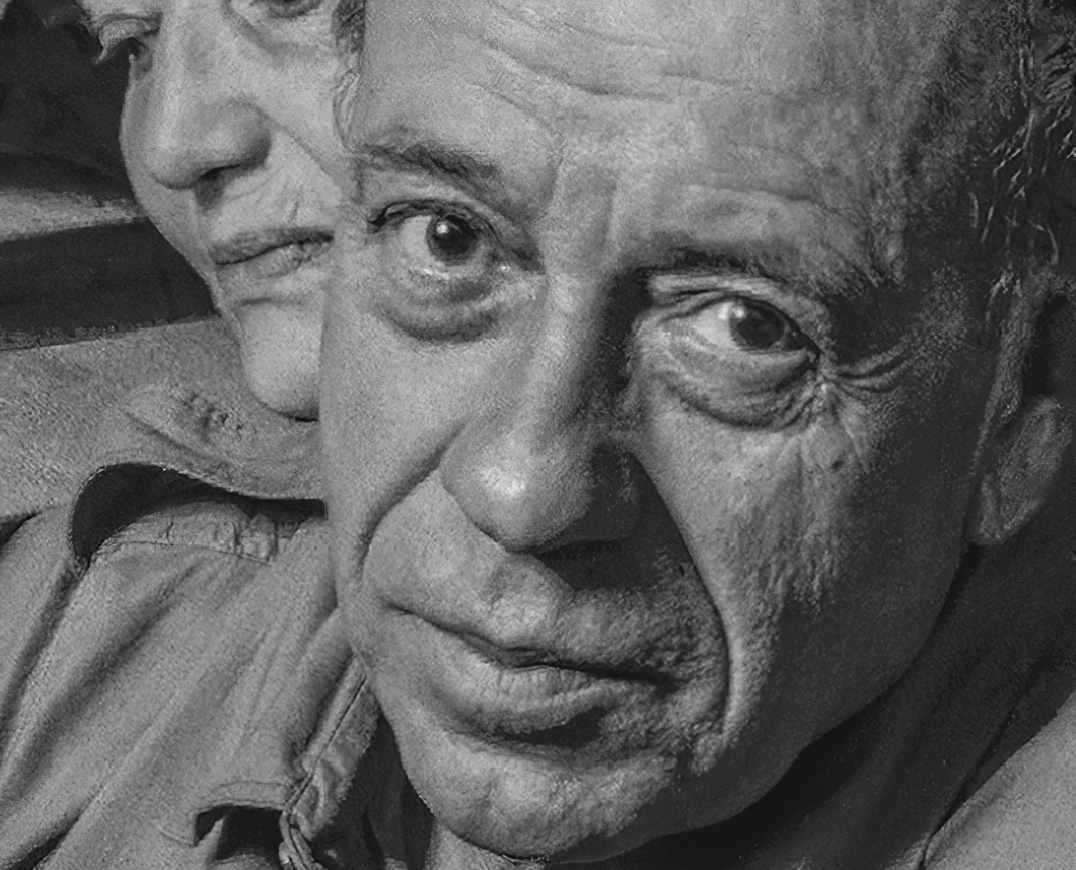
François-Xavier Lalanne was a French painter and sculptor. He studied sculpture, drawing and painting at the Académie Julian. Since the 1960s he has worked as a couple with his wife Claude Lalanne.


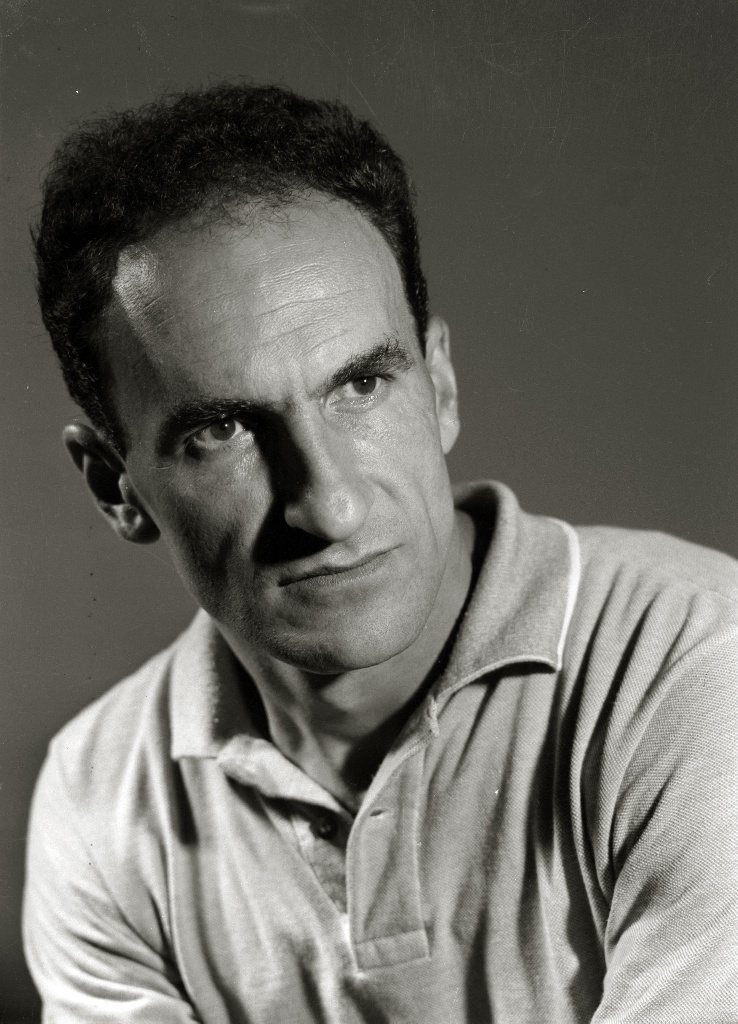
Eduardo Chillida is a Spanish sculptor, graphic artist and printmaker known for his monumental abstract works.
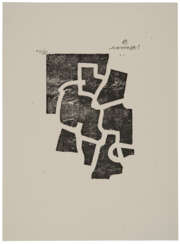

Eduardo Chillida is a Spanish sculptor, graphic artist and printmaker known for his monumental abstract works.

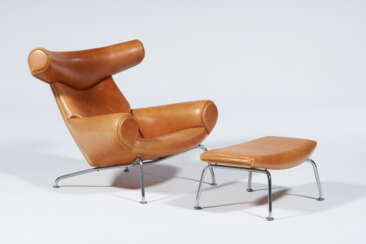

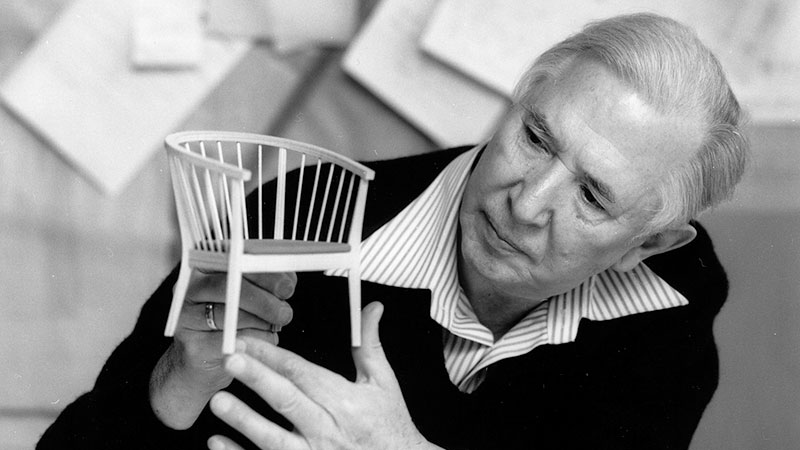
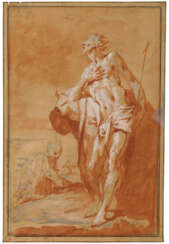

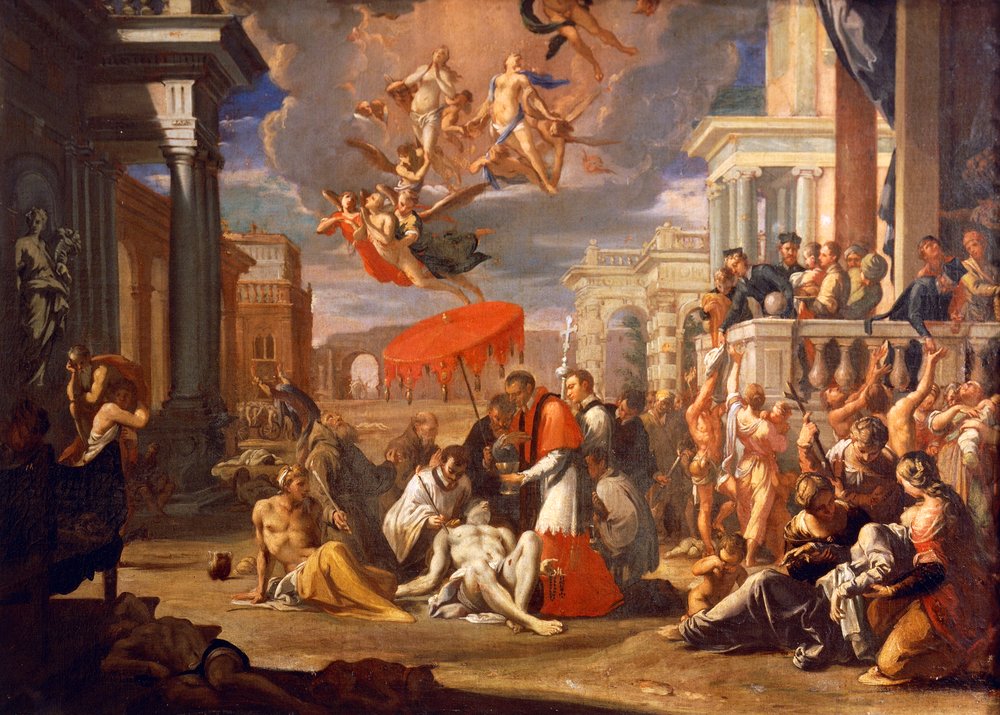
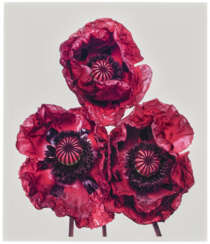

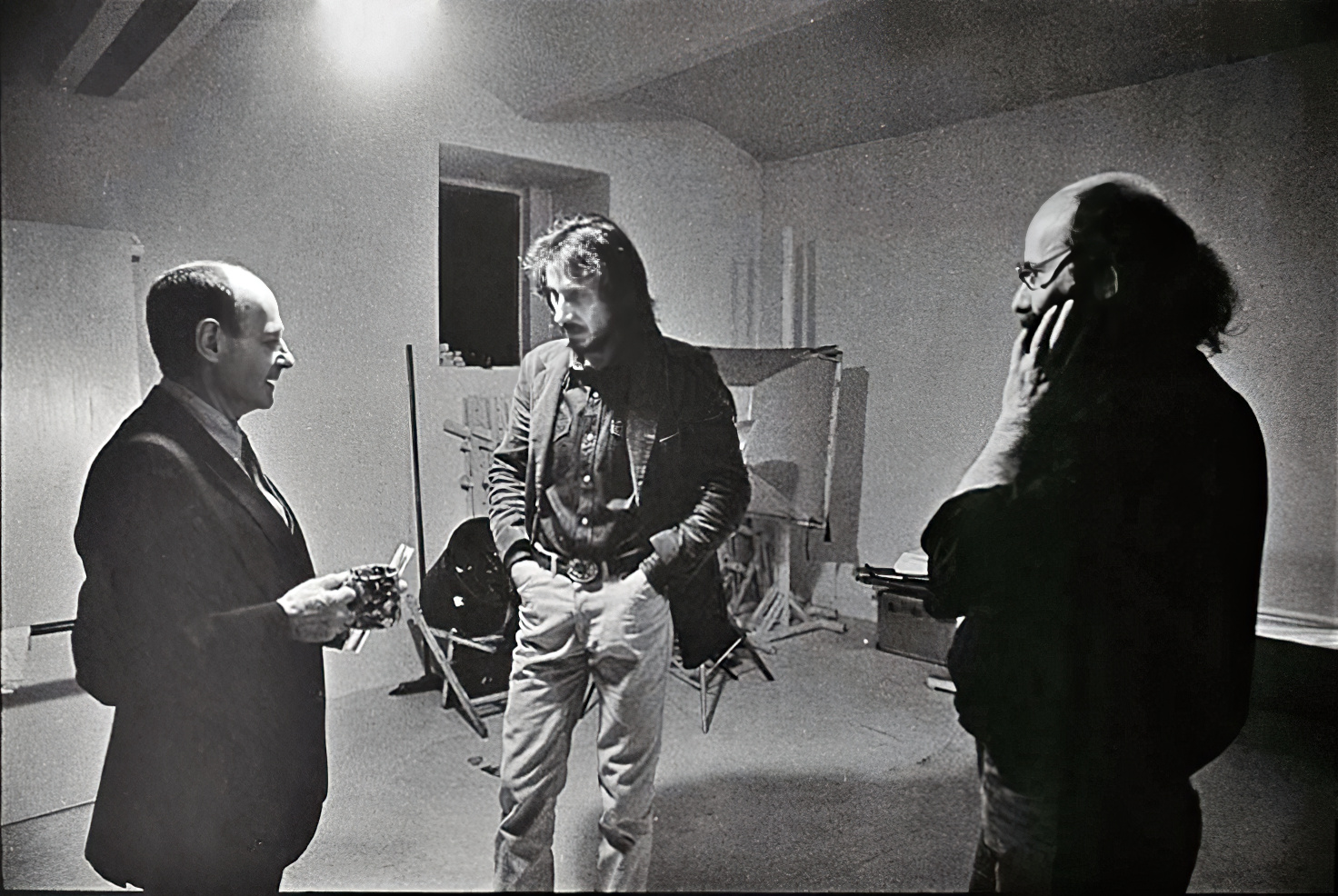
Irving Penn was an American photographer celebrated for his influential work in fashion photography, portraits, and still lifes. Penn's journey into photography began with a background in painting and design, studying at the Philadelphia Museum School of Industrial Art. He moved to New York and initially worked in design and illustration, which paved the way for his transition into photography. Notably, Penn's work at Vogue magazine for over six decades helped define the visual style of mid-20th-century fashion photography.
Irving Penn's mastery extended beyond the camera to the darkroom, where he experimented with various printing techniques, including the platinum-palladium process, which contributed to the depth and subtlety of his prints. His works, such as the "Cigarette" series and his still life compositions, are renowned for their minimalistic elegance and meticulous detail. Irving Penn's artistry was not confined to one genre; his "Earthly Bodies" nudes series and street material collection demonstrated his versatility and depth as an artist.
His contributions to photography are preserved and celebrated in numerous exhibitions and collections worldwide, including major museums like The Metropolitan Museum of Art, The Museum of Modern Art, and The Art Institute of Chicago. Irving Penn's legacy as a pioneering figure in photography continues to inspire artists and photographers today.
If you're a collector or an expert in art and antiques, staying updated on Irving Penn's works can be invaluable. To receive updates on new product sales and auction events related to Irving Penn, consider signing up for our newsletter. This way, you won't miss out on the opportunity to own a piece of photographic history.

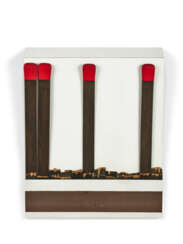

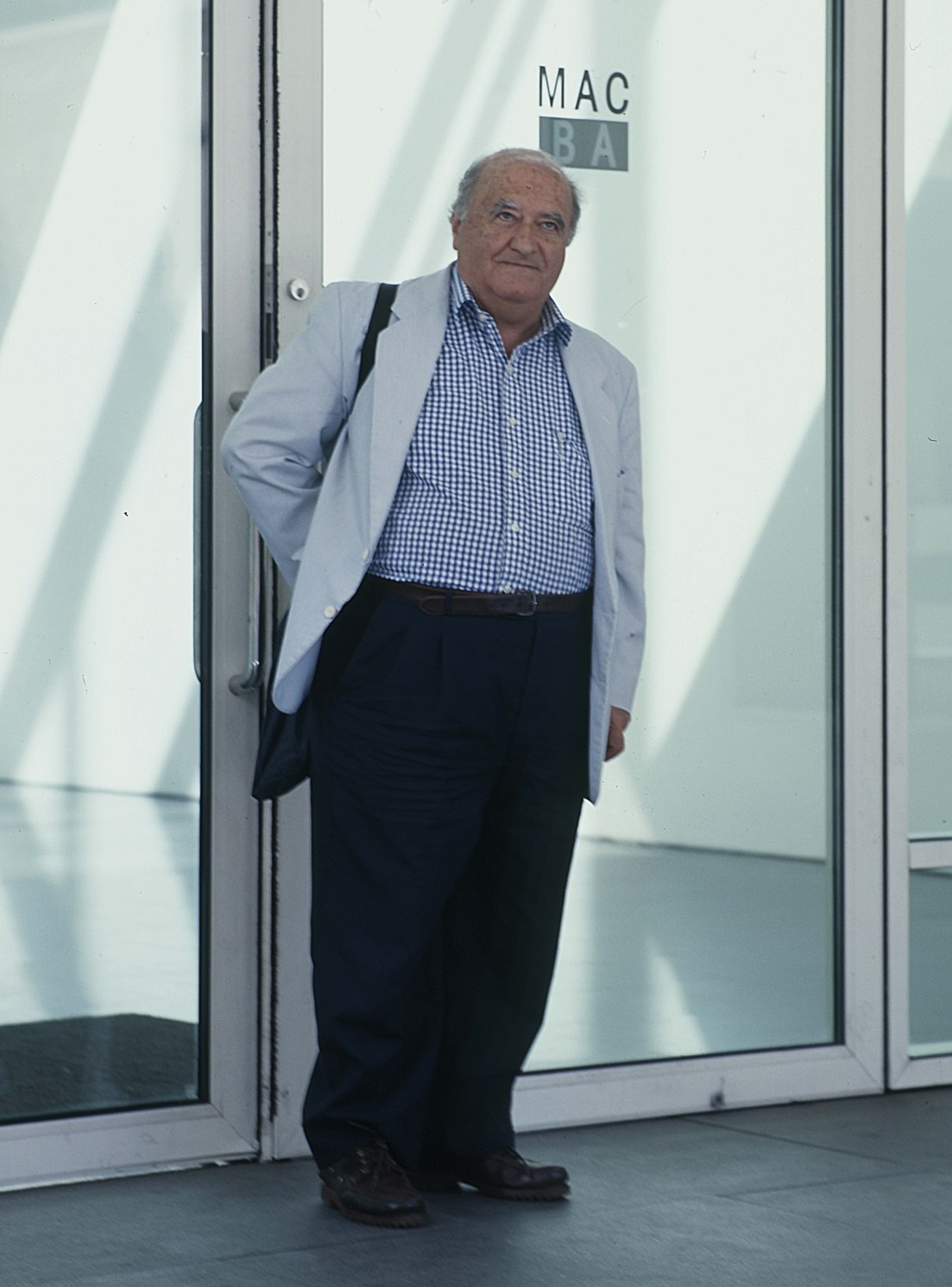
Raymond Hains was a prominent French visual artist and a founder of the Nouveau réalisme movement.
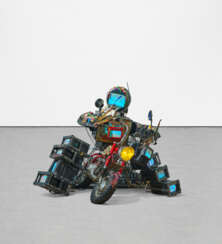





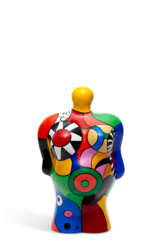

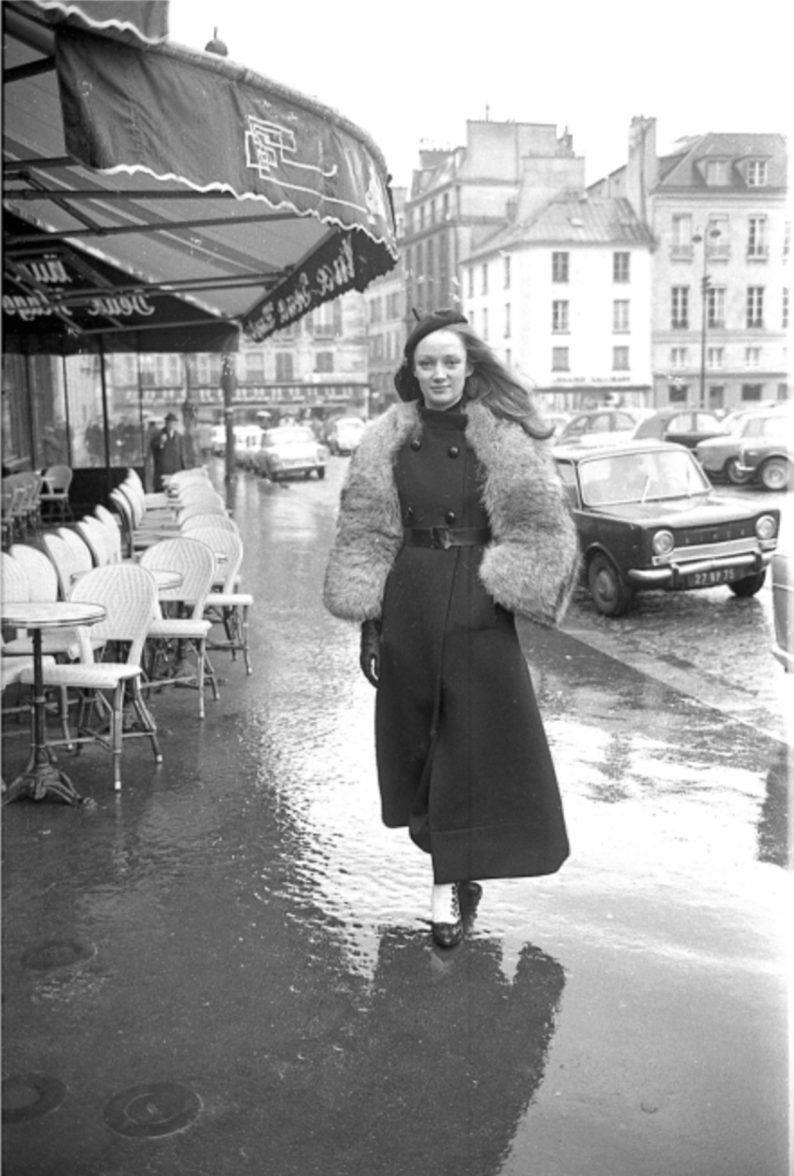
Niki de Saint Phalle was a French-American sculptor, painter, filmmaker, and author of colorful hand-illustrated books. Widely noted as one of the few female monumental sculptors, Saint Phalle was also known for her social commitment and work.


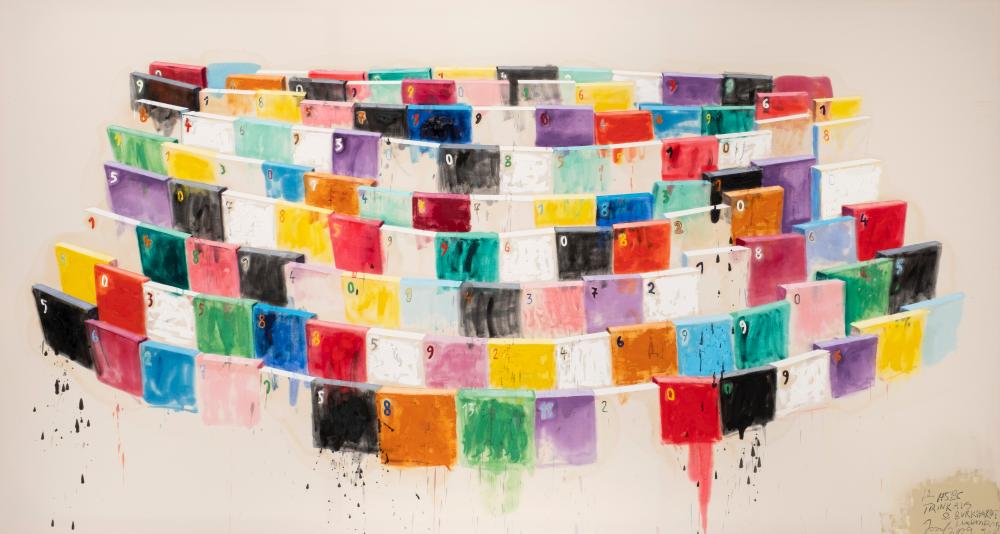
Josef P. Werner is a German painter and sculptor.
He studied at the Art School of Kassel, then at the Sichuan Institute of Fine Arts, China and at the Düsseldorf Academy of Fine Arts. His ironic, subtle works were winners at exhibitions of young artists.


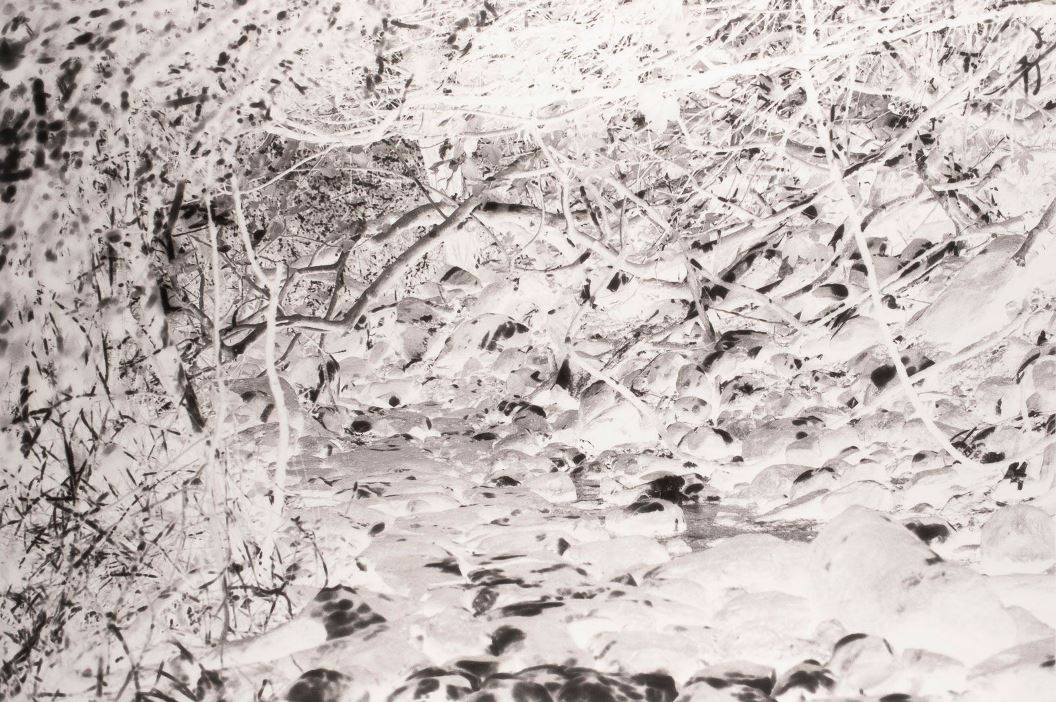
Jonas Gerhard is a German artist who lives and works in Düsseldorf.