1615


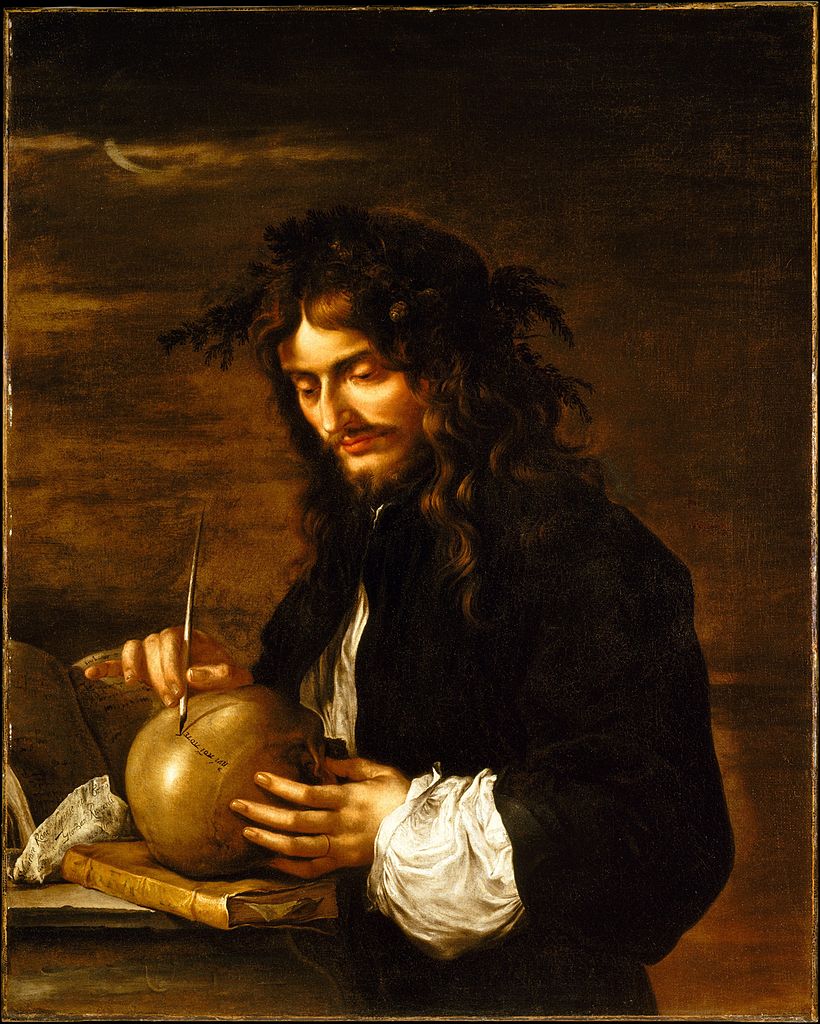
Salvator Rosa was a seventeenth-century Italian Baroque painter. He is also known as an engraver, poet and actor.
Salvator Rosa left a very diverse artistic heritage. He was interested in historical, religious, mythological and fantastic subjects, he painted landscapes, battle scenes, portraits, still lifes. Having joined the naturalists of the Neapolitan school of painting, Rosa, however, showed originality in his treatment of subjects. For example, in his paintings on historical themes he combined realistic images with fantastical composition.
The biography of Rosa himself, full of adventures, subsequently became the subject of legends, books, paintings and musical works.
Works of Salvator Rosa today are represented in many museums and private collections in Europe and Russia.


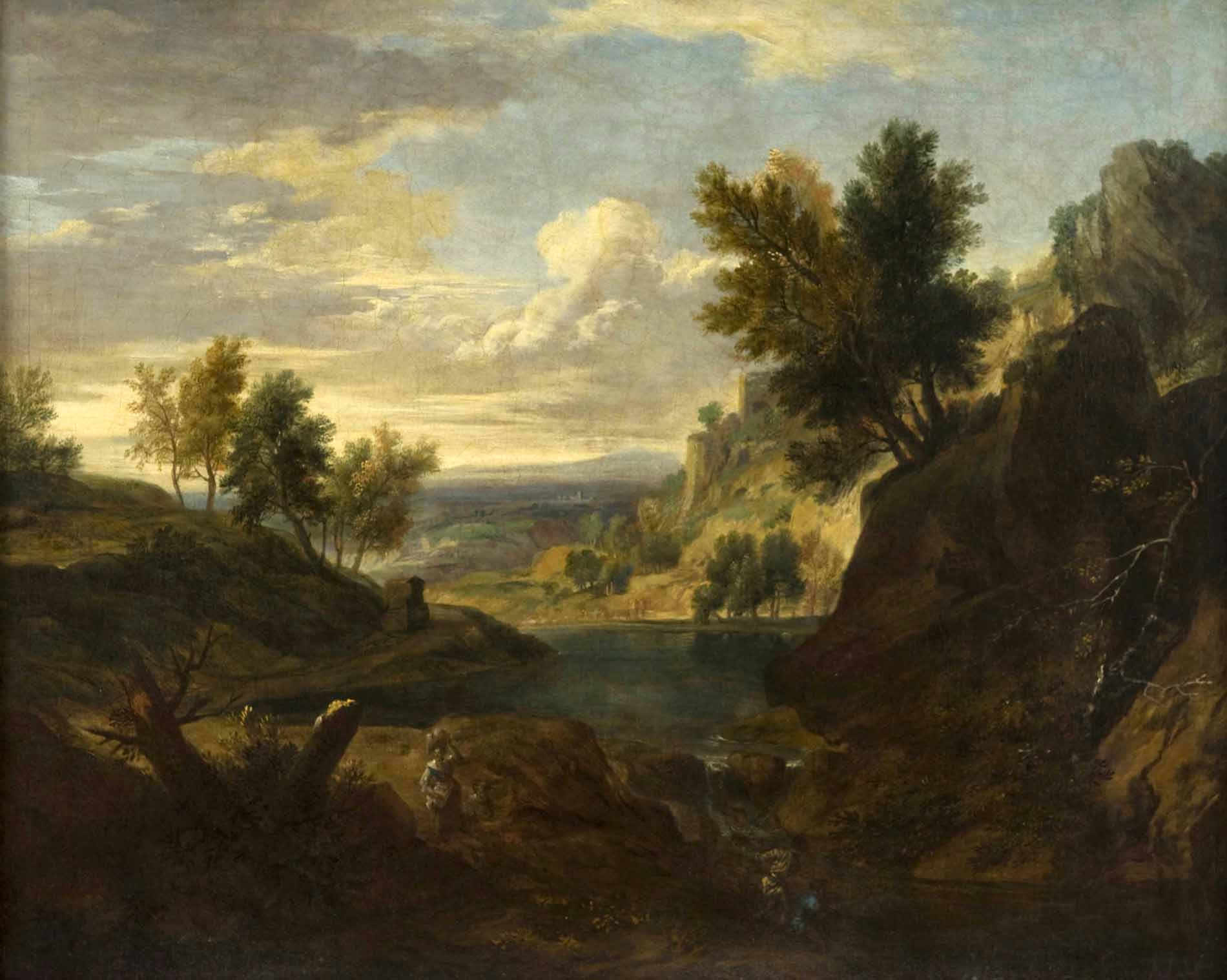
Gaspard Duguet, also known as Gaspard Poussin, was a French painter specialising in landscape painting. He was born into a family of French painters who settled in Rome.
Gaspard Duguet received his artistic training from his uncle, Nicolas Poussin, who was one of the leading Baroque painters. Duguet's early works were strongly influenced by Poussin's style, which emphasized clarity and orderliness of composition.
In the 1650s, Duguet began to develop a style of his own, characterized by his bold brushwork and vibrant use of colour. He became known for his ability to create dramatic and atmospheric landscapes, often depicting scenes from the Roman countryside.
Gaspar Duguet's paintings have a sense of grandeur and monumentality. His landscapes often feature classical ruins and ancient monuments, giving his works a sense of historical depth and resonance.
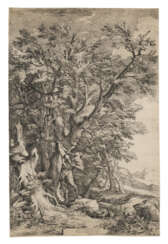

Salvator Rosa was a seventeenth-century Italian Baroque painter. He is also known as an engraver, poet and actor.
Salvator Rosa left a very diverse artistic heritage. He was interested in historical, religious, mythological and fantastic subjects, he painted landscapes, battle scenes, portraits, still lifes. Having joined the naturalists of the Neapolitan school of painting, Rosa, however, showed originality in his treatment of subjects. For example, in his paintings on historical themes he combined realistic images with fantastical composition.
The biography of Rosa himself, full of adventures, subsequently became the subject of legends, books, paintings and musical works.
Works of Salvator Rosa today are represented in many museums and private collections in Europe and Russia.
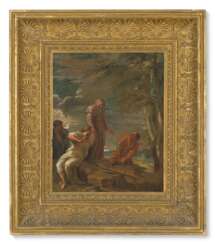

Salvator Rosa was a seventeenth-century Italian Baroque painter. He is also known as an engraver, poet and actor.
Salvator Rosa left a very diverse artistic heritage. He was interested in historical, religious, mythological and fantastic subjects, he painted landscapes, battle scenes, portraits, still lifes. Having joined the naturalists of the Neapolitan school of painting, Rosa, however, showed originality in his treatment of subjects. For example, in his paintings on historical themes he combined realistic images with fantastical composition.
The biography of Rosa himself, full of adventures, subsequently became the subject of legends, books, paintings and musical works.
Works of Salvator Rosa today are represented in many museums and private collections in Europe and Russia.


Salvator Rosa was a seventeenth-century Italian Baroque painter. He is also known as an engraver, poet and actor.
Salvator Rosa left a very diverse artistic heritage. He was interested in historical, religious, mythological and fantastic subjects, he painted landscapes, battle scenes, portraits, still lifes. Having joined the naturalists of the Neapolitan school of painting, Rosa, however, showed originality in his treatment of subjects. For example, in his paintings on historical themes he combined realistic images with fantastical composition.
The biography of Rosa himself, full of adventures, subsequently became the subject of legends, books, paintings and musical works.
Works of Salvator Rosa today are represented in many museums and private collections in Europe and Russia.
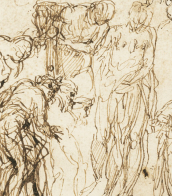


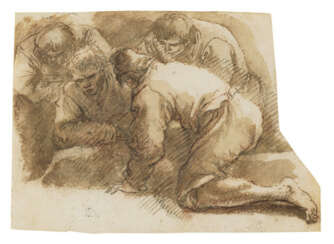

Salvator Rosa was a seventeenth-century Italian Baroque painter. He is also known as an engraver, poet and actor.
Salvator Rosa left a very diverse artistic heritage. He was interested in historical, religious, mythological and fantastic subjects, he painted landscapes, battle scenes, portraits, still lifes. Having joined the naturalists of the Neapolitan school of painting, Rosa, however, showed originality in his treatment of subjects. For example, in his paintings on historical themes he combined realistic images with fantastical composition.
The biography of Rosa himself, full of adventures, subsequently became the subject of legends, books, paintings and musical works.
Works of Salvator Rosa today are represented in many museums and private collections in Europe and Russia.

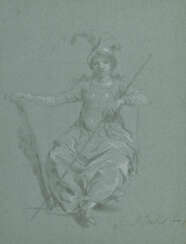

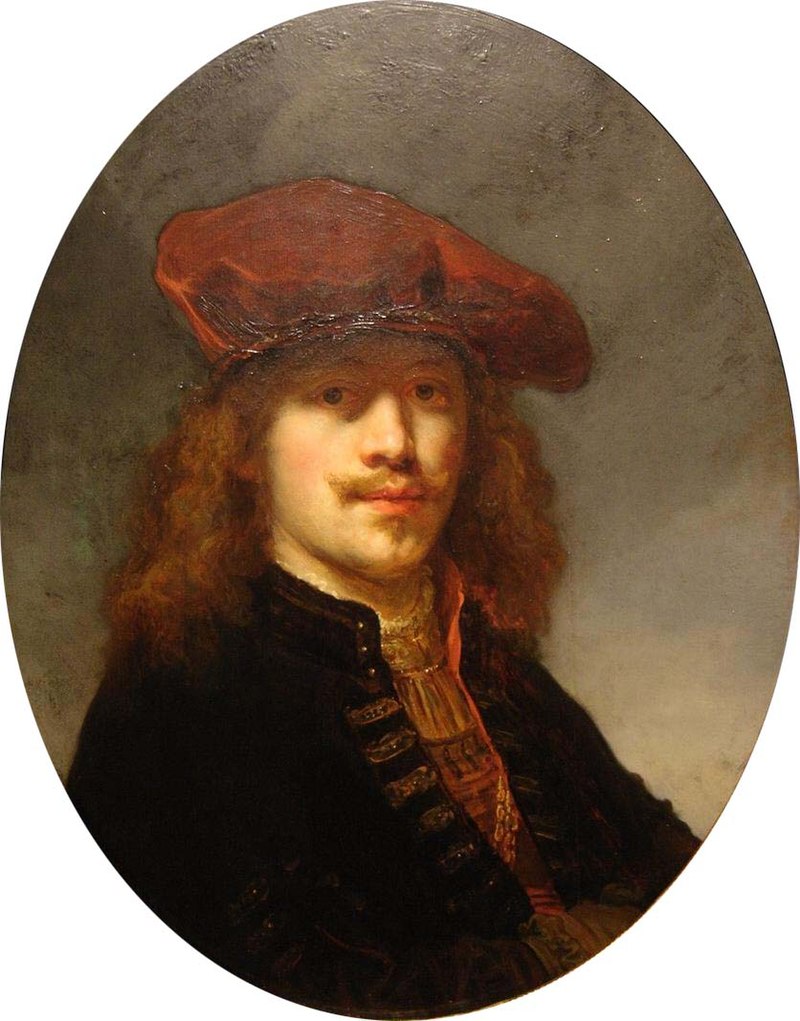
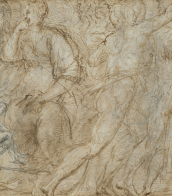


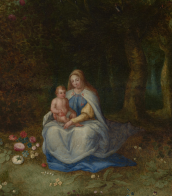


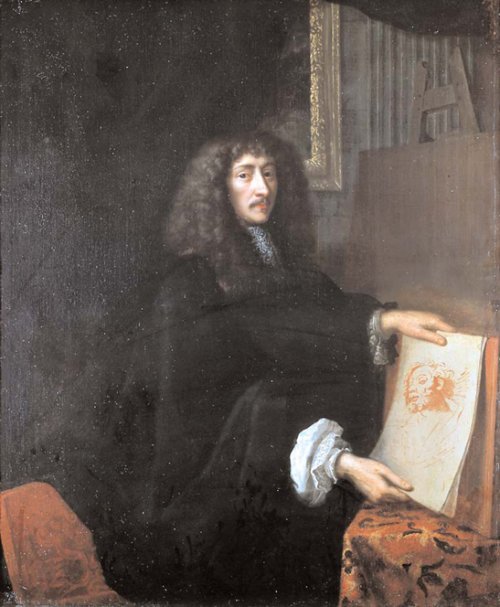
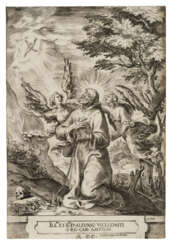

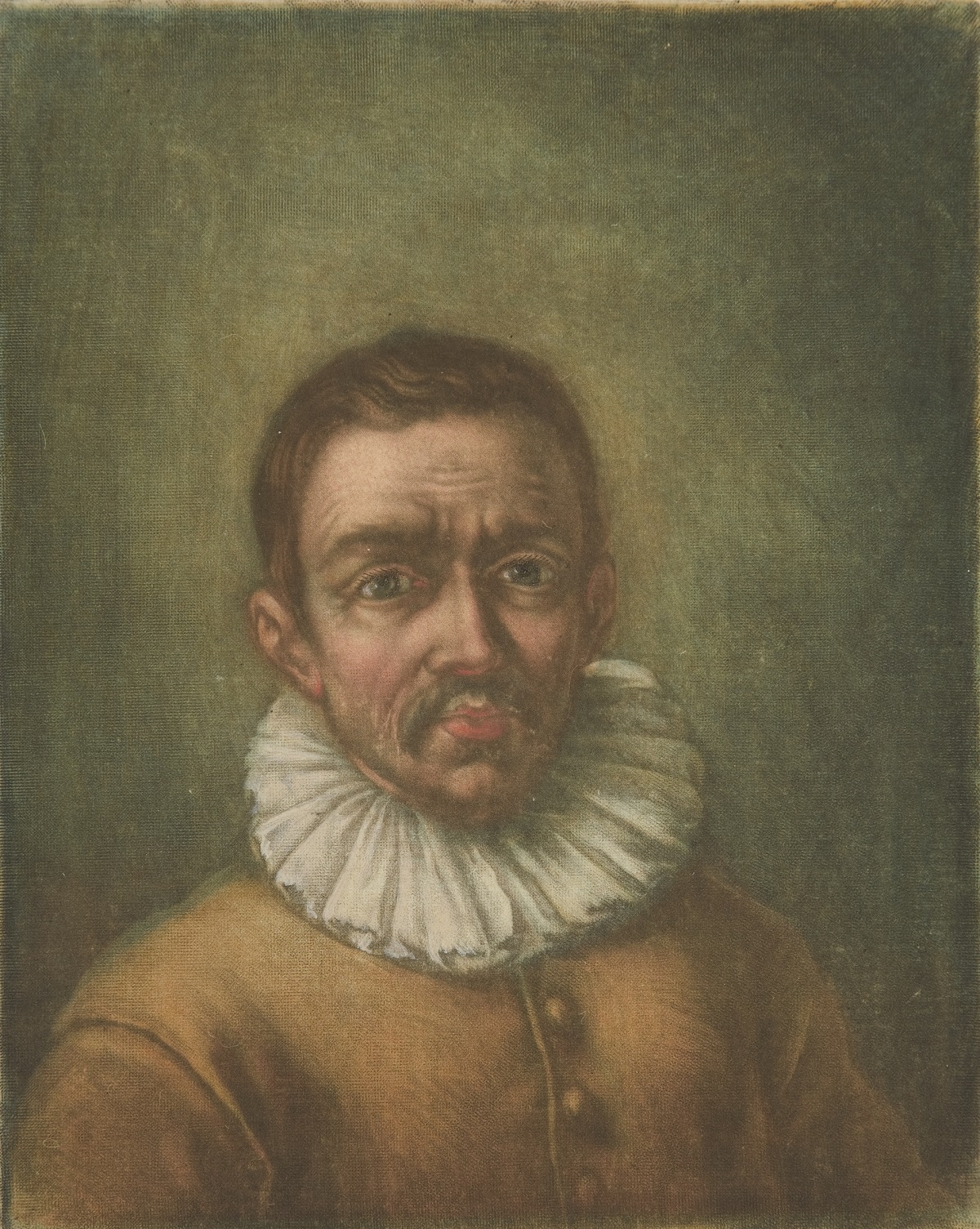
Cherubino Alberti, also called Borghegiano, was an Italian engraver and painter. He is most often remembered for the Roman frescoes completed with his brother Giovanni Alberti during the papacy of Clement VIII. He was most prolific as an engraver of copper plates.
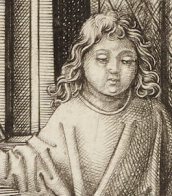
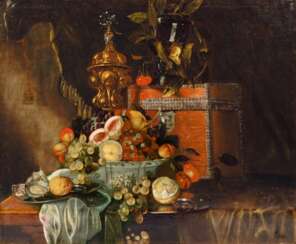

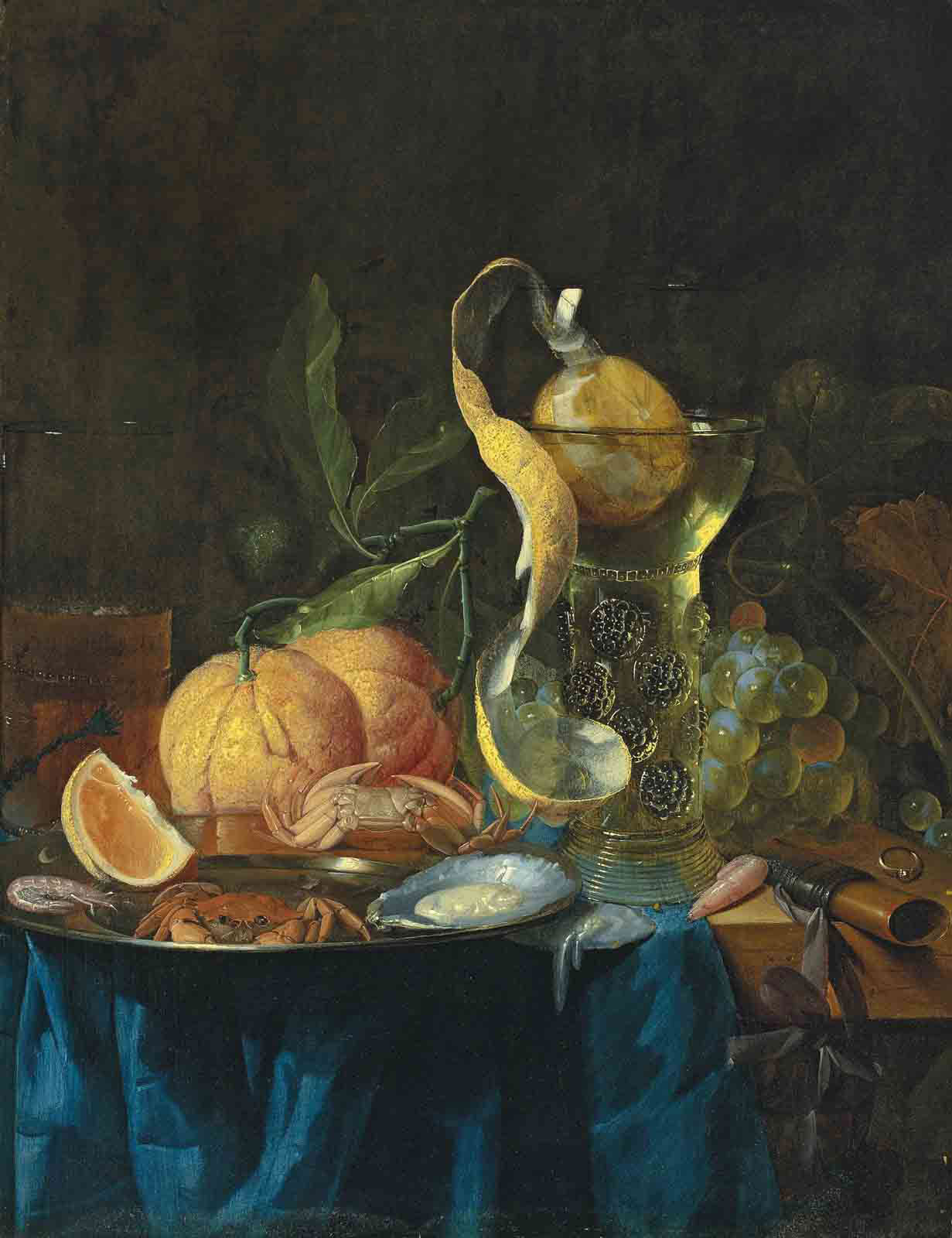
Pieter de Ring was a Dutch painter who specialised in still lifes. He became famous for his rich banquet depictions of fruit, shrimp, oysters, musical instruments, books and precious objects such as nautilus shells or Chinese porcelain.
In his youth, he worked as a bricklayer during the day and drew in the evening; the other family members all worked in the fabric industry. After painting a number of pictures, he apprenticed himself to Jan Davidsz. de Heem with his grandfather's permission. In 1647 he became a founding member of the Guild of Saint Lucas.
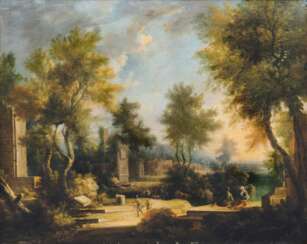

Gaspard Duguet, also known as Gaspard Poussin, was a French painter specialising in landscape painting. He was born into a family of French painters who settled in Rome.
Gaspard Duguet received his artistic training from his uncle, Nicolas Poussin, who was one of the leading Baroque painters. Duguet's early works were strongly influenced by Poussin's style, which emphasized clarity and orderliness of composition.
In the 1650s, Duguet began to develop a style of his own, characterized by his bold brushwork and vibrant use of colour. He became known for his ability to create dramatic and atmospheric landscapes, often depicting scenes from the Roman countryside.
Gaspar Duguet's paintings have a sense of grandeur and monumentality. His landscapes often feature classical ruins and ancient monuments, giving his works a sense of historical depth and resonance.
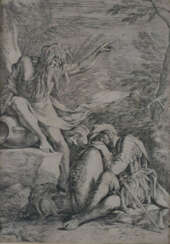

Salvator Rosa was a seventeenth-century Italian Baroque painter. He is also known as an engraver, poet and actor.
Salvator Rosa left a very diverse artistic heritage. He was interested in historical, religious, mythological and fantastic subjects, he painted landscapes, battle scenes, portraits, still lifes. Having joined the naturalists of the Neapolitan school of painting, Rosa, however, showed originality in his treatment of subjects. For example, in his paintings on historical themes he combined realistic images with fantastical composition.
The biography of Rosa himself, full of adventures, subsequently became the subject of legends, books, paintings and musical works.
Works of Salvator Rosa today are represented in many museums and private collections in Europe and Russia.


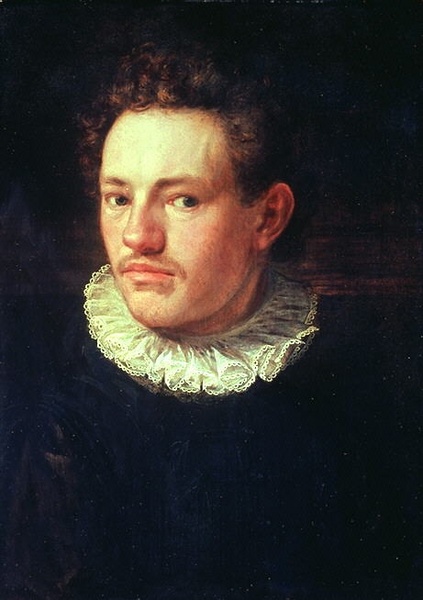
Hans von Aachen was a German painter, renowned for his role as a leading representative of Northern Mannerism. His journey into the art world took him from Rome, where he studied antique sculptures and the works of Italian masters, to Florence and then Venice, securing commissions that would define his early career. Notably, his work caught the attention of the Medici family, leading to significant commissions.
By 1592, von Aachen had become the official painter for Emperor Rudolf II in Prague. This position didn't require him to stay at court, allowing him to work from his residence. His relationship with Rudolf II was pivotal, marking a period where his art flourished under the emperor's patronage, celebrated for mythological paintings and complex allegories. The emperor's appreciation for painting and the arts transformed Prague into a significant art center, fostering a style full of elegance and sensuality known as Mannerism.
Hans von Aachen's style, influenced by Italian Mannerism and northern realism, showcased his versatility through portraits, historical, religious subjects, and allegories. His significant works include the "Allegory of Peace, Art and Abundance," depicting personifications of Peace, Science and the Liberal Arts, and Abundance, celebrated for illustrating the flourishing of these ideals under Rudolf II's reign. This piece, among others, found its home in prestigious collections like the Hermitage Museum in Saint Petersburg.
His contribution to the art world was acknowledged by the European courts, merchants, and the nobility. Even after Rudolf II's death, Hans von Aachen continued his work for Matthias, focusing on imperial portraits until his death in Prague in 1615. His legacy, momentarily overshadowed by the nationalistic perspectives of the 19th century, has been reevaluated, recognizing him as a key figure in European cultural exchange and Mannerism.
For art collectors and experts interested in Mannerism and Hans von Aachen's work, his journey from an admired artist at European courts to a celebrated figure in art history underscores the lasting impact of his work. His ability to navigate the cultural and artistic demands of his time, leaving behind a body of work that continues to be studied and appreciated, makes him a fascinating subject of study.
For updates on new product sales and auction events related to Hans von Aachen, sign up here. This subscription is your gateway to exploring the remarkable works of this distinguished Mannerist painter, ensuring you never miss an opportunity to own a piece of history.
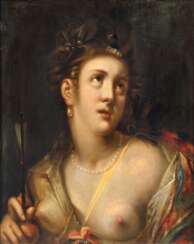

Hans von Aachen was a German painter, renowned for his role as a leading representative of Northern Mannerism. His journey into the art world took him from Rome, where he studied antique sculptures and the works of Italian masters, to Florence and then Venice, securing commissions that would define his early career. Notably, his work caught the attention of the Medici family, leading to significant commissions.
By 1592, von Aachen had become the official painter for Emperor Rudolf II in Prague. This position didn't require him to stay at court, allowing him to work from his residence. His relationship with Rudolf II was pivotal, marking a period where his art flourished under the emperor's patronage, celebrated for mythological paintings and complex allegories. The emperor's appreciation for painting and the arts transformed Prague into a significant art center, fostering a style full of elegance and sensuality known as Mannerism.
Hans von Aachen's style, influenced by Italian Mannerism and northern realism, showcased his versatility through portraits, historical, religious subjects, and allegories. His significant works include the "Allegory of Peace, Art and Abundance," depicting personifications of Peace, Science and the Liberal Arts, and Abundance, celebrated for illustrating the flourishing of these ideals under Rudolf II's reign. This piece, among others, found its home in prestigious collections like the Hermitage Museum in Saint Petersburg.
His contribution to the art world was acknowledged by the European courts, merchants, and the nobility. Even after Rudolf II's death, Hans von Aachen continued his work for Matthias, focusing on imperial portraits until his death in Prague in 1615. His legacy, momentarily overshadowed by the nationalistic perspectives of the 19th century, has been reevaluated, recognizing him as a key figure in European cultural exchange and Mannerism.
For art collectors and experts interested in Mannerism and Hans von Aachen's work, his journey from an admired artist at European courts to a celebrated figure in art history underscores the lasting impact of his work. His ability to navigate the cultural and artistic demands of his time, leaving behind a body of work that continues to be studied and appreciated, makes him a fascinating subject of study.
For updates on new product sales and auction events related to Hans von Aachen, sign up here. This subscription is your gateway to exploring the remarkable works of this distinguished Mannerist painter, ensuring you never miss an opportunity to own a piece of history.
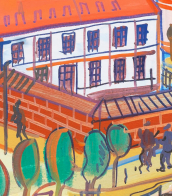
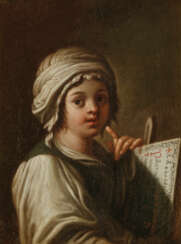

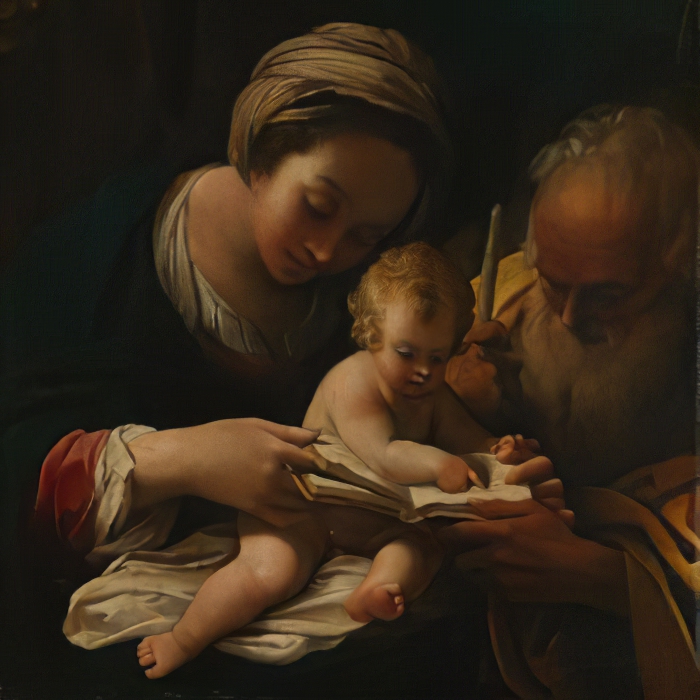
Bartolomeo Schedoni (sometimes Schedone) was an Italian early Baroque painter from Modena.
Schedoni's paintings often depict brilliantly lit figures set against a dark background. Great emphasis is given to the angular patterns of brightly colored drapery, which, according to the art historian Lawrence Gowing, "almost obscure the narrative content of the scene and instead disseminate a pervading sense of emotional emergency."

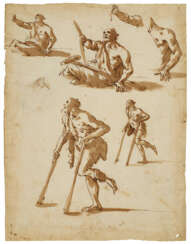

Salvator Rosa was a seventeenth-century Italian Baroque painter. He is also known as an engraver, poet and actor.
Salvator Rosa left a very diverse artistic heritage. He was interested in historical, religious, mythological and fantastic subjects, he painted landscapes, battle scenes, portraits, still lifes. Having joined the naturalists of the Neapolitan school of painting, Rosa, however, showed originality in his treatment of subjects. For example, in his paintings on historical themes he combined realistic images with fantastical composition.
The biography of Rosa himself, full of adventures, subsequently became the subject of legends, books, paintings and musical works.
Works of Salvator Rosa today are represented in many museums and private collections in Europe and Russia.









![[PASQUIER, Étienne (1529-1615)]. La Main ou OEuvres poétiques faits sur la Main de Estienne Pasquier, Advocat au Parlement de Paris. Paris : Michel Gadouleau, 1584.](/assets/image/picture_1321011/12f17/4e5a4ee6f2802a1e1adddce24f5bd5ca1616454000jpg__fix_374_244.jpeg)
![[PASQUIER, Étienne (1529-1615)]. La Main ou OEuvres poétiques faits sur la Main de Estienne Pasquier, Advocat au Parlement de Paris. Paris : Michel Gadouleau, 1584.](https://veryimportantlot.com/assets/image/picture_1321011/12f17/4e5a4ee6f2802a1e1adddce24f5bd5ca1616454000jpg__fix_374_244.jpeg)