18&






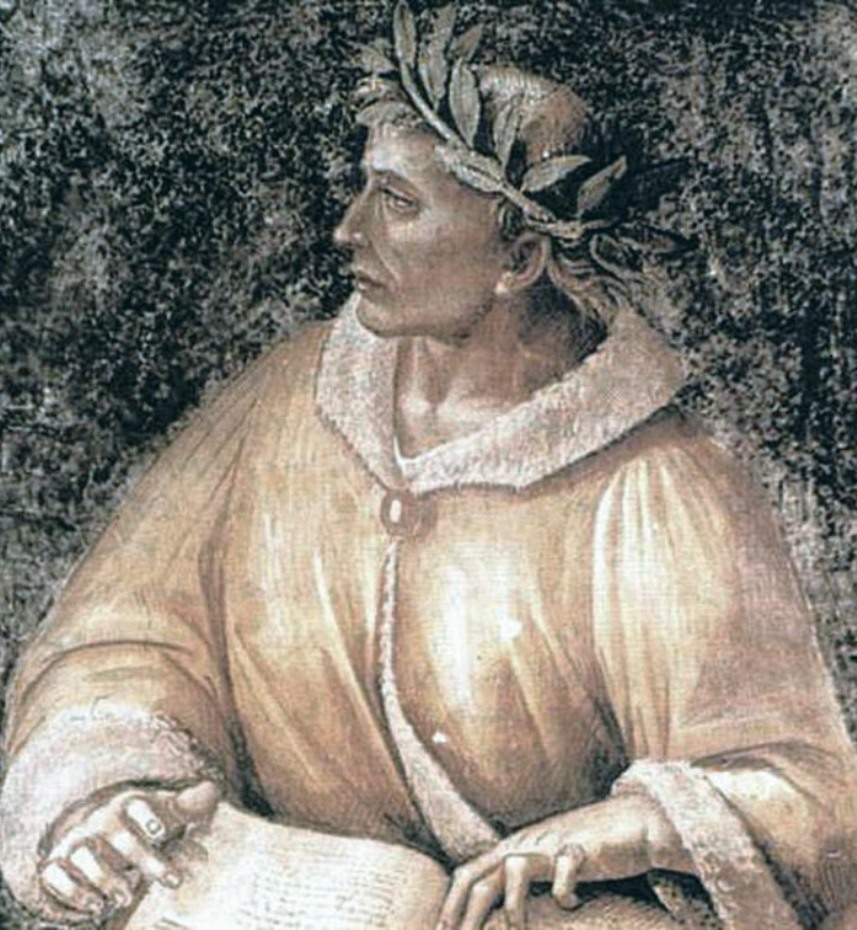
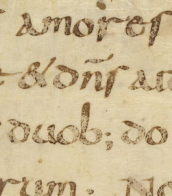
Publius Ovidius Naso, known as Ovidius (Ovid), was an ancient Roman poet who lived during the reign of Emperor Augustus.
Most of the information about the life and work of Ovid, scholars have drawn from his own works, as well as from the works of Seneca the Elder and Marcus Fabius Quintilianus. Ovid was from a fairly high class of "horsemen", studied rhetoric at the maestros of oratory of the ancient Roman Empire, and then went traveling, visiting Athens, Asia Minor and Sicily. As a young man, Ovid held minor public offices, was a member of the college of civil affairs, and served in an office that performed spiritual and secular duties at the state level.
However, Ovid was much more attracted to poetry, and he resigned and about 29-25 BC joined the circle of those chosen under the patronage of Marcus Valerius Messala Corvinus. After publishing Amores, a collection of love-erotic lyrics, around 15-16 BC, Ovid became one of Rome's most popular poets. He became famous for his works in the genre of elegy, as well as for his epic poem Metamorphoses (8 AD), which became one of the most important sources in the study of classical mythology.
For reasons unknown to us, in 8 A.D. Ovid was disgraced and exiled for the rest of his life to Tomes on the Black Sea, where he wrote his "Mournful Elegies" and a poem cycle entitled "Letters from Pontus". A contemporary of Virgil and Horace, Ovid was one of the three canonical representatives of Latin literature.
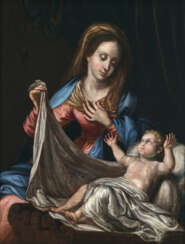

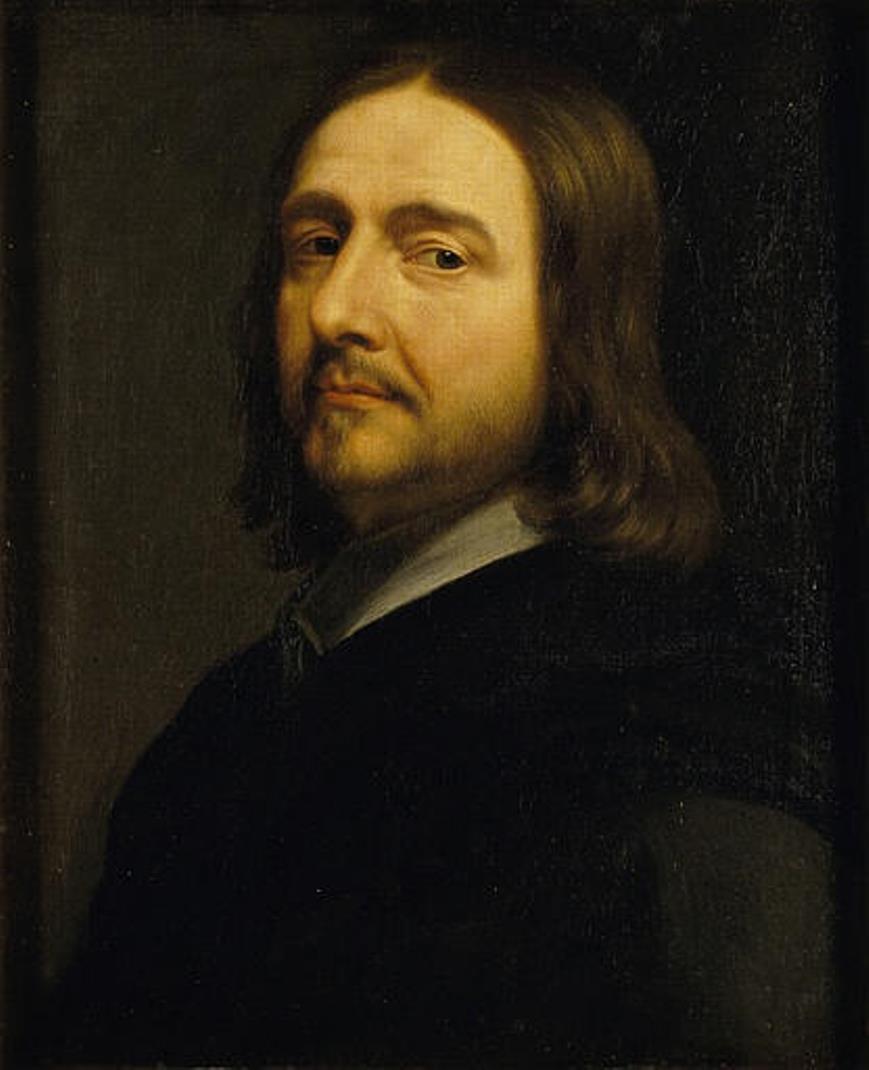
Philippe de Champaigne was a French painter and engraver of Flemish origin, a major representative of the French Baroque school. He was one of the founders of the Royal Academy of Painting and Sculpture in Paris. Champaigne created a very large number of portraits of the high nobility, as well as paintings on religious themes.
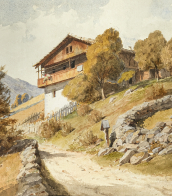


Philippe de Champaigne was a French painter and engraver of Flemish origin, a major representative of the French Baroque school. He was one of the founders of the Royal Academy of Painting and Sculpture in Paris. Champaigne created a very large number of portraits of the high nobility, as well as paintings on religious themes.

































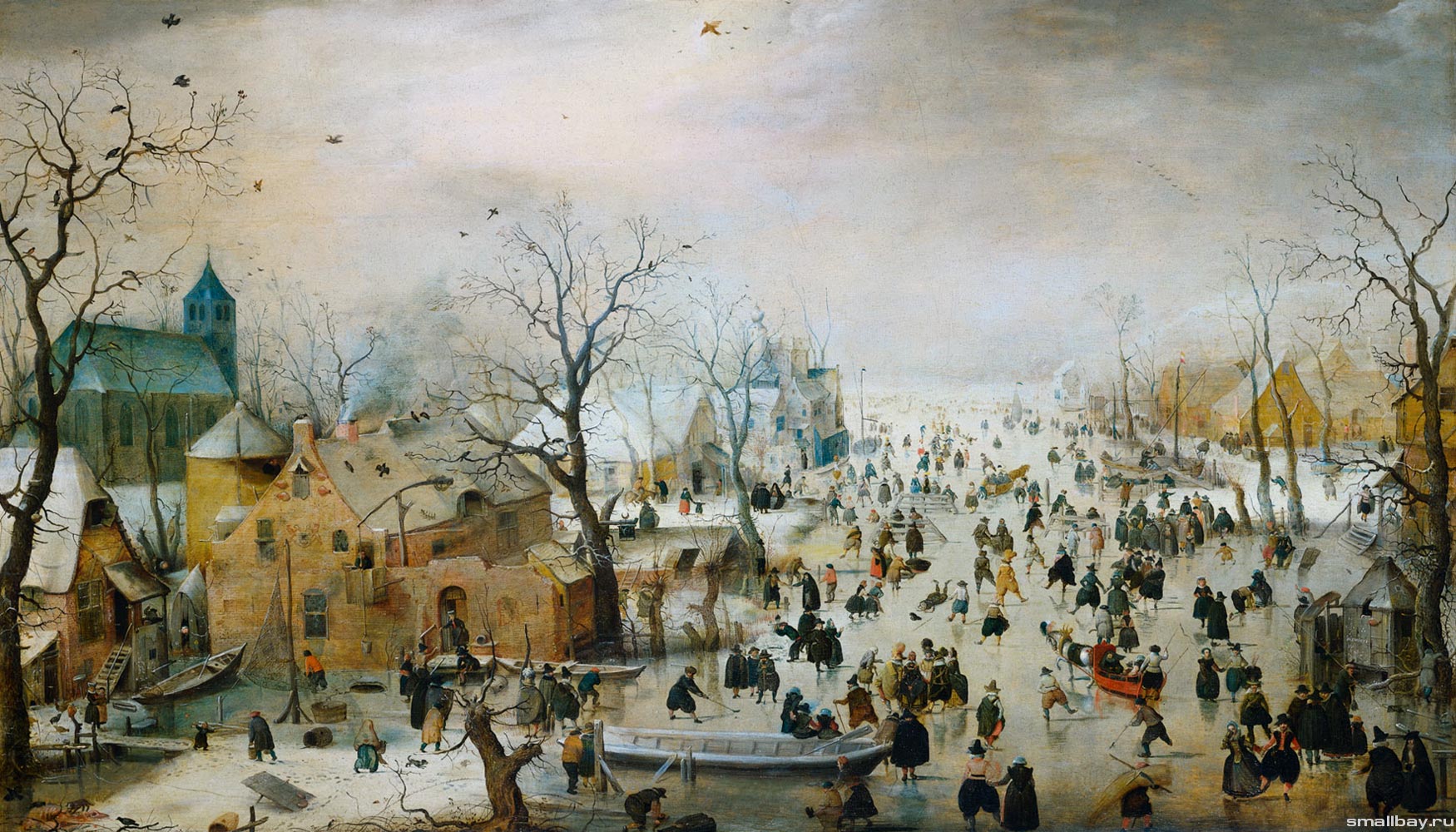
Hendrick Avercamp was a seminal Dutch painter during the Dutch Golden Age. He is celebrated as one of the earliest landscape painters of the 17th-century Dutch school, specializing in vibrant winter scenes of the Netherlands. His paintings are filled with colorful and lively depictions of people engaging in various activities against the backdrop of the Dutch winter landscape.
Educated by the Danish-born portrait painter Pieter Isaacsz, Hendrick Avercamp's work reflects a strong influence from the Flemish painting tradition, especially evident in the landscapes reminiscent of Pieter Bruegel the Elder. His technique of aerial perspective, where objects in the foreground are painted with richer colors than those in the distance, creates a remarkable impression of depth in his paintings.
Hendrick Avercamp's most ambitious and acclaimed work, 'Winter Landscape with Ice Skaters', painted around 1608, is a detailed panorama of human and animal activities during a harsh winter. This painting, along with others like 'Winter Landscape with a Frozen River and Figures' and 'Winter Landscape with Skates and People Playing Golf', showcase his knack for narrative, capturing various facets of 17th-century Dutch society enjoying the winter season.
Despite being mute and probably deaf, Hendrick Avercamp's keen observation skills are evident in his works, where he intricately portrays diverse classes engaging in various winter activities. He produced about a hundred paintings, many of which can be seen in the Rijksmuseum in Amsterdam and the Mauritshuis in The Hague. His work was also celebrated for its historical quality, providing a glimpse into the life of different societal levels in the Netherlands at that time.
For collectors and enthusiasts of art and antiques, Hendrick Avercamp's paintings offer a fascinating window into the Dutch Golden Age, with their vivid portrayal of life and activities in a winter setting. His works, characterized by meticulous detail and a cheerful narrative, remain an integral part of the conversation in the history of Dutch art.
To stay updated on the latest insights and collections related to Hendrick Avercamp's works, consider subscribing to our updates. Stay informed about new sales, exhibitions, and auction events featuring this master of Dutch winter landscapes.