1883


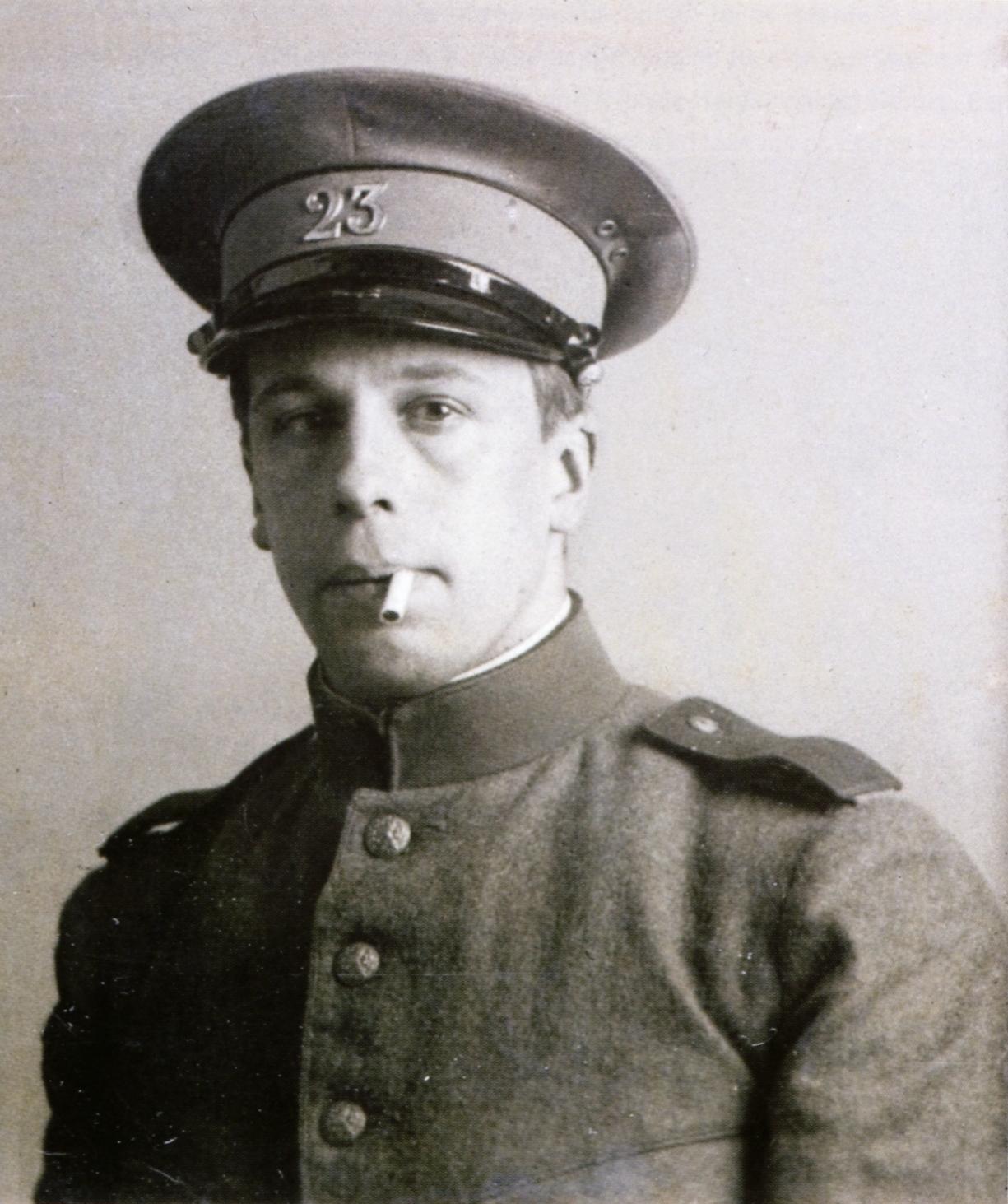
Theo van Doesburg, real name Christian Emil Marie Küpper, is a Dutch painter, architect and sculptor, art theorist, co-founder of the Style Group and of Neoplasticism.
Theo van Doesburg co-founded with Piet Mondrian the De Stijl abstract art movement. The basis of van Doesburg's views was the attempt to reduce all forms of objective harmony in a work of art to certain geometric elements. These new principles soon had a significant influence on the development of architecture, literature, graphics and music.


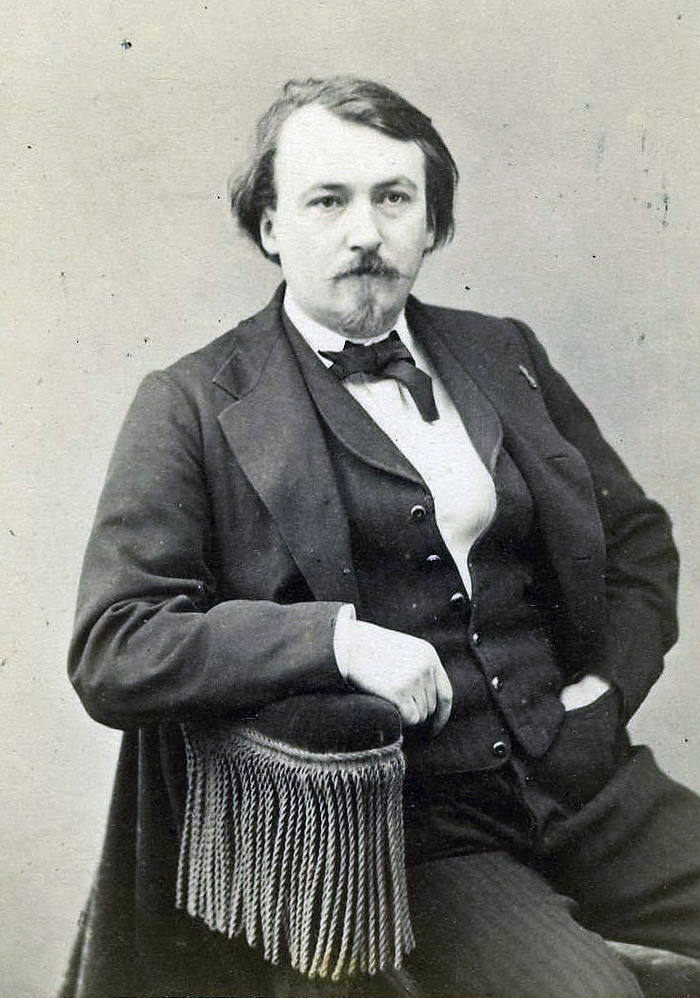
Gustave Doré, full name Paul Gustave Louis Christophe Doré, was a French painter, sculptor, graphic artist, illustrator, and cartoonist.
Doré was very industrious and prolific: he created more than 10,000 illustrations for art books as well as the Bible. He decorated the works of Rabelais, Balzac, Cervantes, Dante and Milton with his lively drawings, making Doré's name famous. He had a special gift for illustrating nature and fairy tales.


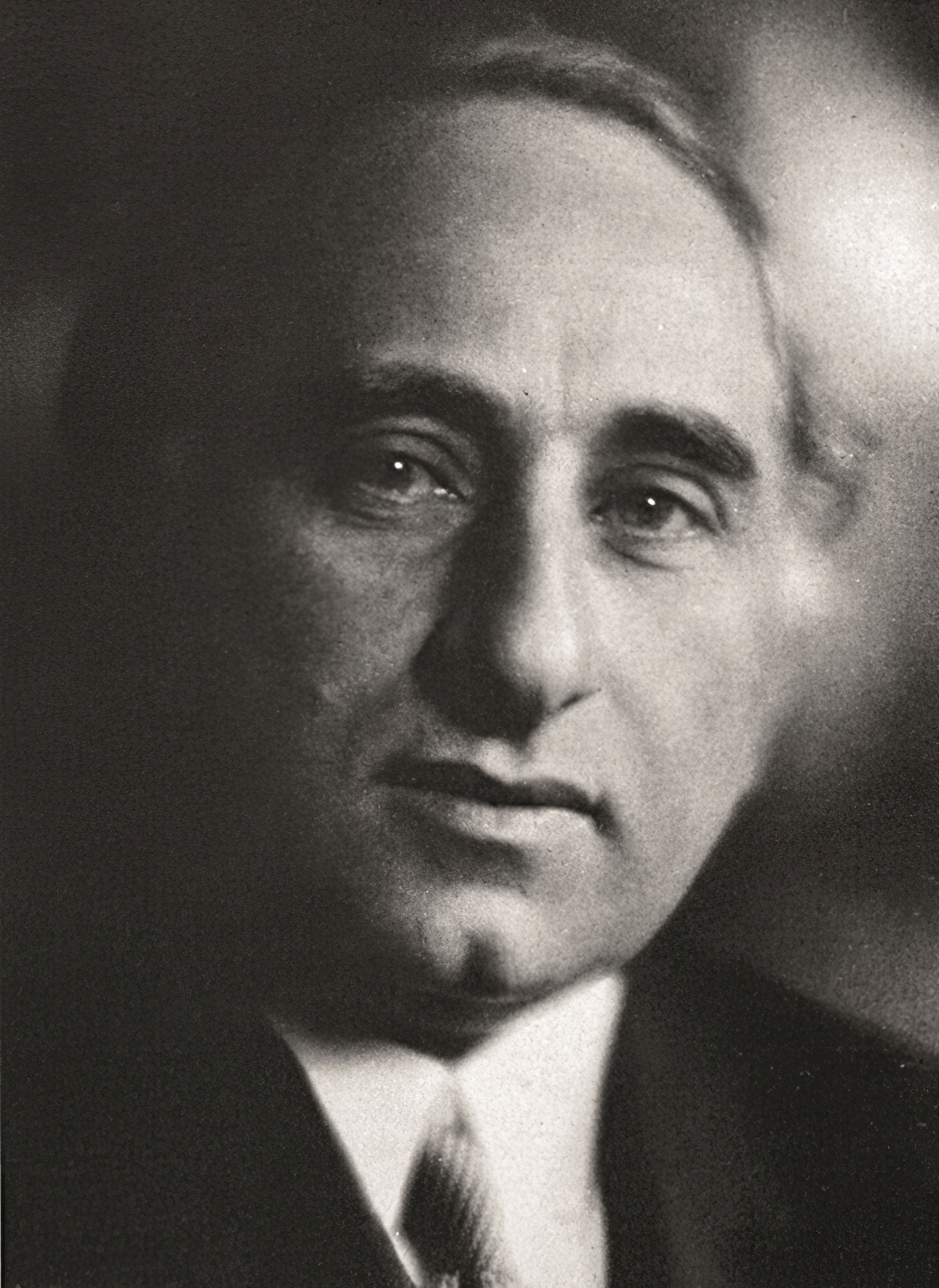
Pierre Chareau was a French architect and designer.
Chareau designed the first house in France made of steel and glass, the Maison de Verre.
Chareau was a member of Congrès International d'Architecture Moderne.
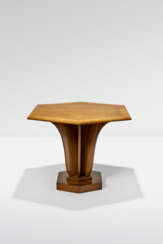

Pierre Chareau was a French architect and designer.
Chareau designed the first house in France made of steel and glass, the Maison de Verre.
Chareau was a member of Congrès International d'Architecture Moderne.
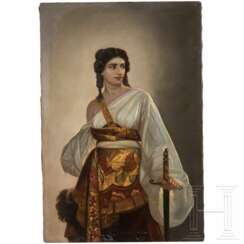

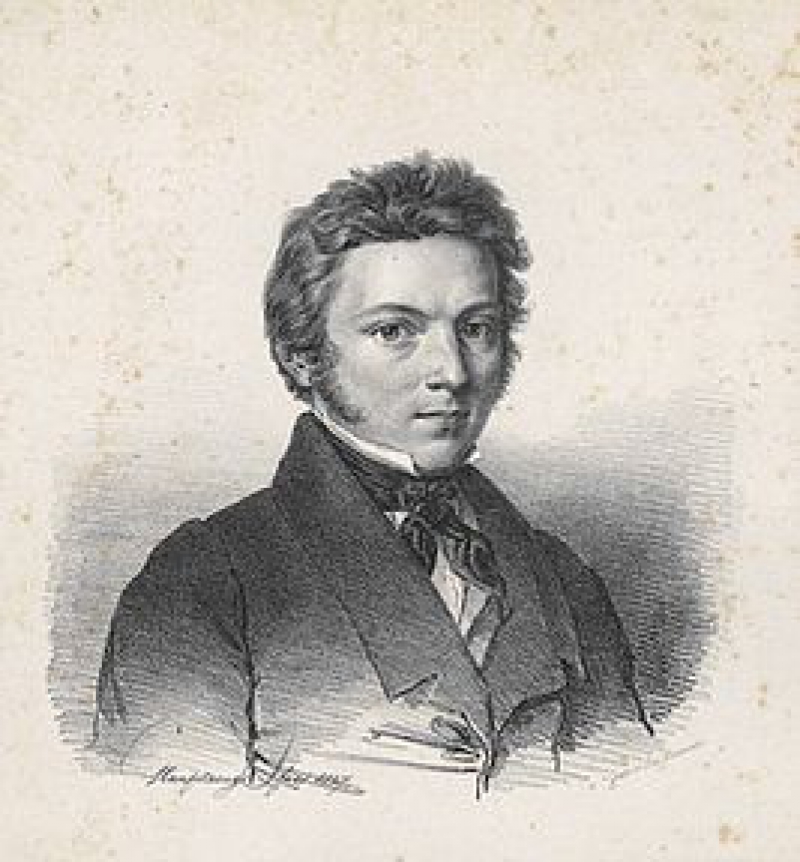
Johann Friedrich Ludwig Heinrich August Riedel was a German painter of the mid-nineteenth century who lived most of his life in Italy. He is known as a painter famous for his genre scenes and sensual portraits of women.
August Riedel also created psychological portraits, but his main "skate" is considered to be Italian genre scenes with a rich and light color scheme. One of his most famous works is a painting of the biblical Judith, painted in 1840. Riedel enjoyed success as an artist, receiving commissions from noble representatives of Germany, Italy and Bavaria, but over time his fame waned as public tastes turned to realism.

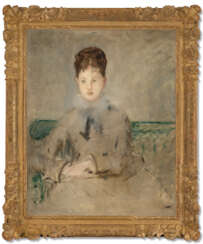


Édouard Manet, a French modernist painter born in 1832, was one of the pioneering artists of the 19th century who ventured into painting modern life, marking a significant transition from Realism to Impressionism. His notable works, such as "The Luncheon on the Grass" and "Olympia," both created in the early 1860s, were radical for their time and sparked controversy for their unconventional subject matter and depiction of modern life. These pieces, among others, have been recognized as milestones in the development of modern art.
Manet's background was one of privilege and connection, coming from an upper-class family with strong political ties. Despite expectations for him to pursue a career in law or the navy, Manet was drawn to painting from a young age, influenced by his uncle and the works of Old Masters like Diego Velázquez and Francisco José de Goya during his visits to the Louvre. His early rejection from the naval academy led him to fully commit to an art education under Thomas Couture, where he developed his unique style characterized by loose brush strokes and a focus on contemporary subjects over traditional historical, religious, or mythological themes.
Throughout his career, Manet's work was often met with criticism for its apparent disregard for traditional painting techniques and its bold choice of subject matter. Despite this, his exhibitions, including a self-organized one across from the Exposition Universelle in 1867, gradually gained the recognition and support of fellow artists and critics. His relationships with contemporaries like Émile Zola, Edgar Degas, and Claude Monet were crucial in his development and in establishing his legacy as a forerunner to the Impressionist movement, despite never formally joining their exhibitions.
Manet's influence on modern art cannot be overstated. His works are housed in prestigious museums worldwide, including the Musée d'Orsay in Paris, which holds "The Luncheon on the Grass," a testament to his enduring impact on the art world. Manet's ability to capture the essence of modern life, combined with his innovative techniques, positioned him as a central figure in the transition towards modern artistic expressions.
For collectors and experts in art and antiques, Manet's work represents not just the innovation of the 19th century but also the enduring appeal of an artist who dared to challenge the status quo. His paintings are not just artifacts of their time but also serve as a bridge between traditional and modern art, offering insight into the evolution of artistic expression.
To stay informed about new product sales, auction events, and updates related to Édouard Manet, signing up for updates can be a valuable resource for enthusiasts looking to deepen their understanding of this pivotal artist's contributions to the world of art.
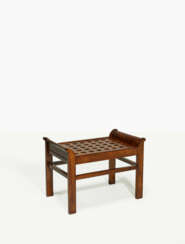

Pierre Chareau was a French architect and designer.
Chareau designed the first house in France made of steel and glass, the Maison de Verre.
Chareau was a member of Congrès International d'Architecture Moderne.
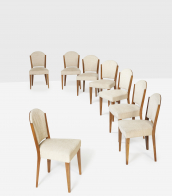


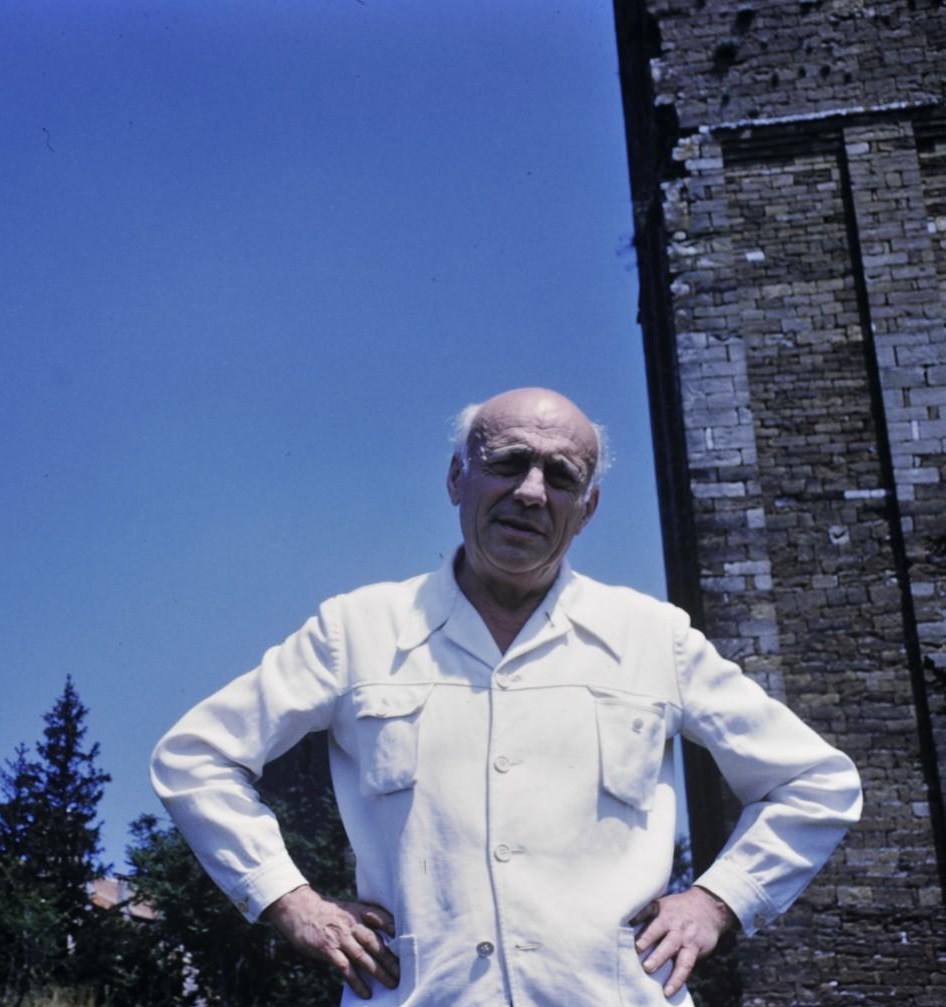
Jean Lurçat was a French artist noted for his role in the revival of contemporary tapestry.
Pierre Chareau was a French architect and designer.
Chareau designed the first house in France made of steel and glass, the Maison de Verre.
Chareau was a member of Congrès International d'Architecture Moderne.
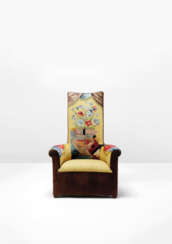

Jean Lurçat was a French artist noted for his role in the revival of contemporary tapestry.
Pierre Chareau was a French architect and designer.
Chareau designed the first house in France made of steel and glass, the Maison de Verre.
Chareau was a member of Congrès International d'Architecture Moderne.
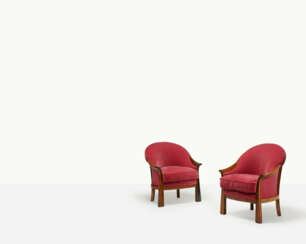

Pierre Chareau was a French architect and designer.
Chareau designed the first house in France made of steel and glass, the Maison de Verre.
Chareau was a member of Congrès International d'Architecture Moderne.
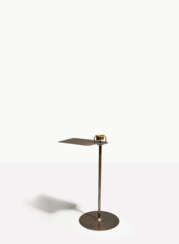

Pierre Chareau was a French architect and designer.
Chareau designed the first house in France made of steel and glass, the Maison de Verre.
Chareau was a member of Congrès International d'Architecture Moderne.
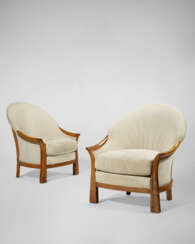

Pierre Chareau was a French architect and designer.
Chareau designed the first house in France made of steel and glass, the Maison de Verre.
Chareau was a member of Congrès International d'Architecture Moderne.
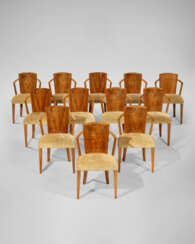

Pierre Chareau was a French architect and designer.
Chareau designed the first house in France made of steel and glass, the Maison de Verre.
Chareau was a member of Congrès International d'Architecture Moderne.


Pierre Chareau was a French architect and designer.
Chareau designed the first house in France made of steel and glass, the Maison de Verre.
Chareau was a member of Congrès International d'Architecture Moderne.
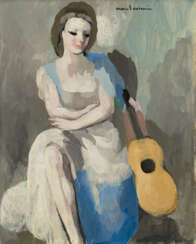

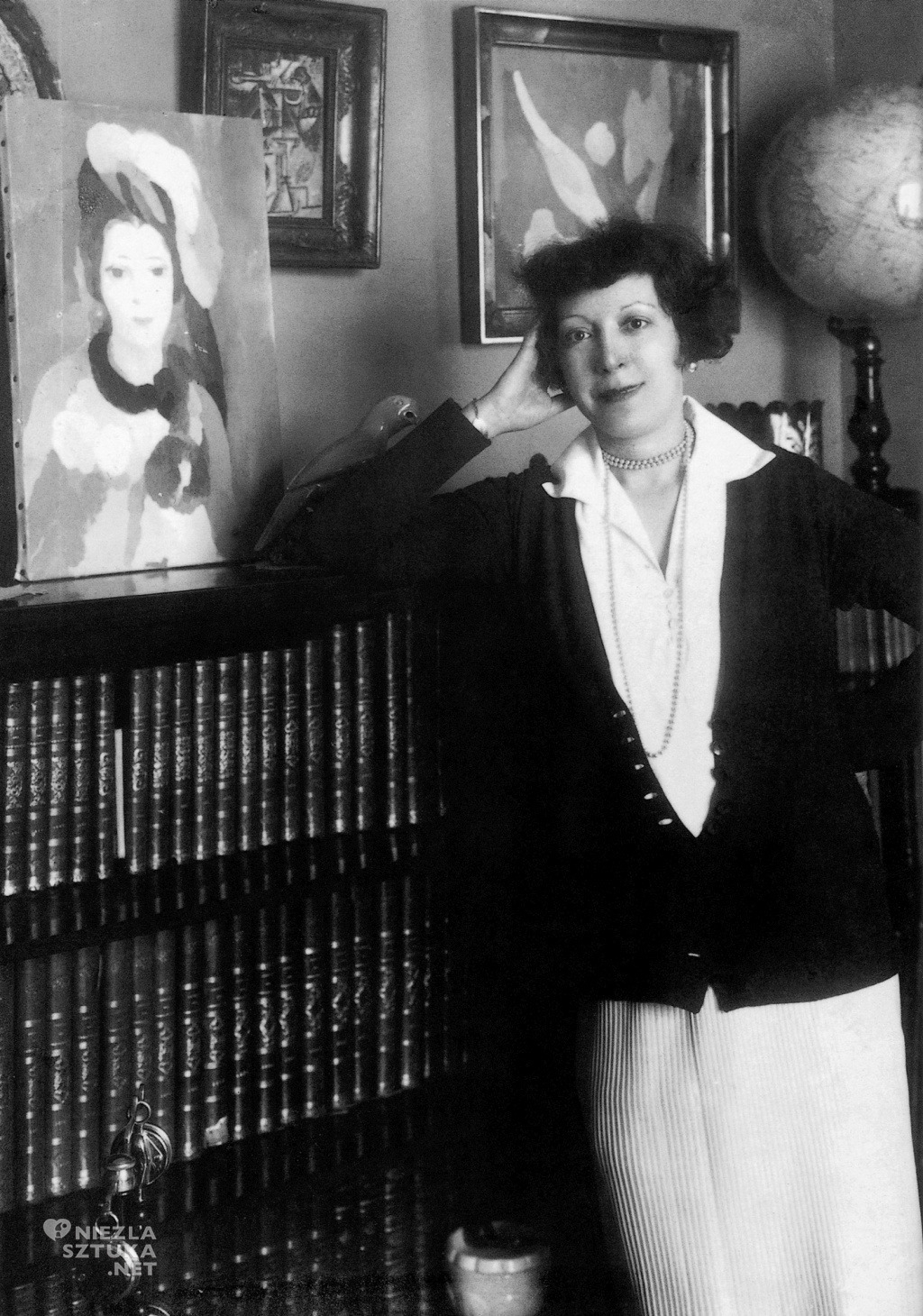
Marie Laurencin was a pivotal figure in the Parisian avant-garde, a French artist renowned for her distinct approach to painting. Unlike her contemporaries who embraced the bold facets of Cubism, Laurencin carved a niche for herself with a palette of soft pastels and a focus on ethereal female forms. Her work, embodying an enchanted, feminine world devoid of masculine presence, was revolutionary for its time, offering a sanctuary of female harmony that was both subtle and profound.
Laurencin's oeuvre extends beyond paintings to include watercolors, drawings, and prints, with notable works such as "Les jeunes filles" and "Portrait de Mademoiselle Chanel" finding homes in prestigious institutions like the Museum of Modern Art in New York and the Musée de l'Orangerie in Paris. Her legacy is further cemented by the Musée Marie Laurencin in Nagano, Japan, the only museum dedicated solely to a female painter, showcasing over 600 of her pieces.
Her approach diverged significantly from the norms of Cubism, incorporating a distinctly feminine aesthetic through the use of pastel colors and curvilinear forms. This unique style set her apart from peers and positioned her as one of the few female Cubist painters, alongside figures like Sonia Delaunay and Marie Vorobieff. Laurencin's artistry was not just an exploration of femininity but a celebration of it, challenging the dominant artistic narratives of her time.
The critique of Laurencin's work for its deliberate embrace of femininity and decorative qualities overlooks the radical essence of her aesthetic. Her paintings, characterized by serene and charming depictions of women, argue for a creative space where the feminine is not just visible but central. Works like "The Fan" and "Spanish Dancers" exemplify her ability to create intimate, self-sufficient worlds that engage the viewer in narratives of absence, longing, and female solidarity.
For collectors and experts in art and antiques, Laurencin's work offers a nuanced understanding of early 20th-century modern art movements through the lens of femininity. Her contributions to art history reflect a bold reimagining of the female form and the spaces women occupy, both in the physical and imaginative realms.
To stay informed about new product sales and auction events related to Marie Laurencin, sign up for updates. This subscription ensures you remain at the forefront of the latest developments and opportunities to acquire works by this groundbreaking artist.
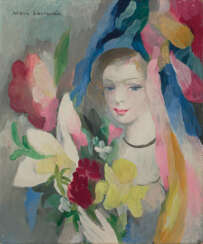

Marie Laurencin was a pivotal figure in the Parisian avant-garde, a French artist renowned for her distinct approach to painting. Unlike her contemporaries who embraced the bold facets of Cubism, Laurencin carved a niche for herself with a palette of soft pastels and a focus on ethereal female forms. Her work, embodying an enchanted, feminine world devoid of masculine presence, was revolutionary for its time, offering a sanctuary of female harmony that was both subtle and profound.
Laurencin's oeuvre extends beyond paintings to include watercolors, drawings, and prints, with notable works such as "Les jeunes filles" and "Portrait de Mademoiselle Chanel" finding homes in prestigious institutions like the Museum of Modern Art in New York and the Musée de l'Orangerie in Paris. Her legacy is further cemented by the Musée Marie Laurencin in Nagano, Japan, the only museum dedicated solely to a female painter, showcasing over 600 of her pieces.
Her approach diverged significantly from the norms of Cubism, incorporating a distinctly feminine aesthetic through the use of pastel colors and curvilinear forms. This unique style set her apart from peers and positioned her as one of the few female Cubist painters, alongside figures like Sonia Delaunay and Marie Vorobieff. Laurencin's artistry was not just an exploration of femininity but a celebration of it, challenging the dominant artistic narratives of her time.
The critique of Laurencin's work for its deliberate embrace of femininity and decorative qualities overlooks the radical essence of her aesthetic. Her paintings, characterized by serene and charming depictions of women, argue for a creative space where the feminine is not just visible but central. Works like "The Fan" and "Spanish Dancers" exemplify her ability to create intimate, self-sufficient worlds that engage the viewer in narratives of absence, longing, and female solidarity.
For collectors and experts in art and antiques, Laurencin's work offers a nuanced understanding of early 20th-century modern art movements through the lens of femininity. Her contributions to art history reflect a bold reimagining of the female form and the spaces women occupy, both in the physical and imaginative realms.
To stay informed about new product sales and auction events related to Marie Laurencin, sign up for updates. This subscription ensures you remain at the forefront of the latest developments and opportunities to acquire works by this groundbreaking artist.
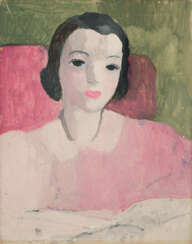

Marie Laurencin was a pivotal figure in the Parisian avant-garde, a French artist renowned for her distinct approach to painting. Unlike her contemporaries who embraced the bold facets of Cubism, Laurencin carved a niche for herself with a palette of soft pastels and a focus on ethereal female forms. Her work, embodying an enchanted, feminine world devoid of masculine presence, was revolutionary for its time, offering a sanctuary of female harmony that was both subtle and profound.
Laurencin's oeuvre extends beyond paintings to include watercolors, drawings, and prints, with notable works such as "Les jeunes filles" and "Portrait de Mademoiselle Chanel" finding homes in prestigious institutions like the Museum of Modern Art in New York and the Musée de l'Orangerie in Paris. Her legacy is further cemented by the Musée Marie Laurencin in Nagano, Japan, the only museum dedicated solely to a female painter, showcasing over 600 of her pieces.
Her approach diverged significantly from the norms of Cubism, incorporating a distinctly feminine aesthetic through the use of pastel colors and curvilinear forms. This unique style set her apart from peers and positioned her as one of the few female Cubist painters, alongside figures like Sonia Delaunay and Marie Vorobieff. Laurencin's artistry was not just an exploration of femininity but a celebration of it, challenging the dominant artistic narratives of her time.
The critique of Laurencin's work for its deliberate embrace of femininity and decorative qualities overlooks the radical essence of her aesthetic. Her paintings, characterized by serene and charming depictions of women, argue for a creative space where the feminine is not just visible but central. Works like "The Fan" and "Spanish Dancers" exemplify her ability to create intimate, self-sufficient worlds that engage the viewer in narratives of absence, longing, and female solidarity.
For collectors and experts in art and antiques, Laurencin's work offers a nuanced understanding of early 20th-century modern art movements through the lens of femininity. Her contributions to art history reflect a bold reimagining of the female form and the spaces women occupy, both in the physical and imaginative realms.
To stay informed about new product sales and auction events related to Marie Laurencin, sign up for updates. This subscription ensures you remain at the forefront of the latest developments and opportunities to acquire works by this groundbreaking artist.

Marie Laurencin was a pivotal figure in the Parisian avant-garde, a French artist renowned for her distinct approach to painting. Unlike her contemporaries who embraced the bold facets of Cubism, Laurencin carved a niche for herself with a palette of soft pastels and a focus on ethereal female forms. Her work, embodying an enchanted, feminine world devoid of masculine presence, was revolutionary for its time, offering a sanctuary of female harmony that was both subtle and profound.
Laurencin's oeuvre extends beyond paintings to include watercolors, drawings, and prints, with notable works such as "Les jeunes filles" and "Portrait de Mademoiselle Chanel" finding homes in prestigious institutions like the Museum of Modern Art in New York and the Musée de l'Orangerie in Paris. Her legacy is further cemented by the Musée Marie Laurencin in Nagano, Japan, the only museum dedicated solely to a female painter, showcasing over 600 of her pieces.
Her approach diverged significantly from the norms of Cubism, incorporating a distinctly feminine aesthetic through the use of pastel colors and curvilinear forms. This unique style set her apart from peers and positioned her as one of the few female Cubist painters, alongside figures like Sonia Delaunay and Marie Vorobieff. Laurencin's artistry was not just an exploration of femininity but a celebration of it, challenging the dominant artistic narratives of her time.
The critique of Laurencin's work for its deliberate embrace of femininity and decorative qualities overlooks the radical essence of her aesthetic. Her paintings, characterized by serene and charming depictions of women, argue for a creative space where the feminine is not just visible but central. Works like "The Fan" and "Spanish Dancers" exemplify her ability to create intimate, self-sufficient worlds that engage the viewer in narratives of absence, longing, and female solidarity.
For collectors and experts in art and antiques, Laurencin's work offers a nuanced understanding of early 20th-century modern art movements through the lens of femininity. Her contributions to art history reflect a bold reimagining of the female form and the spaces women occupy, both in the physical and imaginative realms.
To stay informed about new product sales and auction events related to Marie Laurencin, sign up for updates. This subscription ensures you remain at the forefront of the latest developments and opportunities to acquire works by this groundbreaking artist.
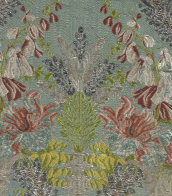
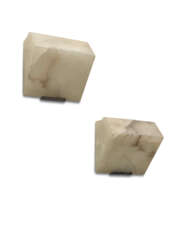

Pierre Chareau was a French architect and designer.
Chareau designed the first house in France made of steel and glass, the Maison de Verre.
Chareau was a member of Congrès International d'Architecture Moderne.
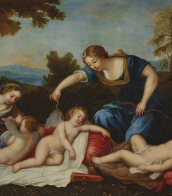


Pierre Chareau was a French architect and designer.
Chareau designed the first house in France made of steel and glass, the Maison de Verre.
Chareau was a member of Congrès International d'Architecture Moderne.


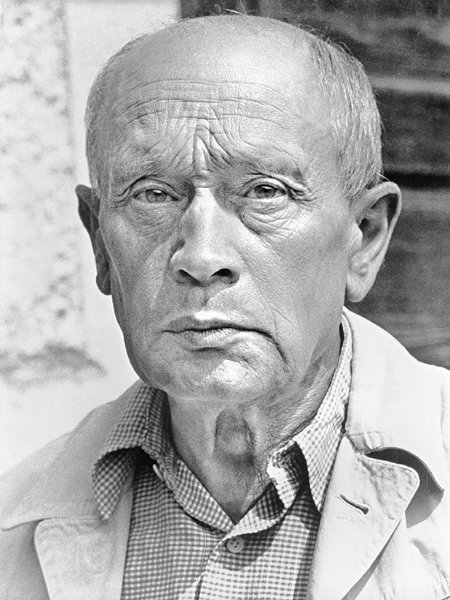
Erich Heckel was a German painter and printmaker, and a founding member of the group Die Brücke ("The Bridge") which existed 1905–1913. His work was part of the art competitions at the 1928 Summer Olympics and the 1932 Summer Olympics.


Pierre Chareau was a French architect and designer.
Chareau designed the first house in France made of steel and glass, the Maison de Verre.
Chareau was a member of Congrès International d'Architecture Moderne.


Pierre Chareau was a French architect and designer.
Chareau designed the first house in France made of steel and glass, the Maison de Verre.
Chareau was a member of Congrès International d'Architecture Moderne.
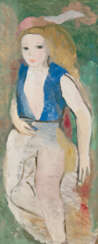

Marie Laurencin was a pivotal figure in the Parisian avant-garde, a French artist renowned for her distinct approach to painting. Unlike her contemporaries who embraced the bold facets of Cubism, Laurencin carved a niche for herself with a palette of soft pastels and a focus on ethereal female forms. Her work, embodying an enchanted, feminine world devoid of masculine presence, was revolutionary for its time, offering a sanctuary of female harmony that was both subtle and profound.
Laurencin's oeuvre extends beyond paintings to include watercolors, drawings, and prints, with notable works such as "Les jeunes filles" and "Portrait de Mademoiselle Chanel" finding homes in prestigious institutions like the Museum of Modern Art in New York and the Musée de l'Orangerie in Paris. Her legacy is further cemented by the Musée Marie Laurencin in Nagano, Japan, the only museum dedicated solely to a female painter, showcasing over 600 of her pieces.
Her approach diverged significantly from the norms of Cubism, incorporating a distinctly feminine aesthetic through the use of pastel colors and curvilinear forms. This unique style set her apart from peers and positioned her as one of the few female Cubist painters, alongside figures like Sonia Delaunay and Marie Vorobieff. Laurencin's artistry was not just an exploration of femininity but a celebration of it, challenging the dominant artistic narratives of her time.
The critique of Laurencin's work for its deliberate embrace of femininity and decorative qualities overlooks the radical essence of her aesthetic. Her paintings, characterized by serene and charming depictions of women, argue for a creative space where the feminine is not just visible but central. Works like "The Fan" and "Spanish Dancers" exemplify her ability to create intimate, self-sufficient worlds that engage the viewer in narratives of absence, longing, and female solidarity.
For collectors and experts in art and antiques, Laurencin's work offers a nuanced understanding of early 20th-century modern art movements through the lens of femininity. Her contributions to art history reflect a bold reimagining of the female form and the spaces women occupy, both in the physical and imaginative realms.
To stay informed about new product sales and auction events related to Marie Laurencin, sign up for updates. This subscription ensures you remain at the forefront of the latest developments and opportunities to acquire works by this groundbreaking artist.
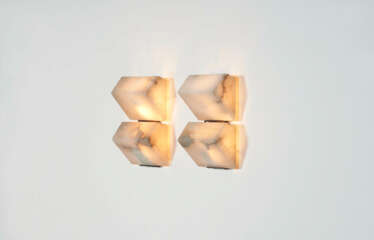

Pierre Chareau was a French architect and designer.
Chareau designed the first house in France made of steel and glass, the Maison de Verre.
Chareau was a member of Congrès International d'Architecture Moderne.
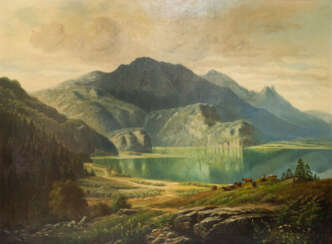

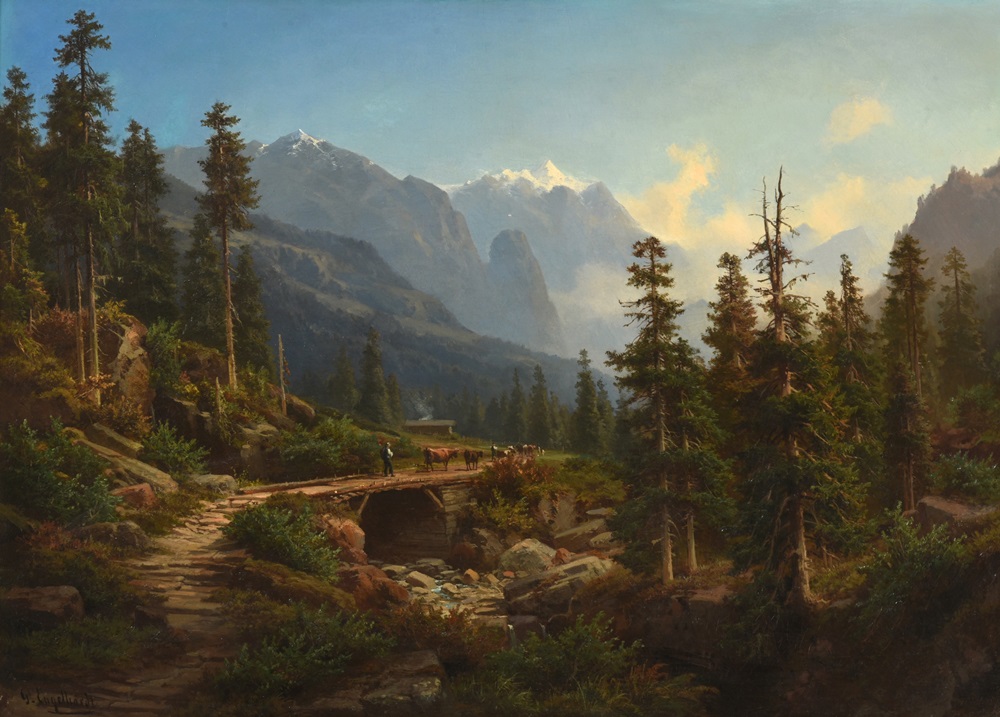
Georg Engelhardt was a German landscape painter. He mainly painted misty landscapes of Alpine mountains and lakes in Switzerland and Austria.
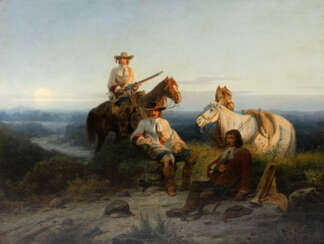

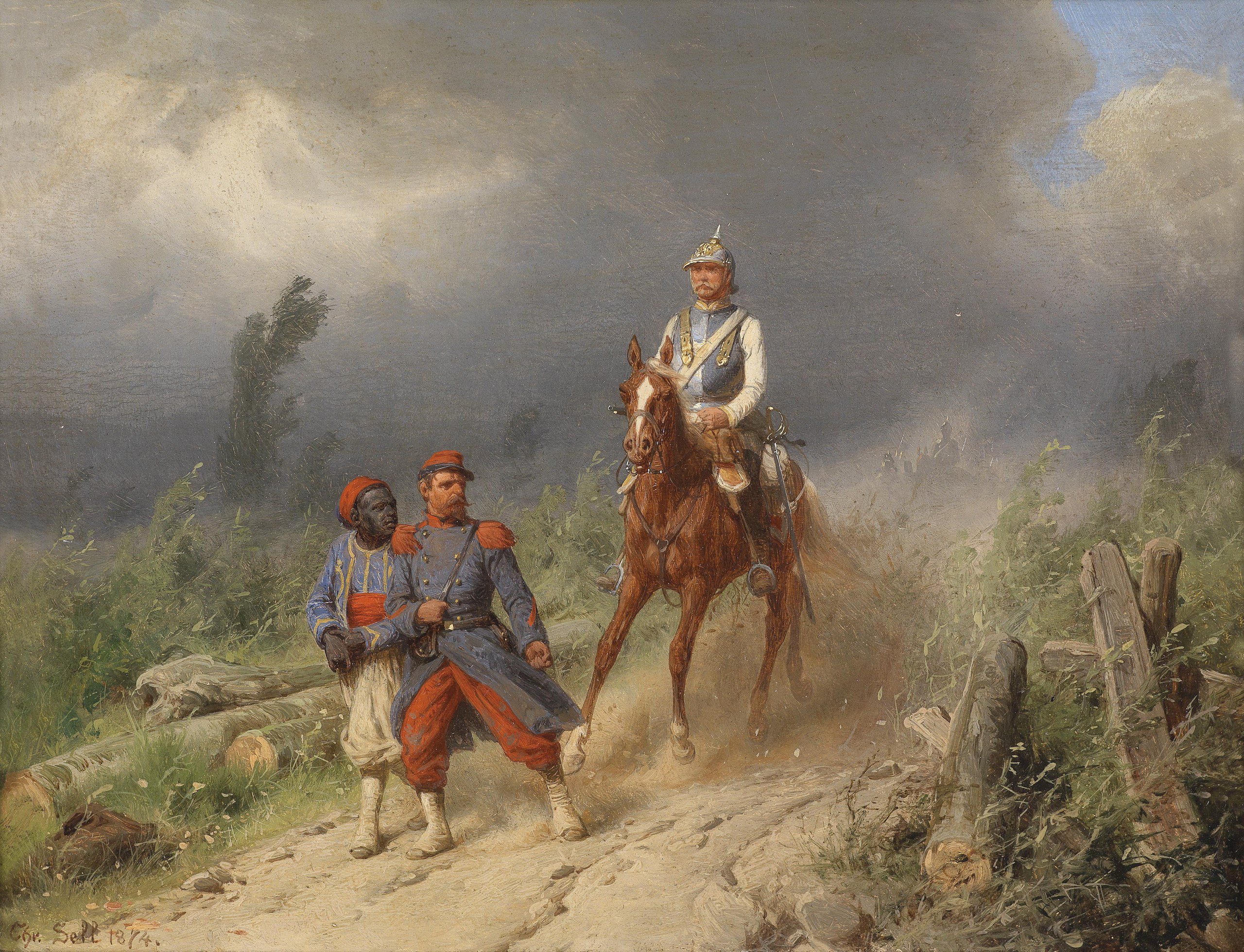
Christian Jacob Sell, auch Christian Sell der Ältere, war ein deutscher Maler der Düsseldorfer Schule. Er studierte an der Düsseldorfer Kunstakademie bei Ferdinand Theodor Hildebrandt und Friedrich Wilhelm von Schadow und spezialisierte sich auf militärische Genre- und Schlachtszenen. Sein Sohn Christian Sell der Jüngere wurde ebenfalls Maler.
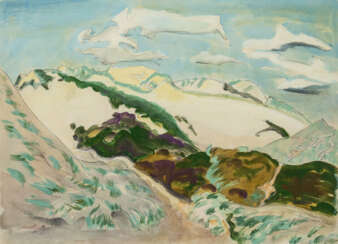

Erich Heckel was a German painter and printmaker, and a founding member of the group Die Brücke ("The Bridge") which existed 1905–1913. His work was part of the art competitions at the 1928 Summer Olympics and the 1932 Summer Olympics.
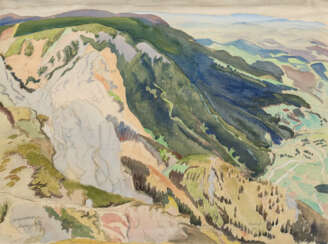

Erich Heckel was a German painter and printmaker, and a founding member of the group Die Brücke ("The Bridge") which existed 1905–1913. His work was part of the art competitions at the 1928 Summer Olympics and the 1932 Summer Olympics.
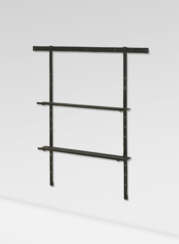

Pierre Chareau was a French architect and designer.
Chareau designed the first house in France made of steel and glass, the Maison de Verre.
Chareau was a member of Congrès International d'Architecture Moderne.