2018 rav 4 for sale
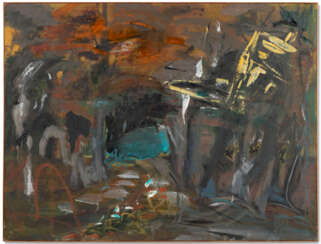

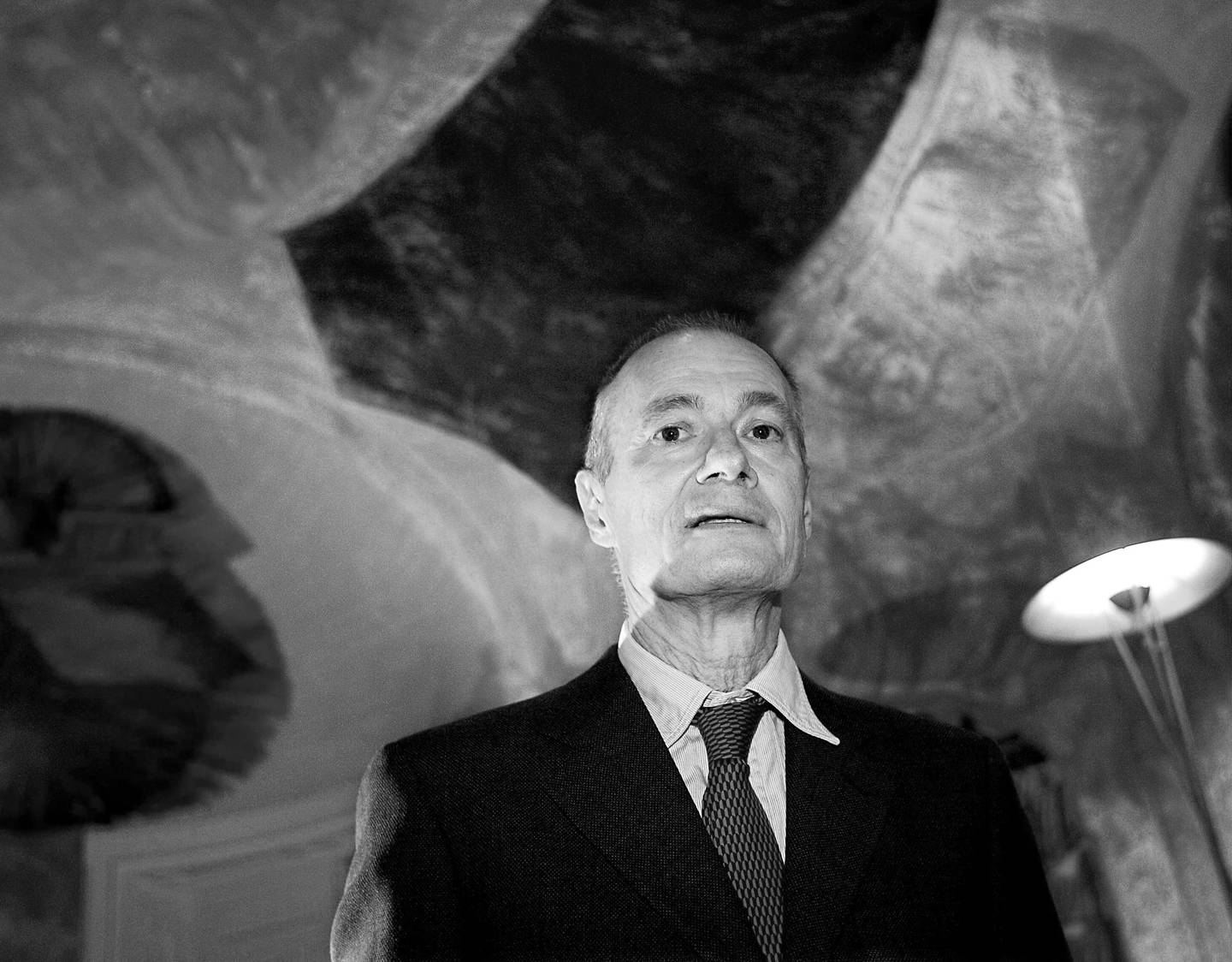
Per Kirkeby was a Danish painter, poet, film maker and sculptor.


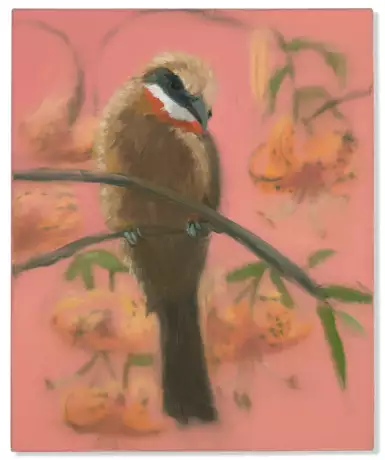
Ann Craven is a contemporary American painter known for her lush depictions of the moon, birds, and multi-colored stripes. Craven’s use of serial motifs belies her interest in ephemeral moments, seasonal cycles, and the changeable qualities of painting. She received her BFA from the Massachusetts College of Art in 1986 and her MFA from Columbia University in 1993. She notably served as an artist assistant to Alex Katz, whose work influenced her own. Much of Craven’s practice revolves around painting en plein air, in this way she has captured the moon on hundreds of nights over the years. The artist currently lives and works in New York. Today, her works are held in the collections of the Whitney Museum of American Art in New York, the Museum of Contemporary Art in Chicago, and the Institute of Contemporary Art in Miami, among others.
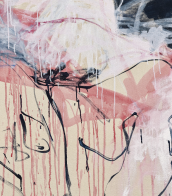


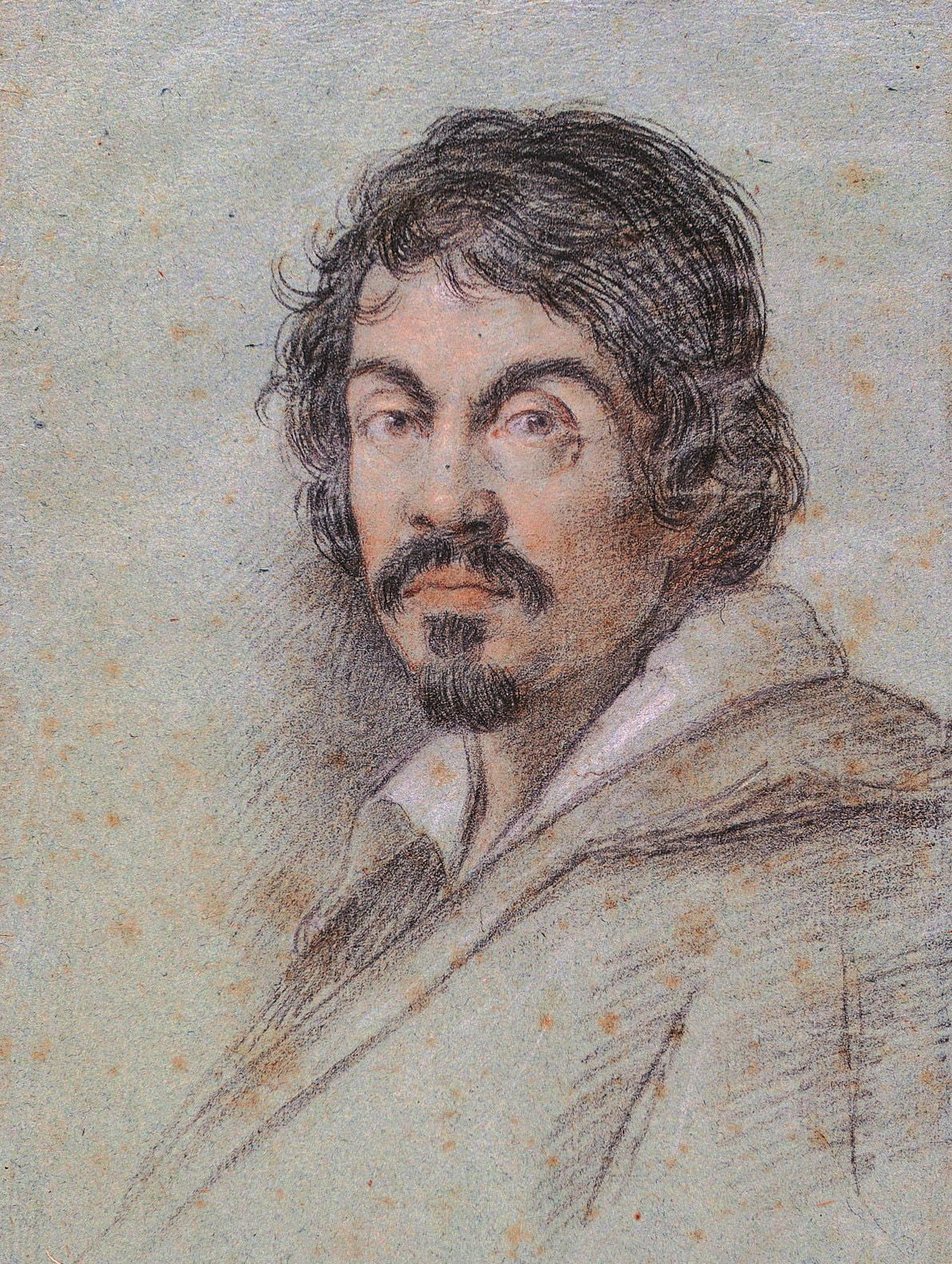
Michelangelo Merisi da Caravaggio, an Italian painter, was a pivotal figure in the transition to Baroque art. Born in Milan or the town of Caravaggio in 1571, his work is renowned for its realistic depiction of human emotion, dramatic use of lighting, and less-than-idealized portrayal of subjects, which broke away from the Mannerist style prevalent at the time.
Caravaggio's life was as dramatic as his art. In 1592, he moved to Rome, where, despite initial hardships, his unique style caught the eye of Cardinal Francesco del Monte, leading to his first public commissions. His success, however, was marred by a tumultuous life filled with brawls and legal troubles. Notably, in 1606, he fled Rome after killing Ranuccio Tommasoni in a brawl, an act that led to a death sentence. He sought refuge in Naples, Malta, and Sicily, continuing to create influential works while attempting to secure a papal pardon.
His most significant contributions to art include introducing a style that combined naturalistic detail with dramatic lighting (chiaroscuro) and psychological realism. This approach had a profound impact on the evolution of Baroque painting. Some of his notable works include "Basket of Fruit," "The Calling of St. Matthew," "The Beheading of St. John the Baptist," and "Supper at Emmaus." These works are characterized by their innovative composition and the intense emotional state they convey.
Caravaggio's fame waned after his death in 1610 under mysterious circumstances while traveling from Naples to Rome. However, the 20th century saw a resurgence in interest in his work, acknowledging his significant influence on Western art.
For collectors and art experts, Caravaggio's works represent a pivotal moment in the history of art, where the transition from Renaissance ideals to Baroque realism is profoundly evident. His paintings can be seen in various museums and galleries, offering a glimpse into the dramatic and emotive potential of art.
To stay updated on sales and auction events related to Caravaggio's works, signing up for updates can be a valuable resource for enthusiasts and collectors. This subscription will provide timely information on new opportunities to acquire pieces linked to this influential and groundbreaking artist.
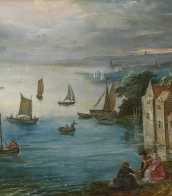


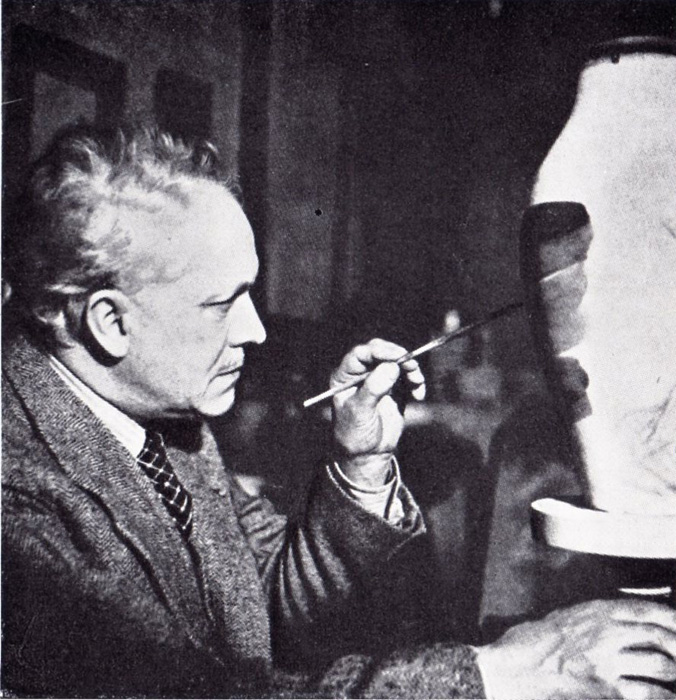
Raoul Dufy, a renowned French artist, is celebrated for his vibrant and decorative style, which left a significant mark in the realms of Fauvism and Post-Impressionism. Born in 1877 in Le Havre, France, Dufy's artistic journey was profoundly influenced by Henri Matisse's Fauvist work "Luxe, Calme et Volupté," which he encountered at the Salon des Indépendants in 1905. This experience steered him towards Fauvism, a style that emphasized bold contours and bright colors.
Dufy's artistic evolution saw him briefly embrace Cubism around 1920, after which he developed a unique approach. This approach, often referred to as stenographic, was characterized by skeletal structures, foreshortened perspectives, and the use of thin, quickly applied washes of color. His works, known for their cheerful and fashionably decorative nature, often depicted scenes of leisure like yachting, the French Riviera, and chic parties, capturing the essence of the period's optimism.
In addition to his painting, Dufy was also a commercial artist, illustrator, and designer, contributing significantly to textile design and public murals. His large-scale public art commissions combined modern and allegorical subjects with exuberant outlines and intense colors, showcasing a modernist take on traditional mural work. Notable works by Dufy include "The Regatta," "The Harvester," and the monumental "The Electricity Fairy," a large mural commissioned for the 1937 World's Fair in Paris.
His works are housed in prestigious public collections worldwide, including the Art Institute of Chicago, the Musée d'Art Moderne de Paris, and the National Gallery of Art in Washington, D.C. Despite his artistic achievements, Dufy's focus on decorative art and the lack of engagement with wider social concerns has led to a varied critical reception of his work. Nonetheless, his contribution to 20th-century art, particularly in popularizing a vibrant and illustrative style, remains undisputed.
If Raoul Dufy's artistry captivates you and you wish to stay informed about the latest artworks, exhibitions, and auction events related to this remarkable artist, we invite you to sign up for our updates. By subscribing, you'll receive timely notifications about new pieces for sale and upcoming auctions. This is a wonderful opportunity for collectors and art enthusiasts to enhance their appreciation and possibly their collections of Dufy's work. Stay connected with the world of art and don't miss any chance to acquire unique pieces by this celebrated artist.
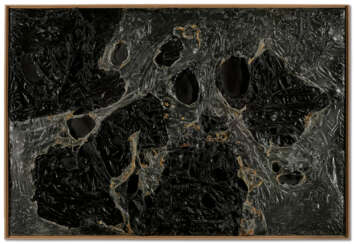

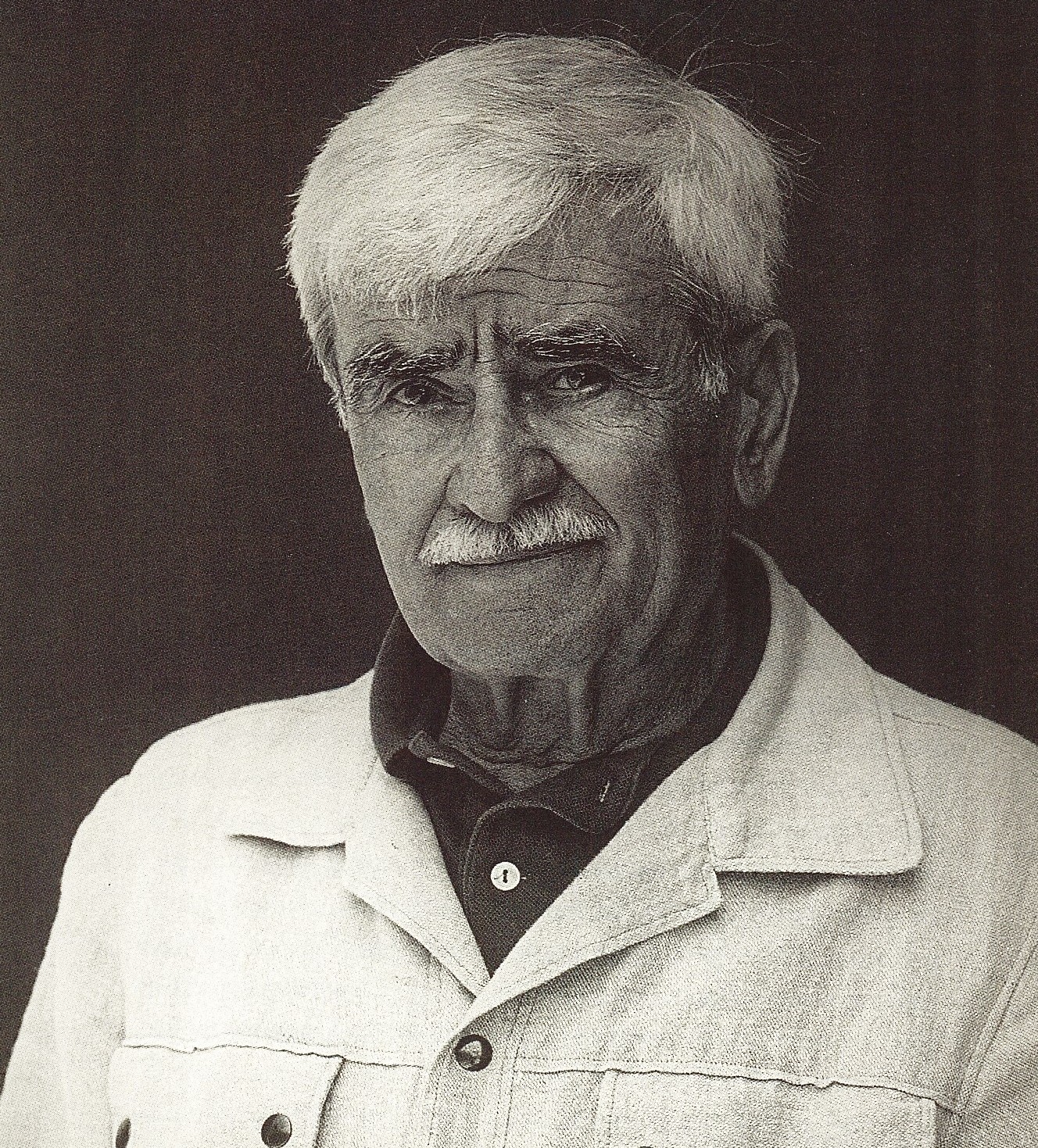
Alberto Burri was an Italian visual artist, painter, sculptor, and physician based in Città di Castello. He is associated with the matterism of the European informal art movement and described his style as a polymaterialist. He had connections with Lucio Fontana's spatialism and, with Antoni Tàpies, an influence on the revival of the art of post-war assembly in America (Robert Rauschenberg) as in Europe.
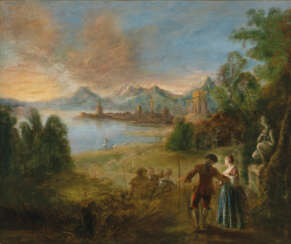

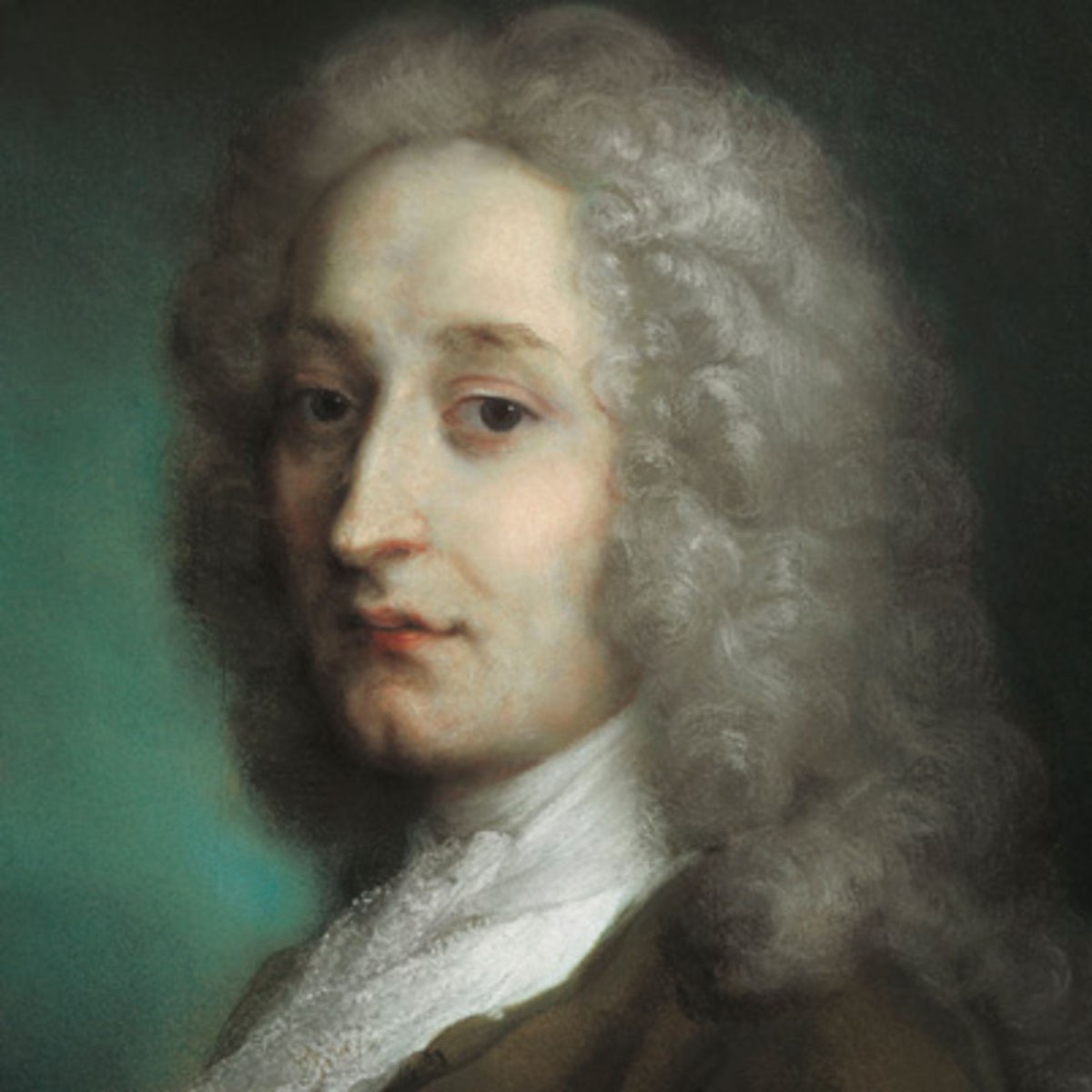
Jean-Antoine Watteau was a French painter and draughtsman whose brief career spurred the revival of interest in colour and movement, as seen in the tradition of Correggio and Rubens. He revitalized the waning Baroque style, shifting it to the less severe, more naturalistic, less formally classical, Rococo. Watteau is credited with inventing the genre of fêtes galantes, scenes of bucolic and idyllic charm, suffused with a theatrical air. Some of his best known subjects were drawn from the world of Italian comedy and ballet.
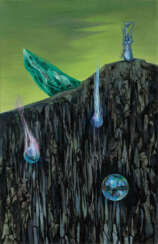

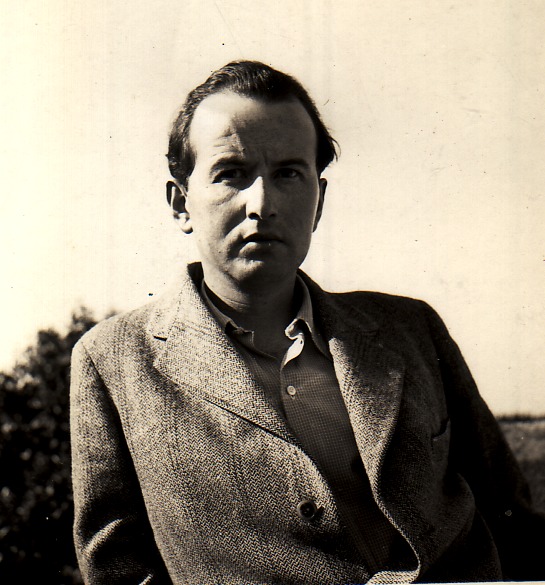
Wolfgang Robert Paalen was an Austrian-Mexican painter, sculptor, and art philosopher. A member of the Abstraction-Création group from 1934 to 1935, he joined the influential Surrealist movement in 1935 and was one of its prominent exponents until 1942. Whilst in exile in Mexico, he founded his own counter-surrealist art-magazine DYN, in which he summarized his critical attitude towards radical subjectivism and Freudo-Marxism in Surrealism with his philosophy of contingency. He rejoined the group between 1951 and 1954, during his sojourn in Paris.

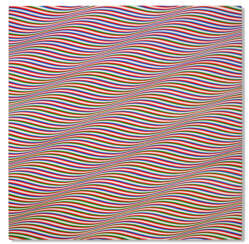

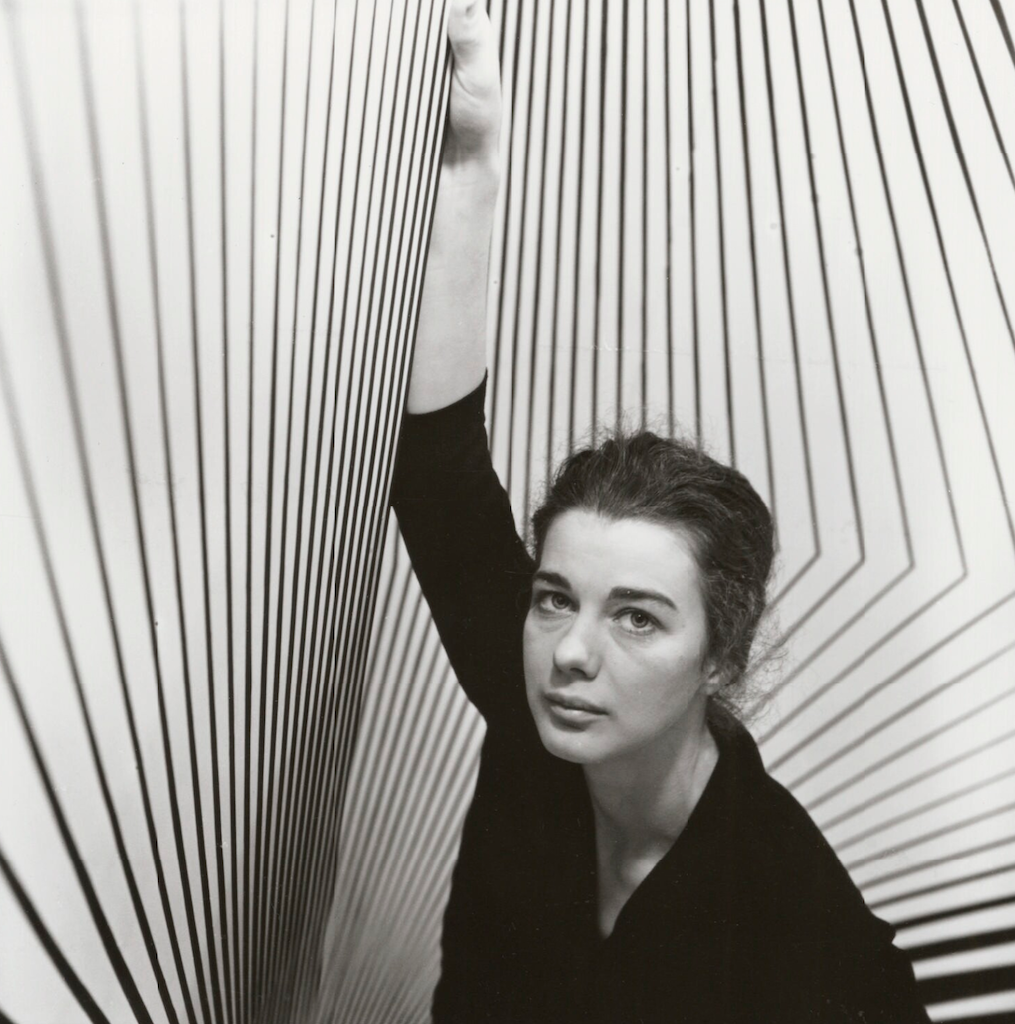
Bridget Louise Riley, an eminent English painter, has captivated the art world with her pioneering contributions to the Op Art movement. Born in London in 1931, Riley's early works were characterized by a figurative, semi-impressionist style. However, her artistic trajectory took a significant turn in the late 1950s and early 1960s when she began experimenting with optical illusions, leading to the development of her signature Op Art style. These works, utilizing geometric patterns in black and white, explored the dynamics of perception, creating disorienting effects and sensations of movement or color in the viewer.
Riley's exploration into color, which commenced in 1967, marked a new phase in her career. Her visit to Egypt in the early 1980s further enriched her palette, leading to the creation of works that reflected the vibrant hues of the Egyptian landscape. This period also saw the introduction of her 'Egyptian palette', which captured both the spirit of ancient and modern Egypt. Notable among her colorful works is "Cataract 3", where Riley utilized the contrast between warm and cold colors to produce a shifting, dynamic effect on the canvas, a testament to her continuous exploration of the interaction between form, color, and human perception.
Riley's work extends beyond canvas, with significant contributions to public art through murals. Her installations at prestigious institutions like the Tate, the Musée d'Art Moderne de la Ville de Paris, and the National Gallery, as well as a large-scale mural for the Chinati Foundation in Marfa, Texas, demonstrate her versatility and commitment to engaging with a broader public audience.
For collectors and experts in art and antiques, Riley's work represents a fascinating intersection of art, science, and perception, offering a unique visual experience that challenges and delights. Her dedication to expanding the boundaries of visual art ensures her place as a central figure in contemporary art discourse.
Sign up for updates related to Bridget Louise Riley to stay informed about new product sales and auction events showcasing her groundbreaking work. Join us in celebrating the legacy and ongoing journey of one of the foremost exponents of optical art.
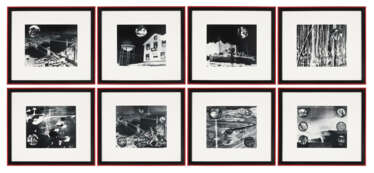

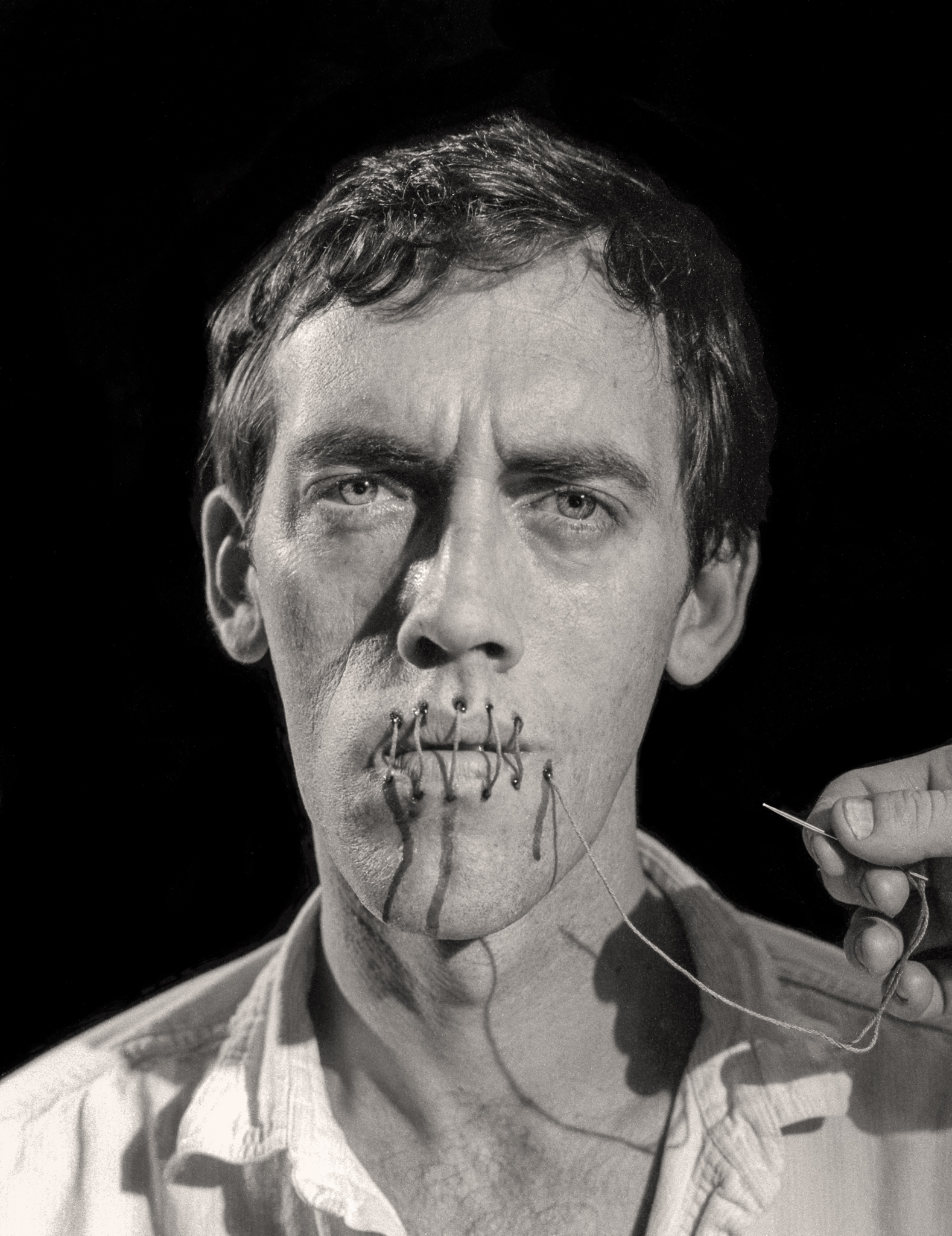
David Wojnarowicz was an American artist known for his multifaceted work, which included painting, film, video, performance, writing, and music. His art often addressed themes such as society's fragmentation, consumerism, and the juxtaposition of natural and industrial landscapes. After being diagnosed with AIDS at 33, Wojnarowicz's work became more activist-oriented, focusing on his sexuality and his illness, as exemplified in his piece "Untitled," also known as "One Day This Kid".
David Wojnarowicz's childhood was tumultuous, marked by abuse and neglect, which profoundly influenced his later work. Despite dropping out, he eventually completed his high school education and immersed himself in New York's underground art scene. His art from the 1980s, particularly after the death of his mentor and close friend Peter Hujar, increasingly addressed AIDS and became more politically charged.
His legacy includes notable works like "A Fire in My Belly," which sparked controversy and highlighted the ongoing struggles of the LGBTQ+ community and those affected by AIDS. Wojnarowicz's work continues to inspire and provoke, as seen in exhibitions like the Whitney Museum's retrospective, "David Wojnarowicz: History Keeps Me Awake at Night," and his influence on various artists and cultural movements.
For those interested in exploring the depth and breadth of David Wojnarowicz's work, staying informed about upcoming exhibitions and available collections can provide valuable insights into his impactful legacy. Subscribing to updates from art galleries and museums that feature his work is an excellent way to stay connected to the evolving appreciation and interpretation of his art.
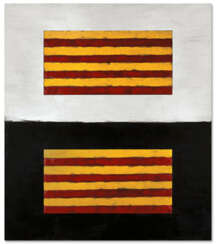

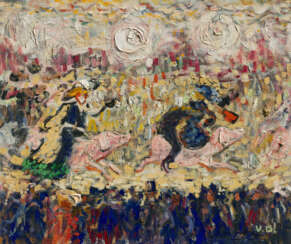

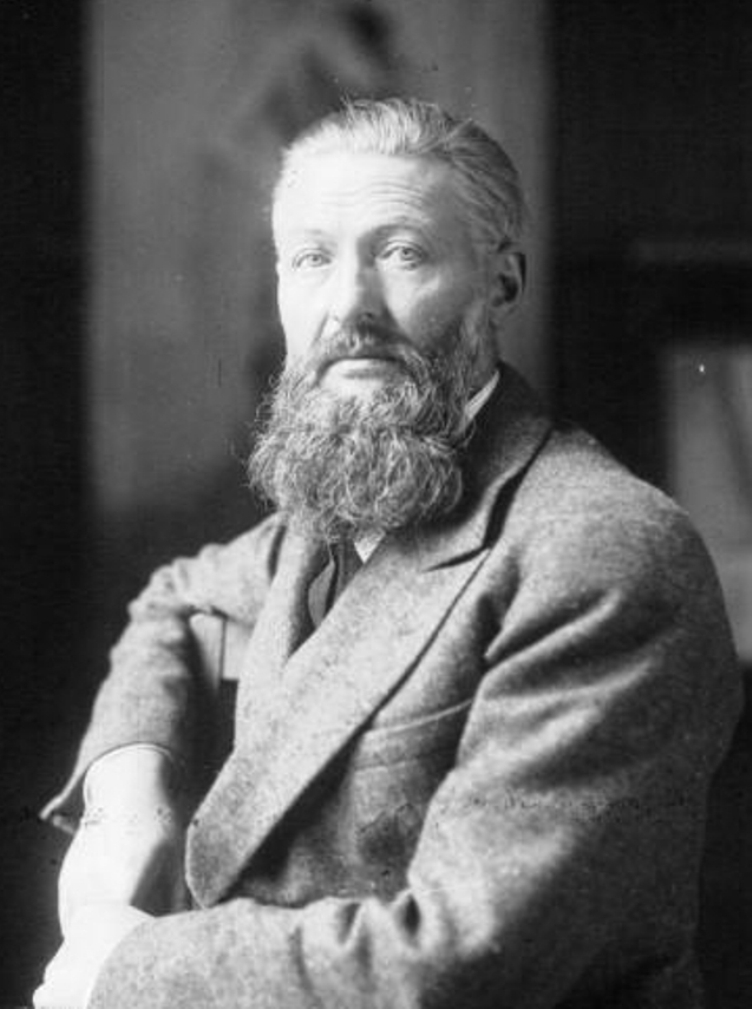
Kees van Dongen was a Dutch-French painter renowned for his vivid and expressive works that placed him at the forefront of the Fauvist movement. Born in 1877 in Delfshaven, Netherlands, van Dongen's journey into the art world began with his education at the Akademie voor Beeldende Kunsten in Rotterdam. His move to Paris in 1897 marked a pivotal moment in his career, immersing him in the bustling avant-garde scene and connecting him with influential circles, including Pablo Picasso and the Fauves. Van Dongen's art, characterized by its striking use of color and bold brushwork, captured the essence of his subjects with a unique blend of realism and abstraction.
Van Dongen's work evolved significantly over time, initially influenced by the dark tones of his Dutch heritage and the works of Rembrandt. His encounter with Fauvism around 1906 brought a dramatic shift towards brighter, more vibrant colors, marking his most iconic phase. His ability to capture the sensuousness and personality of his subjects made him a sought-after portraitist among the French bourgeoisie and celebrities of his time. Notable works include "Femme aux bas noirs" (Woman with Black Stockings), "Les lutteuses" (Lutteuses du Tabarin), and "The Dancer Anita," showcasing his fascination with the human figure, particularly sensuous depictions of women.
Beyond his remarkable contributions to Fauvism, van Dongen's ventures into illustration and his role as a society portraitist underscore his diverse talents and adaptability to the changing tastes of the art market. His works are celebrated in major collections worldwide, including the Hermitage Museum and the National Gallery of Denmark, affirming his lasting impact on the art world.
Collectors and art experts continue to appreciate van Dongen's work for its bold experimentation with color, form, and the evocative portrayal of his subjects. His legacy lives on as a testament to the vibrancy and dynamism of early 20th-century modern art.
For those keen to explore van Dongen's captivating works further and stay informed about new discoveries, exhibitions, and auction events related to his art, signing up for updates is a must. This ensures direct access to the latest sales and scholarly insights into the painter's rich oeuvre, a valuable resource for collectors and enthusiasts alike.
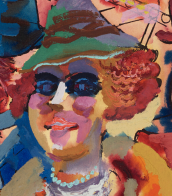


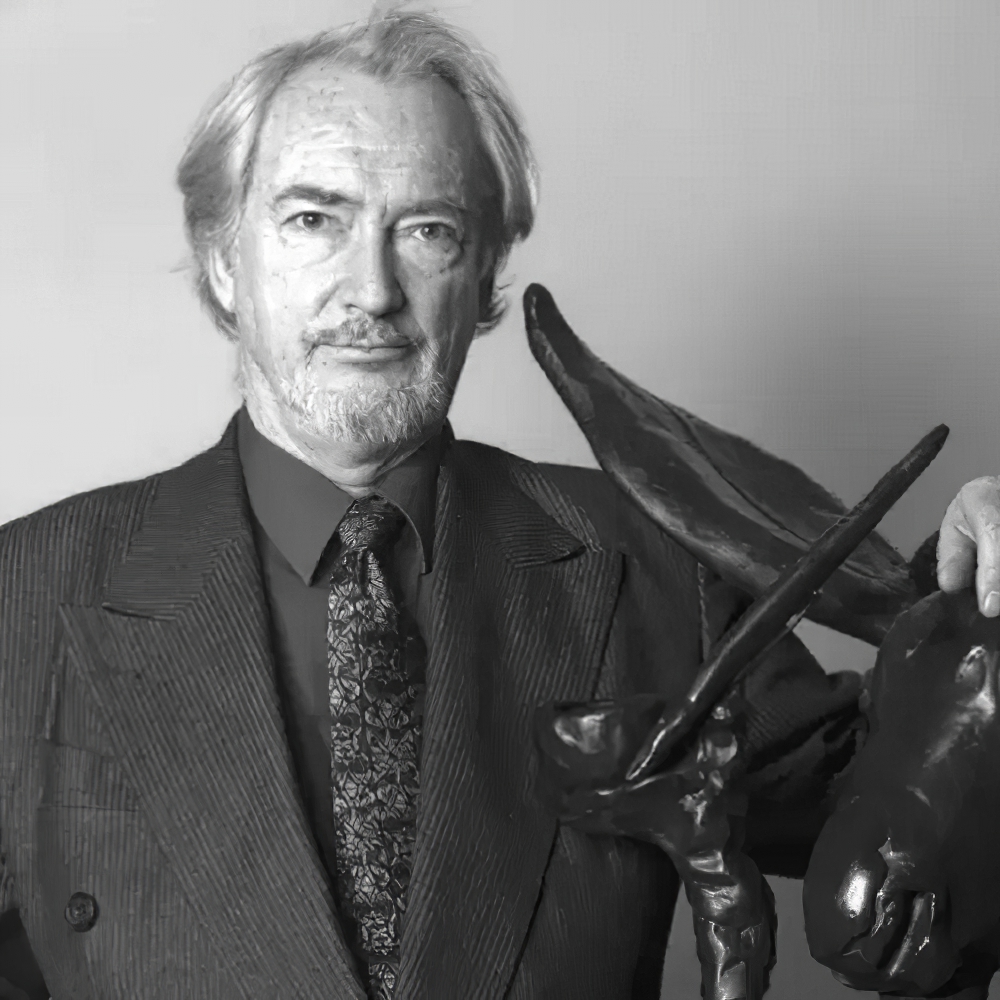
Barry Flanagan was an Irish-Welsh sculptor. He is best known for his bronze statues of hares and other animals.
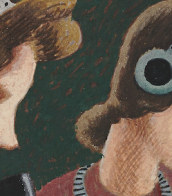


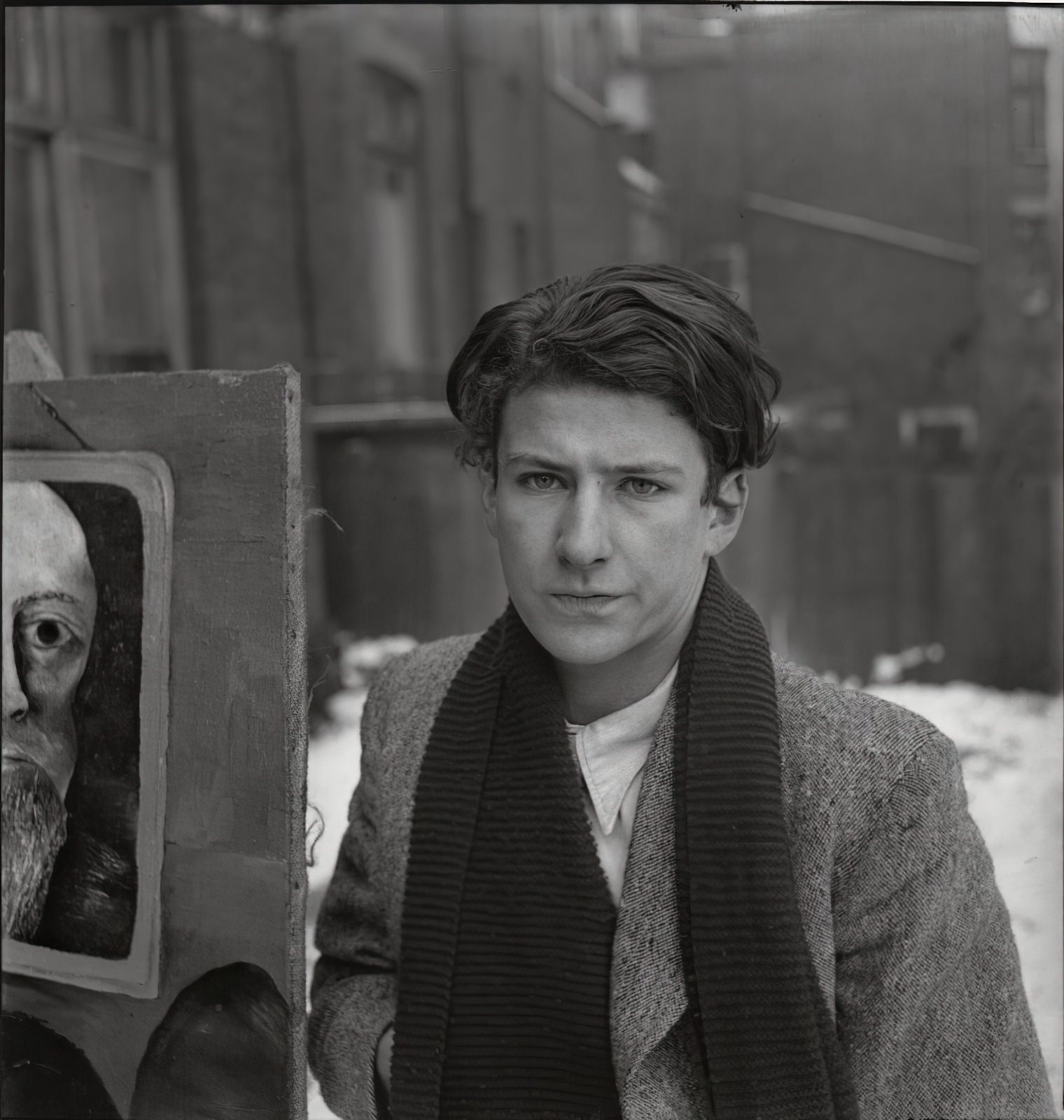
Lucian Michael Freud was a British painter and draughtsman, specialising in figurative art, and is known as one of the foremost 20th-century English portraitists. He was born in Berlin, the son of Jewish architect Ernst L. Freud and the grandson of Sigmund Freud. Freud got his first name "Lucian" from his mother in memory of the ancient writer Lucian of Samosata. His family moved to England in 1933 to escape the rise of Nazism. From 1942 to 1943 he attended Goldsmiths College, London. He served at sea with the British Merchant Navy during the Second World War.


.jpg)
Maurice de Vlaminck was a French artist renowned for his vibrant use of color and contribution to the Fauvist movement. Born in Paris in 1876, Vlaminck's early work was marked by a passionate application of paint and a bold palette, drawing inspiration from Vincent van Gogh and Henri Matisse. His participation in the 1905 Salon d'Automne, alongside other Fauvist painters, was met with critical disdain, leading to the term "fauves" (wild beasts) being coined to describe their unorthodox use of intense color.
Vlaminck's career was characterized by a continuous exploration of color and form. Early on, he depicted scenes of daily life, landscapes, and portraits, imbuing them with a sense of motion through his dynamic brushwork. Notable works from this period include "Sur le zinc" (At the Bar) and "L'homme a la pipe" (Man Smoking a Pipe), which highlighted his departure from traditional portraiture and landscapes towards more expressive and mood-driven compositions. His landscapes, in particular, showcased a disregard for detail in favor of conveying atmosphere, a technique that was revolutionary at the time.
Throughout his life, Vlaminck's style evolved, showing influences from Post-Impressionism and later, a more monochromatic palette reminiscent of Paul Cézanne. Despite this evolution, he maintained a critical stance towards Cubism and its leading figure, Pablo Picasso, believing that Cubism had led French painting into a "wretched dead end". In his later years, Vlaminck's work adopted a darker palette and more naturalistic style, moving away from the Fauvist emphasis on color to explore the dramatic and expressive potential of landscapes and seascapes.
Vlaminck's impact on modern art is undeniable. His works are held in prestigious collections worldwide, including the Hermitage Museum in Saint Petersburg and the Minneapolis Institute of Art, attesting to his enduring influence and the continued fascination with his bold, expressive approach to painting.
For collectors and experts in art and antiques, Vlaminck's oeuvre represents a pivotal moment in the history of modern art, where the emotional intensity and visual impact of color were explored as never before. To stay informed on new product sales and auction events related to Maurice de Vlaminck, signing up for updates is recommended, offering exclusive insights into the vibrant world of Fauvism and modernist painting.
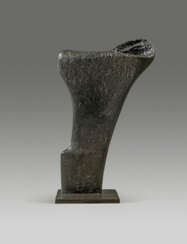

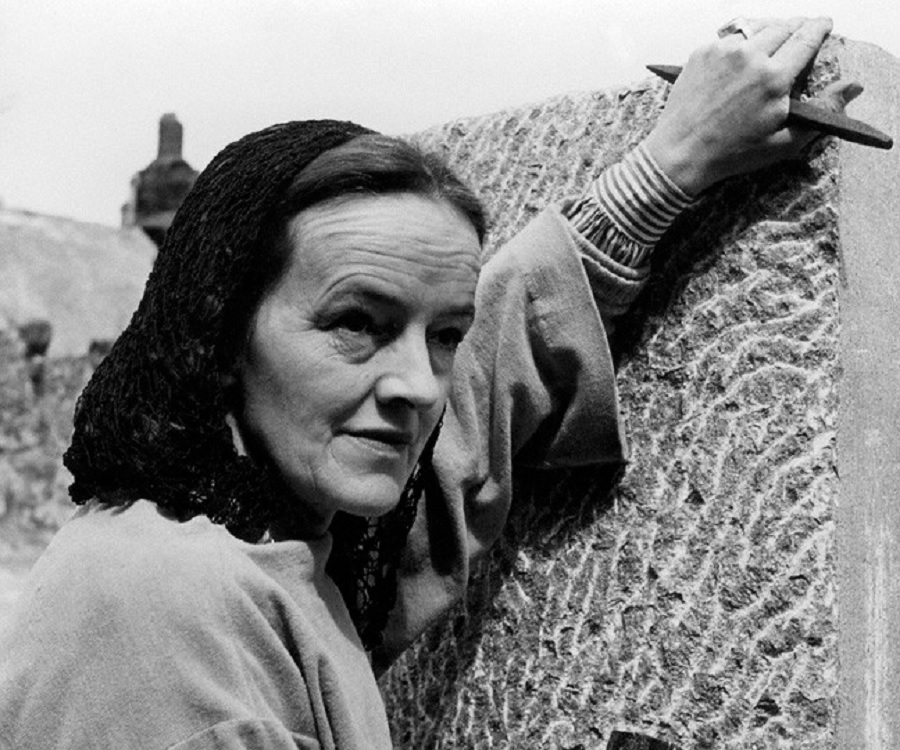
Barbara Hepworth was an English artist and sculptor. Her work exemplifies Modernism and in particular modern sculpture. Along with artists such as Ben Nicholson and Naum Gabo, Hepworth was a leading figure in the colony of artists who resided in St Ives during the Second World War.



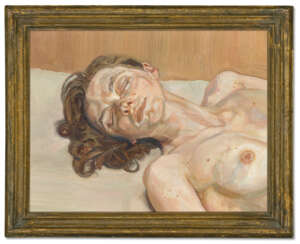

Lucian Michael Freud was a British painter and draughtsman, specialising in figurative art, and is known as one of the foremost 20th-century English portraitists. He was born in Berlin, the son of Jewish architect Ernst L. Freud and the grandson of Sigmund Freud. Freud got his first name "Lucian" from his mother in memory of the ancient writer Lucian of Samosata. His family moved to England in 1933 to escape the rise of Nazism. From 1942 to 1943 he attended Goldsmiths College, London. He served at sea with the British Merchant Navy during the Second World War.


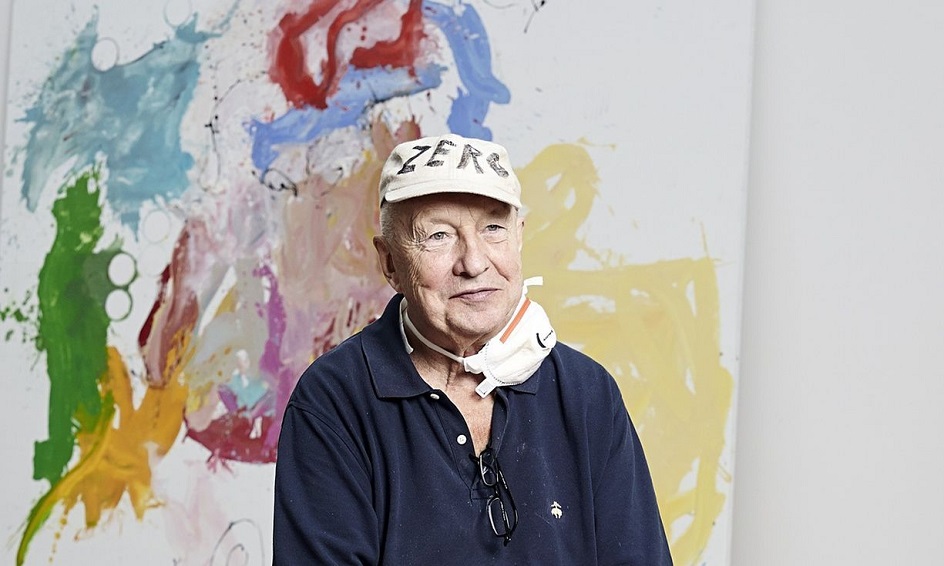
Georg Baselitz is a German painter, sculptor and graphic artist. In the 1960s he became well known for his figurative, expressive paintings. In 1969 he began painting his subjects upside down in an effort to overcome the representational, content-driven character of his earlier work and stress the artifice of painting. Drawing from myriad influences, including art of Soviet era illustration art, the Mannerist period and African sculptures, he developed his own, distinct artistic language.
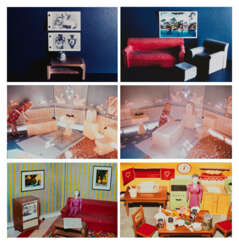

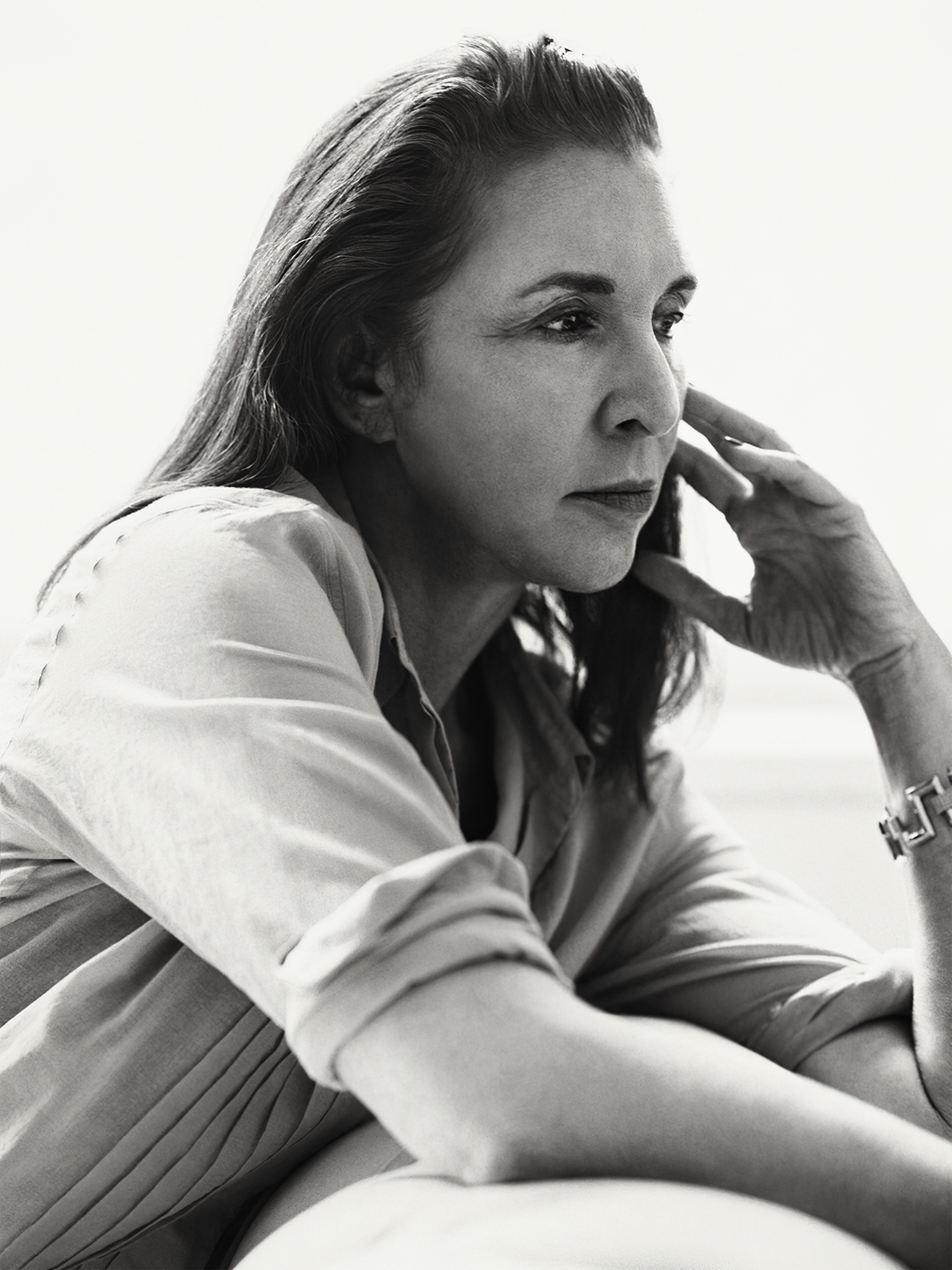
Laurie Simmons is an American artist, photographer and filmmaker. Since the mid-1970s, Simmons has staged scenes for her camera with dolls, ventriloquist dummies, objects on legs, and people, to create photographs that reference domestic scenes. She is part of The Pictures Generation, a name given to a group of artists who came to prominence in the 1970s. The Pictures Generation also includes Cindy Sherman, Barbara Kruger, and Louise Lawler.
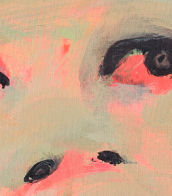
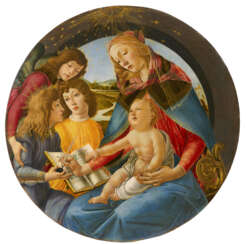


Sandro Botticelli, an Italian painter of the Early Renaissance, was renowned for his exquisite works that beautifully merged classical mythology with religious themes. Born Alessandro di Mariano di Vanni Filipepi in Florence around 1445, Botticelli became a pivotal figure in the Florentine art scene under the patronage of the Medici family. His education under Filippo Lippi honed his skills in painting, leading to a unique style that emphasized linear grace and ethereal beauty. Botticelli's art is celebrated for its elegance and for capturing the spirit of the Renaissance, a period marked by a rebirth of interest in classical antiquity and humanistic values.
Botticelli's oeuvre includes iconic mythological paintings like "The Birth of Venus" and "Primavera," both housed in the Uffizi Gallery in Florence. These masterpieces are distinguished by their allegorical complexity and the delicate portrayal of figures that seem to transcend the earthly realm, reflecting Botticelli's interest in blending myth with a narrative style that appeals to the viewer's sense of wonder and contemplation. His religious works, characterized by expressive emotion and devotional intensity, also earned him acclaim, particularly his contributions to the Sistine Chapel in Rome.
Despite his success, Botticelli's later years were marked by a shift in style influenced by the somber preachings of Savonarola, leading to a preference for more devotional themes. His reputation waned posthumously until the late 19th century, when a resurgence of interest in his work restored Botticelli to his rightful place as a master of the Renaissance. Today, Botticelli is regarded as an artist whose works encapsulate the innovative spirit of his time, bridging the Gothic tradition with the emerging Renaissance aesthetic. His legacy endures, inspiring art lovers and collectors who are drawn to the ethereal beauty and rich symbolism of his paintings.
For those captivated by the allure of Renaissance art, subscribing for updates on new discoveries, sales, and auction events related to Sandro Botticelli can enrich your appreciation and knowledge of this remarkable artist's contribution to the world of art and culture.

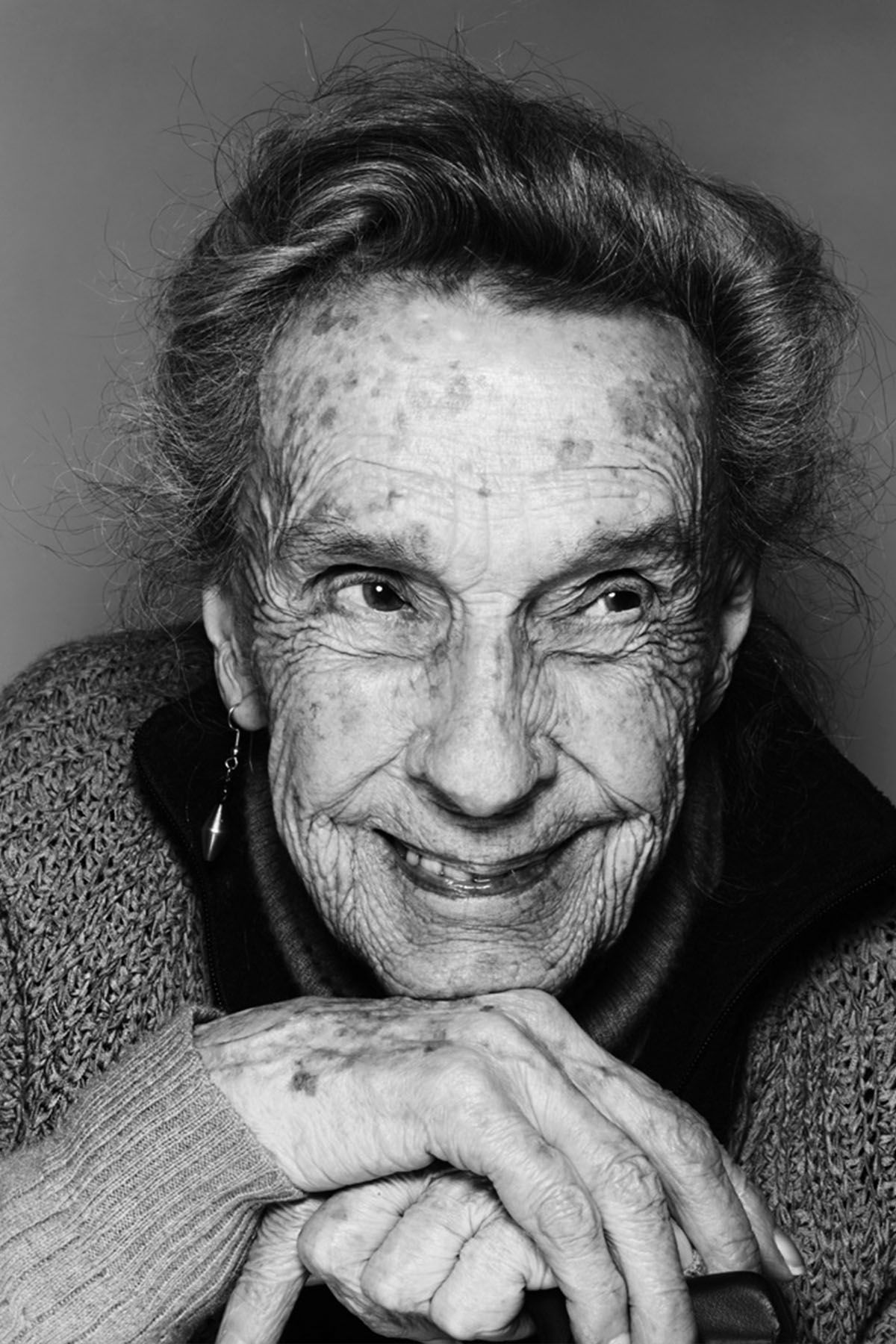
Leonora Carrington was a British-born Mexican artist, surrealist painter, and novelist. She lived most of her adult life in Mexico City and was one of the last surviving participants in the surrealist movement of the 1930s. Carrington was also a founding member of the women's liberation movement in Mexico during the 1970s.

Leonora Carrington was a British-born Mexican artist, surrealist painter, and novelist. She lived most of her adult life in Mexico City and was one of the last surviving participants in the surrealist movement of the 1930s. Carrington was also a founding member of the women's liberation movement in Mexico during the 1970s.


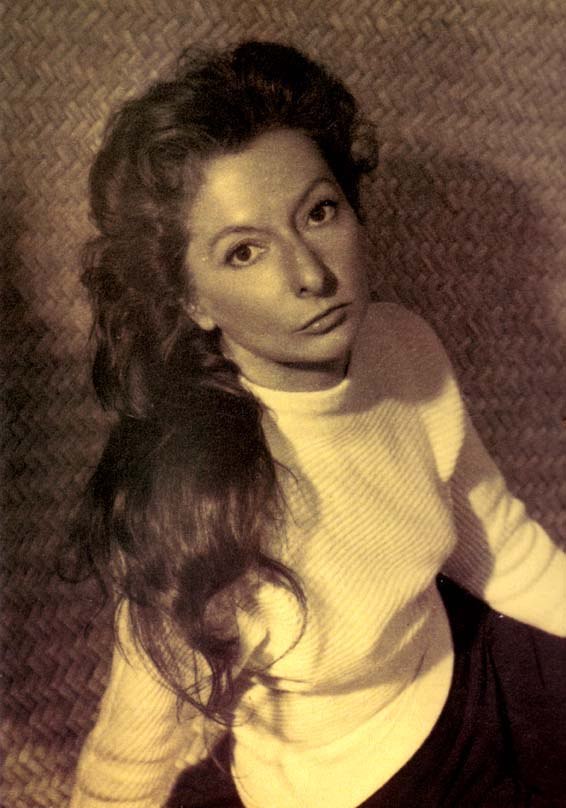
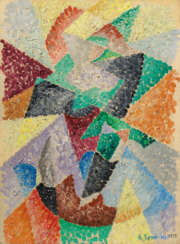

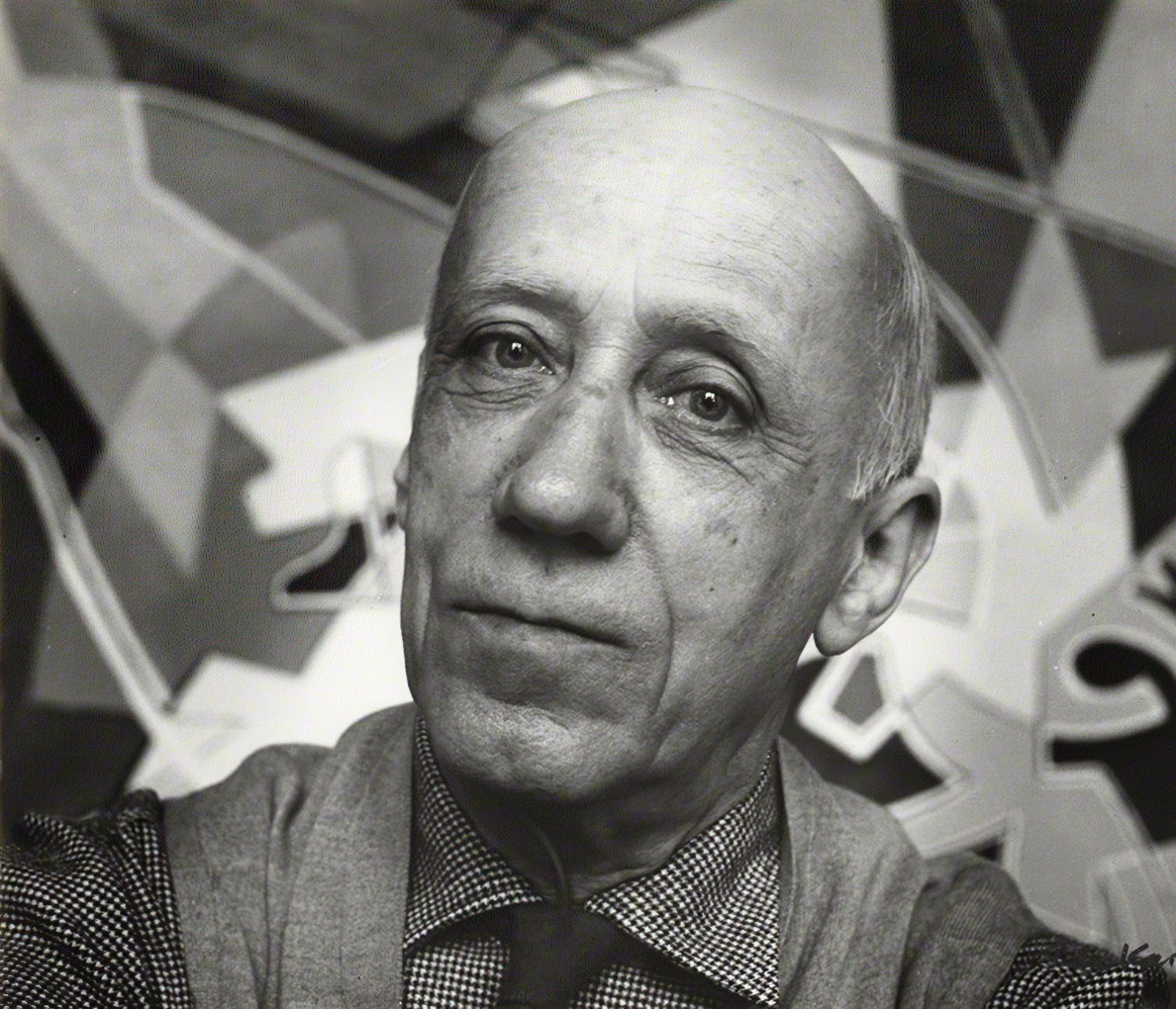
Gino Severini was an Italian painter and a prominent figure in the Futurist movement, known for his dynamic interpretation of movement and light in his artworks. Born in Cortona, Italy, in 1883, Severini moved to Paris in 1906, where he became deeply involved in the avant-garde scene, mingling with leading artists and embracing the vibrant cultural milieu of the city. His work often depicted lively urban scenes, dancers, and the energetic pace of modern life, distinguishing him within the Futurist movement for his unique focus on human figures and lively settings rather than the mechanical world.
Gino Severini's style evolved significantly over the years, moving from Futurism to incorporating elements of Cubism and later adopting a more classical approach in his art. After World War I, he aligned with the "return to order" movement, focusing on classical harmony and balance, which is evident in works like "The Two Pulchinellas." His later years saw him exploring various media, including mosaics and frescoes, contributing significantly to modern mosaic art and earning him the title "Father of Modern Mosaic."
Gino Severini's works are showcased in prestigious galleries worldwide, including the Museum of Modern Art (MoMA) in New York, where his influence on 20th-century art is celebrated. His contributions to art theory, his exploration across different art forms, and his ability to capture the essence of his time make Severini a fascinating subject for art collectors and experts alike.
For those interested in the evolution of modern art and the interplay between different artistic movements, Severini's work offers a compelling study of creativity and innovation. If you are intrigued by Gino Severini's contributions to the art world and wish to stay informed about upcoming sales and auction events related to his works, consider signing up for updates to deepen your knowledge and appreciation of this pivotal artist.


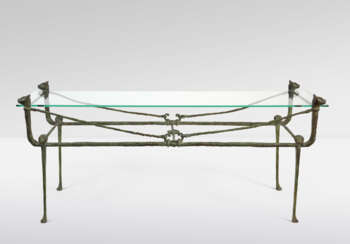


Diego Giacometti was a Swiss sculptor and designer, and the younger brother of the sculptor Alberto Giacometti.
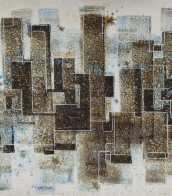
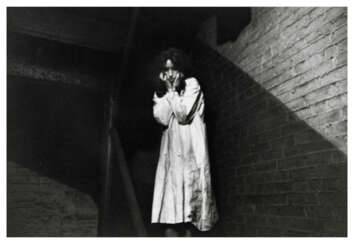

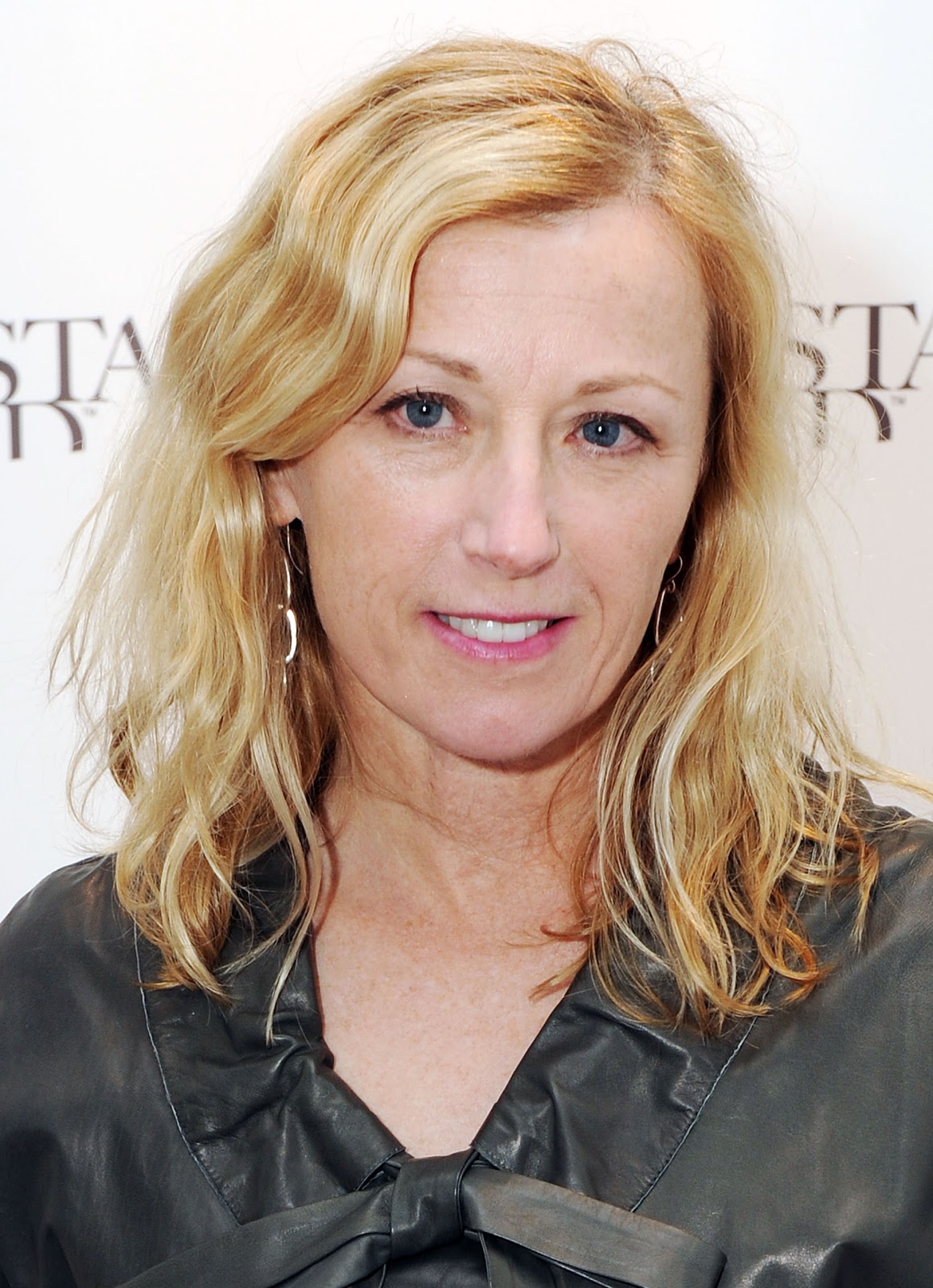
Cynthia Morris Sherman is an American artist whose work consists primarily of photographic self-portraits, depicting herself in many different contexts and as various imagined characters.
Her breakthrough work is often considered to be the collected Untitled Film Stills, a series of 70 black-and-white photographs of herself evoking typical female roles in performance media (especially arthouse films and popular B-movies). In the 1980s, she used color film and large prints, and focused more on costume, lighting and facial expression.