2022


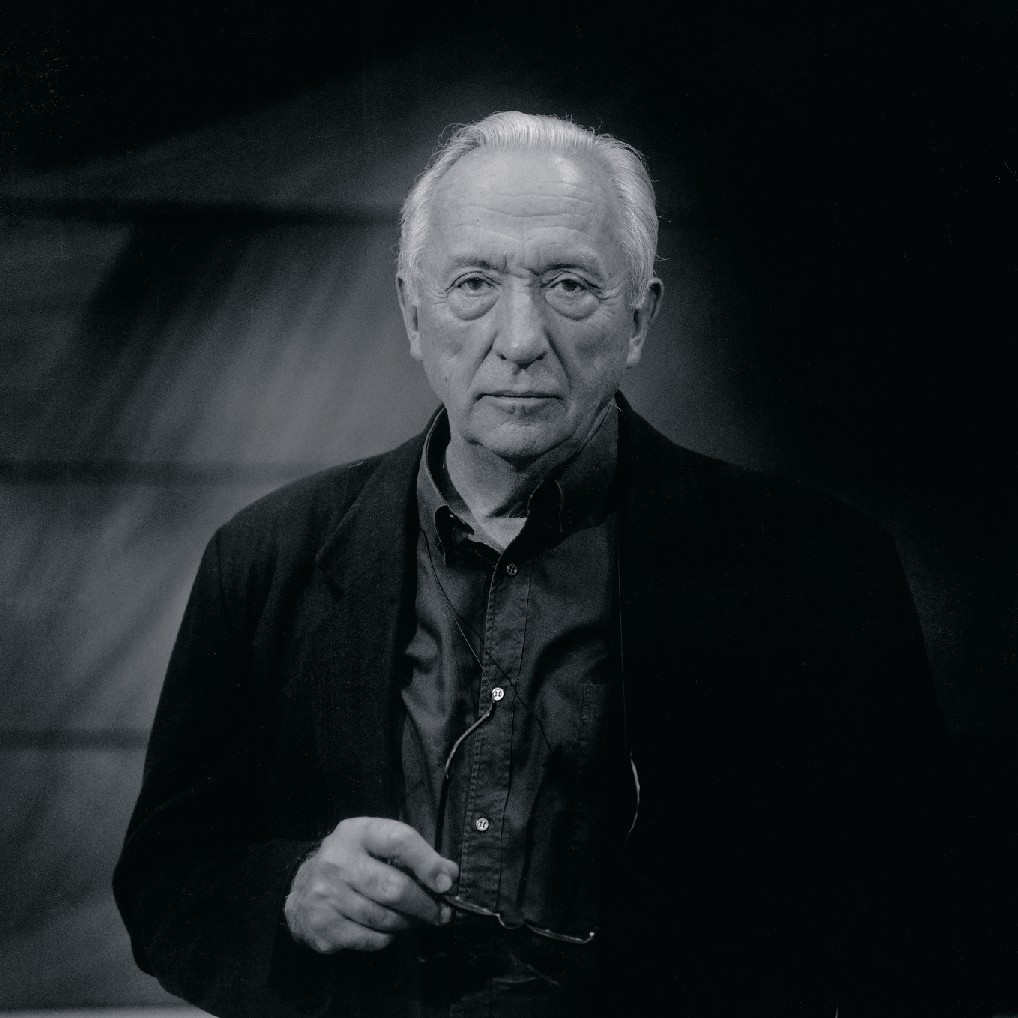
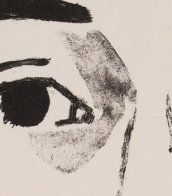
Pierre Soulages was a French painter, printmaker, and sculptor. In 2014, François Hollande described him as "the world's greatest living artist."
Soulages is known as "the painter of black," owing to his interest in the colour "both as a colour and a non-colour. When light is reflected on black, it transforms and transmutes it. It opens a mental field all its own." He saw light as a work material; striations of the black surface of his paintings enable him to reflect light, allowing the black to come out of darkness and into brightness, thus becoming a luminous colour.
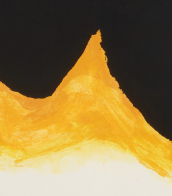
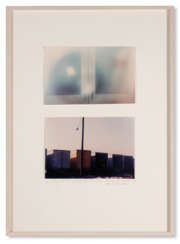

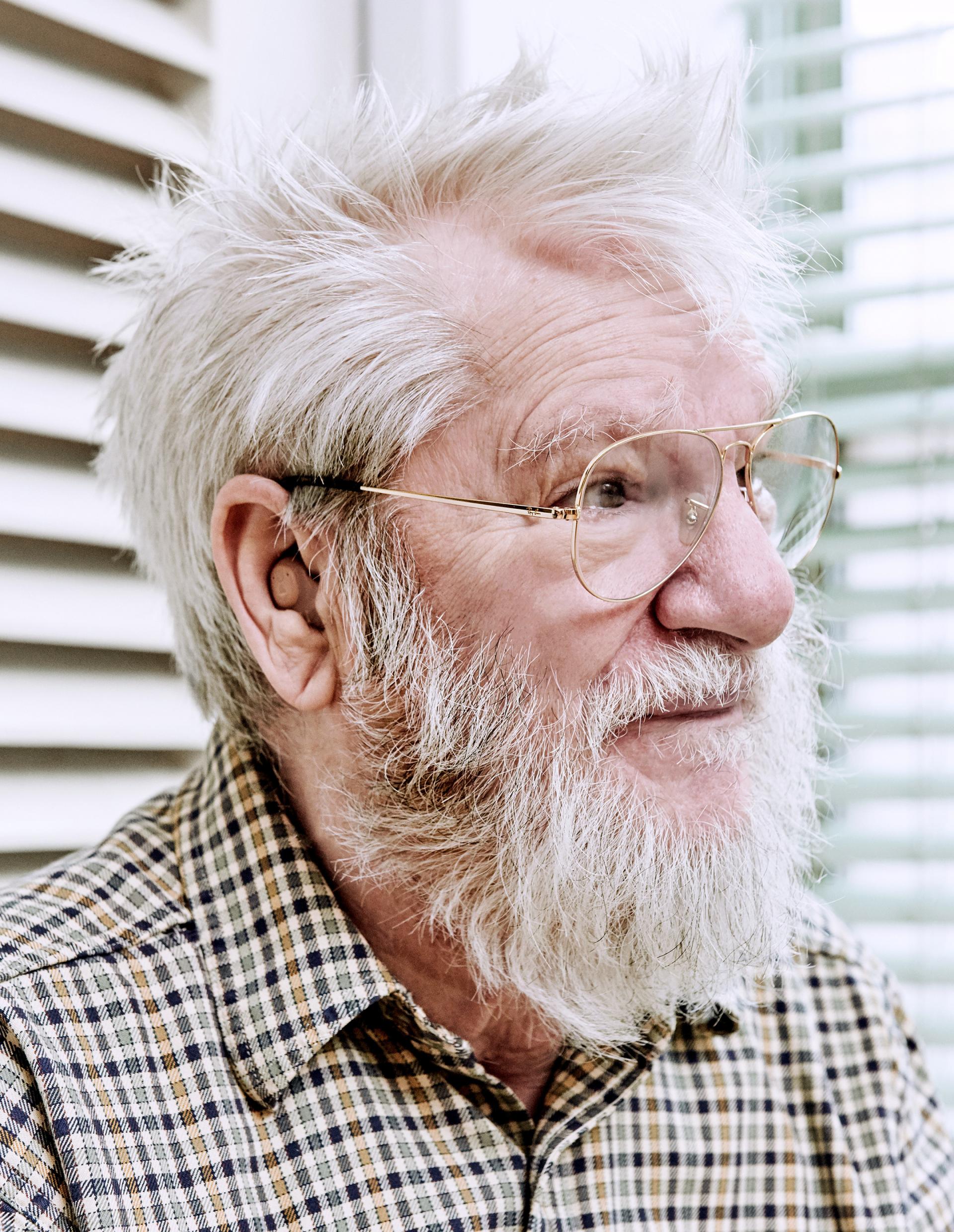
Daniel Graham was an American visual artist, writer, and curator in the writer-artist tradition. In addition to his visual works, he published a large array of critical and speculative writing that spanned the spectrum from heady art theory essays, reviews of rock music, Dwight D. Eisenhower's paintings, and Dean Martin's television show. His early magazine-based art predates, but is often associated with, conceptual art. His later work focused on cultural phenomena by incorporating photography, video, performance art, glass and mirror installation art structures, and closed-circuit television.
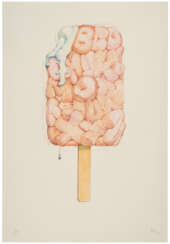

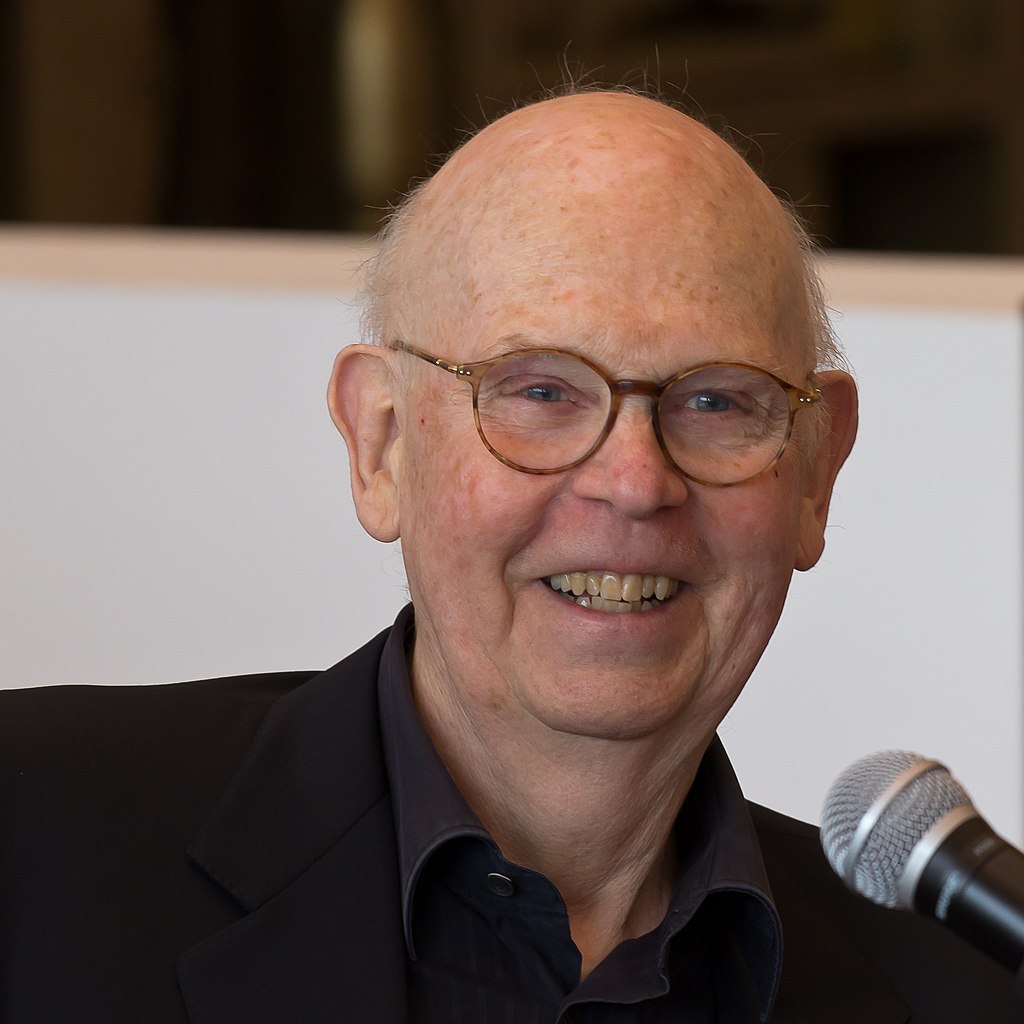
Claes Oldenburg was a Swedish-born American sculptor, celebrated for his groundbreaking contributions to the field of public art and sculpture. With a career spanning over several decades, Oldenburg redefined the boundaries between sculpture and everyday objects, bringing a whimsical yet profound commentary on consumer culture and the urban environment. His talent for transforming the mundane into the monumental made his work not only iconic but also a vital part of the conversation about the role of art in public spaces.
Oldenburg's sculptures are characterized by their colossal scale and imaginative designs, often inspired by everyday items. Perhaps his most famous works include "Clothespin" in Philadelphia and "Spoonbridge and Cherry" in Minneapolis. These pieces are emblematic of his unique approach to sculpture, where familiar objects are reimagined in unexpected contexts, challenging viewers to see the world around them in new ways. His ability to blur the lines between art and life, combined with his playful exploration of form and material, has left an indelible mark on the art world.
For collectors and experts in art and antiques, Oldenburg's works represent not just significant artistic achievements but also compelling investments. His sculptures and installations continue to be celebrated in museums and galleries worldwide, testament to his enduring influence and relevance in the contemporary art scene. For those interested in the intersection of culture, art, and urban life, Oldenburg's legacy offers rich insights and inspiration.
To stay informed about new product sales and auction events related to Claes Oldenburg, we invite you to sign up for updates. This subscription service is designed for collectors and art enthusiasts eager to keep abreast of the latest developments and opportunities in the world of art and antiques. Join us in exploring the remarkable contributions of Claes Oldenburg to the art world.




Pierre Soulages was a French painter, printmaker, and sculptor. In 2014, François Hollande described him as "the world's greatest living artist."
Soulages is known as "the painter of black," owing to his interest in the colour "both as a colour and a non-colour. When light is reflected on black, it transforms and transmutes it. It opens a mental field all its own." He saw light as a work material; striations of the black surface of his paintings enable him to reflect light, allowing the black to come out of darkness and into brightness, thus becoming a luminous colour.
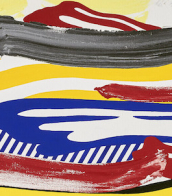


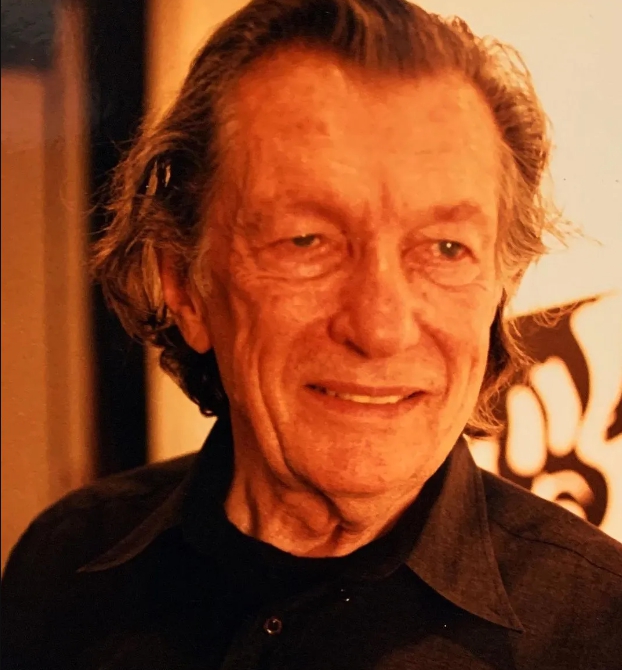
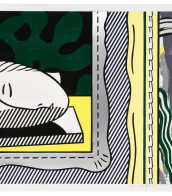
John Wesley was an American painter, known for idiosyncratic figurative works of eros and humor, rendered in a precise, hard-edged, deadpan style. Wesley's art largely remained true to artistic premises that he established in the 1960s: a comic-strip style of flat shapes, delicate black outline, a limited matte palette of saturated colors, and elegant, pared-down compositions. His characteristic subjects included cavorting nymphs, nudes, infants and animals, pastoral and historical scenes, and 1950s comic strip characters in humorously blasphemous, ambiguous scenarios of forbidden desire, rage or despair.


John Wesley was an American painter, known for idiosyncratic figurative works of eros and humor, rendered in a precise, hard-edged, deadpan style. Wesley's art largely remained true to artistic premises that he established in the 1960s: a comic-strip style of flat shapes, delicate black outline, a limited matte palette of saturated colors, and elegant, pared-down compositions. His characteristic subjects included cavorting nymphs, nudes, infants and animals, pastoral and historical scenes, and 1950s comic strip characters in humorously blasphemous, ambiguous scenarios of forbidden desire, rage or despair.


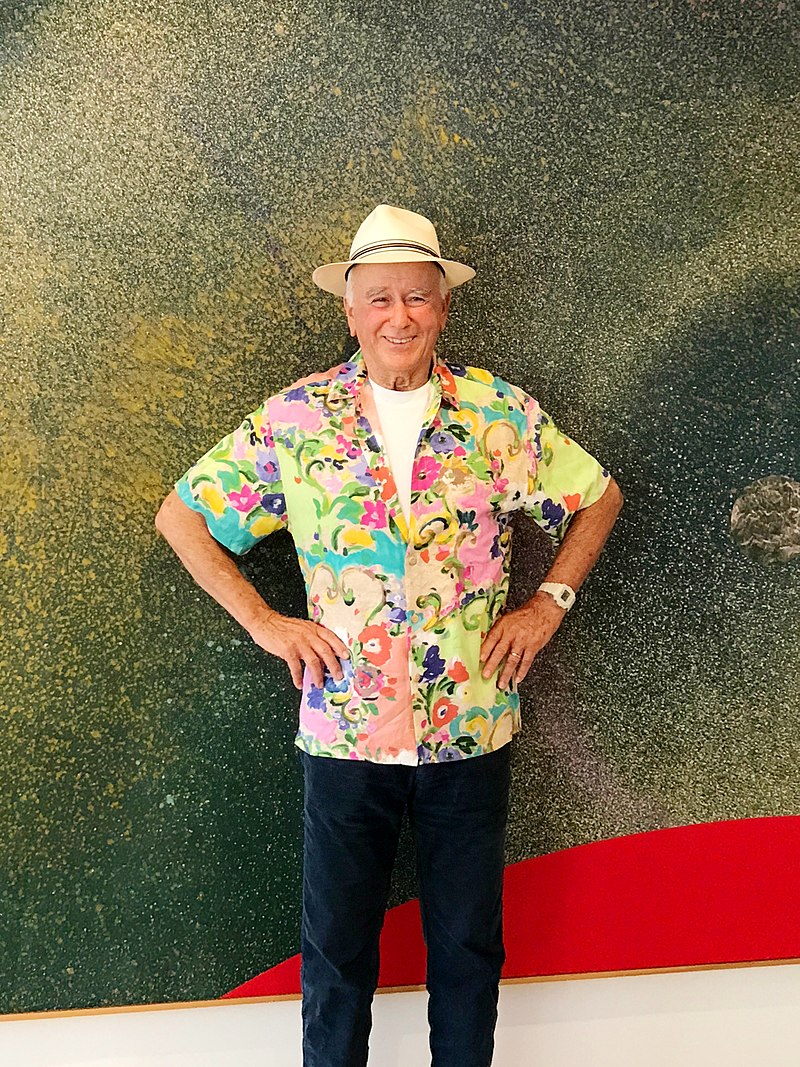
Billy Al Bengston was an American visual artist and sculptor who lived and worked in Venice, California, and Honolulu, Hawaii. Bengston was probably best known for work he created that reflected California's "Kustom" car and motorcycle culture. He pioneered the use of sprayed layers of automobile lacquer in fine art and often used colors that were psychedelic and shapes that were mandala-like. ARTnews referred to Bengston as a "giant of Los Angeles's postwar art scene."


John Wesley was an American painter, known for idiosyncratic figurative works of eros and humor, rendered in a precise, hard-edged, deadpan style. Wesley's art largely remained true to artistic premises that he established in the 1960s: a comic-strip style of flat shapes, delicate black outline, a limited matte palette of saturated colors, and elegant, pared-down compositions. His characteristic subjects included cavorting nymphs, nudes, infants and animals, pastoral and historical scenes, and 1950s comic strip characters in humorously blasphemous, ambiguous scenarios of forbidden desire, rage or despair.


John Wesley was an American painter, known for idiosyncratic figurative works of eros and humor, rendered in a precise, hard-edged, deadpan style. Wesley's art largely remained true to artistic premises that he established in the 1960s: a comic-strip style of flat shapes, delicate black outline, a limited matte palette of saturated colors, and elegant, pared-down compositions. His characteristic subjects included cavorting nymphs, nudes, infants and animals, pastoral and historical scenes, and 1950s comic strip characters in humorously blasphemous, ambiguous scenarios of forbidden desire, rage or despair.


Billy Al Bengston was an American visual artist and sculptor who lived and worked in Venice, California, and Honolulu, Hawaii. Bengston was probably best known for work he created that reflected California's "Kustom" car and motorcycle culture. He pioneered the use of sprayed layers of automobile lacquer in fine art and often used colors that were psychedelic and shapes that were mandala-like. ARTnews referred to Bengston as a "giant of Los Angeles's postwar art scene."
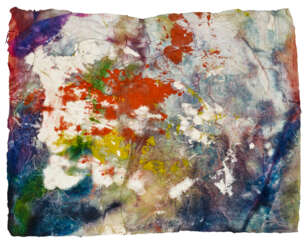

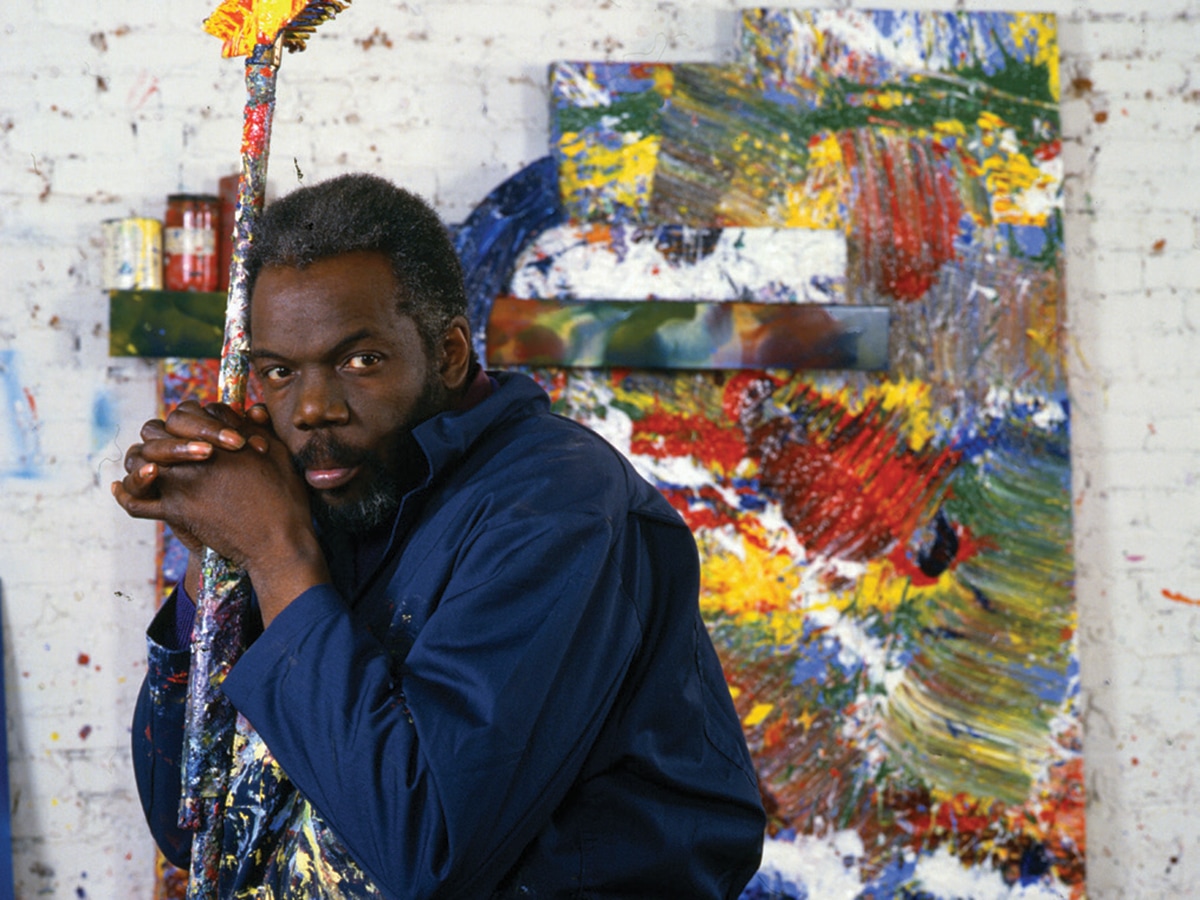
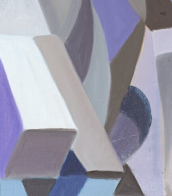
Sam Gilliam was an American color field painter and lyrical abstractionist artist. Gilliam was associated with the Washington Color School, a group of Washington, D.C.-area artists that developed a form of abstract art from color field painting in the 1950s and 1960s. His works have also been described as belonging to abstract expressionism and lyrical abstraction. He worked on stretched, draped and wrapped canvas, and added sculptural 3D elements. He was recognized as the first artist to introduce the idea of a draped, painted canvas hanging without stretcher bars around 1965.


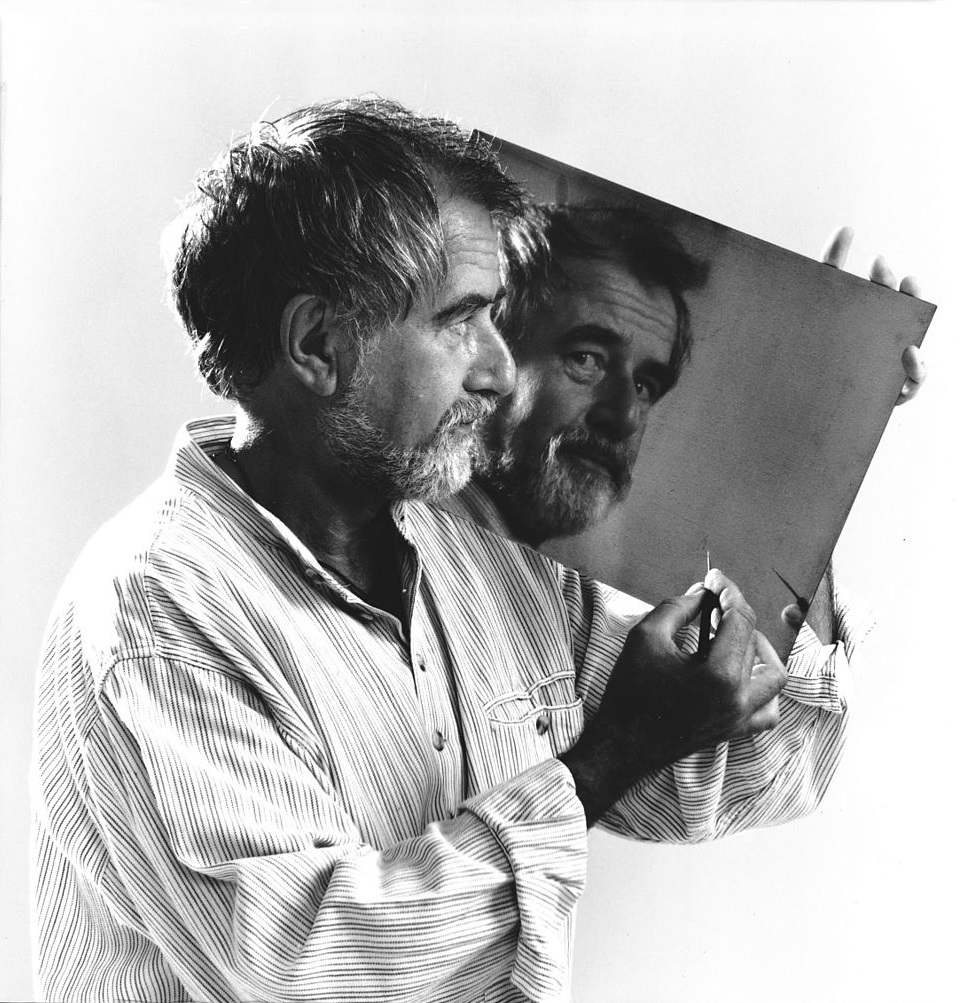
Christian Mischke is a contemporary German painter, graphic artist, draftsman and printmaker.






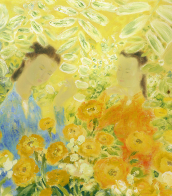
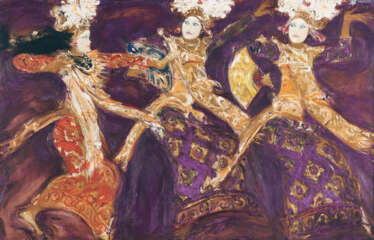



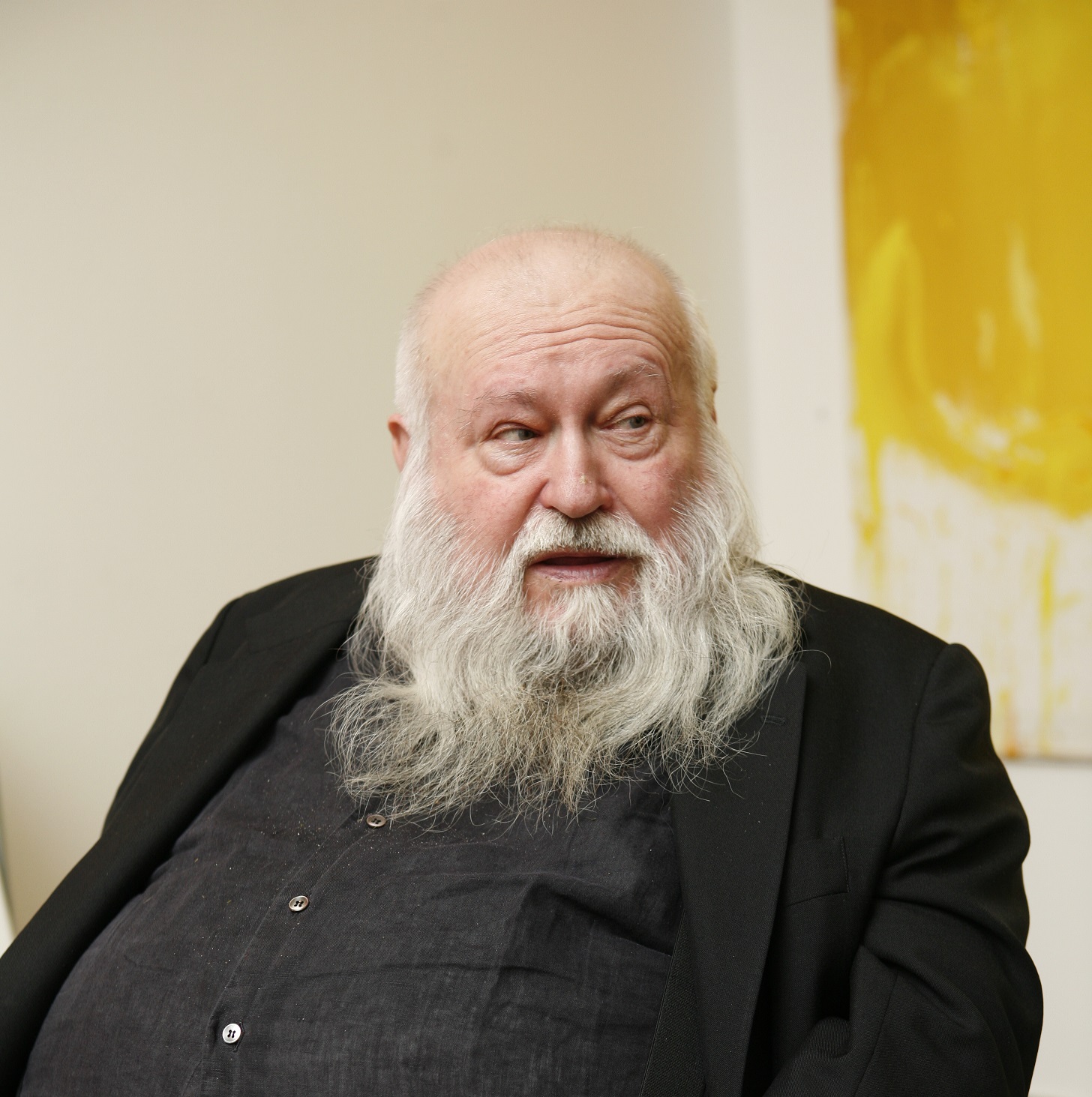
Hermann Nitsch was an Austrian contemporary artist and composer. His art encompassed wide-scale performances incorporating theater, multimedia, rituals and acted violence. He was a leading figure of Viennese Actionism.
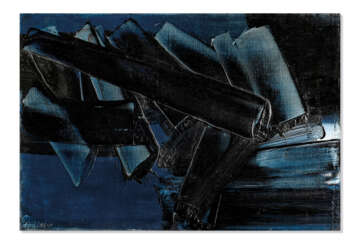

Pierre Soulages was a French painter, printmaker, and sculptor. In 2014, François Hollande described him as "the world's greatest living artist."
Soulages is known as "the painter of black," owing to his interest in the colour "both as a colour and a non-colour. When light is reflected on black, it transforms and transmutes it. It opens a mental field all its own." He saw light as a work material; striations of the black surface of his paintings enable him to reflect light, allowing the black to come out of darkness and into brightness, thus becoming a luminous colour.
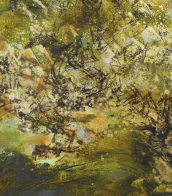
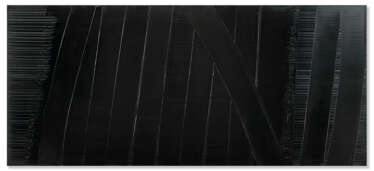

Pierre Soulages was a French painter, printmaker, and sculptor. In 2014, François Hollande described him as "the world's greatest living artist."
Soulages is known as "the painter of black," owing to his interest in the colour "both as a colour and a non-colour. When light is reflected on black, it transforms and transmutes it. It opens a mental field all its own." He saw light as a work material; striations of the black surface of his paintings enable him to reflect light, allowing the black to come out of darkness and into brightness, thus becoming a luminous colour.
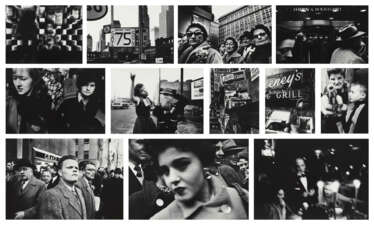

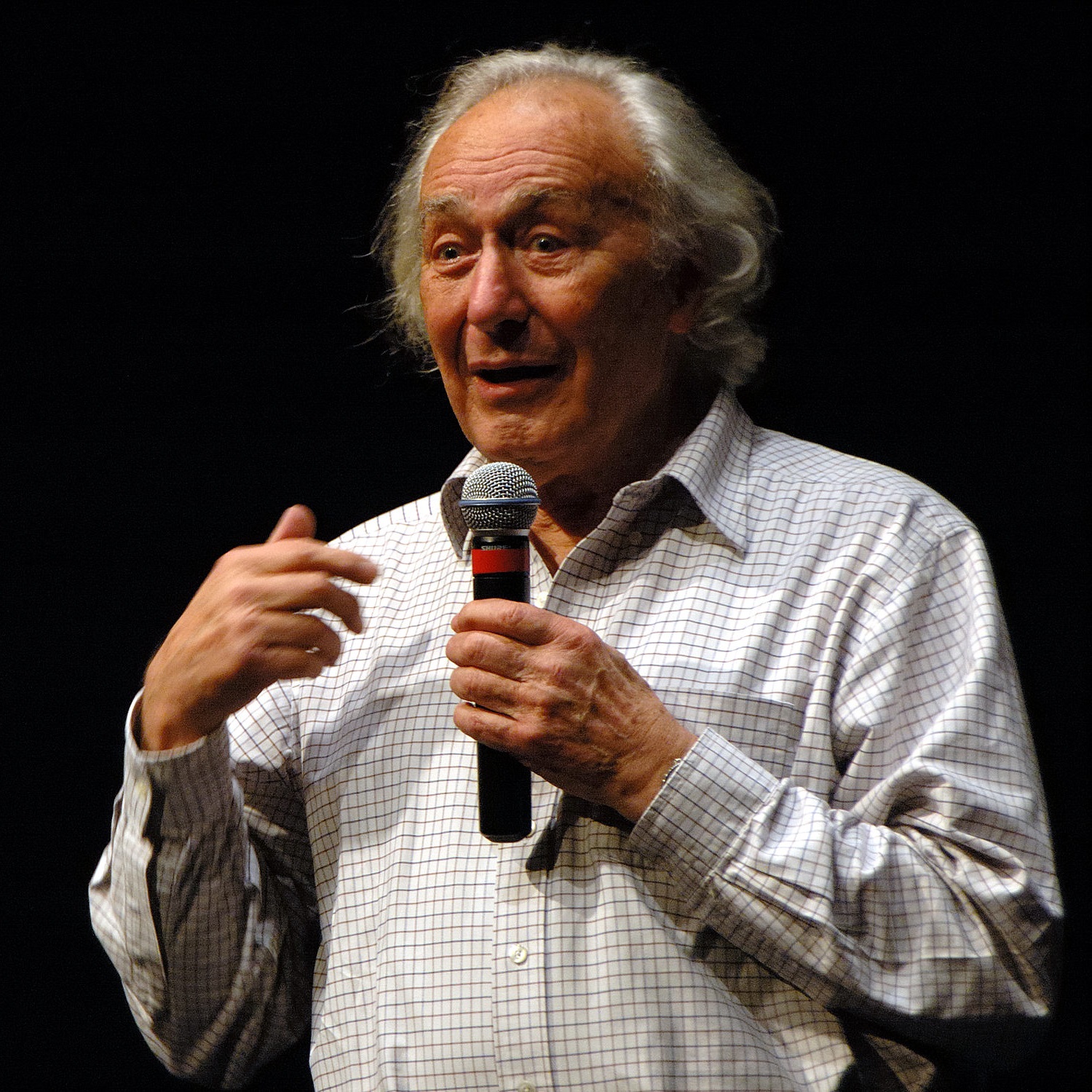
William Klein was an American-born French photographer and filmmaker noted for his ironic approach to both media and his extensive use of unusual photographic techniques in the context of photojournalism and fashion photography. He was ranked 25th on Professional Photographer's list of 100 most influential photographers.
Klein trained as a painter, studying under Fernand Léger, and found early success with exhibitions of his work. He soon moved on to photography and achieved widespread fame as a fashion photographer for Vogue and for his photo essays on various cities. He directed feature-length fiction films, numerous short and feature-length documentaries and produced over 250 television commercials.
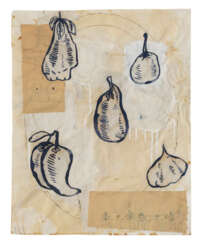

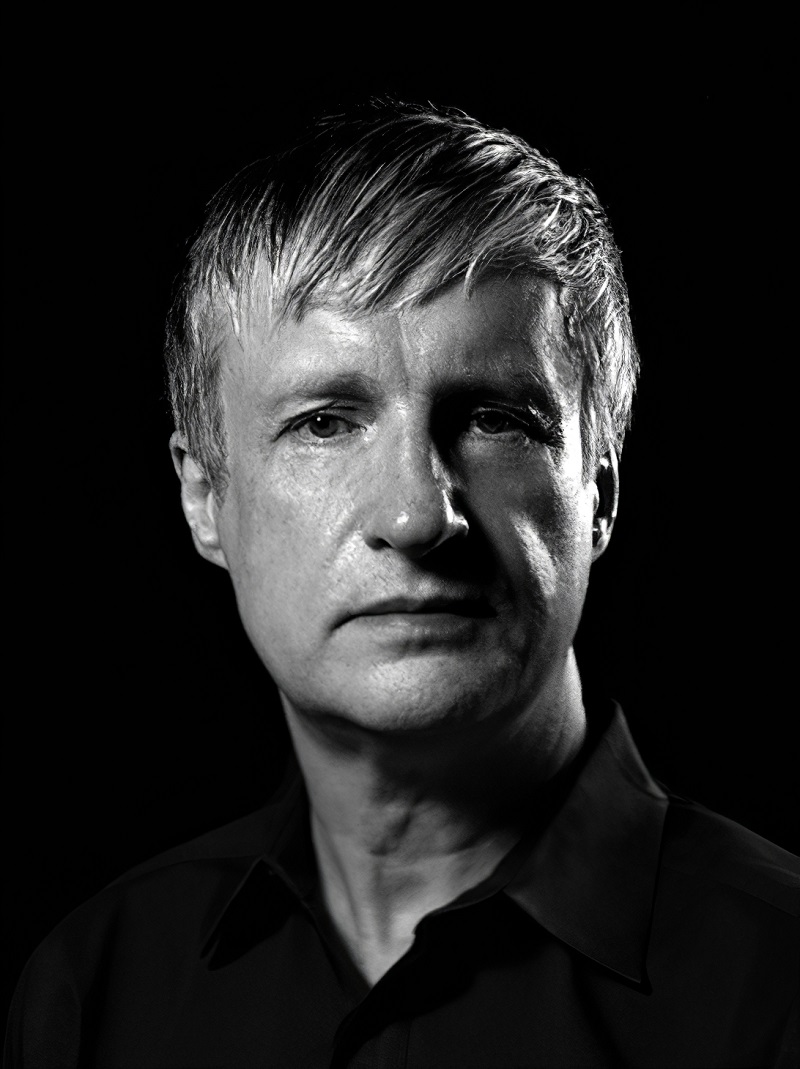
Donald Baechler was an American painter and sculptor associated with 1980s Neo-expressionism.
Baechler's artwork is in various permanent museum collections including at the Whitney Museum of American Art, the Museum of Modern Art, Solomon R. Guggenheim Museum, the Museum of Fine Arts Boston, the Stedelijk, and the Centre Pompidou.
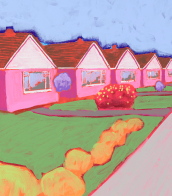
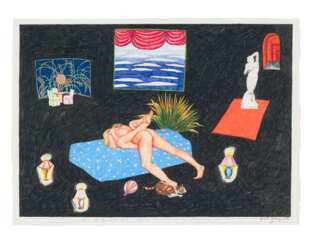

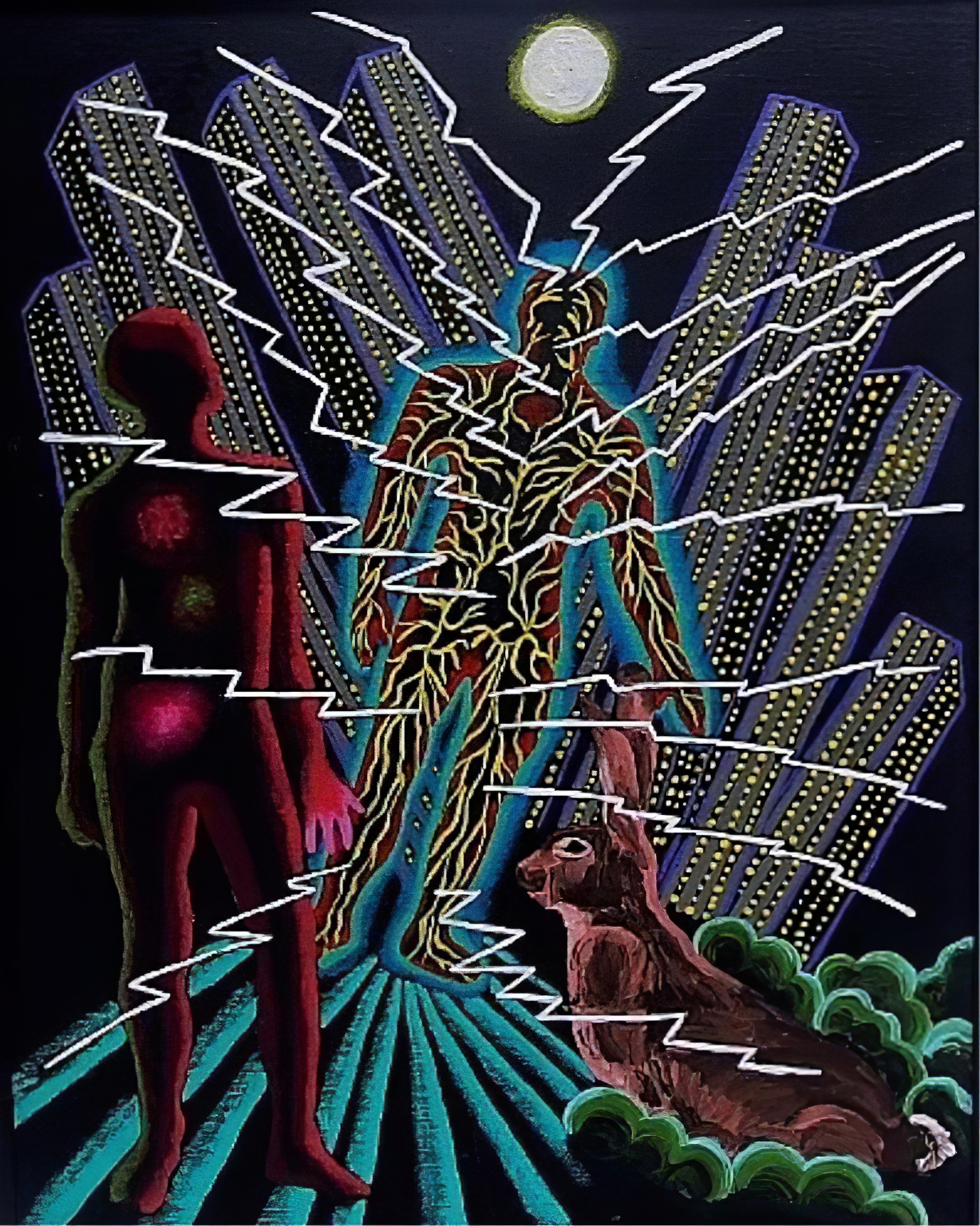
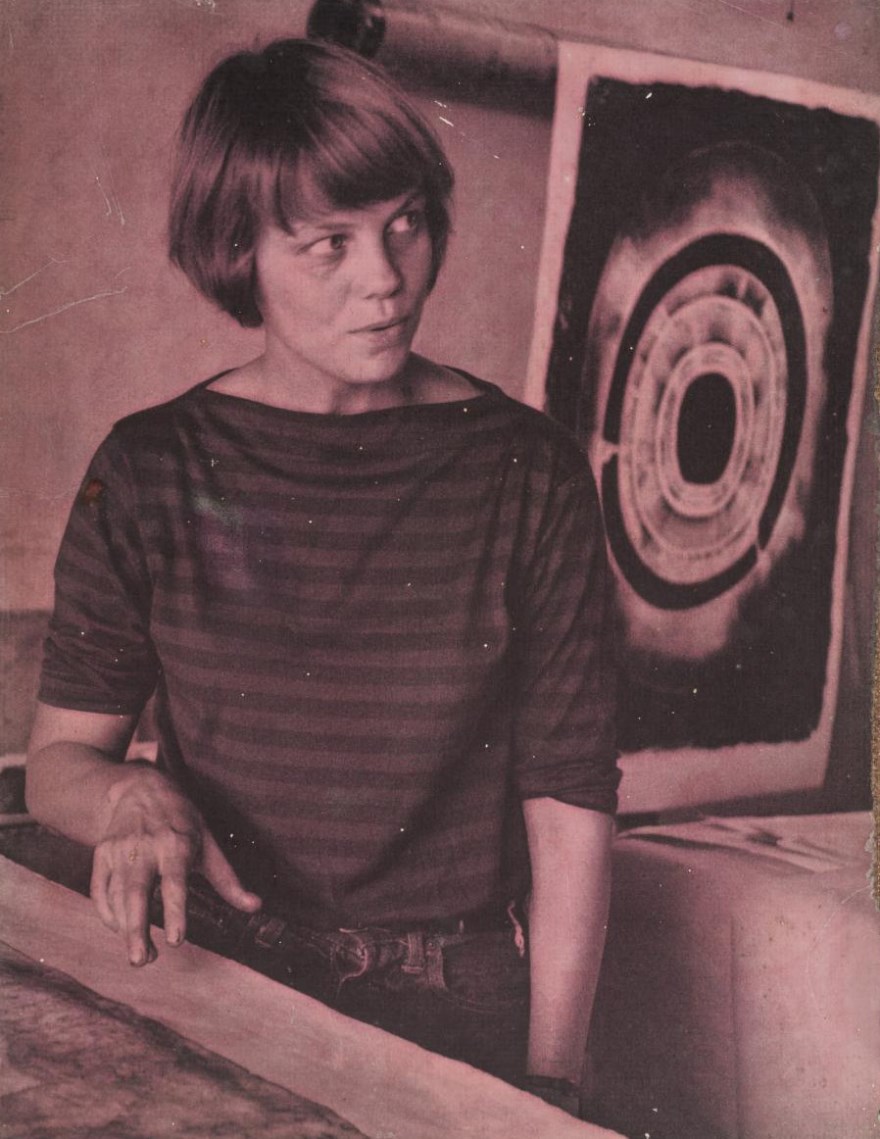
Janet Cooling is an American artist and professor of fine arts at San Diego State University. She is known for her explicitly lesbian and erotic works.


Pierre Soulages was a French painter, printmaker, and sculptor. In 2014, François Hollande described him as "the world's greatest living artist."
Soulages is known as "the painter of black," owing to his interest in the colour "both as a colour and a non-colour. When light is reflected on black, it transforms and transmutes it. It opens a mental field all its own." He saw light as a work material; striations of the black surface of his paintings enable him to reflect light, allowing the black to come out of darkness and into brightness, thus becoming a luminous colour.
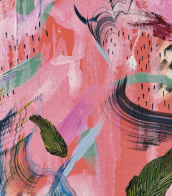
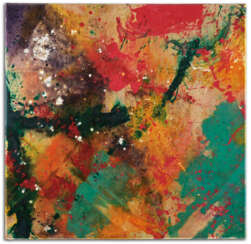

Sam Gilliam was an American color field painter and lyrical abstractionist artist. Gilliam was associated with the Washington Color School, a group of Washington, D.C.-area artists that developed a form of abstract art from color field painting in the 1950s and 1960s. His works have also been described as belonging to abstract expressionism and lyrical abstraction. He worked on stretched, draped and wrapped canvas, and added sculptural 3D elements. He was recognized as the first artist to introduce the idea of a draped, painted canvas hanging without stretcher bars around 1965.


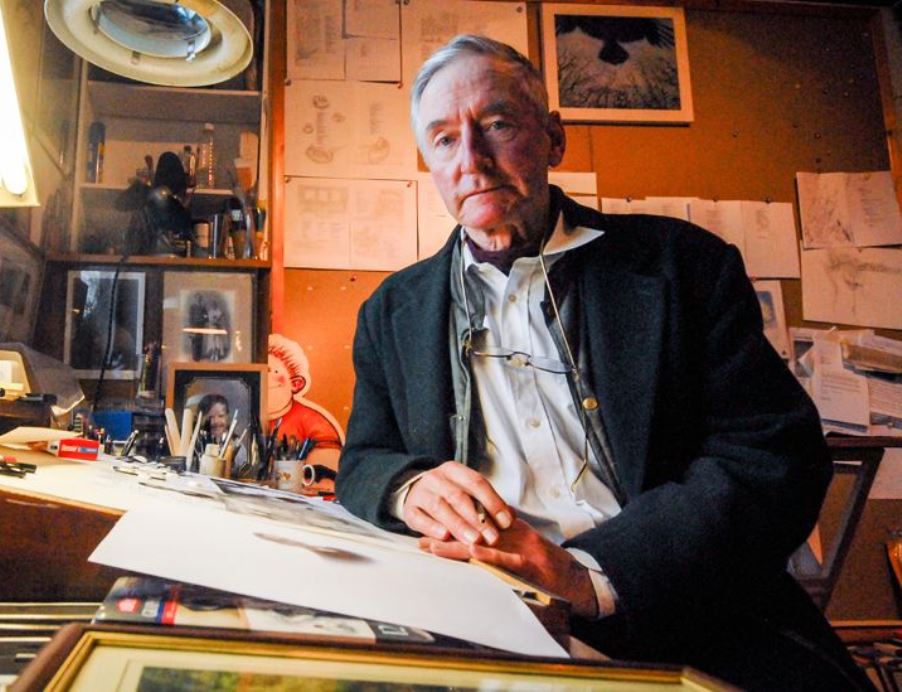
Raymond Redvers Briggs was a British writer, illustrator, and cartoonist.
A professional illustrator, he worked on the design of children's books. In the 1960s, Briggs discovered his talent and ability to combine words and pictures, using a form of strip cartooning that defined his later work.
Briggs is best known for his wordless book The Snowman, published in 1978, a sort of cute children's tale but with deep meaning. The animated and musical versions of this book are popular in Britain and are shown annually at Christmas.


Raymond Redvers Briggs was a British writer, illustrator, and cartoonist.
A professional illustrator, he worked on the design of children's books. In the 1960s, Briggs discovered his talent and ability to combine words and pictures, using a form of strip cartooning that defined his later work.
Briggs is best known for his wordless book The Snowman, published in 1978, a sort of cute children's tale but with deep meaning. The animated and musical versions of this book are popular in Britain and are shown annually at Christmas.
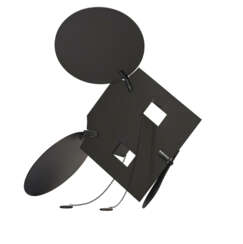

Claes Oldenburg was a Swedish-born American sculptor, celebrated for his groundbreaking contributions to the field of public art and sculpture. With a career spanning over several decades, Oldenburg redefined the boundaries between sculpture and everyday objects, bringing a whimsical yet profound commentary on consumer culture and the urban environment. His talent for transforming the mundane into the monumental made his work not only iconic but also a vital part of the conversation about the role of art in public spaces.
Oldenburg's sculptures are characterized by their colossal scale and imaginative designs, often inspired by everyday items. Perhaps his most famous works include "Clothespin" in Philadelphia and "Spoonbridge and Cherry" in Minneapolis. These pieces are emblematic of his unique approach to sculpture, where familiar objects are reimagined in unexpected contexts, challenging viewers to see the world around them in new ways. His ability to blur the lines between art and life, combined with his playful exploration of form and material, has left an indelible mark on the art world.
For collectors and experts in art and antiques, Oldenburg's works represent not just significant artistic achievements but also compelling investments. His sculptures and installations continue to be celebrated in museums and galleries worldwide, testament to his enduring influence and relevance in the contemporary art scene. For those interested in the intersection of culture, art, and urban life, Oldenburg's legacy offers rich insights and inspiration.
To stay informed about new product sales and auction events related to Claes Oldenburg, we invite you to sign up for updates. This subscription service is designed for collectors and art enthusiasts eager to keep abreast of the latest developments and opportunities in the world of art and antiques. Join us in exploring the remarkable contributions of Claes Oldenburg to the art world.

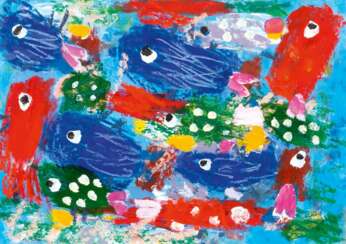

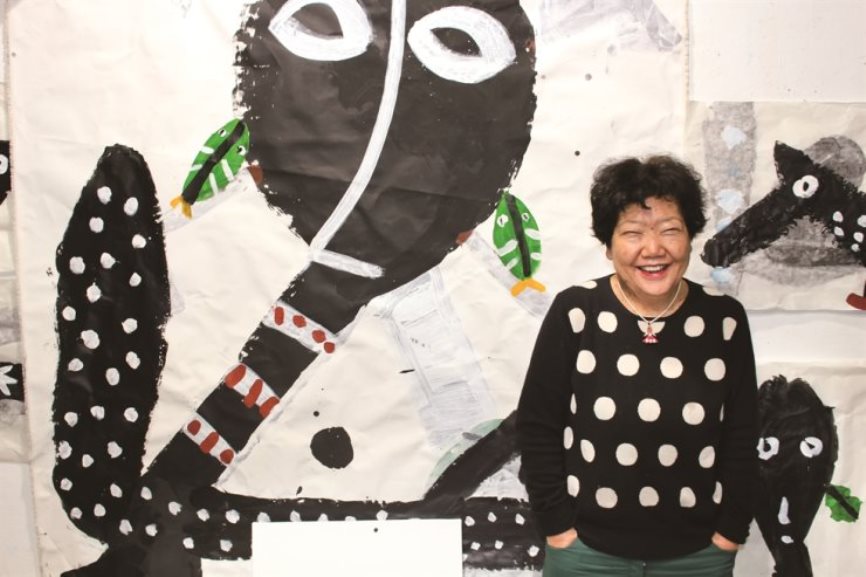
Eun Nim Ro is a South Korean artist who has worked in Germany.
She moved to Germany as a nurse in 1970, where she had the opportunity to exhibit her first works and receive art education. Eun Nim Ro developed an intuitive style of painting that combined Korean brush and ink drawings with the expressiveness of Western art. Naively drawn signs of fish, birds, trees and human figures became the artist's symbols. Eun Nim Ro's creative work is not limited to painting, she has also worked in other disciplines such as performance, calligraphy, painting, ceramics or installation. She has designed the windows of St. Johannes Church in Altona, among others, as well as light walls for government buildings in Seoul.
In 1990, Eun Nim Ro took up a professorship at the Hamburg University of Applied Sciences. In 1995, the artist became an honorary citizen of Seoul, and in 2015 she was also awarded the title of professor in Korea.
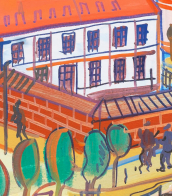
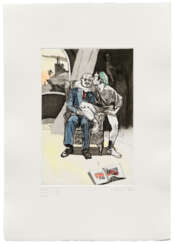

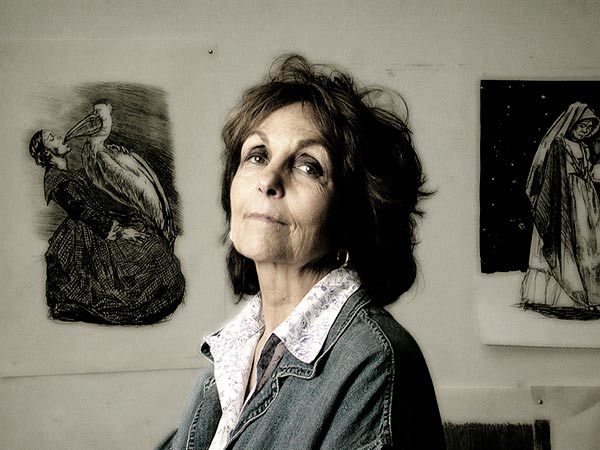
Maria Paula Figueiroa Rego was a Portuguese-British visual artist known particularly for her paintings and prints based on storybooks. Rego's style evolved from abstract towards representational, and she favoured pastels over oils for much of her career. Her work often reflects feminism, coloured by folk-themes from her native Portugal.