

504 act








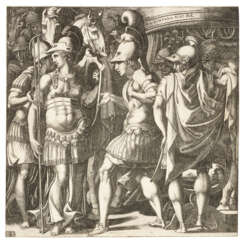

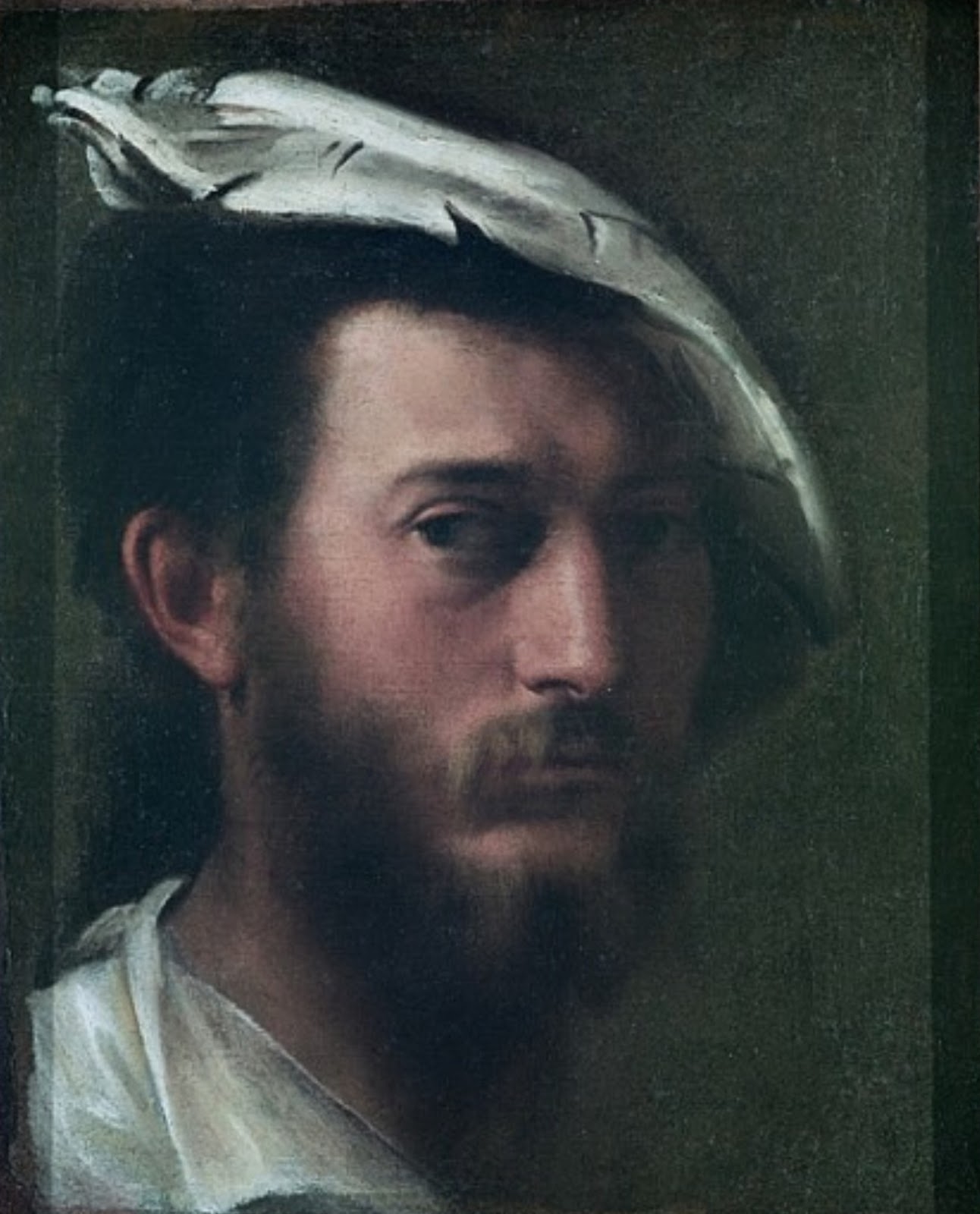
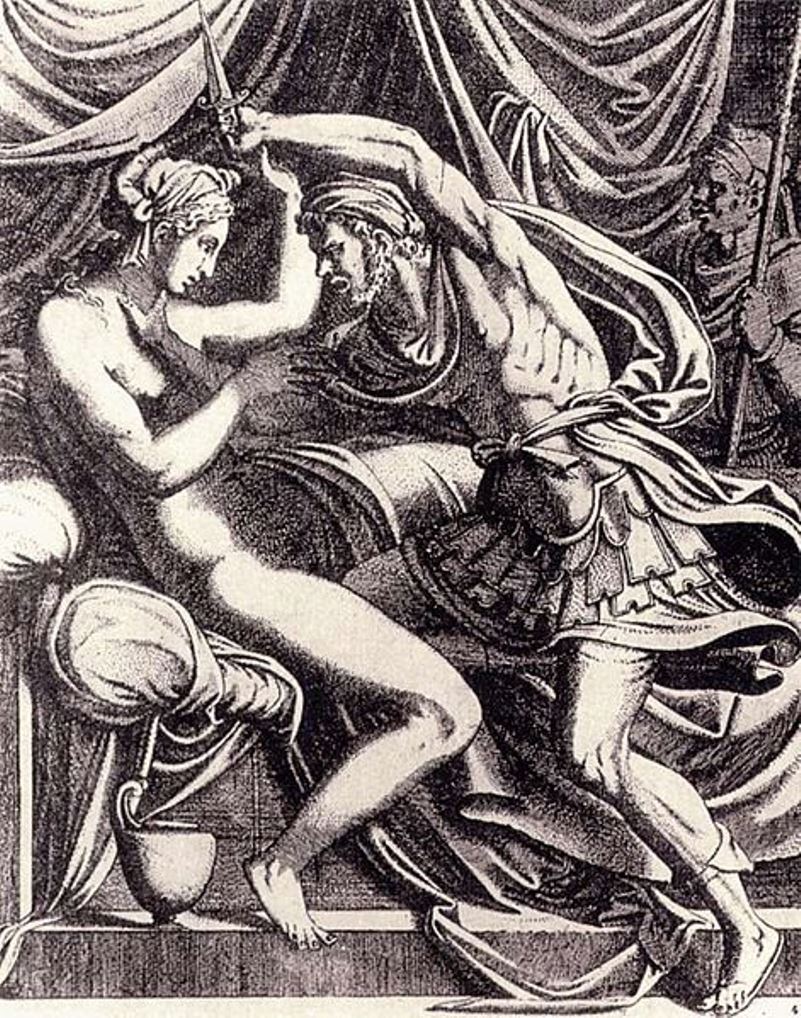
Francesco Primaticcio was an Italian Mannerist painter, architect and sculptor who spent most of his career in France.
Primaticcio's crowded Mannerist compositions and his long-legged canon of beauty influenced French art for the rest of the century.
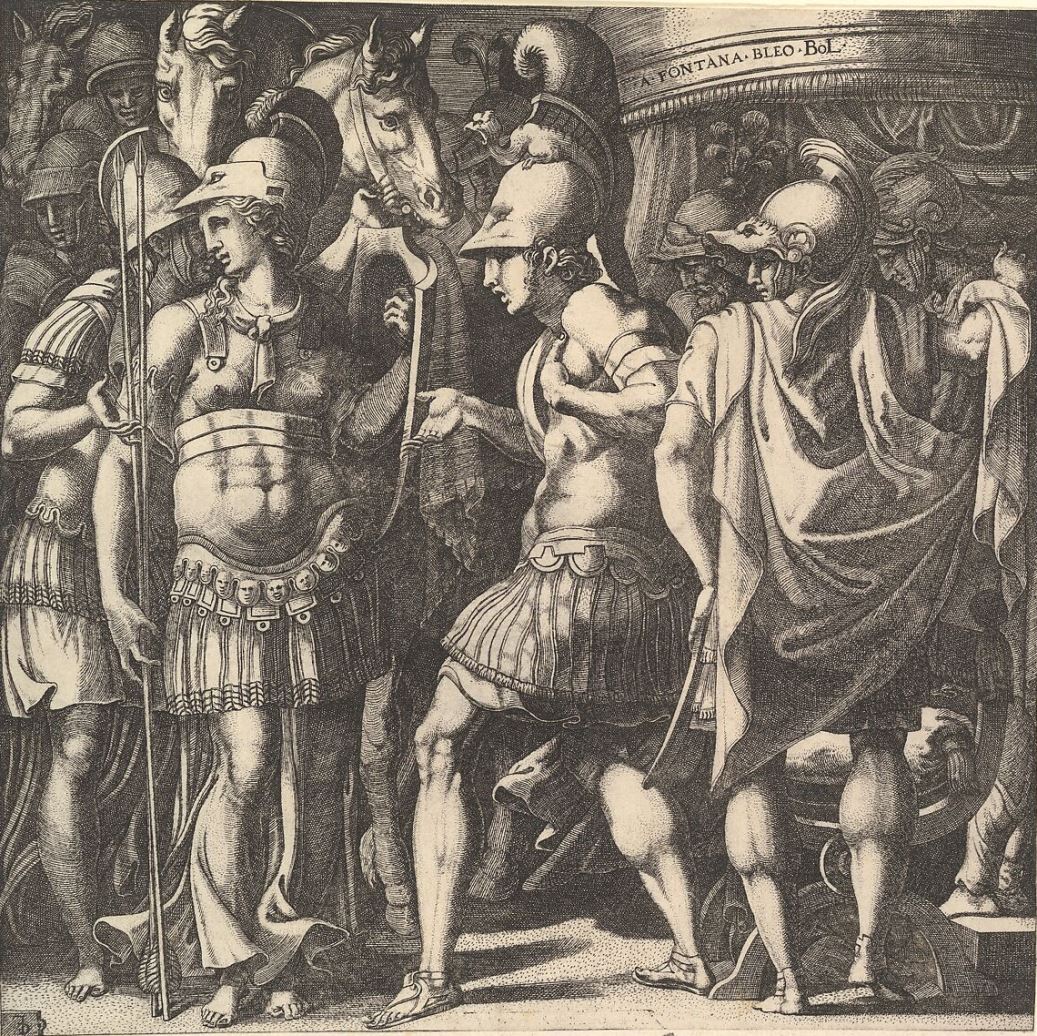
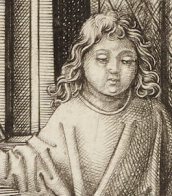










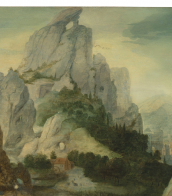



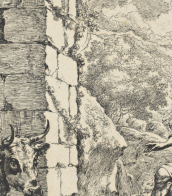

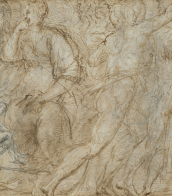

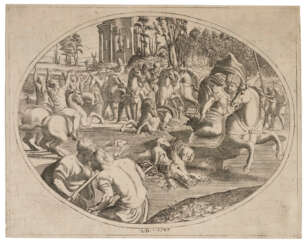

Francesco Primaticcio was an Italian Mannerist painter, architect and sculptor who spent most of his career in France.
Primaticcio's crowded Mannerist compositions and his long-legged canon of beauty influenced French art for the rest of the century.
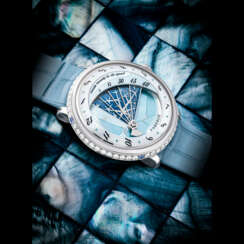

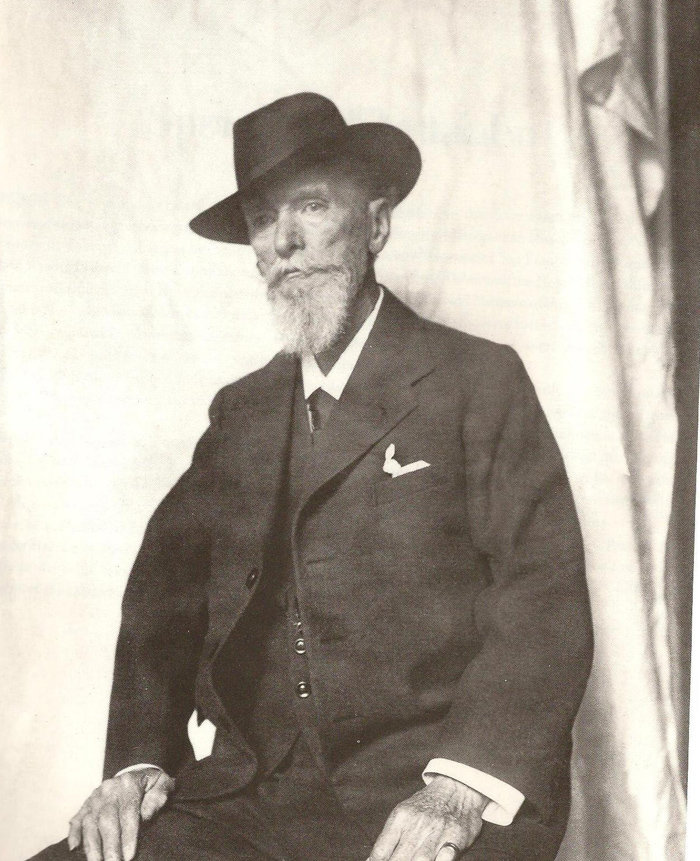
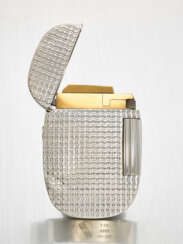
Carl Fabergé (Russian: Карл Гу́ставович Фаберже́) was a 19th- and 20th-century Russian jeweler, entrepreneur, and artist of German descent. He ran a family jewelry company for almost 50 years, which became world-famous for its products - Easter eggs made of precious metals, stones, and enamel.
Carl Fabergé met the Russian Emperor Alexander III at the All-Russian Exhibition in Moscow in 1882, which was a landmark event in the jeweler's career. The emperor ordered an Easter egg from the master for his wife, which the empress loved. From this moment on Fabergé, who became the jeweller to the Court, became responsible for the annual production of Easter eggs for the imperial court. Members of the imperial family also ordered jewelry from Fabergé for their many European relatives. This turned the Fabergé family company into one of the leaders of the world jewelry market.
Fabergé produced not only high-end jewelry products, but also items for the average buyer. In 2005, at Sotheby's in New York, several stone figurines were sold for $850,000 to $1,800,000.



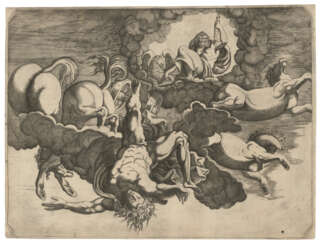

Francesco Primaticcio was an Italian Mannerist painter, architect and sculptor who spent most of his career in France.
Primaticcio's crowded Mannerist compositions and his long-legged canon of beauty influenced French art for the rest of the century.




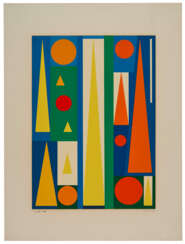

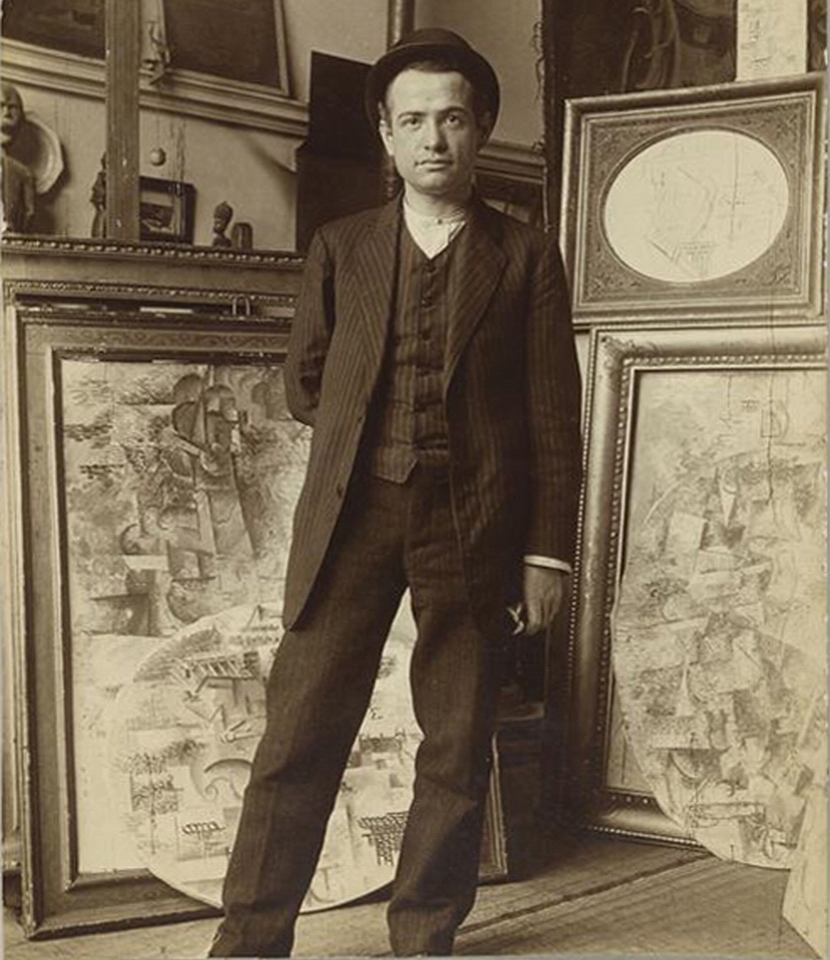
Auguste Herbin was a French painter, celebrated for his contributions to modern art, particularly within the realms of Cubism and abstract painting. Born on April 29, 1882, in Quiévy, Nord, France, Herbin's artistic journey took a significant turn after he moved to Paris in 1903. Initially influenced by Impressionism and Post-Impressionism, his style evolved significantly after 1909 when he became acquainted with Cubism, a movement that significantly influenced his work thereafter. By 1917, Herbin was fully immersed in creating abstract compositions, pioneering a unique blend of geometric abstraction that became his signature style. His abstract work, characterized by simple geometric shapes and vivid, unmodulated colors, adhered to a personal theory of art he detailed in his 1949 book, "L'Art non-figuratif, non-objectif".
Herbin's influence extended beyond his paintings; he was a co-founder of the groups Abstraction-Création and Salon des Réalités Nouvelles, advocating for non-figurative abstract art. Despite facing a significant challenge in 1953, when he became paralyzed on the right side and had to adapt by painting with his left hand, Herbin continued to create art until his passing on January 31, 1960, in Paris. His unfinished work, themed around the word "Fin," marks the poignant end of his prolific career.
Today, Herbin's works are housed in prestigious public collections worldwide, including the Museum de Fundatie in Zwolle, The Netherlands; Kröller-Müller Museum in Otterlo, The Netherlands; National Galleries of Scotland; Matisse Museum in Le Cateau-Cambrésis, France; and the KUNSTEN Museum of Modern Art Aalborg in Denmark, among others. These institutions celebrate Herbin's legacy, showcasing his innovative approach to abstract art that continues to inspire artists and collectors alike.
For enthusiasts and collectors interested in modern art and the evolution of abstract painting, Auguste Herbin's works offer a rich exploration of geometric abstraction and its theoretical underpinnings. Sign up for updates on new product sales and auction events related to Auguste Herbin, and delve deeper into the vibrant world of one of France's pioneering abstract artists.
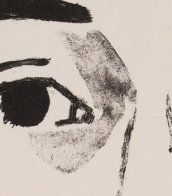
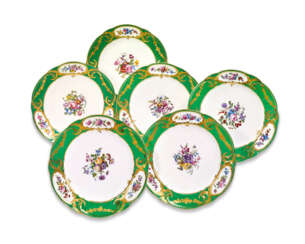







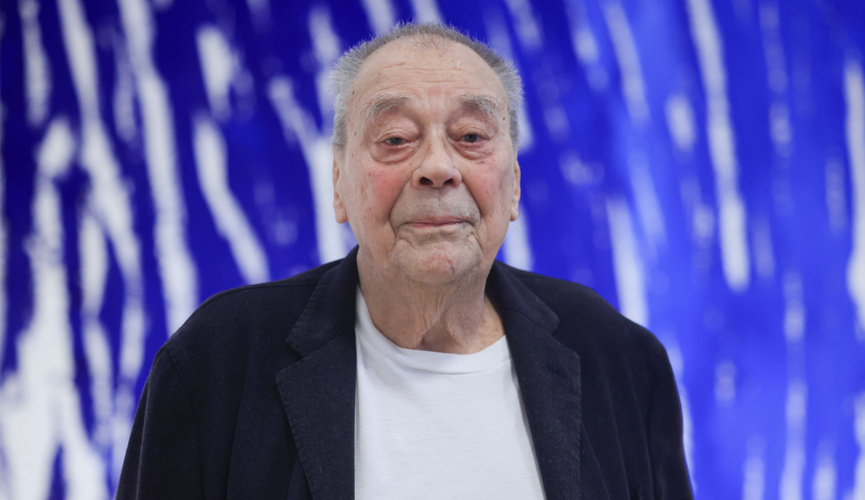
Günther Uecker is a German sculptor, op artist and installation artist.
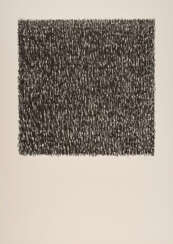

Günther Uecker is a German sculptor, op artist and installation artist.