52 booker st











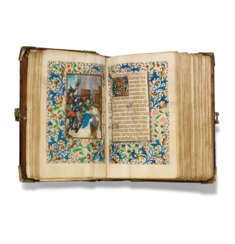

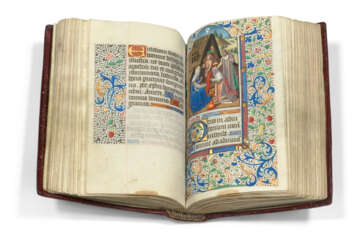

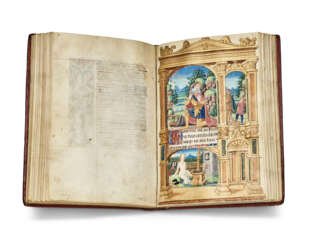
Maître François was a French illustrator who worked in Paris in the 1460s-1480s.
The identity of Maître François as an artist is first mentioned in a letter written by Robert Gauguin in 1473. Most of the prestigious commissions from the court and leading ecclesiastical figures of the time were carried out in François' studio. In Paris in the second half of the fifteenth century, one can trace the predominant style of illumination by the works of Master Jean Rolin, Maître François, and Master Jacques de Besançon. Bibliophiles close to the royal court encouraged the work of miniaturists through private commissions. In particular, Jacques d'Armagnac owned six manuscripts of Maitre Francois and his entourage.
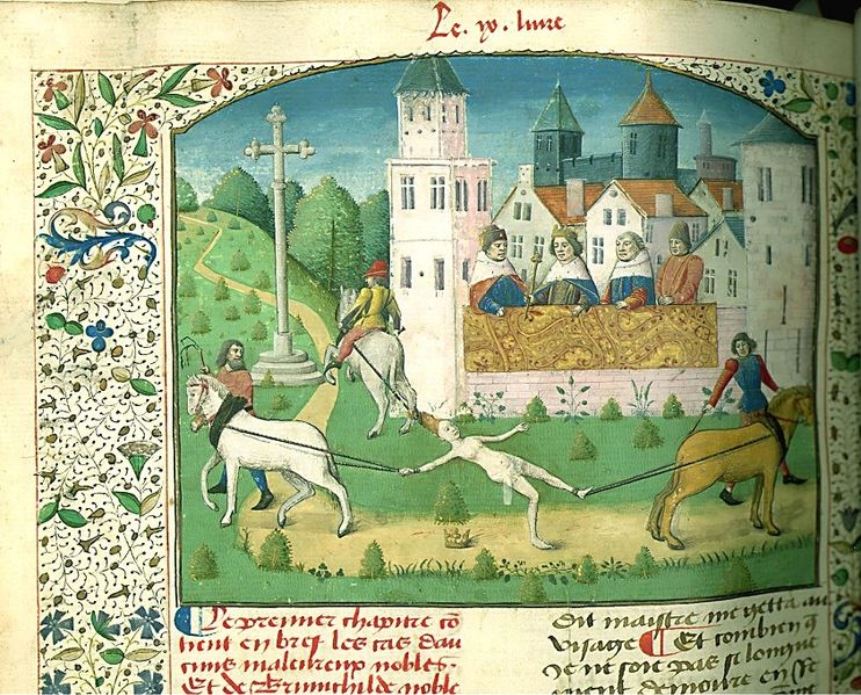
Boccaccio's De casibus virorum illustrium was very popular in the 15th century, where the author retells the fates and downfalls of famous personalities from the Bible, antiquity and medieval history, ending with Boccaccio's own contemporaries in 14th-century Florence. For a long time this book was even more famous and successful than Boccaccio's Decameron. The text was translated into French in 1409 for Jean, Duke de Berry, by his secretary Laurent Premieffe. And the illustrations for the book were later created in the workshop of the then respected Maître François.
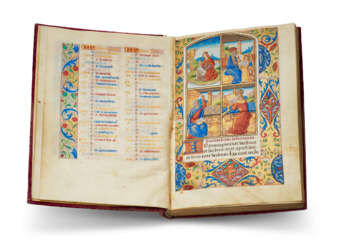



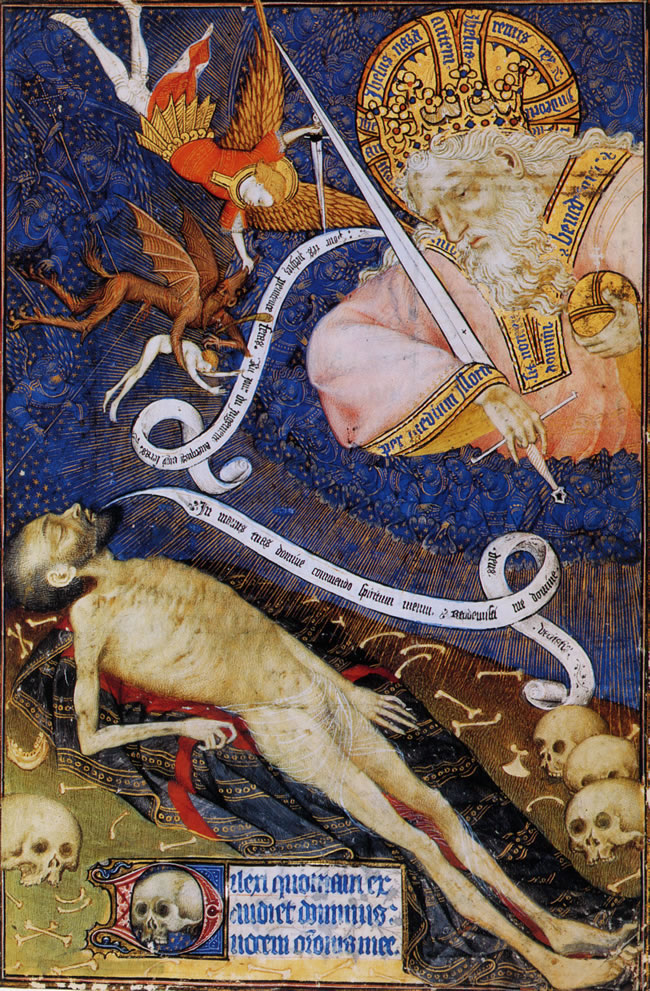
The Rohan Master is the name given to an unknown French illustrator in honor of his participation in the work on the manuscript known as the Rohan Clock.
The artist worked in the first half of the 15th century. He is known to have worked as a young man in the Champagne region of France and then moved to Paris around 1415-1420, where he established a large studio and collaborated with other illustrators. His work during this period included not only books of hours but also several secular manuscripts.
The influence of the Parisian artists of the time, Master Boucicault and the Limbur brothers, can be felt in the work of Master Rohan, but his style is characterized by an extraordinary expressiveness.
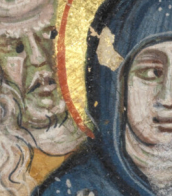
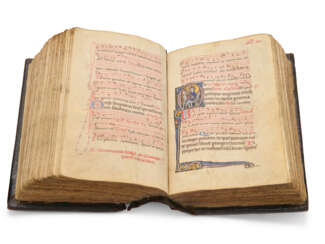















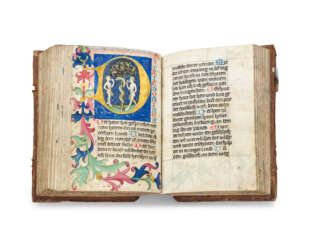

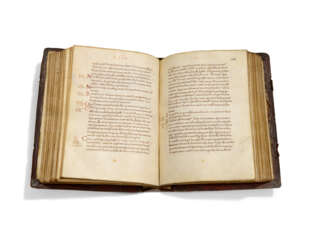

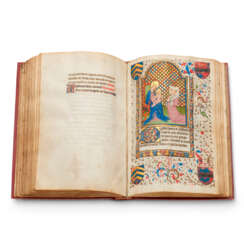

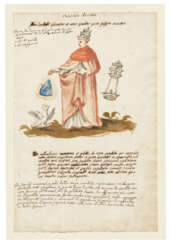

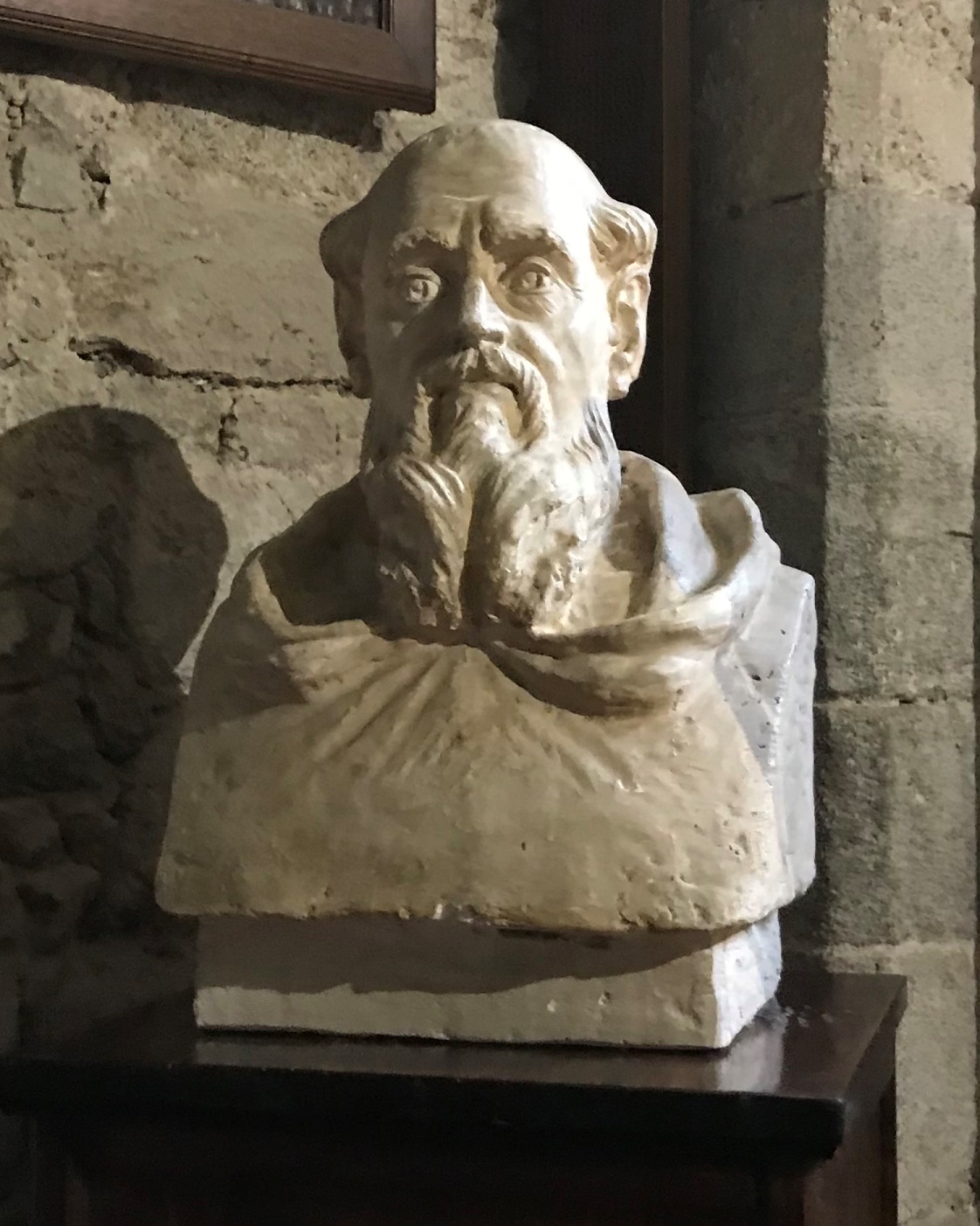
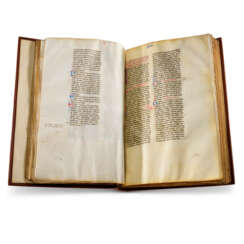
Joachim of Fiore, also known as Joachim de Fiore, and Gioacchino da Fiore, was an Italian mystic, theologian and philosopher of history, a great medieval thinker with a beautiful symbolic imagination.
Fiore was a prolific writer and explored the hidden meaning of the life of the apostles and the scriptures. At the end of the twelfth century Joachim had a high international reputation.
After a pilgrimage to the Holy Land, he became a Cistercian monk and by 1177 had become abbot at Corazzo, Sicily. He retired to the mountains to lead a contemplative life, and in 1196 he founded the Order of San Giovanni in Fiore. In his Book of the Harmony of the New and Old Testaments, Fiore set forth a theory of history and traced correspondences in the Old and New Testaments. In "An Exposition of the Apocalypse" he explored the symbols of the Antichrist, and in "The Ten-String Psalter" he set forth his doctrine of the Holy Trinity. A man of vivid imagination, he was proclaimed a prophet and condemned as a heretic.