alfred.
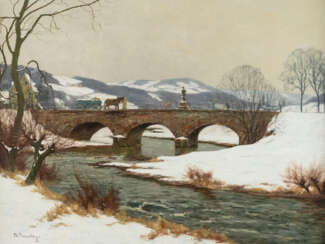

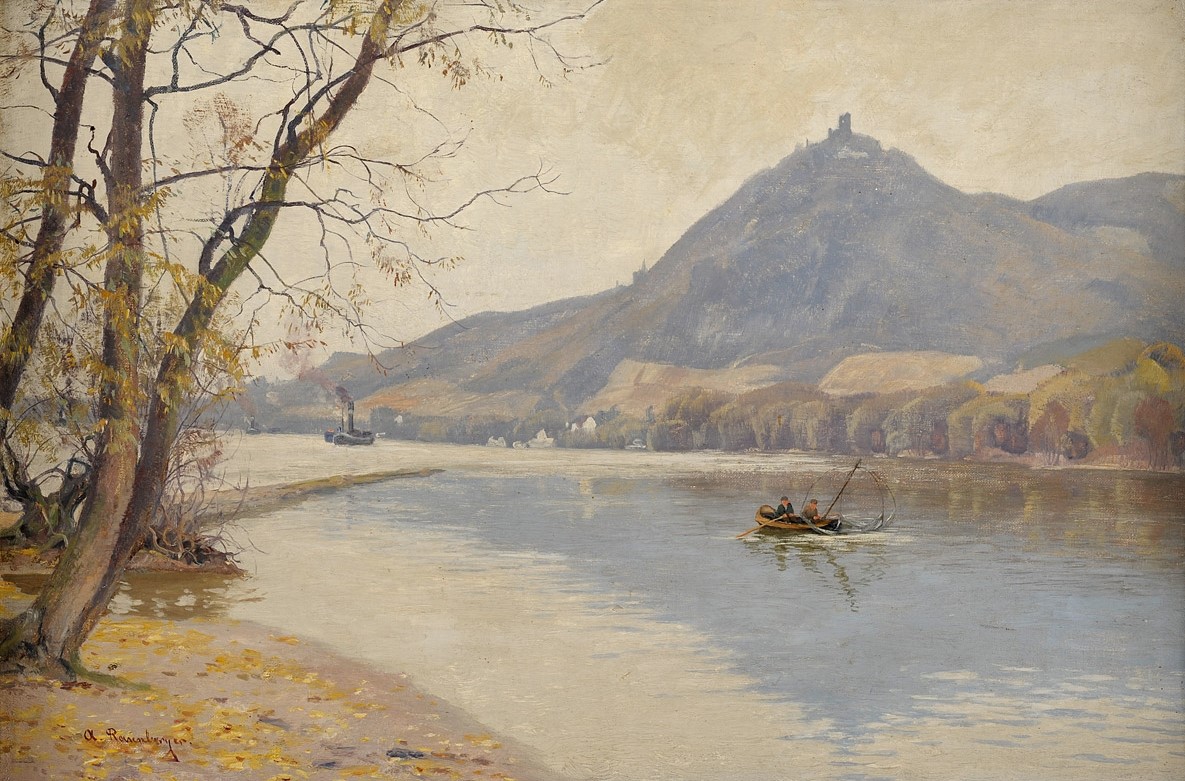
Alfred Rasenberger was a German impressionist and modernist painter who represented the Dusseldorf school of painting.
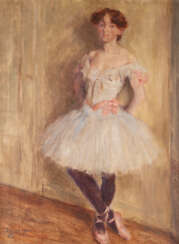

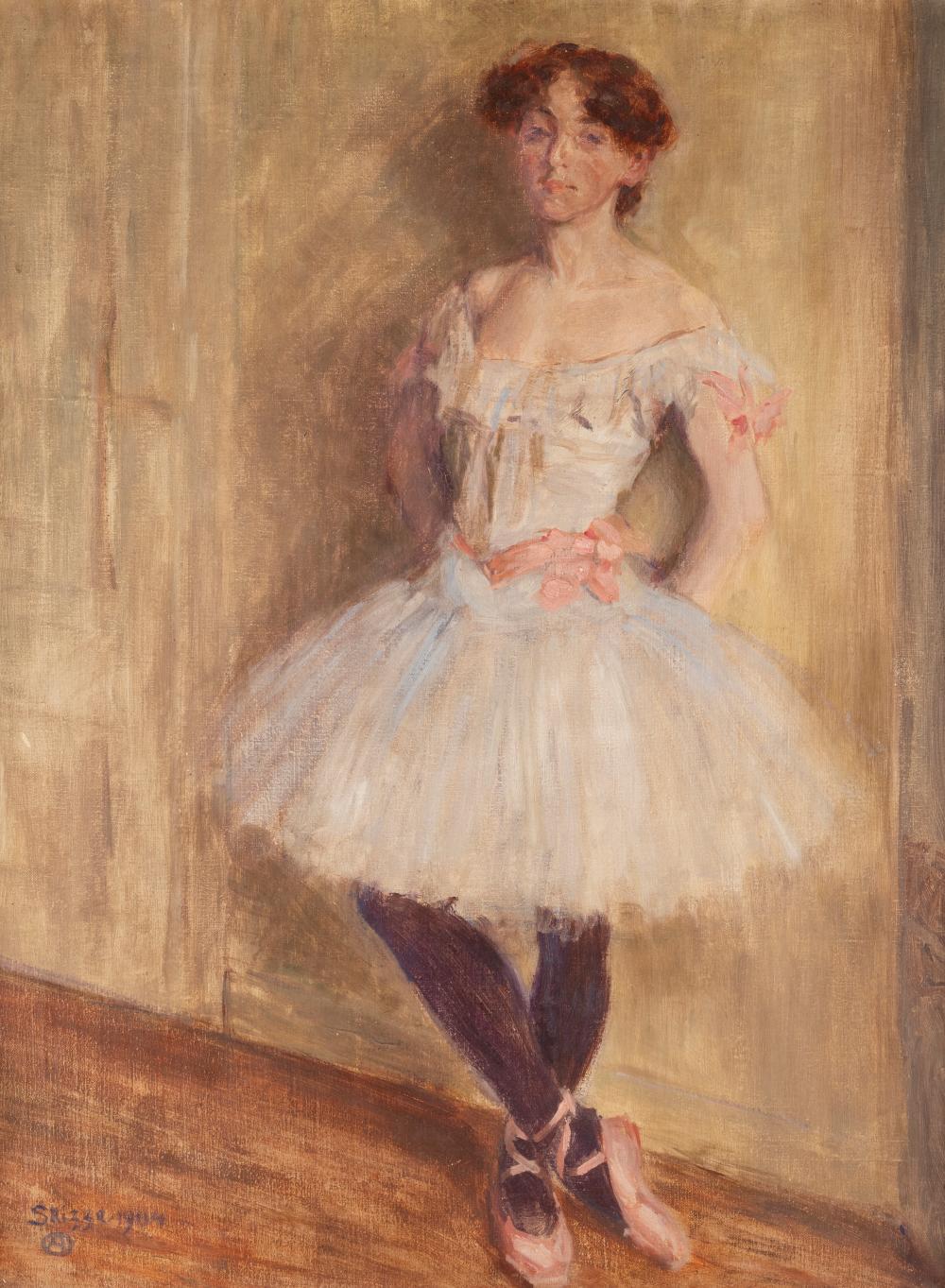
Alfred Nathaniel Oppenheim was a German artist.
Although Alfred Oppenheim was successful as an artist, for example as a portraitist of the Frankfurt bourgeoisie, he had further activities. Educated in Paris as a jeweler, he worked in the style of French Art Nouveau, which was an exception in Germany at that time, although he is more associated with German impressionism.
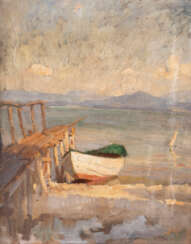

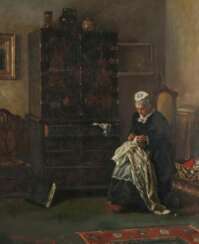

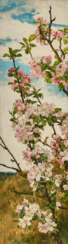


Alfred William Parsons was a British artist, illustrator and renowned garden designer, a Fellow of the Royal Academy.
He studied at the Kensington School of Art and was a keen gardener thanks to his gardener father. Parsons' favorite subject matter in his paintings is flowering gardens, paths between flowerbeds, and coastal riverscapes. His detailed botanical illustrations led to an acquaintance with William Robinson, one of the great gardeners of his day. He commissioned Parsons to create illustrations for The Wild Garden, and then received his first garden commission from architect Philip Webb. Parsons created several more simple but stunning gardens that harmonized new and traditional elements.
After traveling to Japan, Parsons published his impressions of the country under the title Notes in Japan (1896), and he painted 132 watercolors depicting roses for Ellen Willmott's book Rod Rosa.
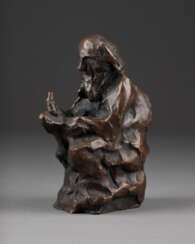

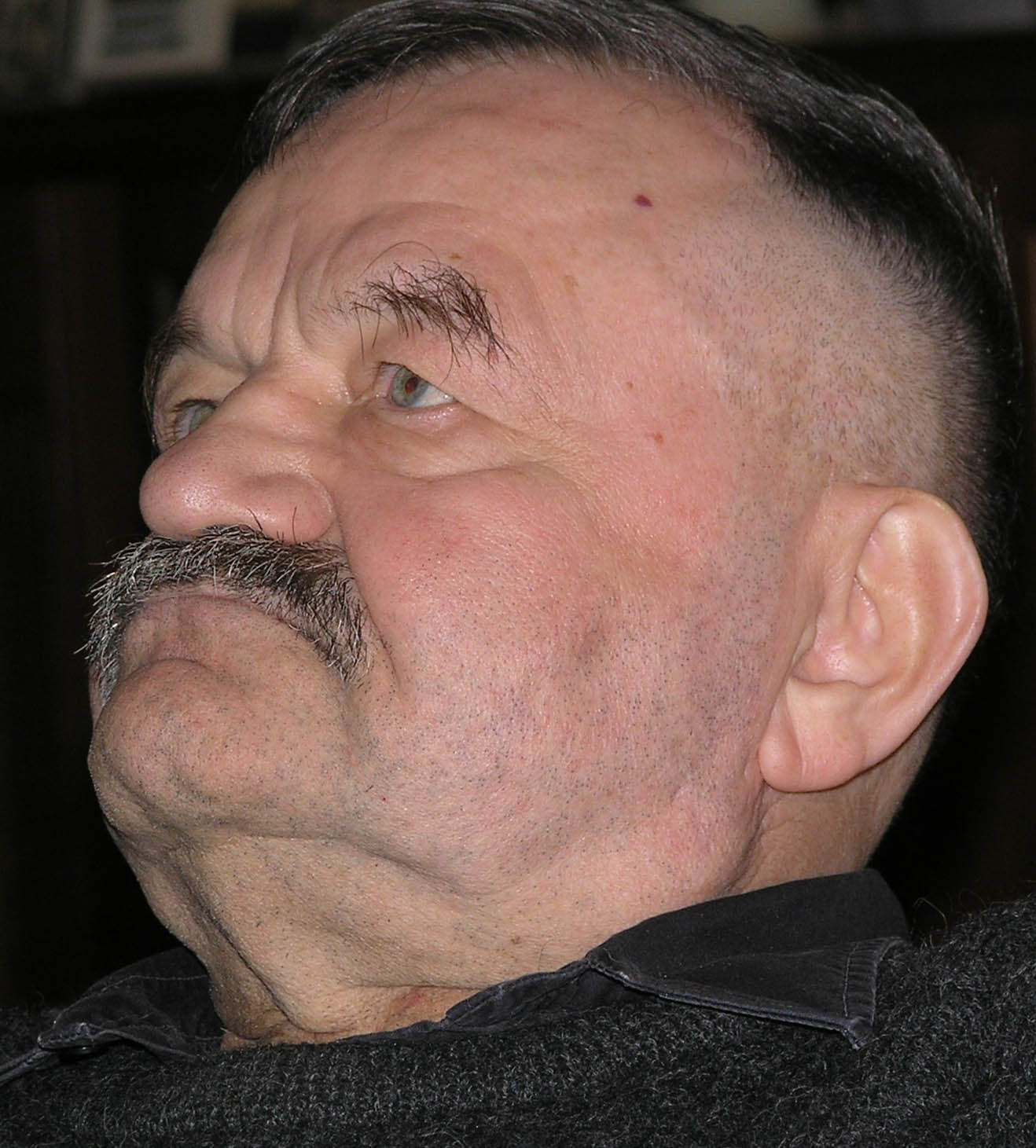
Alfred Hrdlicka was an Austrian sculptor, painter, and professor. His surname is sometimes written Hrdlička.
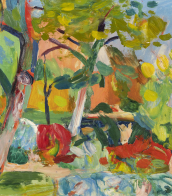


Alfred Hrdlicka was an Austrian sculptor, painter, and professor. His surname is sometimes written Hrdlička.
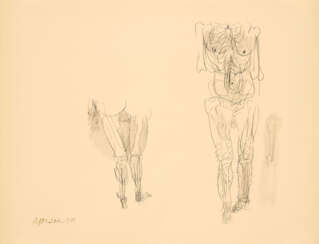

Alfred Hrdlicka was an Austrian sculptor, painter, and professor. His surname is sometimes written Hrdlička.
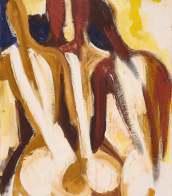


Alfred Hrdlicka was an Austrian sculptor, painter, and professor. His surname is sometimes written Hrdlička.
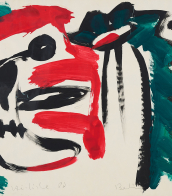





Alfred William Parsons was a British artist, illustrator and renowned garden designer, a Fellow of the Royal Academy.
He studied at the Kensington School of Art and was a keen gardener thanks to his gardener father. Parsons' favorite subject matter in his paintings is flowering gardens, paths between flowerbeds, and coastal riverscapes. His detailed botanical illustrations led to an acquaintance with William Robinson, one of the great gardeners of his day. He commissioned Parsons to create illustrations for The Wild Garden, and then received his first garden commission from architect Philip Webb. Parsons created several more simple but stunning gardens that harmonized new and traditional elements.
After traveling to Japan, Parsons published his impressions of the country under the title Notes in Japan (1896), and he painted 132 watercolors depicting roses for Ellen Willmott's book Rod Rosa.
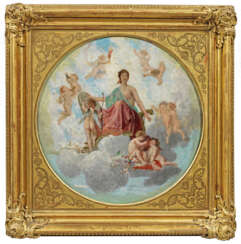

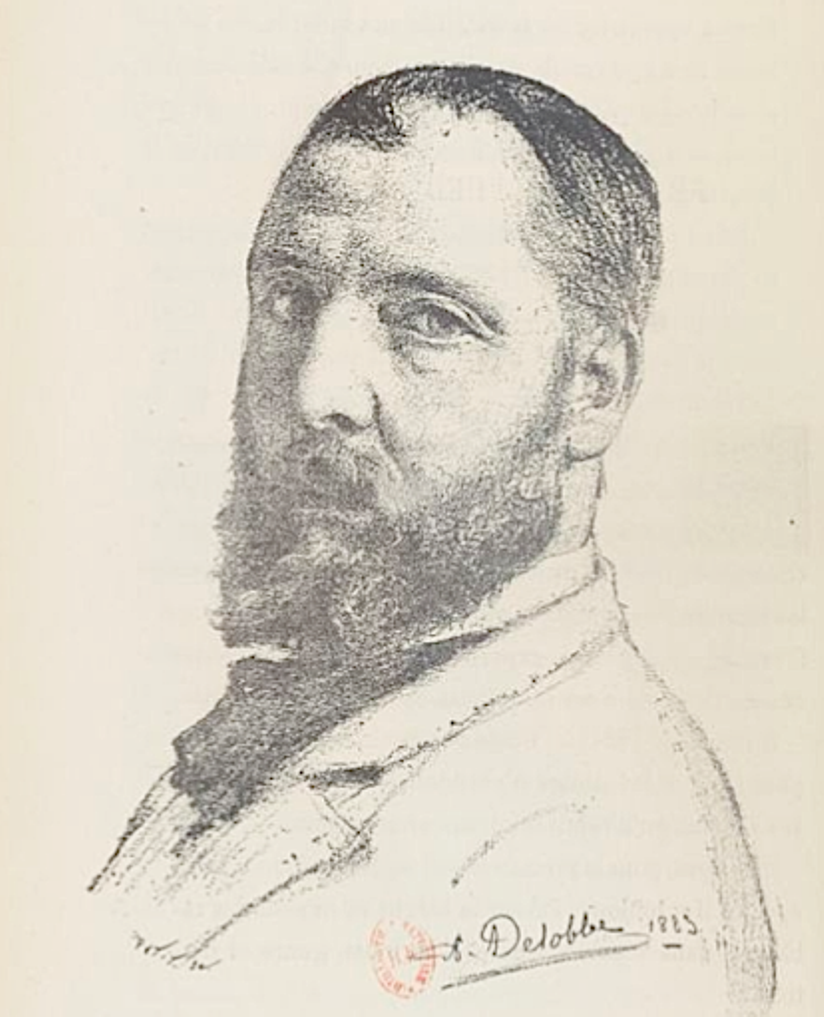
François-Alfred Delobbe was a French naturalist painter.
At the age of 16 he entered the École des Beaux-Arts de Paris, first painting mythological, orientalist and genre scenes in an academic style. He then continued his studies in the studio of William-Adolphe Bouguereau, who encouraged him to concentrate on mythological scenes and portrait painting. In 1861, Delobbe made his debut at the Salon des Artistes Français with a portrait of his mother, which received a favorable critical response in the Parisian press. Throughout the 1860s, Delobbe enjoyed continued success at the annual Salon.
In these same years, the government commissioned him to paint frescoes for the town hall in the new 15th arrondissement of Paris. The importance of this large-scale project for the career of Delobbe can not be overestimated, it was with him that the artist began the rise of his career.
In the mature period of creativity, Delobbe's favorite theme became children and young women at work: they embroider lace or sift grain, evoking associations with the artist's favorite Brittany. Delobbe's Breton paintings were highly prized in the Paris salons for many years.
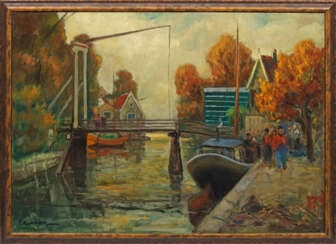

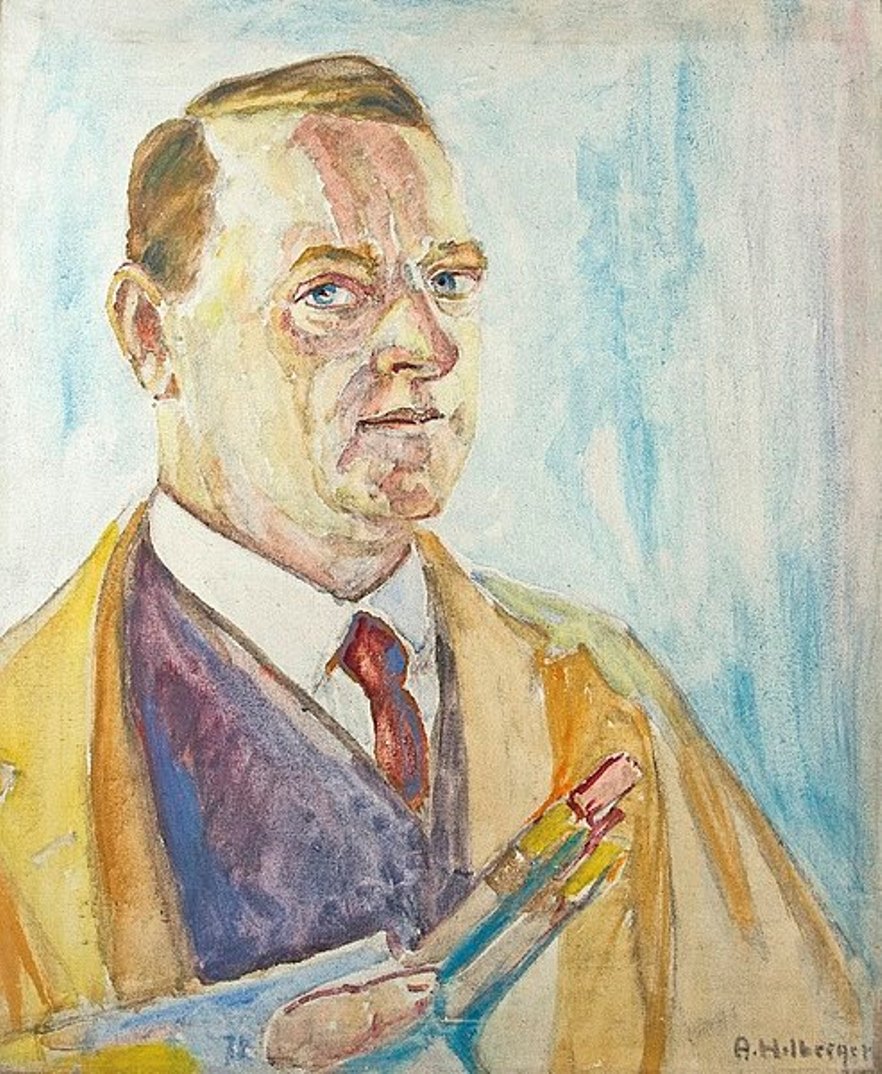
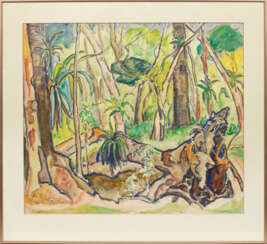
Alfred Hermann Helberger was a German impressionist painter.
He received his art education in Frankfurt/Main and Karlsruhe, then opened a studio in Berlin. Helberger painted vivid, colorful and cheerful landscapes of the Netherlands and Norway, as well as portraits. In Paris in 1905 he was very impressed by French Impressionism and later by Fauvism, which of course had an effect on his work.
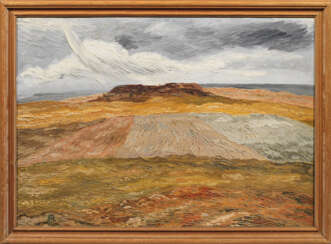

Alfred Hermann Helberger was a German impressionist painter.
He received his art education in Frankfurt/Main and Karlsruhe, then opened a studio in Berlin. Helberger painted vivid, colorful and cheerful landscapes of the Netherlands and Norway, as well as portraits. In Paris in 1905 he was very impressed by French Impressionism and later by Fauvism, which of course had an effect on his work.

Alfred Hermann Helberger was a German impressionist painter.
He received his art education in Frankfurt/Main and Karlsruhe, then opened a studio in Berlin. Helberger painted vivid, colorful and cheerful landscapes of the Netherlands and Norway, as well as portraits. In Paris in 1905 he was very impressed by French Impressionism and later by Fauvism, which of course had an effect on his work.
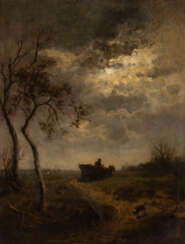

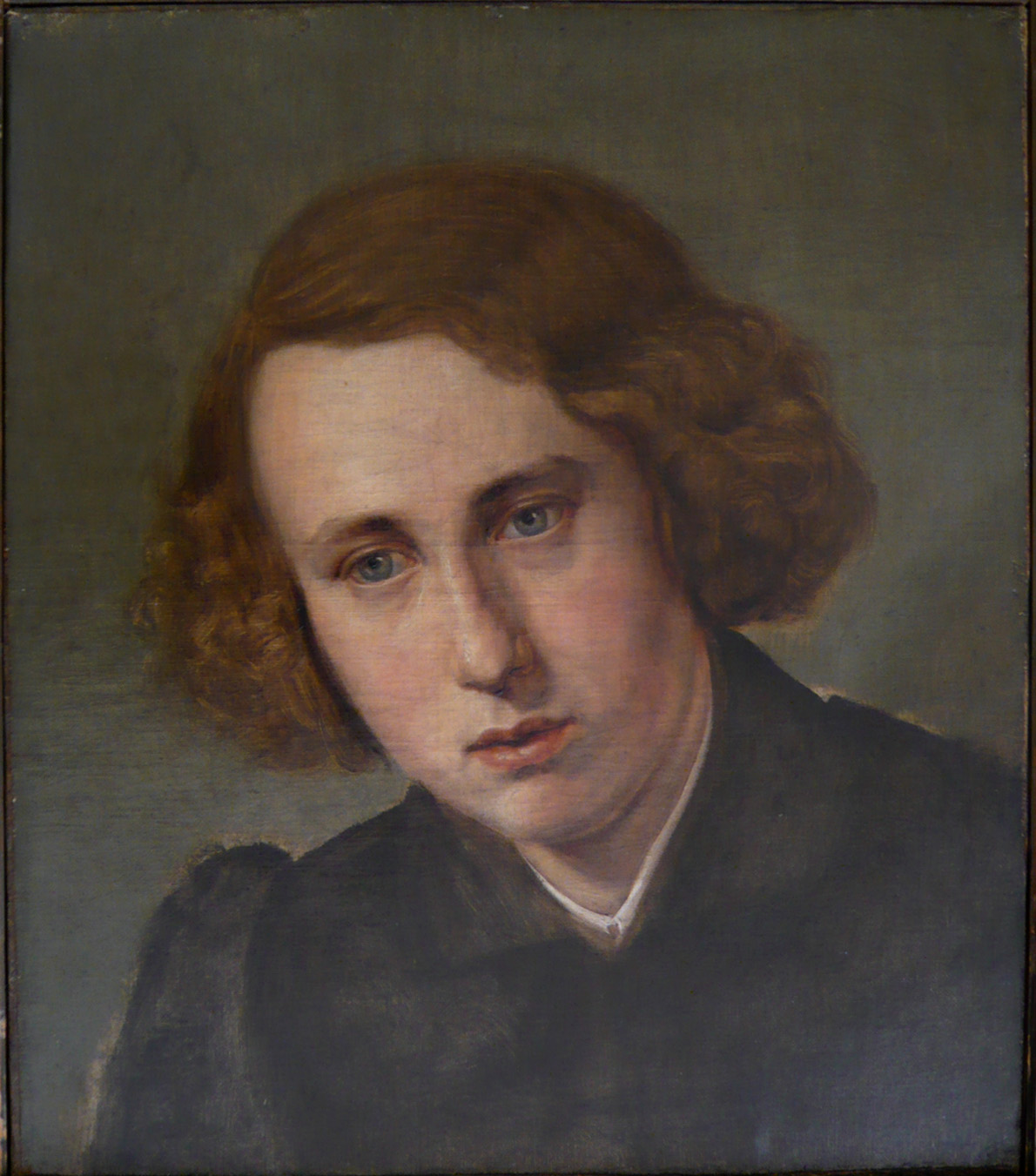
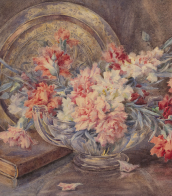


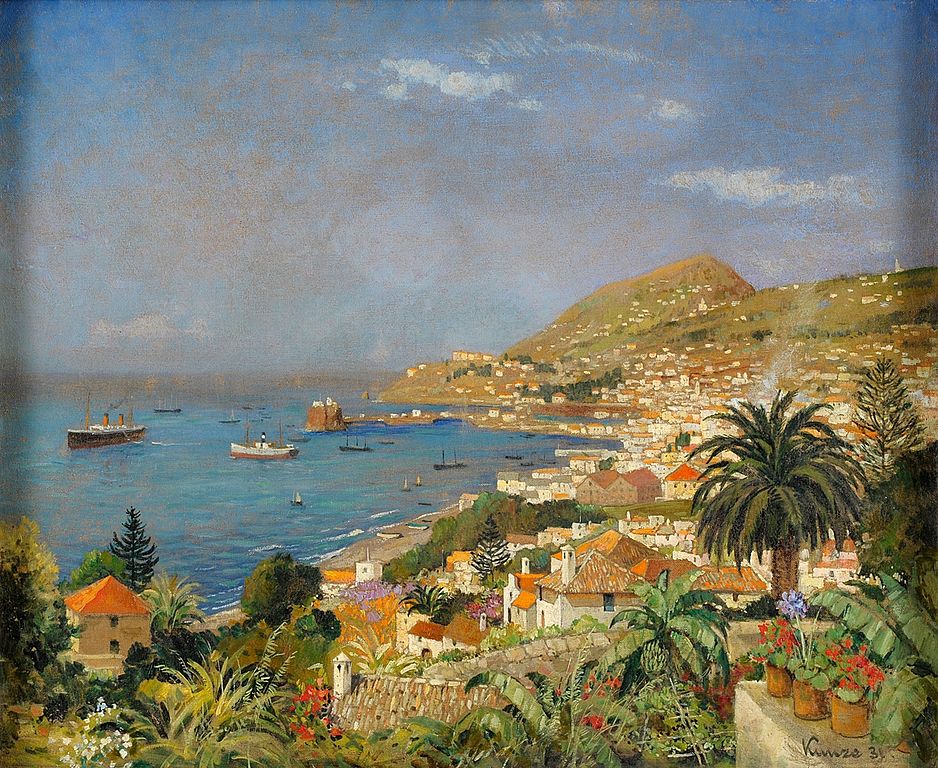
Alfred Kunze was a German painter who specialised in landscapes and urban scenes.


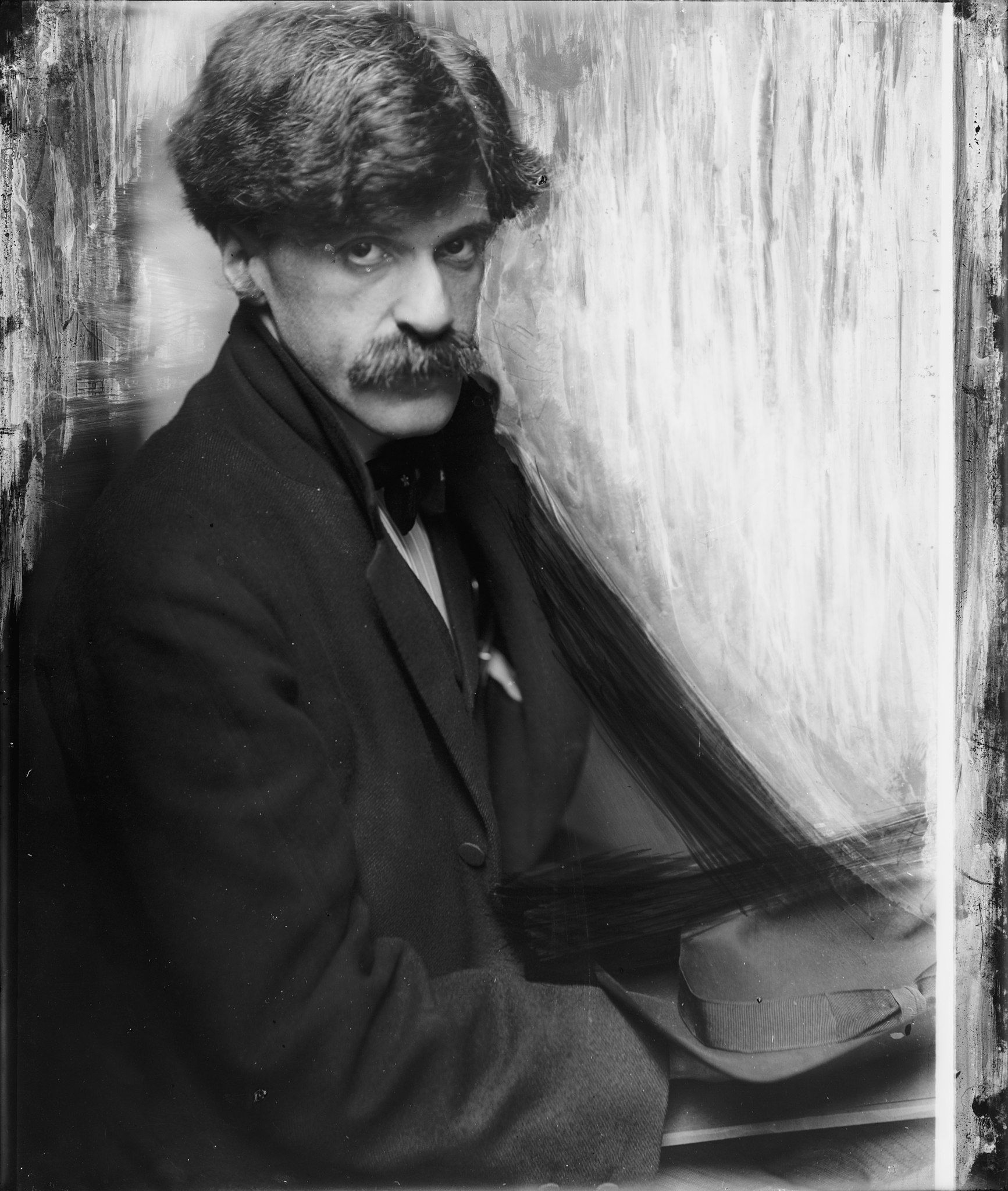
Alfred Stieglitz was an American photographer and modern art promoter who was instrumental over his 50-year career in making photography an accepted art form. In addition to his photography, Stieglitz was known for the New York art galleries that he ran in the early part of the 20th century, where he introduced many avant-garde European artists to the U.S. He was married to painter Georgia O'Keeffe.


Alfred Stieglitz was an American photographer and modern art promoter who was instrumental over his 50-year career in making photography an accepted art form. In addition to his photography, Stieglitz was known for the New York art galleries that he ran in the early part of the 20th century, where he introduced many avant-garde European artists to the U.S. He was married to painter Georgia O'Keeffe.
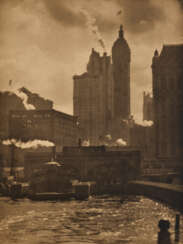

Alfred Stieglitz was an American photographer and modern art promoter who was instrumental over his 50-year career in making photography an accepted art form. In addition to his photography, Stieglitz was known for the New York art galleries that he ran in the early part of the 20th century, where he introduced many avant-garde European artists to the U.S. He was married to painter Georgia O'Keeffe.
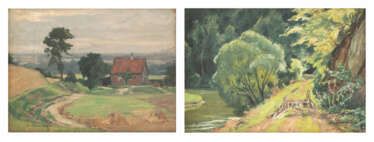

Alfred Rasenberger was a German impressionist and modernist painter who represented the Dusseldorf school of painting.
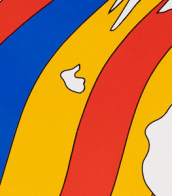
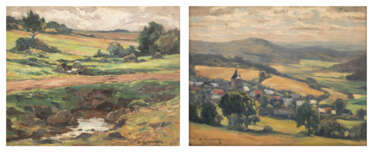

Alfred Rasenberger was a German impressionist and modernist painter who represented the Dusseldorf school of painting.


Alfred Stieglitz was an American photographer and modern art promoter who was instrumental over his 50-year career in making photography an accepted art form. In addition to his photography, Stieglitz was known for the New York art galleries that he ran in the early part of the 20th century, where he introduced many avant-garde European artists to the U.S. He was married to painter Georgia O'Keeffe.



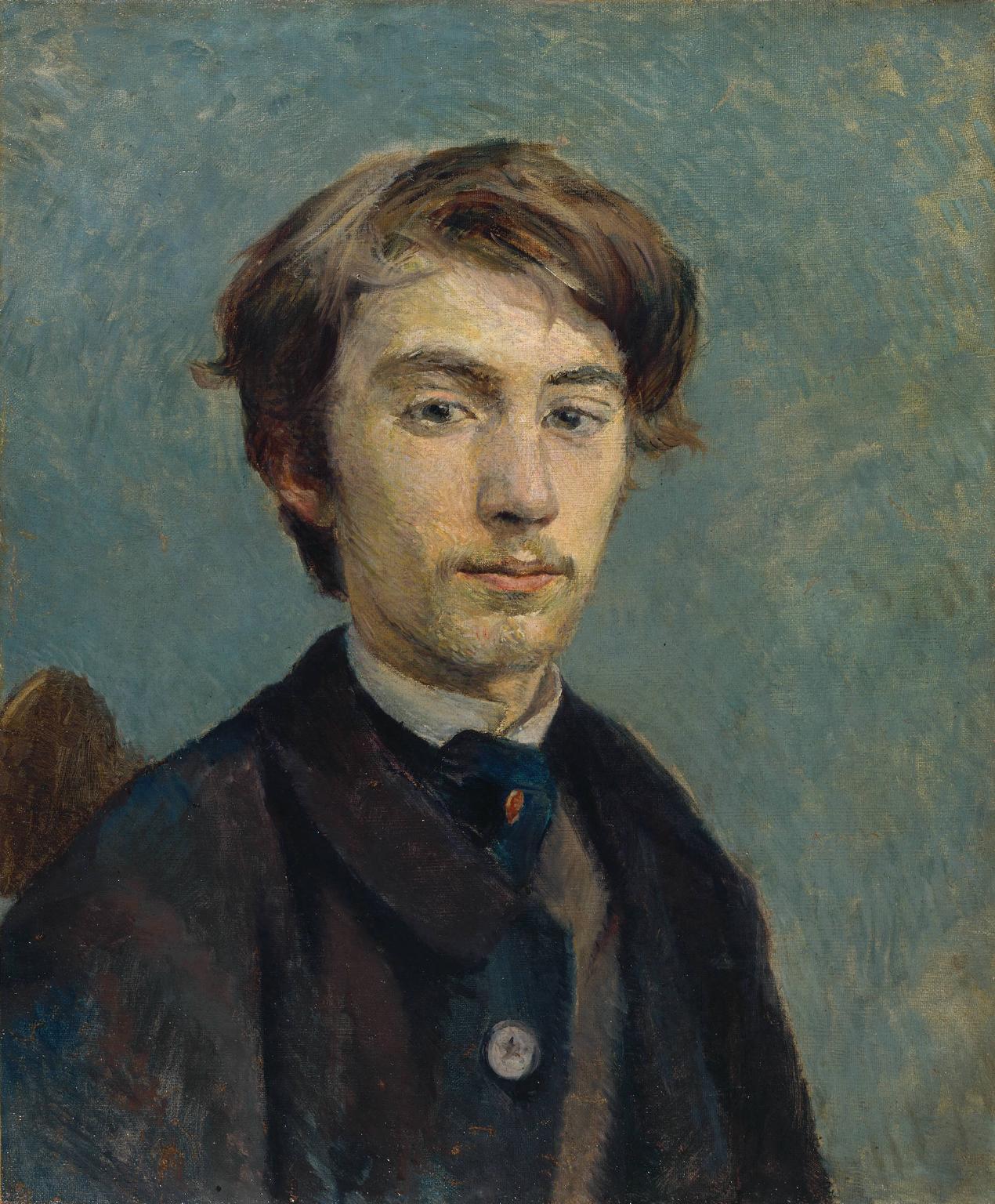
Émile Bernard, a French painter, was a significant figure in the Post-Impressionist movement. He is most famously associated with the development of Cloisonnism, a painting style characterized by bold outlines and flat, vivid color planes, and he played a role in Synthetism, a synthesis of forms and colors in art.
Bernard's artistic journey was influenced by his interactions with notable artists such as Paul Gauguin, Vincent van Gogh, and Louis Anquetin. His works, which often explored themes of symbolism and religious imagery, ranged from traditional paintings to engravings and illustrations. One of his notable works, "Madeleine au Bois d'Amour," is displayed at the Musée d'Orsay in Paris.
Despite his early success and influence, Bernard's artistic trajectory took a turn towards classicism later in life, distancing himself from the avant-garde styles he once embraced. His extensive travel experiences, particularly his time in Egypt, significantly impacted his art, leading to a broader range of stylistic elements in his later works.
To stay updated on the latest events and auctions related to Émile Bernard and his work, sign up for our newsletter. You'll receive timely alerts about new product sales and upcoming auction events related to Émile Bernard's art.

Alfred Hrdlicka was an Austrian sculptor, painter, and professor. His surname is sometimes written Hrdlička.



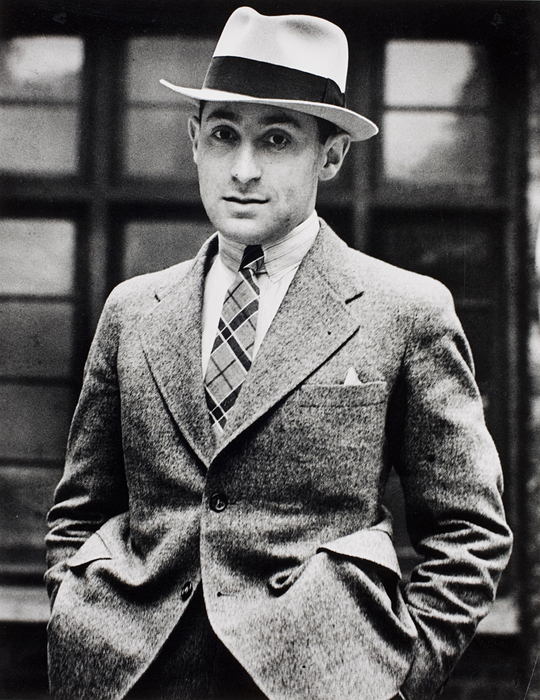
Alfred Eisenstaedt was a German-born American photographer and photojournalist. He is best known for his work as a staff photographer for Life magazine, where he captured iconic images of celebrities, politicians, and everyday people.
Eisenstaedt began his career as a photographer in Germany, working for the Pacific and Atlantic Photos agency in Berlin in the 1920s. He emigrated to the United States in 1935 and joined the staff of Life magazine in 1936, where he remained until the magazine ceased publication in 1972.
Eisenstaedt's images are notable for their candid, spontaneous feel and their ability to capture the essence of his subjects. He is perhaps best known for his photograph "V-J Day in Times Square," which depicts a sailor kissing a nurse in celebration of the end of World War II. The image has become one of the most iconic photographs of the 20th century.
Throughout his career, Eisenstaedt photographed many of the most famous and influential people of his time, including Marilyn Monroe, Albert Einstein, Winston Churchill, and John F. Kennedy. His work has been exhibited in major museums around the world, and he received numerous awards and honors for his contributions to the field of photography.
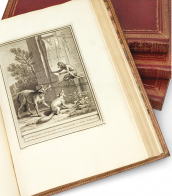
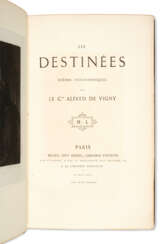
![[JARRY, Alfred (1873-1907) et Remy de GOURMONT (1858-1915), éd.]](/assets/image/picture_3807179/d1bb2/9f8a9c9f9f96b44499182a8f6613e35b1710234000jpg__fix_374_244.jpeg)
![[JARRY, Alfred (1873-1907) et Remy de GOURMONT (1858-1915), éd.]](https://veryimportantlot.com/assets/image/picture_3807179/d1bb2/9f8a9c9f9f96b44499182a8f6613e35b1710234000jpg__fix_374_244.jpeg)

Paul Gauguin, a French artist born in Paris in 1848, is renowned for his significant contributions to Post-Impressionism, Primitivism, and Synthetism. Gauguin's art is distinguished by his experimental use of color and style, which set him apart from the traditional Impressionist movement.
Gauguin's early life was marked by a period in Peru, which influenced his artistic perspective. Initially, he pursued a career in stockbroking but soon turned to art, driven by financial necessity and a growing passion. His artistic journey began under the mentorship of Impressionist artist Camille Pissarro and through exposure to the works of other avant-garde artists.
The hallmark of Gauguin's work is his exploration of non-Western cultures, particularly during his time in Tahiti and the Marquesas Islands. This period saw the creation of some of his most famous works, including "Where Do We Come From? What Are We? Where Are We Going?" His paintings from this era, characterized by vivid colors and Symbolist themes, reflect a fusion of cultural influences and his quest for a "primitive" expression of spiritual and emotional states.
Despite his innovative style, Gauguin struggled with financial difficulties and health issues throughout his life. His work received little recognition during his lifetime, but posthumously, he gained acclaim for influencing modern artists like Pablo Picasso and Henri Matisse.
Today, Gauguin's works are celebrated in galleries and museums worldwide for their unique blend of cultural influences and artistic innovation. His enduring legacy is a testament to his unique vision and the profound impact he had on the art world.
Collectors and experts in art and antiques, stay updated on new product sales and auction events related to Paul Gauguin. Sign up now for exclusive updates and immerse yourself in the world of this visionary artist.