allier

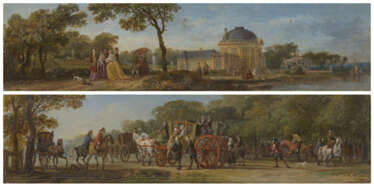

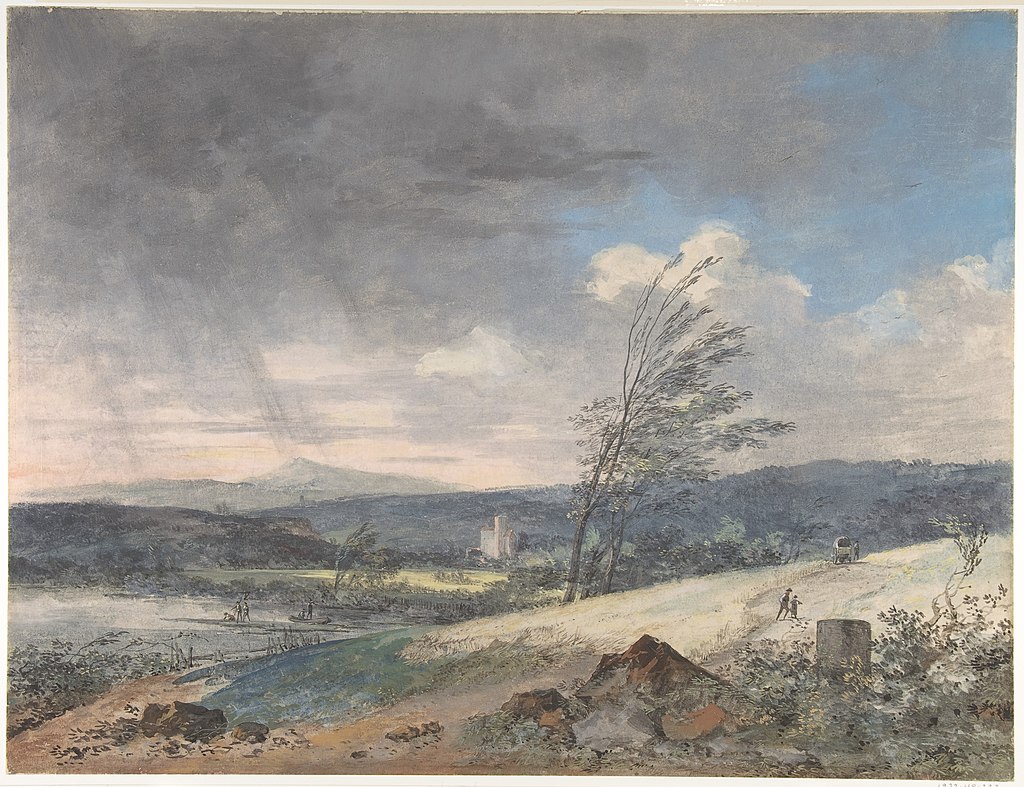
Louis-Gabriel Moreau was a French graphic artist and landscape painter.
He is frequently identified as "Moreau the elder" ("Moreau l’Aîné") in order to avoid confusion with his precocious younger brother, the artist Jean-Michel Moreau (1741–1814) who is sometimes identified as "Moreau the younger" ("Moreau le Jeune").


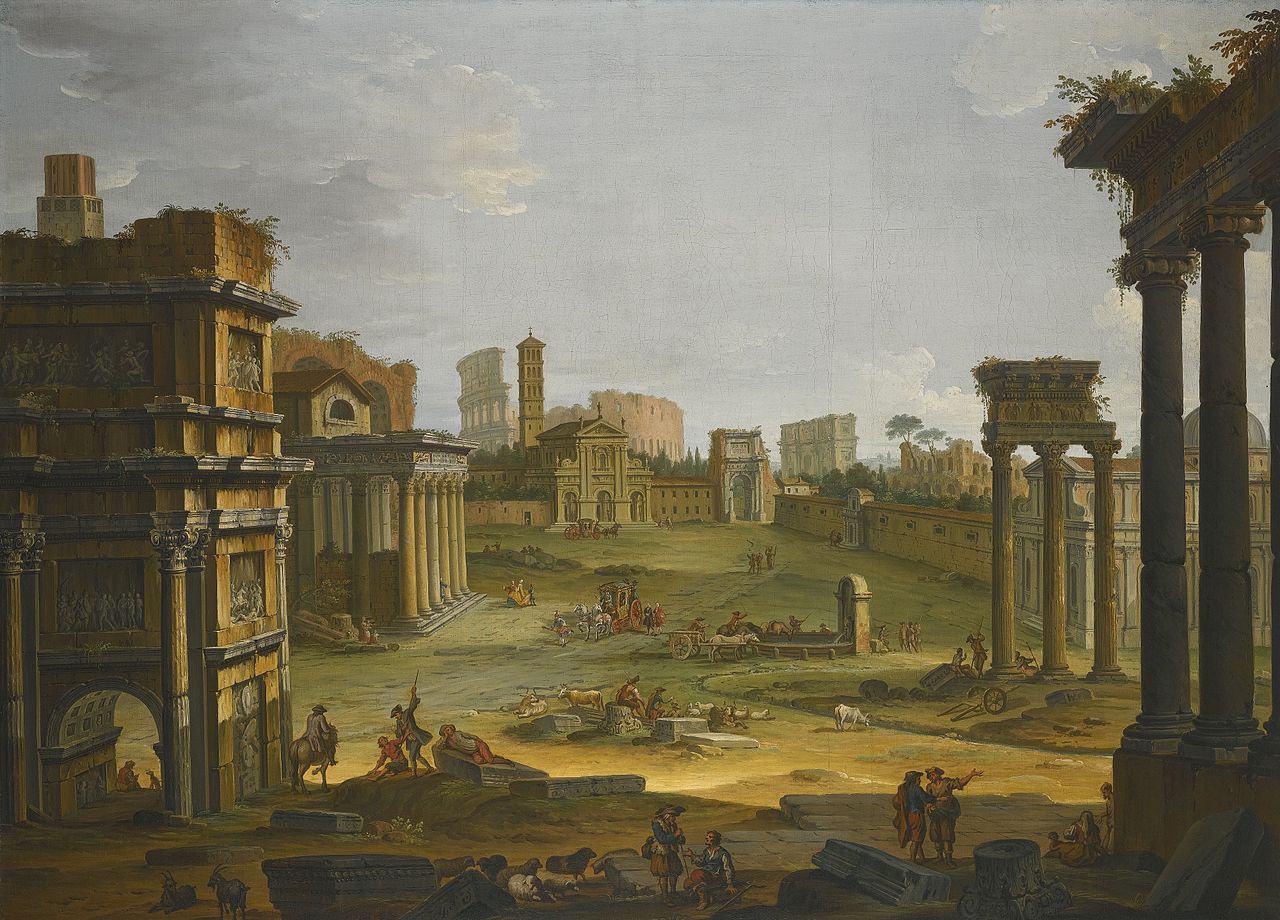
Antonio Joli was an Italian painter of vedute and capricci.


.jfif)
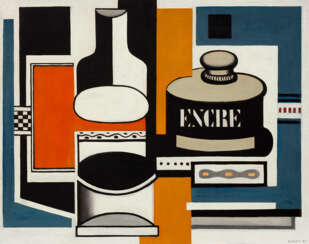
Joseph Fernand Henri Léger was a French artist renowned for his innovative approach to Cubism and his transition towards a figurative, populist style. Born in Argentan, Orne, Lower Normandy, Léger's early career was marked by a stint as an architectural draftsman and a series of educational pursuits that eventually led him to Paris, where he embraced painting seriously. His artistic journey was significantly influenced by the bold abstractions of Cubism, characterized by geometric shapes and a vibrant palette, distinguishing his work from his contemporaries with what came to be known as "Tubism".
Léger's service in World War I profoundly impacted his artistic direction, leading him to adopt a 'mechanical' style that depicted the modern industrial world with sleek, tubular forms. This period saw creations like "Soldier with a Pipe" and "The Card Players," reflecting his war experiences and the mechanical aesthetics of the time. The post-war era encouraged Léger to explore the mechanical style further, evident in works like "The Bargeman" and "Mechanical Elements," highlighting the pace of technological advancement.
Throughout his career, Léger's work evolved, notably in the 1920s, where he aligned with Purist ideas, blending classicism with modernity. This phase is exemplified in "Woman with a Cat," showcasing a classical form with a modern, polished finish. By the 1930s, Léger's art took a more figurative, populist turn, aiming to democratize contemporary art and make it more accessible. His commitment to art education, especially for the common worker, underscored his belief in the social role of art.
For those intrigued by Joseph Fernand Henri Léger's groundbreaking contributions to modern art, his works can be found in prestigious museums worldwide. His legacy continues to inspire art collectors and enthusiasts alike. To stay updated on exhibitions and auction events featuring Léger's work, sign up for updates and embrace the unique opportunity to explore the richness of his artistic endeavors.


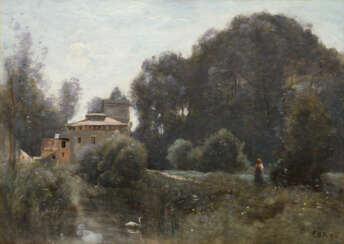

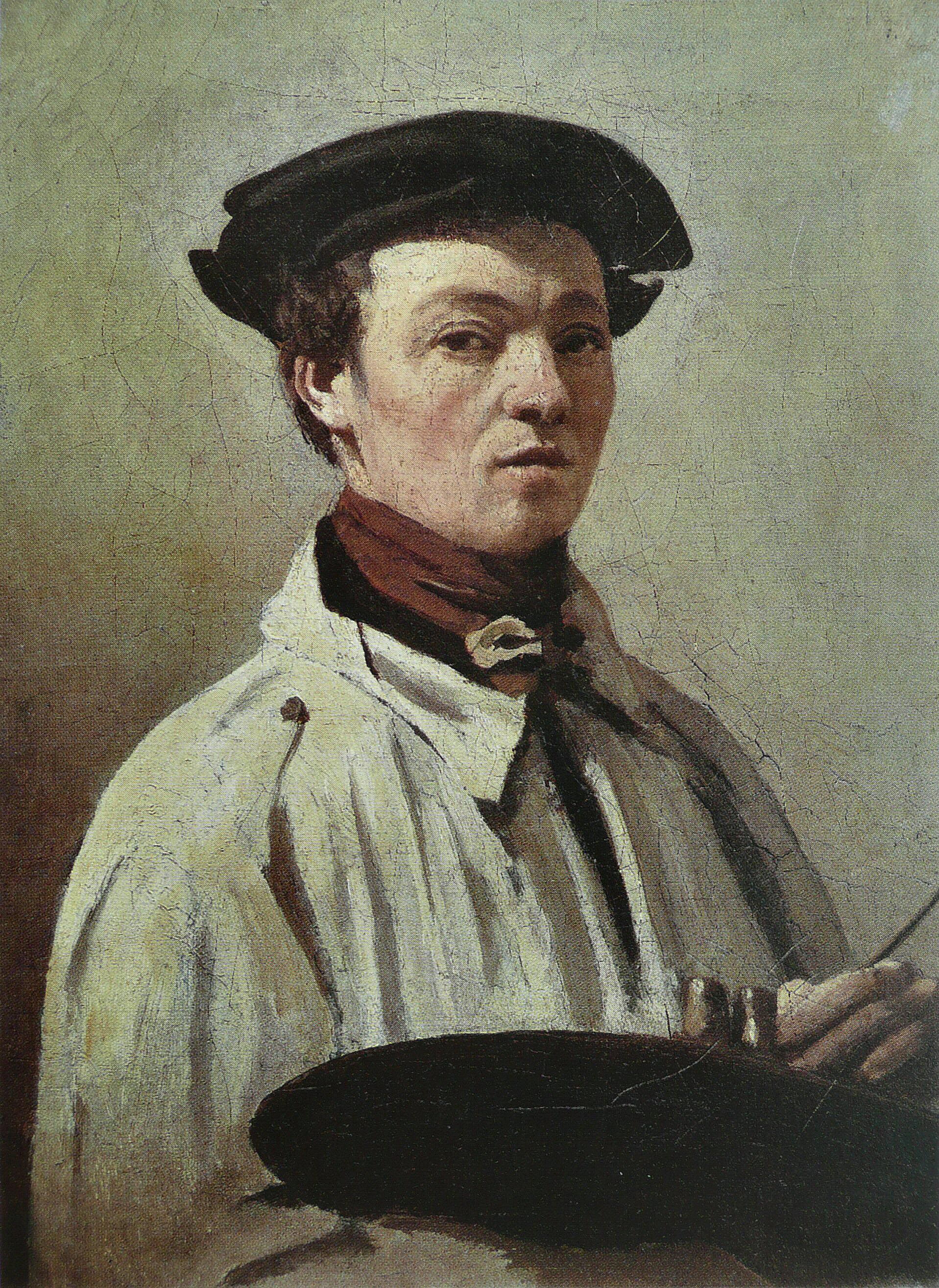
Jean-Baptiste-Camille Corot was a French landscape and portrait painter as well as a printmaker in etching. He is a pivotal figure in landscape painting and his vast output simultaneously referenced the Neo-Classical tradition and anticipated the plein-air innovations of Impressionism.
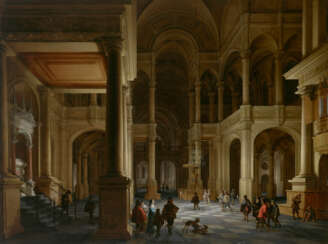

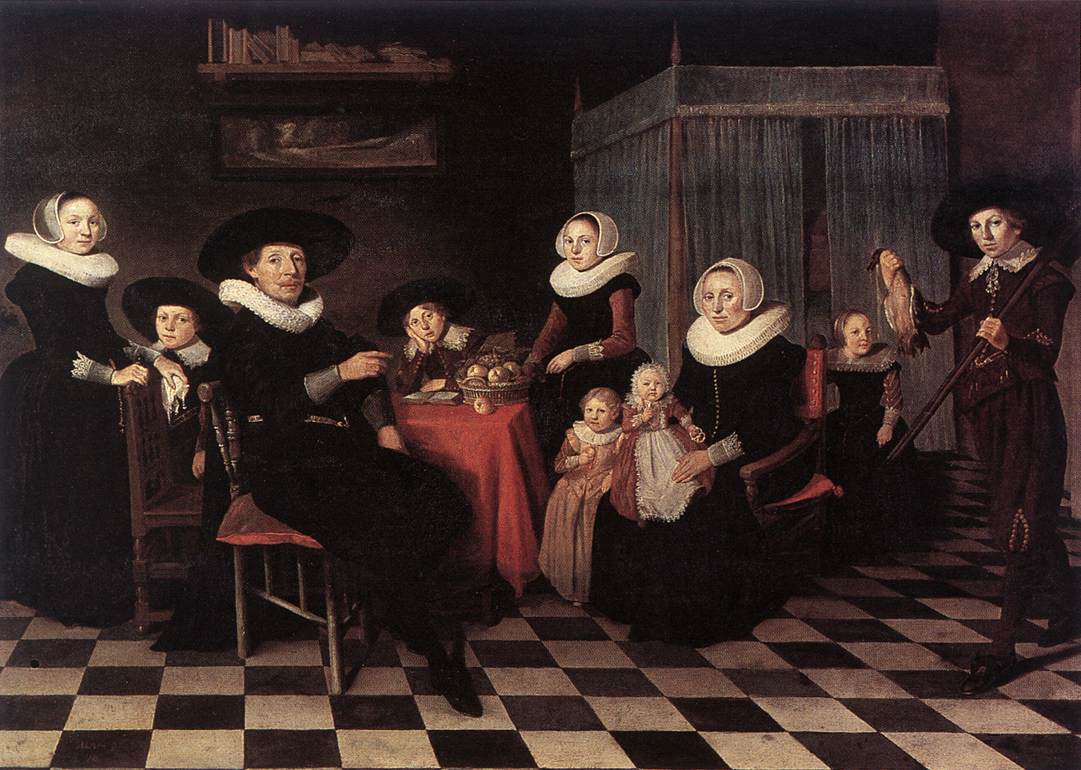
Anthonie Palamedesz was a Dutch portrait and genre painter. He is in particular known for his merry company paintings depicting elegant figures engaged in play, music and conversation as well as guardroom scenes showing soldiers in guardrooms. Like many Dutch painters of his time, he painted portraits and still lifes, including vanitas still lifes. He further painted the staffage in a few views of the interior of churches. He played a major role in the development of genre painting in Delft in the mid 17th century.
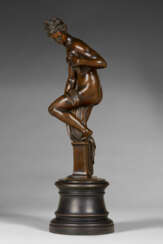

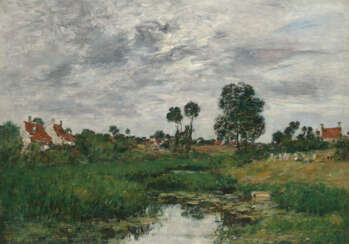

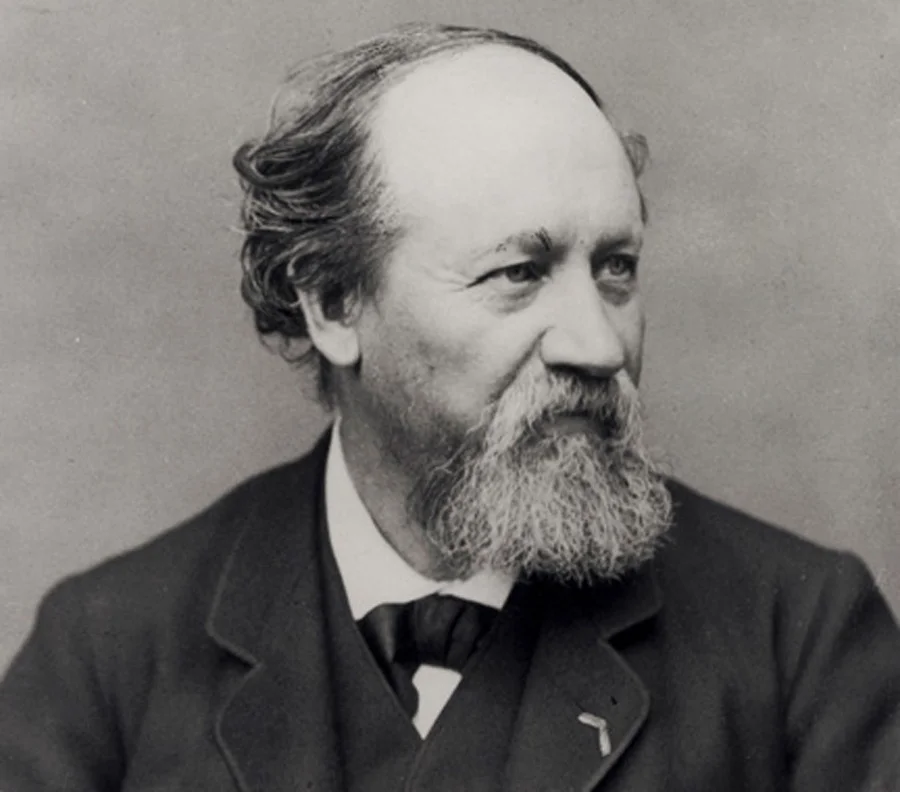
Eugène Louis Boudin was one of the first French landscape painters to paint outdoors. Boudin was a marine painter, and expert in the rendering of all that goes upon the sea and along its shores. His pastels, summary and economic, garnered the splendid eulogy of Baudelaire; and Corot called him the «King of the skies».
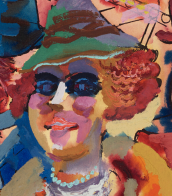
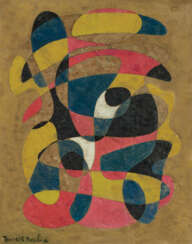

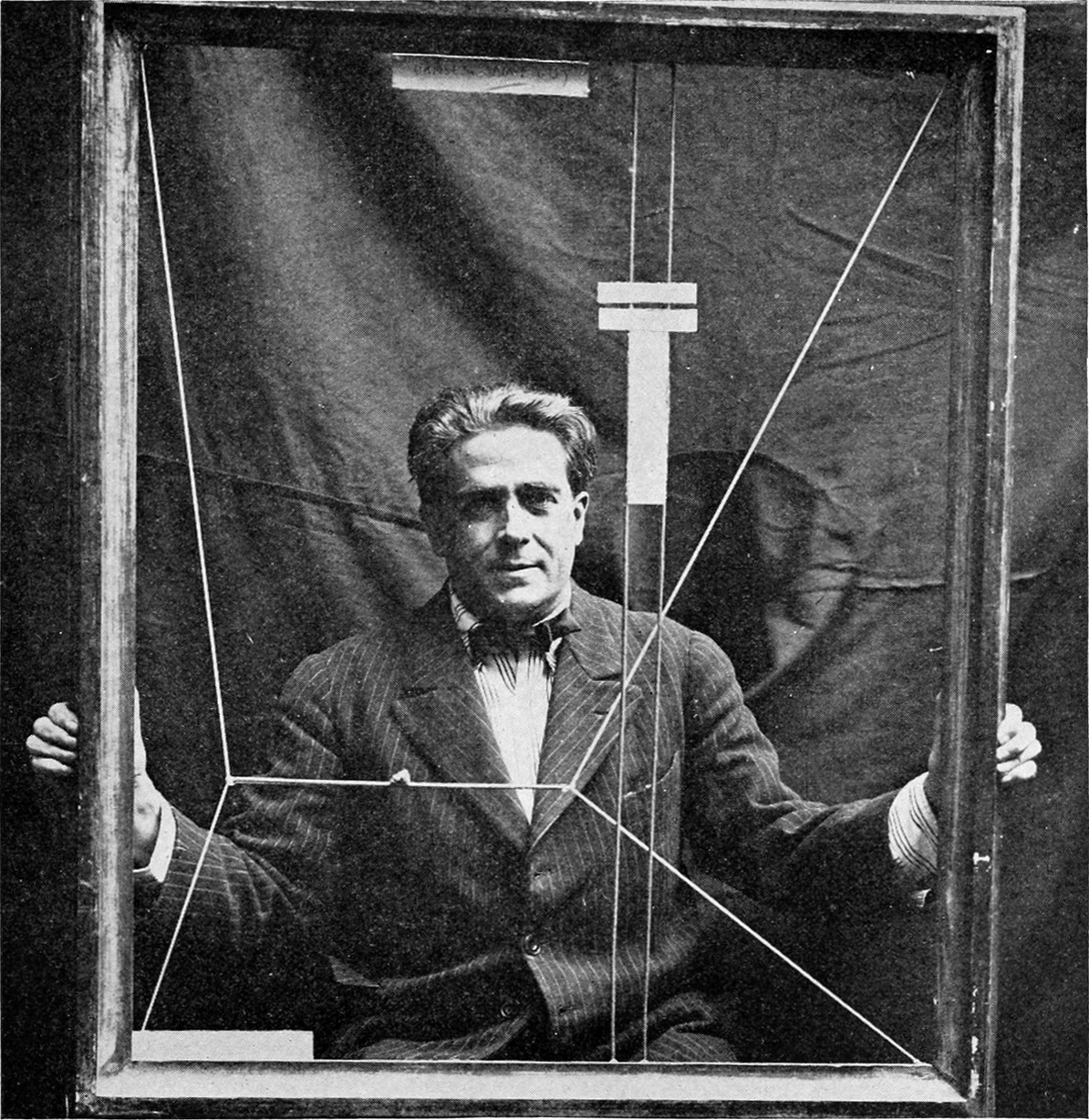
Francis Picabia, born Francis-Marie Martinez de Picabia, was a French avant-garde painter, poet, and typographist, whose work is celebrated for its diversity and innovation. His journey through various art movements, including Impressionism, Cubism, Dadaism, and Surrealism, showcases his refusal to be confined by any one style. Picabia's art is known for its eclectic nature, often blending mechanical elements with organic forms, thereby challenging traditional perceptions of art and beauty.
Picabia's significant contribution to the art world lies not just in his varied artistic output but also in his philosophical approach to creation. He believed in the freedom of expression, often using his art to critique societal norms and the art establishment itself. This rebellious spirit made him a pivotal figure in the Dada movement, where his works were celebrated for their irony and disdain for conventional art values.
Among his notable works, "Amorous Parade" and "I See Again in Memory My Dear Udnie" stand out, housed in prestigious institutions like the Museum of Modern Art in New York. These pieces exemplify Picabia's mastery over blending different elements of art movements, creating works that remain influential to this day. His legacy is not just in the pieces he created but also in his attitude towards art, encouraging future generations to challenge and redefine the boundaries of creativity.
For collectors and experts in art and antiques, Picabia's works represent not only significant artistic achievements but also valuable insights into the evolution of modern art. To stay informed about new product sales and auction events related to Francis Picabia, sign up for updates. This subscription is an essential resource for enthusiasts looking to enrich their collections with pieces from one of the most innovative artists of the 20th century.
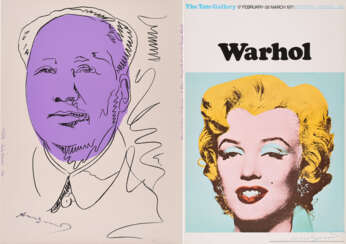

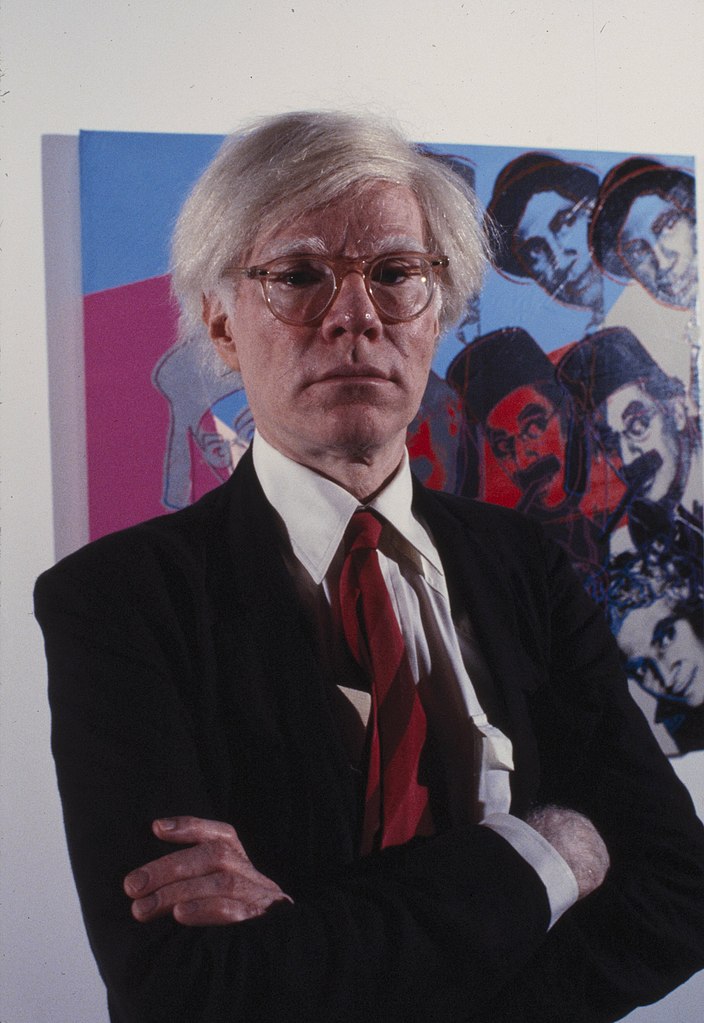
Andy Warhol, born as Andrew Warhola Jr., was an American visual artist, film director, and producer, who played a pivotal role in the development of the Pop Art movement. His art delved into the interplay between artistic expression, advertising, and celebrity culture, especially prevalent in the 1960s. Warhol was renowned for his diverse range of media, which included painting, silkscreening, photography, film, and sculpture.
Warhol's journey began in Pittsburgh, where he was born and raised, initially making a name for himself as a commercial illustrator. His New York studio, "The Factory," became a famous hub for intellectuals, celebrities, and various artistic minds. He was known for creating the notion of "Warhol superstars" and popularized the phrase "15 minutes of fame."
His contribution to the art world is significant, with notable works like "Campbell's Soup Cans" (1962) and "Marilyn Diptych" (1962), as well as his experimental films like "Empire" (1964) and "Chelsea Girls" (1966). These works not only define his career but also underscore the essence of the Pop Art movement.
Warhol's influence extended beyond his artwork. He managed and produced the experimental rock band The Velvet Underground, founded Interview magazine, and wrote several books, including "The Philosophy of Andy Warhol" and "Popism: The Warhol Sixties." Living openly as a gay man before the gay liberation movement, Warhol's personal life was as influential as his professional endeavors.
Tragically, Warhol's life was nearly cut short in 1968 when he was shot by radical feminist Valerie Solanas. He eventually passed away in 1987 due to cardiac arrhythmia following gallbladder surgery. His legacy continues, with The Andy Warhol Museum in Pittsburgh standing as the largest U.S. museum dedicated to a single artist.
Warhol's art remains highly collectible and valuable. His works, like the "Silver Car Crash (Double Disaster)" and "Shot Sage Blue Marilyn," have fetched staggering amounts at auctions, signifying his enduring impact on the art market.
For art collectors and experts, Andy Warhol's work represents a crucial intersection of pop culture and fine art, offering a unique perspective on consumerism and celebrity. His pieces are not just art; they are historical landmarks that capture a transformative era in both art and society.
To stay updated on new products, sales, and auction events related to Andy Warhol, sign up for our updates. This subscription will keep you informed about all things Warhol without overwhelming you with unnecessary information.


.jpg)
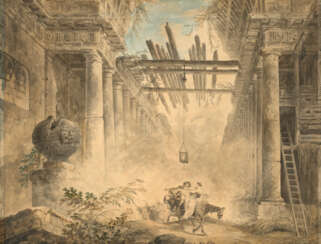
Hubert Robert was a renowned French artist, celebrated for his captivating landscape paintings and architectural fantasies. Born in Paris in 1733, Robert's talent was nurtured early on, thanks to the patronage of the Choiseul family. His journey to Rome in 1754 marked a pivotal phase in his career, where he immersed himself in studying ancient and modern Italian architecture, significantly influencing his artistic style.
Hubert Robert's work is characterized by its romantic depiction of ruins, blending fantasy with historical accuracy, which earned him the nickname "Robert des Ruines." His landscapes and capricci, which are imaginative compositions of architectural elements, resonated with the art collectors and the aristocracy of his time, securing his place as a key figure in French art history.
Noteworthy are Hubert Robert's contributions to the design of picturesque gardens, where he provided atmospheric visions rather than practical layouts. His involvement in the creation of gardens at places like Ermenonville and Méréville showcases his ability to merge art with nature, creating spaces that were both innovative and inspirational.
His artworks, such as "The Port of Rome" and "The Old Bridge," are treasured in prestigious galleries worldwide, reflecting his enduring legacy in the realm of art and culture. For art collectors and experts, Hubert Robert's oeuvre offers a window into the 18th-century artistic landscape, where imagination and historical elements coalesce to form compelling visual narratives.
For updates on exhibitions and auction events related to Hubert Robert's works, sign up to stay informed about new discoveries and opportunities to appreciate the artistry of this exceptional French painter.
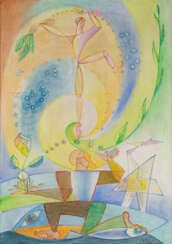

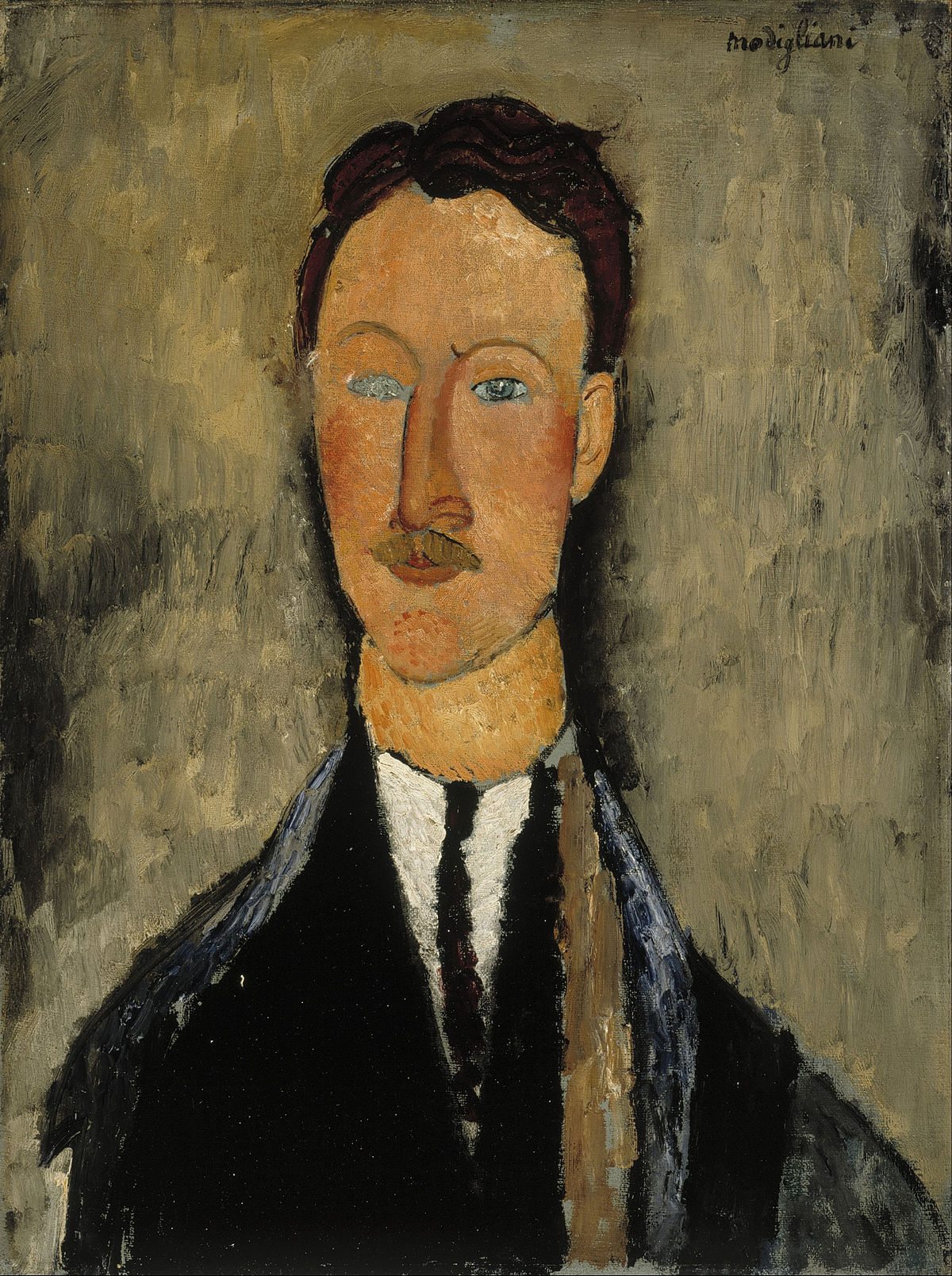
Léopold Survage was a French painter of Finnish origin. Trained in Moscow, he identified with the Russian avant-garde before moving to Paris, where he shared a studio with Amedeo Modigliani and experimented with abstract movies. He also gained commissions for Serge Diaghilev's Ballets Russes.
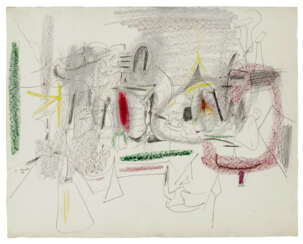

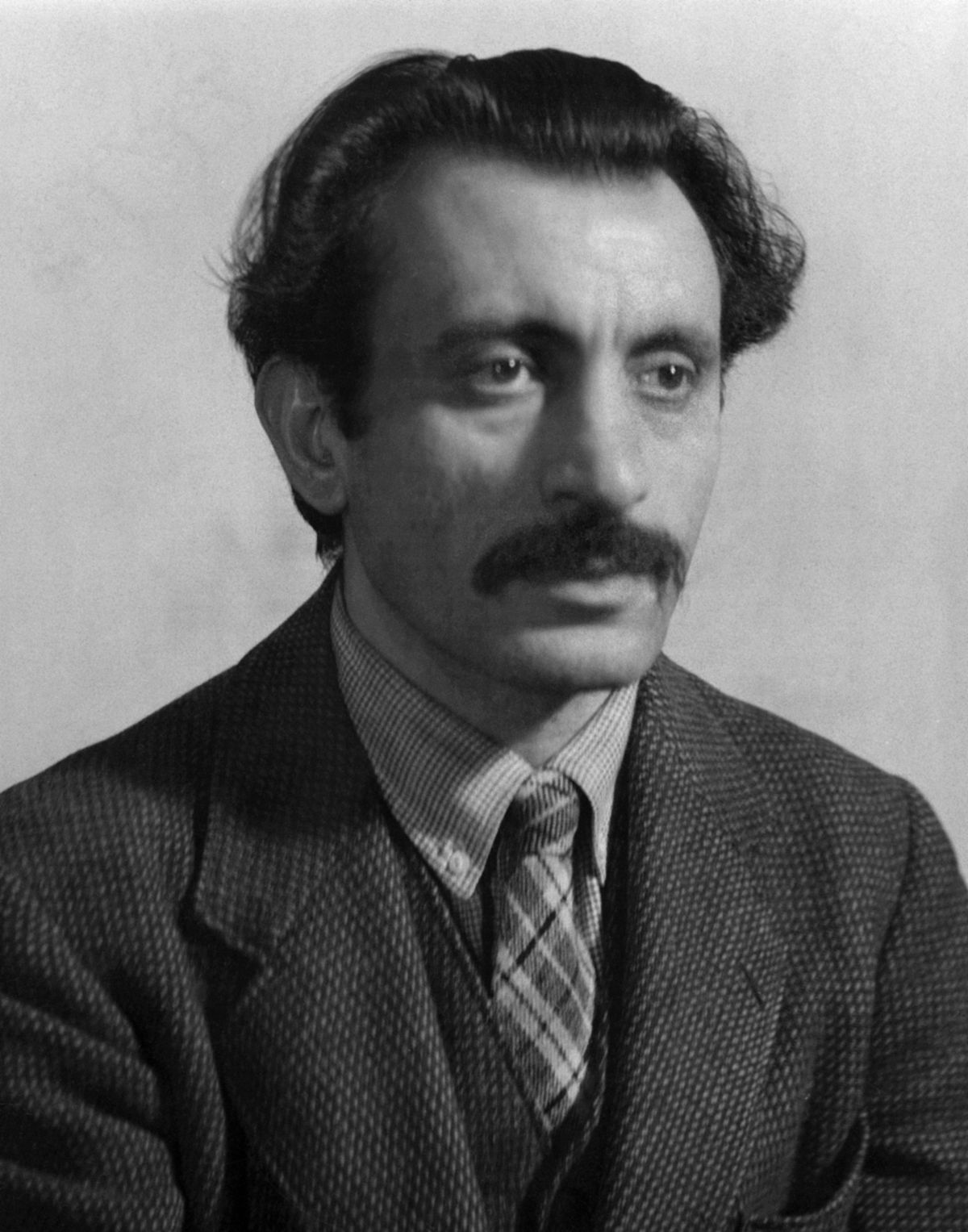
Arshile Gorky was an Armenian-American painter who had a seminal influence on Abstract Expressionism. He spent the last years of his life as a national of the United States. Along with Mark Rothko, Jackson Pollock and Willem de Kooning, Gorky has been hailed as one of the most powerful American painters of the 20th century. The suffering and loss he experienced in the Armenian genocide had crucial influence at Gorky’s development as an artist.


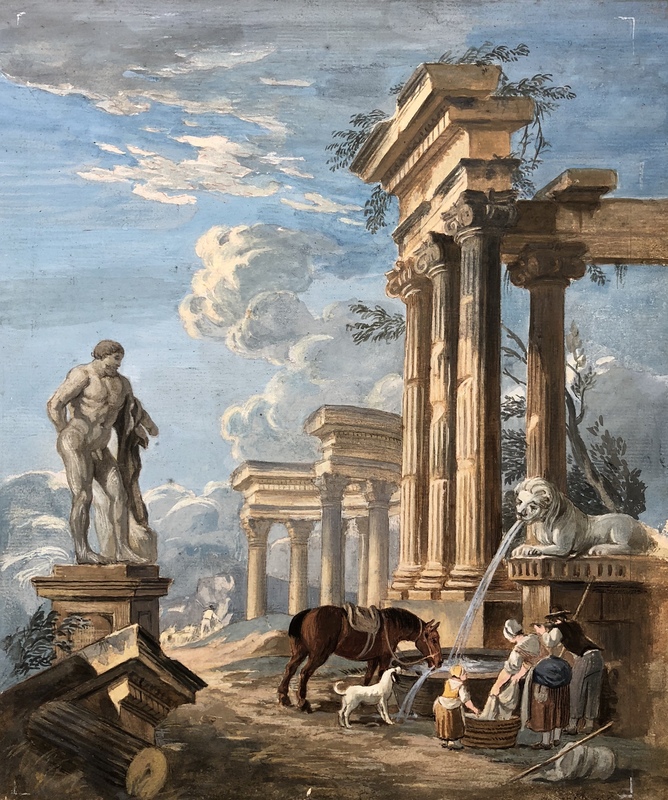
Pierre-Antoine Demachy was a French painter and master of architectural landscapes.
He studied architecture at the Royal Academy of Painting and Sculpture and specialized in drawing ruins, architectural structures and scenery. Due to his success in his art, he became a royal master of architectural decorations for entertaining events. Demachy also taught students of painting at the Louvre Palace.
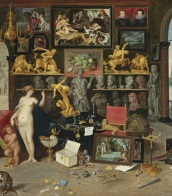


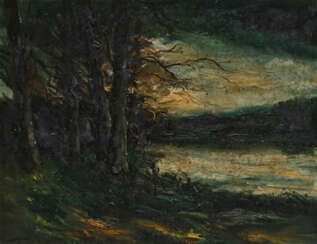
Eugène Louis Boudin was one of the first French landscape painters to paint outdoors. Boudin was a marine painter, and expert in the rendering of all that goes upon the sea and along its shores. His pastels, summary and economic, garnered the splendid eulogy of Baudelaire; and Corot called him the «King of the skies».

.jpg)
Maurice de Vlaminck was a French artist renowned for his vibrant use of color and contribution to the Fauvist movement. Born in Paris in 1876, Vlaminck's early work was marked by a passionate application of paint and a bold palette, drawing inspiration from Vincent van Gogh and Henri Matisse. His participation in the 1905 Salon d'Automne, alongside other Fauvist painters, was met with critical disdain, leading to the term "fauves" (wild beasts) being coined to describe their unorthodox use of intense color.
Vlaminck's career was characterized by a continuous exploration of color and form. Early on, he depicted scenes of daily life, landscapes, and portraits, imbuing them with a sense of motion through his dynamic brushwork. Notable works from this period include "Sur le zinc" (At the Bar) and "L'homme a la pipe" (Man Smoking a Pipe), which highlighted his departure from traditional portraiture and landscapes towards more expressive and mood-driven compositions. His landscapes, in particular, showcased a disregard for detail in favor of conveying atmosphere, a technique that was revolutionary at the time.
Throughout his life, Vlaminck's style evolved, showing influences from Post-Impressionism and later, a more monochromatic palette reminiscent of Paul Cézanne. Despite this evolution, he maintained a critical stance towards Cubism and its leading figure, Pablo Picasso, believing that Cubism had led French painting into a "wretched dead end". In his later years, Vlaminck's work adopted a darker palette and more naturalistic style, moving away from the Fauvist emphasis on color to explore the dramatic and expressive potential of landscapes and seascapes.
Vlaminck's impact on modern art is undeniable. His works are held in prestigious collections worldwide, including the Hermitage Museum in Saint Petersburg and the Minneapolis Institute of Art, attesting to his enduring influence and the continued fascination with his bold, expressive approach to painting.
For collectors and experts in art and antiques, Vlaminck's oeuvre represents a pivotal moment in the history of modern art, where the emotional intensity and visual impact of color were explored as never before. To stay informed on new product sales and auction events related to Maurice de Vlaminck, signing up for updates is recommended, offering exclusive insights into the vibrant world of Fauvism and modernist painting.
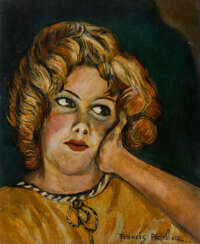

Francis Picabia, born Francis-Marie Martinez de Picabia, was a French avant-garde painter, poet, and typographist, whose work is celebrated for its diversity and innovation. His journey through various art movements, including Impressionism, Cubism, Dadaism, and Surrealism, showcases his refusal to be confined by any one style. Picabia's art is known for its eclectic nature, often blending mechanical elements with organic forms, thereby challenging traditional perceptions of art and beauty.
Picabia's significant contribution to the art world lies not just in his varied artistic output but also in his philosophical approach to creation. He believed in the freedom of expression, often using his art to critique societal norms and the art establishment itself. This rebellious spirit made him a pivotal figure in the Dada movement, where his works were celebrated for their irony and disdain for conventional art values.
Among his notable works, "Amorous Parade" and "I See Again in Memory My Dear Udnie" stand out, housed in prestigious institutions like the Museum of Modern Art in New York. These pieces exemplify Picabia's mastery over blending different elements of art movements, creating works that remain influential to this day. His legacy is not just in the pieces he created but also in his attitude towards art, encouraging future generations to challenge and redefine the boundaries of creativity.
For collectors and experts in art and antiques, Picabia's works represent not only significant artistic achievements but also valuable insights into the evolution of modern art. To stay informed about new product sales and auction events related to Francis Picabia, sign up for updates. This subscription is an essential resource for enthusiasts looking to enrich their collections with pieces from one of the most innovative artists of the 20th century.
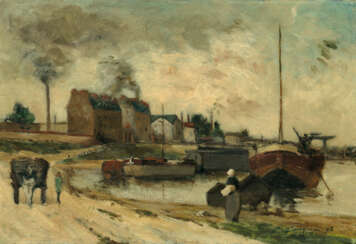


Paul Gauguin, a French artist born in Paris in 1848, is renowned for his significant contributions to Post-Impressionism, Primitivism, and Synthetism. Gauguin's art is distinguished by his experimental use of color and style, which set him apart from the traditional Impressionist movement.
Gauguin's early life was marked by a period in Peru, which influenced his artistic perspective. Initially, he pursued a career in stockbroking but soon turned to art, driven by financial necessity and a growing passion. His artistic journey began under the mentorship of Impressionist artist Camille Pissarro and through exposure to the works of other avant-garde artists.
The hallmark of Gauguin's work is his exploration of non-Western cultures, particularly during his time in Tahiti and the Marquesas Islands. This period saw the creation of some of his most famous works, including "Where Do We Come From? What Are We? Where Are We Going?" His paintings from this era, characterized by vivid colors and Symbolist themes, reflect a fusion of cultural influences and his quest for a "primitive" expression of spiritual and emotional states.
Despite his innovative style, Gauguin struggled with financial difficulties and health issues throughout his life. His work received little recognition during his lifetime, but posthumously, he gained acclaim for influencing modern artists like Pablo Picasso and Henri Matisse.
Today, Gauguin's works are celebrated in galleries and museums worldwide for their unique blend of cultural influences and artistic innovation. His enduring legacy is a testament to his unique vision and the profound impact he had on the art world.
Collectors and experts in art and antiques, stay updated on new product sales and auction events related to Paul Gauguin. Sign up now for exclusive updates and immerse yourself in the world of this visionary artist.

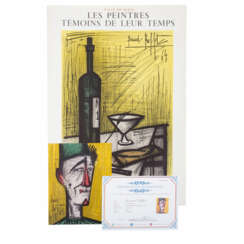

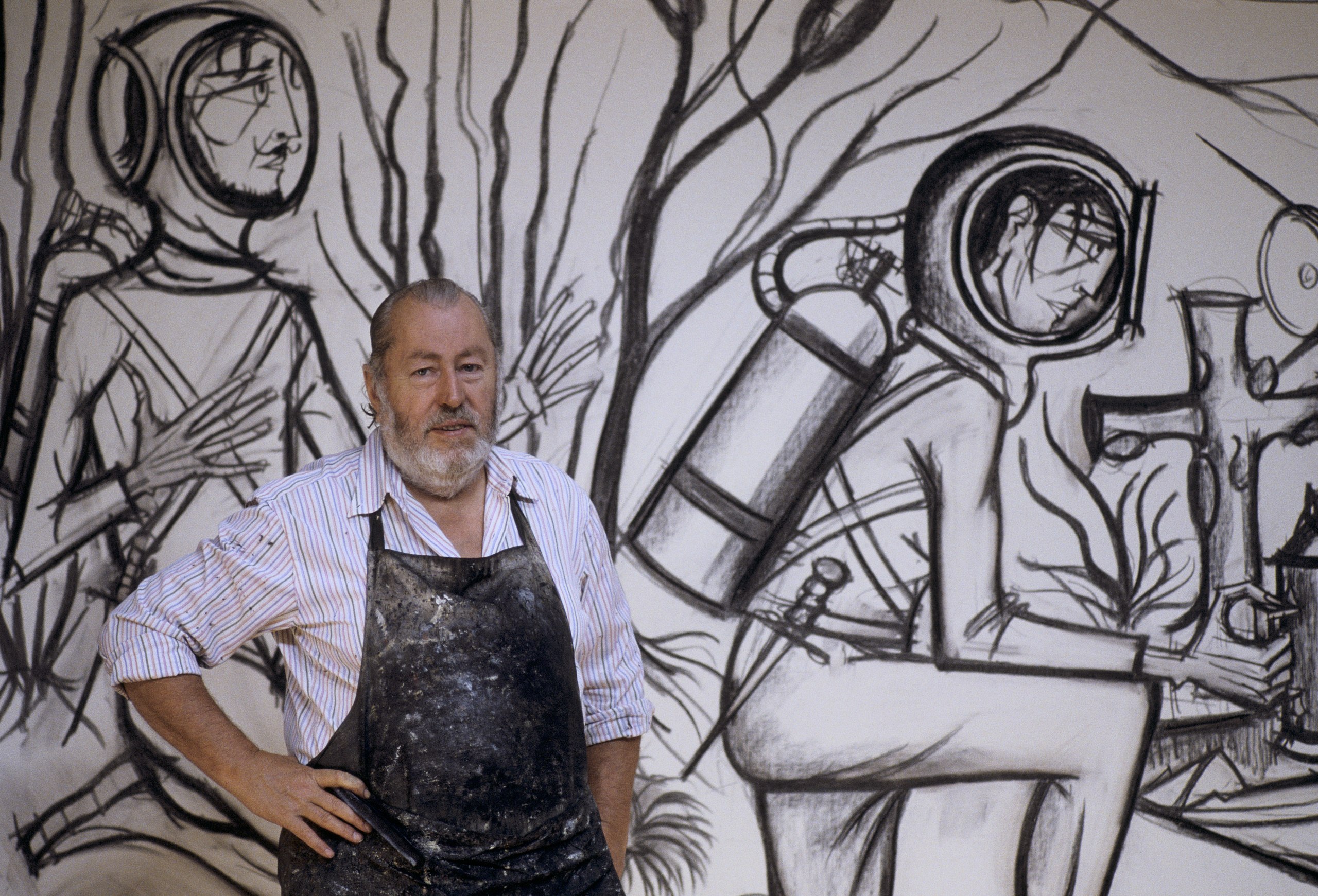
Bernard Buffet was a French artist renowned for his distinctive style of painting, printmaking, and sculpture. His work, characterized by expressive, angular lines and somber themes, has captivated collectors and art enthusiasts worldwide. Buffet's art, deeply influenced by the post-war period in France, reflects themes of despair, loneliness, and the human condition, often portrayed through his iconic clowns and desolate landscapes. His approach to art, marked by stark compositions and a vivid portrayal of existential angst, positioned him as a leading figure in the modern expressionist movement.
Buffet's career was meteoric from its onset; by his early twenties, he was celebrated alongside cultural icons of the time, earning him a spot among the "Fabulous Five" of post-war France. Despite his early acclaim, Buffet's later years were marked by controversy and a decline in popularity, as shifts in artistic trends and criticism over his lifestyle choices overshadowed his contributions. Nevertheless, his work remained prolific, with more than 8,000 paintings to his name, illustrating an unwavering commitment to his art until his tragic death in 1999.
Today, Bernard Buffet's legacy is undergoing a renaissance, with a renewed appreciation for his artistic achievements. Exhibitions and retrospectives across the globe, particularly in Japan and Europe, have reignited interest in his oeuvre, showcasing the enduring relevance of his work. Notably, the Bernard Buffet Museum in Japan, founded during his lifetime, stands as a testament to his impact and the global admiration for his art.
For collectors and experts in the field of art and antiques, Buffet's work offers a unique insight into the complexities of the human psyche and the existential dilemmas of the 20th century. His ability to evoke profound emotional responses through his distinctive visual language makes his work highly sought after in the art market today.
To stay informed about new product sales and auction events related to Bernard Buffet, we encourage you to sign up for updates. This subscription service is tailored specifically for enthusiasts keen on exploring the profound legacy of Bernard Buffet, ensuring you remain at the forefront of notable developments in the art world.


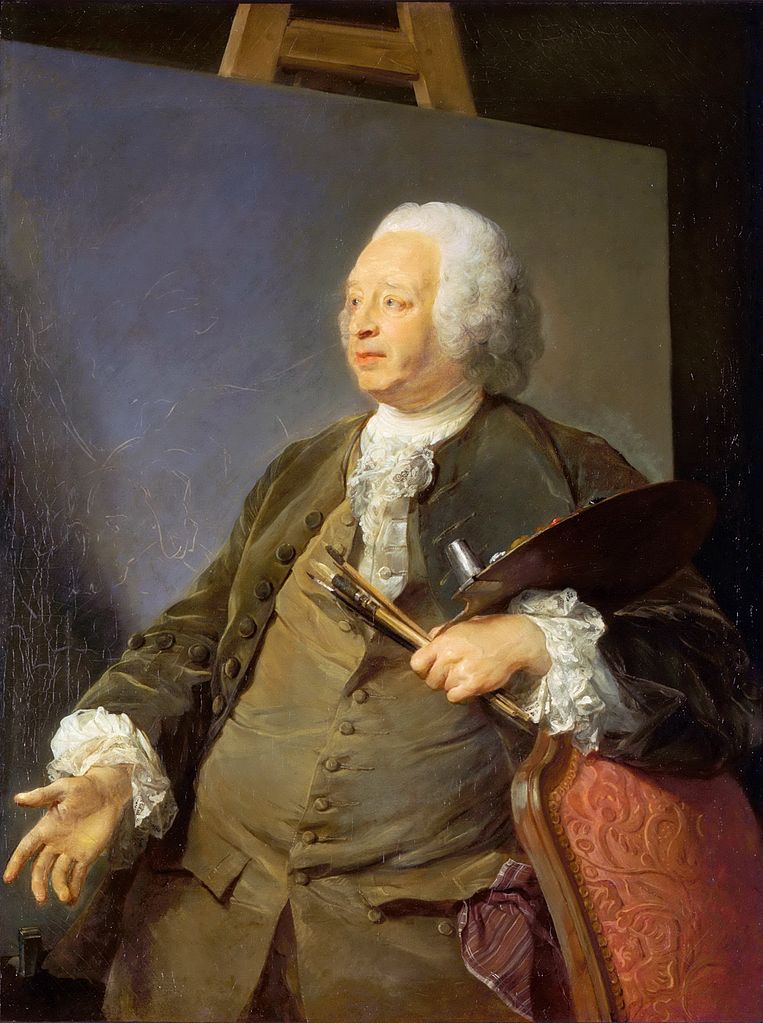
Jean-Baptiste Oudry was a French Rococo painter, engraver, and tapestry designer. He is particularly well known for his naturalistic pictures of animals and his hunt pieces depicting game. His son, Jacques-Charles Oudry, was also a painter.
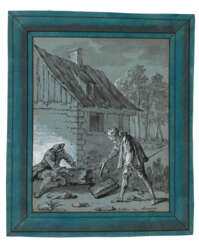

Jean-Baptiste Oudry was a French Rococo painter, engraver, and tapestry designer. He is particularly well known for his naturalistic pictures of animals and his hunt pieces depicting game. His son, Jacques-Charles Oudry, was also a painter.


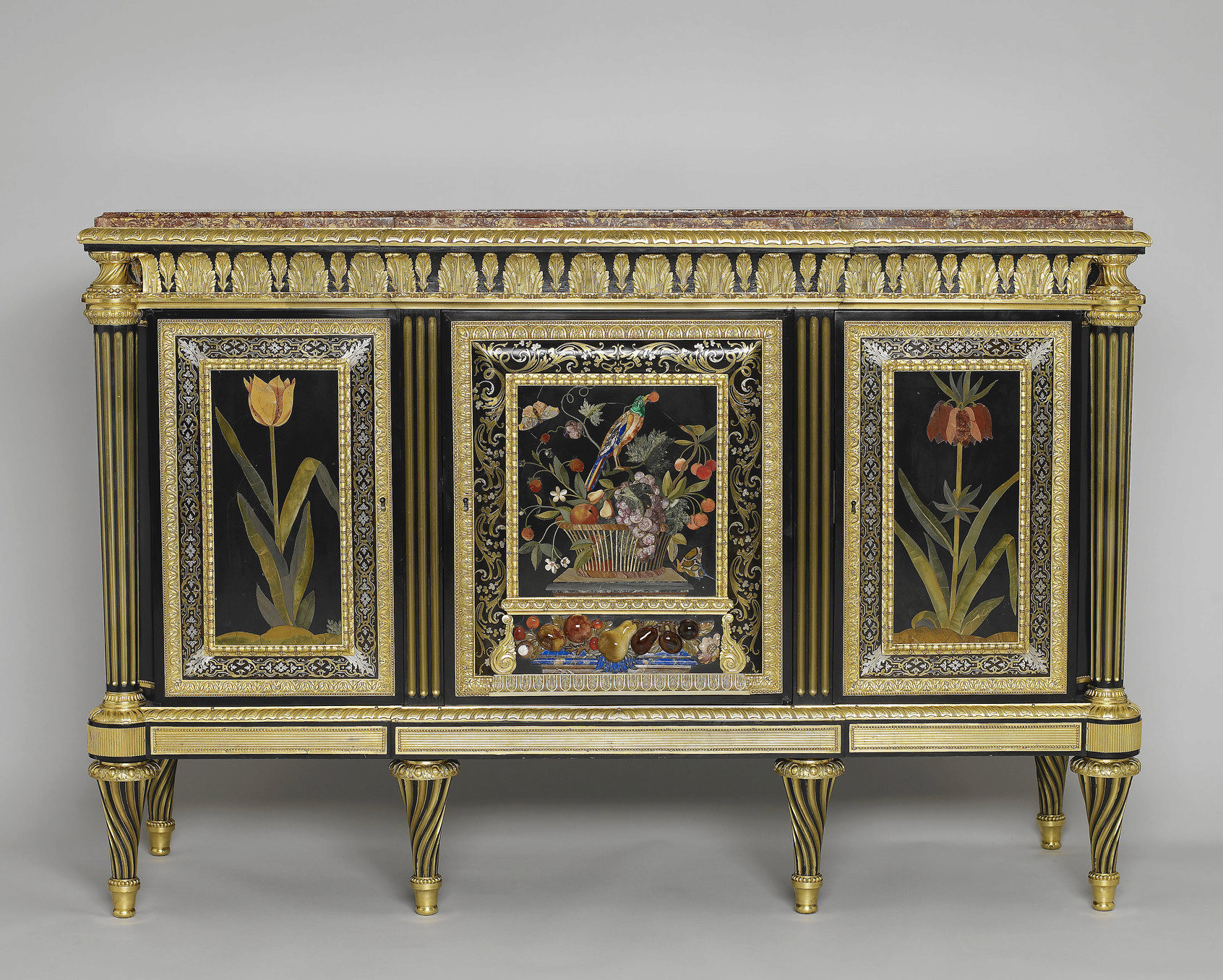
Adam Weisweiler was a distinguished French cabinetmaker, renowned for his exceptional creations that resonated deeply with the culture and art of his time. Originating from Germany, Weisweiler moved to Paris, where he became an emblematic figure in the realm of fine furniture making during the late 18th century. His specialization in crafting exquisite pieces, often adorned with intricate marquetry and mounted with elegant bronzes, set new standards in the world of decorative arts.
Weisweiler's work is celebrated for its refined elegance and the harmonious blend of functionality with aesthetic appeal. His ability to incorporate elements of sculpture and painting into his furniture designs elevated the pieces from mere objects of utility to cherished works of art. The meticulous attention to detail and the innovative use of materials like ebony and mahogany, coupled with his mastery over the classical motifs, made his creations highly sought after by the aristocracy and collectors alike.
Several of Adam Weisweiler's masterpieces find their homes in prestigious museums and galleries around the world, serving as testaments to his enduring legacy in the art and antiques sphere. His contributions to the field have not only enriched the cultural heritage of France but have also left an indelible mark on the global appreciation of fine antique furniture.
For collectors and experts in art and antiques, Adam Weisweiler's work represents the pinnacle of craftsmanship and artistic vision. His creations continue to inspire and captivate, embodying the quintessence of French decorative arts. To stay informed about new product sales and auction events related to Adam Weisweiler, we invite you to sign up for updates. This subscription ensures you are always in the know, without any unwelcome intrusions, focusing solely on opportunities to acquire pieces linked to this illustrious artist's legacy.


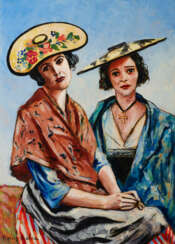

Francis Picabia, born Francis-Marie Martinez de Picabia, was a French avant-garde painter, poet, and typographist, whose work is celebrated for its diversity and innovation. His journey through various art movements, including Impressionism, Cubism, Dadaism, and Surrealism, showcases his refusal to be confined by any one style. Picabia's art is known for its eclectic nature, often blending mechanical elements with organic forms, thereby challenging traditional perceptions of art and beauty.
Picabia's significant contribution to the art world lies not just in his varied artistic output but also in his philosophical approach to creation. He believed in the freedom of expression, often using his art to critique societal norms and the art establishment itself. This rebellious spirit made him a pivotal figure in the Dada movement, where his works were celebrated for their irony and disdain for conventional art values.
Among his notable works, "Amorous Parade" and "I See Again in Memory My Dear Udnie" stand out, housed in prestigious institutions like the Museum of Modern Art in New York. These pieces exemplify Picabia's mastery over blending different elements of art movements, creating works that remain influential to this day. His legacy is not just in the pieces he created but also in his attitude towards art, encouraging future generations to challenge and redefine the boundaries of creativity.
For collectors and experts in art and antiques, Picabia's works represent not only significant artistic achievements but also valuable insights into the evolution of modern art. To stay informed about new product sales and auction events related to Francis Picabia, sign up for updates. This subscription is an essential resource for enthusiasts looking to enrich their collections with pieces from one of the most innovative artists of the 20th century.