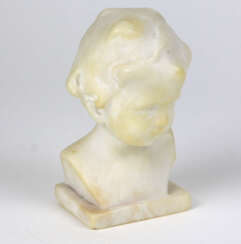
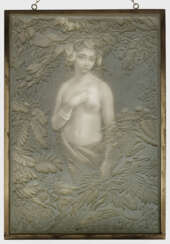
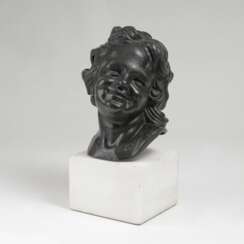
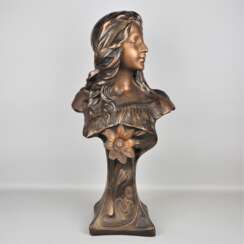
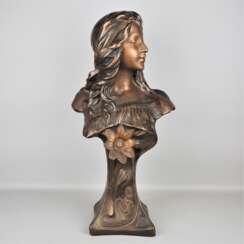
büste mädchen


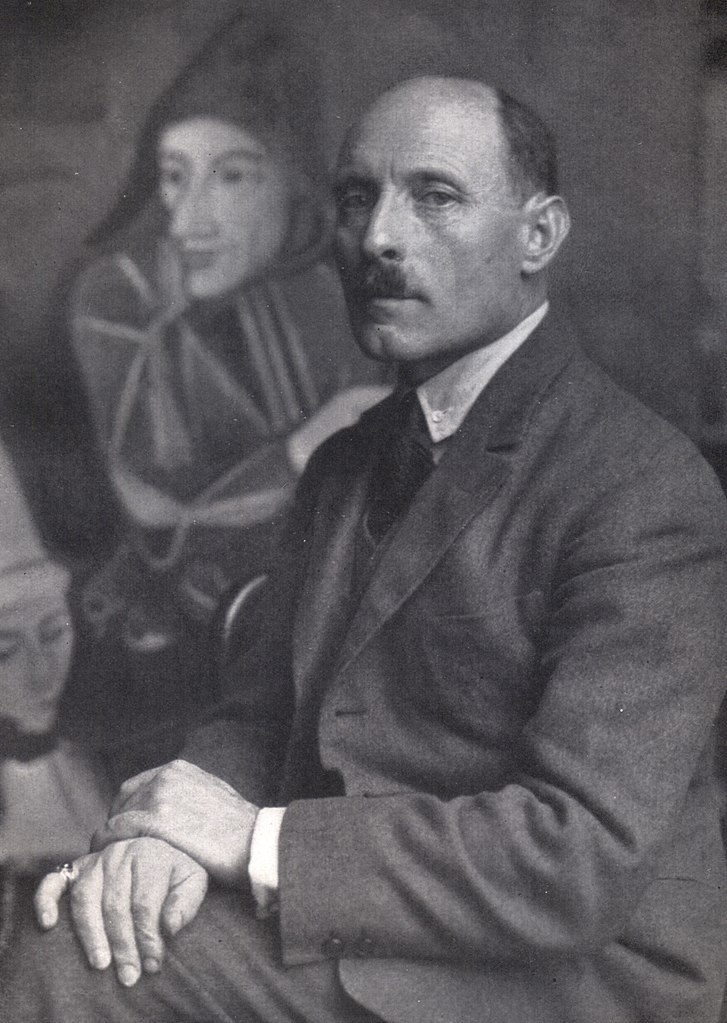
Karl Hofer was a German expressionist painter. He was director of the Berlin Academy of Fine Arts.
One of the most prominent painters of expressionism, he never was a member of one of the expressionist painting groups, like "Die Brücke", but was influenced by their painters. His work was among those considered degenerate art by the Nazis, but after World War II he regained recognition as one of the leading German painters.
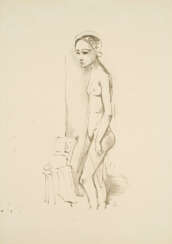

Karl Hofer was a German expressionist painter. He was director of the Berlin Academy of Fine Arts.
One of the most prominent painters of expressionism, he never was a member of one of the expressionist painting groups, like "Die Brücke", but was influenced by their painters. His work was among those considered degenerate art by the Nazis, but after World War II he regained recognition as one of the leading German painters.
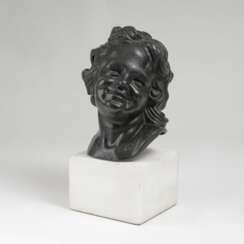





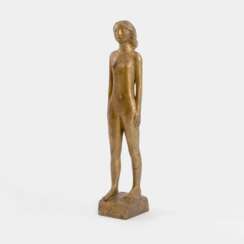

.jpg)
Gerhard Marcks was a German artist, known primarily as a sculptor, but who is also known for his drawings, woodcuts, lithographs and ceramics.
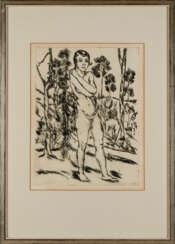

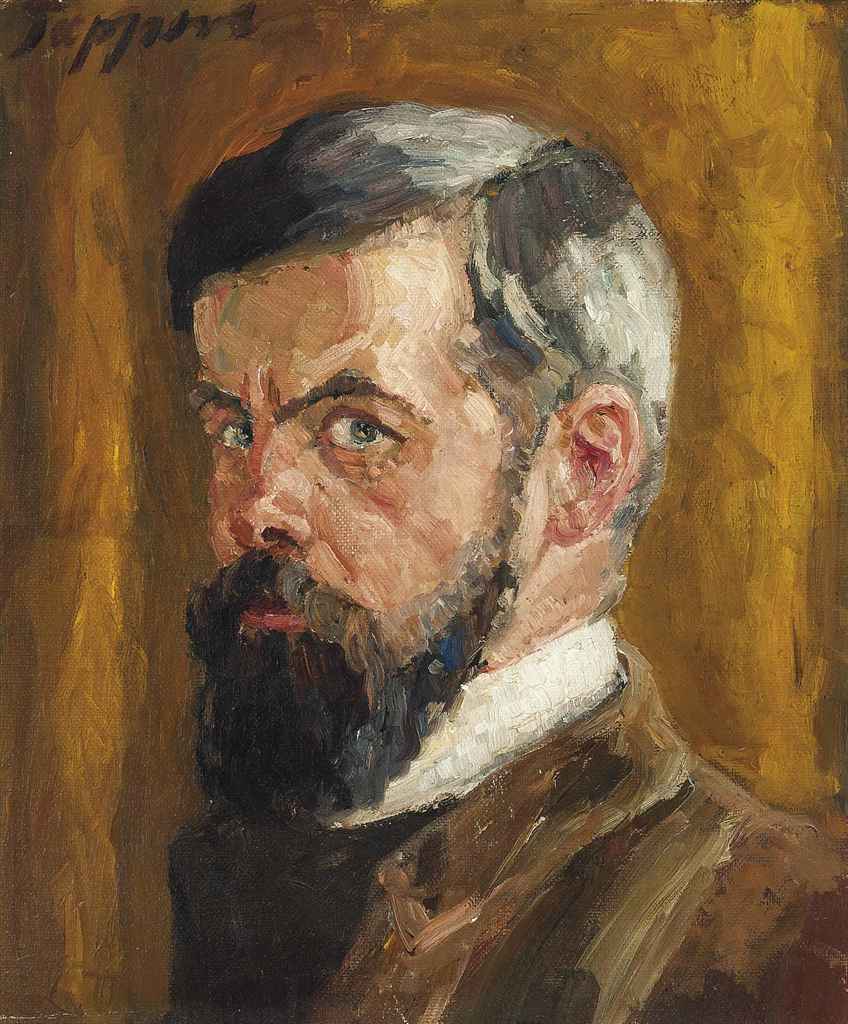
Georg Tappert was a German expressionist painter.
Tappert studied at the Academy of Fine Arts in Berlin and later joined the Berlin Secession, a group of artists who sought to break away from traditional academic art. His early work was influenced by the Art Nouveau movement, but he later became associated with German Expressionism.
Tappert's paintings are characterized by their vivid colors and expressive brushstrokes, which conveyed a sense of emotional intensity. He often depicted scenes of modern urban life, such as cafés, streets, and theaters, as well as portraits and still-life compositions. He also produced a significant body of graphic work, including woodcuts and lithographs.
Tappert's work was exhibited extensively during his lifetime, including at the Berlin Secession and the Städtische Galerie in Munich. He was also awarded numerous honors and awards for his work, including the Villa Massimo Prize in Rome in 1911 and the Grand Cross of the Order of Merit of the Federal Republic of Germany in 1955.




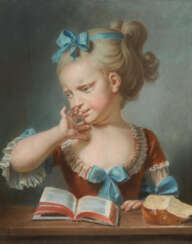



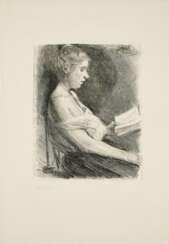

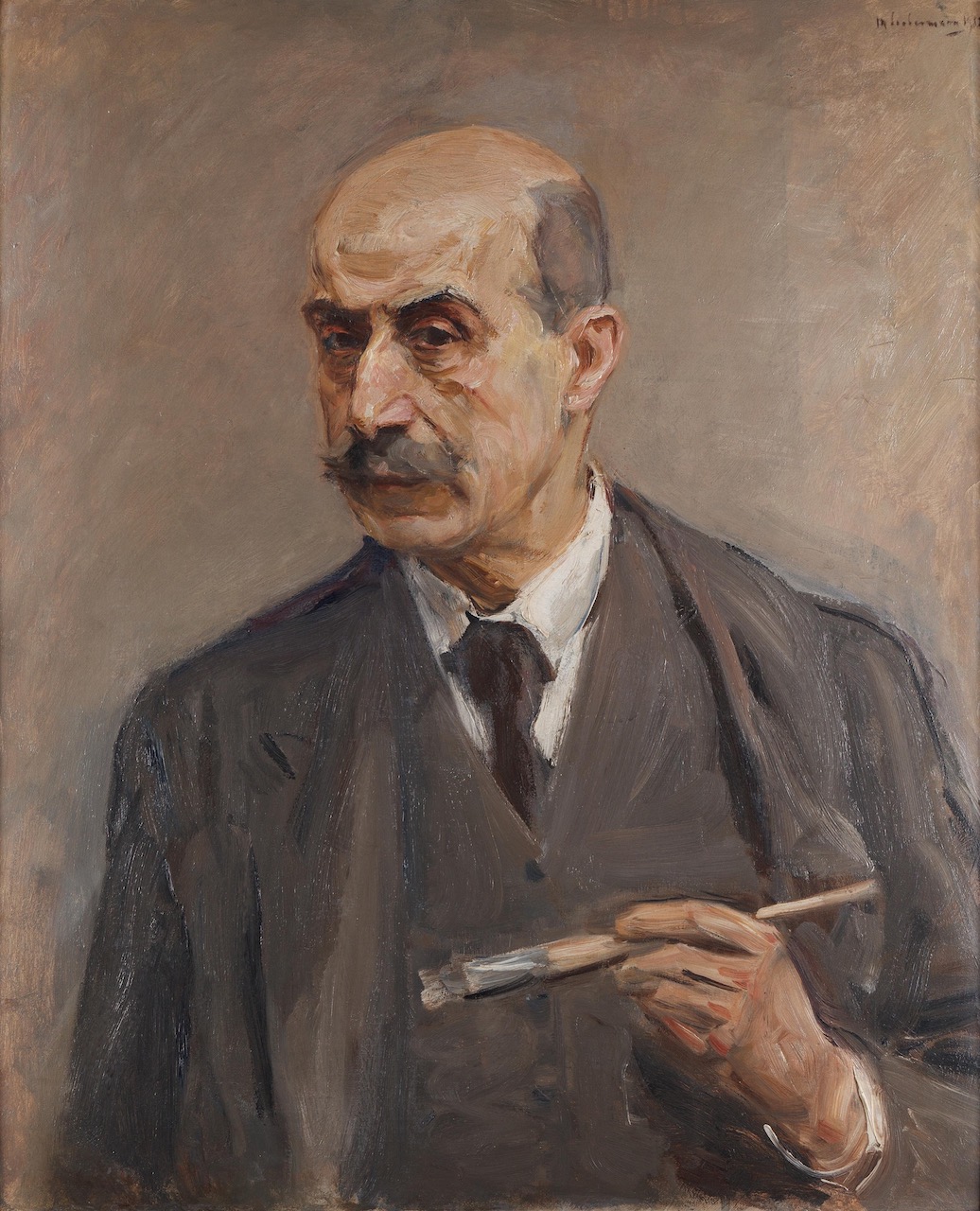
Max Liebermann was a German painter and printmaker, and one of the leading proponents of Impressionism in Germany and continental Europe. In addition to his activity as an artist, he also assembled an important collection of French Impressionist works.

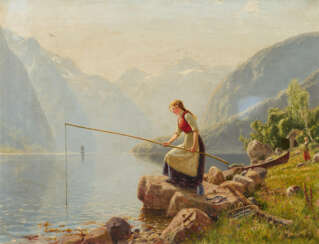

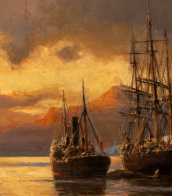
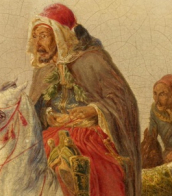
Hans Dahl was a celebrated Norwegian painter. He is best known for his vivid and romantic depictions of Norwegian fjords and the vibrant life around them, capturing the essence of rural western Norway during the late 19th and early 20th centuries. Hans Dahl's art is characterized by its romantic realism, often showcasing young women in traditional costumes against the backdrop of Norway's breathtaking landscapes.
Hans Dahl's technique and color palette were exceptional, employing rubies, aquamarines, sapphires, pearls, and jade to bring to life the red vests of bunads, the blue waters and skies, ivory clouds, and the myriad shades of green in the grassy meadows. His works such as "Arriving for a Celebration" are particularly notable for depicting a lively scene with numerous figures in a composition, a rare approach for Dahl who typically focused on individual or small groups of young women.
His son, Hans Andreas Dahl, also followed in his footsteps but tragically died at a young age. Hans Dahl was honored as a knight of the Royal Norwegian Order of St. Olav, 1st class, in 1902, recognizing his contributions to Norwegian art and culture.
Dahl's paintings, such as "Summerday by Balestrand," "A Young Woman in the Meadow," and "Milkmaid with goats," among others, offer a romantic, nostalgic window into Norwegian culture and landscape, resonating with both Norwegians and international audiences alike. His works have been celebrated for their detailed depictions of village life, the natural beauty of the Norwegian fjords, and the traditional Norwegian way of life, making him a favorite among collectors and enthusiasts of Norwegian art.
For collectors and experts in art and antiques interested in the unique blend of romanticism and realism that defines Hans Dahl's work, staying informed about new sales and auction events is essential. Signing up for updates can provide exclusive access to the latest offerings related to Dahl's paintings, ensuring enthusiasts are always in the know about opportunities to add to their collections.
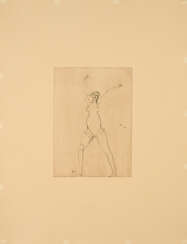


Joseph Heinrich Beuys was a German artist, renowned for his significant contributions to the realms of sculpture, painting, and installation art, which have left a lasting impact on the culture and art world. His work transcended traditional boundaries, merging art with social theory and politics, thus redefining the role of the artist in society. Beuys's unique approach to materials, incorporating substances like fat and felt, symbolized healing and insulation, reflecting his broader philosophical and ecological concerns.
Beuys's art was deeply influenced by his experiences during World War II and his academic background in natural sciences and sculpture. His concept of "social sculpture" proposed that art could transform society, emphasizing creativity as a fundamental component of human existence. This vision led him to use his performances, or "actions," as a medium to communicate his ideas, making him a pivotal figure in the Fluxus movement. Notable works such as "How to Explain Pictures to a Dead Hare" and "7000 Oaks" exemplify his innovative use of performance and environmental art to engage and challenge the public.
His legacy is preserved in major museums and galleries worldwide, including the Museum of Modern Art in New York and the Tate Modern in London. These institutions house key pieces that exemplify Beuys's diverse artistic output, from his early drawings and sculptures to his later installations and public interventions. His influence extends beyond the art world, impacting environmental activism and educational reform, underscoring his belief in the transformative power of art.
For collectors and experts in art and antiques, Joseph Heinrich Beuys remains a figure of immense interest, not only for his groundbreaking artworks but also for his profound impact on contemporary art theory and practice. To stay informed about new product sales and auction events related to Beuys, we invite you to sign up for updates. This subscription ensures you are always in the loop regarding opportunities to engage with the enduring legacy of one of the most influential artists of the 20th century.
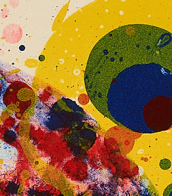
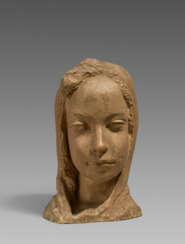

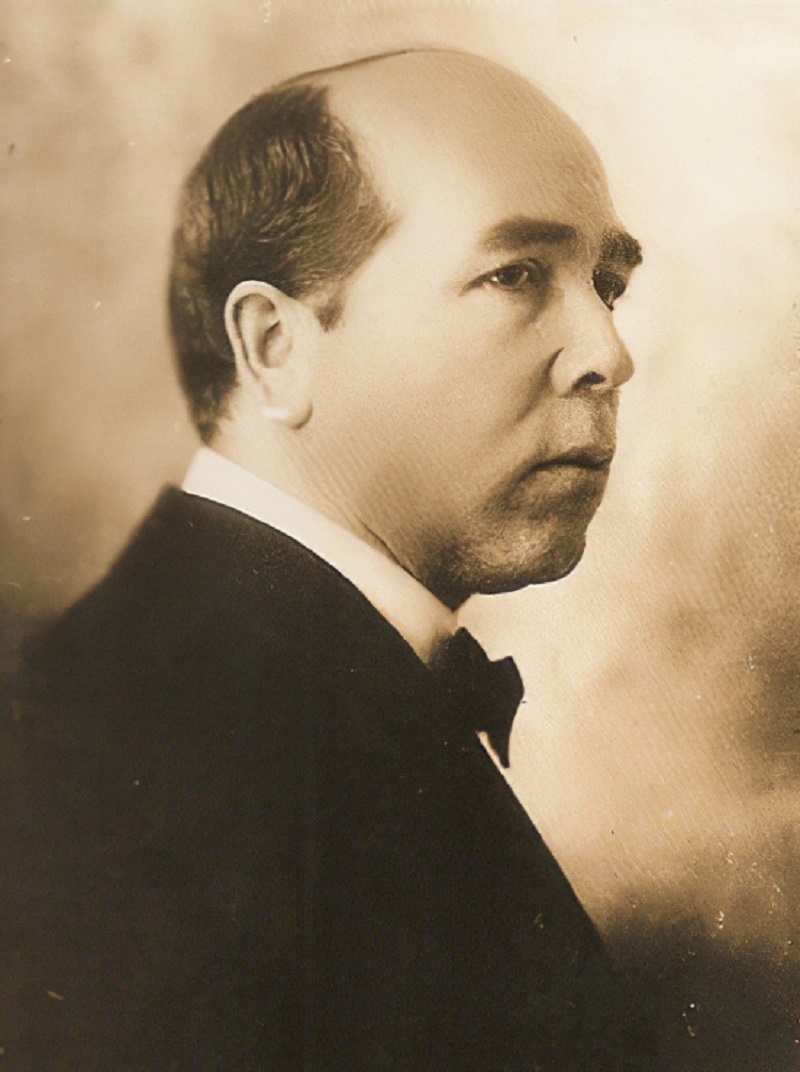
Bernhard Hoetger is a German painter, sculptor, graphic artist and architect. He studied at the Dusseldorf Academy of Art.
In 1937, as part of the Nazi "Degenerate Art" campaign, many works by Bernhard Hoetger were destroyed.