back to the future 2


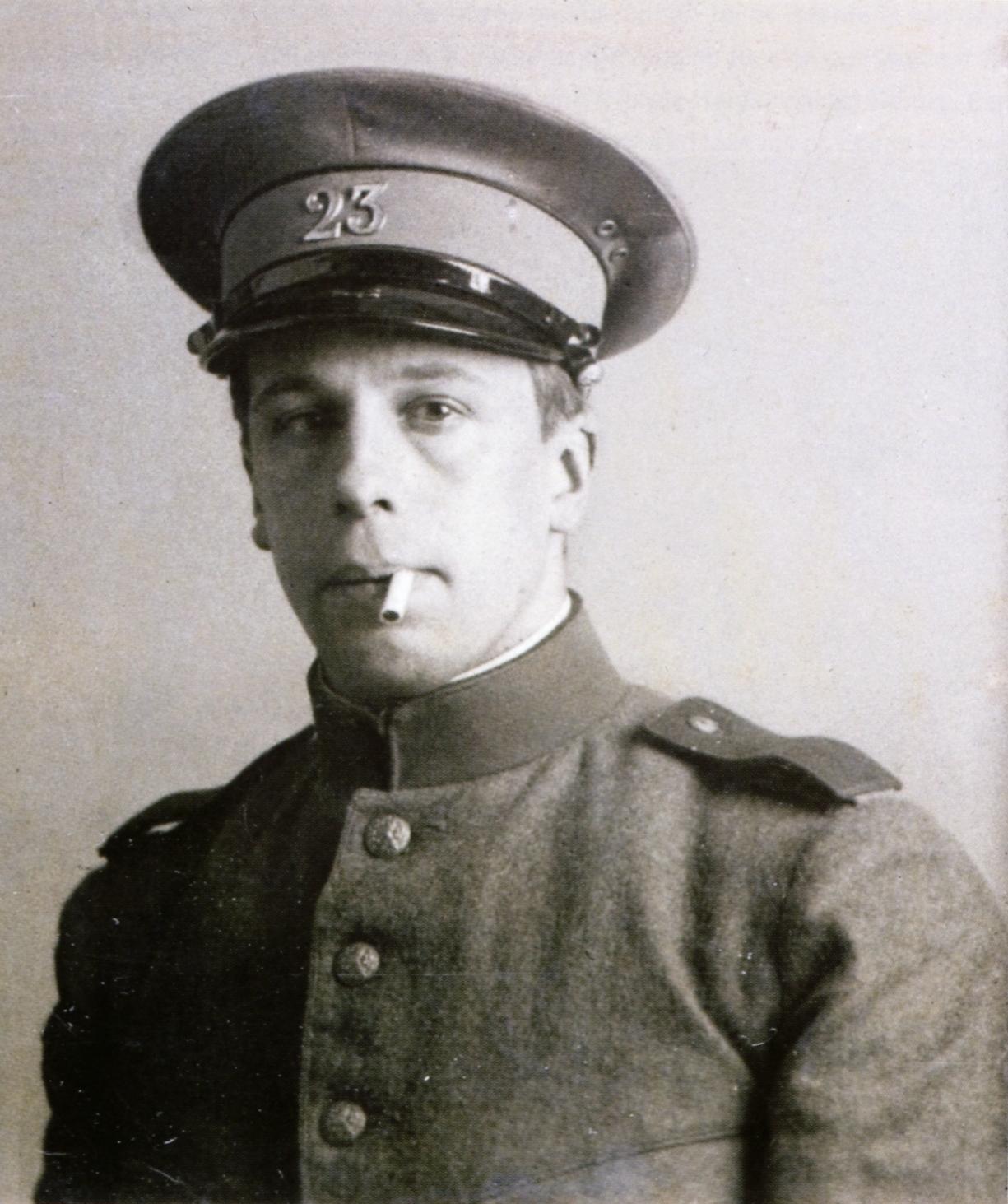
Theo van Doesburg, real name Christian Emil Marie Küpper, is a Dutch painter, architect and sculptor, art theorist, co-founder of the Style Group and of Neoplasticism.
Theo van Doesburg co-founded with Piet Mondrian the De Stijl abstract art movement. The basis of van Doesburg's views was the attempt to reduce all forms of objective harmony in a work of art to certain geometric elements. These new principles soon had a significant influence on the development of architecture, literature, graphics and music.










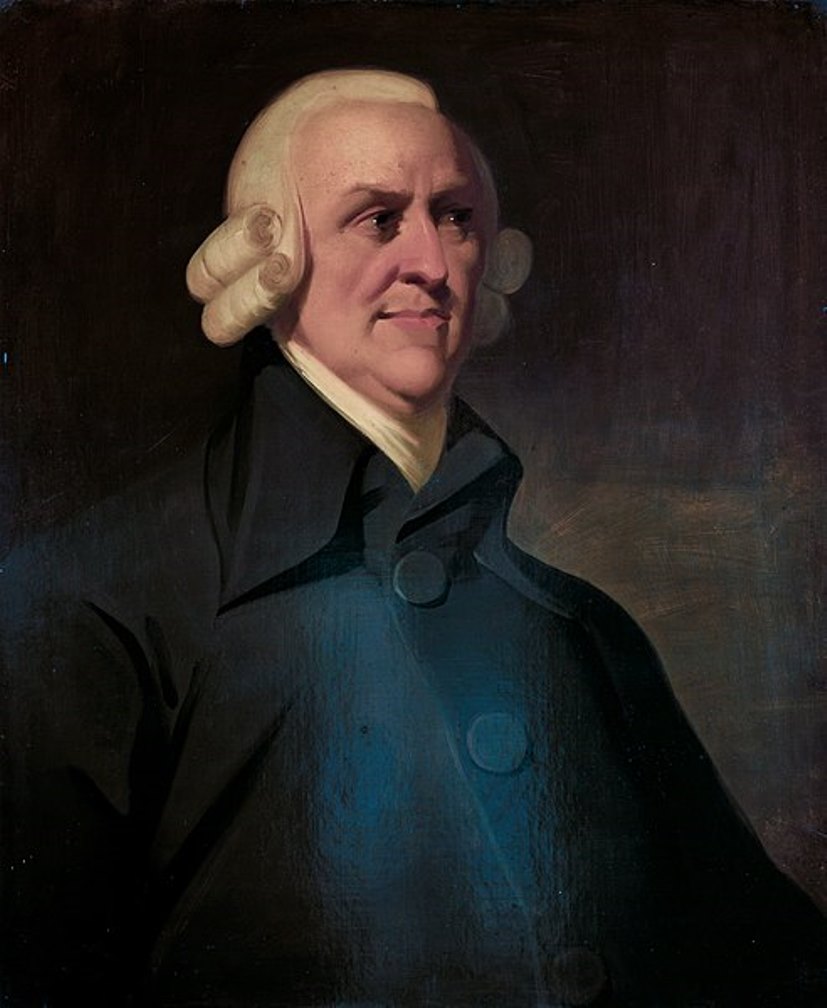
Adam Smith was a Scottish economist and philosopher, one of the founders of economic theory as a science.
After graduating from Balliol College at Oxford University, Smith in 1751 became Professor of Logic and then Professor of Moral Philosophy at the University of Glasgow. And at the same time worked on publishing some of his lectures. His book The Theory of Moral Sentiments was published in 1759. As a philosopher, he wrote on a wide range of subjects: moral philosophy, jurisprudence, rhetoric and literature, and the history of science. He was one of the leading figures of the Scottish Enlightenment. Adam Smith also studied the social forces that give rise to competition, trade, and markets. On his trip to France, he met François Kenet and the Physiocrats.
In late 1763, Smith was given the position of tutor to the young Duke of Buccleugh and resigned his professorship. He began to socialize extensively with the intellectuals of his day, aristocrats and scholars, members of the government and representatives of big commerce, and gradually moved from philosophy to economics.
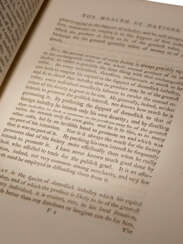
Adam Smith published his most important work, An Inquiry into the Nature and Causes of the Wealth of Nations (abbreviated as The Wealth of Nations), in 1776. It was the first major exposition of the theory of free trade, where the author advocates individual liberty and the accumulation of wealth, while strongly advocating moral justice and duty to society. He describes a system of natural liberty and justice that seeks to raise the standard of living of the general population by equating higher wages with a healthier and more productive labor force. He proves his belief that the limits to growth are political, not economic, and outlines the principles that should guide lawmakers. Smith also lays out a history of economic theory, a historical analysis of the wealth of nations, including China, and predictions for the future.
"The Wealth of Nations" was the first and still remains the most important book on political economy. And Adam Smith himself is considered the founder of classical political economy; he introduced the term "the invisible hand of the market." Although he did not use the word "capitalism", he is called the father of modern capitalism.


Adam Smith was a Scottish economist and philosopher, one of the founders of economic theory as a science.
After graduating from Balliol College at Oxford University, Smith in 1751 became Professor of Logic and then Professor of Moral Philosophy at the University of Glasgow. And at the same time worked on publishing some of his lectures. His book The Theory of Moral Sentiments was published in 1759. As a philosopher, he wrote on a wide range of subjects: moral philosophy, jurisprudence, rhetoric and literature, and the history of science. He was one of the leading figures of the Scottish Enlightenment. Adam Smith also studied the social forces that give rise to competition, trade, and markets. On his trip to France, he met François Kenet and the Physiocrats.
In late 1763, Smith was given the position of tutor to the young Duke of Buccleugh and resigned his professorship. He began to socialize extensively with the intellectuals of his day, aristocrats and scholars, members of the government and representatives of big commerce, and gradually moved from philosophy to economics.
Adam Smith published his most important work, An Inquiry into the Nature and Causes of the Wealth of Nations (abbreviated as The Wealth of Nations), in 1776. It was the first major exposition of the theory of free trade, where the author advocates individual liberty and the accumulation of wealth, while strongly advocating moral justice and duty to society. He describes a system of natural liberty and justice that seeks to raise the standard of living of the general population by equating higher wages with a healthier and more productive labor force. He proves his belief that the limits to growth are political, not economic, and outlines the principles that should guide lawmakers. Smith also lays out a history of economic theory, a historical analysis of the wealth of nations, including China, and predictions for the future.
"The Wealth of Nations" was the first and still remains the most important book on political economy. And Adam Smith himself is considered the founder of classical political economy; he introduced the term "the invisible hand of the market." Although he did not use the word "capitalism", he is called the father of modern capitalism.
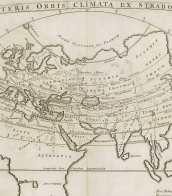
![Telephoto panoramas [Mosaics] near Love Crater and showing twin craters on the backside; farside details; Apollo 11 landing site in Sun glare, May 18-26, 1969](/assets/image/picture_1219535/33c17/e7b022bdd2a104ee3600ee75bd6901ea1604656800jpg__fix_374_244.jpeg)
![Telephoto panoramas [Mosaics] near Love Crater and showing twin craters on the backside; farside details; Apollo 11 landing site in Sun glare, May 18-26, 1969](https://veryimportantlot.com/assets/image/picture_1219535/33c17/e7b022bdd2a104ee3600ee75bd6901ea1604656800jpg__fix_374_244.jpeg)



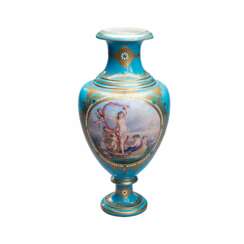


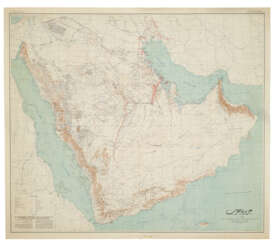

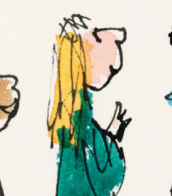


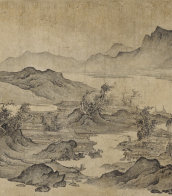


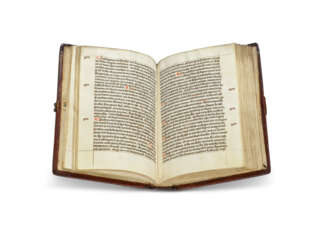








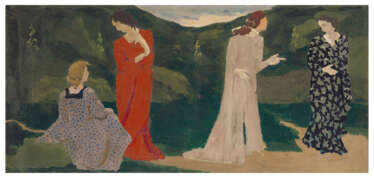

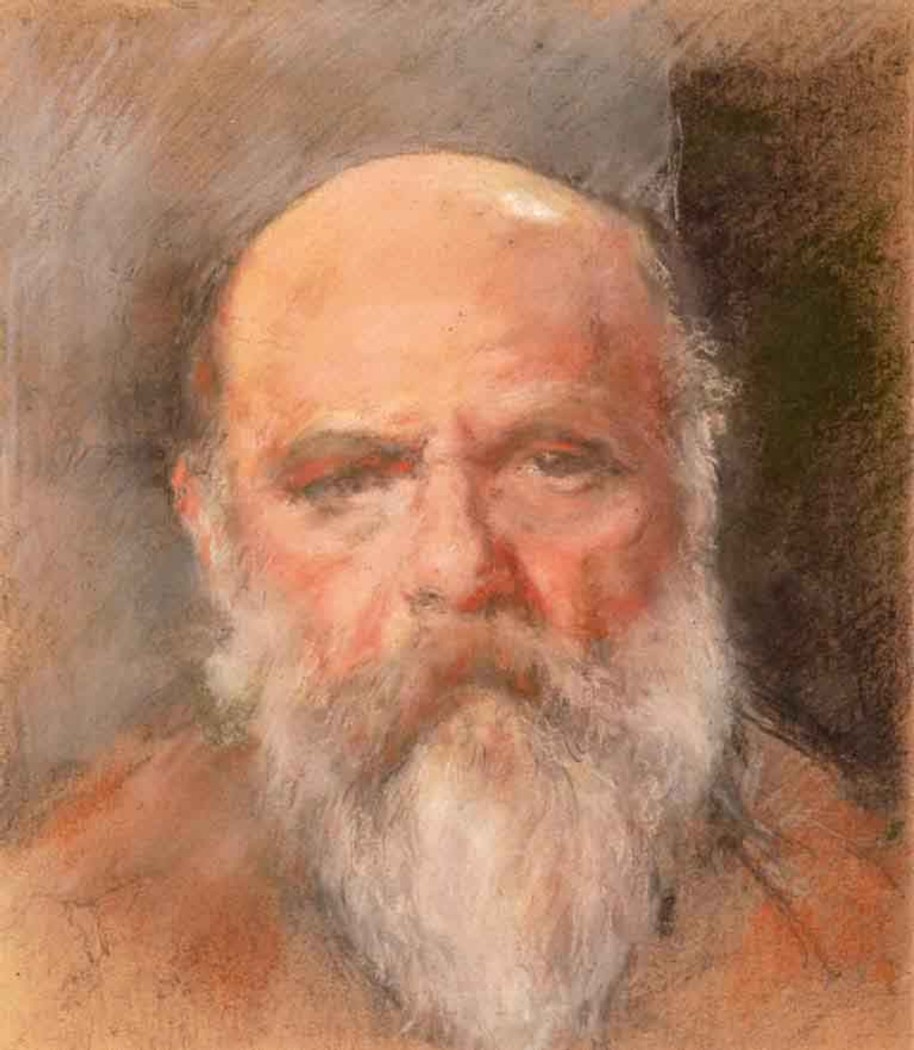
Ker-Xavier Roussel was a French painter, renowned for his distinctive post-impressionist style and his affiliation with the Nabis, an avant-garde artist group. Born in 1867, Roussel's artistic journey began in his teens and continued robustly into the 20th century, leaving a legacy celebrated for its mythological and bucolic themes.
Roussel's art is characterized by its vivid portrayal of mythological scenes and landscapes, often infused with a sense of eroticism and joy. His work frequently depicts Greek myths set against the backdrop of the Mediterranean, featuring figures like women, nymphs, centaurs, and fauns. These large, brightly colored paintings, such as "Rural Festival, Summer" and "The Seasons of Life," marked a departure from the smaller formats typical of the Nabis, showcasing his evolution towards a more expansive and expressive style.
A master of pastels, Roussel's work from the 1890s, such as "La Barrière," displayed at the Musée d'Orsay, reflects the Nabi style with its Japanese print influences, absence of perspective, and contrasting values. His later works, created between 1930 and 1944, often depicted violent mythological deaths, revealing a darker aspect of his artistic expression.
Roussel's contributions extended beyond canvas, as he created large paintings for public spaces and private clients, including a significant panel for the Palais des Nations in Geneva and the front curtain of the Théâtre des Champs-Élysées. His recognition peaked in the 1930s, with a multi-panel scheme for the Palais de Chaillot and winning the Carnegie Prize for art in 1926.
Despite a period of obscurity, Roussel's work regained attention through exhibitions like "Ker-Xavier Roussel, Private Garden, Dreamed Garden" at the Musée des Impressionnismes in Giverny, showcasing his significant contributions to art history.
For art collectors and experts, understanding Roussel's work offers insights into the evolution of post-impressionism and the Nabis' influence on modern art. His unique blend of mythological themes and vibrant landscapes represents an important chapter in art history. For those interested in exploring Roussel's work further or keeping updated on related art sales and auctions, signing up for updates is a valuable opportunity to deepen your engagement with this influential artist's legacy.
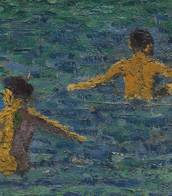


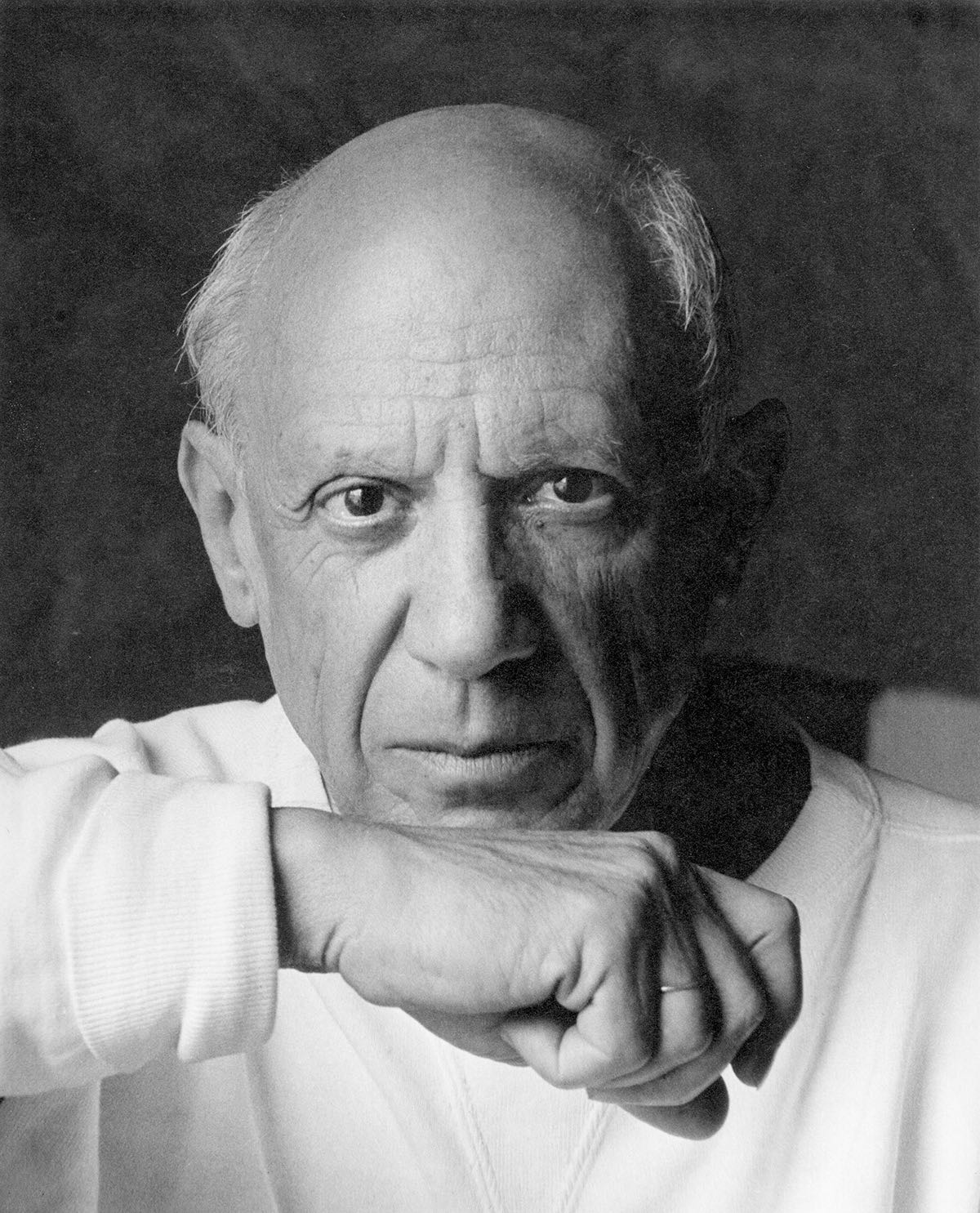
Pablo Ruiz Picasso, a Spanish artist renowned for his revolutionary contributions to the 20th-century art scene, is a figure that resonates profoundly with collectors and art experts. His unique blend of talents in painting, sculpture, printmaking, and ceramic art, infused with his time in France, positioned him as a pivotal character in modern art history.
Picasso's artistic journey was marked by distinct periods, each showcasing his evolving style and genius. His early years were characterized by the Blue Period (1901-1904), followed by the Rose Period (1904-1906), and then the African-influenced Period (1907-1909). Picasso's name is synonymous with Cubism, a movement he co-founded, which significantly altered artistic perspectives and methods. Works like "Les Demoiselles d'Avignon" (1907) and "Guernica" (1937) are emblematic of his cubist legacy, the latter being a poignant anti-war statement that remains influential.
His later years saw a return to more traditional styles, with neoclassical and surrealist influences becoming evident. Works from these phases reflect a deep engagement with mythological themes, as seen in "Faun with Stars" (1955), symbolizing his late-life romance with Jacqueline Roque, his second wife.
Picasso's prolific output and innovative spirit made him a legend in his own time, a status that only grew after his death. His works, housed in major museums and private collections worldwide, continue to captivate and inspire.
As a collector or expert in art and antiques, staying informed about Picasso's works, their auction events, and sales is essential. To stay updated on the latest developments and opportunities related to Pablo Picasso, sign up for our specialized updates. Rest assured, this subscription will focus solely on new product sales and auction events pertaining to Picasso's art, ensuring that you receive only the most relevant and valuable information.


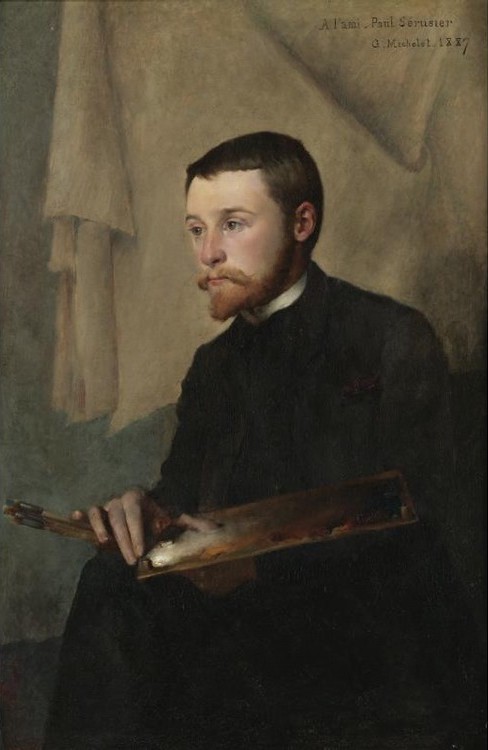
Paul Sérusier was a French Post-Impressionist painter and theorist, notable for his significant contributions to the art movement known as the Nabis. Born in Paris on November 9, 1864, Sérusier's work is characterized by its expressive use of color and pattern, inspired by the techniques of Paul Gauguin. He is best known for his exploration of color, sensation, and abstraction, particularly evident in works like "Le Talisman, the Aven River at the Bois d'Amour" (1888). This painting marks a departure from the Impressionists' more faithful representation of observed reality, focusing instead on translating sensations onto the canvas with vibrant brushstrokes and an emphasis on emotional expression over visual accuracy.
Sérusier's paintings often feature the landscapes and people of Brittany, notable for their contemplative mood achieved through firm contours and blocks of unmodulated color. His style evolved under the influence of Synthetism and Cloisonnism, favoring flattened forms and large swathes of color, as seen in "Farmhouse at le Pouldu" (1890). This approach reflects a decorative organization of objects, emphasizing the craft and execution of the scene.
Some of Sérusier's notable works are housed in prestigious museums such as the Musée d'Orsay in Paris, including "Portrait of Paul Ranson in Nabi Costume" (1890) and "Landscape" (1912). His legacy extends beyond his own artworks; he was a key figure in the formation of the Nabis movement, and his theoretical contributions have had a lasting impact on the art world.
For collectors and experts in art and antiques, Sérusier's work represents a unique blend of post-impressionist and symbolist styles, making his pieces highly valued both for their historical significance and their aesthetic appeal. To stay updated on new product sales and auction events related to Paul Sérusier, sign up for our updates. This subscription service is exclusively focused on providing information related to Sérusier's work, ensuring you remain informed about opportunities to acquire pieces by this influential artist.
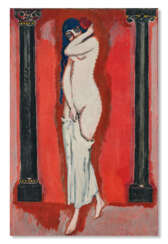

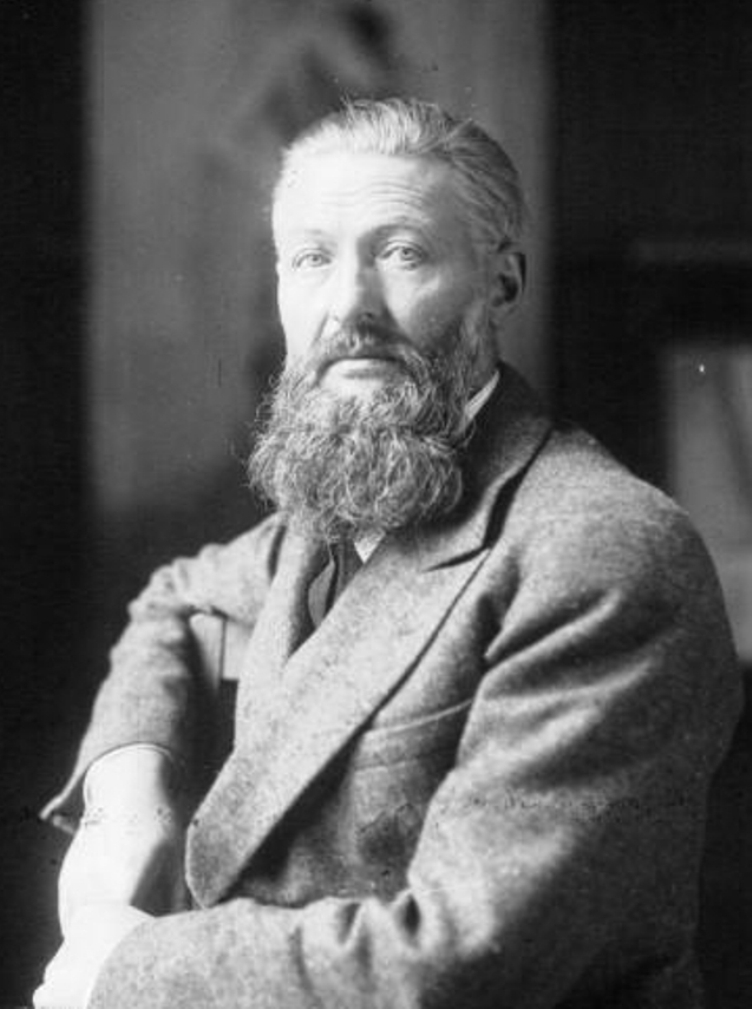
Kees van Dongen was a Dutch-French painter renowned for his vivid and expressive works that placed him at the forefront of the Fauvist movement. Born in 1877 in Delfshaven, Netherlands, van Dongen's journey into the art world began with his education at the Akademie voor Beeldende Kunsten in Rotterdam. His move to Paris in 1897 marked a pivotal moment in his career, immersing him in the bustling avant-garde scene and connecting him with influential circles, including Pablo Picasso and the Fauves. Van Dongen's art, characterized by its striking use of color and bold brushwork, captured the essence of his subjects with a unique blend of realism and abstraction.
Van Dongen's work evolved significantly over time, initially influenced by the dark tones of his Dutch heritage and the works of Rembrandt. His encounter with Fauvism around 1906 brought a dramatic shift towards brighter, more vibrant colors, marking his most iconic phase. His ability to capture the sensuousness and personality of his subjects made him a sought-after portraitist among the French bourgeoisie and celebrities of his time. Notable works include "Femme aux bas noirs" (Woman with Black Stockings), "Les lutteuses" (Lutteuses du Tabarin), and "The Dancer Anita," showcasing his fascination with the human figure, particularly sensuous depictions of women.
Beyond his remarkable contributions to Fauvism, van Dongen's ventures into illustration and his role as a society portraitist underscore his diverse talents and adaptability to the changing tastes of the art market. His works are celebrated in major collections worldwide, including the Hermitage Museum and the National Gallery of Denmark, affirming his lasting impact on the art world.
Collectors and art experts continue to appreciate van Dongen's work for its bold experimentation with color, form, and the evocative portrayal of his subjects. His legacy lives on as a testament to the vibrancy and dynamism of early 20th-century modern art.
For those keen to explore van Dongen's captivating works further and stay informed about new discoveries, exhibitions, and auction events related to his art, signing up for updates is a must. This ensures direct access to the latest sales and scholarly insights into the painter's rich oeuvre, a valuable resource for collectors and enthusiasts alike.


.jfif)
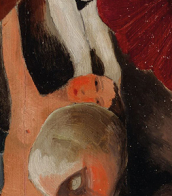
Joseph Fernand Henri Léger was a French artist renowned for his innovative approach to Cubism and his transition towards a figurative, populist style. Born in Argentan, Orne, Lower Normandy, Léger's early career was marked by a stint as an architectural draftsman and a series of educational pursuits that eventually led him to Paris, where he embraced painting seriously. His artistic journey was significantly influenced by the bold abstractions of Cubism, characterized by geometric shapes and a vibrant palette, distinguishing his work from his contemporaries with what came to be known as "Tubism".
Léger's service in World War I profoundly impacted his artistic direction, leading him to adopt a 'mechanical' style that depicted the modern industrial world with sleek, tubular forms. This period saw creations like "Soldier with a Pipe" and "The Card Players," reflecting his war experiences and the mechanical aesthetics of the time. The post-war era encouraged Léger to explore the mechanical style further, evident in works like "The Bargeman" and "Mechanical Elements," highlighting the pace of technological advancement.
Throughout his career, Léger's work evolved, notably in the 1920s, where he aligned with Purist ideas, blending classicism with modernity. This phase is exemplified in "Woman with a Cat," showcasing a classical form with a modern, polished finish. By the 1930s, Léger's art took a more figurative, populist turn, aiming to democratize contemporary art and make it more accessible. His commitment to art education, especially for the common worker, underscored his belief in the social role of art.
For those intrigued by Joseph Fernand Henri Léger's groundbreaking contributions to modern art, his works can be found in prestigious museums worldwide. His legacy continues to inspire art collectors and enthusiasts alike. To stay updated on exhibitions and auction events featuring Léger's work, sign up for updates and embrace the unique opportunity to explore the richness of his artistic endeavors.
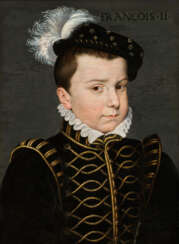

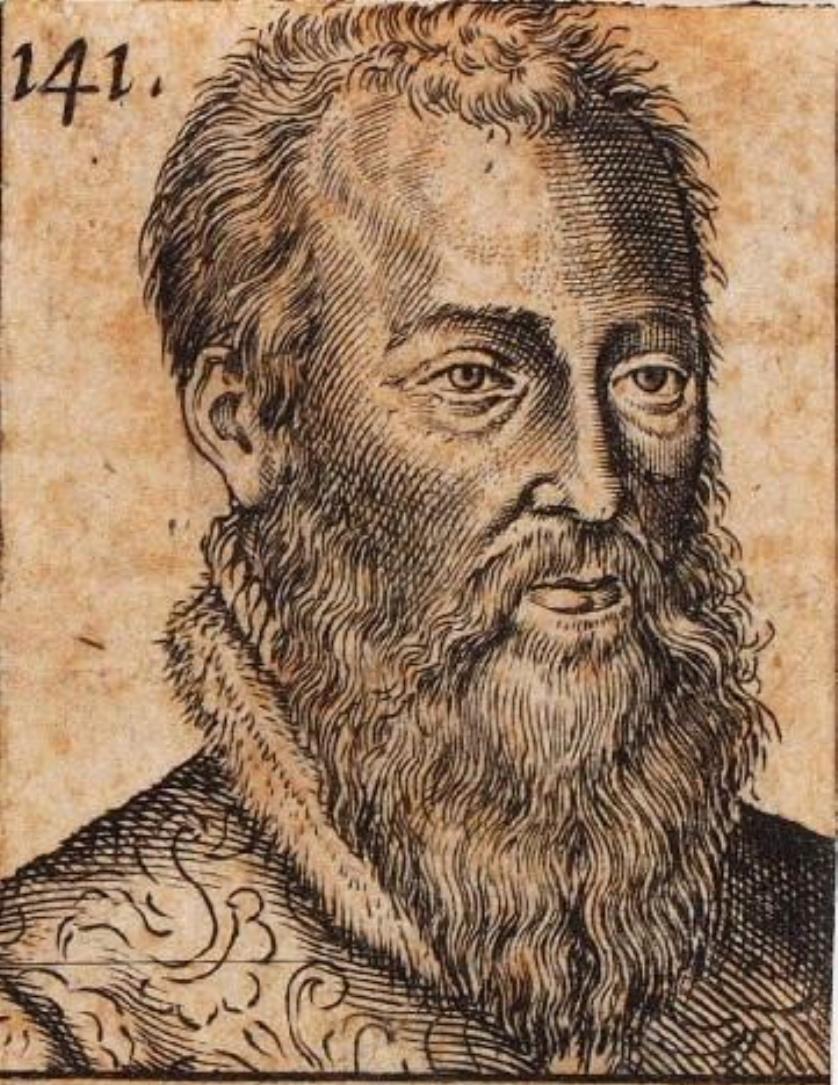
François Clouet was a major French Renaissance portrait painter.
François was the son of the painter Jean Clouet (1485-1540), from whom he learned painting. He became the favorite court portraitist of Kings Francis I, Henry II, Francis II and Charles IX.
François Clouet became famous for his mastery, accurately conveying the characters of people and meticulously painting their costumes.