bak &






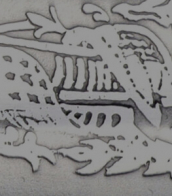















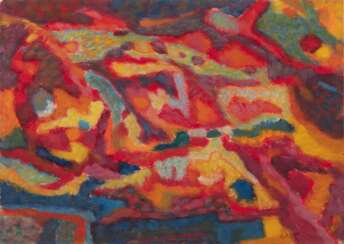

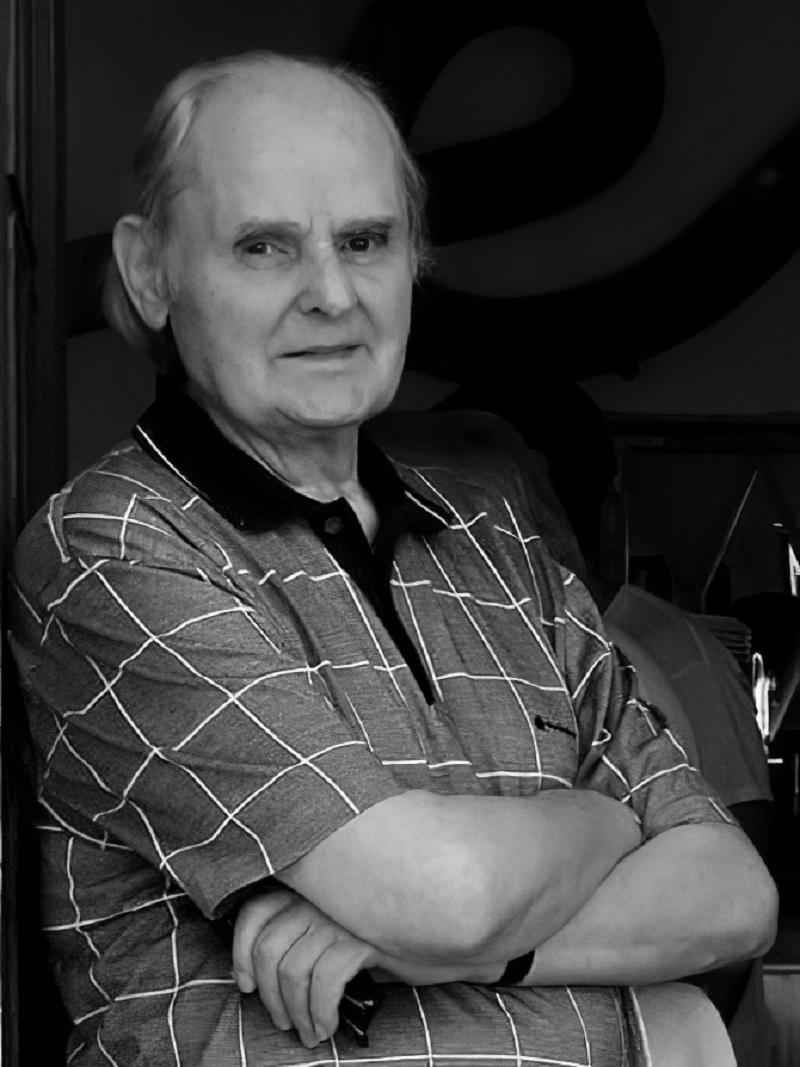
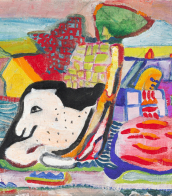
Imre Bak is a contemporary Hungarian abstractionist and graphic artist.



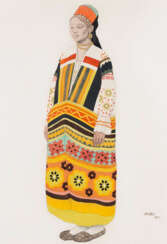

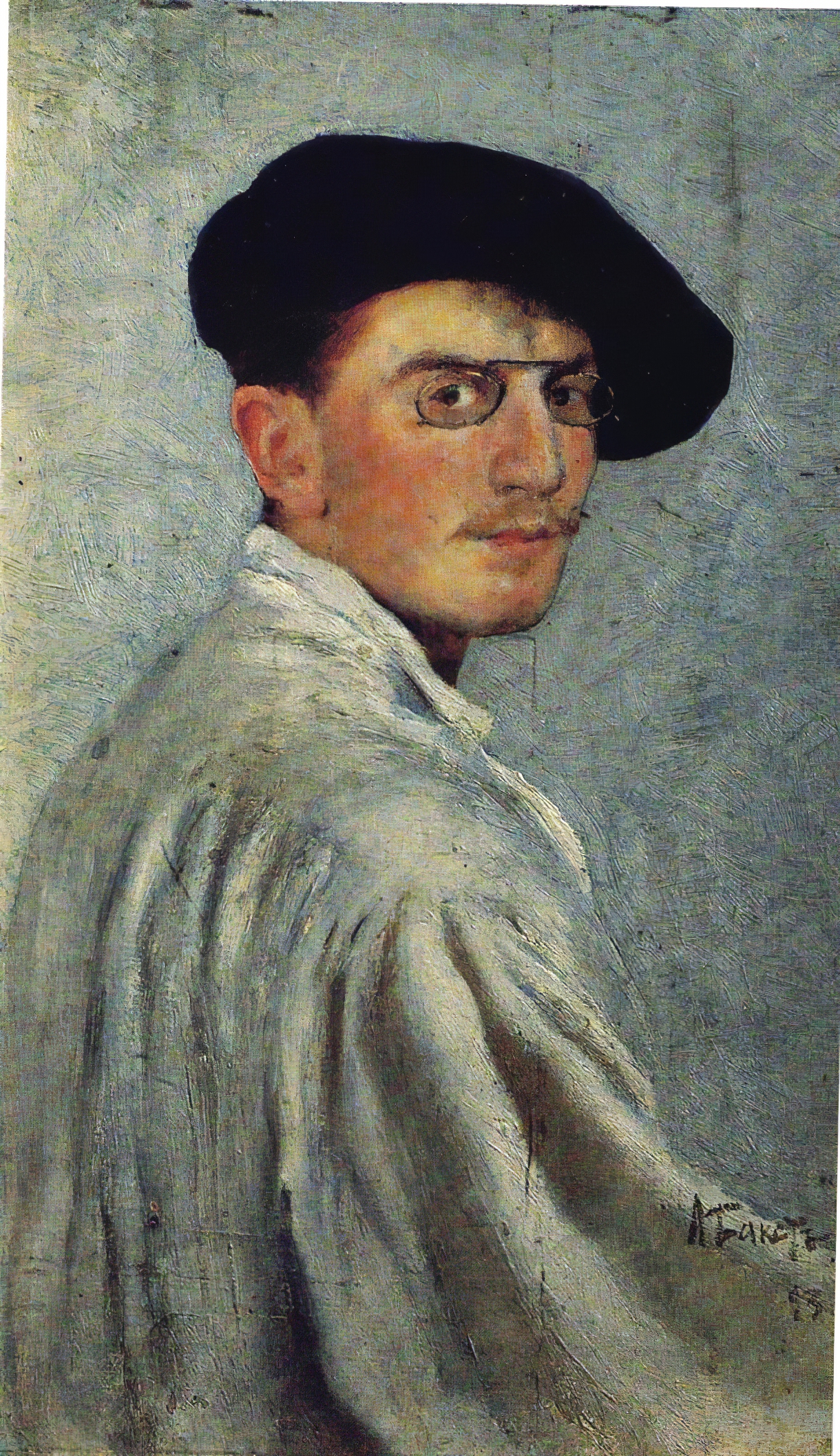
Leon Bakst (Russian: Лев Самойлович Бакст) was a prominent Russian painter and stage designer, celebrated for his innovative contributions to the world of art and theater. Born in the late 19th century, Bakst became a central figure in the cultural renaissance that swept through Russia and Europe, leaving an indelible mark on the visual and performing arts.
Bakst's work is distinguished by its rich use of color, intricate patterns, and imaginative compositions, which brought to life the exotic and often fantastical themes of the ballets and operas for which he designed. His association with the Ballets Russes, a groundbreaking ballet company that performed across Europe and America, solidified his reputation as a visionary artist. The costumes and sets he created for productions like "The Firebird" and "Scheherazade" were celebrated for their creativity and exoticism, influencing not only the world of theater but also fashion and interior design.
His art extends beyond the stage, with paintings and illustrations that capture the same vibrancy and innovation found in his theatrical work. Museums and galleries around the world, including the State Russian Museum in St. Petersburg and the Metropolitan Museum of Art in New York, house his works, allowing art lovers to experience the magic of Bakst's creations.
For collectors and experts in art and antiques, Leon Bakst's work offers a unique glimpse into a transformative period of cultural history, where the boundaries of art and performance were reimagined. His legacy continues to inspire and captivate, making his pieces highly sought after in the art world.
We invite enthusiasts and collectors to sign up for updates on new product sales and auction events related to Leon Bakst. This subscription ensures you remain informed about opportunities to acquire pieces connected to this extraordinary artist's legacy, without any overbearing commitments. Join us in celebrating the enduring impact of Leon Bakst's art and design.
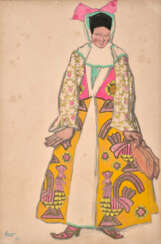

Leon Bakst (Russian: Лев Самойлович Бакст) was a prominent Russian painter and stage designer, celebrated for his innovative contributions to the world of art and theater. Born in the late 19th century, Bakst became a central figure in the cultural renaissance that swept through Russia and Europe, leaving an indelible mark on the visual and performing arts.
Bakst's work is distinguished by its rich use of color, intricate patterns, and imaginative compositions, which brought to life the exotic and often fantastical themes of the ballets and operas for which he designed. His association with the Ballets Russes, a groundbreaking ballet company that performed across Europe and America, solidified his reputation as a visionary artist. The costumes and sets he created for productions like "The Firebird" and "Scheherazade" were celebrated for their creativity and exoticism, influencing not only the world of theater but also fashion and interior design.
His art extends beyond the stage, with paintings and illustrations that capture the same vibrancy and innovation found in his theatrical work. Museums and galleries around the world, including the State Russian Museum in St. Petersburg and the Metropolitan Museum of Art in New York, house his works, allowing art lovers to experience the magic of Bakst's creations.
For collectors and experts in art and antiques, Leon Bakst's work offers a unique glimpse into a transformative period of cultural history, where the boundaries of art and performance were reimagined. His legacy continues to inspire and captivate, making his pieces highly sought after in the art world.
We invite enthusiasts and collectors to sign up for updates on new product sales and auction events related to Leon Bakst. This subscription ensures you remain informed about opportunities to acquire pieces connected to this extraordinary artist's legacy, without any overbearing commitments. Join us in celebrating the enduring impact of Leon Bakst's art and design.


Leon Bakst (Russian: Лев Самойлович Бакст) was a prominent Russian painter and stage designer, celebrated for his innovative contributions to the world of art and theater. Born in the late 19th century, Bakst became a central figure in the cultural renaissance that swept through Russia and Europe, leaving an indelible mark on the visual and performing arts.
Bakst's work is distinguished by its rich use of color, intricate patterns, and imaginative compositions, which brought to life the exotic and often fantastical themes of the ballets and operas for which he designed. His association with the Ballets Russes, a groundbreaking ballet company that performed across Europe and America, solidified his reputation as a visionary artist. The costumes and sets he created for productions like "The Firebird" and "Scheherazade" were celebrated for their creativity and exoticism, influencing not only the world of theater but also fashion and interior design.
His art extends beyond the stage, with paintings and illustrations that capture the same vibrancy and innovation found in his theatrical work. Museums and galleries around the world, including the State Russian Museum in St. Petersburg and the Metropolitan Museum of Art in New York, house his works, allowing art lovers to experience the magic of Bakst's creations.
For collectors and experts in art and antiques, Leon Bakst's work offers a unique glimpse into a transformative period of cultural history, where the boundaries of art and performance were reimagined. His legacy continues to inspire and captivate, making his pieces highly sought after in the art world.
We invite enthusiasts and collectors to sign up for updates on new product sales and auction events related to Leon Bakst. This subscription ensures you remain informed about opportunities to acquire pieces connected to this extraordinary artist's legacy, without any overbearing commitments. Join us in celebrating the enduring impact of Leon Bakst's art and design.
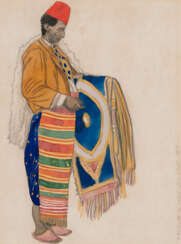

Leon Bakst (Russian: Лев Самойлович Бакст) was a prominent Russian painter and stage designer, celebrated for his innovative contributions to the world of art and theater. Born in the late 19th century, Bakst became a central figure in the cultural renaissance that swept through Russia and Europe, leaving an indelible mark on the visual and performing arts.
Bakst's work is distinguished by its rich use of color, intricate patterns, and imaginative compositions, which brought to life the exotic and often fantastical themes of the ballets and operas for which he designed. His association with the Ballets Russes, a groundbreaking ballet company that performed across Europe and America, solidified his reputation as a visionary artist. The costumes and sets he created for productions like "The Firebird" and "Scheherazade" were celebrated for their creativity and exoticism, influencing not only the world of theater but also fashion and interior design.
His art extends beyond the stage, with paintings and illustrations that capture the same vibrancy and innovation found in his theatrical work. Museums and galleries around the world, including the State Russian Museum in St. Petersburg and the Metropolitan Museum of Art in New York, house his works, allowing art lovers to experience the magic of Bakst's creations.
For collectors and experts in art and antiques, Leon Bakst's work offers a unique glimpse into a transformative period of cultural history, where the boundaries of art and performance were reimagined. His legacy continues to inspire and captivate, making his pieces highly sought after in the art world.
We invite enthusiasts and collectors to sign up for updates on new product sales and auction events related to Leon Bakst. This subscription ensures you remain informed about opportunities to acquire pieces connected to this extraordinary artist's legacy, without any overbearing commitments. Join us in celebrating the enduring impact of Leon Bakst's art and design.



Ilya Iosifovich Kabakov (Russian: Илья́ Ио́сифович Кабако́в) was a seminal Russian-American conceptual artist, celebrated for his profound contributions to the art world, particularly through installations that critically examined Soviet life and the broader themes of human existence. Born on September 30, 1933, in Dnipropetrovsk, Ukrainian SSR, Kabakov's early life during the tumultuous World War II era and subsequent education at the V.I. Surikov State Art Institute in Moscow shaped his perspective and artistic expression. His nuanced critiques of the Soviet regime, combined with his exploration of utopian projects—including capitalism—through his art, positioned him as a pivotal figure in the dialogue between Eastern and Western artistic traditions.
Kabakov's partnership with Emilia Kanevsky, who later became his wife, led to a dynamic collaboration that spanned decades, producing influential exhibitions globally, including notable showcases at the Documenta in 1992, the Venice Biennale in 1993, and the Tate Modern in 2017. Their work is characterized by the use of fictional narratives, which often drew upon Kabakov's personal experiences to explore the life cycle of the Soviet Union, positioning it not merely as a failed socialist experiment but as one among many utopian visions susceptible to the authoritarian will to power.
Throughout his career, Kabakov never shied away from the complexity of the human condition, as evidenced by his installations like "The Man Who Flew Into Space From His Apartment" and "The Toilet," which resonate with viewers for their depth and the universality of their themes. His artworks are part of the collections of prestigious institutions such as the Museum of Modern Art, the Centre Pompidou, and the State Hermitage Museum, underscoring his significant impact and enduring legacy in the art world.
Kabakov's death on May 27, 2023, at the age of 89, marked the end of a prolific career that left an indelible mark on the landscape of conceptual art. His work continues to inspire and provoke thought, bridging the gap between personal narrative and global history, and inviting viewers to reconsider their perspectives on society, history, and the role of art in reflecting and shaping human experience.
For collectors and experts in art and antiques interested in staying updated on exhibitions and auctions related to Ilya Iosifovich Kabakov, signing up for updates can provide exclusive insights and opportunities to engage with his impactful body of work. This subscription ensures that enthusiasts are well-informed about new sales and events, allowing them to deepen their appreciation for Kabakov's artistic contributions.
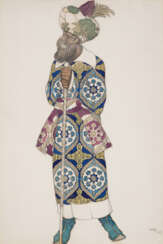

Leon Bakst (Russian: Лев Самойлович Бакст) was a prominent Russian painter and stage designer, celebrated for his innovative contributions to the world of art and theater. Born in the late 19th century, Bakst became a central figure in the cultural renaissance that swept through Russia and Europe, leaving an indelible mark on the visual and performing arts.
Bakst's work is distinguished by its rich use of color, intricate patterns, and imaginative compositions, which brought to life the exotic and often fantastical themes of the ballets and operas for which he designed. His association with the Ballets Russes, a groundbreaking ballet company that performed across Europe and America, solidified his reputation as a visionary artist. The costumes and sets he created for productions like "The Firebird" and "Scheherazade" were celebrated for their creativity and exoticism, influencing not only the world of theater but also fashion and interior design.
His art extends beyond the stage, with paintings and illustrations that capture the same vibrancy and innovation found in his theatrical work. Museums and galleries around the world, including the State Russian Museum in St. Petersburg and the Metropolitan Museum of Art in New York, house his works, allowing art lovers to experience the magic of Bakst's creations.
For collectors and experts in art and antiques, Leon Bakst's work offers a unique glimpse into a transformative period of cultural history, where the boundaries of art and performance were reimagined. His legacy continues to inspire and captivate, making his pieces highly sought after in the art world.
We invite enthusiasts and collectors to sign up for updates on new product sales and auction events related to Leon Bakst. This subscription ensures you remain informed about opportunities to acquire pieces connected to this extraordinary artist's legacy, without any overbearing commitments. Join us in celebrating the enduring impact of Leon Bakst's art and design.


Ilya Iosifovich Kabakov (Russian: Илья́ Ио́сифович Кабако́в) was a seminal Russian-American conceptual artist, celebrated for his profound contributions to the art world, particularly through installations that critically examined Soviet life and the broader themes of human existence. Born on September 30, 1933, in Dnipropetrovsk, Ukrainian SSR, Kabakov's early life during the tumultuous World War II era and subsequent education at the V.I. Surikov State Art Institute in Moscow shaped his perspective and artistic expression. His nuanced critiques of the Soviet regime, combined with his exploration of utopian projects—including capitalism—through his art, positioned him as a pivotal figure in the dialogue between Eastern and Western artistic traditions.
Kabakov's partnership with Emilia Kanevsky, who later became his wife, led to a dynamic collaboration that spanned decades, producing influential exhibitions globally, including notable showcases at the Documenta in 1992, the Venice Biennale in 1993, and the Tate Modern in 2017. Their work is characterized by the use of fictional narratives, which often drew upon Kabakov's personal experiences to explore the life cycle of the Soviet Union, positioning it not merely as a failed socialist experiment but as one among many utopian visions susceptible to the authoritarian will to power.
Throughout his career, Kabakov never shied away from the complexity of the human condition, as evidenced by his installations like "The Man Who Flew Into Space From His Apartment" and "The Toilet," which resonate with viewers for their depth and the universality of their themes. His artworks are part of the collections of prestigious institutions such as the Museum of Modern Art, the Centre Pompidou, and the State Hermitage Museum, underscoring his significant impact and enduring legacy in the art world.
Kabakov's death on May 27, 2023, at the age of 89, marked the end of a prolific career that left an indelible mark on the landscape of conceptual art. His work continues to inspire and provoke thought, bridging the gap between personal narrative and global history, and inviting viewers to reconsider their perspectives on society, history, and the role of art in reflecting and shaping human experience.
For collectors and experts in art and antiques interested in staying updated on exhibitions and auctions related to Ilya Iosifovich Kabakov, signing up for updates can provide exclusive insights and opportunities to engage with his impactful body of work. This subscription ensures that enthusiasts are well-informed about new sales and events, allowing them to deepen their appreciation for Kabakov's artistic contributions.
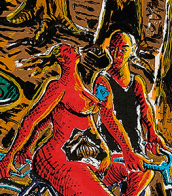
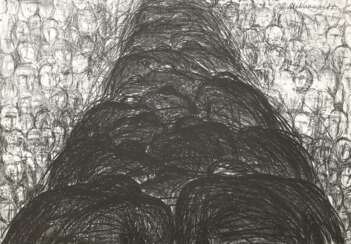

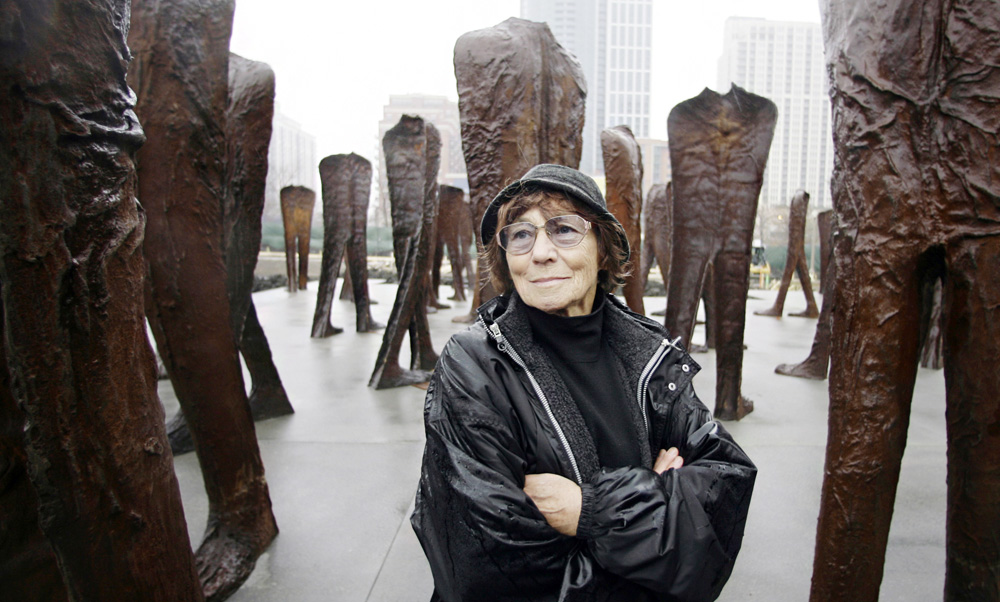
Magdalena Abakanowicz was a distinguished Polish artist, celebrated for her innovative use of textiles as a sculptural medium. Born on June 20, 1930, in Falenty, Poland, and passing away on April 20, 2017, in Warsaw, she carved out a significant place in the art world with her unique artistic expressions that often explored themes of crowd behavior, the trauma of war, and the individuality of the human condition.
Abakanowicz's education at the Academy of Fine Arts in Warsaw was a period of both artistic and personal growth, shaping her future works. During the 1960s, she began creating the "Abakans," large-scale textile sculptures that challenged conventional forms and expressed dynamic movement and vivid emotion. Her works often featured organic, tactile materials like burlap, resin, and wood, which added a profound depth and rawness to her sculptures.
Her sculptures are well-represented in major public installations and collections worldwide, including the National Museum in Wrocław, Poland, Grant Park in Chicago, and the National Gallery of Art Sculpture Garden in Washington, D.C. These pieces are not just art forms but are experiences, inviting viewers to explore deeper psychological and existential themes.
For those captivated by the profound impact and the stirring beauty of Magdalena Abakanowicz's work, subscribing for updates can provide regular insights and information on exhibitions and sales of her works at auctions. This is an excellent way to stay connected with the legacy of an artist who continuously redefined the boundaries of sculpture and installation art.
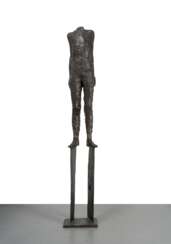

Magdalena Abakanowicz was a distinguished Polish artist, celebrated for her innovative use of textiles as a sculptural medium. Born on June 20, 1930, in Falenty, Poland, and passing away on April 20, 2017, in Warsaw, she carved out a significant place in the art world with her unique artistic expressions that often explored themes of crowd behavior, the trauma of war, and the individuality of the human condition.
Abakanowicz's education at the Academy of Fine Arts in Warsaw was a period of both artistic and personal growth, shaping her future works. During the 1960s, she began creating the "Abakans," large-scale textile sculptures that challenged conventional forms and expressed dynamic movement and vivid emotion. Her works often featured organic, tactile materials like burlap, resin, and wood, which added a profound depth and rawness to her sculptures.
Her sculptures are well-represented in major public installations and collections worldwide, including the National Museum in Wrocław, Poland, Grant Park in Chicago, and the National Gallery of Art Sculpture Garden in Washington, D.C. These pieces are not just art forms but are experiences, inviting viewers to explore deeper psychological and existential themes.
For those captivated by the profound impact and the stirring beauty of Magdalena Abakanowicz's work, subscribing for updates can provide regular insights and information on exhibitions and sales of her works at auctions. This is an excellent way to stay connected with the legacy of an artist who continuously redefined the boundaries of sculpture and installation art.




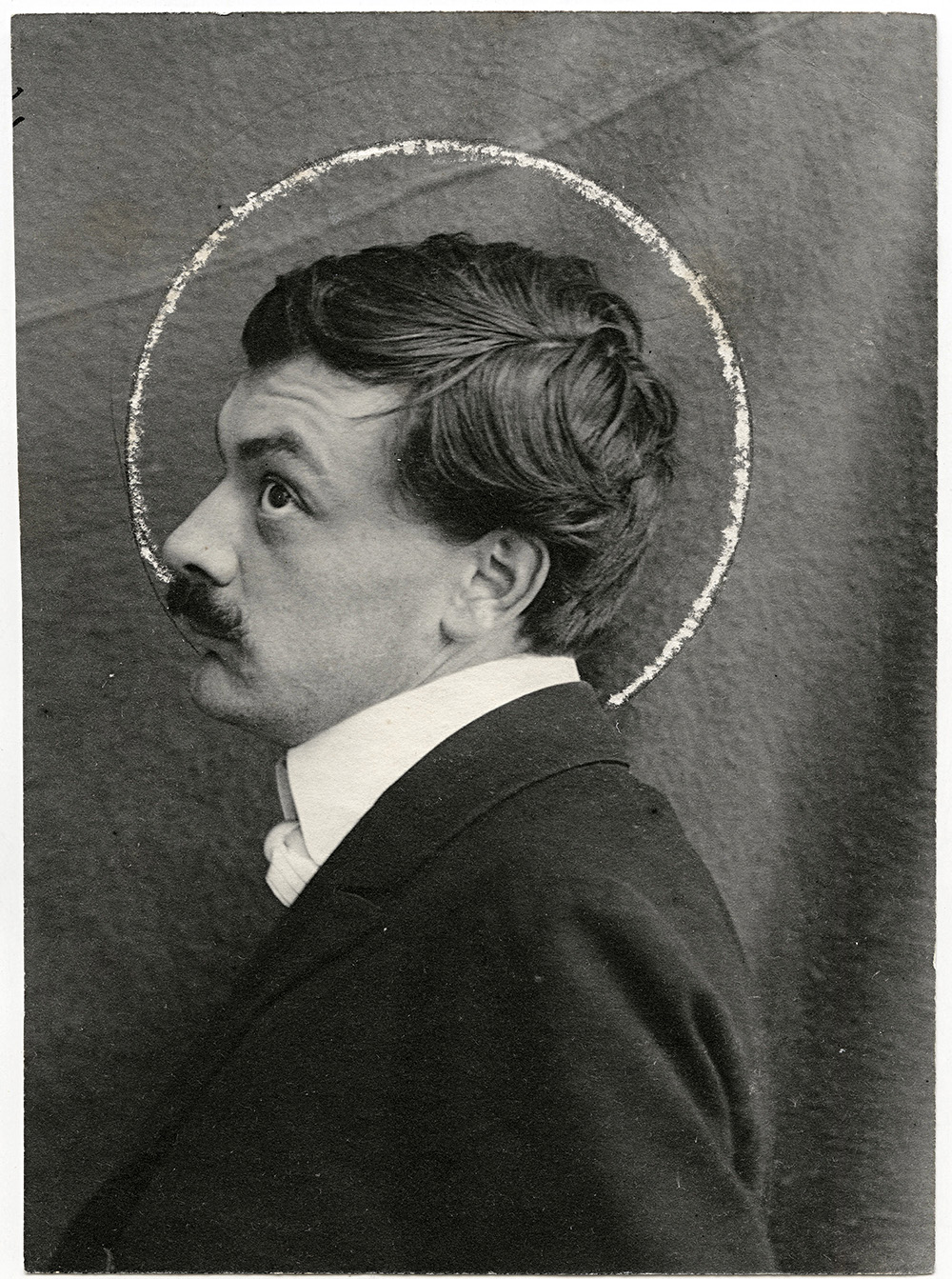
Koloman Moser, an Austrian artist, was a pivotal figure in the Vienna Secession movement and a co-founder of Wiener Werkstätte. His diverse portfolio includes graphic works, fashion designs, stained glass windows, ceramics, silverware, jewelry, and furniture. Moser's style, characterized by precise geometric patterns and a harmonious blend of colors, made a significant impact on 20th-century graphic art and design.
Koloman Moser's work extended beyond art; he designed currency and stamps, notably the Austrian-Hungarian 50 Crown Banknote and a stamp featuring Emperor Franz Joseph. His legacy is preserved in various museums, including the Museum of Applied Arts Vienna (MAK), which hosted a comprehensive exhibition to commemorate the centenary of his death.
For collectors and art enthusiasts, Koloman Moser's creations offer a unique glimpse into the evolution of modern design and the rich cultural tapestry of early 20th-century Vienna. To stay informed about upcoming sales and auction events related to Koloman Moser's work, signing up for updates is an excellent way to stay connected with this influential artist's enduring legacy.




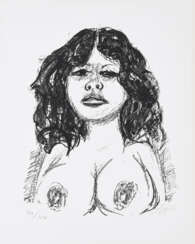

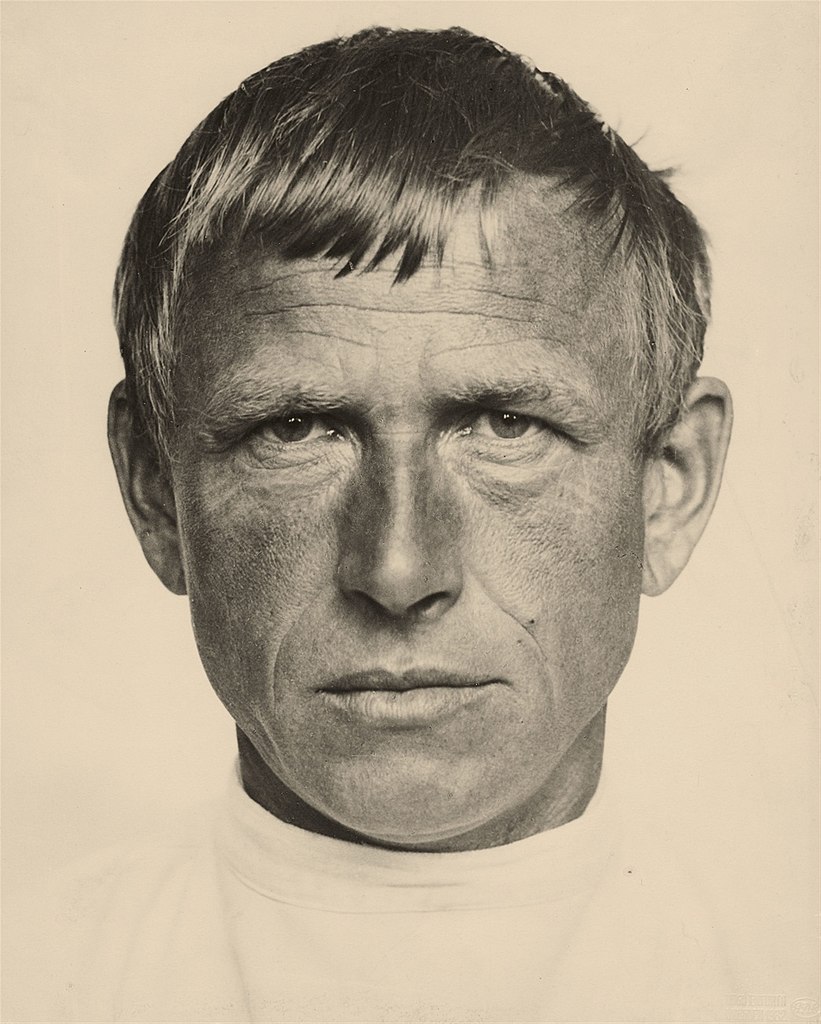
Wilhelm Heinrich Otto Dix was a German artist whose work stands as a stark, unyielding reflection of the societal tumult and trauma of the early 20th century. Born in 1891 in Untermhaus, Germany, Dix's early life was steeped in the arts, his ambition to become an artist nurtured by both familial influence and formal education in Dresden. His experiences as a soldier in World War I deeply influenced his artistic direction, leading him to vividly depict the horrors of war and the decay of the Weimar Republic with a brutal realism that became his signature style.
Dix's association with the Dada movement and the New Objectivity (Neue Sachlichkeit) further honed his critical, often cynical portrayal of post-war society. His works, such as "The Trench" and "War Cripples," expose the visceral aftermath of conflict, while his engagement with the Dadaists imbued his art with a disruptive, confrontational energy against societal norms and the art establishment.
Perhaps most notable is Dix's ability to capture the psychological depth and societal critiques through his portraits and landscapes, which ranged from the grotesque to the surreal. Paintings like "Portrait of the Journalist Sylvia von Harden" and the triptychs "Metropolis" and "War" are emblematic of his keen observation and stark depiction of the era's social and political unrest.
Despite facing significant adversity, including being labeled a degenerate artist by the Nazi regime and facing professional and personal setbacks, Dix's legacy as a painter and printmaker endures. His works are not only historical documents but also profound reflections on humanity, war, and society, resonating with collectors and art experts alike.
For enthusiasts of culture, art, and history, Dix's oeuvre offers an unflinching look into the human condition under the strain of societal and political upheaval. His contributions to painting and printmaking continue to be celebrated in museums and galleries worldwide, underscoring the enduring relevance of his work.
For those interested in exploring the profound depth and historical significance of Otto Dix's work, signing up for updates on new product sales and auction events related to his art can provide invaluable insights. This subscription is a gateway to staying informed about opportunities to engage with the tangible pieces of Dix's enduring legacy.

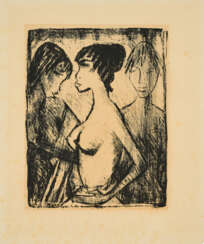

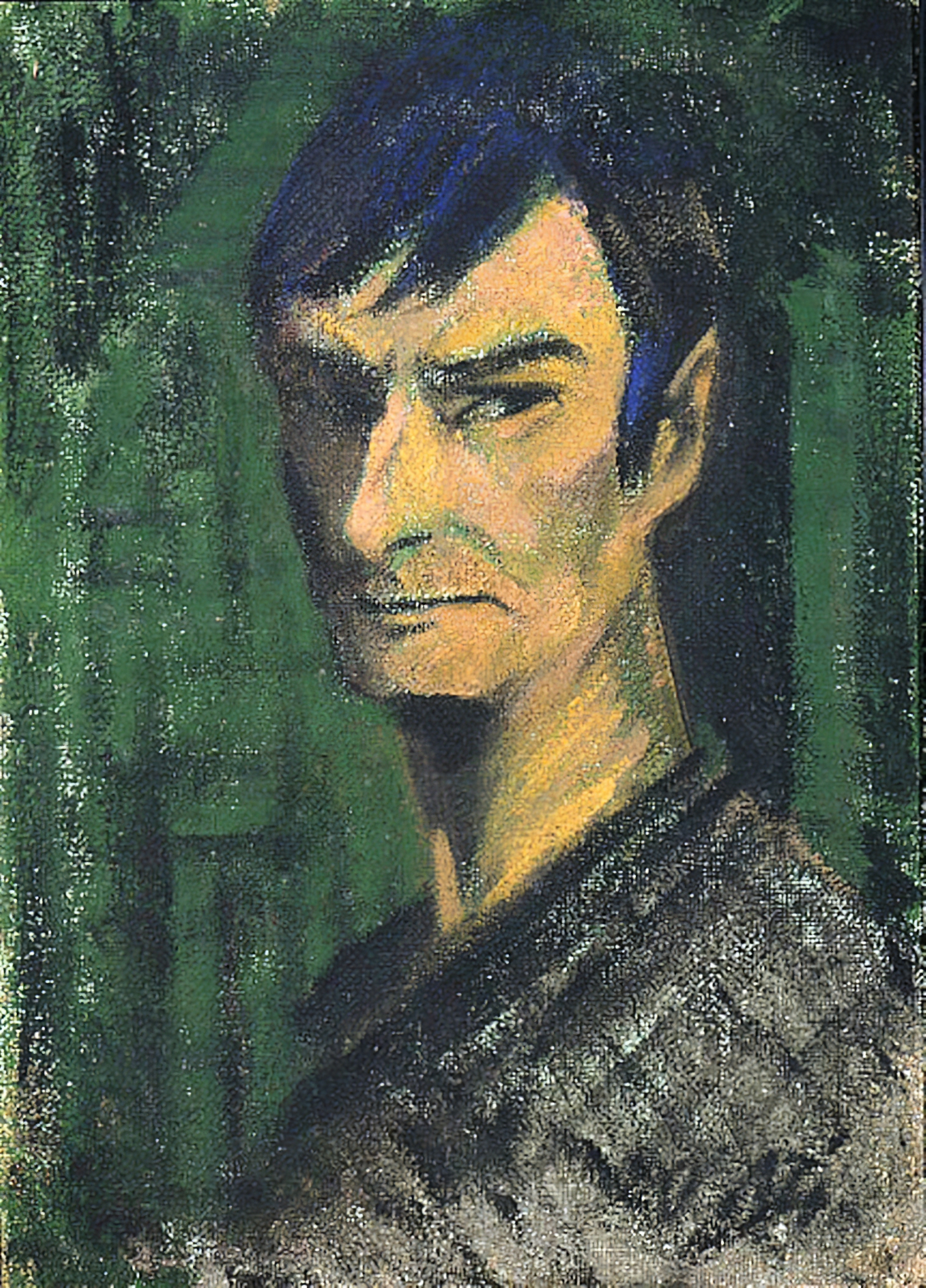
Otto Mueller was a German artist of the first third of the twentieth century. He is known as a painter, graphic artist and printmaker, a representative of German Expressionism, a member of the artists' group "Bridge".
Otto Mueller is considered one of the most lyrical German expressionist painters. His work reflected the unity of man and nature, characterized by simplification of forms, colors and contours. He became famous for his paintings of nude bodies and gypsy women, because of his fascination with which the artist was once nicknamed "Gypsy Mueller".
Mueller preferred to work in tempera on rough canvas, creating a matte surface. His artistic legacy includes 172 works, including lithographs, woodcuts and etchings.


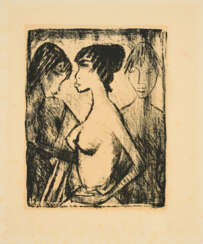

Otto Mueller was a German artist of the first third of the twentieth century. He is known as a painter, graphic artist and printmaker, a representative of German Expressionism, a member of the artists' group "Bridge".
Otto Mueller is considered one of the most lyrical German expressionist painters. His work reflected the unity of man and nature, characterized by simplification of forms, colors and contours. He became famous for his paintings of nude bodies and gypsy women, because of his fascination with which the artist was once nicknamed "Gypsy Mueller".
Mueller preferred to work in tempera on rough canvas, creating a matte surface. His artistic legacy includes 172 works, including lithographs, woodcuts and etchings.