birds




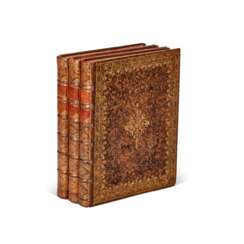

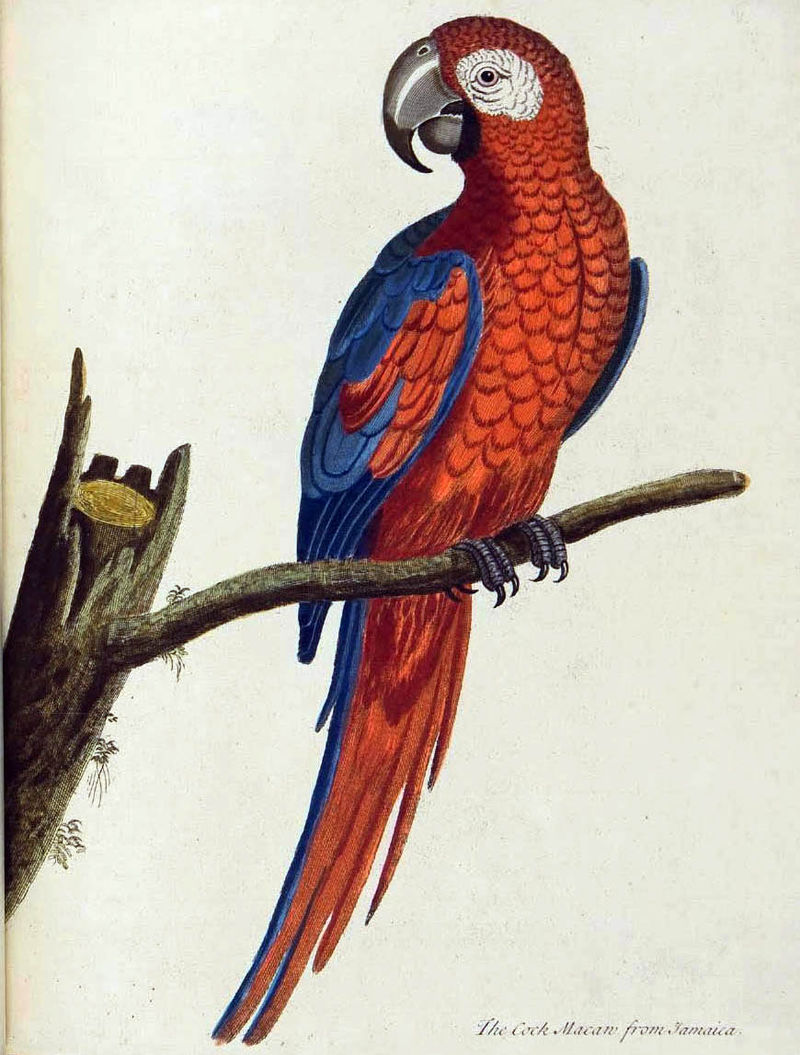
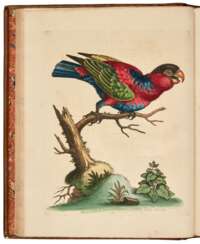
Eleazar Albin was a British naturalist and author of illustrated books on birds and insects.
Albin wrote and illustrated a number of books, including A Natural History of English Insects (1720), A Natural History of Birds (1731-38), and A Natural History of Spiders and Other Curious Insects (1736). His work was based on careful observation and artistic talent. Eleazar Albin has been called one of the "great illustrators of entomological books of the 18th century".
Some of the illustrations in these books are by Albin's daughter Elisabeth. Eleazar Albin himself proudly wrote of his drawings that they were all painted from life, with all the accuracy of a sketch, unlike the sketches of other scientists, who did them either from memory or from stories.
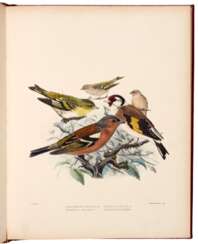


















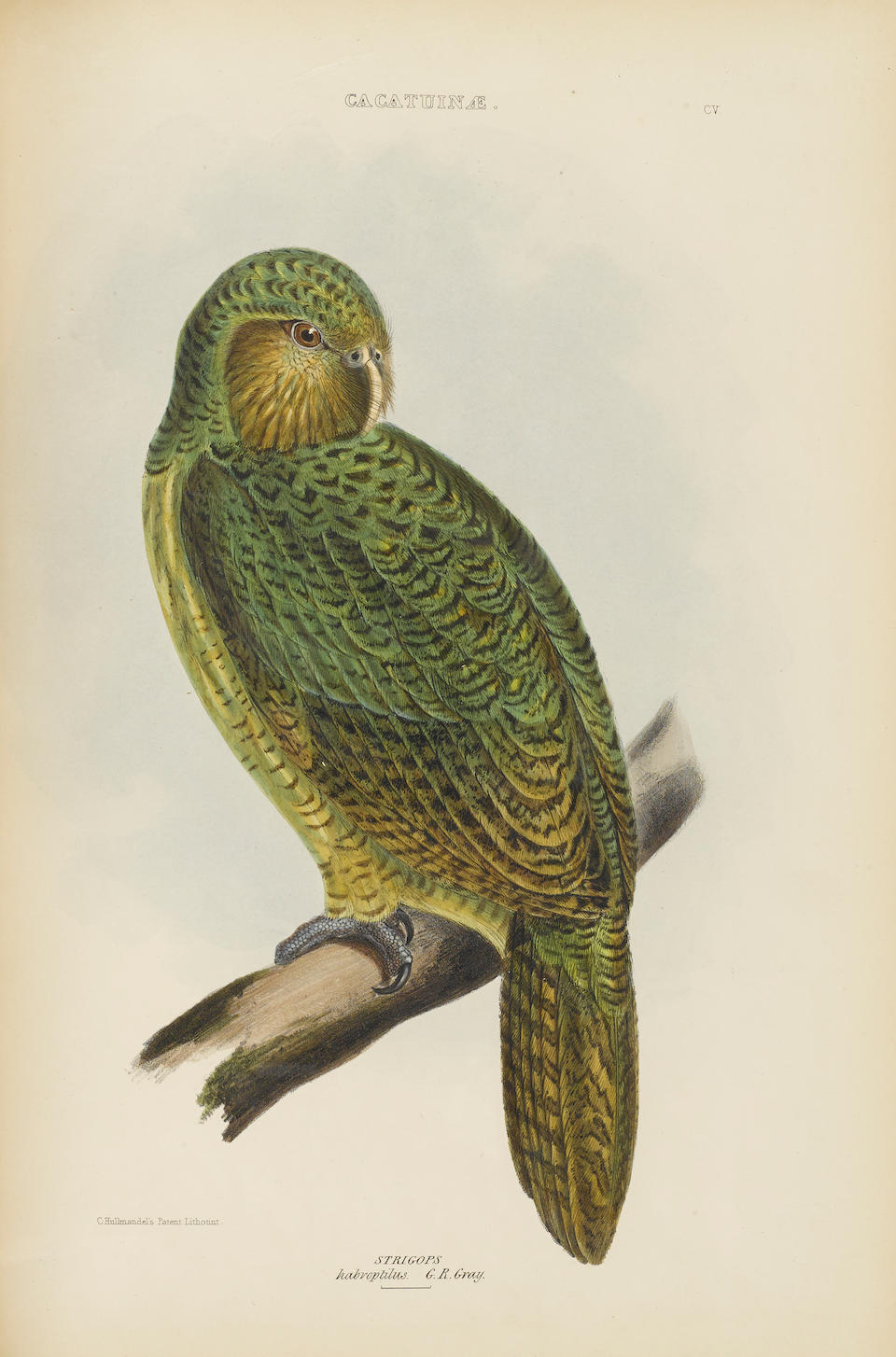
George Robert Gray was a British zoologist.
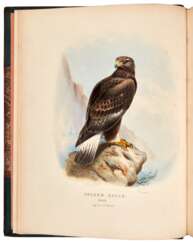
Gray practiced ornithology and scales, and for forty years headed the ornithology department of the British Museum, now the Natural History Museum, in London. Gray's major work on ornithology is entitled Genera of Birds (1844-1849), and is decorated with illustrations by David William Mitchell and Joseph Wolf. Gray also described many species of scales, and in 1833 became a founding member of the Royal Entomological Society of London.




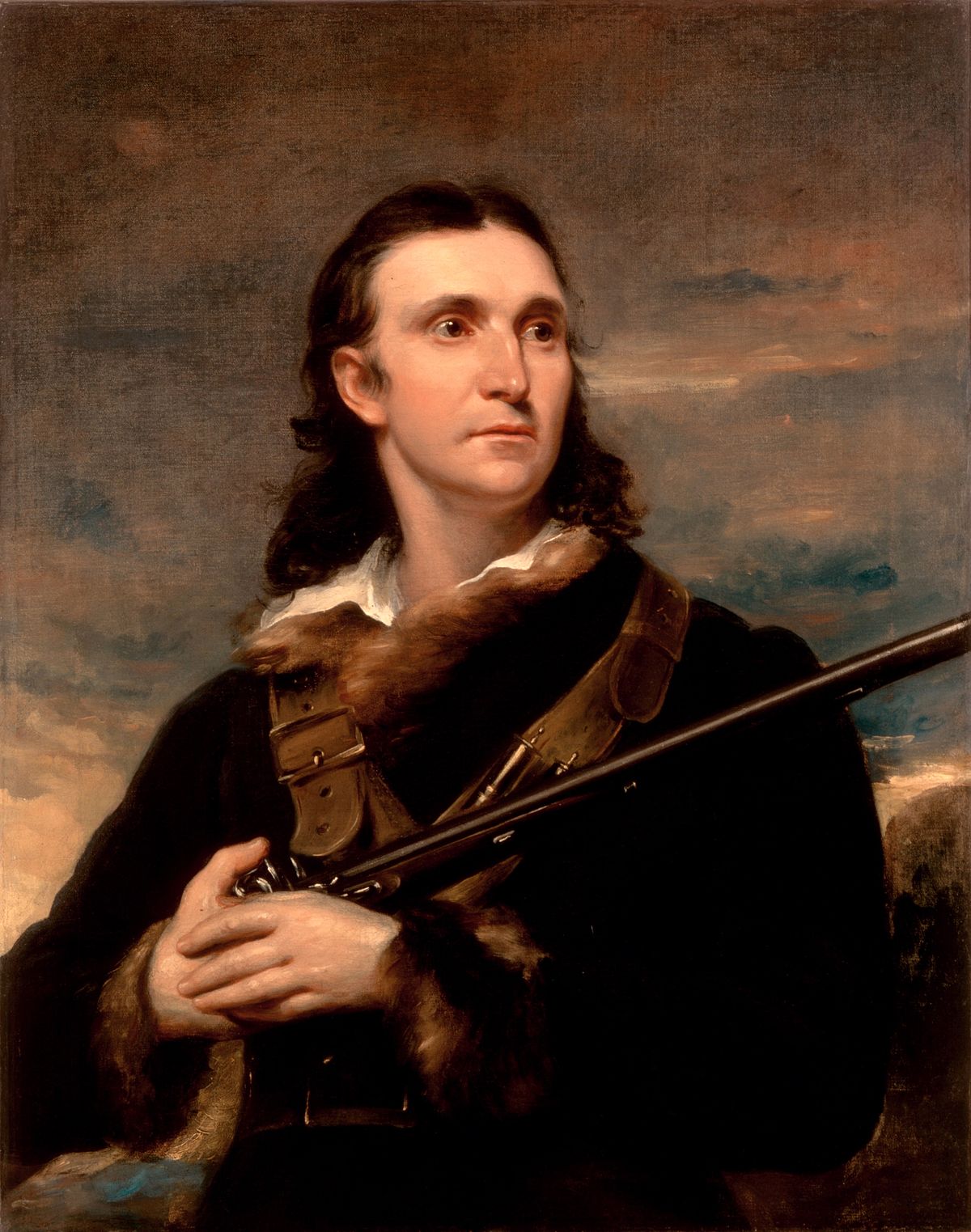
John James Audubon was a French-American ornithologist and painter, renowned for his groundbreaking illustrations of American birds. Born in 1785 in Les Cayes, Saint-Domingue (now Haiti), Audubon is remembered for his keen observation skills and innovative artistic techniques.
Audubon's most famous work, "The Birds of America," transformed the field of ornithology by presenting birds in lifelike poses and detailed backgrounds. Published between 1827 and 1838, it contained 435 hand-colored engravings, showcasing over 489 bird species. His unique approach to illustrating birds in their natural habitats was a departure from traditional methods, which often portrayed birds in rigid poses.
Audubon used a wire armature to position freshly-killed specimens, allowing him to depict birds with a sense of movement and vitality. This innovative technique was truly revolutionary and set him apart from his contemporaries. Additionally, Audubon's artistic skill and attention to detail made his illustrations highly sought after, with surviving copies of "The Birds of America" considered valuable collectibles today.
For art collectors and enthusiasts, Audubon's work continues to be a source of inspiration and admiration. His legacy endures through his contributions to ornithology and the art world, with museums and galleries showcasing his work. If you're interested in learning more about John James Audubon and his famous illustrations, consider subscribing to our newsletter for updates on new product sales and auction events related to his work.




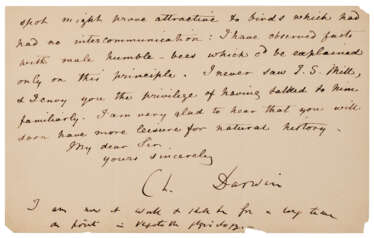

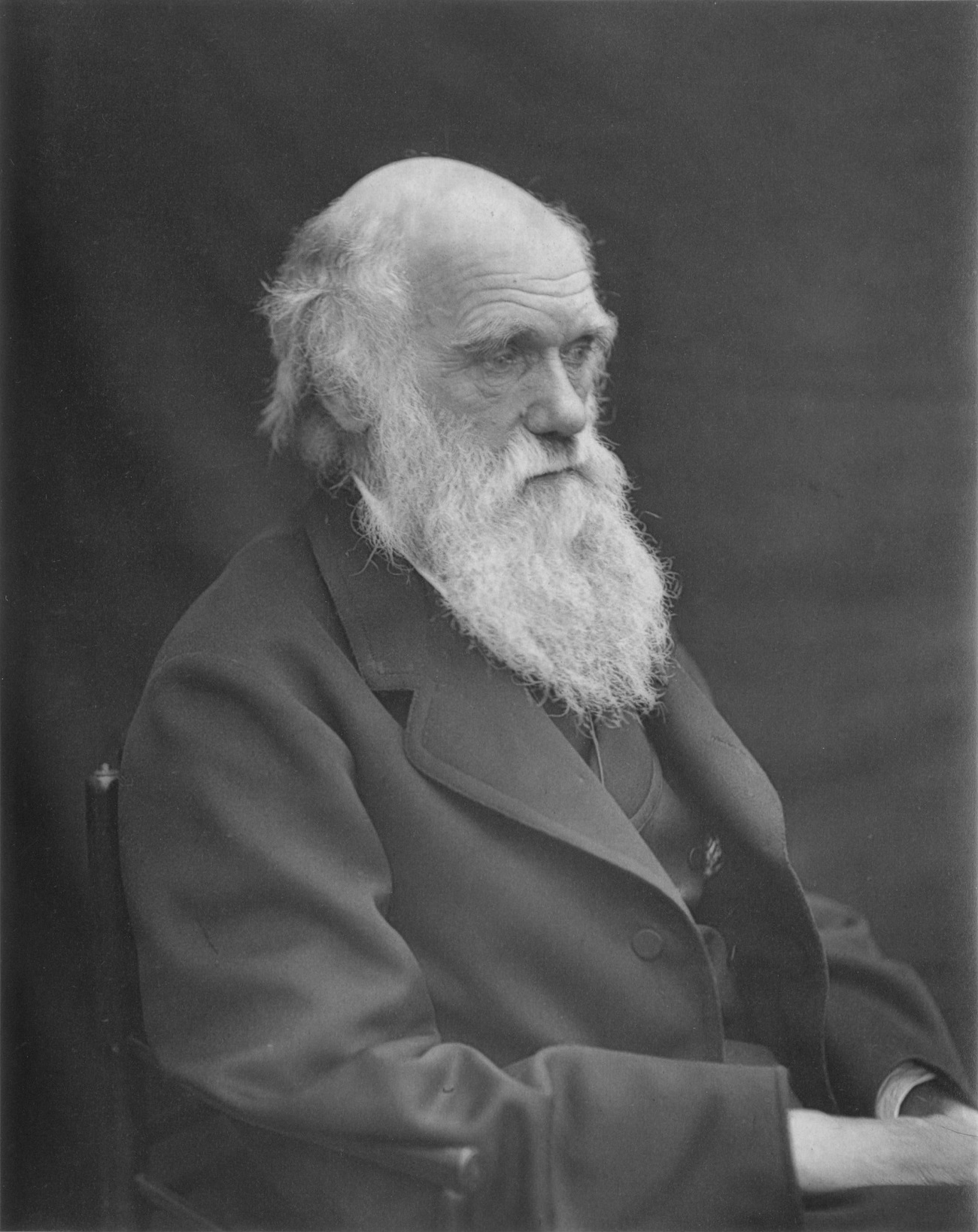
Charles Robert Darwin was an English naturalist, geologist, and biologist, widely known for contributing to the understanding of evolutionary biology. His proposition that all species of life have descended from a common ancestor is now generally accepted and considered a fundamental concept in science. In a joint publication with Alfred Russel Wallace, he introduced his scientific theory that this branching pattern of evolution resulted from a process that he called natural selection, in which the struggle for existence has a similar effect to the artificial selection involved in selective breeding. Darwin has been described as one of the most influential figures in human history, and he was honoured by burial in Westminster Abbey.