bliss meaning



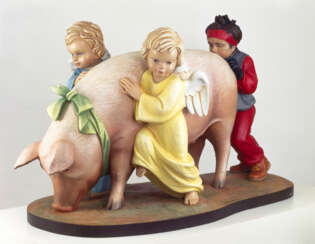

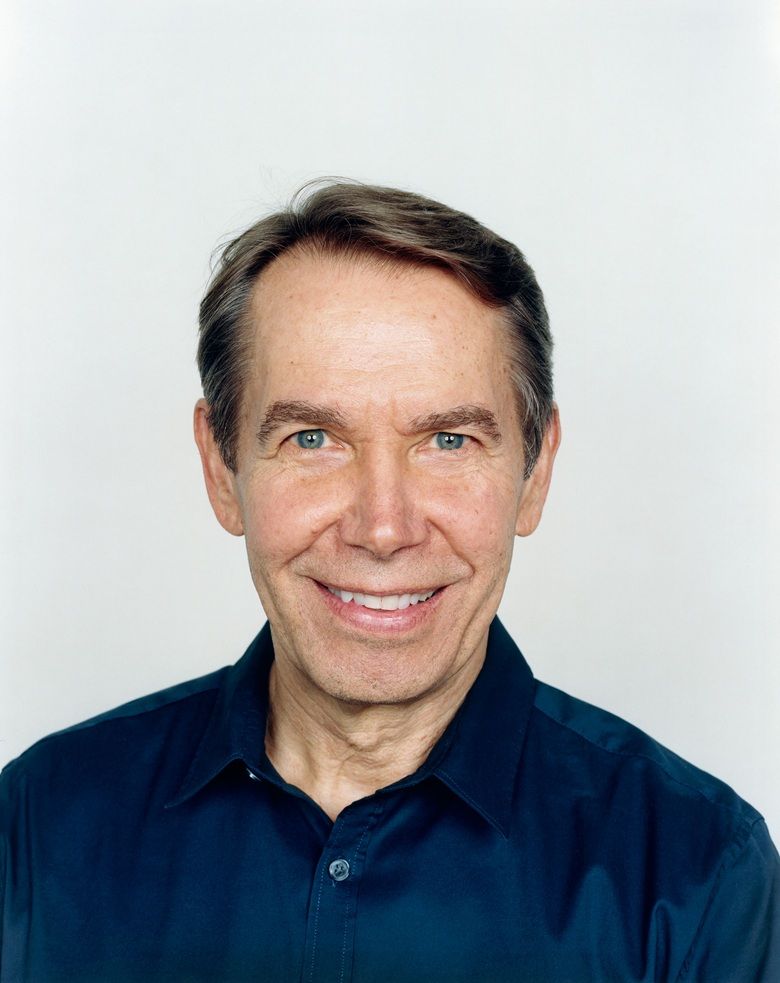
Jeffrey Lynn Koons is an American artist recognized for his work dealing with popular culture and his sculptures depicting everyday objects, including balloon animals produced in stainless steel with mirror-finish surfaces. He lives and works in both New York City and his hometown of York, Pennsylvania. His works have sold for substantial sums, including at least two record auction prices for a work by a living artist: US$58.4 million for Balloon Dog (Orange) in 2013 and US$91.1 million for Rabbit in 2019.
Critics are sharply divided in their views of Koons. Some view his work as pioneering and of major art-historical importance. Others dismiss his work as kitsch, crass, and based on cynical self-merchandising. Koons has stated that there are no hidden meanings and critiques in his works.
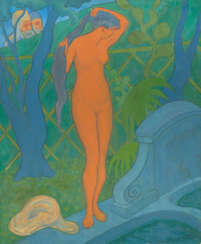

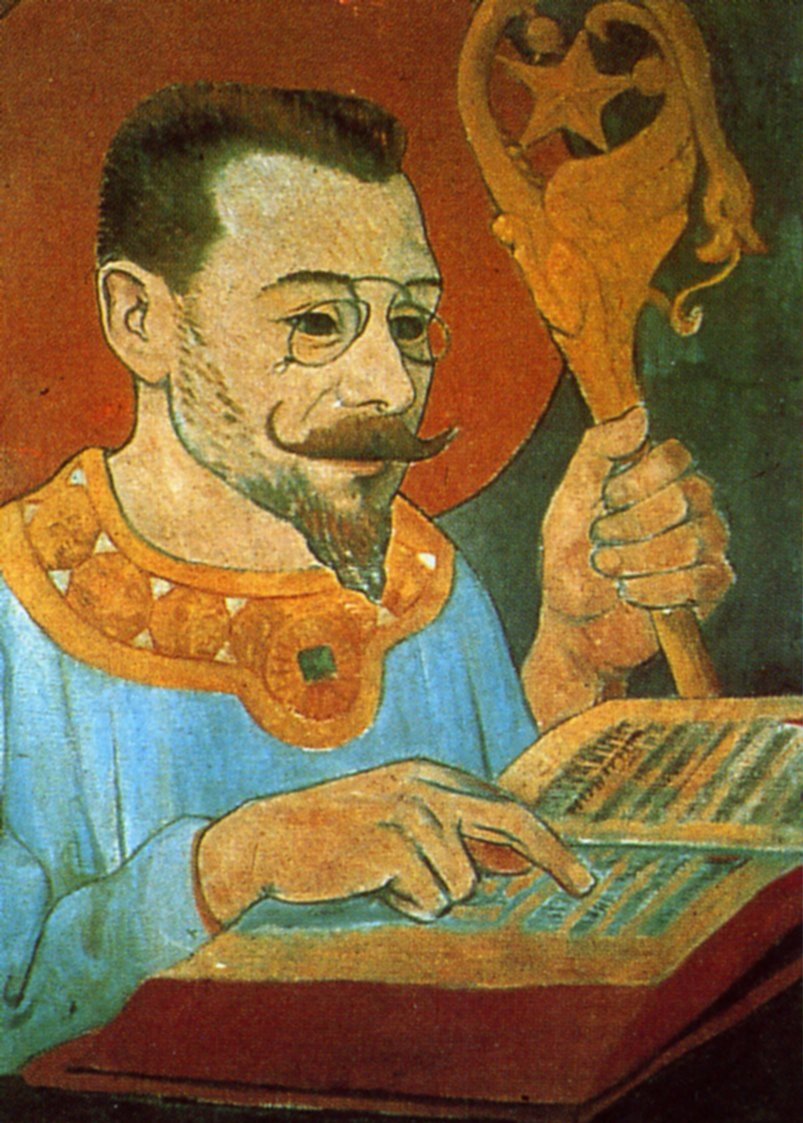
Paul-Élie Ranson, a French painter and writer, emerged as a prominent figure in the late 19th century art scene. Born in Limoges, he was raised by his grandparents and father after his mother's demise during childbirth. Ranson's early artistic inclinations were nurtured with drawing lessons from his grandfather. His educational journey in the arts began at the École des Beaux-Arts Appliqués à l'Industrie and later continued at the Académie Julian in Paris.
Ranson was a pivotal member of "Les Nabis," a group instrumental in transitioning from Impressionism to modern art. Along with notable contemporaries like Paul Sérusier, Pierre Bonnard, and Maurice Denis, he helped establish an art movement that blended elements of Symbolism, Art Nouveau, and Japanese prints. Ranson's role extended beyond painting; he was actively involved in the Symbolist performances at the Théâtre d'Art and directed a notable performance of "Ubu Roi" by Alfred Jarry.
Ranson's artistic oeuvre is marked by a fascination with Theosophy, magic, and occultism, themes that increasingly influenced his work. His paintings often delved into mythology, witchcraft, and anti-clerical subjects. Some of his notable works include "Christ and Buddha" (1880), "Witches Around the Fire" (1891), and "The Blue Room" (circa 1900). These works exemplify his unique blend of thematic and stylistic elements, setting him apart from his contemporaries.
Tragically, Ranson's life was cut short by typhoid fever in 1909. However, his legacy continued through the Académie Ranson, founded by his friends in Les Nabis. This institution, managed initially by Ranson and later by his wife Marie, remained active until 1955, perpetuating his influence on future generations of artists.
For art collectors and experts, Ranson's work offers a unique window into the transitionary period of late 19th-century art, showcasing the interplay of traditional and emerging styles. His contributions to the Symbolist and Nabi movements are particularly noteworthy.
To stay updated on new product sales and auction events related to Paul-Élie Ranson, sign up for our updates. This subscription service is tailored to keep art aficionados informed about the latest developments and opportunities related to Ranson's art.
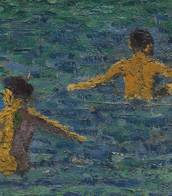


Paul Gauguin, a French artist born in Paris in 1848, is renowned for his significant contributions to Post-Impressionism, Primitivism, and Synthetism. Gauguin's art is distinguished by his experimental use of color and style, which set him apart from the traditional Impressionist movement.
Gauguin's early life was marked by a period in Peru, which influenced his artistic perspective. Initially, he pursued a career in stockbroking but soon turned to art, driven by financial necessity and a growing passion. His artistic journey began under the mentorship of Impressionist artist Camille Pissarro and through exposure to the works of other avant-garde artists.
The hallmark of Gauguin's work is his exploration of non-Western cultures, particularly during his time in Tahiti and the Marquesas Islands. This period saw the creation of some of his most famous works, including "Where Do We Come From? What Are We? Where Are We Going?" His paintings from this era, characterized by vivid colors and Symbolist themes, reflect a fusion of cultural influences and his quest for a "primitive" expression of spiritual and emotional states.
Despite his innovative style, Gauguin struggled with financial difficulties and health issues throughout his life. His work received little recognition during his lifetime, but posthumously, he gained acclaim for influencing modern artists like Pablo Picasso and Henri Matisse.
Today, Gauguin's works are celebrated in galleries and museums worldwide for their unique blend of cultural influences and artistic innovation. His enduring legacy is a testament to his unique vision and the profound impact he had on the art world.
Collectors and experts in art and antiques, stay updated on new product sales and auction events related to Paul Gauguin. Sign up now for exclusive updates and immerse yourself in the world of this visionary artist.
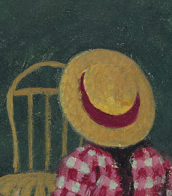
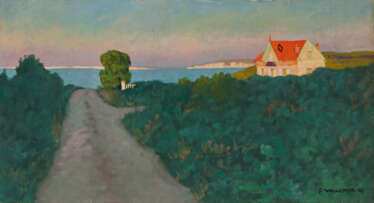

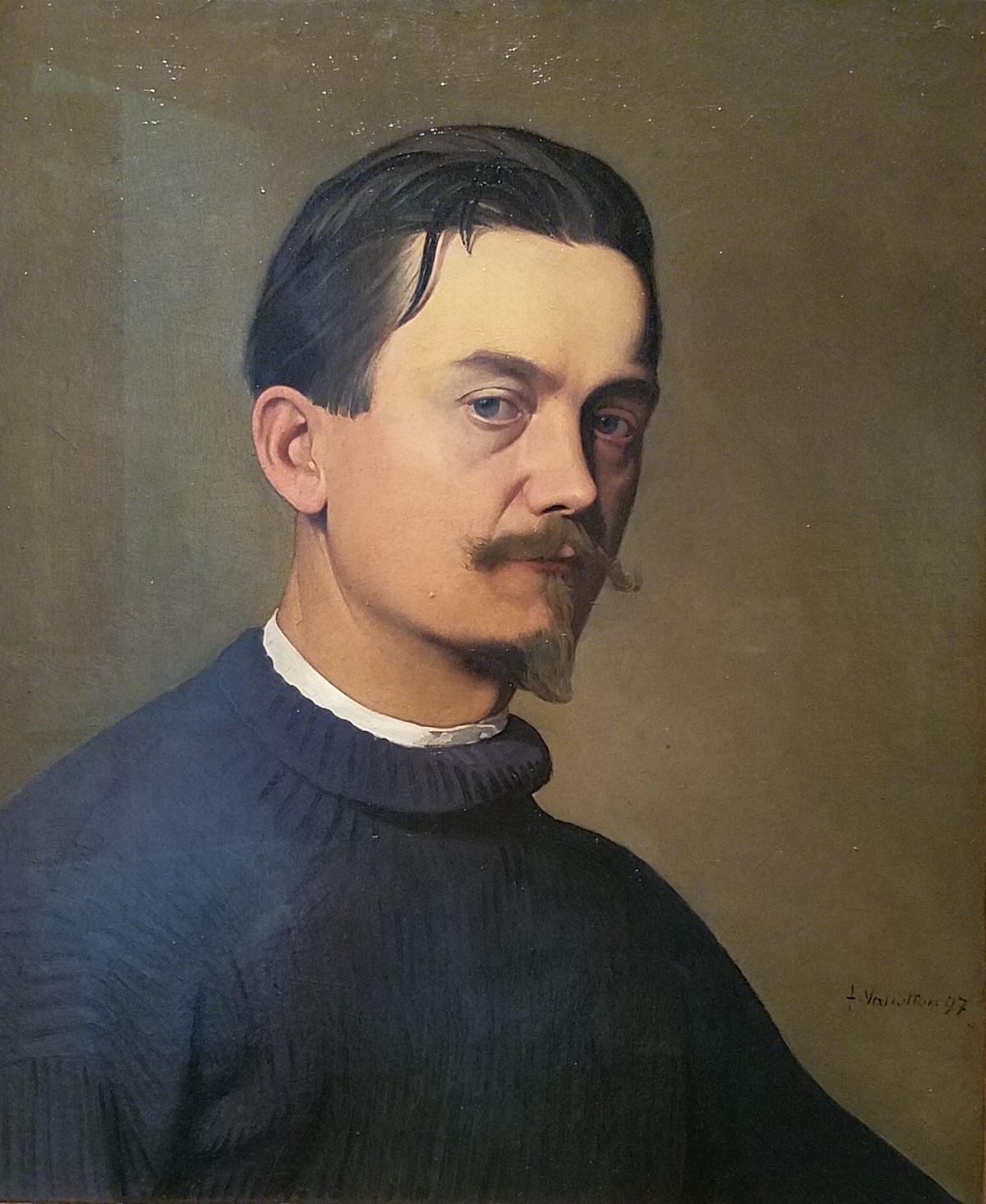
Félix Vallotton, a Swiss-born French graphic artist and painter, is recognized for his distinctive woodcuts and paintings of nudes and interiors. Vallotton's journey into art began in Paris, where he attended the Académie Julian, fostering a unique style that broke from traditional norms. His early works, characterized by extreme realism, were showcased at the Salon des Artistes Français and the Paris Universal Exposition of 1889. This period also marked Vallotton's encounter with Japanese prints, notably those by Hokusai, profoundly influencing his artistic direction.
In 1892, Vallotton joined Les Nabis, a group of avant-garde artists including Pierre Bonnard, Maurice Denis, and Édouard Vuillard, which led to a significant evolution in his style. His paintings from this era, such as "Bathers on a Summer Evening" and "Moonlight," exhibited at the Kunsthaus Zürich and the Musée d'Orsay respectively, reveal a departure from realism towards a more symbolic and abstract representation. The works from this period are characterized by flat areas of color, hard edges, and simplified details, mirroring the style he developed in his woodcuts.
Vallotton's woodcuts, like "Intimités" (Intimacies), a series published in 1898, showcased his mastery in capturing the nuances of human relationships, particularly the tensions between men and women. His graphic art, which included depictions of domestic scenes, bathing women, and street crowds, was not just celebrated in Europe but also influenced artists like Edvard Munch, Aubrey Beardsley, and Ernst Ludwig Kirchner.
Towards the end of his career, Vallotton continued to innovate, combining elements of realism and abstraction, evident in paintings like "La Malade" (The Sick Girl) and "Clair de lune" (Moonlight). His works remain a testament to his ability to merge technical precision with a poignant exploration of human emotions and societal themes.
For art collectors and experts, Vallotton's body of work offers a rich and diverse exploration of early 20th-century art movements, especially his role in the development of modern woodcut techniques and his contribution to the Nabis movement. His works are a study in the fusion of realism and symbolism, marked by a distinctive style that makes his art enduringly relevant and compelling.
For those interested in discovering more about Félix Vallotton and staying updated on related product sales and auction events, signing up for updates is a great opportunity. This subscription will exclusively alert you to new sales and events pertaining to Vallotton's works, ensuring you remain informed in the dynamic world of art and antiques.


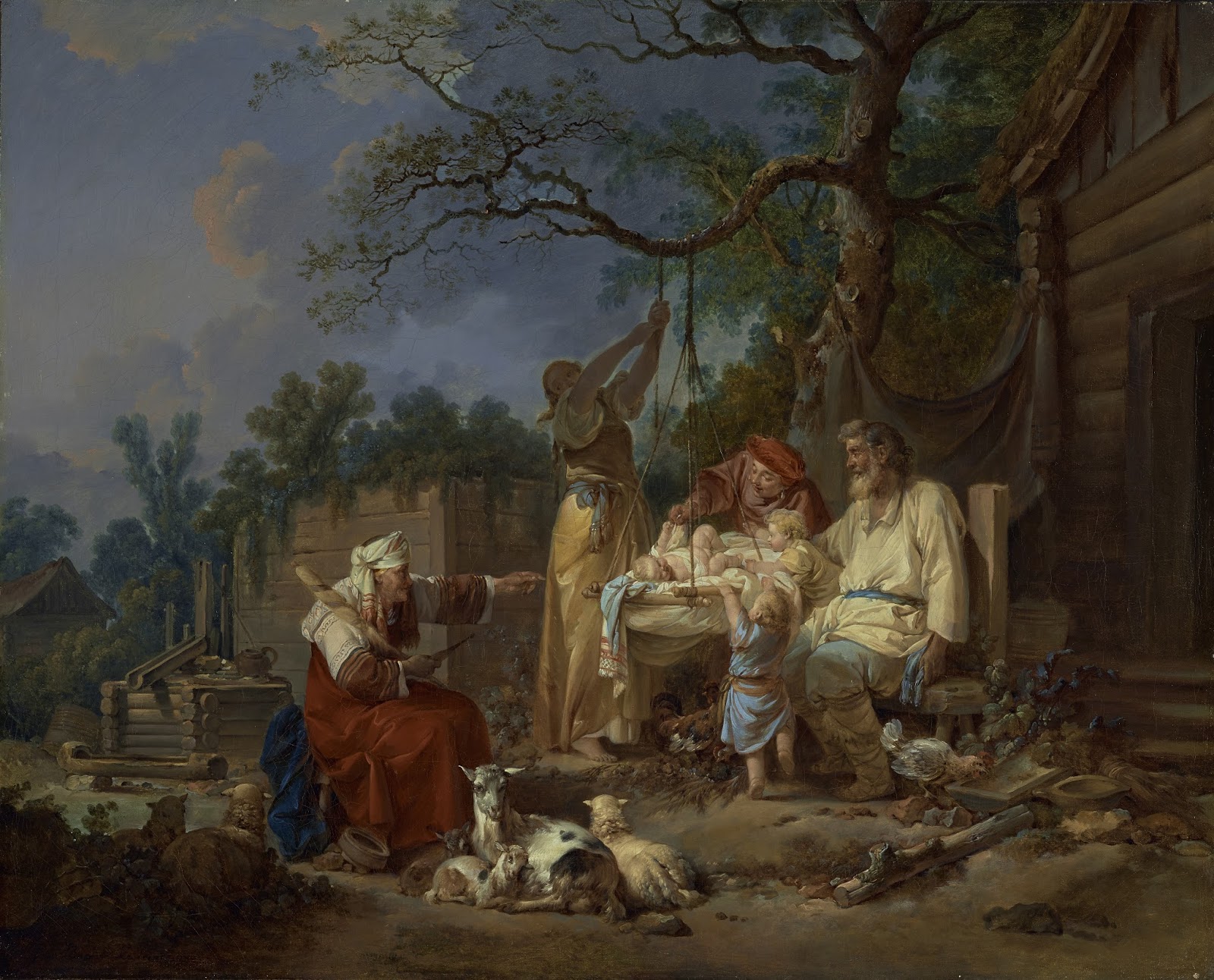
Jean-Baptiste Le Prince was an important French etcher and painter.