blumen &












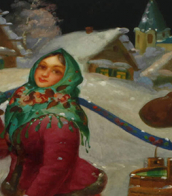



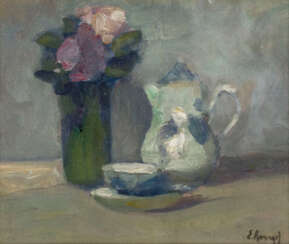

Eugen Kampf was a German painter; associated with the Düsseldorf school of painting. He specialized in rural and village scenes.


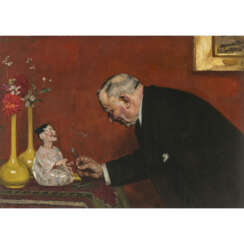

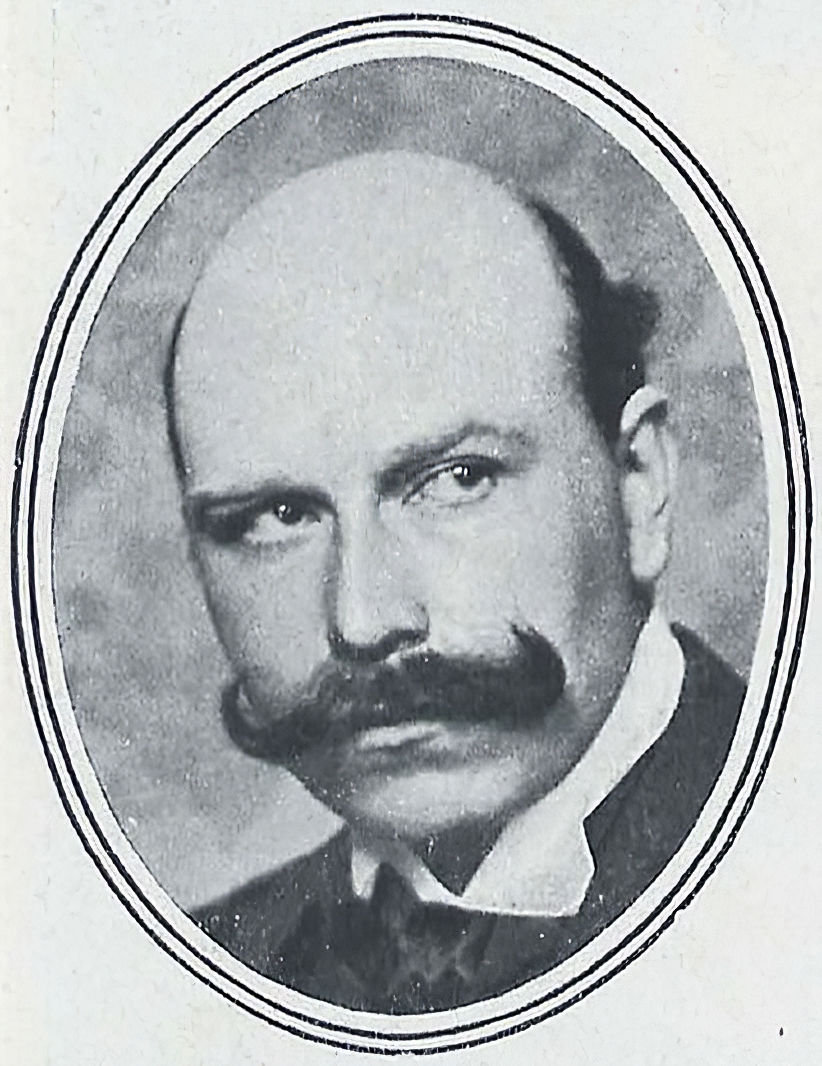
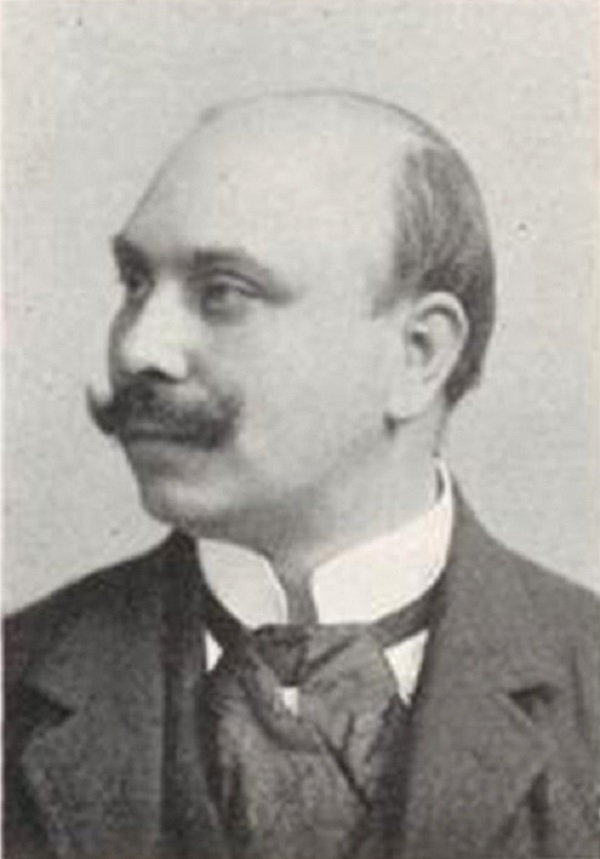
Arthur Kampf was a German painter. He was associated with the Düsseldorf school of painting.
Kampf's work is most strongly associated with the genre of traditional history painting, though throughout his lifetime he explored styles influenced by Impressionism and Art Nouveau. He was also celebrated for large scale portrait work and in particular children's portraiture. Kampf also worked extensively as an illustrator, contributing drawings to volumes by Shakespeare (1925), R. Herzog, History of Prussia (1913) and J.W. Goethe, Faust (1925). Kampf's artwork post World War II largely focused on religious themes.

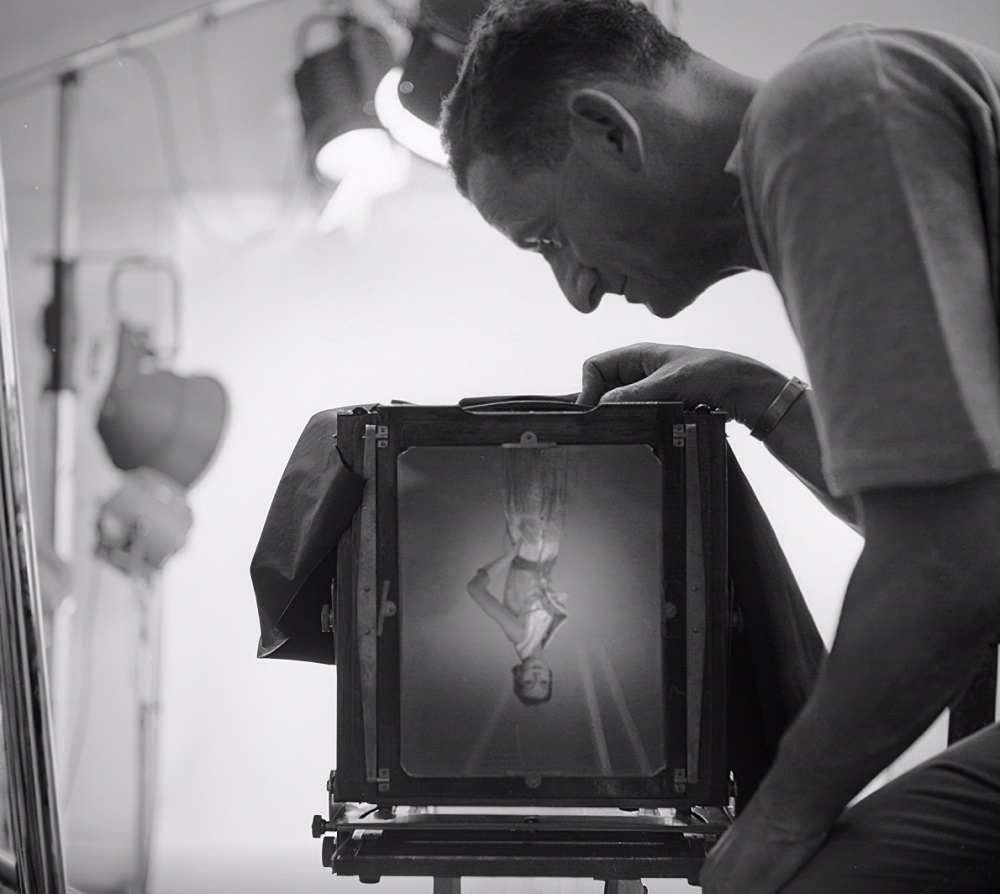
Erwin Blumenfeld was a German-born photographer and artist who is best known for his fashion photography and experimental work in the mid-20th century. He was began his career as an artist, working in painting, drawing, and collage.
In the 1930s, Blumenfeld fled Germany and settled in Paris, where he became a successful fashion photographer. He worked for Vogue and other high-profile magazines, creating iconic images of models and celebrities such as Marilyn Monroe, Elizabeth Taylor, and Grace Kelly.
Blumenfeld was also known for his experimental and avant-garde work, which often involved techniques such as photomontage, solarization, and multiple exposures. He saw photography as a means of artistic expression and used it to explore ideas about identity, beauty, and the nature of reality.
Blumenfeld's legacy as an artist and photographer continues to influence contemporary fashion and art. His innovative techniques and distinctive style continue to inspire new generations of artists, and his work is recognized as a significant contribution to the history of photography.
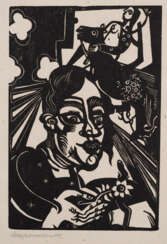

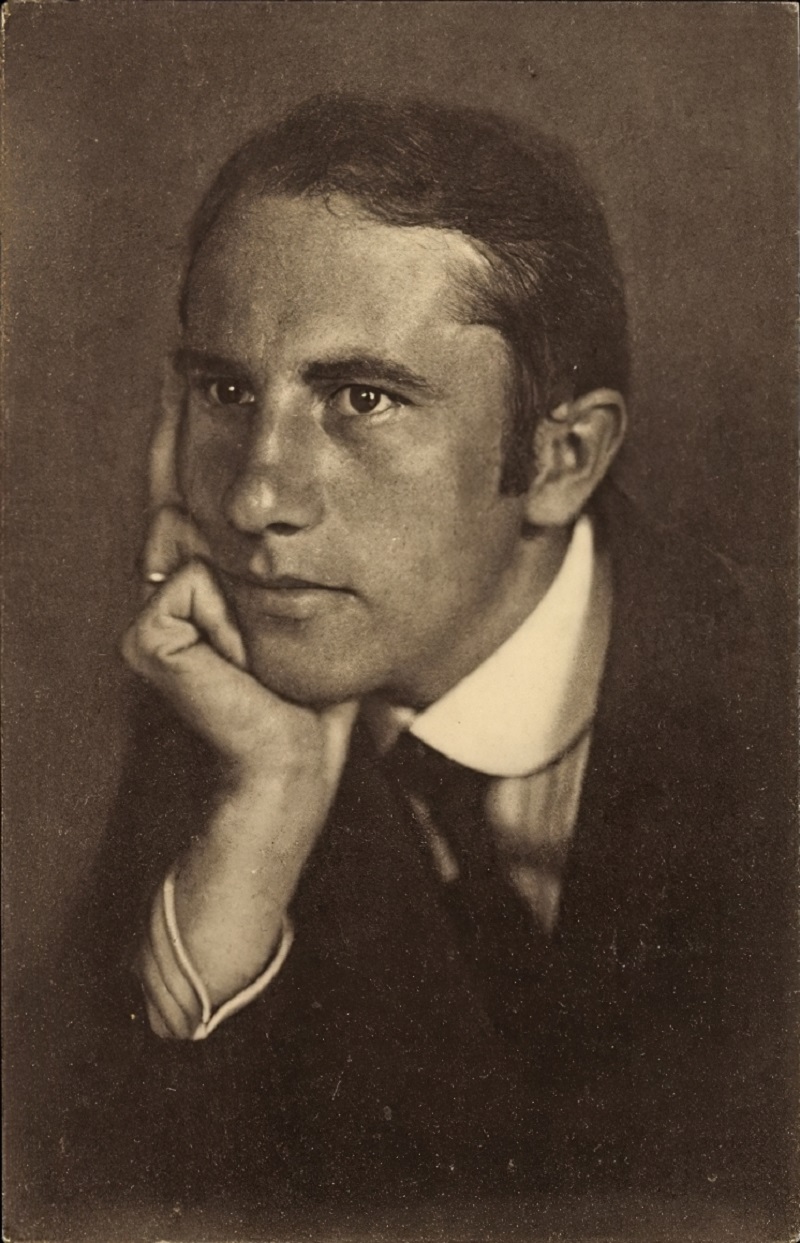
Heinrich Mathias Ernst Campendonk was a painter and graphic designer born in Germany who became a naturalized Dutch citizen.
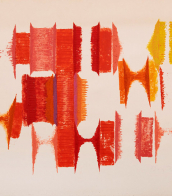
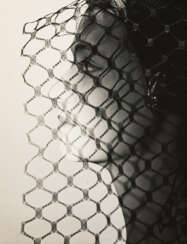

Erwin Blumenfeld was a German-born photographer and artist who is best known for his fashion photography and experimental work in the mid-20th century. He was began his career as an artist, working in painting, drawing, and collage.
In the 1930s, Blumenfeld fled Germany and settled in Paris, where he became a successful fashion photographer. He worked for Vogue and other high-profile magazines, creating iconic images of models and celebrities such as Marilyn Monroe, Elizabeth Taylor, and Grace Kelly.
Blumenfeld was also known for his experimental and avant-garde work, which often involved techniques such as photomontage, solarization, and multiple exposures. He saw photography as a means of artistic expression and used it to explore ideas about identity, beauty, and the nature of reality.
Blumenfeld's legacy as an artist and photographer continues to influence contemporary fashion and art. His innovative techniques and distinctive style continue to inspire new generations of artists, and his work is recognized as a significant contribution to the history of photography.
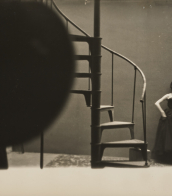
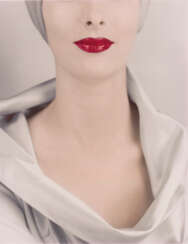

Erwin Blumenfeld was a German-born photographer and artist who is best known for his fashion photography and experimental work in the mid-20th century. He was began his career as an artist, working in painting, drawing, and collage.
In the 1930s, Blumenfeld fled Germany and settled in Paris, where he became a successful fashion photographer. He worked for Vogue and other high-profile magazines, creating iconic images of models and celebrities such as Marilyn Monroe, Elizabeth Taylor, and Grace Kelly.
Blumenfeld was also known for his experimental and avant-garde work, which often involved techniques such as photomontage, solarization, and multiple exposures. He saw photography as a means of artistic expression and used it to explore ideas about identity, beauty, and the nature of reality.
Blumenfeld's legacy as an artist and photographer continues to influence contemporary fashion and art. His innovative techniques and distinctive style continue to inspire new generations of artists, and his work is recognized as a significant contribution to the history of photography.



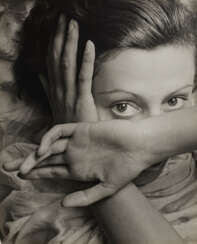

Erwin Blumenfeld was a German-born photographer and artist who is best known for his fashion photography and experimental work in the mid-20th century. He was began his career as an artist, working in painting, drawing, and collage.
In the 1930s, Blumenfeld fled Germany and settled in Paris, where he became a successful fashion photographer. He worked for Vogue and other high-profile magazines, creating iconic images of models and celebrities such as Marilyn Monroe, Elizabeth Taylor, and Grace Kelly.
Blumenfeld was also known for his experimental and avant-garde work, which often involved techniques such as photomontage, solarization, and multiple exposures. He saw photography as a means of artistic expression and used it to explore ideas about identity, beauty, and the nature of reality.
Blumenfeld's legacy as an artist and photographer continues to influence contemporary fashion and art. His innovative techniques and distinctive style continue to inspire new generations of artists, and his work is recognized as a significant contribution to the history of photography.


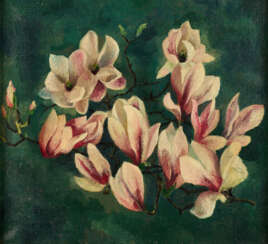

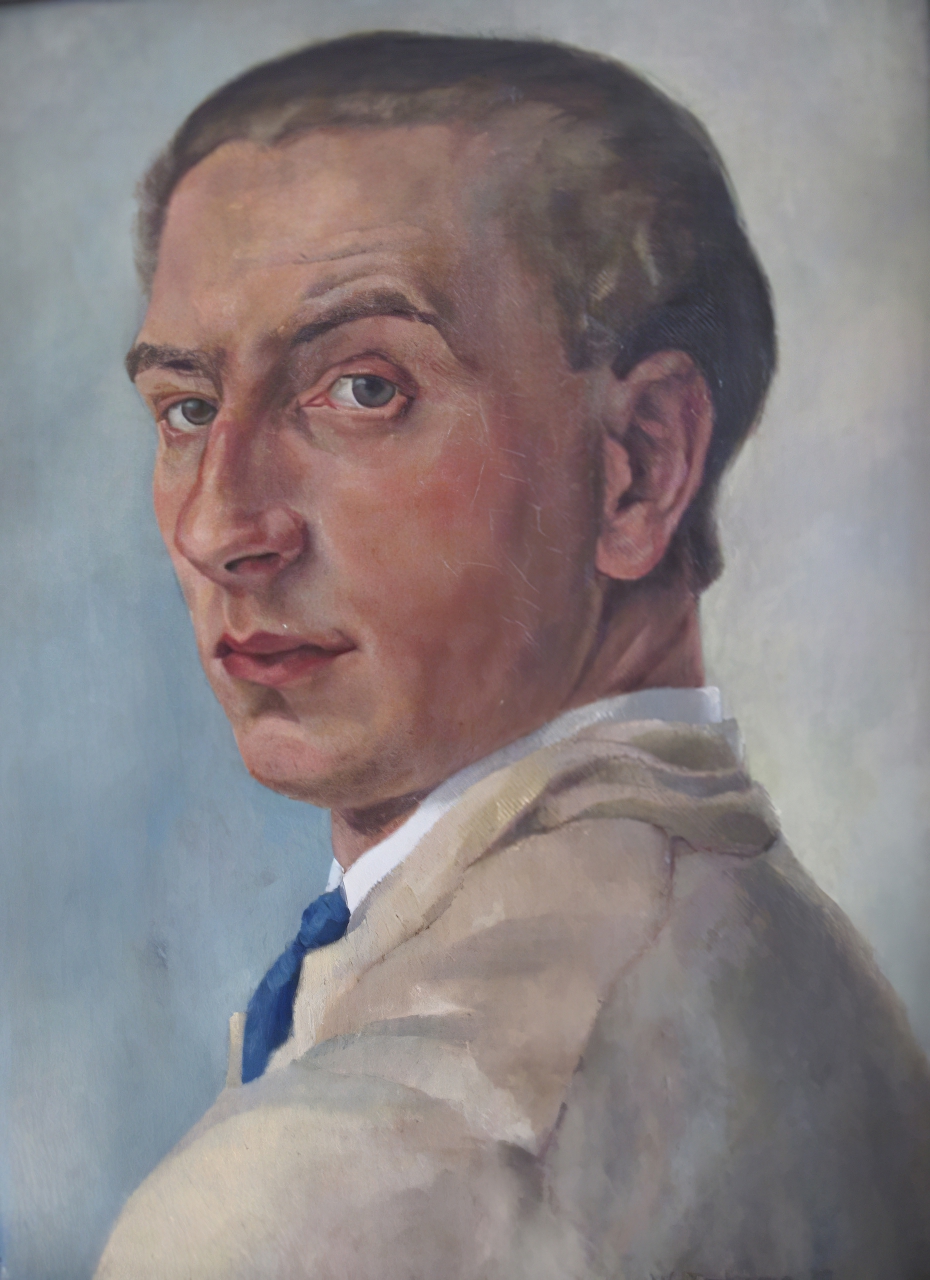
Wilhelm Imkamp was a German painter and a student of the Bauhaus and is one of the most important abstract painters of the post-war period in Germany.
Even though Imkamp made over 500 portraits in his lifetime and thus secured his income for several years of his life, abstract painting is and remains the core of his work. His paintings were created without sketches and preliminary studies, he always painted several pictures at the same time and let a composition emerge in many individual steps from the interaction of colour and form alone. Impressions from nature and music were his sources of inspiration, which played a part in the creative process, but in the end a completely new world of images emerged, on the basis of which the picture titles were also found. Imkamp's work is clearly recognisable as a Bauhaus student, strongly influenced by Wassily Kandinsky's colour compositions, Paul Klee's narrative span and Lyonel Feiniger's structured use of space. Over the years, however, he developed a very independent artistic position among the students of the Bauhaus.


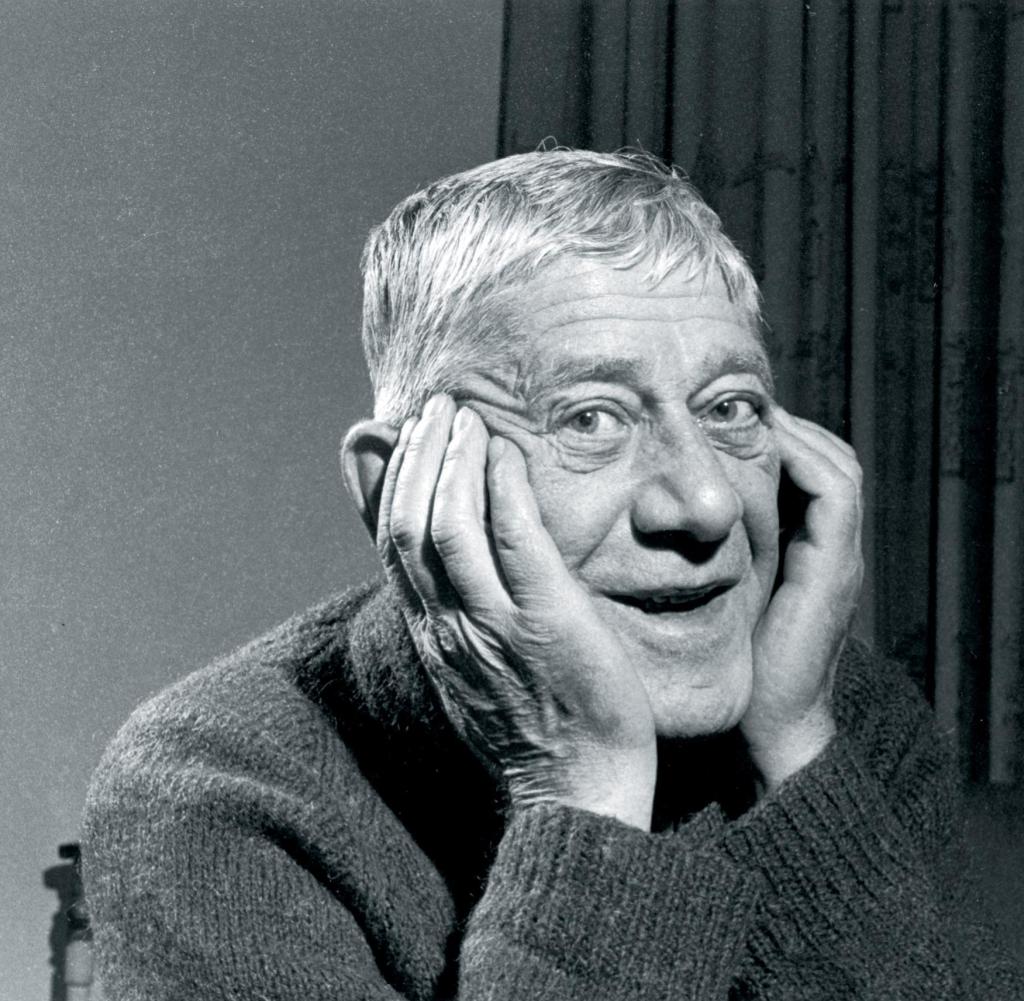
Oskar Kokoschka was an Austrian artist, poet, playwright, and teacher, renowned for his significant contributions to the Expressionist movement. Born on March 1, 1886, in Pöchlarn, Austria, Kokoschka's journey into the arts began against the backdrop of early 20th-century Vienna, a city vibrant with cultural ferment and avant-garde experimentation. Without formal training in painting, Kokoschka brought a unique perspective to his work, approaching the medium with a fresh, unencumbered eye that eschewed traditional methods in favor of intuitive, expressive techniques.
Kokoschka's early career was marked by an innovative approach to portraiture and landscape, characterized by intense expressionism and a deep psychological penetration of his subjects. His artistic philosophy was heavily influenced by 17th-century Czech humanist Jan Amos Comenius, from whom Kokoschka adopted the idea that learning and creativity flourish through sensory engagement and reasoning. This philosophy underpinned both his artistic output and his teaching methodology, which favored storytelling and the evocation of dramatic emotion over conventional art instruction.
Among Kokoschka's notable early works were his contributions to the Vienna Kunstschau and his involvement with the Wiener Werkstätte, which provided him opportunities to explore his artistic voice through various commissions, including postcards and illustrations for children's books. His autobiographical poem "Die träumenden Knaben" (The Dreaming Youths) and the related illustrations showcase his journey from Jugendstil to Expressionism, marking a pivotal moment in his career and in the development of modern art.
Kokoschka's tumultuous affair with Alma Mahler is well-documented, influencing some of his most acclaimed works, such as "The Bride of the Wind" (The Tempest), which vividly encapsulates their passionate, stormy relationship. This work, alongside others like "Portrait of a Young Girl" and "Knight Errant (Self-Portrait)", exemplifies Kokoschka's masterful use of color, form, and emotional intensity to convey complex psychological states and narratives.
Oskar Kokoschka's legacy as a pioneering figure in Expressionism is undisputed. His works continue to resonate with collectors and experts in art and antiques, not only for their aesthetic and emotional depth but also for their groundbreaking approach to visual storytelling and the exploration of the human condition. For those interested in the vibrant world of Expressionist art and the profound humanism of Kokoschka's oeuvre, signing up for updates on new product sales and auction events related to Oskar Kokoschka offers a unique opportunity to engage with the enduring impact of his work.


Oskar Kokoschka was an Austrian artist, poet, playwright, and teacher, renowned for his significant contributions to the Expressionist movement. Born on March 1, 1886, in Pöchlarn, Austria, Kokoschka's journey into the arts began against the backdrop of early 20th-century Vienna, a city vibrant with cultural ferment and avant-garde experimentation. Without formal training in painting, Kokoschka brought a unique perspective to his work, approaching the medium with a fresh, unencumbered eye that eschewed traditional methods in favor of intuitive, expressive techniques.
Kokoschka's early career was marked by an innovative approach to portraiture and landscape, characterized by intense expressionism and a deep psychological penetration of his subjects. His artistic philosophy was heavily influenced by 17th-century Czech humanist Jan Amos Comenius, from whom Kokoschka adopted the idea that learning and creativity flourish through sensory engagement and reasoning. This philosophy underpinned both his artistic output and his teaching methodology, which favored storytelling and the evocation of dramatic emotion over conventional art instruction.
Among Kokoschka's notable early works were his contributions to the Vienna Kunstschau and his involvement with the Wiener Werkstätte, which provided him opportunities to explore his artistic voice through various commissions, including postcards and illustrations for children's books. His autobiographical poem "Die träumenden Knaben" (The Dreaming Youths) and the related illustrations showcase his journey from Jugendstil to Expressionism, marking a pivotal moment in his career and in the development of modern art.
Kokoschka's tumultuous affair with Alma Mahler is well-documented, influencing some of his most acclaimed works, such as "The Bride of the Wind" (The Tempest), which vividly encapsulates their passionate, stormy relationship. This work, alongside others like "Portrait of a Young Girl" and "Knight Errant (Self-Portrait)", exemplifies Kokoschka's masterful use of color, form, and emotional intensity to convey complex psychological states and narratives.
Oskar Kokoschka's legacy as a pioneering figure in Expressionism is undisputed. His works continue to resonate with collectors and experts in art and antiques, not only for their aesthetic and emotional depth but also for their groundbreaking approach to visual storytelling and the exploration of the human condition. For those interested in the vibrant world of Expressionist art and the profound humanism of Kokoschka's oeuvre, signing up for updates on new product sales and auction events related to Oskar Kokoschka offers a unique opportunity to engage with the enduring impact of his work.