blumen übe
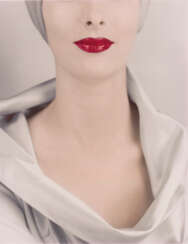

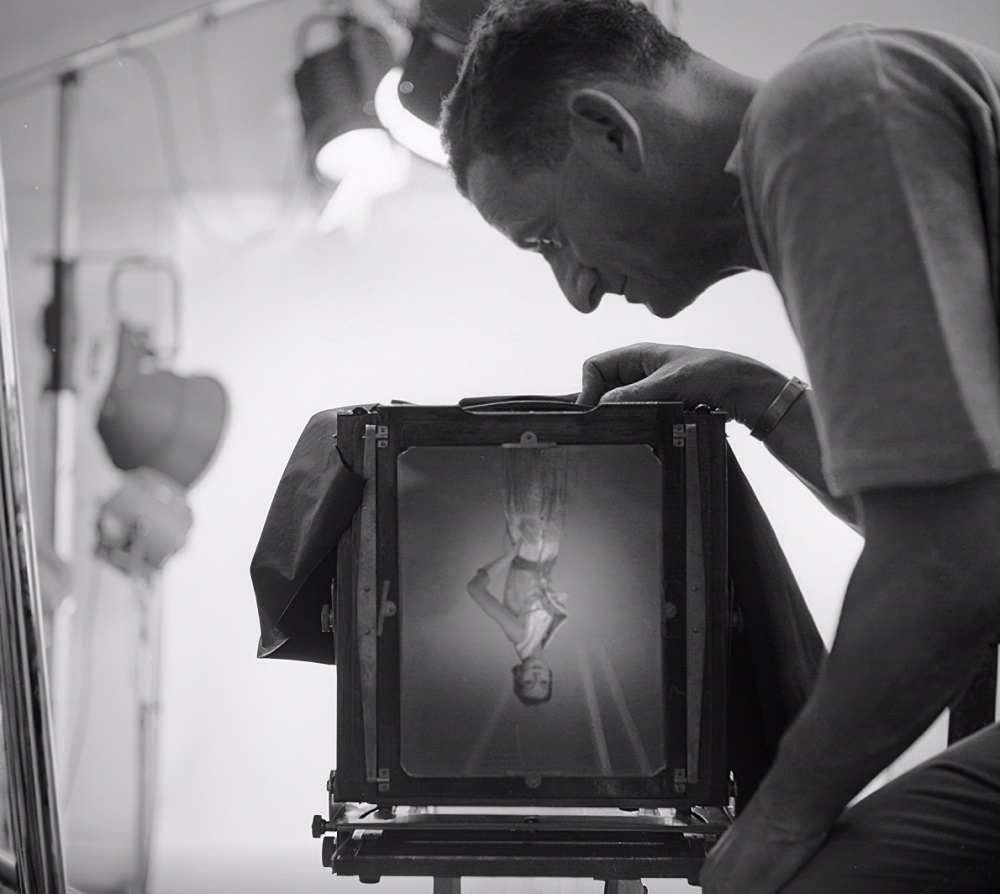
Erwin Blumenfeld was a German-born photographer and artist who is best known for his fashion photography and experimental work in the mid-20th century. He was began his career as an artist, working in painting, drawing, and collage.
In the 1930s, Blumenfeld fled Germany and settled in Paris, where he became a successful fashion photographer. He worked for Vogue and other high-profile magazines, creating iconic images of models and celebrities such as Marilyn Monroe, Elizabeth Taylor, and Grace Kelly.
Blumenfeld was also known for his experimental and avant-garde work, which often involved techniques such as photomontage, solarization, and multiple exposures. He saw photography as a means of artistic expression and used it to explore ideas about identity, beauty, and the nature of reality.
Blumenfeld's legacy as an artist and photographer continues to influence contemporary fashion and art. His innovative techniques and distinctive style continue to inspire new generations of artists, and his work is recognized as a significant contribution to the history of photography.
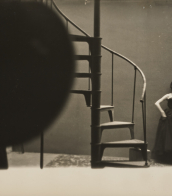
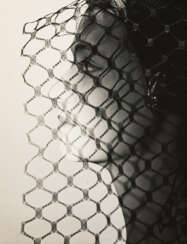

Erwin Blumenfeld was a German-born photographer and artist who is best known for his fashion photography and experimental work in the mid-20th century. He was began his career as an artist, working in painting, drawing, and collage.
In the 1930s, Blumenfeld fled Germany and settled in Paris, where he became a successful fashion photographer. He worked for Vogue and other high-profile magazines, creating iconic images of models and celebrities such as Marilyn Monroe, Elizabeth Taylor, and Grace Kelly.
Blumenfeld was also known for his experimental and avant-garde work, which often involved techniques such as photomontage, solarization, and multiple exposures. He saw photography as a means of artistic expression and used it to explore ideas about identity, beauty, and the nature of reality.
Blumenfeld's legacy as an artist and photographer continues to influence contemporary fashion and art. His innovative techniques and distinctive style continue to inspire new generations of artists, and his work is recognized as a significant contribution to the history of photography.
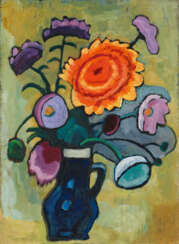

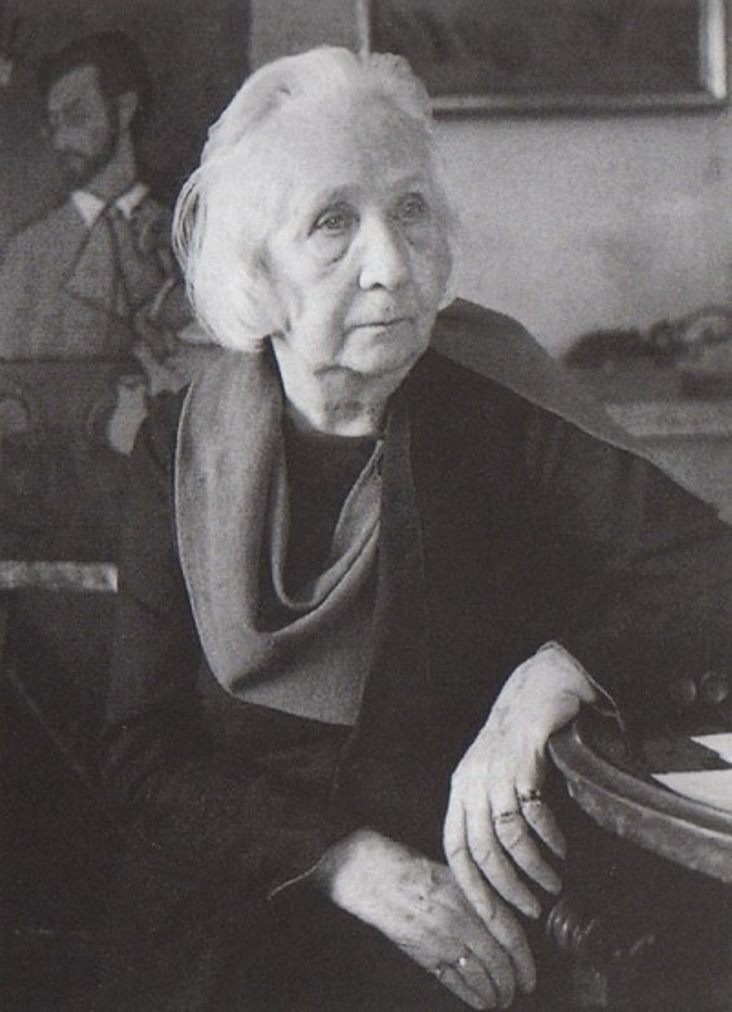
Gabriele Münter, a prominent German painter, left an indelible mark on the art world with her expressionist style and vibrant use of color. Born in Berlin in 1877, Münter was not just an artist but a trailblazer in the early 20th-century avant-garde movement in Munich. Her relationship with Wassily Kandinsky, both personal and professional, greatly influenced her artistic development and vice versa. Together, they explored Europe and North Africa, absorbing influences that would shape their styles. This period was crucial for Münter's transition from impressionistic to more abstract and expressive works, incorporating intense colors and simplified forms that became hallmarks of her style.
Münter's artistic evolution was significantly shaped by her time in Murnau, a Bavarian town that became a refuge and inspiration for her work. Here, she experimented with the Blaue Reiter aesthetic, emphasizing the emotional and spiritual over the representational. Münter's landscapes from this period are notable for their bold use of color and simplified forms, reflecting an intimate interaction with nature. Works like "Jawlensky and Werefkin" and "Lower Main Street, Murnau" exemplify her mastery of color and form, showcasing her ability to capture the essence of her subjects through a unique visual language.
Throughout her career, Münter contributed significantly to the German Expressionist movement, particularly through her involvement with Der Blaue Reiter group. Despite the challenges of World War I and the subsequent estrangement from Kandinsky, she continued to innovate and express her vision through her art. In her later years, Münter's commitment to preserving the legacy of the Blaue Reiter group was demonstrated through her donation of a substantial collection of artworks to the Städtische Galerie im Lenbachhaus in Munich.
For collectors and experts in art and antiques, Gabriele Münter's work represents a pivotal moment in the history of expressionism, offering insights into the movement's evolution and the role of women artists in shaping modern art. Her contributions, both in her vibrant landscapes and in her pioneering spirit, continue to inspire and captivate audiences around the world.
To stay updated on new product sales and auction events related to Gabriele Münter, signing up for updates is an invaluable resource for enthusiasts keen on exploring the depths of expressionism and the enduring legacy of this remarkable artist.





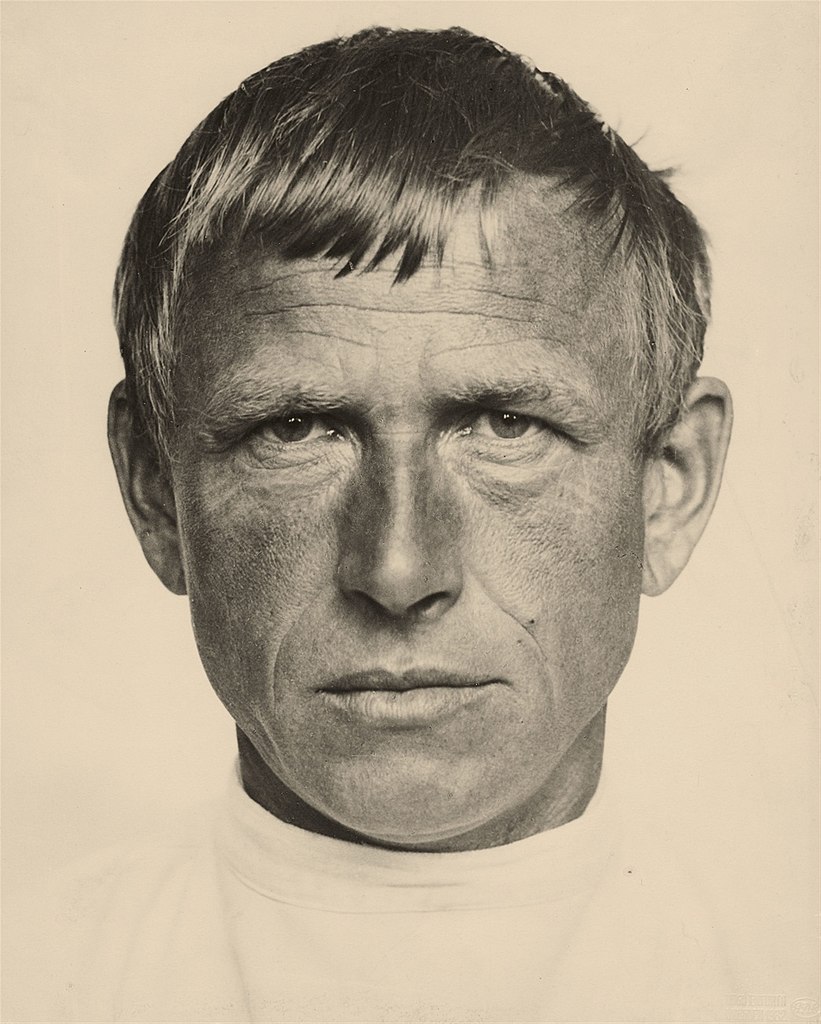
Wilhelm Heinrich Otto Dix was a German artist whose work stands as a stark, unyielding reflection of the societal tumult and trauma of the early 20th century. Born in 1891 in Untermhaus, Germany, Dix's early life was steeped in the arts, his ambition to become an artist nurtured by both familial influence and formal education in Dresden. His experiences as a soldier in World War I deeply influenced his artistic direction, leading him to vividly depict the horrors of war and the decay of the Weimar Republic with a brutal realism that became his signature style.
Dix's association with the Dada movement and the New Objectivity (Neue Sachlichkeit) further honed his critical, often cynical portrayal of post-war society. His works, such as "The Trench" and "War Cripples," expose the visceral aftermath of conflict, while his engagement with the Dadaists imbued his art with a disruptive, confrontational energy against societal norms and the art establishment.
Perhaps most notable is Dix's ability to capture the psychological depth and societal critiques through his portraits and landscapes, which ranged from the grotesque to the surreal. Paintings like "Portrait of the Journalist Sylvia von Harden" and the triptychs "Metropolis" and "War" are emblematic of his keen observation and stark depiction of the era's social and political unrest.
Despite facing significant adversity, including being labeled a degenerate artist by the Nazi regime and facing professional and personal setbacks, Dix's legacy as a painter and printmaker endures. His works are not only historical documents but also profound reflections on humanity, war, and society, resonating with collectors and art experts alike.
For enthusiasts of culture, art, and history, Dix's oeuvre offers an unflinching look into the human condition under the strain of societal and political upheaval. His contributions to painting and printmaking continue to be celebrated in museums and galleries worldwide, underscoring the enduring relevance of his work.
For those interested in exploring the profound depth and historical significance of Otto Dix's work, signing up for updates on new product sales and auction events related to his art can provide invaluable insights. This subscription is a gateway to staying informed about opportunities to engage with the tangible pieces of Dix's enduring legacy.

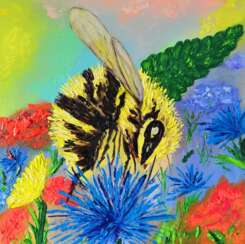














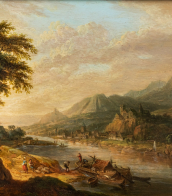




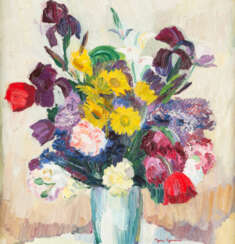

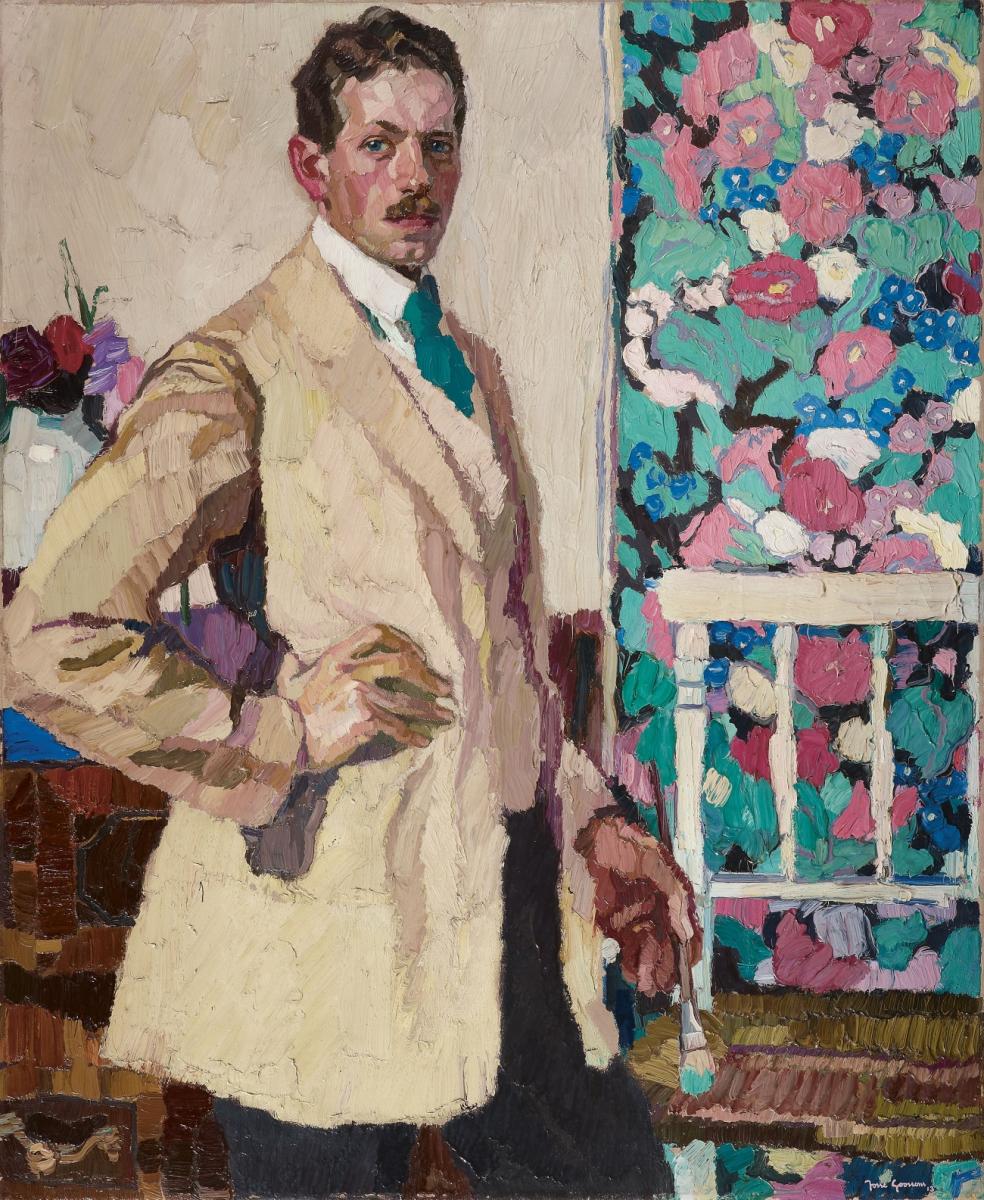
Josse Goossens was a German modernist painter. He worked in various genres, painting landscapes, still lifes, genre scenes.
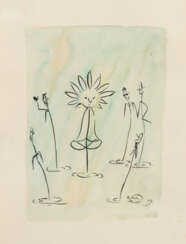

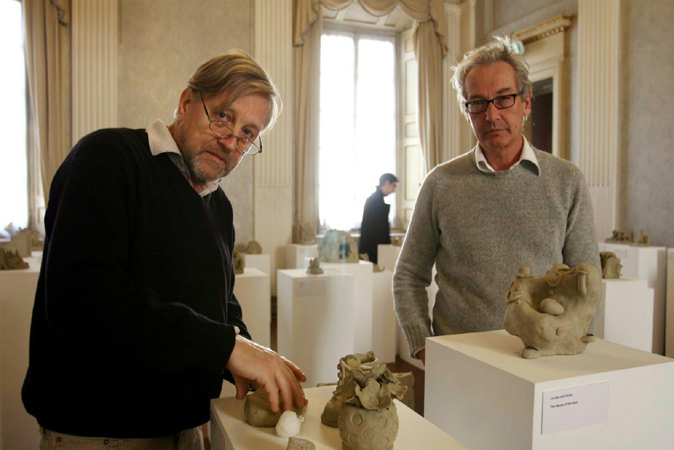
David Weiss was a Swiss painter, one of the members of the artistic duo Fischli & Weiss.
The artists' photographs, sculptures, installations and films explore unusual transformations of ordinary objects and situations through a comic radicality and love of play. At the core of all their work is a childlike spirit of discovery that invites the viewer to look at their surroundings in a new way. In the world of Fischli & Weiss, everyday objects take on unexpected properties — they balance on top of each other, play and collide.

David Weiss was a Swiss painter, one of the members of the artistic duo Fischli & Weiss.
The artists' photographs, sculptures, installations and films explore unusual transformations of ordinary objects and situations through a comic radicality and love of play. At the core of all their work is a childlike spirit of discovery that invites the viewer to look at their surroundings in a new way. In the world of Fischli & Weiss, everyday objects take on unexpected properties — they balance on top of each other, play and collide.












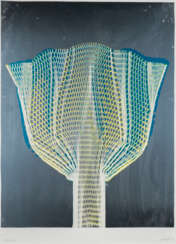

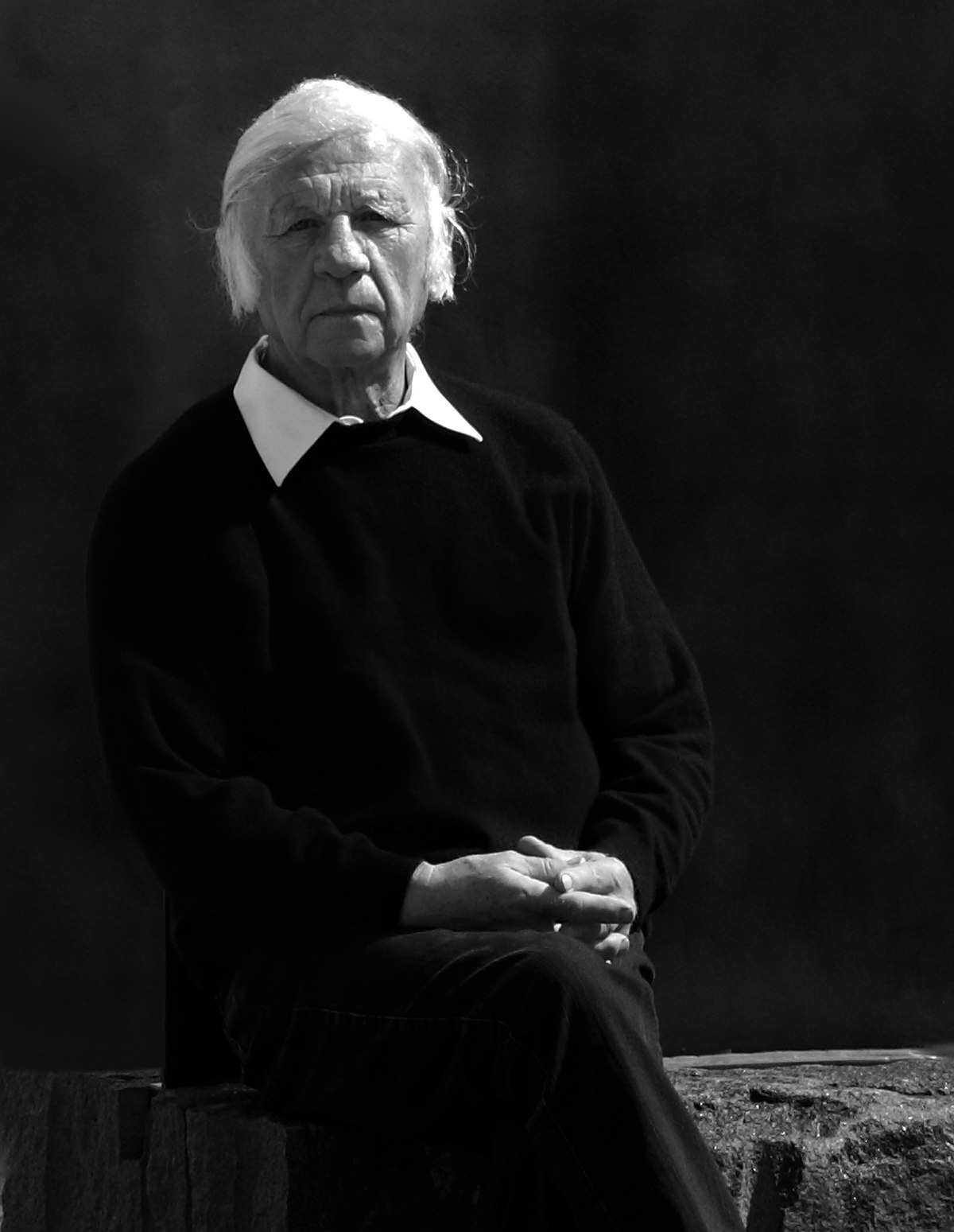
Heinz Mack is a German artist. Together with Otto Piene he founded the ZERO movement in 1957. He exhibited works at documenta in 1964 and 1977 and he represented Germany at the 1970 Venice Biennale. He is best known for his contributions to op art, light art and kinetic art.


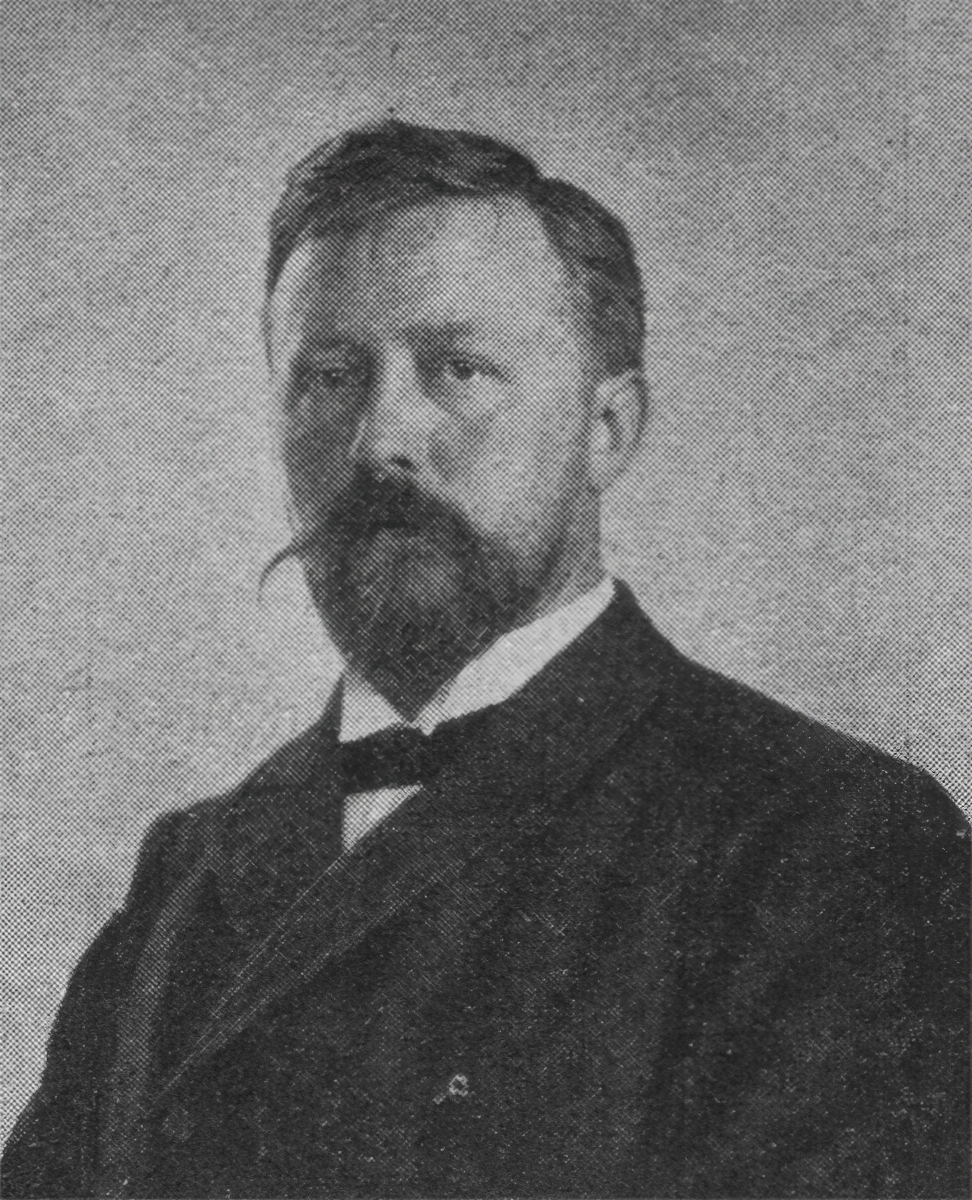
Friedrich Kallmorgen was a German Impressionist painter who specialized in landscapes and cityscapes.
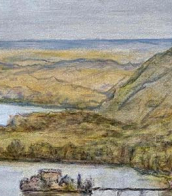
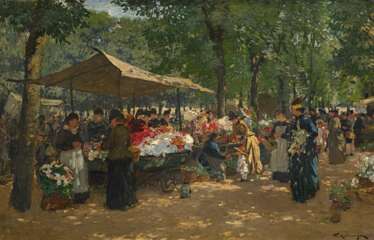

Friedrich Kallmorgen was a German Impressionist painter who specialized in landscapes and cityscapes.
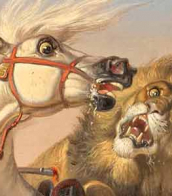


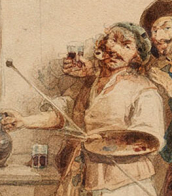


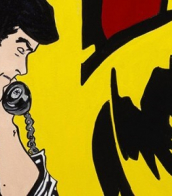
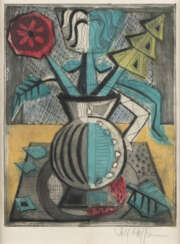

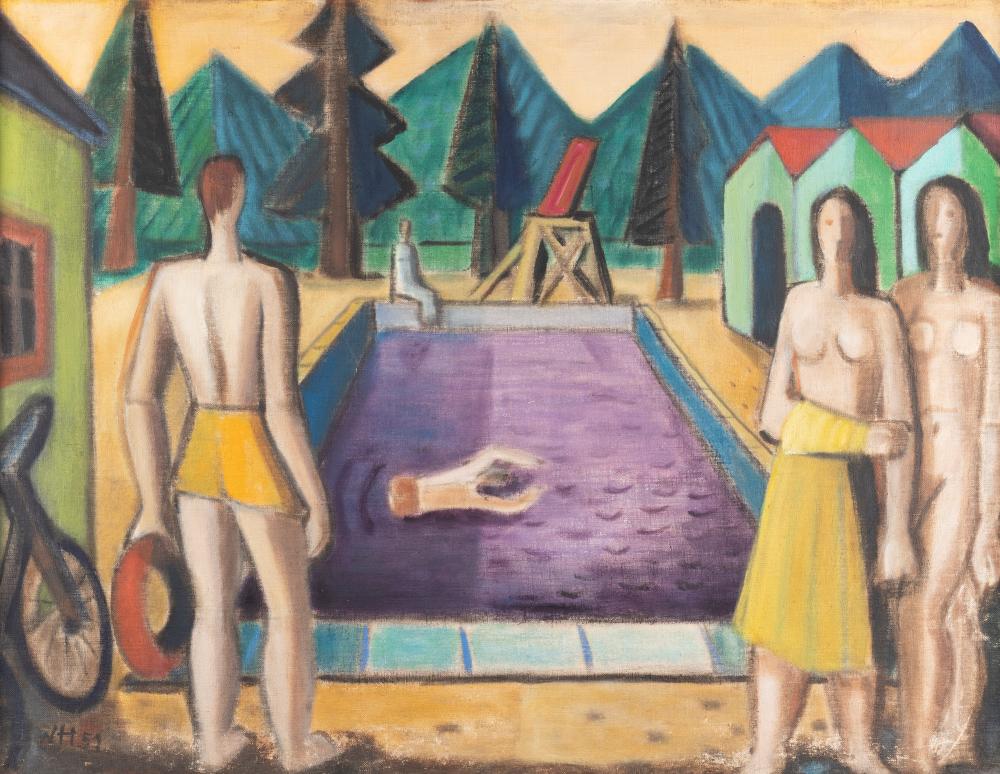
Wolf Hoffmann, also Wolfgang Hoffmann, was a German painter, printmaker, and printmaker and professor at the Academy of Fine Arts in Berlin-Weißensee.
He produced many works, mainly landscapes, figurative and floral still lifes, etchings, as well as woodcuts and linocuts.
During World War II, many of Hoffmann's works were destroyed, but during those difficult years he learned to work with ceramics and painted tiles. After 1945 he found the strength to return to painting.
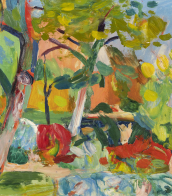
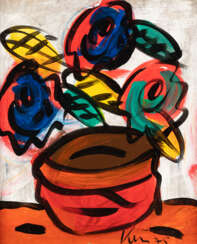

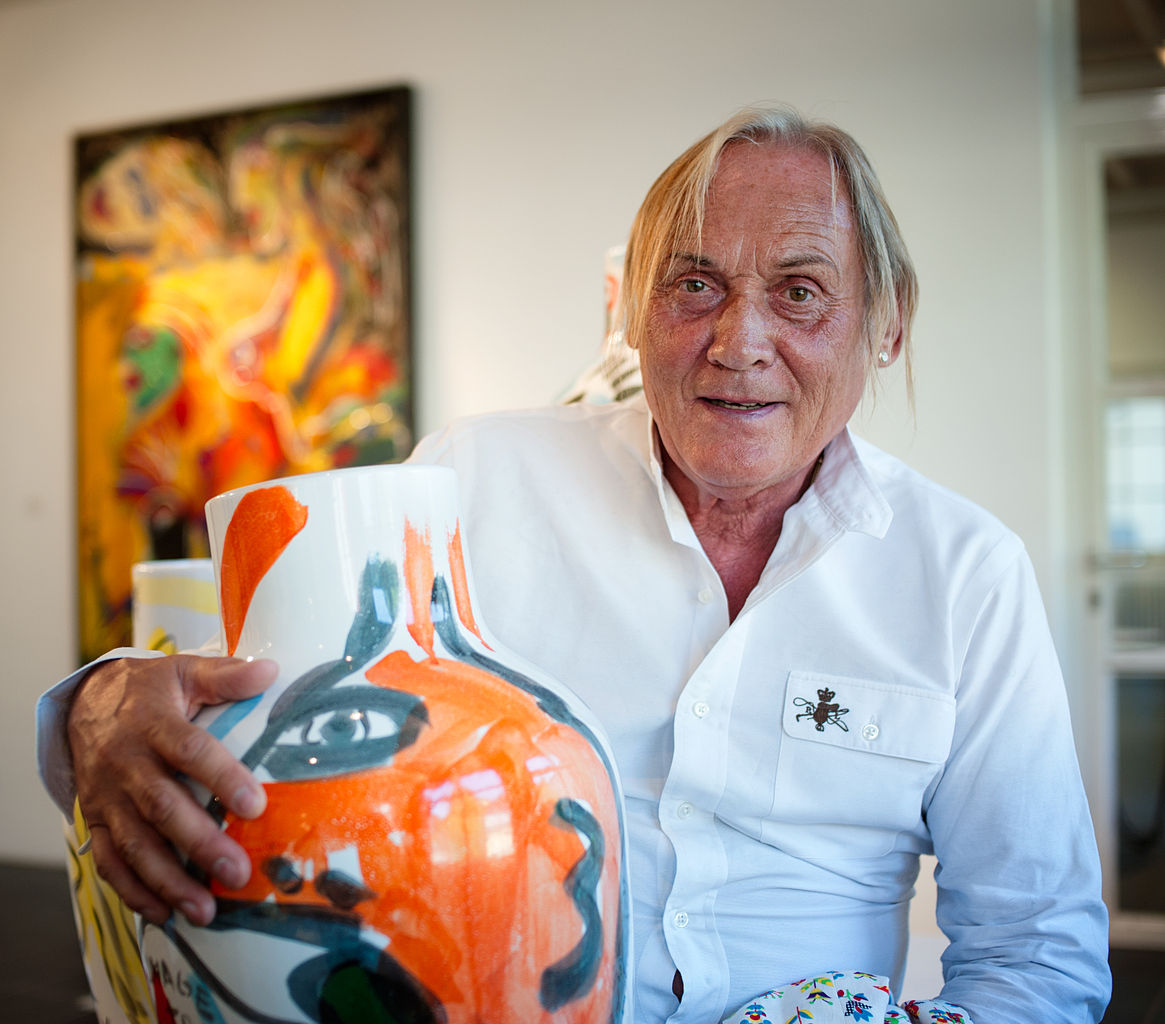
Peter Robert Keil is a German painter and sculptor.
In the beginnings of his artistic career, Peter Keil's style was influenced by German expressionism. However, his style changed visibly at the beginning of the 60s when he lived in Paris for a while and emerged in the city's nightlife. Keil increasingly parted with his realistic approach and developed a new, much more spontaneous and dynamic painting style. Since then, the use of intensive to lurid colours and the absence of realistic representation have become characteristic of his painting style. In his paintings, the colour is applied with quick brushstrokes and occasionally with impasto techniques and the images are additionally abstracted by the use of Graffiti elements. Keil prefers to paint human figures, portraits, big city scenes, landscapes and still life images of flowers. His emotional way of painting is mainly driven by a desire for freedom from social constraints and conventions. In the past 50 years, he has created numerous large- and small scale paintings in oil and mixed media on canvas but also some sculptures in wood and steel and a great number of majolicas.