books and autographs

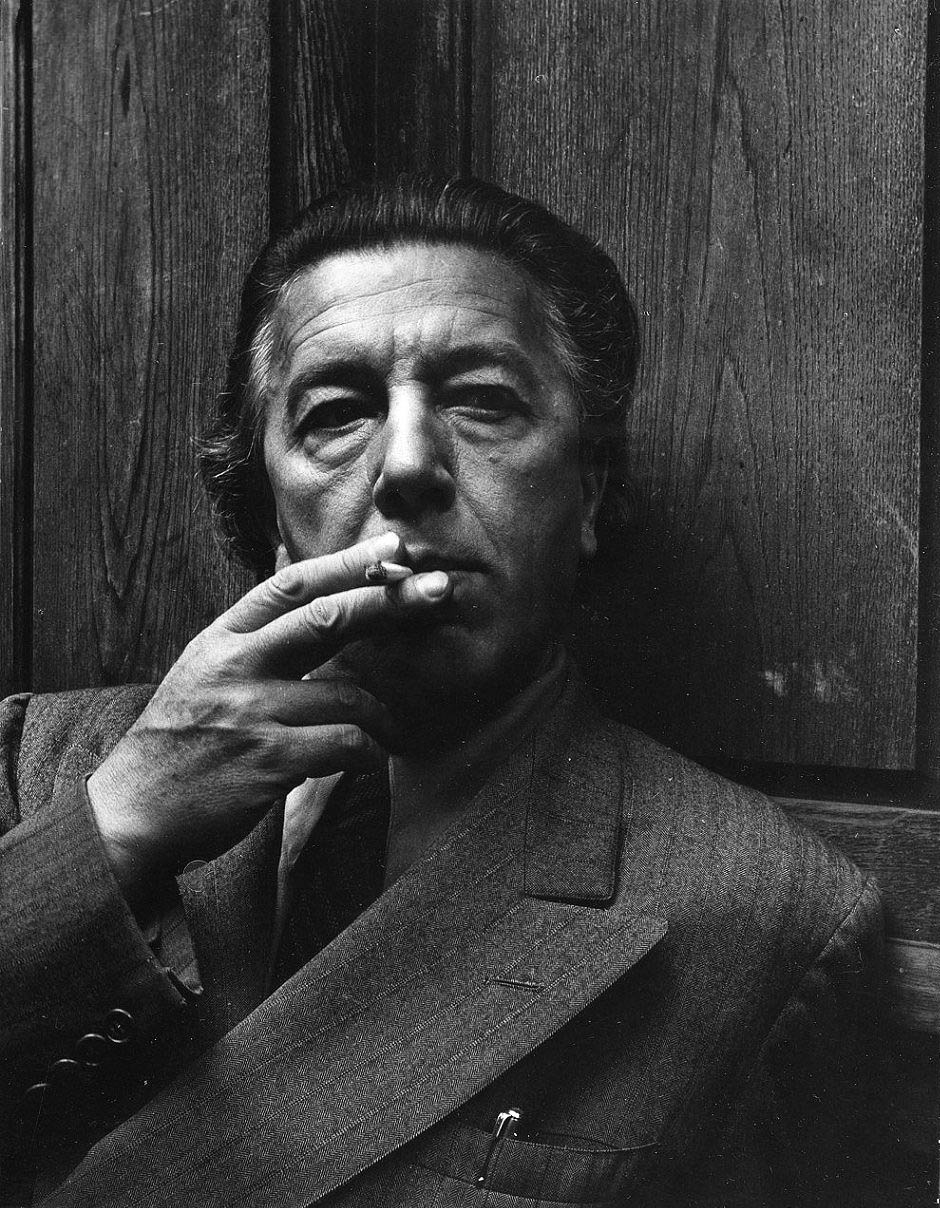
André Breton was a French writer, poet, and anti-fascist, renowned as the principal founder and leading theorist of Surrealism, an influential movement that sought to release the creative potential of the unconscious mind. Born in Tinchebray, France, in 1896, Breton's work was deeply influenced by the theories of Sigmund Freud and was characterized by a fascination with dreams, the irrational, and the workings of the mind. As a cultural icon, his contributions extended beyond literature into the realms of art, sculpture, and painting, making him a pivotal figure in 20th-century artistic movements.
Breton's seminal work, the "Manifesto of Surrealism" (1924), outlined the principles of the movement, advocating for the expression of the subconscious and the importance of dreams as a source of artistic inspiration. His leadership and writings not only shaped Surrealism but also had a lasting impact on the broader culture of art, influencing countless artists, painters, and sculptors. Breton's ability to merge poetry with visual arts led to collaborations with prominent artists like Salvador Dalí, Max Ernst, and Joan Miró, further cementing his legacy as a central figure in modern art.
Notably, André Breton's works and personal collection, which included art pieces and surreal objects, have been displayed in museums and galleries worldwide, showcasing his eclectic taste and profound influence on the art world. His Paris apartment was a gathering place for artists and intellectuals, becoming a hub of Surrealist activity and thought. For collectors and experts in art and antiques, Breton's contributions represent a fascinating intersection of literary prowess and visual creativity, highlighting the enduring relevance of Surrealism.
For those interested in exploring the depths of Surrealism and André Breton's groundbreaking contributions, signing up for updates can provide exclusive access to new product sales and auction events related to this pivotal artist and thinker. This subscription is an invaluable resource for collectors and enthusiasts keen to deepen their understanding of Breton's influence and the broader cultural movements he shaped.
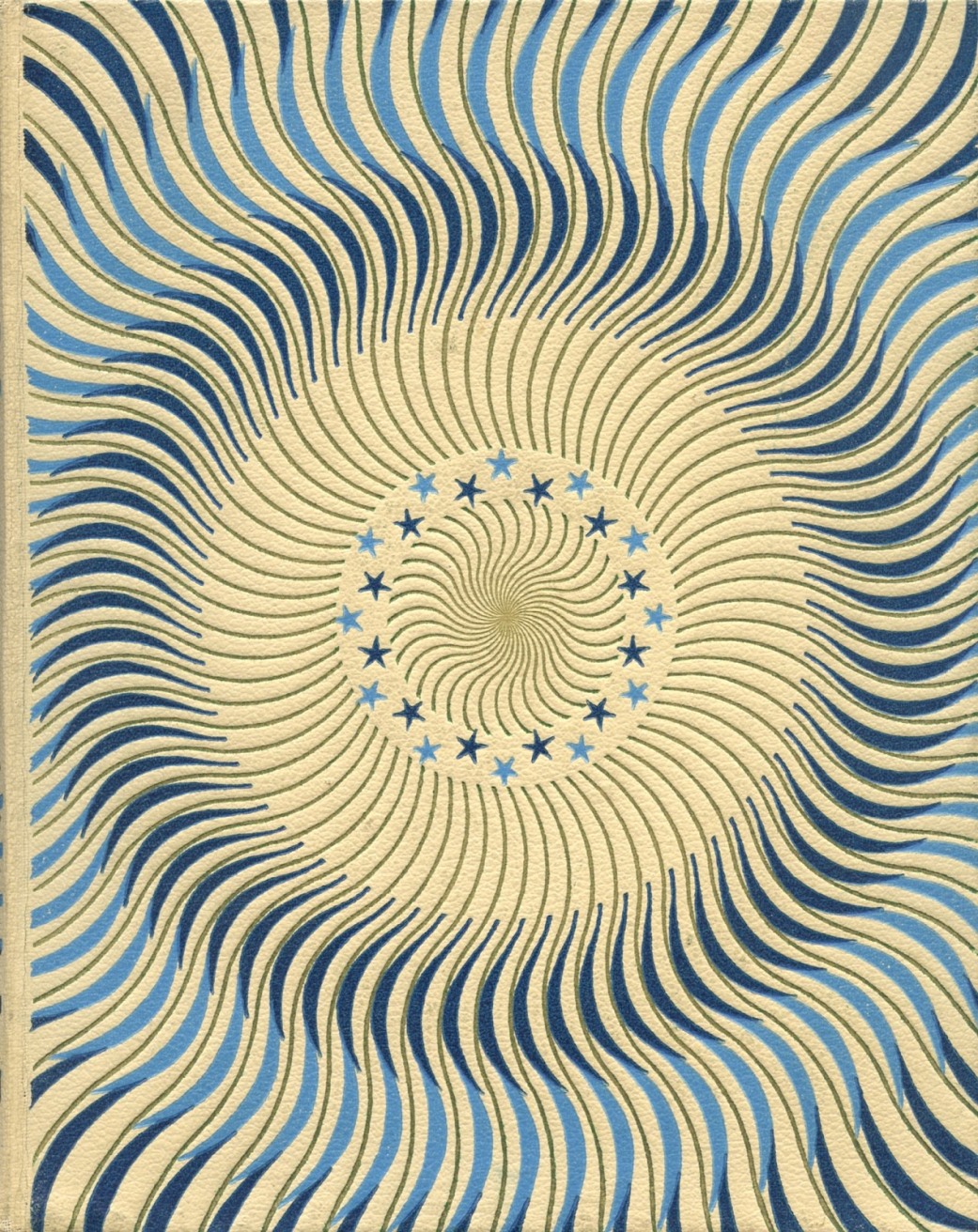
Paul Bonet, birth name Paul Joseph Ghislain Bonet, is a French bookbinder and bookbinding designer, Knight of the Legion of Honor.
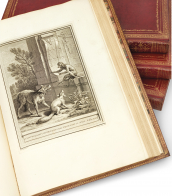
Trained to make fashionable wooden mannequins, Paul Bonet worked in the fashion industry for several years and did not turn to bookbinding until 1920. His bright, colorful designs and prolific work made him famous. His first bindings were exhibited in 1925 at the Gallière Museum, then at the French Book Arts Exhibition, the Salon d'Automne and the Salon des Artistes Décoratifs, and his talent was recognized.
His decoration was particularly innovative. One of the great masters of French bookbinding, Paul Bonet became famous in the 1930s and 1940s for one of his signature patterns, "sunbeams." These patterns consist of many small lines with gold trim, carefully planned and giving the optical illusion of spatial depth.


André Breton was a French writer, poet, and anti-fascist, renowned as the principal founder and leading theorist of Surrealism, an influential movement that sought to release the creative potential of the unconscious mind. Born in Tinchebray, France, in 1896, Breton's work was deeply influenced by the theories of Sigmund Freud and was characterized by a fascination with dreams, the irrational, and the workings of the mind. As a cultural icon, his contributions extended beyond literature into the realms of art, sculpture, and painting, making him a pivotal figure in 20th-century artistic movements.
Breton's seminal work, the "Manifesto of Surrealism" (1924), outlined the principles of the movement, advocating for the expression of the subconscious and the importance of dreams as a source of artistic inspiration. His leadership and writings not only shaped Surrealism but also had a lasting impact on the broader culture of art, influencing countless artists, painters, and sculptors. Breton's ability to merge poetry with visual arts led to collaborations with prominent artists like Salvador Dalí, Max Ernst, and Joan Miró, further cementing his legacy as a central figure in modern art.
Notably, André Breton's works and personal collection, which included art pieces and surreal objects, have been displayed in museums and galleries worldwide, showcasing his eclectic taste and profound influence on the art world. His Paris apartment was a gathering place for artists and intellectuals, becoming a hub of Surrealist activity and thought. For collectors and experts in art and antiques, Breton's contributions represent a fascinating intersection of literary prowess and visual creativity, highlighting the enduring relevance of Surrealism.
For those interested in exploring the depths of Surrealism and André Breton's groundbreaking contributions, signing up for updates can provide exclusive access to new product sales and auction events related to this pivotal artist and thinker. This subscription is an invaluable resource for collectors and enthusiasts keen to deepen their understanding of Breton's influence and the broader cultural movements he shaped.
Paul Bonet, birth name Paul Joseph Ghislain Bonet, is a French bookbinder and bookbinding designer, Knight of the Legion of Honor.
Trained to make fashionable wooden mannequins, Paul Bonet worked in the fashion industry for several years and did not turn to bookbinding until 1920. His bright, colorful designs and prolific work made him famous. His first bindings were exhibited in 1925 at the Gallière Museum, then at the French Book Arts Exhibition, the Salon d'Automne and the Salon des Artistes Décoratifs, and his talent was recognized.
His decoration was particularly innovative. One of the great masters of French bookbinding, Paul Bonet became famous in the 1930s and 1940s for one of his signature patterns, "sunbeams." These patterns consist of many small lines with gold trim, carefully planned and giving the optical illusion of spatial depth.
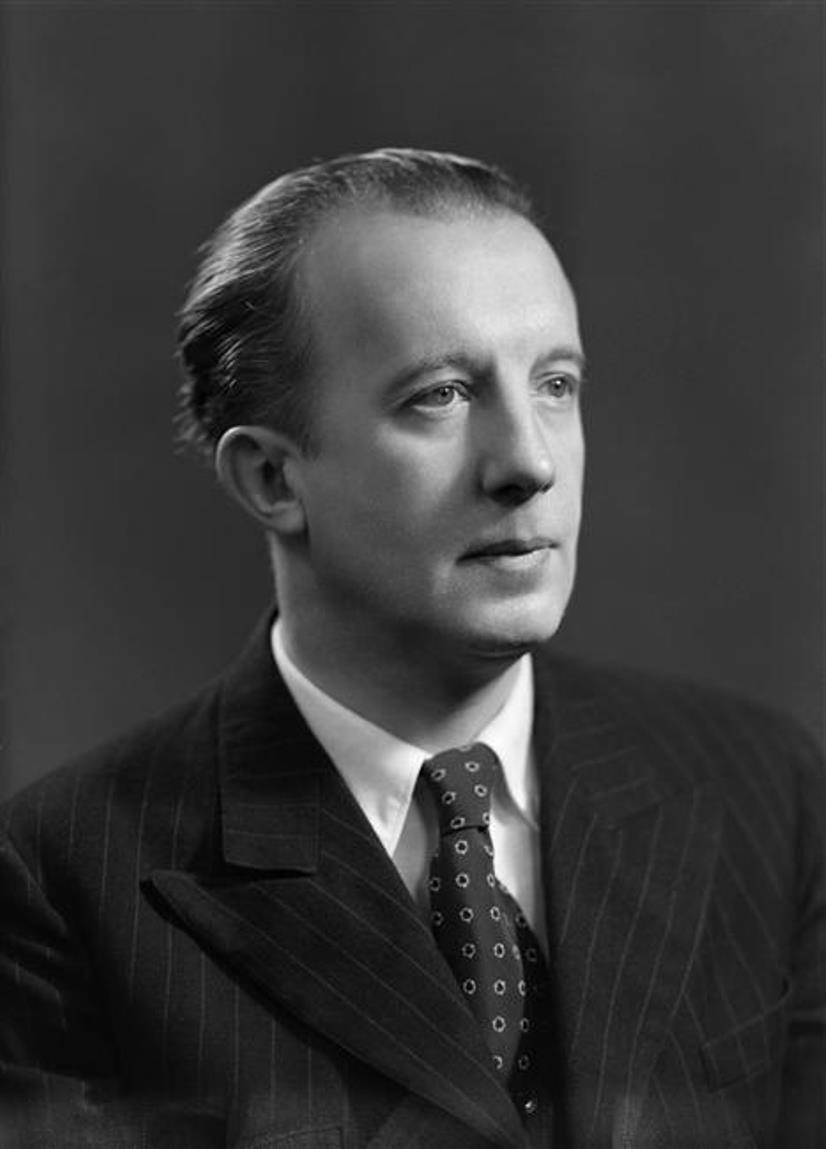



Paul Bonet, birth name Paul Joseph Ghislain Bonet, is a French bookbinder and bookbinding designer, Knight of the Legion of Honor.
Trained to make fashionable wooden mannequins, Paul Bonet worked in the fashion industry for several years and did not turn to bookbinding until 1920. His bright, colorful designs and prolific work made him famous. His first bindings were exhibited in 1925 at the Gallière Museum, then at the French Book Arts Exhibition, the Salon d'Automne and the Salon des Artistes Décoratifs, and his talent was recognized.
His decoration was particularly innovative. One of the great masters of French bookbinding, Paul Bonet became famous in the 1930s and 1940s for one of his signature patterns, "sunbeams." These patterns consist of many small lines with gold trim, carefully planned and giving the optical illusion of spatial depth.
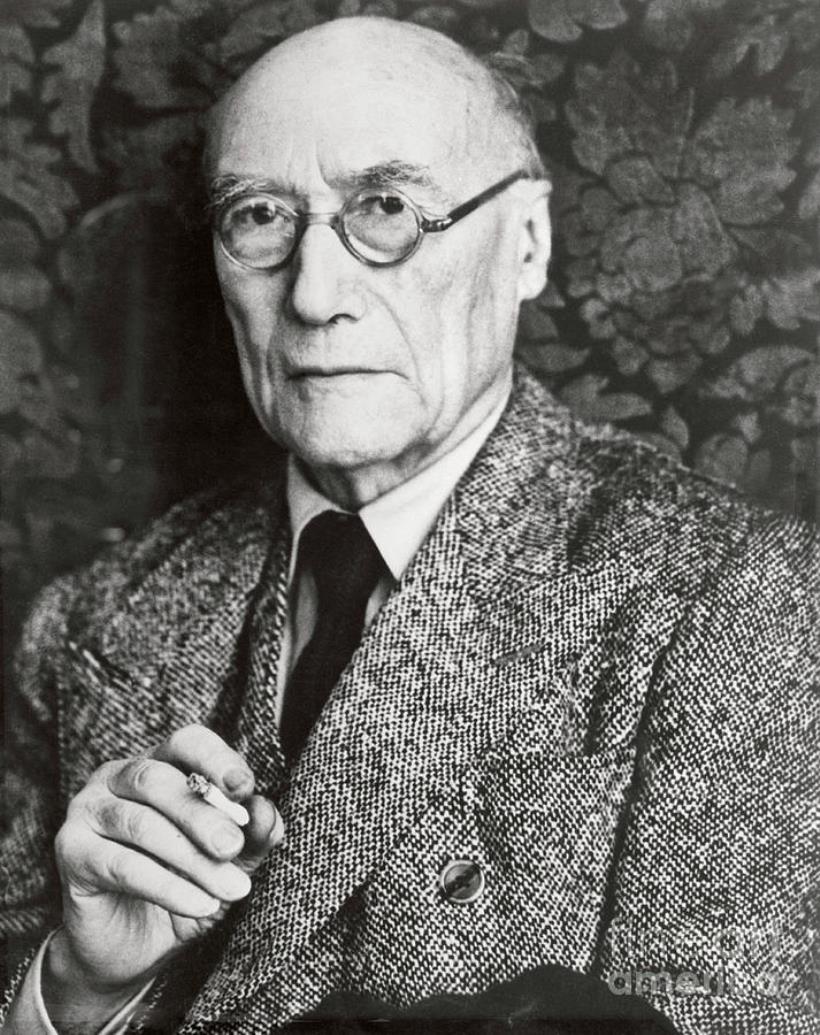

André Breton was a French writer, poet, and anti-fascist, renowned as the principal founder and leading theorist of Surrealism, an influential movement that sought to release the creative potential of the unconscious mind. Born in Tinchebray, France, in 1896, Breton's work was deeply influenced by the theories of Sigmund Freud and was characterized by a fascination with dreams, the irrational, and the workings of the mind. As a cultural icon, his contributions extended beyond literature into the realms of art, sculpture, and painting, making him a pivotal figure in 20th-century artistic movements.
Breton's seminal work, the "Manifesto of Surrealism" (1924), outlined the principles of the movement, advocating for the expression of the subconscious and the importance of dreams as a source of artistic inspiration. His leadership and writings not only shaped Surrealism but also had a lasting impact on the broader culture of art, influencing countless artists, painters, and sculptors. Breton's ability to merge poetry with visual arts led to collaborations with prominent artists like Salvador Dalí, Max Ernst, and Joan Miró, further cementing his legacy as a central figure in modern art.
Notably, André Breton's works and personal collection, which included art pieces and surreal objects, have been displayed in museums and galleries worldwide, showcasing his eclectic taste and profound influence on the art world. His Paris apartment was a gathering place for artists and intellectuals, becoming a hub of Surrealist activity and thought. For collectors and experts in art and antiques, Breton's contributions represent a fascinating intersection of literary prowess and visual creativity, highlighting the enduring relevance of Surrealism.
For those interested in exploring the depths of Surrealism and André Breton's groundbreaking contributions, signing up for updates can provide exclusive access to new product sales and auction events related to this pivotal artist and thinker. This subscription is an invaluable resource for collectors and enthusiasts keen to deepen their understanding of Breton's influence and the broader cultural movements he shaped.
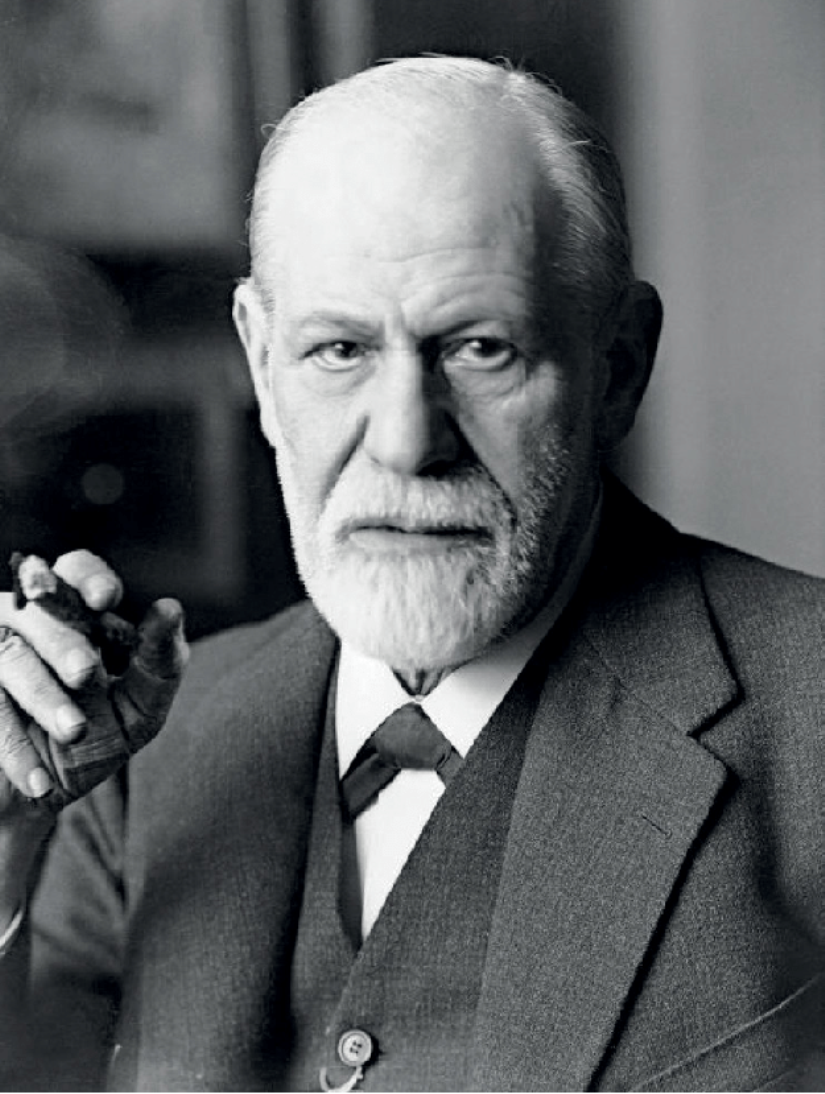
igmund Freud, born Sigismund Schlomo Freud, was an Austrian psychologist, psychiatrist and neurologist, the founder of psychoanalysis.
He graduated from the medical faculty of the University of Vienna, was engaged in self-education and numerous, cutting-edge for his time studies of the human psyche. The resulting psychoanalysis he created was both a theory of the human psyche, a therapy to alleviate its ills, and a tool for interpreting culture and society. Freud's psychoanalysis had a significant impact on psychology, medicine, sociology, anthropology, literature and art in the twentieth century.
Despite the sometimes harsh criticism of virtually all of his ideas and teachings, which continues almost a century after his death, Freud remains one of the most influential intellectual figures of our time.

André Breton was a French writer, poet, and anti-fascist, renowned as the principal founder and leading theorist of Surrealism, an influential movement that sought to release the creative potential of the unconscious mind. Born in Tinchebray, France, in 1896, Breton's work was deeply influenced by the theories of Sigmund Freud and was characterized by a fascination with dreams, the irrational, and the workings of the mind. As a cultural icon, his contributions extended beyond literature into the realms of art, sculpture, and painting, making him a pivotal figure in 20th-century artistic movements.
Breton's seminal work, the "Manifesto of Surrealism" (1924), outlined the principles of the movement, advocating for the expression of the subconscious and the importance of dreams as a source of artistic inspiration. His leadership and writings not only shaped Surrealism but also had a lasting impact on the broader culture of art, influencing countless artists, painters, and sculptors. Breton's ability to merge poetry with visual arts led to collaborations with prominent artists like Salvador Dalí, Max Ernst, and Joan Miró, further cementing his legacy as a central figure in modern art.
Notably, André Breton's works and personal collection, which included art pieces and surreal objects, have been displayed in museums and galleries worldwide, showcasing his eclectic taste and profound influence on the art world. His Paris apartment was a gathering place for artists and intellectuals, becoming a hub of Surrealist activity and thought. For collectors and experts in art and antiques, Breton's contributions represent a fascinating intersection of literary prowess and visual creativity, highlighting the enduring relevance of Surrealism.
For those interested in exploring the depths of Surrealism and André Breton's groundbreaking contributions, signing up for updates can provide exclusive access to new product sales and auction events related to this pivotal artist and thinker. This subscription is an invaluable resource for collectors and enthusiasts keen to deepen their understanding of Breton's influence and the broader cultural movements he shaped.
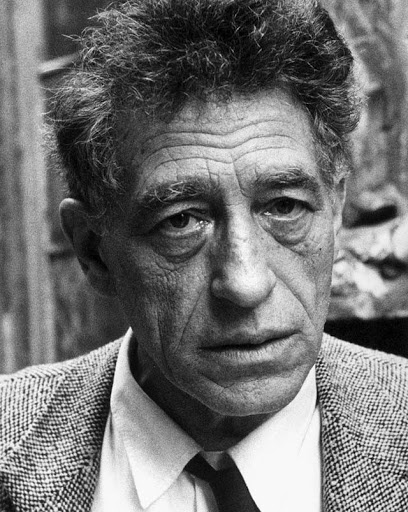
Alberto Giacometti was a Swiss sculptor, painter, draftsman, and printmaker, renowned for his distinctive elongated sculptures of solitary figures. Born in Borgonovo, Switzerland, in 1901, into a family of artists, Giacometti's talent was evident from an early age, encouraged by his father, Giovanni, a post-Impressionist painter, and his godfather, Cuno Amiet, a Fauvist painter. Moving to Paris in 1922 to study under the sculptor Antoine Bourdelle, Giacometti became a pivotal figure in Surrealism before focusing intensely on the human form, leading to his signature style of thin, elongated figures that evoke feelings of solitude and existential dread.
Giacometti's work spans several decades and various phases, including his early involvement with Surrealism and his later, more recognized existential and figurative sculptures. Notably, his sculptures, such as "Walking Man I" and "The Palace at 4 a.m.," reflect his unique view of reality and his relentless pursuit to capture the human essence. His approach was influenced by his associations with prominent figures of the art world, including Miró and Picasso, and intellectuals like Jean-Paul Sartre.
Despite facing challenges, including periods of self-doubt and the physical toll on his health, Giacometti's legacy as a master sculptor and artist remains influential. His works are celebrated worldwide and featured in major museums, such as the Museum of Modern Art in New York and the Tate Gallery in London, testament to his enduring impact on the art world.
Collectors and experts in art and antiques continue to revere Giacometti's work for its emotional depth and unique aesthetic. For those interested in the pioneering spirit of modern sculpture, Alberto Giacometti's oeuvre offers a profound exploration of the human condition and the artist's relentless pursuit of reality through art.
To stay updated on sales and auction events related to Alberto Giacometti's work, sign up for updates. This subscription is an excellent opportunity for collectors and enthusiasts to remain informed about new discoveries and opportunities related to Giacometti's enduring legacy.








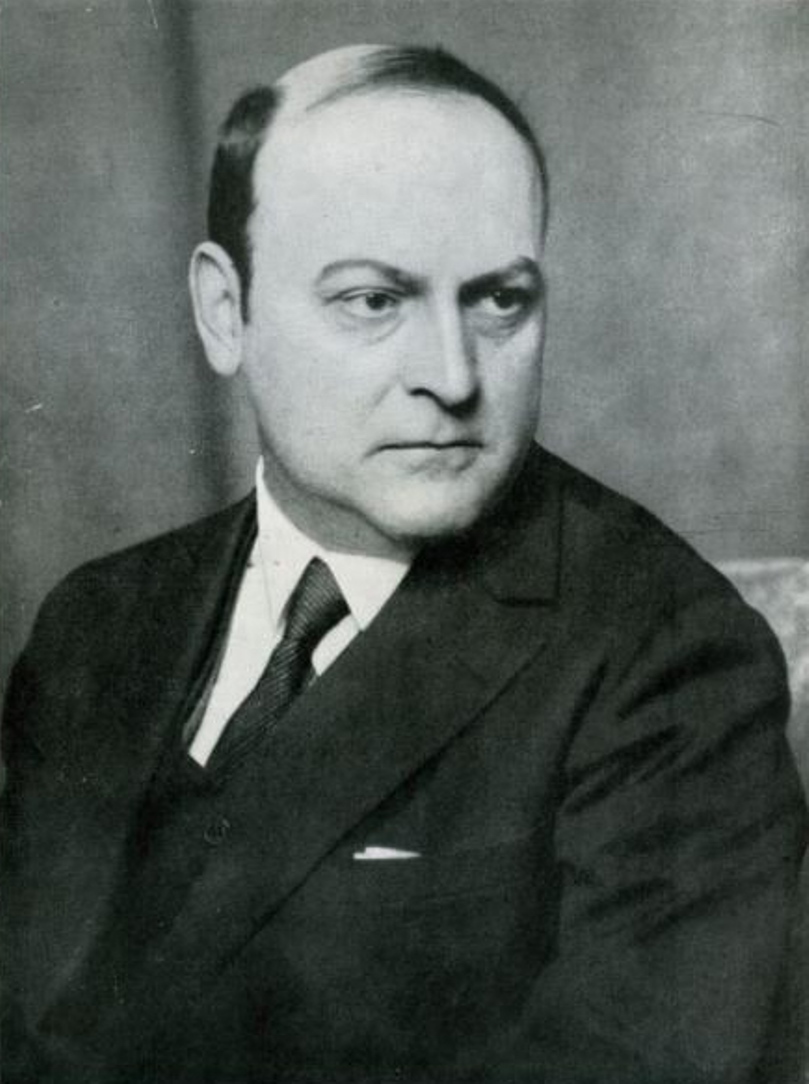
Léon-Paul Fargue was a French poet and novelist, journalist and publicist.
Léon-Paul studied at the Lycée Henry IV in Paris and as a young man became a member of the Symbolist circle associated with Le Mercure de France. His first collection of poems was published in 1912 and reprinted in 1918. After 1930, Fargue practiced journalism almost exclusively, writing newspaper columns and lyrical essays on Parisian life.
Léon Fargue's work encompasses various literary movements, being a kind of bridge from Symbolism to Surrealism. His work has also been associated with the Dadaists and the Cubists, but he followed his own path throughout his life. Fargue was among the founders of the Nouvelle Revue Française in 1912 and participated in the first issue of the surrealist journal Literature in 1919, and was one of the leaders of the experimental journal Commerce in the 1920s. Farg was friends with many writers, artists and composers, including Pablo Picasso and Igor Stravinsky.
In 1937, Léon-Paul Fargue was elected a member of the Académie Mallarmé, and in 1946 he won the Grand Poet Laureate of Paris.