botany


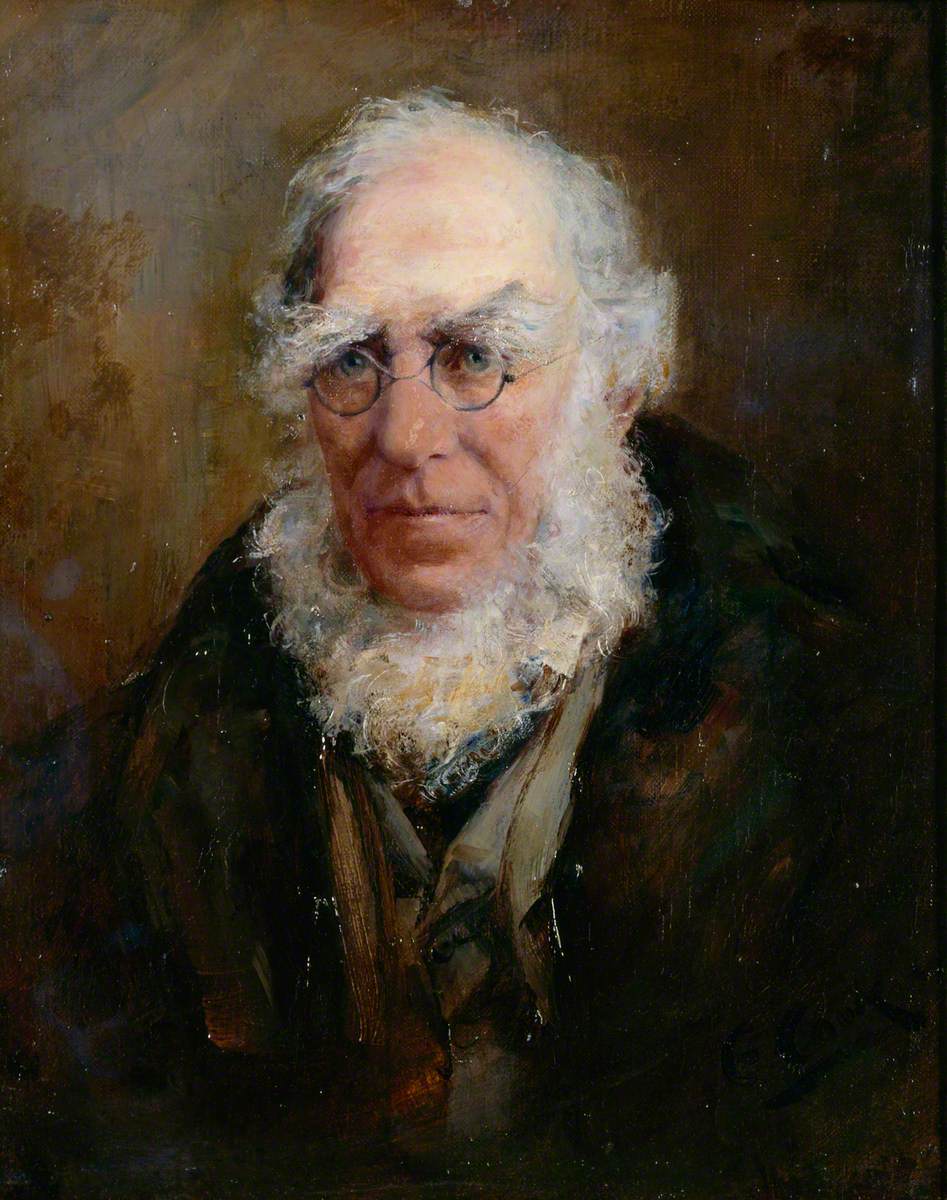

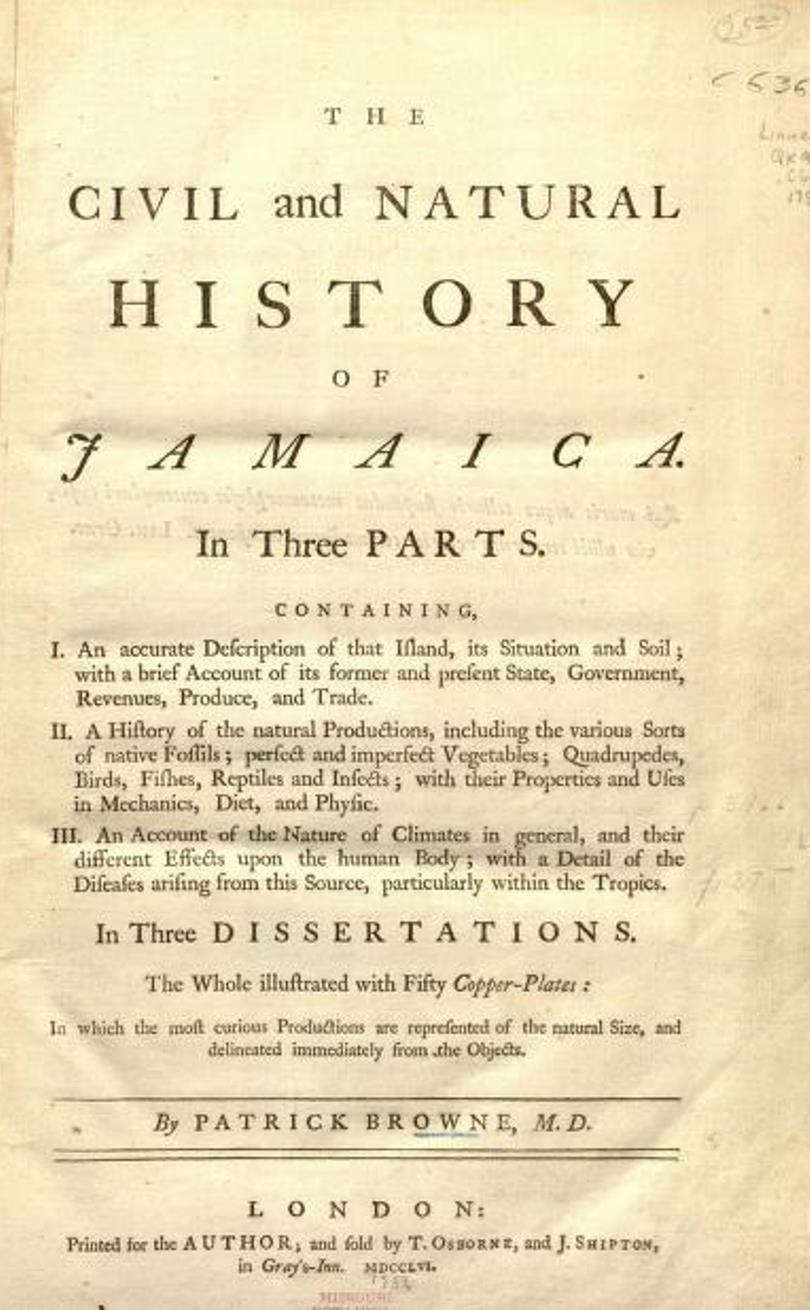
Patrick Browne was an Irish physician and historian, traveler, naturalist and botanist.
Patrick Browne studied medicine in Paris, graduated from the University of Reims, continued his studies in Leiden, and then worked as a doctor at St. Thomas' Hospital in London. Subsequently, he lived for many years in the Caribbean, in Antigua, Santa Cruz, Montserrat and Jamaica, where he practiced medicine. He devoted all his spare time to the study of the natural history of the island. In 1771, Brown returned to Mayo County.
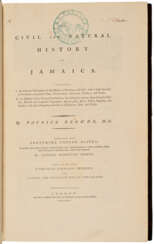
In 1756, Brown published A Civil and Natural History of Jamaica, his most significant work in terms of Carl Linnaeus's botanical nomenclature, which included new names for 104 genera.


William Howe or How was a British botanist and physician.
He studied at St. John's College, Oxford, earning a bachelor's degree and then a master's degree in medicine. He served briefly in the King's army as a cavalry commander, and later returned to the medical profession and practiced in London.
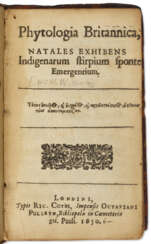
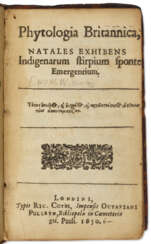
In his Phytologia Britannica, natales exhibens Indigenarum stirpium sponte Emergentium ("Phytology Britannica"), published in London in 1650, William Howe combined Thomas Johnson's catalogs into a single alphabetical list, supplemented with additional plants from other sources. This was the first edition of the book to compile for the first time all the known plants of Britain with descriptions of their occurrence.


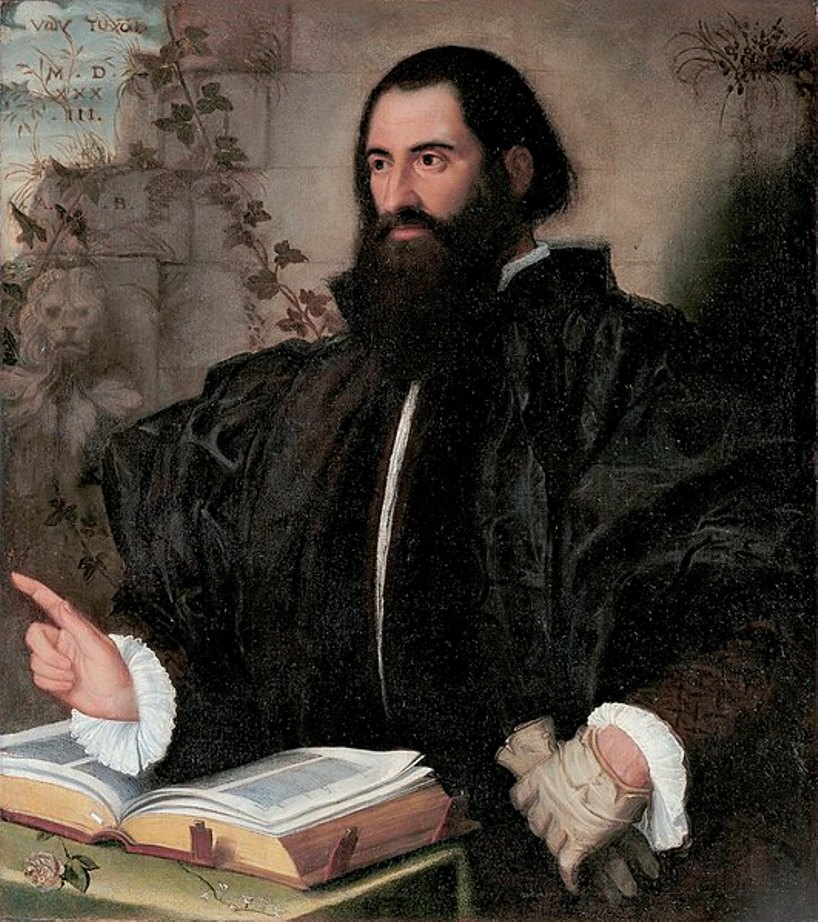
Pietro Andrea Gregorio Mattioli was a 16th-century Italian physician, botanist and pharmacist.
Mattioli studied medicine in Padua and obtained a medical practice first in his hometown. Later, in the 1555-1560s, he served as personal physician to the imperial court of Ferdinand II, Archduke of Austria, and Emperor Maximilian II. This high position allowed him to test the effects of poisonous plants on prisoners for scientific purposes.
Mattioli published several scientific works in which he included many of his own observations on the flora of the Alps, including previously unexplored plants. These works, based on the study of books by predecessor scientists, gave impetus to the development of botany throughout Italy at the time. Mattioli kept up a lively correspondence with other researchers, describing specimens of rare plants received from them. The genus of flowering plants Matthiola is named after Mattioli.


Pietro Andrea Gregorio Mattioli was a 16th-century Italian physician, botanist and pharmacist.
Mattioli studied medicine in Padua and obtained a medical practice first in his hometown. Later, in the 1555-1560s, he served as personal physician to the imperial court of Ferdinand II, Archduke of Austria, and Emperor Maximilian II. This high position allowed him to test the effects of poisonous plants on prisoners for scientific purposes.
Mattioli published several scientific works in which he included many of his own observations on the flora of the Alps, including previously unexplored plants. These works, based on the study of books by predecessor scientists, gave impetus to the development of botany throughout Italy at the time. Mattioli kept up a lively correspondence with other researchers, describing specimens of rare plants received from them. The genus of flowering plants Matthiola is named after Mattioli.
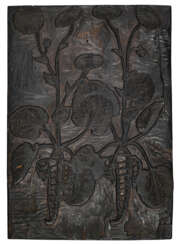

Pietro Andrea Gregorio Mattioli was a 16th-century Italian physician, botanist and pharmacist.
Mattioli studied medicine in Padua and obtained a medical practice first in his hometown. Later, in the 1555-1560s, he served as personal physician to the imperial court of Ferdinand II, Archduke of Austria, and Emperor Maximilian II. This high position allowed him to test the effects of poisonous plants on prisoners for scientific purposes.
Mattioli published several scientific works in which he included many of his own observations on the flora of the Alps, including previously unexplored plants. These works, based on the study of books by predecessor scientists, gave impetus to the development of botany throughout Italy at the time. Mattioli kept up a lively correspondence with other researchers, describing specimens of rare plants received from them. The genus of flowering plants Matthiola is named after Mattioli.
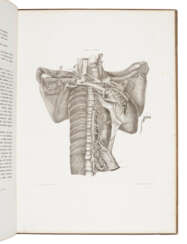

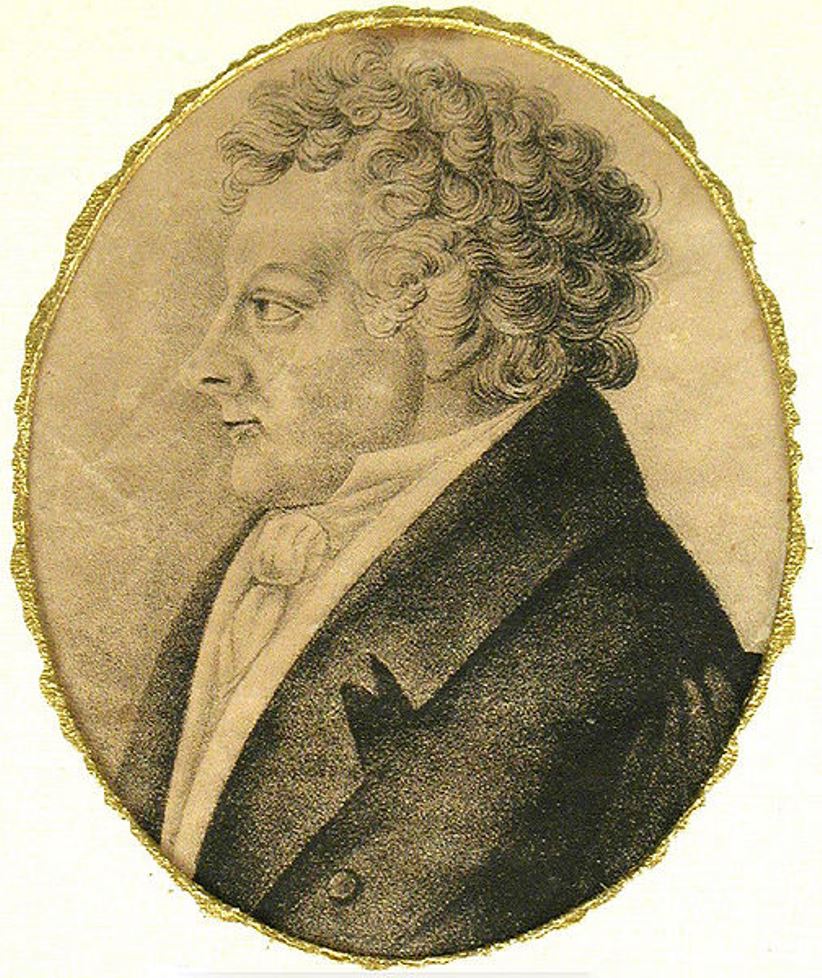
Johann Friedrich Meckel the Younger was a German anatomist, biologist and professor of anatomy.
Meckel came from a family of physicians; his grandfather and father were physicians and anatomists and had their own anatomical museum at home. Meckel studied medicine at the universities of Halle and Göttingen, writing his doctoral dissertation on congenital anomalies of the heart. As a pathologist, he specialized in the study of congenital malformations and aspects of lung and blood vessel development. He also described Meckel's diverticulum, which he discovered during a pathologic examination, and became the founder of the science of teratology.
After Napoleon's occupation, the University of Halle reopened in May 1808, and Meckel was appointed professor of surgery, normal and pathological anatomy, and obstetrics. He taught throughout his life, continued to conduct research in pathology, and collected specimens for his collection. The scientist was the author of numerous articles and several multi-volume treatises, including one on pathologic anatomy and an atlas depicting human anomalies. His principal labors were devoted to the comparative morphology of vertebrates. In 1810 he completed the translation of Cuvier's (1769-1832) five-volume Leçons d'anatomie Comparée from French into German.
Meckel was a member of the German Academy of Naturalists "Leopoldina," a corresponding member of the Paris Academy of Sciences, and a foreign member of the Royal Society of London.
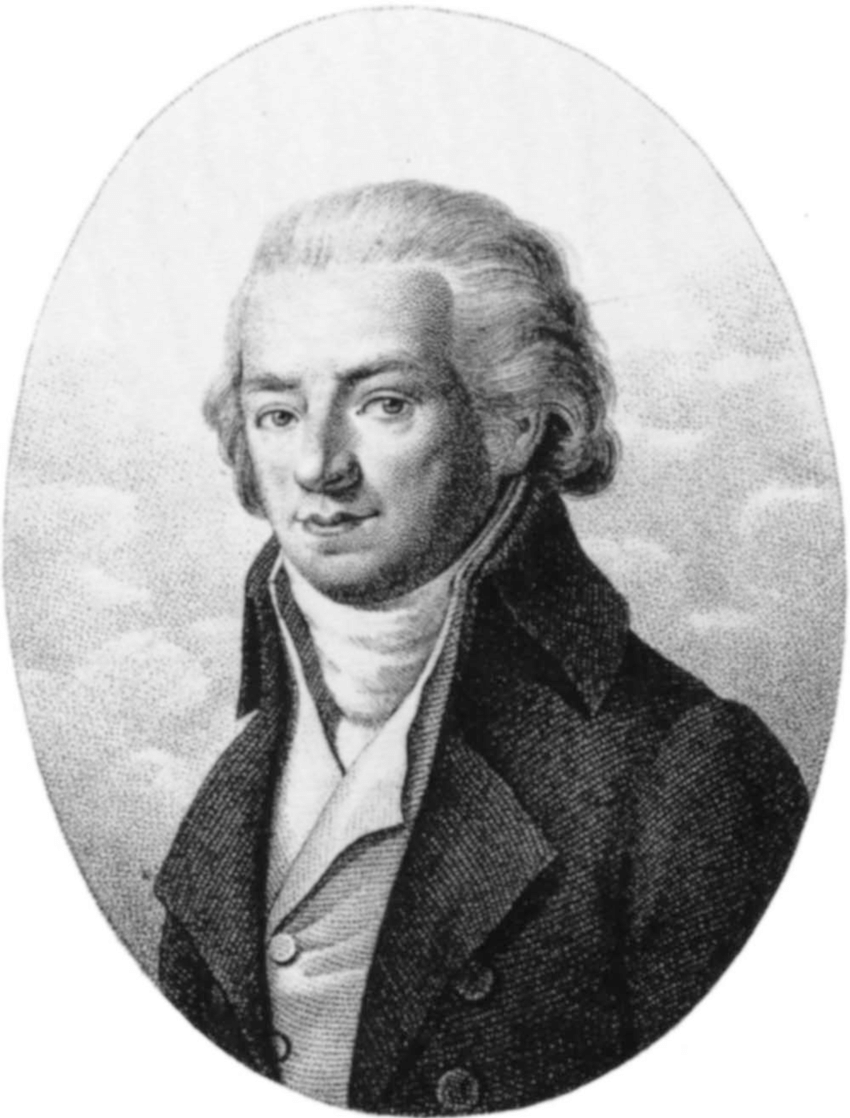
Samuel Thomas von Soemmering was a German physician, anatomist, anthropologist, paleontologist, physiologist and inventor.
He studied medicine at Göttingen, where he received his doctorate, and in the same year became professor of anatomy at Kassel, then at Mainz. Among Soemmering's contributions to biology are the discovery of the macula in the retina of the human eye, studies of the brain, lungs, nervous system, and embryonic malformations, and he published many papers in the fields of neuroanatomy, anthropology, and paleontology. He was the first to give a reasonably accurate account of the structure of the female skeleton.
Soemmering also worked on fossil crocodiles and pterodactyls, which at the time were called ornithocephalians. In addition, Soemmering dabbled in chemistry, astronomy, philosophy, and various other fields of science. Among other things, he investigated the refinement of wines and sunspots, and designed a telescope for astronomical observations. In 1809, Soemmering developed a sophisticated telegraph system based on electrochemical current, which is now preserved in the German Science Museum in Munich.
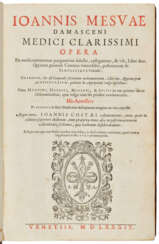

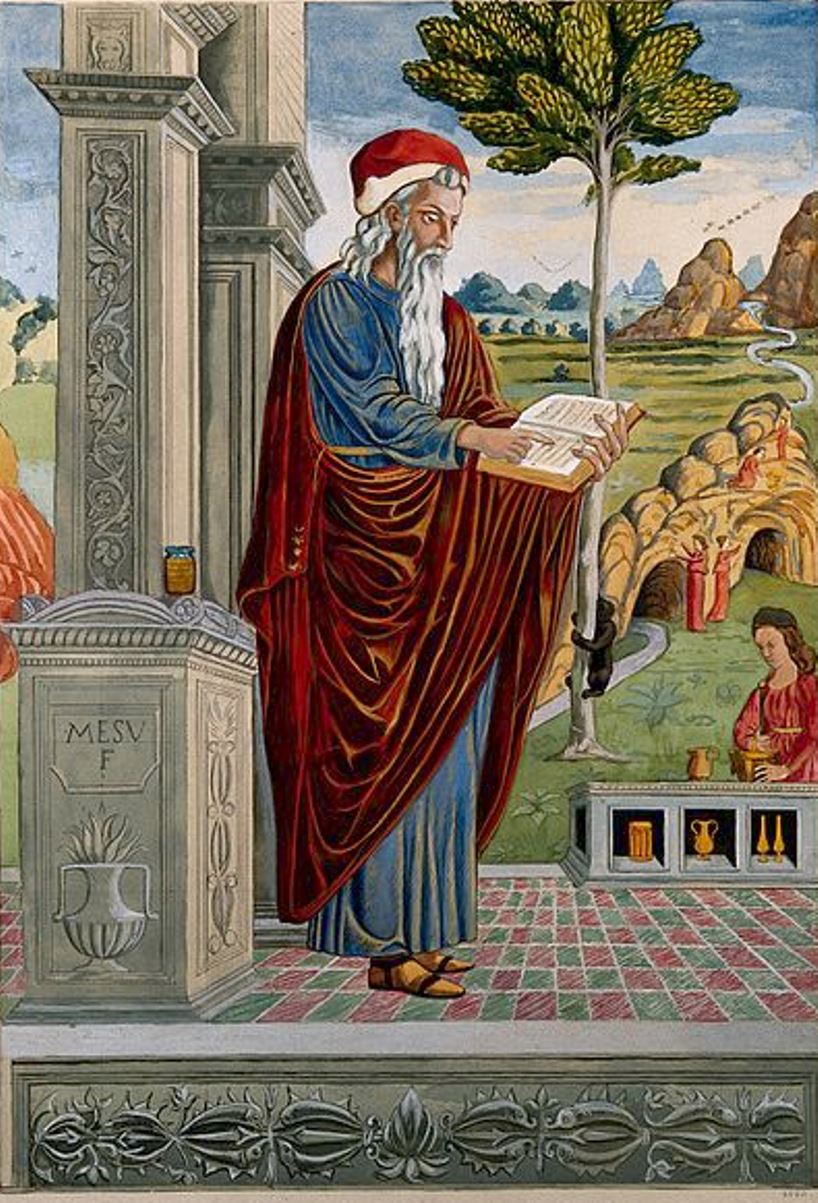
Yuhanna ibn Masawaih (Arabic: يوحنا بن ماسويه), also written as Ibn Masawaih, Janus Damascene or Mesue, Masuya (Masawaih, Masawaiyyh, Latin. Janus Damascenus, or Mesue, Masuya, Mesue Major) was a Persian or Assyrian East Syrian Christian physician.
Born into the family of a pharmacist and physician from Gundishapur, Masawaih's father was Assyrian and his mother Slavic. In Baghdad he studied under the Nestorian physician Jabril ibn Buhtishu (8th century). After becoming the director of a hospital in Baghdad, he was also the personal physician of four caliphs.
He wrote medical treatises on a number of topics, including ophthalmology, fever, leprosy, headache, melancholia, dietetics, physician testing, and medical aphorisms. One of the treatises deals with aromatic substances and is entitled On Simple Aromatic Substances. Masawaih translated various Greek medical works into Syriac, but wrote his own work in Arabic.
Many anatomical and medical works are attributed to him, notably The Disease of the Eyes, the earliest systematic treatise on ophthalmology extant in Arabic, and Aphorisms, whose Latin translation was very popular in the Middle Ages. Masawaih's books became a major conduit of Arabic knowledge to the Latin-speaking world and formed the basis of pharmaceutical education in the early modern period. His works, best known for his knowledge of ophthalmology, gynecology, and anatomy, are among the earliest Arabic medical texts available in Europe.
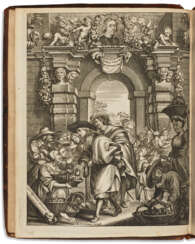

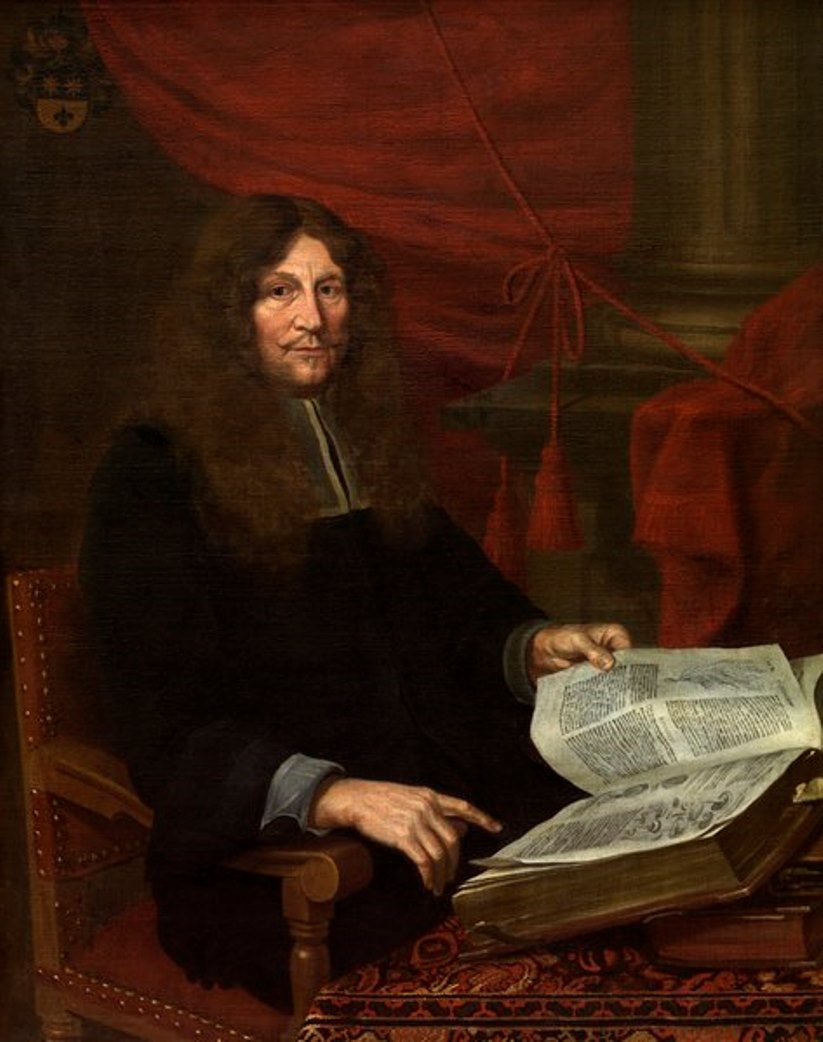
Frans van Sterbeeck or Johannes Franciscus van Sterbeeck was a Flemish clergyman, botanist and mycologist, painter, architect and historian.
In addition to his work as a priest, van Sterbeeck had a passion for botany and corresponded with prominent botanists of his time, including John Ray. In particular, he made a serious study of fungi and as a result produced a work entitled Theatrum fungorum oft het tooneel der Campernoelien, published in Antwerp in 1675. This richly illustrated book in Dutch describes the edible and poisonous species of mushrooms.
Frans van Sterbeeck also designed the main altar of the Antwerp Preaching Church and the portal of the Beguinage Church in 1680, and wrote two works on historical subjects.
![Johann Wilhelm Weinmann | [Phytanthoza iconographia, Dutch edition], Amsterdam, 1736-1748, fine engraved and mezzotint plates, printed in colours and finished by hand](/assets/image/picture_3553150/3e7db/g2yw3bupouens3hdnhlq-noaoh-o2sqjso298iyjisgoiz0hhf44foapd1rd4p1699101121jpg__fix_374_244.jpeg)
![Johann Wilhelm Weinmann | [Phytanthoza iconographia, Dutch edition], Amsterdam, 1736-1748, fine engraved and mezzotint plates, printed in colours and finished by hand](https://veryimportantlot.com/assets/image/picture_3553150/3e7db/g2yw3bupouens3hdnhlq-noaoh-o2sqjso298iyjisgoiz0hhf44foapd1rd4p1699101121jpg__fix_374_244.jpeg)




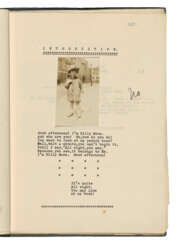

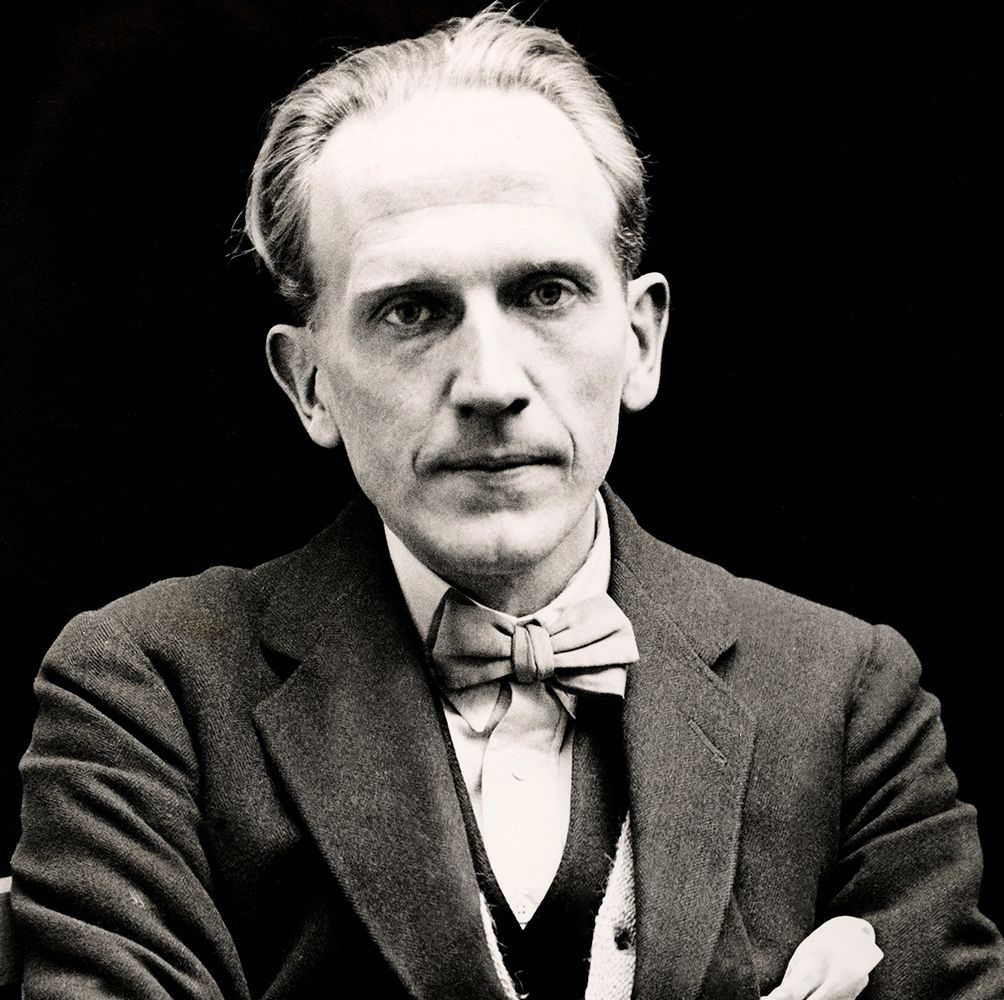
Alan Alexander Milne was a British journalist, playwright and children's author.
While studying at Trinity College, Cambridge, Milne began writing for Granta magazine, and in 1906 he joined the humor magazine Punch, where he wrote humorous poems and quirky essays until 1914. During World War I he served as a communications officer, and afterward, in 1920, Milne had a son, Christopher Robin, whose name soon became known to the world.
From 1921 Milne wrote several comedy plays and also began writing children's poetry and prose for his young son, having finally found his calling. Milne's major successes were his books Winnie the Pooh (1926) and The House on Pooh Corner (1928). These two volumes tell the adventures of a boy named Christopher Robin and his playmates - animals that were "born" from the toys of the real Christopher Robin. The central character is Winnie the Pooh Bear, accompanied by the fussy Rabbit, the sullen Donkey Ia, the bouncy tiger Tigger, the kind kangaroo Kanga and her baby Roo, the wise Owl and the timid Piglet. The adventures of Pooh and his friends in the forest of One Hundred Acres with illustrations by Ernest Shepard became bestsellers.
They were translated into different languages of the world and reprinted many times, filmed cartoons. In 1929 Milne adapted another children's classic, Kenneth Graham's The Wind in the Willows, for stage production as Toad of Toad Hall. Ten years later he wrote an autobiography, Now It's Too Late.
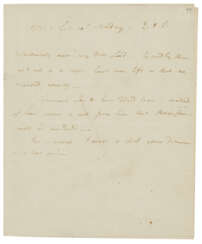

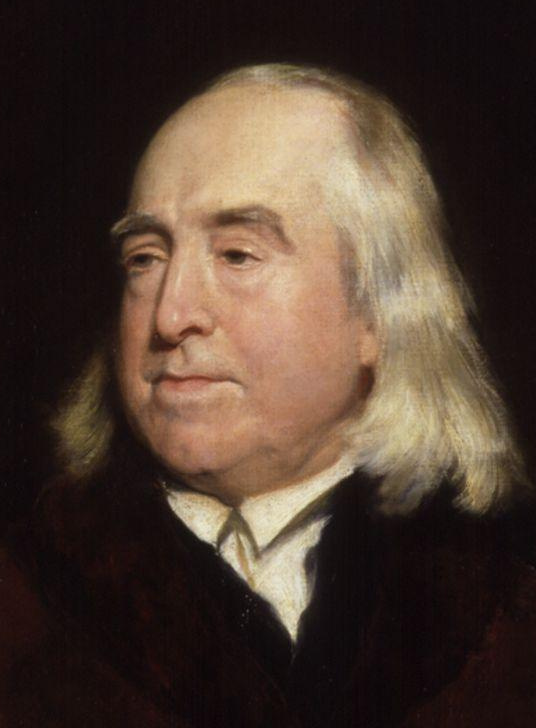


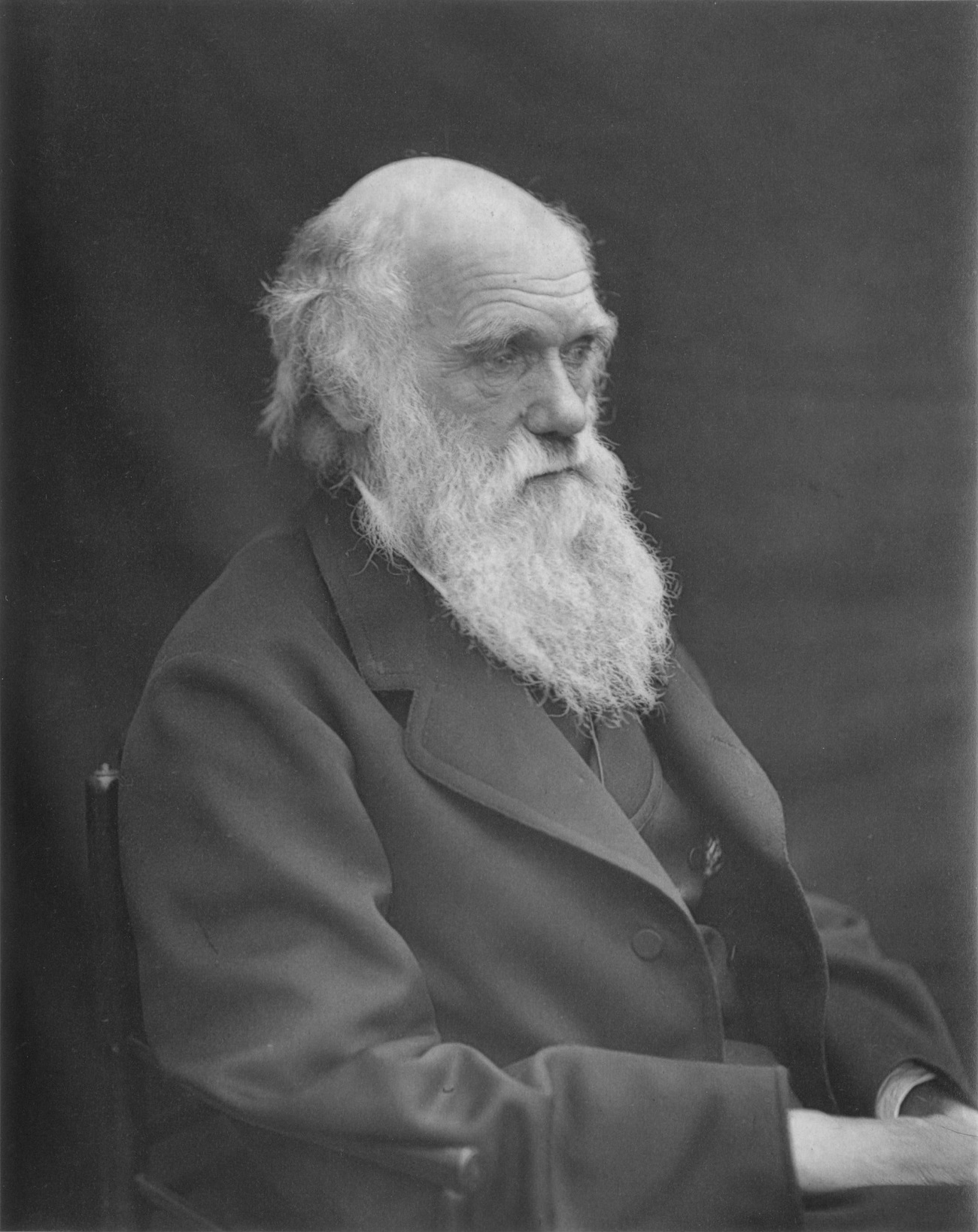
Charles Robert Darwin was an English naturalist, geologist, and biologist, widely known for contributing to the understanding of evolutionary biology. His proposition that all species of life have descended from a common ancestor is now generally accepted and considered a fundamental concept in science. In a joint publication with Alfred Russel Wallace, he introduced his scientific theory that this branching pattern of evolution resulted from a process that he called natural selection, in which the struggle for existence has a similar effect to the artificial selection involved in selective breeding. Darwin has been described as one of the most influential figures in human history, and he was honoured by burial in Westminster Abbey.

![“Desmanthus cinereus” and “Tagetes erecta fl[ore] pl[eno] var”](/assets/image/picture_3695458/7977d/minecppby3miqggjrjbbxg7ocn-jcn-uzd5mxywp6wygcodgxirzltuqgfyuook1704446216jpg__fix_374_244.jpeg)
![“Desmanthus cinereus” and “Tagetes erecta fl[ore] pl[eno] var”](https://veryimportantlot.com/assets/image/picture_3695458/7977d/minecppby3miqggjrjbbxg7ocn-jcn-uzd5mxywp6wygcodgxirzltuqgfyuook1704446216jpg__fix_374_244.jpeg)



Yuhanna ibn Masawaih (Arabic: يوحنا بن ماسويه), also written as Ibn Masawaih, Janus Damascene or Mesue, Masuya (Masawaih, Masawaiyyh, Latin. Janus Damascenus, or Mesue, Masuya, Mesue Major) was a Persian or Assyrian East Syrian Christian physician.
Born into the family of a pharmacist and physician from Gundishapur, Masawaih's father was Assyrian and his mother Slavic. In Baghdad he studied under the Nestorian physician Jabril ibn Buhtishu (8th century). After becoming the director of a hospital in Baghdad, he was also the personal physician of four caliphs.
He wrote medical treatises on a number of topics, including ophthalmology, fever, leprosy, headache, melancholia, dietetics, physician testing, and medical aphorisms. One of the treatises deals with aromatic substances and is entitled On Simple Aromatic Substances. Masawaih translated various Greek medical works into Syriac, but wrote his own work in Arabic.
Many anatomical and medical works are attributed to him, notably The Disease of the Eyes, the earliest systematic treatise on ophthalmology extant in Arabic, and Aphorisms, whose Latin translation was very popular in the Middle Ages. Masawaih's books became a major conduit of Arabic knowledge to the Latin-speaking world and formed the basis of pharmaceutical education in the early modern period. His works, best known for his knowledge of ophthalmology, gynecology, and anatomy, are among the earliest Arabic medical texts available in Europe.






William Howe or How was a British botanist and physician.
He studied at St. John's College, Oxford, earning a bachelor's degree and then a master's degree in medicine. He served briefly in the King's army as a cavalry commander, and later returned to the medical profession and practiced in London.
In his Phytologia Britannica, natales exhibens Indigenarum stirpium sponte Emergentium ("Phytology Britannica"), published in London in 1650, William Howe combined Thomas Johnson's catalogs into a single alphabetical list, supplemented with additional plants from other sources. This was the first edition of the book to compile for the first time all the known plants of Britain with descriptions of their occurrence.

Patrick Browne was an Irish physician and historian, traveler, naturalist and botanist.
Patrick Browne studied medicine in Paris, graduated from the University of Reims, continued his studies in Leiden, and then worked as a doctor at St. Thomas' Hospital in London. Subsequently, he lived for many years in the Caribbean, in Antigua, Santa Cruz, Montserrat and Jamaica, where he practiced medicine. He devoted all his spare time to the study of the natural history of the island. In 1771, Brown returned to Mayo County.
In 1756, Brown published A Civil and Natural History of Jamaica, his most significant work in terms of Carl Linnaeus's botanical nomenclature, which included new names for 104 genera.

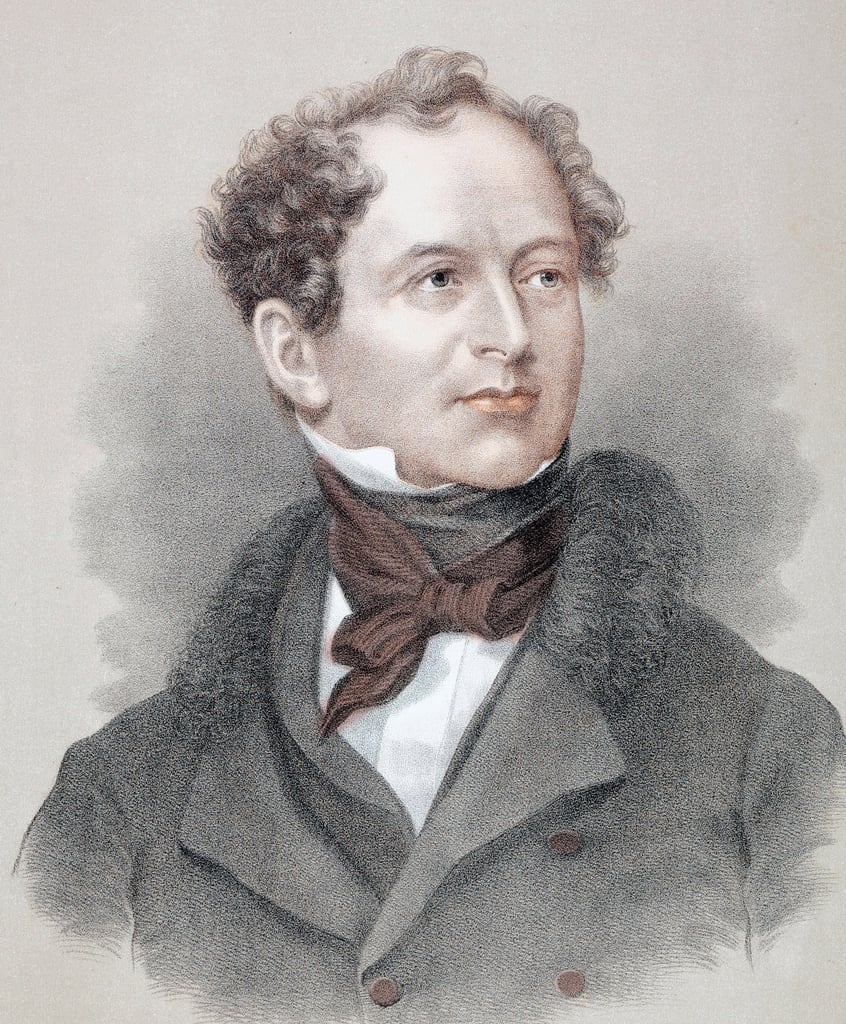
Thomas Moore was a British poet, songwriter and composer, a representative of Irish Romanticism.
Thomas graduated from Dublin University, from the age of 14 he collaborated with various Dublin journals. In 1800 he published his "Odes of Anacreon", and a year later - a collection of Poems by the late Thomas Little ("Poems by the late Thomas Little") and became widely known. Visiting the United States, Moore published a collection of poems, where he spoke about this country very sharply.
In 1812, Thomas Moore met Byron, became his close friend and wrote one of the best biographies of him, published in 1835. Moore's most famous works are "The Last Rose of Summer" and the collection "Irish Melodies" (1807-1834), which brought him a stable income for many years. In Russia, however, he is known primarily for the poem Those evening bells from the collection published in 1818. The poem was translated by Ivan Kozlov, and it turned into the famous and beloved song "Evening Bells".
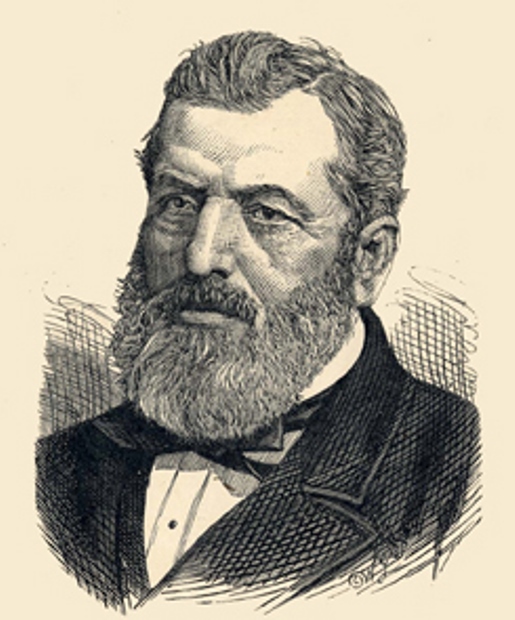

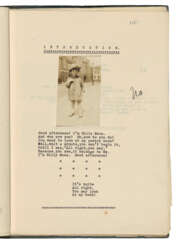

Alan Alexander Milne was a British journalist, playwright and children's author.
While studying at Trinity College, Cambridge, Milne began writing for Granta magazine, and in 1906 he joined the humor magazine Punch, where he wrote humorous poems and quirky essays until 1914. During World War I he served as a communications officer, and afterward, in 1920, Milne had a son, Christopher Robin, whose name soon became known to the world.
From 1921 Milne wrote several comedy plays and also began writing children's poetry and prose for his young son, having finally found his calling. Milne's major successes were his books Winnie the Pooh (1926) and The House on Pooh Corner (1928). These two volumes tell the adventures of a boy named Christopher Robin and his playmates - animals that were "born" from the toys of the real Christopher Robin. The central character is Winnie the Pooh Bear, accompanied by the fussy Rabbit, the sullen Donkey Ia, the bouncy tiger Tigger, the kind kangaroo Kanga and her baby Roo, the wise Owl and the timid Piglet. The adventures of Pooh and his friends in the forest of One Hundred Acres with illustrations by Ernest Shepard became bestsellers.
They were translated into different languages of the world and reprinted many times, filmed cartoons. In 1929 Milne adapted another children's classic, Kenneth Graham's The Wind in the Willows, for stage production as Toad of Toad Hall. Ten years later he wrote an autobiography, Now It's Too Late.