

camper van
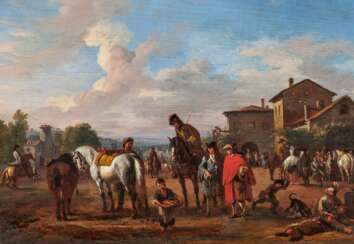

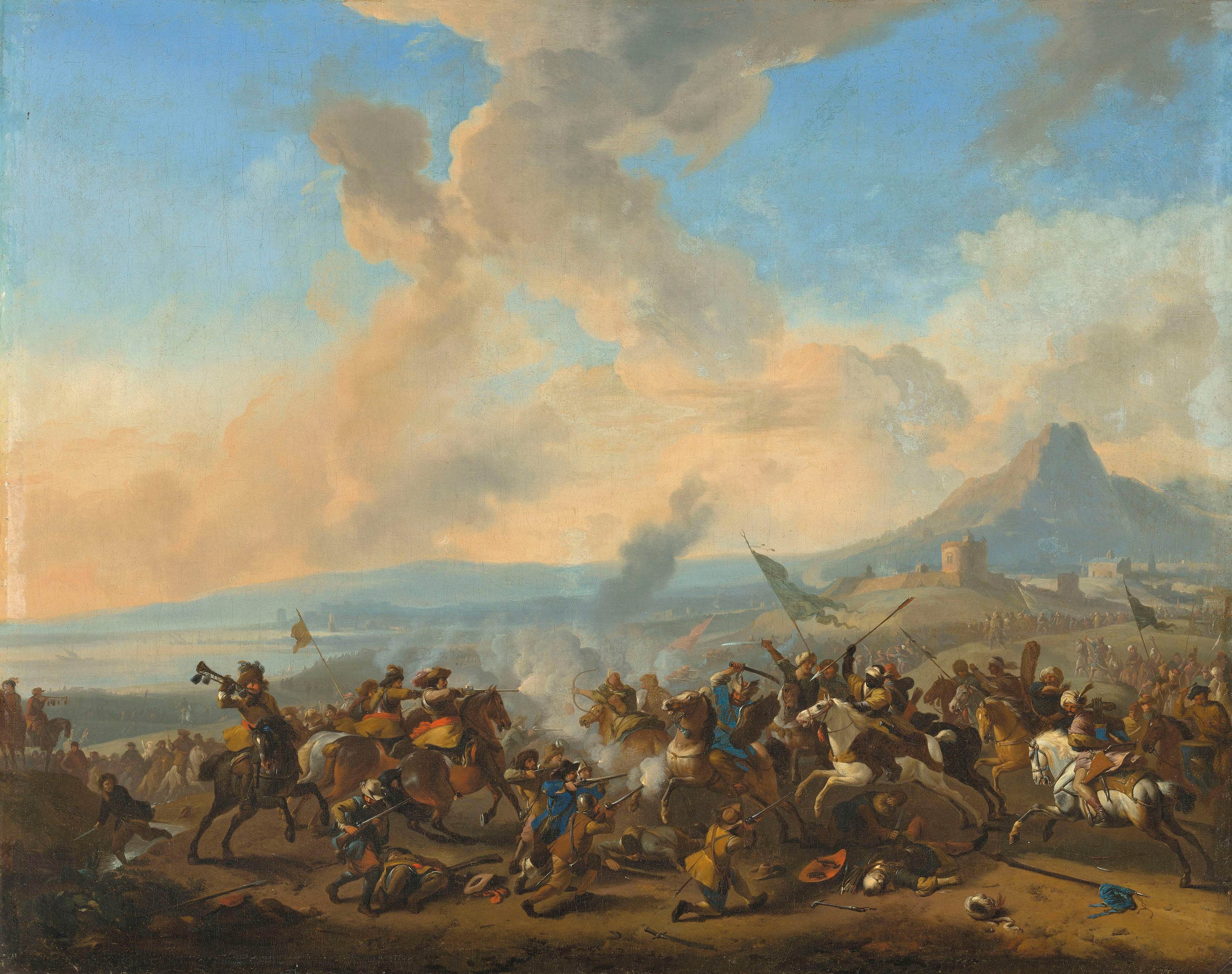
Jan van Huchtenburgh was a Dutch painter of the Dutch Golden Age who specialised in battle scenes and landscapes.
Jan van Huchtenburgh was known for his ability to create dramatic and dynamic battle scenes, often depicting historical events of the 17th and 18th centuries. His work is noted for its precision and attention to detail, as well as his use of light and shadow to create a sense of depth and drama.
In addition to battle scenes, Huchtenburg was also a skilled landscape painter. He often depicted scenes of the Dutch countryside with rolling hills, winding rivers and expansive skies.

.jpeg)
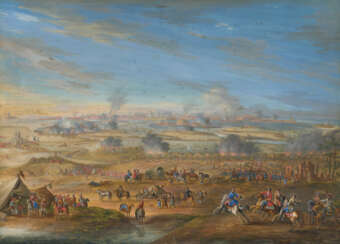
Louis Nicolas van Blarenberghe was a distinguished French painter, born into a dynasty of artists from French Flanders. With a career that spanned the 18th century, he was celebrated for his specialization in detailed miniatures and panoramic battle scenes. His artistic journey began in the Flemish Baroque tradition, evolving into a notable figure within the Rococo movement. Louis Nicolas, alongside his son Henri-Joseph, made significant contributions to the art world, working as miniaturists for the elite at the Palace of Versailles and serving as the official campaign painter for the French court.
His works, particularly those on snuff boxes and his panoramic gouache paintings of military and revolutionary subjects, garnered acclaim. These pieces often featured intricate detail and vivid storytelling, making them highly prized among collectors. The Blarenberghe family's art was so revered that it attracted the attention of the Rothschild family in the 19th century, leading to a substantial collection of their works being displayed publicly at Waddesdon Manor. A significant collection was also part of the Mentmore Towers sale in 1977, underlining the enduring legacy and collector interest in their works.
For art enthusiasts and collectors keen on exploring the rich tapestry of 18th-century French painting, Louis Nicolas van Blarenberghe's oeuvre offers a captivating glimpse into the period's military history and societal elite. His works can be viewed in prestigious institutions and collections, echoing the lasting impact of his and his family's artistic contributions. For updates on sales and auction events featuring Louis Nicolas van Blarenberghe's works, signing up for newsletters from art auction houses and galleries is highly recommended. This ensures enthusiasts stay informed about opportunities to own a piece of this remarkable artist's legacy.
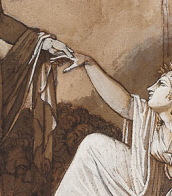
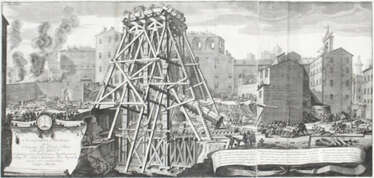

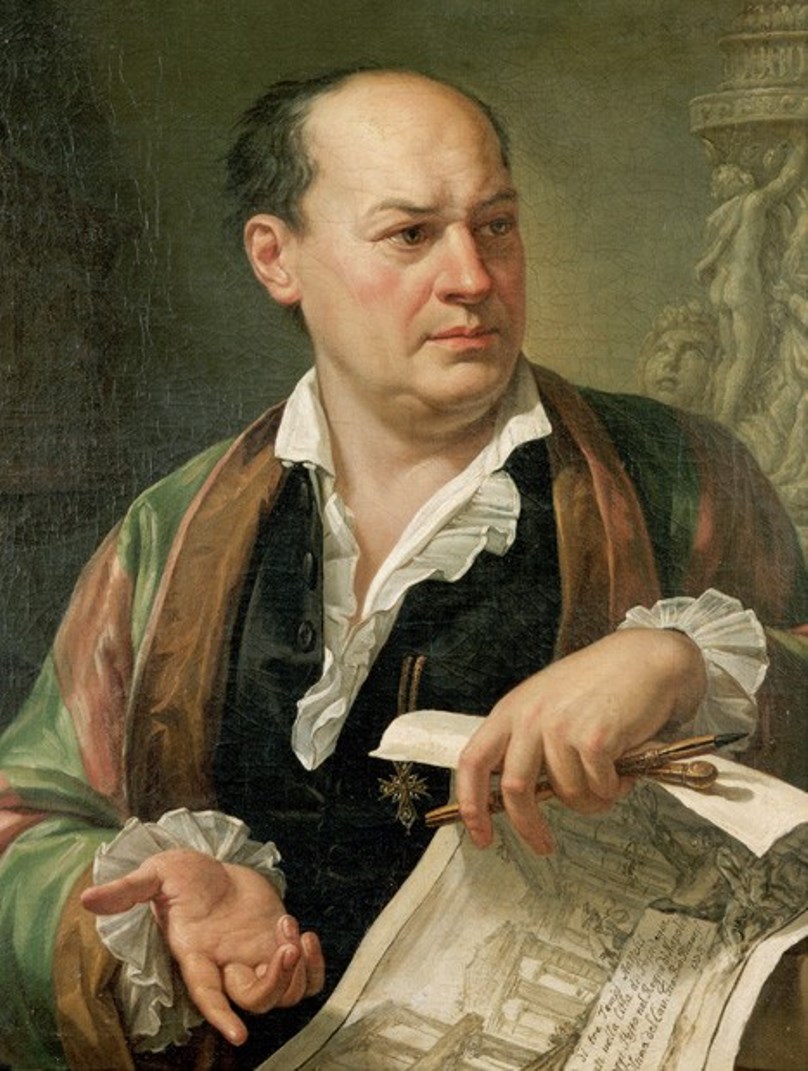
Giovanni Battista Piranesi was an 18th-century Italian painter, engraver, architect, and archaeologist who represented Neoclassicism and Romanticism. He was famous for creating a lot of original etchings with images of antique architecture monuments.
Giovanni Piranesi created hundreds of drawings and drafts in which he depicted the reconstructed ruins of ancient Roman buildings. His works are still used as teaching aids in the education of architectural students in many prestigious European universities. Piranesi periodically printed voluminous books with dozens of his own engravings depicting modified ancient architectural masterpieces - "graphic fantasies". His works were in demand among professional architects, who borrowed Piranesi's original ideas for their designs.
The peak of Piranesi's career came in the 1760s when, in recognition of his merits, he became an honorary member of the Guild of St. Luke and received from the Pope the title of Knight of the Golden Spur.
More than 700 of the master's original etchings have survived, printed in scholarly works.
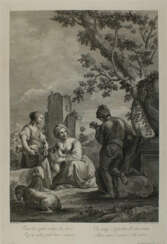

_by_Angelica_Kauffmann.jpg)
Giovanni Volpato was an Italian engraver. He was also an excavator, dealer in antiquities and manufacturer of biscuit porcelain figurines.
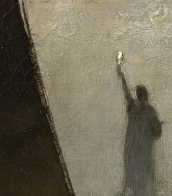



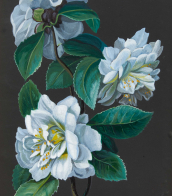


Paul Noble is a British artist, draughtsman and sculptor living and working in London.
Paul Noble studied at Sunderland Polytechnic and Humberside College of Higher Education in Hull. He was one of the five founding members of City Racing, an influential community of artists in London in the 1990s.
Although his practice encompasses drawing, sculpture and animation, Paul Noble is known primarily as a meticulous draftsman creating complex schemes. His compositions, based on fictional urban architecture, reflect disorder, circuit logic and self-portraiture at the same time. His best known conceptual project, Nobson Newtown, was first shown in a solo exhibition at Chisenhale Gallery in 1998. This series of large-scale drawings depicts a fictional city run by architect Paul, Noble's alter ego.
In addition to pencil drawings, the artist works in a combined drypoint and aquatint technique. He starts drawing from the upper left corner, gradually filling the entire space, and some large-scale drawings reach a size of 7 x 6 meters.
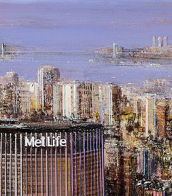


Rodolphe Auguste Bachelin was a Swiss landscape, history and portrait painter as well as a writer, historian and art critic.
He was interested in the Lombardy War of 1859 and in particular in the Franco-Prussian War of 1870 to 1871, which provided him with several subjects with its troop surge at Les Verrières. The Neuchâtel painter was greatly influenced by the writings of Rodolphe Töpffer and aspired to become a Swiss national painter.
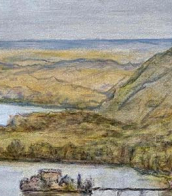
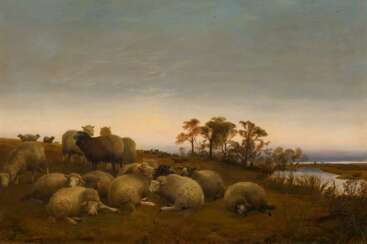

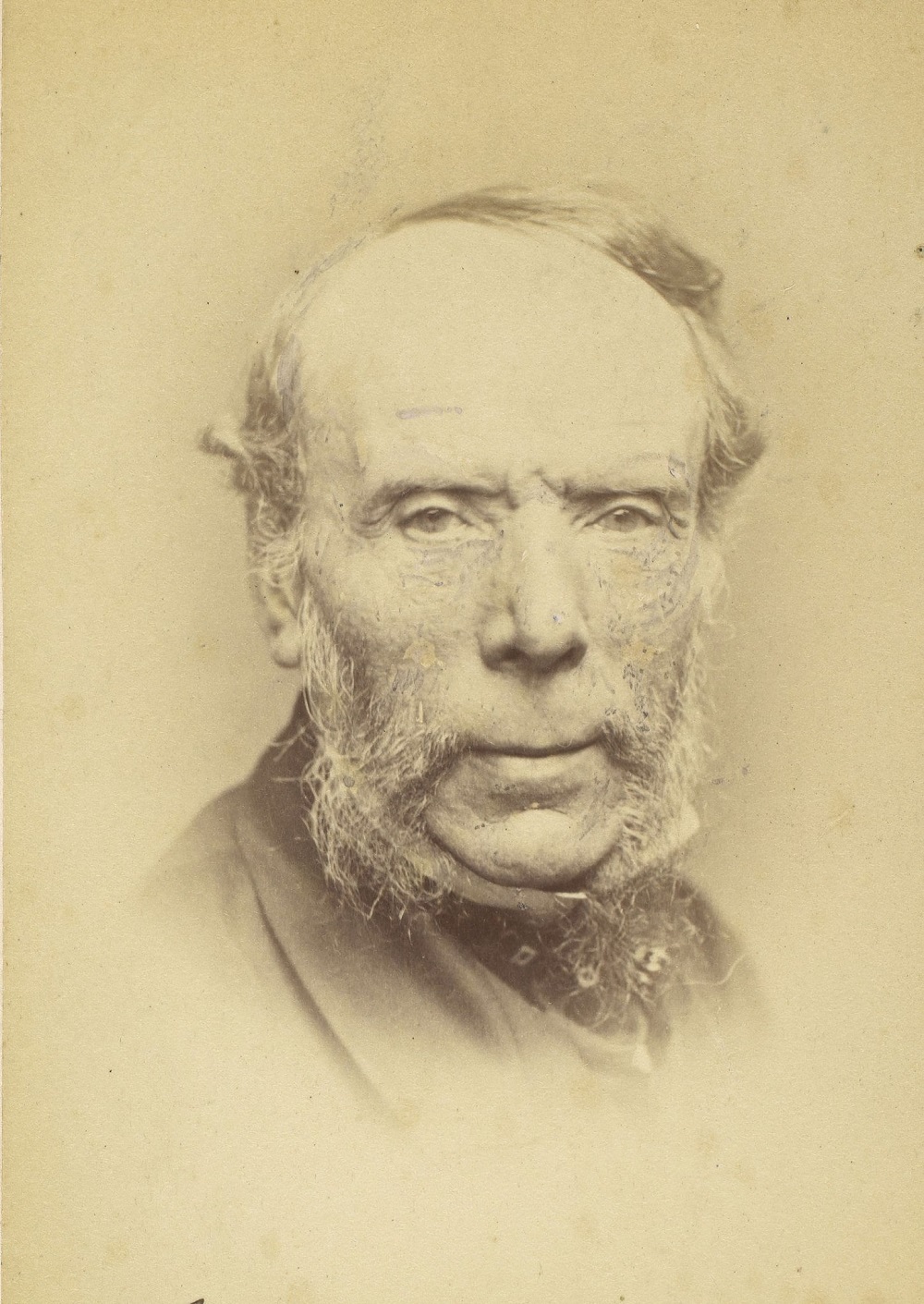
Thomas Sidney Cooper was an English painter. He studied in London at the British Museum and the Royal Academy of Arts.
Thomas Sidney Cooper painted idyllic landscapes and animals in the spirit of the old Flemish masters.


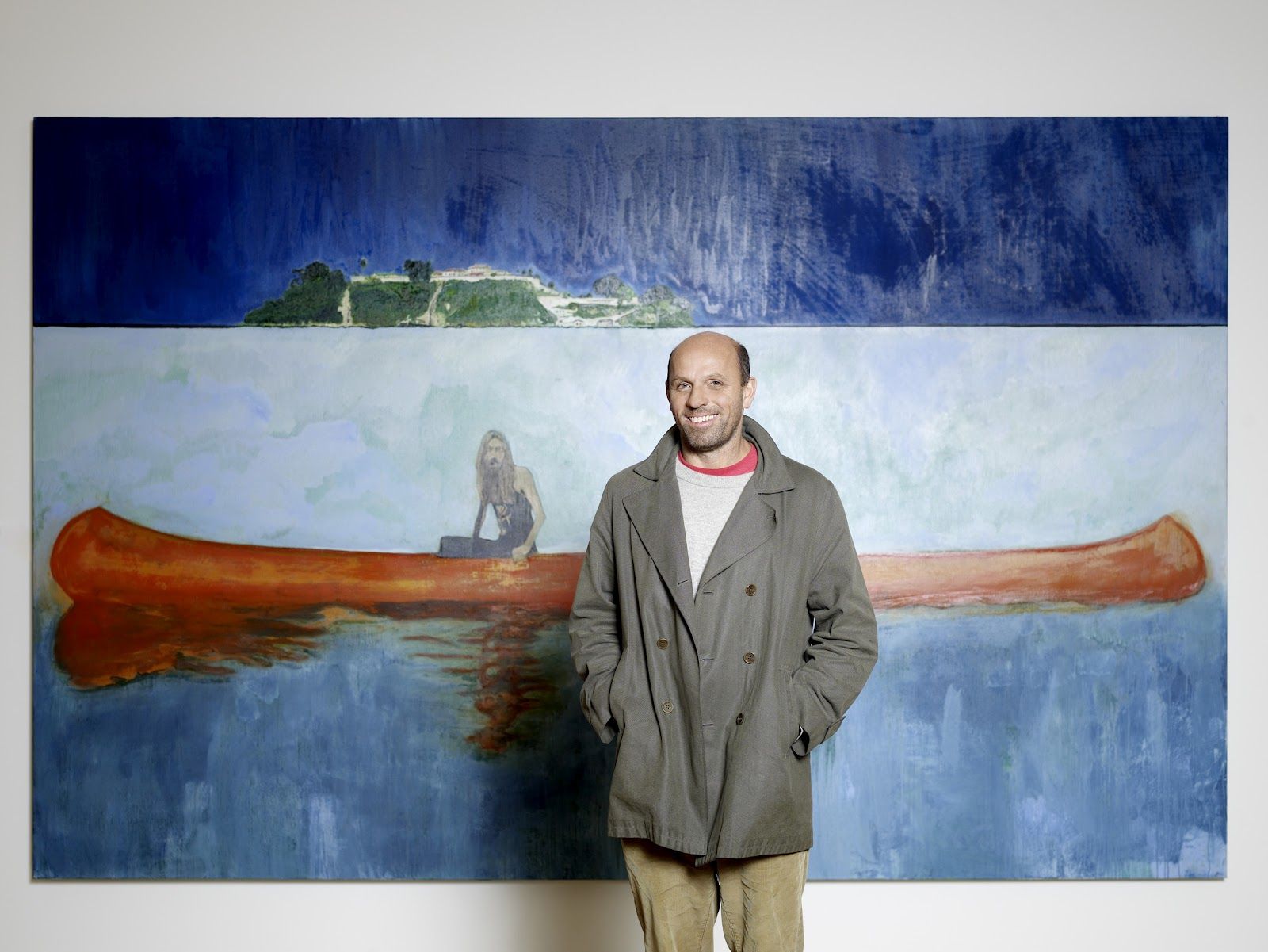
Peter Doig, a Scottish painter, is renowned for his distinct, evocative style that captures elements of the natural world intertwined with a sense of the fantastical. Known for his vibrant use of color and imaginative landscapes, Doig's works often explore themes of memory and nostalgia, heavily influenced by his experiences in Canada, Trinidad, and the United Kingdom.
Peter Doig’s journey in the art world gained significant momentum after his education at Chelsea College of Arts, which was followed by his winning the prestigious Whitechapel Artist Prize in 1991. This recognition led to a solo exhibition at the Whitechapel Art Gallery where he showcased key works that helped define his career, such as "Swamped" and "The Architect's Home in the Ravine."
Throughout his career, Peter Doig has demonstrated a mastery of painting, evident in works like "White Canoe" and "Echo Lake," which reside in major collections such as the Tate and the Saatchi Collection. His art not only reflects his personal history and travels but also incorporates elements from cinema and photography, giving his paintings a dream-like quality that invites viewers to interpret their narratives.
Peter Doig's work has been exhibited worldwide, including significant retrospectives at the Fondation Beyeler in Basel and the Louisiana Museum of Modern Art in Denmark. His achievements in the art world have been recognized with numerous awards, including being named the 2017 Whitechapel Gallery Art Icon.
For those interested in the contemporary art scene, Peter Doig remains a pivotal figure whose works continue to inspire and provoke deep reflection. Art collectors and enthusiasts keen on following updates related to new sales and auction events featuring Doig’s work can sign up for targeted updates here.
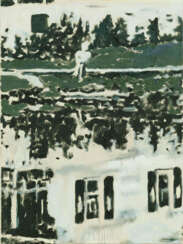

Peter Doig, a Scottish painter, is renowned for his distinct, evocative style that captures elements of the natural world intertwined with a sense of the fantastical. Known for his vibrant use of color and imaginative landscapes, Doig's works often explore themes of memory and nostalgia, heavily influenced by his experiences in Canada, Trinidad, and the United Kingdom.
Peter Doig’s journey in the art world gained significant momentum after his education at Chelsea College of Arts, which was followed by his winning the prestigious Whitechapel Artist Prize in 1991. This recognition led to a solo exhibition at the Whitechapel Art Gallery where he showcased key works that helped define his career, such as "Swamped" and "The Architect's Home in the Ravine."
Throughout his career, Peter Doig has demonstrated a mastery of painting, evident in works like "White Canoe" and "Echo Lake," which reside in major collections such as the Tate and the Saatchi Collection. His art not only reflects his personal history and travels but also incorporates elements from cinema and photography, giving his paintings a dream-like quality that invites viewers to interpret their narratives.
Peter Doig's work has been exhibited worldwide, including significant retrospectives at the Fondation Beyeler in Basel and the Louisiana Museum of Modern Art in Denmark. His achievements in the art world have been recognized with numerous awards, including being named the 2017 Whitechapel Gallery Art Icon.
For those interested in the contemporary art scene, Peter Doig remains a pivotal figure whose works continue to inspire and provoke deep reflection. Art collectors and enthusiasts keen on following updates related to new sales and auction events featuring Doig’s work can sign up for targeted updates here.

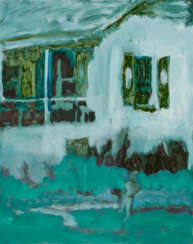

Peter Doig, a Scottish painter, is renowned for his distinct, evocative style that captures elements of the natural world intertwined with a sense of the fantastical. Known for his vibrant use of color and imaginative landscapes, Doig's works often explore themes of memory and nostalgia, heavily influenced by his experiences in Canada, Trinidad, and the United Kingdom.
Peter Doig’s journey in the art world gained significant momentum after his education at Chelsea College of Arts, which was followed by his winning the prestigious Whitechapel Artist Prize in 1991. This recognition led to a solo exhibition at the Whitechapel Art Gallery where he showcased key works that helped define his career, such as "Swamped" and "The Architect's Home in the Ravine."
Throughout his career, Peter Doig has demonstrated a mastery of painting, evident in works like "White Canoe" and "Echo Lake," which reside in major collections such as the Tate and the Saatchi Collection. His art not only reflects his personal history and travels but also incorporates elements from cinema and photography, giving his paintings a dream-like quality that invites viewers to interpret their narratives.
Peter Doig's work has been exhibited worldwide, including significant retrospectives at the Fondation Beyeler in Basel and the Louisiana Museum of Modern Art in Denmark. His achievements in the art world have been recognized with numerous awards, including being named the 2017 Whitechapel Gallery Art Icon.
For those interested in the contemporary art scene, Peter Doig remains a pivotal figure whose works continue to inspire and provoke deep reflection. Art collectors and enthusiasts keen on following updates related to new sales and auction events featuring Doig’s work can sign up for targeted updates here.







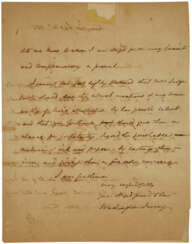

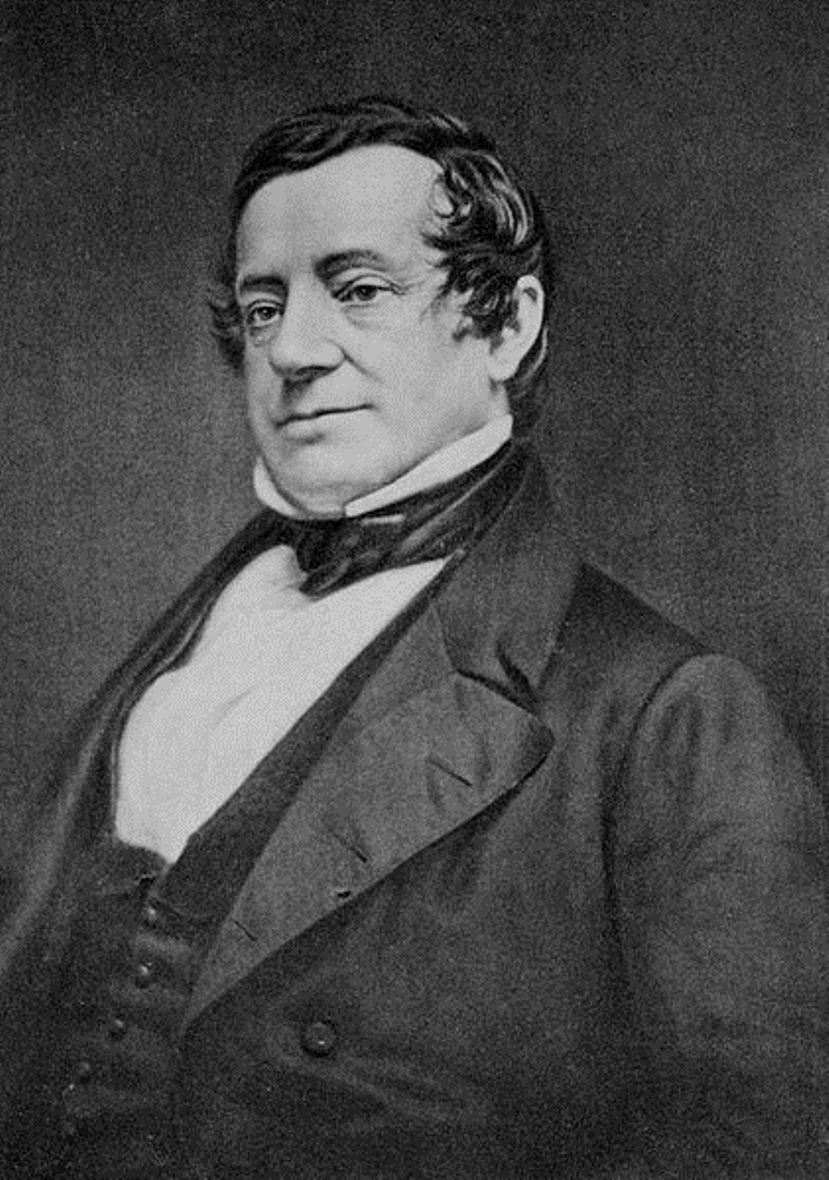
Washington Irving was an American Romantic writer, historian, and diplomat.
Irving has been called "the first American writer" to be recognized in Europe. In 1815, he traveled to England on family business. A huge success in England and the United States was The Sketch Book, published in several installments during 1819-1820, which contained two of the author's most famous works, Rip Van Winkle and The Legend of Sleepy Hollow, and which made him a literary star in both England and the United States.
He continued his literary endeavors and worked at the U.S. Embassy of Great Britain. Returning to the United States in 1832, Irving visited some little-known territories near the western fringes of the country, and this journey inspired his works Journey on the Prairie (1835), Astoria (1836), and The Adventures of Captain Bonneville (1837). Late in life he published several historical and biographical works, including the five-volume Life of George Washington (1855-1859).
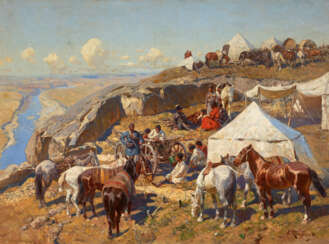

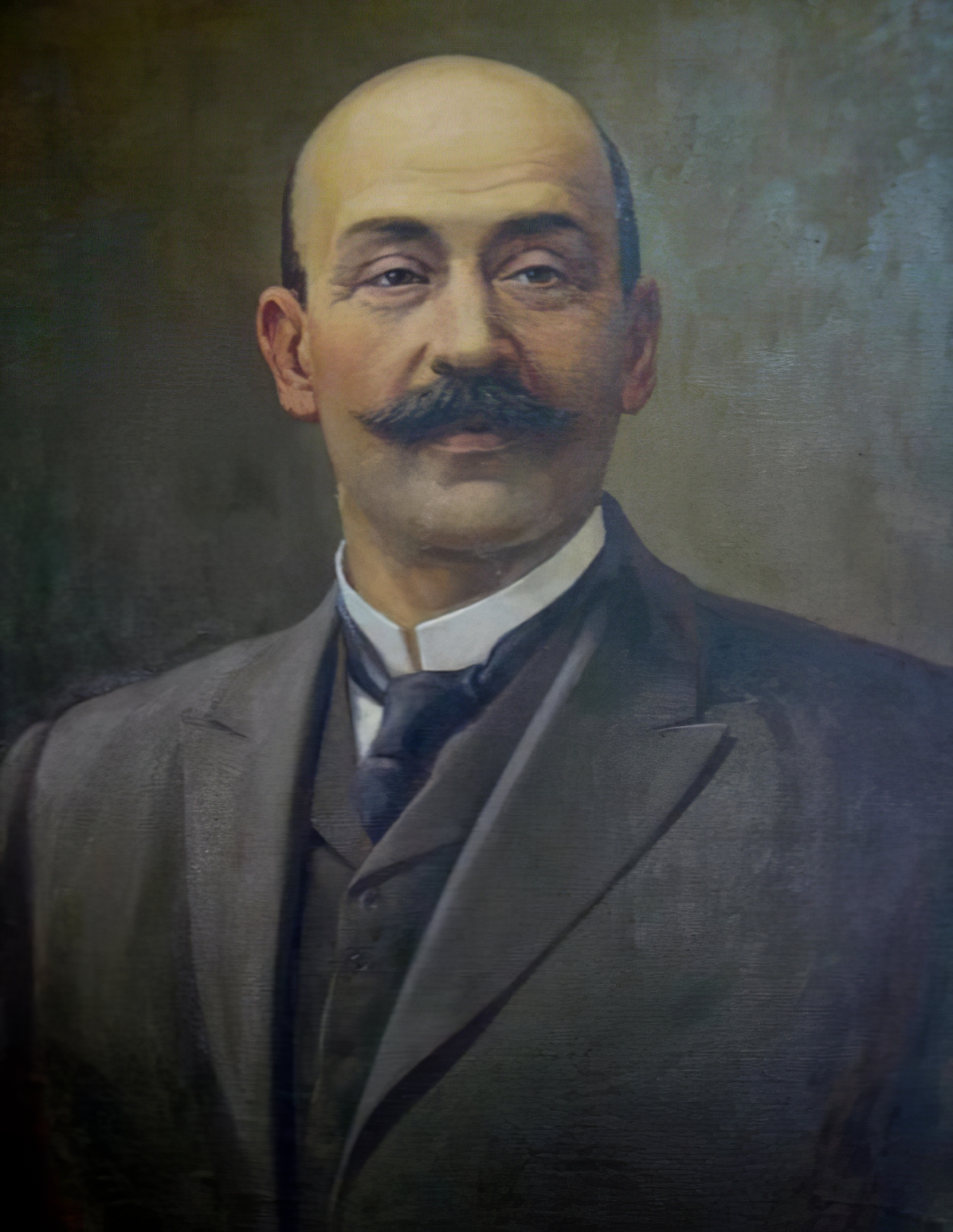
Franz Roubaud (Russian: Франц Алексеевич Рубо) was a Russian painter, known for his panoramic paintings and battle scenes. Born in Odessa in 1856, Roubaud studied at the Imperial Academy of Arts in St. Petersburg and furthered his education in Munich. His works are celebrated for their meticulous detail and dynamic composition.
One of his most famous works is the "Siege of Sevastopol," a monumental panorama depicting a key event from the Crimean War. This masterpiece is housed in the Panorama Museum in Sevastopol and stands as a testament to Roubaud's ability to convey historical grandeur and emotional intensity.
Roubaud's contributions to Russian art extend beyond his canvases, as he was also a respected professor at the Academy of Arts in St. Petersburg. His legacy continues to influence modern Russian painters, and his works are sought after by collectors and art enthusiasts worldwide.
Stay updated on new product sales and auction events related to Franz Roubaud (Rubo) by signing up for our newsletter. Don’t miss the chance to own a piece of history!
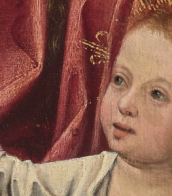




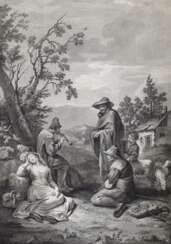

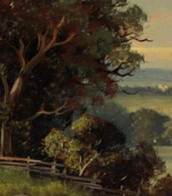







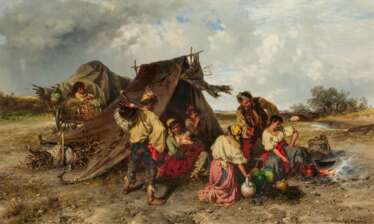

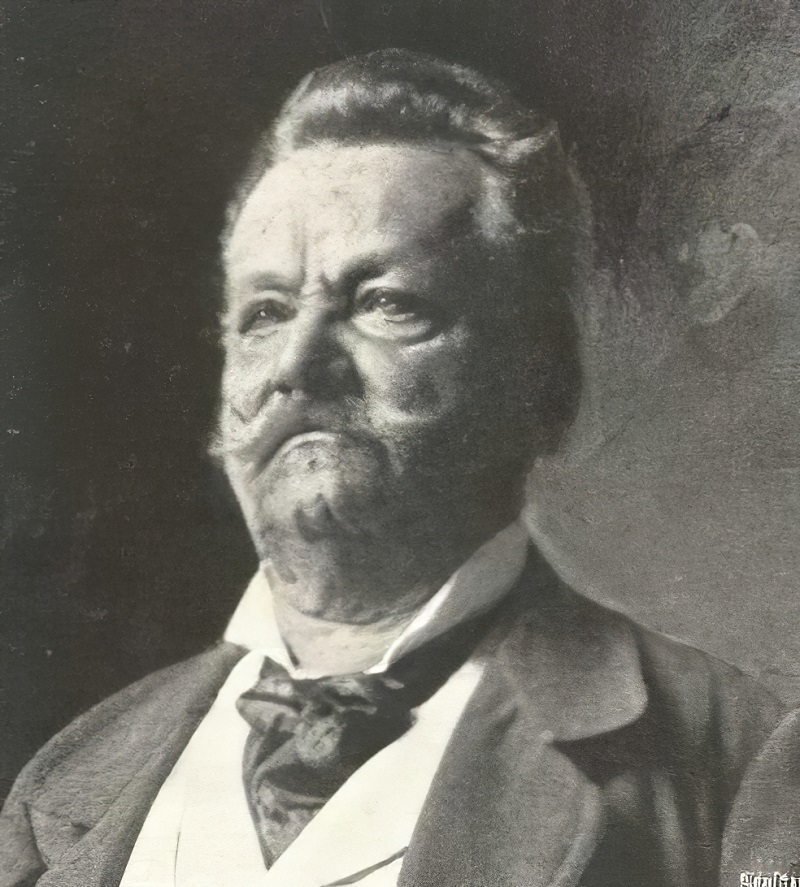
Pál (Paul) Böhm was a Hungarian genre painter.