car star













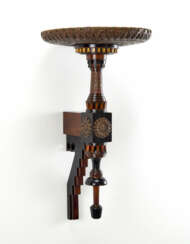

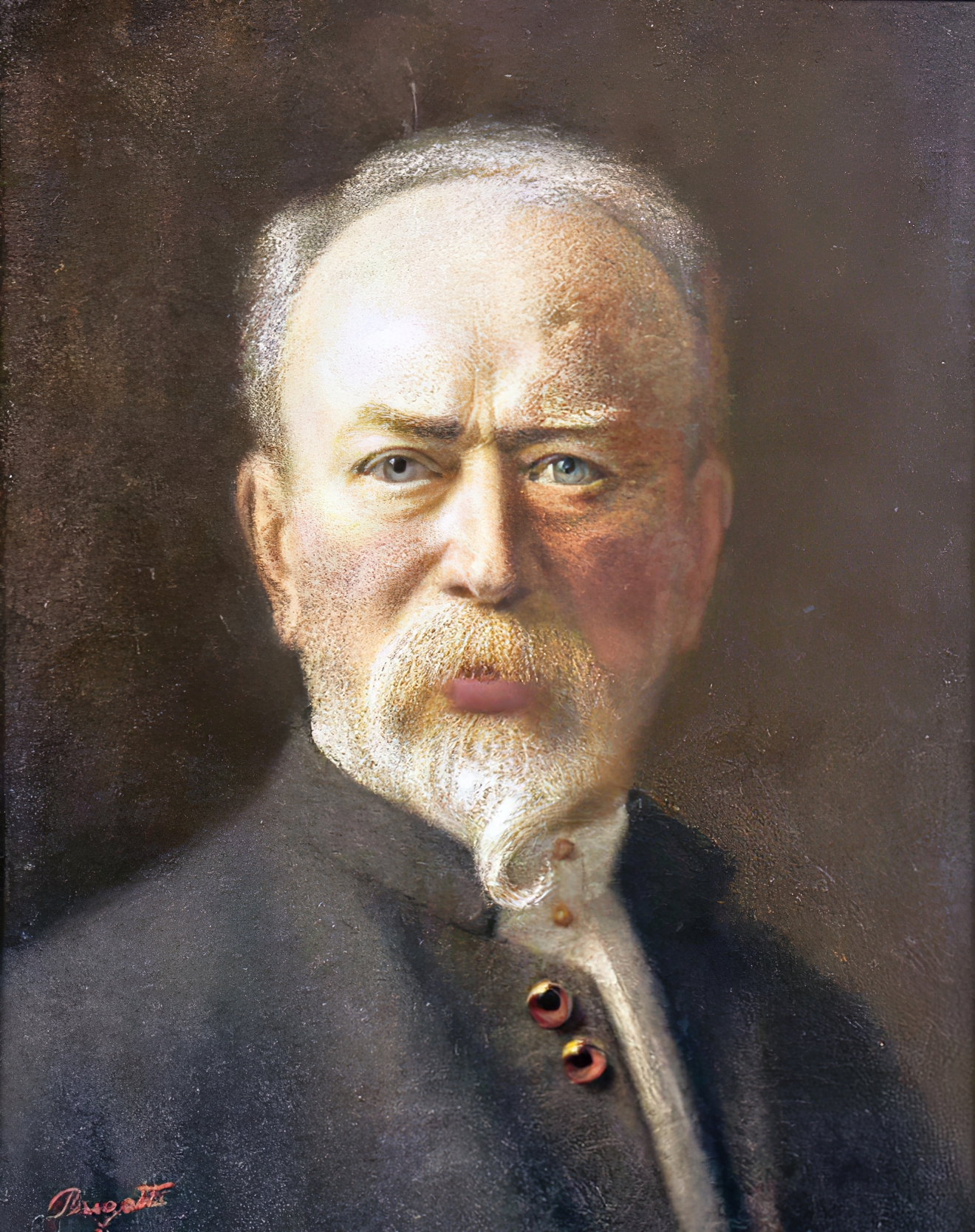
Carlo Bugatti was an Italian decorator, designer and manufacturer of Art Nouveau furniture, models of jewelry, and musical instruments.

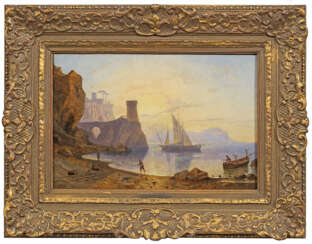

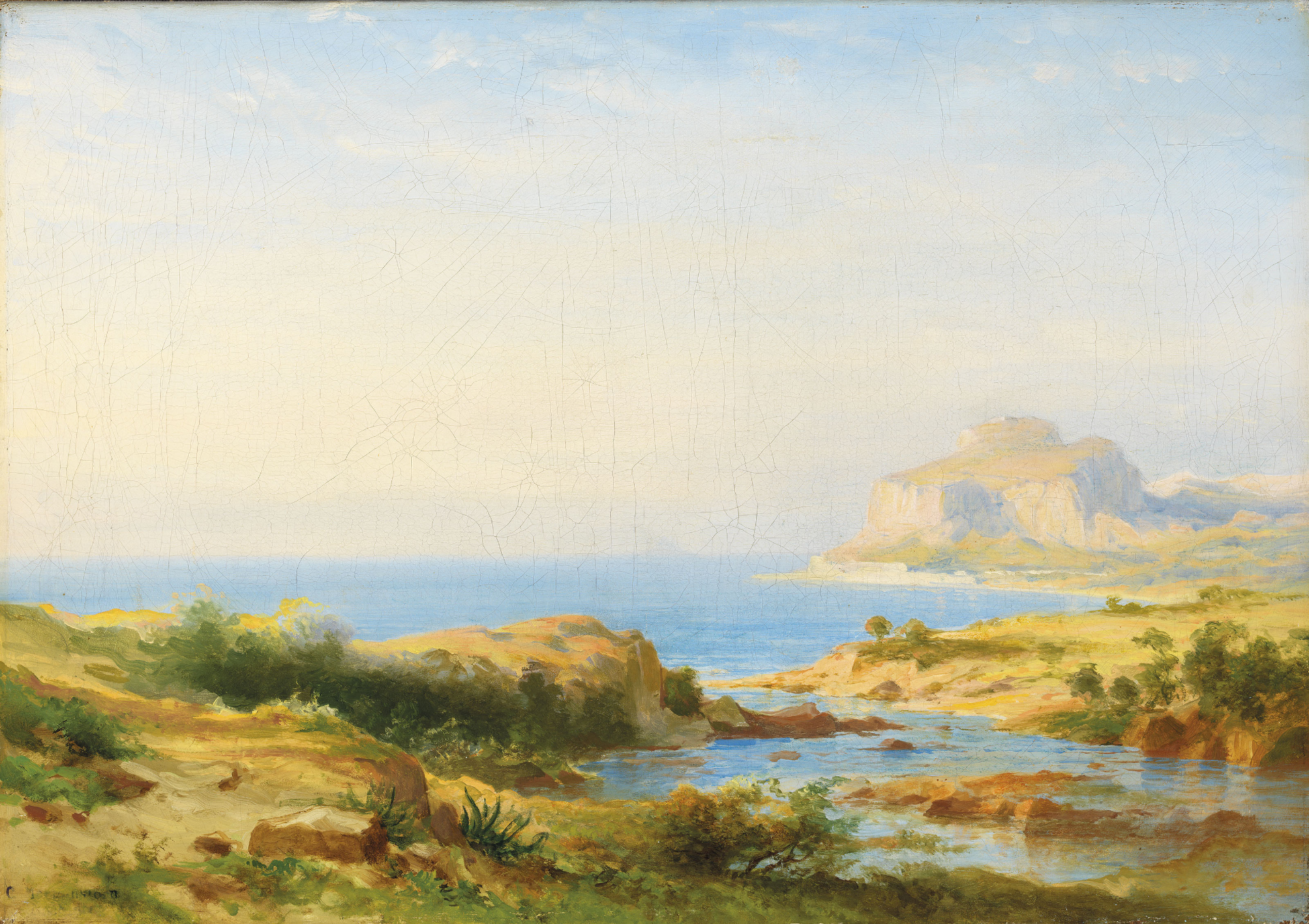
Carl Morgenstern was a German landscape painter of the Romantic period. His father, Johann Friedrich Morgenstern, was an architectural and landscape painter, and Carl received painting and drawing lessons from him at a young age.
At the age of 21 Carl went to Munich and became a pupil of the landscape painter Carl Rottmann. After a three-year stay in Italy, he returned to Frankfurt am Main, where he established himself as an artist and was later appointed professor.
His paintings from the early period mainly show landscapes, which surprise with special light effects and earned him the nickname "Italianist". Despite his desire for artistic innovation, he later devoted himself mainly to repeating popular motifs in order to satisfy his patrons.
Some of his most important works are views of Frankfurt am Main and the city's surroundings, as well as landscapes from the Taunus and along the Rhine.






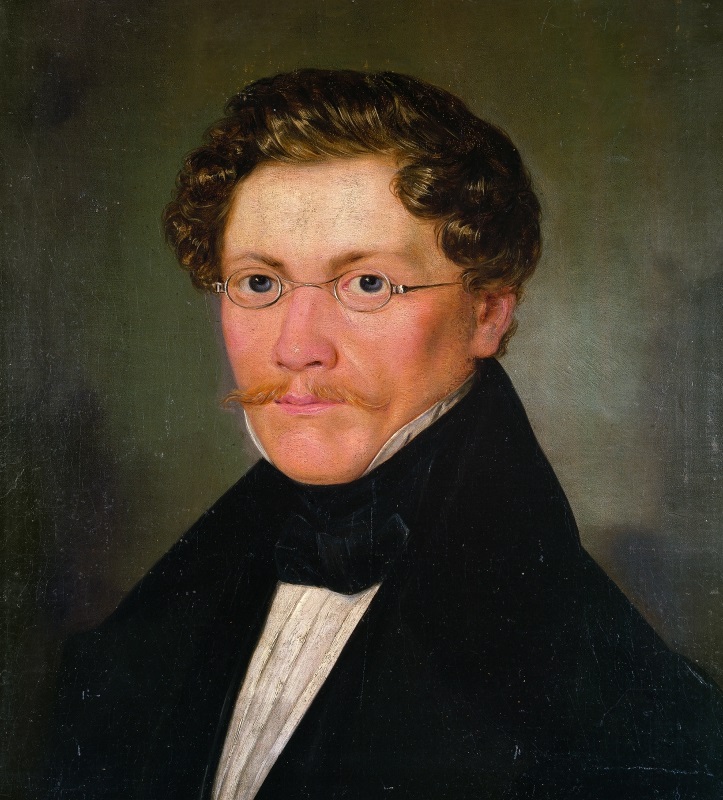
Carl Spitzweg was a German romanticist painter, especially of genre subjects. He is considered to be one of the most important artists of the Biedermeier era.



Carl Spitzweg was a German romanticist painter, especially of genre subjects. He is considered to be one of the most important artists of the Biedermeier era.
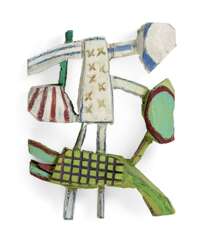

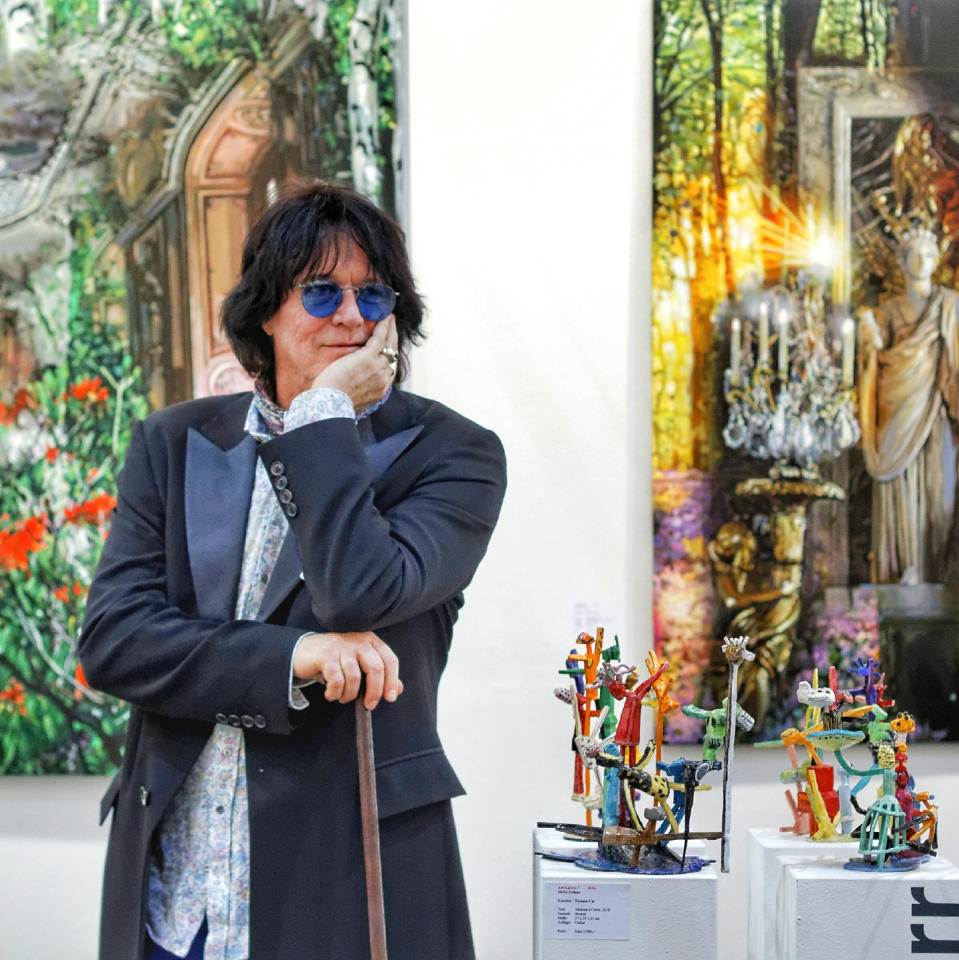
Terence Carr is a German painter and sculptor originally from Kenya.
Terence Carr, whose family emigrated to Africa from Ireland, was born in Nairobi, Kenya, where he spent the first 19 years of his life. In 1971, he traveled to England, where he became an officer in the British Army and then served in Germany. After gaining life experience, Carr enrolled at Augsburg University to study art education.
There is always an African influence in Carr's wooden sculptures, his peculiar language of forms. The artist hardly makes any sketches and immediately works directly on the wood with a chainsaw. Terence Carr uses constantly recurring symbols that reflect opposites - good and evil, love and hate, war and peace, pain, fear, suffering, tolerance and humanity. Animals with human features and people who look animal-like. Overall, it touches on the root issues of being human.
Over time, Terence Carr has become one of the most famous artists in the world. His works can be seen at exhibitions in different parts of the world and are represented in many significant collections.


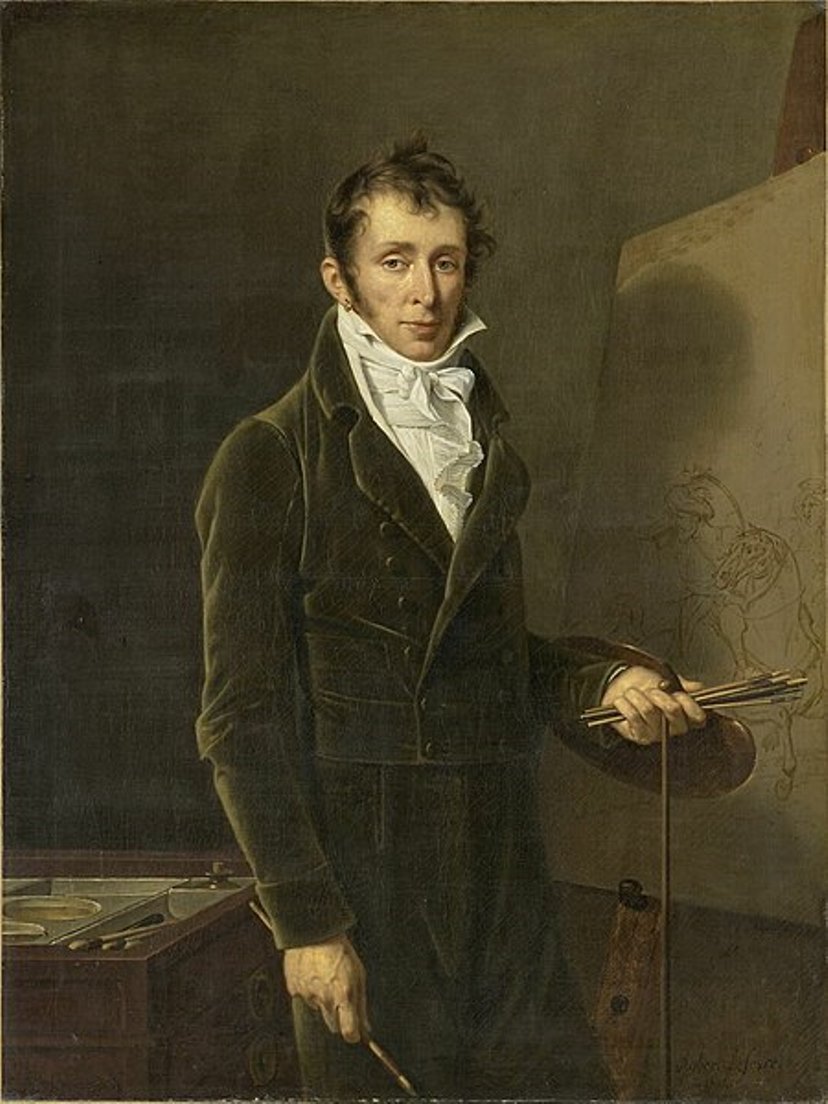
Carle Vernet, born Antoine Charles Horace Vernet, was a French painter, draughtsman and lithographer.
He was the son of the famous landscape painter Claude Joseph Vernet (1714-1789) and studied painting with his father and then in Italy. Under Napoleon I, Vernet painted battle scenes and later became court painter to Louis XVIII. Vernet successfully depicted hunting and domestic scenes of Parisian life. However, the main focus of his work was horses, races and equestrian battles.
Charles Vernet was the father of the famous battle painter Oras Vernet (1789 - 1863).
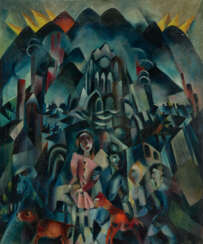

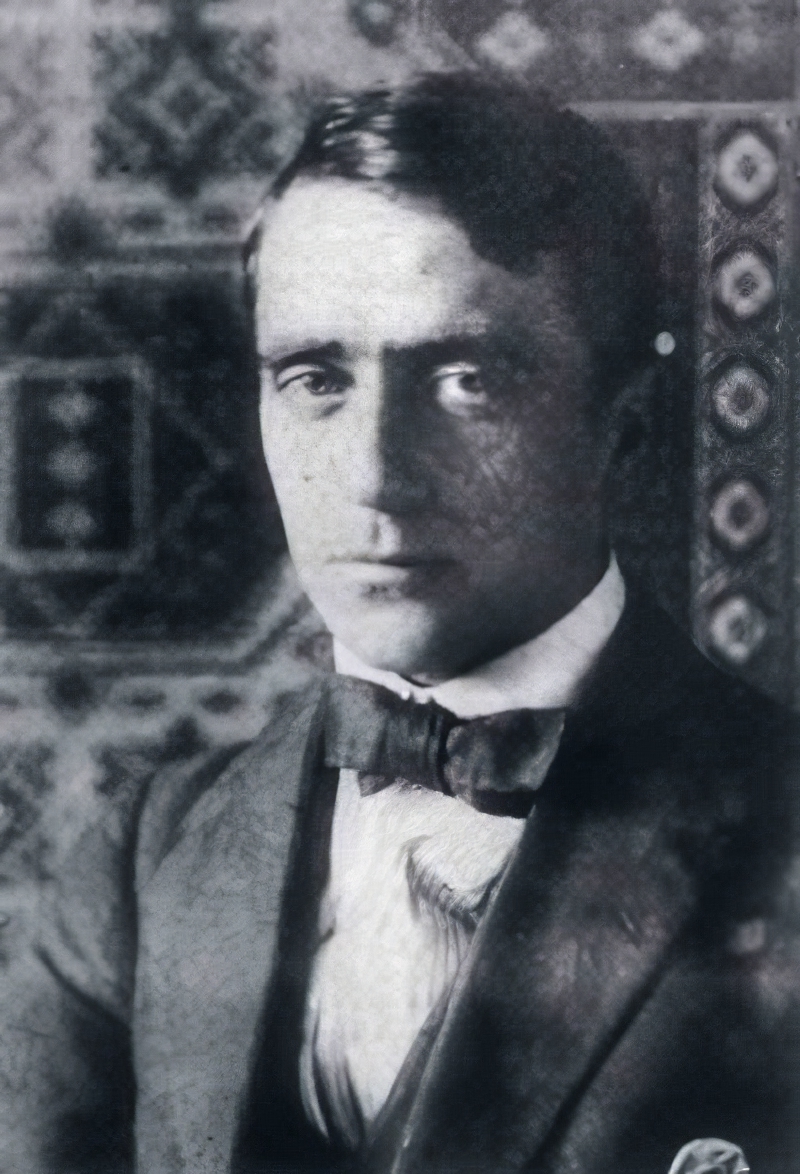
Carlo Mense was a German artist of the twentieth century. He is known as a painter and graphic artist, a representative of Rhenish Expressionism and New Materialism.
Mense was a member of artists' associations such as the Cologne Secession, Gereon Club, Young Rhine, and November. He actively participated in Expressionist exhibitions. Creating graphic works for the magazines "Action" and "Sturm", he became known for his artistic style. In 1937, the Nazis destroyed 37 of his works, categorizing them as "degenerate art." Mense left a significant mark on twentieth-century German painting with his expressive and evocative works.


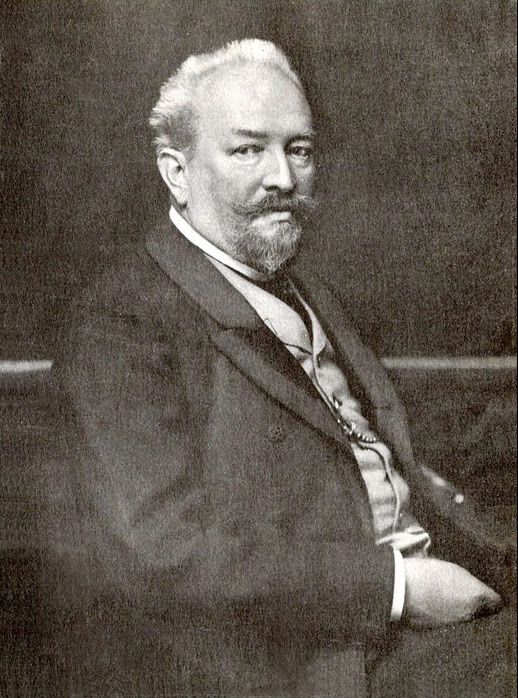
Carl Ernst Morgenstern was a German landscape painter and professor at the School of Applied Arts in Breslau.
His father Christian E. B. Morgenstern was also a landscape painter and taught his son in his early years. Later Morgenstern studied with various teachers, including Josef Schertel, Eduard Schleich and Theodor Kotsch.
Carl Ernst Morgenstern was an important landscape painter of the 19th century. His style was influenced by the Barbizon School, which advocated painting en plein air and a realistic depiction of nature and landscape. Morgenstern also introduced these ideas into his teaching at the School of Arts and Crafts in Breslau and thus influenced an entire generation of artists. Today his works can be found in numerous museums and collections and he is considered one of the most important landscape painters of his time.


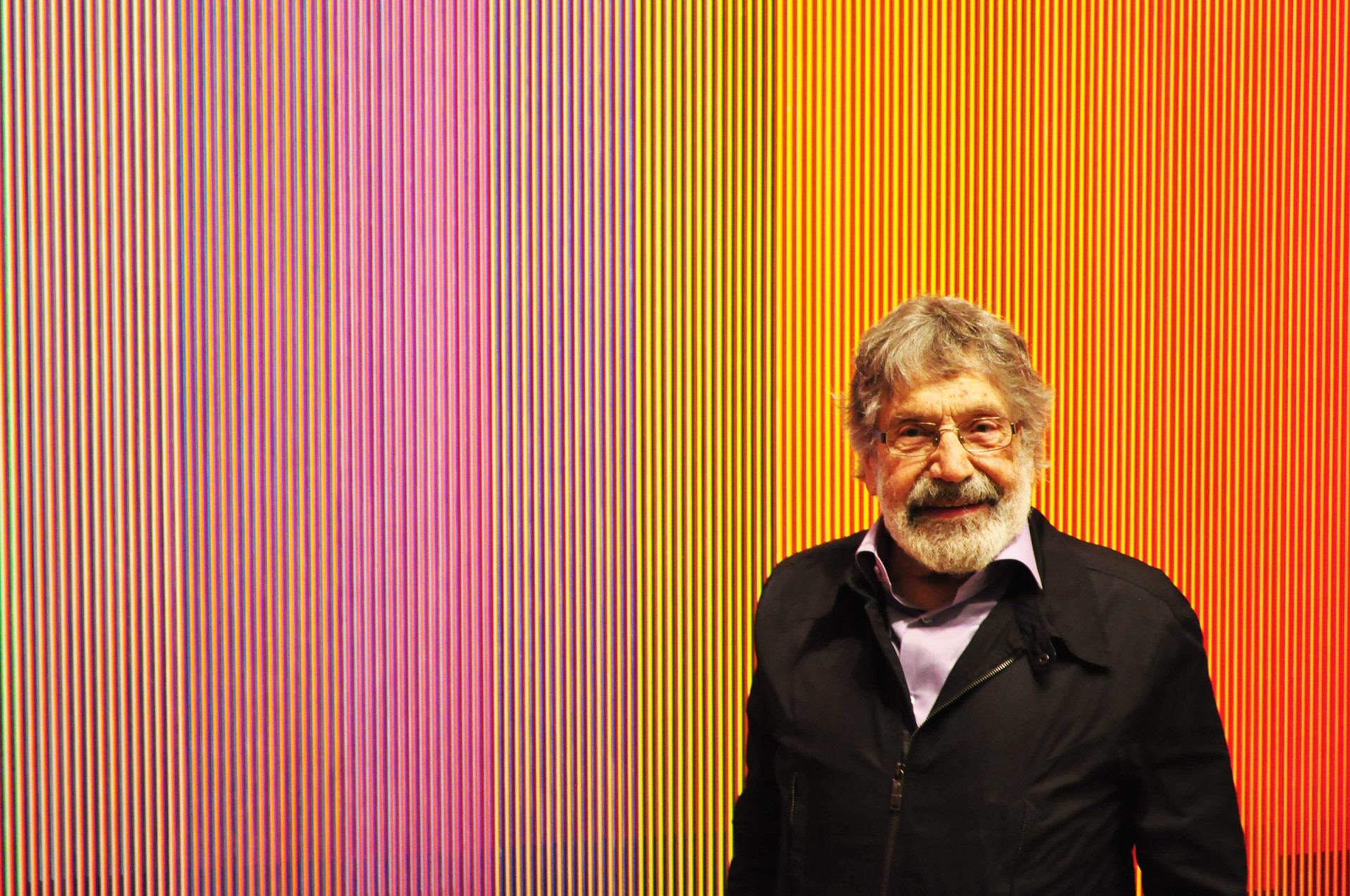
Carlos Cruz-Diez was a Venezuelan artist said by some scholars to have been "one of the greatest artistic innovators of the 20th century."
![[LINNAEUS, Carl (1707-1778)]](/assets/image/picture_2944529/10223/899068405626ba931798d26f5608762f1689112800jpg__fix_374_244.jpeg)
![[LINNAEUS, Carl (1707-1778)]](https://veryimportantlot.com/assets/image/picture_2944529/10223/899068405626ba931798d26f5608762f1689112800jpg__fix_374_244.jpeg)
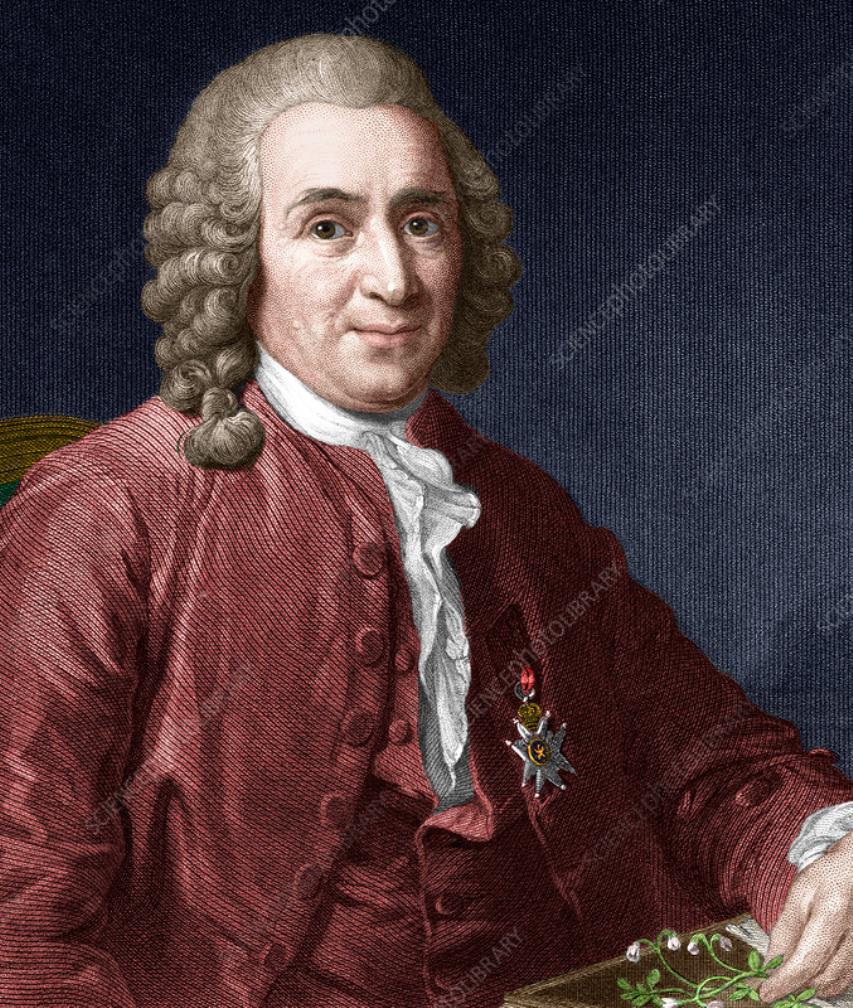
Carl Linnaeus was a Swedish naturalist, botanist and physician.
Carl Linnaeus created a unified system of classification of flora and fauna, in which he summarized and organized the knowledge of the entire previous period of development of biological science. He was the first to formulate the principles of definition of living beings of natural nature and created a unified system of their names, binary nomenclature. Linnaeus' book "The System of Nature", first published in 1735, is one of the most important books in the history of science and practically opened the classification of plants and animals.
Linnaeus was a professor at Uppsala University for many years, and he is also valued in Sweden as one of the creators of the literary Swedish language in its modern form. In addition to his work in botany and scientific classification, Linnaeus led many activities for the betterment of his native country. He was also involved in the establishment of the Royal Swedish Academy of Sciences.



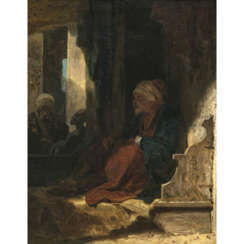

Carl Spitzweg was a German romanticist painter, especially of genre subjects. He is considered to be one of the most important artists of the Biedermeier era.
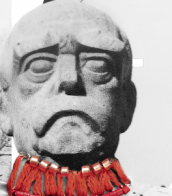
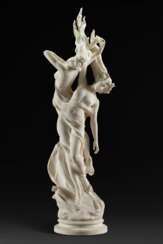

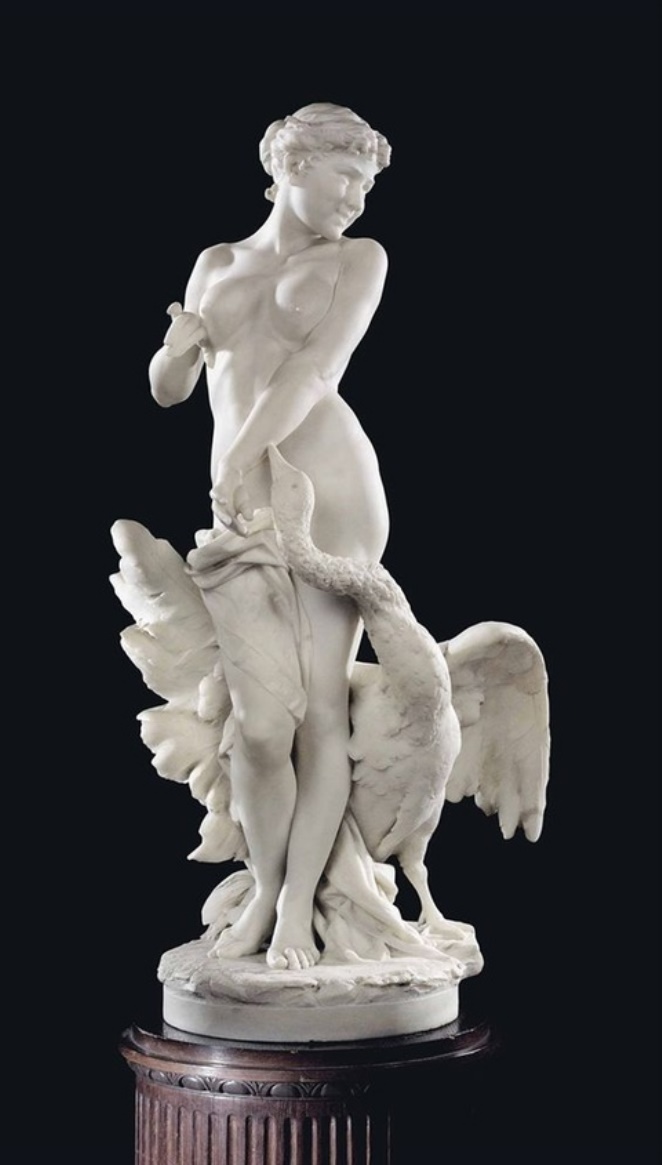
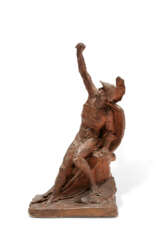

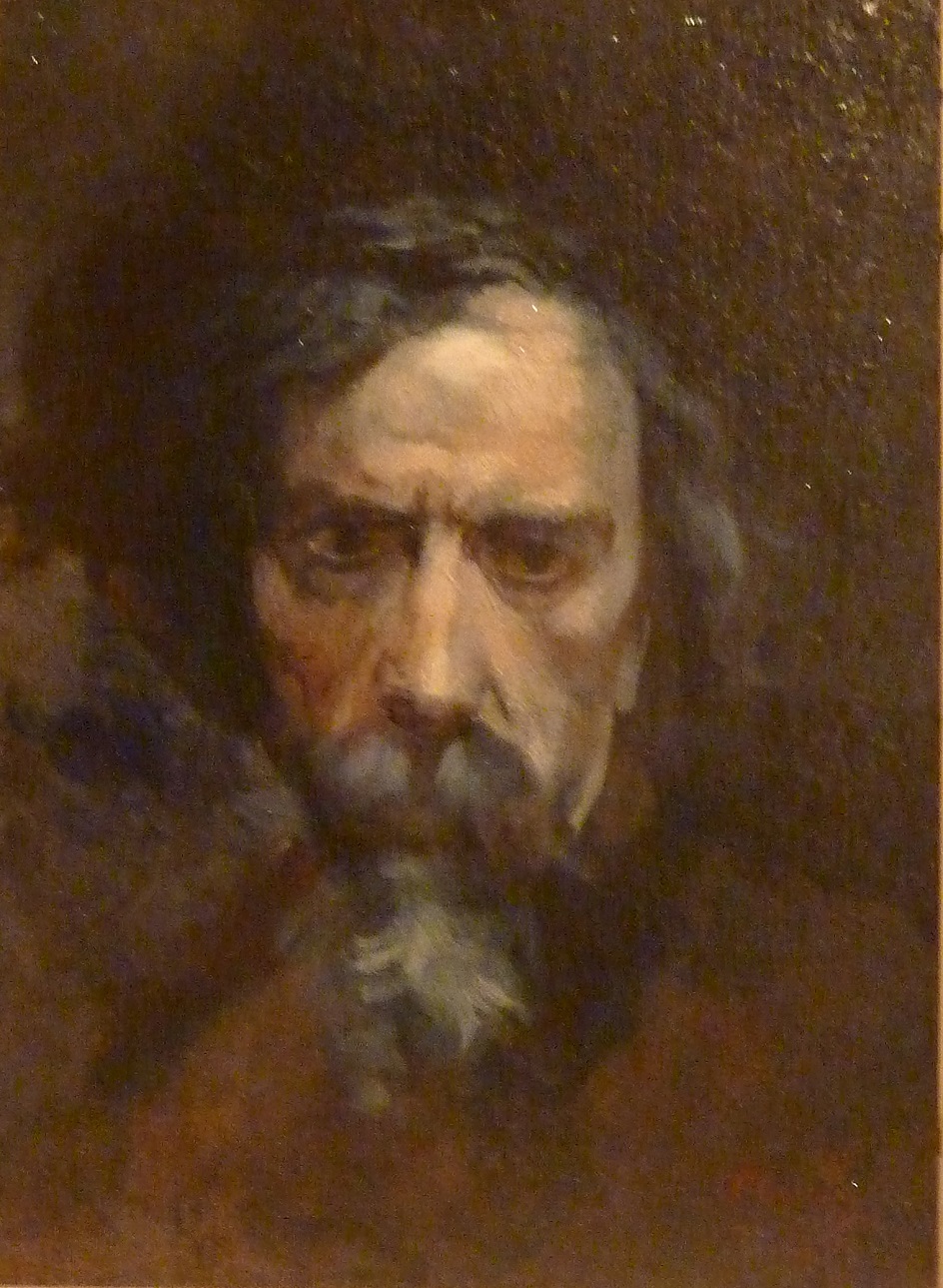
Jean-Baptiste Carpeaux was a French sculptor and painter during the Second Empire under Napoleon III.


Jean-Baptiste Carpeaux was a French sculptor and painter during the Second Empire under Napoleon III.





Carl Spitzweg was a German romanticist painter, especially of genre subjects. He is considered to be one of the most important artists of the Biedermeier era.


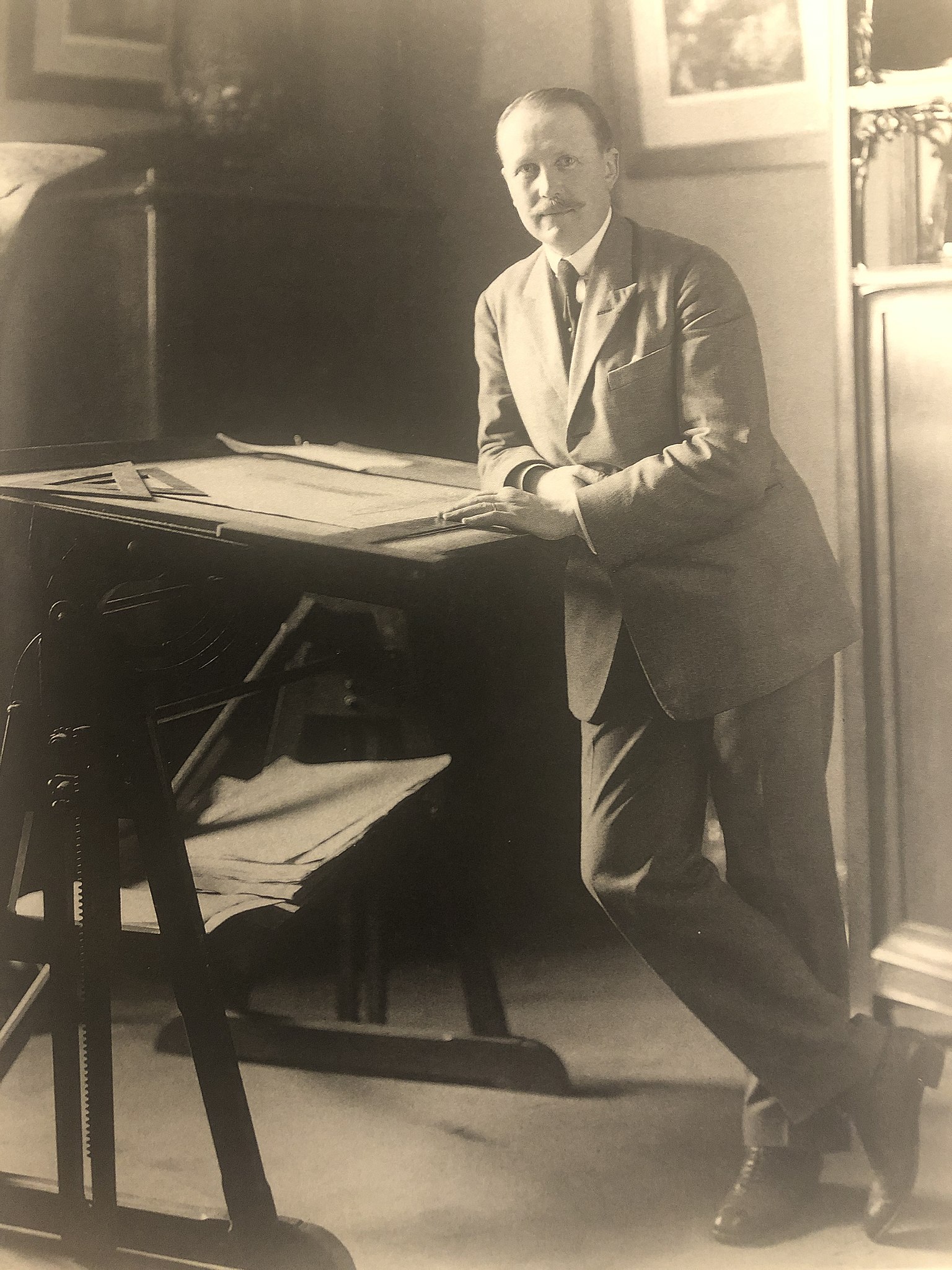
Edgar William Brandt was a French ironworker and prolific weapons designer. In 1901 he set up a small workshop at 76 rue Michel-Ange in the 16th arrondissement in Paris, where he began designing, silversmithing, and forging small items such as jewelry, crosses, and brooches. His business began to take off with special commissions such as the door of the French Embassy in Brussels, the Escalier Mollien stairs in the Louvre, and the stair and balcony railing for the Grand Theatre Municipal de Nancy.
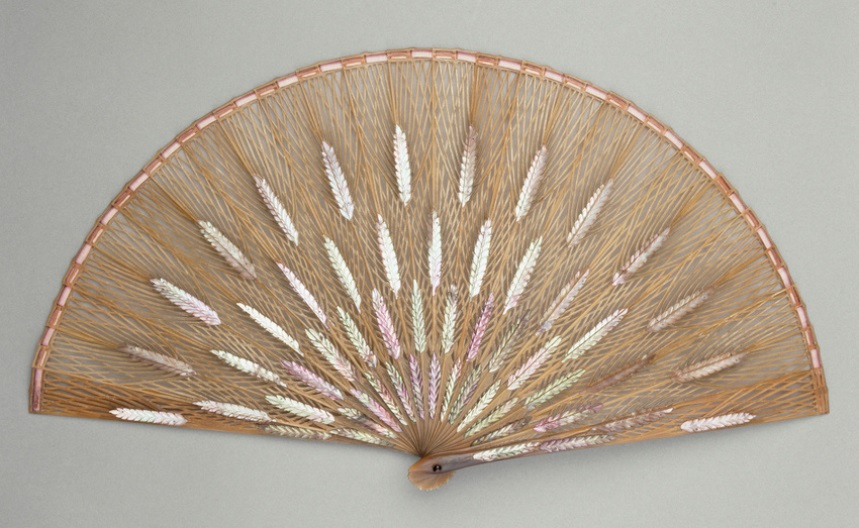


Edgar William Brandt was a French ironworker and prolific weapons designer. In 1901 he set up a small workshop at 76 rue Michel-Ange in the 16th arrondissement in Paris, where he began designing, silversmithing, and forging small items such as jewelry, crosses, and brooches. His business began to take off with special commissions such as the door of the French Embassy in Brussels, the Escalier Mollien stairs in the Louvre, and the stair and balcony railing for the Grand Theatre Municipal de Nancy.

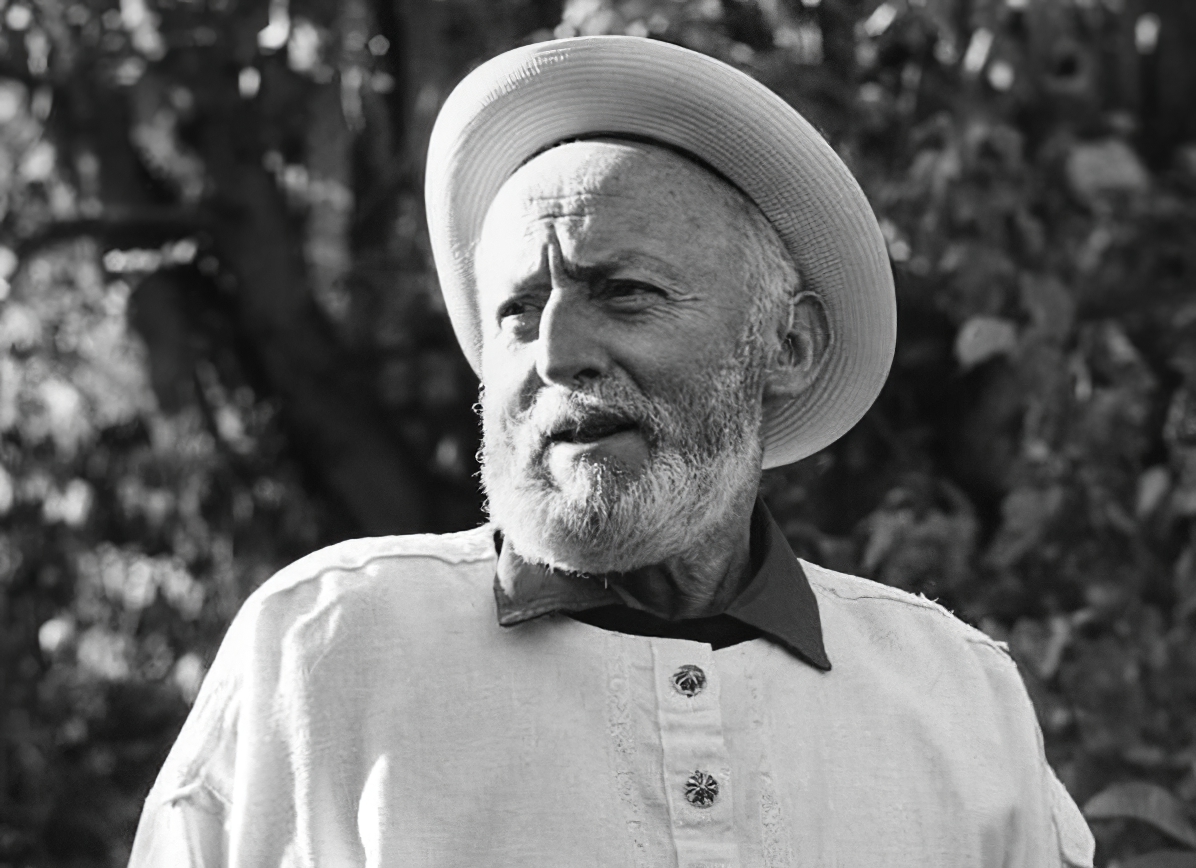
Alois Carigiet was a Swiss graphic designer, painter, and illustrator. He may be known best for six children's picture books set in the Alps, A Bell for Ursli and its sequels, written by Selina Chönz, and three that he wrote himself. In 1966 he received the inaugural Hans Christian Andersen Medal for children's illustrators.